Sermones Bíblicos
Cualidades de la incredulidad, examen y aliento
John Bunyan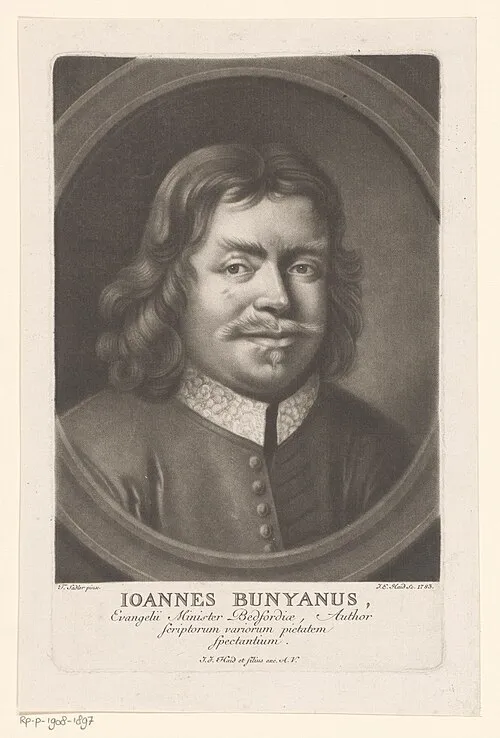
Cualidades de la incredulidad, opuestas a la fe
—Pero, para ser breve. Permíteme darte aquí, lector cristiano, una descripción más particular de las cualidades de la incredulidad, oponiendo la fe a ella, en estos veinticinco particulares:
-
La fe cree la Palabra de Dios; pero la incredulidad pone en duda la certeza de ella (Salmo 106:24).
-
La fe cree la Palabra, porque es verdadera; pero la incredulidad duda de ella, porque es verdadera (1 Timoteo 4:3; Juan 8:45).
-
La fe ve más, en una promesa de Dios para ayudar, que en todas las demás cosas para estorbar; pero la incredulidad, no obstante la promesa de Dios, dice: ¿Cómo puede ser esto? (Romanos 4:19-21; 2 Reyes 7:2; Juan 3:11, 12).
-
La fe te hará ver amor en el corazón de Cristo cuando con su boca da reprensiones; pero la incredulidad imaginará ira en su corazón cuando con su boca y su Palabra dice que nos ama (Mateo 15:22, 28; Números 13; 2 Crónicas 14:3).
-
La fe ayudará al alma a esperar, aunque Dios dilate el dar; pero la incredulidad se ofenderá y lo abandonará todo, si Dios se tarda en algo (Salmo 25:5; Isaías 8:17; 2 Reyes 6:33; Salmo 106:13, 14).
-
La fe dará consuelo en medio de los temores; pero la incredulidad causa temores en medio del consuelo (2 Crónicas 20:20, 21; Mateo 8:26; Lucas 24:26, 27).
-
La fe sacará dulzura de la vara de Dios; pero la incredulidad no halla consuelo en sus mayores misericordias (Salmo 23:4; Números 21).
-
La fe hace ligeras las cargas grandes; pero la incredulidad hace intolerablemente pesadas las ligeras (2 Corintios 4:1; 14-18; Malaquías 1:12, 13).
-
La fe nos ayuda cuando estamos caídos; pero la incredulidad nos derriba cuando estamos en pie (Miqueas 7:8-10; Hebreos 4:11).
-
La fe nos acerca a Dios cuando estamos lejos de él; pero la incredulidad nos pone lejos de Dios cuando estamos cerca de él (Hebreos 10:22; 3:12, 13).
-
Donde reina la fe, declara que los hombres son amigos de Dios; pero donde reina la incredulidad, declara que son enemigos suyos (Juan 3:23; Hebreos 3:18; Apocalipsis 21:8).
-
La fe pone al hombre bajo la gracia; pero la incredulidad lo retiene bajo la ira (Romanos 3:24-26; 14:6; Efesios 2:8; Juan 3:36; 1 Juan 5:10; Hebreos 3:17; Marcos 16:16).
-
La fe purifica el corazón; pero la incredulidad lo mantiene contaminado e impuro (Hechos 15:9; Tito 1:15, 16).
-
Por la fe nos es imputada la justicia de Cristo; pero por la incredulidad quedamos encerrados bajo la ley, para perecer (Romanos 4:23, 24; 11:32; Gálatas 3:23).
-
La fe hace nuestra obra acepta a Dios por medio de Cristo; pero cuanto es de incredulidad, es pecado. Porque sin fe es imposible agradarle (Hebreos 11:4; Romanos 14:23; Hebreos 11:6). [N. del T.: la edición dice «Heb 6:6»; se lee «Hebreos 11:6».]
-
La fe nos da paz y consuelo en el alma; pero la incredulidad obra turbación y vaivenes, como las olas inquietas del mar (Romanos 5:1; Santiago 1:6).
-
La fe nos hace ver preciosidad en Cristo; pero la incredulidad no ve en él parecer, ni hermosura, ni atractivo (1 Pedro 2:7; Isaías 53:2, 3).
-
Por la fe tenemos nuestra vida en la plenitud de Cristo; pero por la incredulidad desfallecemos y nos consumimos (Gálatas 2:20).
-
La fe nos da la victoria sobre la ley, el pecado, la muerte, el diablo y todos los males; pero la incredulidad nos deja expuestos a todos ellos (1 Juan 5:4, 5; Lucas 12:46).
-
La fe nos mostrará más excelencia en las cosas que no se ven que en las que son; pero la incredulidad ve más en las cosas que se ven que en las que han de ser después (2 Corintios 4:18; Hebreos 11:24-27; 1 Corintios 15:32).
-
La fe hace los caminos de Dios agradables y admirables; pero la incredulidad los hace pesados y duros (Gálatas 5:6; 1 Corintios 12:10, 11; Juan 6:60; Salmo 2:3).
-
Por la fe Abraham, Isaac y Jacob poseyeron la tierra de la promesa; pero, a causa de la incredulidad, ni Aarón, ni Moisés, ni María pudieron llegar allá (Hebreos 11:9; 3:19).
-
Por la fe los hijos de Israel pasaron el mar Rojo; pero por la incredulidad el común de ellos pereció en el desierto (Hebreos 11:29; Judas 5).
-
Por la fe Gedeón hizo más con trescientos hombres y unos pocos cántaros vacíos que cuanto pudieron hacer todas las doce tribus, porque no creyeron a Dios (Jueces 7:16-22; Números 14:11, 14).
-
Por la fe Pedro anduvo sobre el agua; pero por la incredulidad comenzó a hundirse (Mateo 14:28-30).
Así podrían añadirse muchas más, las cuales, por causa de la brevedad, omito; rogando a todo aquel que piensa que tiene un alma que salvar, o que condenar, que se guarde de la incredulidad; no sea que, habiendo quedado una promesa de entrar en su reposo, alguno de nosotros, por la incredulidad, venga de veras a quedarse corto de ella.
USO SEGUNDO. El segundo uso: UN USO DE EXAMEN.
Venimos ahora a un uso de examen. Pecador, has oído de la necesidad de venir a Cristo; también de la disposición de Cristo a recibir al alma que viene; juntamente con el beneficio que por él han de tener los que en verdad vienen a él. Ponte ahora en esta seria indagación: ¿He venido yo en verdad a Jesucristo?
Motivos de sobra podría instar aquí, para moverte a cumplir este deber con conciencia. A saber: 1. Estás en pecado, en la carne, en la muerte, en el lazo del diablo y bajo la maldición de la ley, si no vienes a Jesucristo. 2. No hay camino para ser librado de estas cosas, sino viniendo a Jesucristo. 3. Si vienes, Jesucristo te recibirá, y en ninguna manera te echará fuera. 4. No te arrepentirás de ello en el día del juicio, si ahora vienes a Jesucristo. 5. Pero de seguro te lamentarás al fin, si ahora rehúsares venir. 6. Y, por último, ahora has sido invitado a venir; ahora será mayor tu juicio, y más temible tu condenación, si todavía rehusares, que si nunca hubieras oído del venir a Cristo.
Objeción. Pero esperamos haber venido a Jesucristo.
Respuesta. Bien está, si así resulta. Pero, no sea que hables sin fundamento, y así caigas sin darte cuenta en el fuego del infierno, examinemos un poco.
Primero. ¿Has venido en verdad a Jesucristo? ¿Qué has dejado atrás? ¿De qué te apartaste al venir a Jesucristo?
Cuando Lot salió de Sodoma, dejó atrás a los sodomitas (Génesis 19). Cuando Abraham salió de Caldea, dejó atrás su tierra y su parentela (Génesis 12; Hechos 7). Cuando Rut vino a poner su confianza bajo las alas del Señor, Dios de Israel, dejó atrás a su padre y a su madre, sus dioses y la tierra donde nació (Rut 1:15-17; 2:11, 12). Cuando Pedro vino a Cristo, dejó atrás sus redes (Mateo 4:20). Cuando Zaqueo vino a Cristo, dejó atrás la receptoría de los tributos (Lucas 19). Cuando Pablo vino a Cristo, dejó atrás su propia justicia (Filipenses 3:7, 8). Cuando los que practicaban artes curiosas vinieron a Jesucristo, tomaron sus libros curiosos y los quemaron; aunque, a ojos de otro hombre, se tasaban en cincuenta mil piezas de plata (Hechos 19:18-20).
¿Qué dices, hombre? ¿Has dejado atrás tus pecados más queridos, tus placeres sodomíticos, tus conocidos y tus compañías vanas, tu ganancia ilícita, tus dioses ídolos, tu justicia y tus artes curiosas ilícitas? Si alguna de estas cosas está contigo, y tú con ellas, en tu corazón y en tu vida, todavía no has venido a Jesucristo.
Segundo. ¿Has venido a Jesucristo? Te ruego que me digas qué te movió a venir a Jesucristo.
Los hombres no suelen ir ni venir a este o aquel lugar antes de tener una causa que mueve, o más bien una causa que los mueve a ello. Tampoco vienen a Jesucristo —no digo: antes de tener una causa, sino— antes de que esa causa los mueva a venir. ¿Qué dices? ¿Tienes una causa que te mueve a venir? Estar al presente en estado de condenación es causa suficiente para que los hombres vengan a Jesucristo en busca de vida. Pero eso no basta, a menos que la causa los mueva; lo cual nunca hará, hasta que se les abran los ojos para verse en esa condición. Porque no es el estar el hombre bajo la ira, sino el verla, lo que lo mueve a venir a Jesucristo. ¡Ay! Todos los hombres, por el pecado, están bajo la ira; y, sin embargo, pocos de todos ellos vienen a Jesucristo. Y la razón es que no ven su condición. «¿Quién os ha enseñado á huir de la ira que vendrá?» (Mateo 3:7). Hasta que los hombres son advertidos, y también reciben la advertencia, no vendrán a Jesucristo.
Toma tres o cuatro ejemplos de esto. Adán y Eva no vinieron a Jesucristo hasta que recibieron la alarma, la convicción de su estado perdido por el pecado (Génesis 3). Los hijos de Israel no clamaron por un mediador antes de verse en peligro de muerte por la ley (Éxodo 20:18, 19). Antes de venir, el publicano se vio perdido y deshecho (Lucas 18:13). El pródigo no vino hasta que vio la muerte a la puerta, lista para devorarlo (Lucas 15:17, 18). Los tres mil no vinieron hasta que no supieron qué hacer para ser salvos (Hechos 2:37-39). Pablo no vino hasta que se vio perdido y deshecho (Hechos 9:3-8, 11). Por último, antes de que el carcelero viniera, se vio deshecho (Hechos 16:29-31). Y te digo que es cosa más fácil persuadir a un hombre sano de que vaya al médico a curarse, o a un hombre sin herida de que busque un emplasto para curarse, que persuadir a un hombre que no ve la enfermedad de su alma de que venga a Jesucristo. Los sanos no tienen necesidad del médico; entonces, ¿por qué habían de ir a él? El cántaro lleno no puede contener más; entonces, ¿por qué había de ir a la fuente? Y si vienes lleno, no vienes como es debido; y ten por seguro que Cristo te despachará vacío. «Pero él sana á los quebrantados de corazón, y liga sus heridas» (Marcos 2:17; Salmo 147:3; Lucas 1:53).
Tercero. ¿Vienes a Jesucristo? Te ruego que me digas: ¿qué ves en él, que te atraiga a dejar todo el mundo para venir a él?
Digo: ¿qué has visto en él? Los hombres han de ver algo en Jesucristo; de otro modo, no vendrán a él. 1. ¿Qué hermosura has visto en su persona? No vienes, si no ves en él parecer ni hermosura (Isaías 53:1-3). 2. Hasta que aquellas de quienes habla el Cantar se convencieron de que había en Cristo más belleza, hermosura y lo que es de desear, que en diez mil, ni siquiera preguntaron dónde estaba, ni se inclinaron a apartarse para ir tras él (Cantar de los Cantares 5, 6).
Hay muchas cosas de este lado del cielo que pueden llevarse el corazón, y de hecho se lo llevan; y así lo harán mientras vivas, si se te mantiene ciego y no se te admite a ver la hermosura del Señor Jesús.
Cuarto. ¿Has venido al Señor Jesús? ¿Qué has hallado en él desde que viniste a él?
Pedro halló junto a él la palabra de vida eterna (Juan 6:68). Aquellos de quienes Pedro hace mención lo hallaron piedra viva, una piedra viva tal que les comunicó vida (1 Pedro 2:4, 5). Él mismo dice que los que vienen a él, etc., hallarán descanso para sus almas; ¿has hallado en él descanso para tu alma? (Mateo 11:28).
Volvamos a los tiempos del Antiguo Testamento.
-
Abraham halló en él AQUELLO que lo hizo dejar su tierra por él, y hacerse, por causa de él, peregrino y extranjero en la tierra (Génesis 12; Hebreos 11).
-
Moisés halló en él AQUELLO que lo hizo dejar también por él una corona y un reino.
-
David halló tanto en él, que estimó que estar un día en su casa era mejor que mil; sí, ser portero en ella era mejor, a su juicio, que morar en las tiendas de la maldad (Salmo 84:10).
-
¿Qué hallaron Daniel y los tres jóvenes en él, para hacerlos correr los riesgos del horno de fuego y del foso de los leones, por causa de él? (Daniel 3, 6).
Bajemos a los mártires.
-
Esteban halló en él aquello que lo hizo gozoso, y entregar con quietud su vida por su nombre (Hechos 7).
-
Ignacio halló en Cristo aquello que lo hizo escoger pasar por los tormentos del diablo, y por el infierno mismo, antes que no tenerlo. —Actos y monumentos de Fox, vol. 1, p. 52, año 111. Ed. 1632.
-
¿Qué vio Romano en Cristo, cuando dijo al emperador enfurecido, que lo amenazaba con tormentos espantosos: Tu sentencia, oh emperador, la abrazo con gozo, y no rehúso ser sacrificado con tormentos tan crueles como puedas inventar? —Fox, vol. 1, p. 116.
-
¿Qué vio Menas, el egipcio, en Cristo, cuando dijo, bajo los tormentos más crueles: No hay nada en mi mente que pueda compararse con el reino de los cielos; ni el mundo entero, si se pesara en una balanza, ha de preferirse al precio de un alma? ¿Quién puede separarnos del amor de Jesucristo nuestro Señor? Y he aprendido de mi Señor y Rey a no temer a los que matan el cuerpo, etc. P. 117.
-
¿Qué vio Eulalia en Cristo, cuando dijo, mientras le arrancaban una coyuntura de la otra: Mira, oh Señor, no te olvidaré? ¡Qué placer es para ellos, oh Cristo, los que se acuerdan de tu victoria triunfante! P. 121.
-
¿Qué creen ustedes que vio Inés en Cristo, cuando gozosa salió al encuentro del soldado designado para ser su verdugo? De buena gana, dijo, recibiré en mis pechos el largo de esta espada, y hacia mi seno atraeré la fuerza de ella, hasta la misma empuñadura; para que así yo, desposada con Cristo mi esposo, venza y escape de todas las tinieblas de este mundo. P. 122.
-
¿Qué creen ustedes que vio Julita en Cristo, cuando, al decirle el emperador que, a menos que adorara a los dioses, nunca tendría protección, ni leyes, ni juicios, ni vida, ella respondió: Adiós, vida; bienvenida, muerte; adiós, riquezas; bienvenida, pobreza: todo lo que tengo, aunque fuera mil veces más, antes lo perdería que decir una sola palabra malvada y blasfema contra mi Creador? P. 123.
-
¿Qué vio Marco Aretusio en Cristo, cuando, después de que sus enemigos le cortaron la carne, la untaron de miel y lo colgaron en una cesta para que las moscas y las abejas se cebaran en él, no quiso dar, para sostener la idolatría, ni un medio penique con que salvar la vida? P. 128.
-
¿Qué vio Constantino en Cristo, cuando solía besar las heridas de los que padecían por él? P. 135.
-
Pero ¿qué necesidad tengo de dar así ejemplos particulares de palabras y de acciones menores, cuando, por sus vidas, su sangre, su sufrir hambre, espada, fuego, el ser desgarrados, y todos los tormentos que el diablo y el infierno pudieron inventar, mostraron el amor que tenían a Cristo, después que hubieron venido a él?
¿Qué has hallado TÚ en él, pecador?
¡Qué! ¡Venir a Cristo y no hallar nada en él!, cuando todas las cosas que vale la pena buscar están en él; o, si algo, con todo no bastante para destetarte de tus deleites pecaminosos y de tus concupiscencias de la carne. ¡Fuera, fuera! Tú no vienes a Jesucristo.
El que ha venido a Jesucristo ha hallado en él aquello que, como dije, no ha de hallarse en ninguna otra parte. A saber:
-
El que ha venido a Cristo ha hallado a Dios en él, reconciliando consigo al mundo, no imputándoles sus ofensas. Y así, a Dios no se lo halla, ni en el cielo ni en la tierra, fuera de él (2 Corintios 5:19, 20).
-
El que ha venido a Jesucristo ha hallado en él una fuente de gracia, suficiente no solo para perdonar el pecado, sino para santificar el alma y para guardarla de caer en este mundo malo.
-
El que ha venido a Jesucristo ha hallado en él virtud; AQUELLA virtud por la cual, si tan solo te toca con su Palabra, o tú a él por la fe, al punto se comunica vida a tu alma. Te hace despertar como quien es despertado de su sueño; despierta todas las potencias del alma (Salmo 30:11, 12; Cantar de los Cantares 6:12).
-
¿Has venido a Jesucristo? Has hallado en él gloria, gloria que supera y va más allá. «Ilustre eres tú; fuerte, más que los montes de caza» (Salmo 76:4).
-
¿Qué diré? Has hallado en él justicia; has hallado descanso, paz, deleite, cielo, gloria y vida eterna.
Pecador, déjate aconsejar; pregunta otra vez a tu corazón, diciendo: ¿He venido yo a Jesucristo? Porque de esta sola pregunta —¿he venido, o no he venido?— penden, en cuanto a ti, el cielo y el infierno. Si puedes decir: he venido, y Dios aprueba ese dicho, ¡hombre bienaventurado, bienaventurado, bienaventurado eres! Pero si no has venido, ¿qué puede hacerte bienaventurado? Sí, ¿qué puede hacer bienaventurado a aquel hombre que, por no venir a Jesucristo en busca de vida, ha de ser condenado en el infierno?
USO TERCERO. —El tercer uso: UN USO DE ALIENTO.
Pecador que vienes, ahora tengo una palabra para ti; ten buen ánimo: «en ninguna manera lo echará fuera». De todos los hombres, tú eres el bendito del Señor; el Padre ha preparado a su Hijo para que sea sacrificio por ti, y Jesucristo, tu Señor, ha ido a prepararte un lugar (Juan 1:29; Hebreos 10). ¿Qué te diré?
[Primero.] Vienes a un Cristo LLENO; no puede faltarte nada, para el alma o para el cuerpo, para este mundo o para el venidero, que no haya de hallarse en Jesucristo o por medio de él. Como se dice de la tierra que los danitas fueron a poseer, así, y con mucha más verdad, puede decirse de Cristo: es tal, que con él no falta ninguna cosa buena de las que hay en el cielo o en la tierra. Un Cristo lleno es tu Cristo.
-
Está lleno de gracia. La gracia se toma a veces por amor; nunca nadie amó como Jesucristo. El amor de Jonatán fue más allá del amor de las mujeres; pero el amor de Cristo sobrepasa el conocimiento. Va más allá del amor de toda la tierra, de todas las criaturas, aun de los hombres y de los ángeles. Su amor pudo tanto con él, que dejó a un lado su gloria, dejó el lugar celestial, se vistió de carne, nació en un establo, fue puesto en un pesebre, vivió una vida pobre en el mundo, tomó sobre sí nuestras enfermedades, nuestras flaquezas, nuestros pecados, la maldición, la muerte y la ira que se debía al hombre. Y todo esto lo hizo por un pueblo vil, que no lo merecía, ingrato; sí, por un pueblo que estaba en enemistad con él. «Porque Cristo, cuando aun éramos flacos, á su tiempo murió por los impíos. Ciertamente apenas muere alguno por un justo: con todo podrá ser que alguno osara morir por el bueno. Mas Dios encarece su caridad para con nosotros, porque siendo aún pecadores, Cristo murió por nosotros. Luego mucho más ahora, justificados en su sangre, por él seremos salvos de la ira. Porque si siendo enemigos, fuimos reconciliados con Dios por la muerte de su Hijo, mucho más, estando reconciliados, seremos salvos por su vida» (Romanos 5:6-10).
-
Está lleno de verdad. Lleno de gracia y de verdad. Verdad, esto es, fidelidad en guardar la promesa, aun esta del texto, con todas las demás: «no le echo fuera» (Juan 14:6). De aquí se dice que sus palabras son verdaderas, y que él es el Dios fiel, que guarda el pacto. Y de aquí también que sus promesas se llamen verdad: «Otorgarás á Jacob la verdad, y á Abraham la misericordia, que tú juraste á nuestros padres desde tiempos antiguos». Por tanto, se dice otra vez que tanto él como sus palabras son verdad: «Yo soy la verdad, la escritura de verdad» (Daniel 10:21). «Tu palabra es verdad» (Juan 17:17; 2 Samuel 7:28); «tu ley la verdad» (Salmo 119:142); y «mi boca», dice él, «hablará verdad» (Proverbios 8:7); mira también Eclesiastés 12:10; Isaías 25:1; Malaquías 2:6; Hechos 26:25; 2 Timoteo 2:12, 13. Ahora bien, digo, su palabra es verdad, y él está lleno de verdad para cumplir su verdad, aun hasta mil generaciones. Pecador que vienes, no te engañará; ven con denuedo a Jesucristo.
-
Está lleno de sabiduría. Ha sido hecho para nosotros, de parte de Dios, sabiduría; sabiduría para manejar los asuntos de su iglesia en general, y los asuntos de cada pecador que viene en particular. Y por esta razón se dice que es «cabeza sobre todas las cosas» (1 Corintios 1; Efesios 1), porque por su sabiduría maneja todas las cosas que hay en el mundo, para el bien de su iglesia: todas las acciones de los hombres, todas las tentaciones de Satanás, todas las providencias de Dios, todas las cruces y los contratiempos; todas las cosas, sean las que sean, están bajo la mano de Cristo —que es la sabiduría de Dios—, y él las ordena todas para bien de su iglesia. Y, pudiendo Cristo evitarlo —y ten por seguro que puede—, nada acontecerá ni sobrevendrá en el mundo que no haya de tener, a despecho de toda oposición, una tendencia buena hacia su iglesia y su pueblo.
-
Está lleno del Espíritu, para comunicarlo al pecador que viene; por eso lo ha recibido sin medida, a fin de comunicarlo a cada miembro de su cuerpo, según la medida que de él ha asignado el Padre a cada hombre. Por lo cual dice que, del que viene a él, «ríos de agua viva correrán de su vientre» (Juan 3:34; Tito 3:5, 6; Hechos 2; Juan 7:33-39).
-
Es, en verdad, un almacén lleno de todas las gracias del Espíritu. «De su plenitud tomamos todos, y gracia por gracia» (Juan 1:16). Aquí hay más fe, más amor, más sinceridad, más humildad, más de cada gracia; y de esto, aun más de esto, da él a cada pecador bajo, humilde y penitente que viene. Por lo cual, alma que vienes, no vienes a un yermo estéril cuando vienes a Jesucristo.
-
Está lleno de entrañas y de compasión; y lo sentirán y lo hallarán así los que vienen a él por vida. Puede sobrellevar tus flaquezas, puede compadecerse de tu ignorancia, puede ser tocado del sentimiento de tus enfermedades, puede perdonar con afecto tus transgresiones, puede sanar tus recaídas y amarte gratuitamente. Sus compasiones no faltan; «y no quebrará la caña cascada, ni apagará el pábilo que humeare; puede compadecer a aquellos a quienes ningún ojo compadece, y ser angustiado en todas tus angustias» (Mateo 26:41; Hebreos 5:2; 2:18; Mateo 9:2; Oseas 14:4; Ezequiel 16:5, 6; Isaías 63:9; Salmo 78:38; 86:15; 111:4; 112:4; Lamentaciones 3:22; Isaías 42:3). [N. del T.: la edición dice «they transgressions»; se lee «their».]
-
Alma que vienes, el Jesús a quien vienes está lleno de poder y de temible majestad para ventaja tuya; puede reprimir a todos tus enemigos; es el Príncipe de los reyes de la tierra; puede doblegar, para ayuda tuya, todos los designios de los hombres; puede romper todos los lazos tendidos para ti en el camino; puede sacarte de todas las dificultades de que puedas estar rodeado; es sabio de corazón y fuerte en poder. Toda vida debajo del cielo está en su mano; sí, los ángeles caídos tiemblan delante de él. Y él salvará tu vida, pecador que vienes (1 Corintios 1:24; Romanos 8:28; Mateo 28:18; Apocalipsis 4; Salmo 19:3; 27:5, 6; Job 9:4; Juan 17:2; Mateo 8:29; Lucas 8:28; Santiago 2:19).
-
Pecador que vienes, el Jesús a quien vienes es humilde de corazón; a nadie desprecia. No es tu bajeza de fuera, ni tu flaqueza de dentro; no es porque seas pobre, o vil, o deforme, o necio, por lo que te despreciará: ha escogido las cosas necias, las viles y las despreciadas de este mundo, para confundir a los sabios y a los poderosos. Inclinará su oído a tus oraciones tartamudas; entresacará el sentido de tus gemidos indecibles; tendrá respeto a tu ofrenda más débil, si en ella no hay sino tu corazón (Mateo 11:20; Lucas 14:21; Proverbios 9:4-6; Isaías 38:14, 15; Cantar de los Cantares 5:15; Juan 4:27; Marcos 12:33, 34; Santiago 5:11). Ahora bien, ¿no es este un Cristo bienaventurado, pecador que vienes? ¿No es de esperar que te vaya bien cuando lo hayas abrazado, pecador que vienes? Pero,
Segundo. Tienes todavía otra ventaja por Jesucristo, pues vienes a él: porque no solo está lleno, SINO QUE ES LIBERAL. No escatima lo que tiene; es de corazón abierto y de mano abierta. Déjame mostrártelo en unos pocos particulares:
-
Esto se ve porque te llama; te llama a que vengas a él; lo cual no haría, si no fuera liberal para dar; sí, te manda, una vez venido, pedir, buscar, llamar. Y, para tu aliento, añade a cada mandamiento una promesa: «Buscad, y hallaréis; pedid, y se os dará; llamad, y se os abrirá». Si el rico dijera así al pobre, ¿no se lo tendría por hombre de corazón liberal? Digo: si dijera al pobre: Ven a mi puerta, pide a mi puerta, llama a mi puerta, y hallarás y tendrás; ¿no se lo contaría por liberal? Pues así hace Jesucristo. Fíjate en ello, pecador que vienes (Isaías 55:3; Salmo 50:15; Mateo 7:7-9).
-
No solamente te manda venir, sino que te dice que de corazón te hará bien; sí, lo hará con regocijo: «Y alegraréme con ellos haciéndoles bien, de todo mi corazón y de toda mi alma» (Jeremías 32:41).
-
Se ve que es liberal, porque da sin zaherir. «da á todos abundantemente, y no zahiere» (Santiago 1:5). Hay algunos que no se niegan a hacer un favor al pobre, pero mezclan sus misericordias con tantos reproches, que las personas en quienes ponen su caridad hallan en ella muy poca dulzura. Pero Cristo no hace así, pecador que vienes; echa todas tus iniquidades tras sus espaldas (Isaías 38:17). De tus pecados y de tus iniquidades no se acordará más (Hebreos 8:12).
-
Que Cristo es liberal se manifiesta por las quejas que levanta contra los que no quieren venir a él por misericordia. Digo, se queja, diciendo: «¡Jerusalem, Jerusalem! ¡cuántas veces quise juntar tus hijos, como la gallina junta sus pollos debajo de las alas, y no quisiste!» (Mateo 23:37). Digo que lo habla a modo de queja. Dice también en otro lugar: «Y no me invocaste á mí, oh Jacob» (Isaías 43:22). Pecador que vienes, mira aquí la disposición de Cristo para salvar; mira aquí cuán liberal es para comunicar la vida, y todas las cosas buenas, a los que son como tú. Se queja, si tú no vienes; se disgusta, si tú no lo invocas. Oye, pecador que vienes, una vez más: cuando Jerusalén no quiso venir a él en busca de amparo, «viendo la ciudad, lloró sobre ella, diciendo: ¡Oh si también tú conocieses, á lo menos en este tu día, lo que toca á tu paz! mas ahora está encubierto de tus ojos» (Lucas 19:41, 42).
-
Por último, es abierto y de corazón liberal para hacerte bien, como se ve por el gozo y el regocijo que manifiesta cuando los pobres pródigos vuelven a casa. Recibe a la oveja perdida con regocijo; a la cabra perdida con regocijo; sí, cuando el pródigo volvió a casa, ¡qué gozo y qué alegría, qué música y qué baile hubo en la casa de su padre! (Lucas 15).
Tercero. Pecador que vienes, añadiré otro aliento para ayuda tuya.
-
Dios ha preparado un propiciatorio, un trono de gracia en que sentarse, para que puedas llegar allí a él, y para que él desde allí te oiga y te reciba. «Hablaré contigo», dice, «de sobre la cubierta» (Éxodo 25:22). Como si dijera: pecador, cuando vengas a mí, me hallarás sobre el propiciatorio, donde también me hallan siempre los pecadores deshechos que vienen. Allí traigo mis perdones; allí oigo y recibo sus peticiones, y los acepto en mi favor.
-
Dios ha preparado también para ti un altar de oro, sobre el cual ofrecer tus oraciones y tus lágrimas. ¡Un altar de oro! Se lo llama «altar de oro», para mostrar cuánto vale en la cuenta de Dios; porque este altar de oro es Jesucristo; este altar santifica tu ofrenda y hace acepto tu sacrificio. Este altar, pues, hace de oro tus gemidos, de oro tus lágrimas y de oro tus oraciones, a los ojos de aquel Dios a quien vienes, pecador que vienes (Apocalipsis 8; Mateo 23:19; Hebreos 10:10; 1 Pedro 2:5).
-
Dios ha esparcido todo el camino, desde la puerta del infierno, donde estabas, hasta la puerta del cielo, adonde vas, con flores de su propio jardín. ¡Mira cómo las promesas, las invitaciones, los llamamientos y los alientos, como lirios, están tendidos en derredor de ti! Guárdate de hollarlos, pecador. ¿Con promesas, dije? Sí: ha mezclado todas ellas con su propio nombre, con el nombre de su Hijo; también con el nombre de misericordia, bondad, compasión, amor, piedad, gracia, perdón, indulto, y qué no, que pueda alentar al pecador que viene.
-
También ha guardado, para aliento tuyo, los nombres, y ha expuesto los pecados, de los que han sido salvos. En este libro están escritos con claridad, para que tú, por la paciencia y el consuelo de las Escrituras, tengas esperanza. (1.) En este libro están registrados la tacha y el pecado de Noé, y cómo Dios tuvo misericordia de él. (2.) En este registro está escrito con claridad el nombre de Lot, y la naturaleza de su pecado, y cómo el Señor tuvo misericordia de él. (3.) En este registro tienes también escritos con claridad los nombres de Moisés, Aarón, Gedeón, Sansón, David, Salomón, Pedro y Pablo, con la naturaleza de sus pecados, y cómo Dios tuvo misericordia de ellos; y todo para alentarte, pecador que vienes.
Cuarto. Añadiré todavía otro aliento para el hombre que viene a Jesucristo. ¿Vienes? ¿Vienes de veras? Pues,
-
Entonces este venir tuyo es en virtud del llamamiento de Dios. Eres llamado. El llamar va delante del venir. El venir no es por las obras, sino por aquel que llama. «Y subió al monte, y llamó á sí á los que él quiso; y vinieron á él» (Marcos 3:13).
-
¿Vienes? Esto es también en virtud de la iluminación. Dios te ha hecho ver; y por eso vienes. Mientras eras tinieblas, amabas las tinieblas, y no podías sufrir el venir, porque tus obras eran malas; pero, iluminado ahora, y hecho ver qué eres y dónde estás, y también qué es tu Salvador y dónde está, ahora vienes a Jesucristo. «Bienaventurado eres, Simón, hijo de Jonás; porque no te lo reveló carne ni sangre», dice Cristo, «mas mi Padre que está en los cielos» (Mateo 16:17).
-
¿Vienes? Esto es porque Dios ha inclinado tu corazón a venir. Dios te ha llamado, te ha iluminado y ha inclinado tu corazón a venir; y por eso vienes a Jesucristo. Dios es quien obra en ti el querer y el venir a Jesucristo. Pecador que vienes, bendice a Dios porque te ha dado voluntad de venir a Jesucristo. Es señal de que perteneces a Jesucristo, porque Dios te ha hecho querer venir a él (Salmo 110:3). Bendice a Dios por haber dado muerte a la enemistad de tu mente; si no lo hubiera hecho, todavía odiarías tu propia salvación.
-
¿Vienes a Jesucristo? Dios es quien te da el poder: poder para seguir tu voluntad en lo que toca a tu salvación es don de Dios. «Dios es el que en vosotros obra así el querer como el hacer» (Filipenses 2:13). No es que Dios obre el querer venir donde no da poder; sino que has de notar que el poder es una misericordia añadida. La iglesia vio que el querer y el poder eran dos cosas, cuando clamó: «Llévame en pos de ti, correremos» (Cantar de los Cantares 1:4). Y también lo vio David, cuando dijo: «Por el camino de tus mandamientos correré, cuando ensanchares mi corazón» (Salmo 119:32). Querer venir, y poder para seguir tu querer, es doble misericordia, pecador que vienes.
-
Todos tus extraños, ardientes y repentinos arranques tras Jesucristo —los pecadores que vienen saben a qué me refiero— son también ayudas que te vienen de Dios. Quizá sientes, en unos tiempos más que en otros, fuertes estímulos del corazón para volar a Jesucristo; entonces tienes un viento dulce y firme del Espíritu de Dios, que hincha tus velas con las auras frescas de su buen Espíritu; y en esos tiempos cabalgas como sobre las alas del viento, llevado fuera de ti mismo, más allá de la mayor parte de tus oraciones, y también por encima de todo tu temor y de tus tentaciones.
-
Pecador que vienes, ¿no tienes de vez en cuando un beso de los dulces labios de Jesucristo? Quiero decir alguna palabra bienaventurada, que cae como un panal sobre tu alma para reavivarte, cuando estás en medio de tus abatimientos.
-
¿No te da a veces Jesucristo un vislumbre de sí mismo, aunque quizá no lo veas tanto tiempo como se tarda en contar hasta veinte?
-
¿No tienes a veces como el calor mismo de sus alas, que hace sombra sobre el rostro de tu alma, y te da como un resplandor en el espíritu, cual lo dan sobre tu cuerpo los rayos brillantes del sol cuando de pronto rompe de una nube, aunque al punto todo se va? [N. del T.: «gload» es voz ya obsoleta. La nota de Offor en esta edición la glosa como «a warm, eager, passionate gazing» (mirada cálida, ávida y apasionada). El símil de los rayos del sol admite también leerla como «glow», resplandor.] Pues bien, todas estas cosas son la buena mano de tu Dios sobre ti, y están sobre ti para constreñirte, para provocarte y para hacerte querer y poder venir, pecador que vienes, a fin de que al cabo seas salvo.
Ver el original (inglés)
Original en inglés
Qualities of unbelief as opposed to faith
— But to be brief. Let me here give thee, Christian reader, a more particular description of the qualities of unbelief, by opposing faith unto it, in these twenty-five particulars: —
-
Faith believeth the Word of God; but unbelief questioneth the certainty of the same (Psa 106:24).
-
Faith believeth the Word, because it is true; but unbelief doubteth thereof, because it is true (1 Tim 4:3; John 8:45).
-
Faith sees more in a promise of God to help, than in all other things to hinder; but unbelief, notwithstanding God’s promise, saith, How can these things be? (Rom 4:19-21; 2 Kings 7:2; John 3:11,12).
-
Faith will make thee see love in the heart of Christ, when with his mouth he giveth reproofs; but unbelief will imagine wrath in his heart, when with his mouth and Word he saith he loves us (Matt 15:22,28; Num 13; 2 Chron 14:3).
-
Faith will help the soul to wait, though God defers to give; but unbelief will take huff and throw up all, if God makes any tarrying (Psa 25:5; Isa 8:17; 2 Kings 6:33; Psa 106:13,14).
-
Faith will give comfort in the midst of fears; but unbelief causeth fears in the midst of comfort (2 Chron 20:20,21; Matt 8:26; Luke 24:26,27).
-
Faith will suck sweetness out of God’s rod; but unbelief can find no comfort in his greatest mercies (Psa 23:4; Num 21).
-
Faith maketh great burdens light; but unbelief maketh light ones intolerably heavy (2 Cor 4:1; 14-18; Mal 1:12,13).
-
Faith helpeth us when we are down; but unbelief throws us down when we are up (Micah 7:8-10; Heb 4:11).
-
Faith bringeth us near to God when we are far from him; but unbelief puts us far from God when we are near to him (Heb 10:22; 3:12,13).
-
Where faith reigns, it declareth men to be the friends of God; but where unbelief reigns, it declareth them to be his enemies (John 3:23; Heb 3:18; Rev 21:8).
-
Faith putteth a man under grace; but unbelief holdeth him under wrath (Rom 3:24-26; 14:6; Eph 2:8; John 3:36; 1 John 5:10; Heb 3:17; Mark 16:16).
-
Faith purifieth the heart; but unbelief keepeth it polluted and impure (Acts 15:9; Titus 1:15,16).
-
By faith, the righteousness of Christ is imputed to us; but by unbelief, we are shut up under the law to perish (Rom 4:23,24; 11:32; Gal 3:23).
-
Faith maketh our work acceptable to God through Christ; but whatsoever is of unbelief is sin. For without faith it is impossible to please him (Heb 11:4; Rom 14:23; Heb 6:6).
-
Faith giveth us peace and comfort in our souls; but unbelief worketh trouble and tossings, like the restless waves of the sea (Rom 5:1; James 1:6).
-
Faith maketh us to see preciousness in Christ; but unbelief sees no form, beauty, or comeliness in him (1 Peter 2:7; Isa 53:2,3).
-
By faith we have our life in Christ’s fullness; but by unbelief we starve and pine away (Gal 2:20).
-
Faith gives us the victory over the law, sin, death, the devil, and all evils; but unbelief layeth us obnoxious to them all (1 John 5:4,5; Luke 12:46).
-
Faith will show us more excellency in things not seen, than in them that are; but unbelief sees more in things that are seen, than in things that will be hereafter;. (2 Cor 4:18; Heb 11:24-27; 1 Cor 15:32).
-
Faith makes the ways of God pleasant and admirable; but unbelief makes them heavy and hard (Gal 5:6; 1 Cor 12:10,11; John 6:60; Psa 2:3).
-
By faith Abraham, Isaac, and Jacob possessed the land of promise; but because of unbelief, neither Aaron, nor Moses, nor Miriam could get thither (Heb 11:9; 3:19).
-
By faith the children of Israel passed through the Red Sea; but by unbelief the generality of them perished in the wilderness (Heb 11:29; Jude 5).
-
By faith Gideon did more with three hundred men, and a few empty pitchers, than all the twelve tribes could do, because they believed not God (Judg 7:16-22; Num 14:11,14).
-
By faith Peter walked on the water; but by unbelief he began to sink (Matt 14:28-30).
Thus might many more be added, which, for brevity’s sake, I omit; beseeching every one that thinketh he hath a soul to save, or be damned, to take heed of unbelief; lest, seeing there is a promise left us of entering into his rest, any of us by unbelief should indeed come short of it.
USE SECOND. The second use —A USE OF EXAMINATION.
We come now to a use of examination. Sinner, thou hast heard of the necessity of coming to Christ; also of the willingness of Christ to receive the coming soul; together with the benefit that they by him shall have that indeed come to him. Put thyself now upon this serious inquiry, Am I indeed come to Jesus Christ?
Motives plenty I might here urge, to prevail with thee to a conscientious performance of this duty. As, 1. Thou art in sin, in the flesh, in death, in the snare of the devil, and under the curse of the law, if you are not coming to Jesus Christ. 2. There is no way to be delivered from these, but by coming to Jesus Christ. 3. If thou comest, Jesus Christ will receive thee, and will in no wise cast thee out. 4. Thou wilt not repent it in the day of judgment, if now thou comest to Jesus Christ. 5. But thou wilt surely mourn at last, if now thou shalt refuse to come. 6. And lastly, Now thou hast been invited to come; now will thy judgment be greater, and thy damnation more fearful, if thou shalt yet refuse, than if thou hadst never heard of coming to Christ.
Object. But we hope we are come to Jesus Christ.
Answ. It is well if it proves so. But lest thou shouldst speak without ground, and so fall unawares into hell-fire, let us examine a little.
First, Art thou indeed come to Jesus Christ? What hast thou left behind thee? What didst thou come away from, in thy coming to Jesus Christ?
When Lot came out of Sodom, he left the Sodomites behind him (Gen 19). When Abraham came out of Chaldea, he left his country and kindred behind him (Gen 12; Acts 7). When Ruth came to put her trust under the wings of the Lord God of Israel, she left her father and mother, her gods, and the land of her nativity, behind her (Ruth 1:15-17; 2:11,12). When Peter came to Christ, he left his nets behind him (Matt 4:20). When Zaccheus came to Christ, he left the receipt of custom behind him (Luke 19). When Paul came to Christ, he left his own righteousness behind him (Phil 3:7,8). When those that used curious arts came to Jesus Christ, they took their curious books and burned them; though, in another man’s eye, they were counted worth fifty thousand pieces of silver (Acts 19:18-20).
What sayest thou, man? Hast thou left thy darling sins, thy Sodomitish pleasures, thy acquaintance and vain companions, thy unlawful gain, thy idol-gods, thy righteousness, and thy unlawful curious arts, behind thee? If any of these be with thee, and thou with them, in thy heart and life, thou art not yet come to Jesus Christ.
Second, Art thou come to Jesus Christ? Prithee tell me what moved thee to come to Jesus Christ?
Men do not usually come or go to this or that place, before they have a moving cause, or rather a cause moving them thereto. No more do they come to Jesus Christ —I do not say, before they have a cause, but —before that cause moveth them to come. What sayest thou? Hast thou a cause moving thee to come? To be at present in a state of condemnation, is cause sufficient for men to come to Jesus Christ for life. But that will not do, except the cause move them; the which it will never do, until their eyes be opened to see themselves in that condition. For it is not a man’s being under wrath, but his seeing it, that moveth him to come to Jesus Christ. Alas! all men by sin are under wrath; yet but few of that all come to Jesus Christ. And the reason is, because they do not see their condition. “Who hath warned you to flee from the wrath to come?” (Matt 3:7). Until men are warned, and also receive the warning, they will not come to Jesus Christ.
Take three or four instances for this. Adam and Eve came not to Jesus Christ until they received the alarm, the conviction of their undone state by sin. (Gen 3) The children of Israel cried not out for a mediator before they saw themselves in danger of death by the law (Exo 20:18,19). Before the publican came, he saw himself lost and undone (Luke 18:13). The prodigal came not, until he saw death at the door, ready to devour him (Luke 15:17,18). The three thousand came not, until they knew not what to do to be saved (Acts 2:37-39). Paul came not, until he saw himself lost and undone (Acts 9:3-8,11). Lastly, Before the jailer came, he saw himself undone (Acts 16:29-31). And I tell thee, it is an easier thing to persuade a well man to go to the physician for cure, or a man without hurt to seek for a plaster to cure him, than it is to persuade a man that sees not his soul-disease, to come to Jesus Christ. The whole have no need of the physician; then why should they go to him? The full pitcher can hold no more; then why should it go to the fountain? And if thou comest full, thou comest not aright; and be sure Christ will send thee empty away. “But he healeth the broken in heart, and bindeth up their wounds” (Mark 2:17; Psa 147:3; Luke 1:53).
Third, Art thou coming to Jesus Christ? Prithee tell me, What seest thou in him to allure thee to forsake all the world, to come to him?
I say, What hast thou seen in him? Men must see something in Jesus Christ, else they will not come to him. 1. What comeliness hast thou seen in his person? thou comest not, if thou seest no form nor comeliness in him (Isa 53:1-3). 2. Until those mentioned in the Song were convinced that there was more beauty, comeliness, and desirableness in Christ, than in ten thousand, they did not so much as ask where he was, nor incline to turn aside after him (Song 5, 6).
There be many things on this side heaven that can and do carry away the heart; and so will do, so long as thou livest, if thou shalt be kept blind, and not be admitted to see the beauty of the Lord Jesus.
Fourth, Art thou come to the Lord Jesus? What hast thou found in him, since thou camest to him?
Peter found with him the word of eternal life (John 6:68). They that Peter makes mention of, found him a living stone, even such a living stone as communicated life to them (1 Peter 2:4,5). He saith himself, they that come to him, &c., shall find rest unto their souls; hast thou found rest in him for thy soul? (Matt 11:28).
Let us go back to the times of the Old Testament.
-
Abraham found THAT in him, that made him leave his country for him, and become for his sake a pilgrim and stranger in the earth (Gen 12; Heb 11).
-
Moses found THAT in him, that made him forsake a crown, and a kingdom for him too.
-
David found so much in him, that he counted to be in his house one day was better than a thousand; yea, to be a door-keeper therein was better, in his esteem, than to dwell in the tents of wickedness (Psa 84:10).
-
What did Daniel and the three children find in him, to make them run the hazards of the fiery furnace, and the den of lions, for his sake? (Dan 3, 6).
Let us come down to martyrs.
-
Stephen found that in him that made him joyful, and quietly yield up his life for his name (Acts 7).
-
Ignatius found that in Christ that made him choose to go through the torments of the devil, and hell itself, rather than not to have him. —Fox’s Acts and Monuments, vol. 1, p. 52, Anno. 111. Edit. 1632.
-
What saw Romanus in Christ, when he said to the raging Emperor, who threatened him with fearful torments, Thy sentence, O Emperor, I joyfully embrace, and refuse not to be sacrificed by as cruel torments as thou canst invent? —Fox, vol. 1, p. 116.
-
What saw Menas, the Egyptian, in Christ, when he said, under most cruel torments, There is nothing in my mind that can be compared to the kingdom of heaven; neither is all the world, if it was weighed in a balance, to be preferred with the price of one soul? Who is able to separate us from the love of Jesus Christ our Lord? And I have learned of my Lord and King not to fear them that kill the body, &c. P. 117.
-
What did Eulalia see in Christ, when she said, as they were pulling her one joint from another, Behold, O Lord, I will not forget thee. What a pleasure it is for them, O Christ! that remember thy triumphant victory? P. 121.
-
What think you did Agnes see in Christ, when rejoicingly she went to meet the soldier that was appointed to be her executioner. I will willingly, said she, receive into my paps the length of this sword, and into my breast will draw the force thereof, even to the hilts; that thus I, being married to Christ my spouse, may surmount and escape all the darkness of this world? P. 122.
-
What do you think did Julitta see in Christ, when, at the Emperor’s telling of her, that except she would worship the gods, she should never have protection, laws, judgments, nor life, she replied, Farewell life, welcome death; farewell riches, welcome poverty: all that I have, if it were a thousand times more, would I rather lose, than to speak one wicked and blasphemous word against my Creator? P. 123.
-
What did Marcus Arethusius see in Christ, when after his enemies had cut his flesh, anointed it with honey, and hanged him up in a basket for flies and bees to feed on, he would not give, to uphold idolatry, one halfpenny to save his life? P. 128.
-
What did Constantine see in Christ, when he used to kiss the wounds of them that suffered for him? P. 135.
-
But what need I give thus particular instances of words and smaller actions, when by their lives, their blood, their enduring hunger, sword, fire, pulling asunder, and all torments that the devil and hell could devise, for the love they bare to Christ, after they were come to him?
What hast THOU found in him, sinner?
What! come to Christ, and find nothing in him! —when all things that are worth looking after are in him! —or if anything, yet not enough to wean thee from thy sinful delights, and fleshly lusts! Away, away, thou art not coming to Jesus Christ.
He that has come to Jesus Christ, hath found in him, that, as I said, that is not to be found anywhere else. As,
-
He that is come to Christ hath found God in him reconciling the world unto himself, not imputing their trespasses to them. And so God is not to be found in heaven and earth besides (2 Cor 5:19,20).
-
He that is come to Jesus Christ hath found in him a fountain of grace, sufficient, not only to pardon sin, but to sanctify the soul, and to preserve it from falling, in this evil world.
-
He that is come to Jesus Christ hath found virtue in him; THAT virtue, that if he does but touch thee with his Word, or thou him by faith, life is forthwith conveyed into thy soul. It makes thee wake as one that is waked out of his sleep; it awakes all the powers of the soul (Psa 30:11,12; Song 6:12).
-
Art thou come to Jesus Christ? Thou hast found glory in him, glory that surmounts and goes beyond. “Thou art more glorious -than the mountains of prey” (Psa 76:4).
-
What shall I say? Thou hast found righteousness in him; thou hast found rest, peace, delight, heaven, glory, and eternal life.
Sinner, be advised; ask thy heart again, saying, Am I come to Jesus Christ? For upon this one question, Am I come, or, am I not? hangs heaven and hell as to thee. If thou canst say, I am come, and God shall approve that saying, happy, happy, happy man art thou! But if thou art not come, what can make thee happy? yea, what can make that man happy that, for his not coming to Jesus Christ for life, must be damned in hell?
USE THIRD. —The third use —A USE OF ENCOURAGEMENT.
Coming sinner, I have now a word for thee; be of good comfort, “He will in no wise cast out.” Of all men, thou art the blessed of the Lord; the Father hath prepared his Son to be a sacrifice for thee, and Jesus Christ, thy Lord, is gone to prepare a place for thee (John 1:29; Heb 10). What shall I say to thee?
[First,] Thou comest to a FULL Christ; thou canst not want anything for soul or body, for this world or that to come, but it is to be had in or by Jesus Christ. As it is said of the land that the Danites went to possess, so, and with much more truth, it may be said of Christ; he is such an one with whom there is no want of any good thing that is in heaven or earth. A full Christ is thy Christ.
-
He is full of grace. Grace is sometimes taken for love; never any loved like Jesus Christ. Jonathan’s love went beyond the love of women; but the love of Christ passes knowledge. It is beyond the love of all the earth, of all creatures, even of men and angels. His love prevailed with him to lay aside his glory, to leave the heavenly place, to clothe himself with flesh, to be born in a stable, to be laid in a manger, to live a poor life in the world, to take upon him our sicknesses, infirmities, sins, curse, death, and the wrath that was due to man. And all this he did for a base, undeserving, unthankful people; yea, for a people that was at enmity with him. “For when we were yet without strength, in due time Christ died for the ungodly. For scarcely for a righteous man will one die; yet peradventure for a good man some would even dare to die. But God commendeth his love toward us, in that while we were yet sinners, Christ died for us. Much more, then, being now justified by his blood, we shall be saved from wrath through him. For if, when we were enemies, we were reconciled to God by the death of his Son, much more, being reconciled, we shall be saved by his life” (Rom 5:6-10).
-
He is full of truth. Full of grace and truth. Truth, that is, faithfulness in keeping promise, even this of the text, with all other, “I will in no wise cast out” (John 14:6). Hence it is said, that his words be true, and that he is the faithful God, that keepeth covenant. And hence it is also that his promises are called truth: “Thou wilt fulfil thy truth unto Jacob, and thy mercy unto Abraham, which thou hast sworn unto our fathers from the days of old.” Therefore it is said again, that both himself and words are truth: “I am the truth, the Scripture of truth” (Dan 10:21). “Thy word is truth,” (John 17:17; 2 Sam 7:28); “thy law is truth,” (Psa 119:142); and “my mouth,” saith he, “shall speak truth,” (Prov 8:7); see also Ecclesiastes 12:10, Isaiah 25:1, Malachi 2:6, Acts 26:25, 2 Timothy 2:12,13. Now, I say, his word is truth, and he is full of truth to fulfil his truth, even to a thousand generations. Coming sinner, he will not deceive thee; come boldly to Jesus Christ.
-
He is full of wisdom. He is made unto us of God wisdom; wisdom to manage the affairs of his church in general, and the affairs of every coming sinner in particular. And upon this account he is said to be “head over all things,” (1 Cor 1; Eph 1), because he manages all things that are in the world by his wisdom, for the good of his church; all men’s actions, all Satan’s temptations, all God’s providences, all crosses, and disappointments; all things whatever are under the hand of Christ —who is the wisdom of God —and he ordereth them all for good to his church. And can Christ help it —and be sure he can —nothing shall happen or fall out in the world, but it shall, in despite of all opposition, have a good tendency to his church and people.
-
He is full of the Spirit, to communicate it to the coming sinner; he hath therefore received it without measure, that he may communicate it to every member of his body, according as every man’s measure thereof is allotted him by the Father. Wherefore he saith, that he that comes to him, “Out of his belly shall flow rivers of living water” (John 3:34; Titus 3:5,6; Acts 2; John 7:33-39).
-
He is indeed a storehouse full of all the graces of the Spirit. “Of his fullness have all we received, and grace for grace” (John 1:16). Here is more faith, more love, more sincerity, more humility, more of every grace; and of this, even more of this, he giveth to every lowly, humble, penitent coming sinner. Wherefore, coming soul, thou comest not to a barren wilderness when thou comest to Jesus Christ.
-
He is full of bowels and compassion: and they shall feel and find it so that come to him for life. He can bear with thy weaknesses, he can pity thy ignorance, he can be touched with the feeling of thy infirmities, he can affectionately forgive they transgressions, he can heal thy backslidings, and love thee freely. His compassions fail not; “and he will not break a bruised reed, nor quench the smoking flax; he can pity them that no eye pities, and be afflicted in all thy afflictions” (Matt 26:41; Heb 5:2; 2:18; Matt 9:2; Hosea 14:4; Eze 16:5,6; Isa 63:9; Psa 78:38; 86:15; 111:4; 112:4; Lam 3:22; Isa 42:3).
-
Coming soul, the Jesus that thou art coming to, is full of might and terribleness for thy advantage; he can suppress all thine enemies; he is the Prince of the kings of the earth; he can bow all men’s designs for thy help; he can break all snares laid for thee in the way; he can lift thee out of all difficulties wherewith thou mayest be surrounded; he is wise in heart, and mighty in power. Every life under heaven is in his hand; yea, the fallen angels tremble before him. And he will save thy life, coming sinner (1 Cor 1:24; Rom 8:28; Matt 28:18; Rev 4; Psa 19:3; 27:5,6; Job 9:4; John 17:2; Matt 8:29; Luke 8:28; James 2:19).
-
Coming sinner, the Jesus to whom thou art coming is lowly in heart, he despiseth not any. It is not thy outward meanness, nor thy inward weakness; it is not because thou art poor, or base, or deformed, or a fool, that he will despise thee: he hath chosen the foolish, the base, and despised things of this world, to confound the wise and mighty. He will bow his ear to thy stammering prayers he will pick out the meaning of thy inexpressible groans; he will respect thy weakest offering, if there be in it but thy heart (Matt 11:20; Luke 14:21; Prov 9:4-6; Isa 38:14,15; Song 5:15; John 4:27; Mark 12:33,34; James 5:11). Now, is not this a blessed Christ, coming sinner? Art thou not like to fare well, when thou hast embraced him, coming sinner? But,
Second. Thou hast yet another advantage by Jesus Christ, thou art coming to him, for he is not only full, BUT FREE. He is not sparing of what he has; he is open-hearted and open-handed. Let me in a few particulars show thee this:
-
This is evident, because he calls thee; he calls upon thee to come unto him; the which he would not do, was he not free to give; yea, he bids thee, when come, ask, seek, knock. And for thy encouragement, adds to every command a promise, “Seek, and ye shall find; ask, and ye shall have; knock, and it shall be opened unto you.” If the rich man should say thus to the poor, would not he be reckoned a free-hearted man? I say, should he say to the poor, Come to my door, ask at my door, knock at my door, and you shall find and have; would he not be counted liberal? Why, thus doth Jesus Christ. Mind it, coming sinner (Isa 55:3; Psa 50:15; Matt 7:7-9).
-
He doth not only bid thee come, but tells thee, he will heartily do thee good; yea, he will do it with rejoicing; “I will rejoice over them, to do them good -with my whole heart, and with my whole soul” (Jer 32:41).
-
It appeareth that he is free, because he giveth without twitting. “He giveth to all men liberally, and upbraideth not” (James 1, 5). There are some that will not deny to do the poor a pleasure, but they will mix their mercies with so many twits, that the persons on whom they bestow their charity shall find but little sweetness in it. But Christ doth not do so, coming sinner; he casteth all thine iniquities behind his back (Isa 38:17). Thy sins and iniquities he will remember no more (Heb 8:12).
-
That Christ is free, is manifest by the complaints that he makes against them that will not come to him for mercy. I say, he complains, saying, “O Jerusalem, Jerusalem! how often would I have gathered thy children together, even as a hen gathereth her chickens under her wings, and ye would not!” (Matt 23:37). I say, he speaks it by way of complaint. He saith also in another place, “But thou hast not called upon me, O Jacob” (Isa 43:22). Coming sinner, see here the willingness of Christ to save; see here how free he is to communicate life, and all good things, to such as thou art. He complains, if thou comest not; he is displeased, if thou callest not upon him. Hark, coming sinner, once again; when Jerusalem would not come to him for safeguard, “he beheld the city, and wept over it, saying, If thou hadst known, even thou, at least in this thy day, the things which belong unto thy peace; but now they are hid from thine eyes” (Luke 19:41,42).
-
Lastly, He is open and free-hearted to do thee good, as is seen by the joy and rejoicing that he manifesteth at the coming home of poor prodigals. He receives the lost sheep with rejoicing; the lost goat with rejoicing; yea, when the prodigal came home, what joy and mirth, what music and dancing, was in his father’s house! (Luke 15).
Third. Coming sinner, I will add another encouragement for thy help.
-
God hath prepared a mercy-seat, a throne of grace to sit on; that thou mayest come thither to him, and that he may from thence hear thee, and receive thee. “I will commune with thee,” saith he, “from above the mercy-seat” (Exo 25:22). As who shall say, sinner, When thou comest to me, thou shalt find me upon the mercy-seat, where also I am always found of the undone coming sinner. Thither I bring my pardons; there I hear and receive their petitions, and accept them to my favour.
-
God hath also prepared a golden altar for thee to offer thy prayers and tears upon. A golden altar! It is called a “golden altar,” to show what worth it is of in God’s account: for this golden altar is Jesus Christ; this altar sanctifies thy gift, and makes thy sacrifice acceptable. This altar, then, makes thy groans golden groans; thy tears golden tears; and thy prayers golden prayers, in the eye of that God thou comest to, coming sinner (Rev 8; Matt 23:19; Heb 10:10; 1 Peter 2:5).
-
God hath strewed all the way, from the gate of hell, where thou wast, to the gate of heaven, whither thou art going, with flowers out of his own garden. Behold how the promises, invitations, calls, and encouragements, like lilies, lie round about thee! take heed that thou dost not tread them under foot, sinner. With promises, did I say? Yea, he hath mixed all those with his own name, his Son’s name; also, with the name of mercy, goodness, compassion, love, pity, grace, forgiveness, pardon, and what not, that may encourage the coming sinner.
-
He hath also for thy encouragement laid up the names, and set forth the sins, of those that have been saved. In this book they are fairly written, that thou, through patience and comfort of the Scriptures, mightest have hope. (1.) In this book is recorded Noah’s maim and sin; and how God had mercy upon him. (2.) In this record is fairly written the name of Lot, and the nature of his sin; and how the Lord had mercy upon him. (3.) In this record thou hast also fairly written the names of Moses, Aaron, Gideon, Samson, David, Solomon, Peter, Paul, with the nature of their sins; and how God had mercy upon them; and all to encourage thee, coming sinner.
Fourth. I will add yet another encouragement for the man that is coming to Jesus Christ. Art thou coming? Art thou coming, indeed? Why,
-
Then this thy coming is by virtue of God’s call. Thou art called. Calling goes before coming. Coming is not of works, but of him that calleth. “He goeth up into a mountain, and calleth unto him whom he would; and they came unto him” (Mark 3:13).
-
Art thou coming? This is also by virtue of illumination. God has made thee see; and, therefore, thou art coming. So long as thou wast darkness, thou lovedst darkness, and couldst not abide to come, because thy deeds were evil; but being now illuminated and made to see what and where thou art, and also what and where thy Saviour is, now thou art coming to Jesus Christ; “Blessed art thou, Simon Barjona: for flesh and blood hath not revealed it unto thee,” saith Christ, “but my Father which is in heaven” (Matt 16:17).
-
Art thou coming? This is because God hath inclined thine heart to come. God hath called thee, illuminated thee, and inclined thy heart to come; and, therefore, thou comest to Jesus Christ. It is God that worketh in thee to will, and to come to Jesus Christ. Coming sinner, bless God for that he hath given thee a will to come to Jesus Christ. It is a sign that thou belongest to Jesus Christ, because God has made thee willing to come to him (Psa 110:3). Bless God for slaying the enmity of thy mind; had he not done it, thou wouldst as yet have hated thine own salvation.
-
Art thou coming to Jesus Christ? It is God that giveth thee power: power to pursue thy will in the matters of thy salvation, is the gift of God. “It is God which worketh in you both to will and to do” (Phil 2:13). Not that God worketh will to come, where he gives no power; but thou shouldest take notice, that power is an additional mercy. The church saw that will and power were two things, when she cried, “Draw me, we will run after thee” (Song 1:4). And so did David too, when he said, “I will run the way of thy commandments, when thou shalt enlarge my heart” (Psa 119:32). Will to come, and power to pursue thy will, is double mercy, coming sinner.
-
All thy strange, passionate, sudden rushings forward after Jesus Christ, coming sinners know what I mean, they also are thy helps from God. Perhaps thou feelest at some times more than at others, strong stirrings up of heart to fly to Jesus Christ; now thou hast at this time a sweet and stiff gale of the Spirit of God, filling thy sails with the fresh gales of his good Spirit; and thou ridest at those times as upon the wings of the wind, being carried out beyond thyself, beyond the most of thy prayers, and also above all thy fear and temptations.
-
Coming sinner, hast thou not now and then a kiss of the sweet lips of Jesus Christ, I mean some blessed word dropping like a honey-comb upon thy soul to revive thee, when thou art in the midst of thy dumps?
-
Does not Jesus Christ sometimes give thee a glimpse of himself, though perhaps thou seest him not so long a time as while one may tell twenty.
-
Hast thou not sometimes as it were the very warmth of his wings overshadowing the face of thy soul, that gives thee as it were a gload upon thy spirit, as the bright beams of the sun do upon thy body, when it suddenly breaks out of a cloud, though presently all is gone away? Well, all these things are the good hand of thy God upon thee, and they are upon thee to constrain, to provoke, and to make thee willing and able to come, coming sinner, that thou mightest in the end be saved.
https://sermonesbiblicos.org/biblioteca/ven-y-se-bienvenido-a-jesucristo-22-examen-y-aliento/