Sermones Bíblicos
Uso, y el pecado de incredulidad
John Bunyan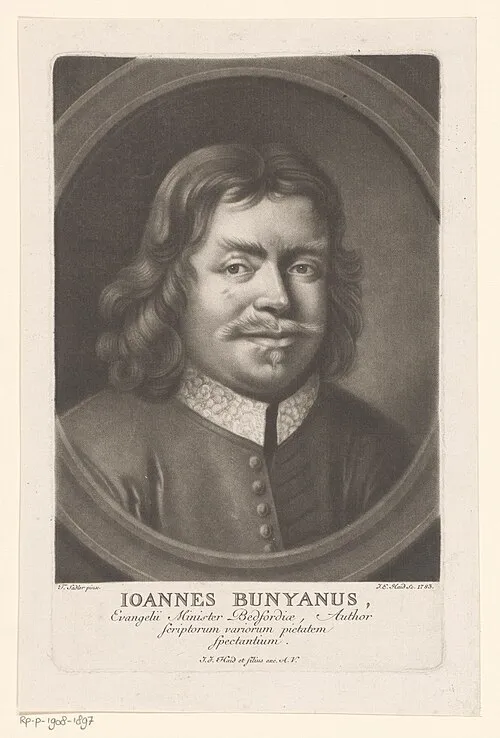
Uso y aplicación
Vengo ahora a hacer algún USO Y APLICACIÓN GENERAL DE TODO, y así a irme acercando a una conclusión.
USO PRIMERO. —El primer uso: UN USO DE INFORMACIÓN; y,
Primero. Nos informa de que los hombres, por naturaleza, están muy lejos de Cristo. Aprovecharé un poco este uso, hablando a estas tres preguntas. 1. ¿Dónde está el que viene [pero no ha llegado] a Jesucristo? 2. ¿Qué es el que no viene a Jesucristo? 3. ¿Adónde ha de ir el que no viene a Jesucristo?
- ¿Dónde está?
[Respuesta.] (1.) Está lejos de Dios; está sin él, aun enajenado de él, tanto en su entendimiento como en su voluntad, sus afectos, su juicio y su conciencia (Efesios 2:12; 4:18). (2.) Está lejos de Jesucristo, que es el único libertador de los hombres del fuego del infierno (Salmo 73:27). (3.) Está lejos de la obra del Espíritu Santo, la obra de la regeneración y de una segunda creación, sin la cual ningún hombre verá el reino de los cielos (Juan 3:3). (4.) Está lejos de la justicia, de aquella justicia que habría de hacerlo acepto a los ojos de Dios (Isaías 46:12, 13). [N. del T.: la edición dice «far more righteous»; se lee «far from righteousness».] (5.) Está bajo el poder y el dominio del pecado; el pecado reina en él y sobre él; mora en cada facultad de su alma y en cada miembro de su cuerpo; de modo que, de la cabeza a los pies, no hay lugar limpio (Isaías 1:6; Romanos 3:9-18). (6.) Está en el lazareto con Uzías, y excluido del campamento de Israel con los leprosos (2 Crónicas 26:21; Números 5:2; Job 36:14). (7.) Su «vida entre los sodomitas». [N. del T.: Job 36:14 en RV1909; el inglés del autor dice «among the unclean», «entre los inmundos».] Está «en hiel de amargura y en prisión de maldad» (Hechos 8:23). [N. del T.: la edición dice «Acts 8:28»; se lee «Hechos 8:23».] (8.) Está «en pecado», «en la carne», «en muerte», «en el lazo del diablo», y está «cautivo á voluntad de él» (1 Corintios 15:17; Romanos 8:8; 1 Juan 3:14; 2 Timoteo 2:26). (9.) Está bajo la maldición de la ley, y el diablo mora en él, y se ha enseñoreado de él (Gálatas 3:13; Efesios 2:2, 3; Hechos 26:18). (10.) Está en tinieblas, y anda en tinieblas, y no sabe adónde va; porque las tinieblas le han cegado los ojos. (11.) Está en el camino ancho que lleva a la perdición; y, si sigue, de seguro entrará por la puerta ancha, y así, escalera abajo, hasta el infierno.
- ¿Qué es el que no viene a Jesucristo?
[Respuesta.] (1.) Es contado entre los enemigos de Dios (Lucas 19:14; Romanos 8:7). (2.) Es hijo del diablo, y del infierno; porque el diablo lo engendró, en cuanto a su naturaleza pecaminosa, y el infierno ha de tragárselo al fin, porque no viene a Jesucristo (Juan 8:44; 1 Juan 3:8; Mateo 23:15; Salmo 9:17). (3.) Es hijo de ira, heredero de ella; ella es su porción, y Dios se la pagará en su misma cara (Efesios 2:1-3; Job 21:29-31). (4.) Es homicida de sí mismo; hace agravio a su propia alma, y es de los que aman la muerte (Proverbios 1:18; 8:36). (5.) Es compañero de diablos y de hombres condenados (Proverbios 21:16; Mateo 25:41).
- ¿Adónde es probable que vaya el que no viene a Jesucristo?
[Respuesta.] (1.) El que no viene a él es probable que se aleje aún más de él; así, cada pecado es un paso más lejos de Jesucristo (Oseas 11). (2.) Como está en tinieblas, así es probable que siga en ellas; porque Cristo es la luz del mundo, y el que no viene a él anda en tinieblas (Juan 8:12). (3.) Es probable que al fin sea apartado de Dios, y de Cristo, y del cielo, y de toda felicidad, tan lejos como un Dios infinito puede apartarlo (Mateo 12:41). Pero,
Segundo. Esta doctrina del venir a Cristo nos informa de dónde pueden los pobres pecadores desvalidos hallar vida para sus almas, y es en Cristo. Esta vida está en su Hijo; el que tiene al Hijo, tiene la vida. Y otra vez: «el que me hallare, hallará la vida, y alcanzará el favor de Jehová» (Proverbios 8:35). Ahora, para ampliar más, propondré también aquí otras tres preguntas: 1. ¿Qué vida hay en Cristo? 2. ¿Quién puede tenerla? 3. ¿En qué términos?
- ¿Qué vida hay en Jesucristo?
[Respuesta.] (1.) Hay en Cristo vida que justifica. El hombre, por el pecado, está muerto ante la ley; y solo Cristo puede librarlo, por su justicia y su sangre, de esta muerte a un estado de vida. «Dios envió á su Hijo unigénito al mundo, para que vivamos por él» (1 Juan 4:9). Esto es, por la justicia que él había de cumplir, y por la muerte que había de morir. (2.) Hay en Cristo vida eterna; vida que no tiene fin; vida para siempre jamás. «Dios nos ha dado vida eterna; y esta vida está en su Hijo» (1 Juan 5:11). Ahora bien, estando la justificación y la salvación eterna ambas en Cristo, y no habiendo los hombres de hallarlas en ninguna otra parte, ¿quién no vendría a Jesucristo?
- ¿Quién puede tener esta vida?
Respondo: pobres, desvalidos, miserables pecadores. En particular: (1.) Los que están dispuestos a tenerla. «El que quiere, tome del agua de la vida» (Apocalipsis 22:17). (2.) El que tiene sed de ella. «Al que tuviere sed, yo le daré de la fuente del agua de vida» (Apocalipsis 21:6). (3.) El que está cansado de sus pecados. «Este es el reposo: dad reposo al cansado; y éste es el refrigerio» (Isaías 28:12). (4.) El que es pobre y menesteroso. «Tendrá misericordia del pobre y del menesteroso, y salvará las almas de los pobres» (Salmo 72:13). (5.) El que va en pos de él, clama por la vida. «El que me sigue, no andará en tinieblas, mas tendrá la lumbre de la vida» (Juan 8:12).
- ¿En qué términos puede tener esta vida?
[Respuesta.] Gratuitamente. Pecador, ¿oyes? Puedes tenerla gratuitamente. Tome del agua de la vida gratuitamente. Yo le daré de la fuente del agua de la vida gratuitamente. «Y no teniendo ellos de qué pagar, perdonó á ambos» (Lucas 7:42). Gratuitamente, sin dinero y sin precio. «A todos los sedientos: Venid á las aguas; y los que no tienen dinero, venid, comprad, y comed. Venid, comprad, sin dinero y sin precio, vino y leche» (Isaías 55:1). Pecador, ¿tienes sed? ¿estás cansado? ¿estás dispuesto? Ven, pues, y no hagas caso de tus bienes; porque todo el bien que hay en Cristo se ofrece al pecador que viene, sin dinero y sin precio. Él tiene vida para dar a los que la han menester, y que no tienen un penique para comprarla; y la dará gratuitamente. ¡Oh, en qué condición tan bienaventurada está el pecador que viene! Pero,
Tercero. Esta doctrina del venir a Jesucristo para alcanzar la vida nos informa de que no ha de obtenerse en ninguna otra parte. Si pudiera obtenerse en cualquier otra parte, poco caso se haría del texto, y de aquel que lo habló; porque ¿qué cosa mayor hay en «no le echo fuera», si otro estuviera al lado que pudiera recibirlos? Pero aquí aparece la gloria de Cristo: que nadie sino él puede salvar. Y aquí aparece su amor: que, aunque nadie puede salvar sino él, con todo no se muestra esquivo al salvar. «Pero al que á mí viene», dice él, «no le echo fuera».
Que nadie puede salvar sino Jesucristo es evidente por Hechos 4:12: «Y en ningún otro hay salud»; y «Dios nos ha dado vida eterna; y esta vida está en su Hijo» (1 Juan 5:11). Si la vida hubiera podido obtenerse en cualquier otra parte, en la ley habría de haber estado. Pero no está en la ley; porque por las obras de la ley ningún hombre que viva será justificado; y si no es justificado, entonces no hay vida. Por tanto, en ninguna parte ha de obtenerse la vida sino en Jesucristo (Gálatas 3).
[Pregunta.] Pero ¿por qué quiso Dios ordenarlo así, que la vida no se obtuviera en ninguna otra parte sino en Jesucristo?
[Respuesta.] Hay razón para ello, y ello tanto respecto de Dios como de nosotros.
- Respecto de Dios.
(1.) Para que fuera por camino de justicia tanto como de misericordia. Y por camino de justicia no habría podido ser, si no hubiera sido por Cristo; porque él, y solo él, podía responder a la exigencia de la ley, y dar por el pecado lo que la justicia de ella requería. Todos los ángeles habrían sido aplastados hasta el infierno para siempre, si aquella maldición que fue puesta sobre Jesucristo les hubiera sido puesta a ellos por nuestros pecados; pero fue puesta sobre él, y él la llevó; y satisfizo la pena, y redimió a su pueblo de debajo de ella, con aquella satisfacción a la justicia divina que Dios mismo proclama ahora: que él es fiel y justo para perdonarnos, si por la fe nos atrevemos a ir a Jesús, y confiamos, para vida, en lo que él ha hecho (Romanos 3:24-26; Juan 1:4). (2.) La vida ha de ser por Jesucristo, para que Dios sea adorado y magnificado por haber hallado este camino. Esta es la obra del Señor, para que en todas las cosas sea glorificado por medio de Jesucristo nuestro Señor. (3.) Ha de ser por Jesucristo, para que la vida quede a la disposición de Dios, el cual tiene gran piedad del pobre, del humilde, del manso, del quebrantado de corazón, y de aquellos de quienes los demás no hacen caso (Salmo 34:6; 138:6; 25; 51:17; 147:3). (4.) La vida ha de estar en Cristo, para cortar la jactancia de los labios de los hombres. Esta es también la razón del apóstol en Romanos 3:19, 27 (Efesios 2:8-10).
- La vida ha de estar en Jesucristo respecto de nosotros.
(1.) Para que la tengamos en los términos más fáciles, a saber, gratuitamente: como don, no como salario. Si estuviera en mano de Moisés, a duras penas llegaríamos a ella. Si estuviera en mano del papa, pagaríamos muy caro por ella. Pero gracias a Dios, está en Cristo, atesorada en él, y por él ha de comunicarse a los pecadores en términos fáciles, esto es, por recibirla, aceptarla y abrazarla con acción de gracias; como las Escrituras claramente lo declaran (Juan 1:11, 12; 2 Corintios 11:4; Hebreos 11:13; Colosenses 3:13-15). (2.) La vida está en Cristo PARA NOSOTROS, para que no descanse sobre un fundamento tan quebradizo como en verdad descansaría si hubiera estado en cualquier otra parte. La ley misma es débil a causa de nosotros, en cuanto a esto. Pero Cristo es piedra probada, fundamento seguro, uno que no faltará en llevar tu carga, ni en recibir tu alma, pecador que vienes. (3.) La vida está en Cristo, para que esté segura para toda la simiente. ¡Ay! Los mejores de nosotros, si la vida quedara en nuestra mano, de seguro la perderíamos, una vez, y otra, y otra; o, si estuviera en cualquier otra mano, con nuestras frecuentes recaídas lo ofenderíamos de tal modo que al fin cerraría sus entrañas en desagrado eterno contra nosotros. Pero ahora está en Cristo; está en manos de uno que puede compadecerse, orar, perdonar, sí, multiplicar perdones; está en manos de uno que puede tener compasión de nosotros cuando nos salimos del camino; de uno que tiene corazón para volvernos a traer cuando nos hemos descarriado; de uno que puede perdonar sin echárnoslo en cara. ¡Bendito sea Dios, porque la vida está en Cristo! Porque ahora está segura para toda la simiente. Pero,
Cuarto. Esta doctrina del venir a Jesucristo para alcanzar la vida nos informa del mal de la incredulidad; esa cosa malvada que es el único estorbo, o el principal, para el pecador que viene. ¿Dice el texto: «Ven»? ¿Dice: «y al que á mí viene, no le echo fuera»? Entonces, ¡qué mal es ese que aparta a los pecadores de venir a Jesucristo! Y ese mal es la incredulidad: porque por la fe venimos; por la incredulidad nos mantenemos lejos. Por eso se dice que es aquello por lo cual se dice que un alma se aparta de Dios; porque fue ella la que al principio hizo que el mundo se alejara de él, y también la que hasta el día de hoy los mantiene lejos de él. Y lo hace con tanta más facilidad, porque lo hace con ardid.
Del pecado de incredulidad
—Este pecado puede llamarse el diablo blanco, porque muchas veces, en sus hechos dañosos dentro del alma, se muestra como si fuera un ángel de luz; sí, obra como un consejero del cielo. Por eso, un breve discurso acerca de esta mala enfermedad.
-
Es aquel pecado que, más que todos los demás, tiene alguna apariencia de razón en sus intentos. Porque aparta al alma de Cristo pretextando su actual falta de aptitud y de preparación; como la falta de más sentimiento del pecado, la falta de más arrepentimiento, la falta de más humildad, la falta de un corazón más quebrantado.
-
Es el pecado que mejor se aviene con la conciencia: la conciencia del pecador que viene le dice que no tiene nada bueno; que puede ser encausado por diez mil talentos; que es un pecador muy ignorante, ciego y de duro corazón, indigno de que Jesucristo se fije en él ni una sola vez. Y ¿vas tú, dice la Incredulidad, en un caso como en el que ahora estás, a atreverte a venir a Jesucristo?
-
Es el pecado que mejor se aviene con nuestro sentido del sentir. El pecador que viene siente los movimientos del pecado, de toda suerte de pecado y de miseria en su carne; siente también la ira y el juicio de Dios, debidos al pecado, y muchas veces tambalea bajo ese peso. Ahora, dice la Incredulidad, puedes ver que no tienes gracia; porque lo que obra en ti es corrupción. Puedes percibir también que Dios no te ama, porque el sentir de su ira permanece sobre ti. Por tanto, ¿cómo puedes tener cara para venir a Jesucristo?
-
Es aquel pecado que, más que todos los demás, mejor se aviene con la sabiduría de nuestra carne. La sabiduría de nuestra carne tiene por prudente preguntar un tiempo, quedarse atrás un tiempo, oír a ambas partes un tiempo; y no ser precipitada, súbita ni falta de consejo, en una presunción demasiado osada acerca de Jesucristo. Y con esta sabiduría se allana la incredulidad.
-
Es aquel pecado que, más que todo otro, está sin cesar susurrando al alma en el oído desconfianzas de la fidelidad de Dios en guardar la promesa a los que vienen a Jesucristo por vida. Sugiere también desconfianza acerca de la disposición de Cristo a recibirla y a salvarla. Y ningún pecado puede hacer esto con tanto artificio como la incredulidad.
-
Es también aquel pecado que siempre está a la mano para presentar una objeción contra esta o aquella promesa que el Espíritu de Dios trae a nuestro corazón para consolarnos; y si el pobre pecador que viene no está sobre aviso, ella, por alguna evasiva, alguna maña, alguna treta o algún reparo, le arrebatará pronto otra vez la promesa, y él sacará de ella muy poco provecho.
-
Es aquel que, más que todos los otros pecados, debilita nuestras oraciones, nuestra fe, nuestro amor, nuestra diligencia, nuestra esperanza y nuestras expectativas: aun aparta el corazón de Dios en el deber. [N. del T.: la edición dice «weakness»; se lee «weakeneth».]
-
Por último, este pecado, como acabo de decir, se aparece en el alma con tantos dulces pretextos de seguridad y de amparo, que es, por así decirlo, consejo enviado del cielo, que manda al alma ser sabia, cauta, considerada, bien aconsejada, y guardarse de una aventura demasiado precipitada en el creer. Asegúrate primero de que Dios te ama; no eches mano de promesa alguna hasta que Dios te fuerce a ello; tampoco estés seguro de tu salvación; dúdala todavía, aunque el testimonio del Señor haya sido muchas veces confirmado en ti. No vivas por fe, sino por sentido; y cuando no puedas ni ver ni sentir, entonces teme y desconfía, entonces duda y ponlo todo en cuestión. Este es el diabólico consejo de la incredulidad, tan recubierto de pretextos especiosos, que el cristiano más sabio apenas puede sacudirse estos razonamientos.
Ver el original (inglés)
Original en inglés
Use and Application
I come now to make some GENERAL USE AND APPLICATION OF THE WHOLE, and so to draw towards a conclusion.
USE FIRST. —The first use —A USE OF INFORMATION; and,
First, It informeth us that men by nature are far off from Christ. Let me a little improve this use, by speaking to these three questions. 1. Where is he that is coming [but has not come], to Jesus Christ? 2. What is he that is not coming to Jesus Christ? 3. Whither is he to go that cometh not to Jesus Christ?
- Where is he?
[Answ.] (1.) He is far from God, he is without him, even alienate from him both in his understanding, will, affections, judgment, and conscience (Eph 2:12; 4:18). (2.) He is far from Jesus Christ, who is the only deliverer of men from hell fire (Psa 73:27). (3.) He is far from the work of the Holy Ghost, the work of regeneration, and a second creation, without which no man shall see the kingdom of heaven (John 3:3). (4.) He is far more righteous, from that righteousness that should make him acceptable in God’s sight (Isa 46:12,13). (5.) He is under the power and dominion of sin; sin reigneth in and over him; it dwelleth in every faculty of his soul, and member of his body; so that from head to foot there is no place clean (Isa 1:6; Rom 3:9-18). (6.) He is in the pest-house with Uzziah and excluded the camp of Israel with the lepers (2 Chron 26:21; Num 5:2; Job 36:14). (7.) His “life is among the unclean.” He is “in the gall of bitterness, and in the bond of iniquity” (Acts 8:28). (8.) He is “in sin,” “in the flesh,” “in death,” “in the snare of the devil,” and is “taken captive by him at his will” (1 Cor 15:17; Rom 8:8; 1 John 3:14; 2 Tim 2:26). (9.) He is under the curse of the law, and the devil dwells in him, and hath the mastery of him (Gal 3:13; Eph 2:2,3; Acts 26:18). (10.) He is in darkness, and walketh in darkness, and knows not whither he goes; for darkness has blinded his eyes. (11.) He is in the broad way that leadeth to destruction; and holding on, he will assuredly go in at the broad gate, and so down the stairs to hell.
- What is he that cometh not to Jesus Christ?
[Answ.] (1.) He is counted one of God’s enemies (Luke 19:14; Rom 8:7). (2.) He is a child of the devil, and of hell; for the devil begat him, as to his sinful nature, and hell must swallow him at last, because he cometh not to Jesus Christ (John 8:44; 1 John 3:8; Matt 23:15; Psa 9:17). (3.) He is a child of wrath, an heir of it; it is his portion, and God will repay it him to his face (Eph 2:1-3; Job 21:29-31). (4.) He is a self-murderer; he wrongeth his own soul, and is one that loveth death (Prov 1:18; 8:36). (5.) He is a companion for devils and damned men (Prov 21:16; Matt 25:41).
- Whither is he like to go that cometh not to Jesus Christ?
[Answ.] (1.) He that cometh not to him, is like to go further from him; so every sin is a step further from Jesus Christ (Hosea 11). (2.) As he is in darkness, so he is like to go on in it; for Christ is the light of the world, and he that comes not to him, walketh in darkness (John 8:12). (3.) He is like to be removed at last as far from God, and Christ, and heaven, and all felicity, as an infinite God can remove him (Matt 12:41). But,
Second, This doctrine of coming to Christ informeth us where poor destitute sinners may find life for their souls, and that is in Christ. This life is in his Son; he that hath the Son, hath life. And again, “Whoso findeth me findeth life, and shall obtain favour of the Lord” (Prov 8:35). Now, for further enlargement, I will also here propound three more questions: 1. What life is in Christ? 2. Who may have it? 3. Upon what terms?
- What life is in Jesus Christ?
[Answ.] (1.) There is justifying life in Christ. Man by sin is dead in law; and Christ only can deliver him by his righteousness and blood from this death into a state of life. “For God sent his Son into the world, that we might live through him” (1 John 4:9). That is, through the righteousness which he should accomplish, and the death that he should die. (2.) There is eternal life in Christ; life that is endless; life for ever and ever. “He hath given us eternal life, and this life is in his Son” (1 John 5:11). Now, justification and eternal salvation being both in Christ, and nowhere else to be had for men, who would not come to Jesus Christ?
- Who may have this life?
I answer, Poor, helpless, miserable sinners. Particularly, (1.) Such as are willing to have it. “Whosoever will, let him take the water of life” (Rev 22:17). (2.) He that thirsteth for it. “I will give unto him that is athirst of the fountain of the water of life” (Rev 21:6). (3.) He that is weary of his sins. “This is the rest wherewith ye may cause the weary to rest; and this is the refreshing” (Isa 28:12). (4.) He that is poor and needy. “He shall spare the poor and needy, and shall save the souls of the needy” (Psa 72:13). (5.) He that followeth after him, crieth for life. “He that followeth me shall not walk in darkness, but shall have the light of life” (John 8:12).
- Upon what terms may he have this life?
[Answ.] Freely. Sinner, dost thou hear. Thou mayest have it freely. Let him take the water of life freely. I will give him of the fountain of the water of life freely. “And when they had nothing to pay, he frankly forgave them both” (Luke 7:42). Freely, without money, or without price. “Ho! every one that thirsteth, come ye to the waters, and he that hath no money, come ye, buy and eat; yea, come, buy wine and milk without money and without price” (Isa 55:1). Sinner, art thou thirsty? art thou weary? art thou willing? Come, then, and regard not your stuff; for all the good that is in Christ is offered to the coming sinner, without money and without price. He has life to give away to such as want it, and that hath not a penny to purchase it; and he will give it freely. Oh what a blessed condition is the coming sinner in! But,
Third, This doctrine of coming to Jesus Christ for life, informeth us, that it is to be had nowhere else. Might it be had anywhere else, the text, and him that spoke it, would be but little set by; for what greater matter is there in “I will in no wise cast out,” if another stood by that could receive them? But here appears the glory of Christ, that none but he can save. And here appears his love, that though none can save but he, yet he is not coy in saving. “But him that comes to me,” says he, “I will in no wise cast out.”
That none can save but Jesus Christ, is evident from Acts 4:12: “Neither is there salvation in any other;” and “he hath given to us eternal life, and this life is in his Son” (1 John 5:11). If life could have been had anywhere else, it should have been in the law. But it is not in the law; for by the deeds of the law, no man living shall be justified; and if not justified, then no life. Therefore life is nowhere to be had but in Jesus Christ (Gal 3).
[Quest.] But why would God so order it, that life should be had nowhere else but in Jesus Christ?
[Answ.] There is reason for it, and that both with respect to God and us.
- With respect to God.
(1.) That it might be in a way of justice as well as mercy. And in a way of justice it could not have been, if it had not been by Christ; because he, and he only, was able to answer the demand of the law, and give for sin what the justice thereof required. All angels had been crushed down to hell for ever, had that curse been laid upon them for our sins, which was laid upon Jesus Christ; but it was laid upon him, and he bare it; and answered the penalty, and redeemed his people from under it, with that satisfaction to Divine justice that God himself doth now proclaim, That he is faithful and just to forgive us, if by faith we shall venture to Jesus, and trust to what he has done for life (Rom 3:24-26; John 1:4). (2.) Life must be by Jesus Christ, that God might be adored and magnified, for finding out this way. This is the Lord’s doings, that in all things he might be glorified through Jesus Christ our Lord. (3.) It must be by Jesus Christ, that life might be at God’s dispose, who hath great pity for the poor, the lowly, the meek, the broken in heart, and for them that others care not for (Psa 34:6; 138:6; 25; 51:17; 147:3). (4.) Life must be in Christ, to cut off boasting from the lips of men. This also is the apostle’s reason in Romans 3:19,27 (Eph 2:8-10).
- Life must be in Jesus Christ with respect to us.
(1.) That we might have it upon the easiest terms, to wit, freely: as a gift, not as wages. Was it in Moses’ hand, we should come hardly at it. Was it in the pope’s hand, we should pay soundly for it. But thanks be to God, it is in Christ, laid up in him, and by him to be communicated to sinners upon easy terms, even for receiving, accepting, and embracing with thanksgiving; as the Scriptures plainly declare (John 1:11,12; 2 Cor 11:4; Heb 11:13; Col 3:13-15). (2.) Life is in Christ FOR US, that it might not be upon so brittle a foundation, as indeed it would had it been anywhere else. The law itself is weak because of us, as to this. But Christ is a tried stone, a sure foundation, one that will not fail to bear thy burden, and to receive thy soul, coming sinner. (3.) Life is in Christ, that it might be sure to all the seed. Alas! the best of us, was life left in our hand, to be sure we should forfeit it, over, and over, and over; or, was it in any other hand, we should, by our often backslidings, so offend him, that at last he would shut up his bowels in everlasting displeasure against us. But now it is in Christ, it is with one that can pity, pray for, pardon, yea, multiply pardons; it is with one that can have compassion upon us, when we are out of the way; with one that hath an heart to fetch us again, when we are gone astray; with one that can pardon without upbraiding. Blessed be God, that life is in Christ! For now it is sure to all the seed. But,
Fourth, This doctrine of coming to Jesus Christ for life informs us of the evil of unbelief; that wicked thing that is the only or chief hindrance to the coming sinner. Doth the text say, “Come?” Doth it say, “and him that cometh to me I will in no wise cast out?” Then what an evil is that that keepeth sinners from coming to Jesus Christ! And that evil is unbelief: for by faith we come; by unbelief we keep away. Therefore it is said to be that by which a soul is said to depart from God; because it was that which at first caused the world to go off from him, and that also that keeps them from him to this day. And it doth it the more easily, because it doth it with a wile.
Of the Sin of Unbelief
—This sin may be called the white devil, for it oftentimes, in its mischievous doings in the soul, shows as if it was an angel of light: yea, it acteth like a counsellor of heaven. Therefore a little to discourse of this evil disease.
-
It is that sin, above all others, that hath some show of reason in its attempts. For it keeps the soul from Christ by pretending its present unfitness and unpreparedness; as want of more sense of sin, want of more repentance, want of more humility, want of a more broken heart.
-
It is the sin that most suiteth with the conscience: the conscience of the coming sinner tells him that he hath nothing good; that he stands inditeable for ten thousand talents; that he is a very ignorant, blind, and hard-hearted sinner, unworthy to be once taken notice of by Jesus Christ. And will you, says Unbelief, in such a case as you now are, presume to come to Jesus Christ?
-
It is the sin that most suiteth with our sense of feeling. The coming sinner feels the workings of sin, of all manner of sin and wretchedness in his flesh; he also feels the wrath and judgment of God due to sin, and ofttimes staggers under it. Now, says Unbelief, you may see you have no grace; for that which works in you is corruption. You may also perceive that God doth not love you, because the sense of his wrath abides upon you. Therefore, how can you bear the face to come to Jesus Christ?
-
It is that sin, above all others, that most suiteth with the wisdom of our flesh. The wisdom of our flesh thinks it prudent to question awhile, to stand back awhile, to hearken to both sides awhile; and not to be rash, sudden, or unadvised, in too bold a presuming upon Jesus Christ. And this wisdom unbelief falls in with.
-
It is that sin, above all other, that continually is whispering the soul in the ear with mistrusts of the faithfulness of God, in keeping promise to them that come to Jesus Christ for life. It also suggests mistrust about Christ’s willingness to receive it, and save it. And no sin can do this so artificially as unbelief.
-
It is also that sin which is always at hand to enter an objection against this or that promise that by the Spirit of God is brought to our heart to comfort us; and if the poor coming sinner is not aware of it, it will, by some evasion, slight, trick, or cavil, quickly wrest from him the promise again, and he shall have but little benefit of it.
-
It is that, above all other sins, that weakness our prayers, our faith, our love, our diligence, our hope, and expectations: it even taketh the heart away from God in duty.
-
Lastly, This sin, as I have said even now, it appeareth in the soul with so many sweet pretences to safety and security, that it is, as it were, counsel sent from heaven; bidding the soul be wise, wary, considerate, well-advised, and to take heed of too rash a venture upon believing. Be sure, first, that God loves you; take hold of no promise until you are forced by God unto it; neither be you sure of your salvation; doubt it still, though the testimony of the Lord has been often confirmed in you. Live not by faith, but by sense; and when you can neither see nor feel, then fear and mistrust, then doubt and question all. This is the devilish counsel of unbelief, which is so covered over with specious pretences, that the wisest Christian can hardly shake off these reasonings.
https://sermonesbiblicos.org/biblioteca/ven-y-se-bienvenido-a-jesucristo-21-uso-y-el-pecado-de-incredulidad/