Sermones Bíblicos
Cristo no echará fuera al que viene
John Bunyan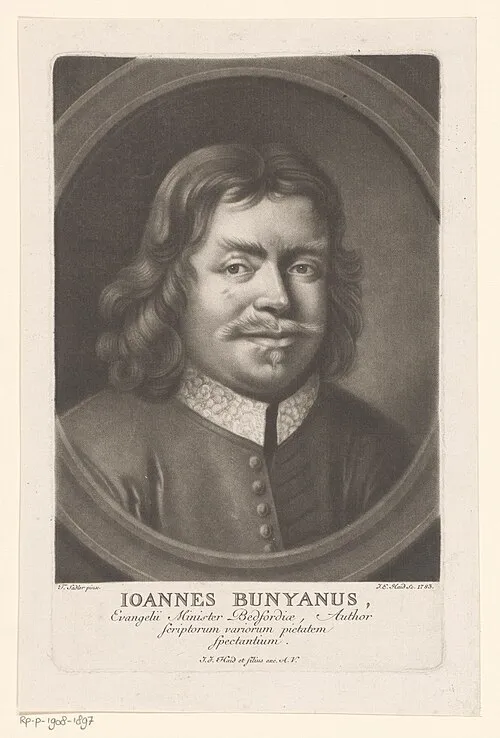
Cristo no quiere que los que vienen piensen ni una sola vez que los echará fuera
OBSERVACIÓN TERCERA. —Vengo ahora a la observación siguiente, y diré un poco acerca de ella; a saber, que Jesucristo no quiere que los que en verdad vienen a él piensen ni una sola vez que los echará fuera.
El texto está lleno de esto: porque dice: «y al que á mí viene, no le echo fuera». Ahora bien, si él dice: no lo haré, no quiere que pensemos que lo hará. Esto se manifiesta todavía más por estas consideraciones.
Primero. Cristo Jesús prohibió aun a los que todavía no venían a él que lo tuvieran ni una sola vez por tal. «No penséis que yo os tengo de acusar delante del Padre», dijo (Juan 5:45).
Éstos, como dije, eran tales que todavía no venían a él. Porque dice de ellos un poco antes: «Y no queréis venir á mí»; pues el respeto que tenían al honor de los hombres los detenía. Con todo, digo, Jesucristo les da a entender que, aunque podía rechazarlos con justicia, no lo haría, antes les manda que ni una sola vez piensen que los acusaría delante del Padre. Ahora bien, no acusar, tratándose de Cristo, es abogar a favor: porque Cristo, en estas cosas, no se queda neutral entre el Padre y los pecadores. Así pues, si Jesucristo no quiere que piensen que los acusará aquellos que todavía no quieren venir a él, entonces no quiere que así lo piensen los que en verdad vienen a él. «Y al que á mí viene, no le echo fuera.»
Segundo. Cuando la mujer tomada en adulterio, aun en el mismo hecho, fue llevada delante de Jesucristo, él se condujo, tanto de palabra como de obra, de tal modo que hizo manifiesto con bastante evidencia que condenar y echar fuera eran cosas para hacer las cuales él no había venido al mundo. Por tanto, cuando la pusieron delante de él y le imputaron su hecho atroz, se inclinó, y con el dedo escribió en tierra, como si no los oyera. Ahora bien, ¿qué hizo con esta conducta, sino testificar claramente que él no estaba para recibir acusaciones contra pobres pecadores, las trajera quien las trajera? Y observa: aunque ellos seguían preguntando, pensando al fin forzarlo a que la condenara, aun entonces respondió de tal modo que apartó de ella a todas las personas que condenaban. Y luego añade, para animarla a venir a él: «Ni yo te condeno: vete, y no peques más» (Juan 8:1-11).
No es que no aborreciera de veras el hecho, pero no quería condenar a la mujer por el pecado, porque ese no era su oficio. No fue enviado «al mundo para que condene al mundo, mas para que el mundo sea salvo por él» (Juan 3:17). Ahora bien, si Cristo, aunque lo instaban a ello, no quiso condenar a la mujer culpable, aun estando ella por entonces muy lejos de venir a él, no quiere que piensen ni una sola vez que los echará fuera aquellos que en verdad vienen a él. «Y al que á mí viene, no le echo fuera.»
Tercero. Cristo manda claramente al pecador que se vuelve que venga, y le prohíbe abrigar pensamiento alguno de que lo echará fuera. «Deje el impío su camino, y el hombre inicuo sus pensamientos; y vuélvase á Jehová, el cual tendrá de él misericordia, y al Dios nuestro, el cual será amplio en perdonar» (Isaías 55:7). [N. del T.: la edición dice «Isa 4:7»; se lee «Isaías 55:7».] El Señor, al mandar al hombre inicuo que deje sus pensamientos, prohíbe en especial, como he dicho, a saber, aquellos pensamientos que estorban al hombre que viene en su avance hacia Jesucristo: sus pensamientos de incredulidad.
Por eso le manda no solo dejar sus caminos, sino sus pensamientos. «Deje el impío su camino, y el hombre inicuo sus pensamientos.» No basta con dejar lo uno, si has de venir a Jesucristo, porque lo otro te apartará de él. Supón que un hombre deja sus caminos malos, su vida disoluta y sucia; con todo, si estos pensamientos, de que Jesucristo no lo recibirá, se abrigan y se alimentan en su corazón, estos pensamientos lo apartarán de venir a Jesucristo.
Pecador, pecador que vienes, ¿estás por venir a Jesucristo? Sí, dice el pecador. Deja, pues, tus caminos malos. Así lo hago, dice el pecador.
¿Por qué vienes entonces tan despacio? Porque estoy estorbado. ¿Qué te estorba? ¿Te lo ha prohibido Dios? No. ¿No quieres venir más aprisa? Sí, y con todo no puedo. Bien, te ruego que me hables claro, y me digas la razón y el fundamento de tu desaliento. Pues, dice el pecador, aunque Dios no me lo prohíbe, y aunque quiero venir más aprisa, con todo se levanta de suyo en mi corazón este pensamiento, y aquel, y el otro, que estorban mi prisa hacia Jesucristo. A veces pienso que no soy escogido; a veces pienso que no soy llamado; a veces pienso que he venido demasiado tarde; y a veces pienso que no sé qué es venir. También, unas veces pienso que no tengo gracia; y luego, que no puedo orar; y luego pienso que soy un hipócrita cabal. Y estas cosas me apartan de venir a Jesucristo.
Miren ahora: ¿no se lo dije? Aún quedan pensamientos en el corazón, aun de aquellos que han dejado sus caminos malos; y con esos pensamientos están más atormentados que con cualquier otra cosa, porque estorban su venida a Jesucristo; pues el pecado de incredulidad, que es el origen de todos estos pensamientos, es el que asedia al pecador que viene con más facilidad que sus caminos (Hebreos 12:1-4). Pero ahora, puesto que Jesucristo te manda dejar estos pensamientos, déjalos, pecador que vienes; y si no los dejas, transgredes los mandamientos de Cristo, y permaneces como tu propio atormentador, y te impides a ti mismo ser afirmado en la gracia. «Si vosotros no creyereis, de cierto no permaneceréis» (Isaías 7:9). Así ves cómo Jesucristo se pone contra tales pensamientos, los que de cualquier modo desalientan al pecador que viene; y con ello vindica de veras la doctrina que tenemos entre manos; a saber, que Jesucristo no quiere que los que en verdad vienen a él piensen ni una sola vez que los echará fuera. «Y al que á mí viene, no le echo fuera.»
Razones de la observación tercera
Vengo ahora a las razones de la observación.
-
Si Jesucristo te permitiera pensar ni una sola vez que te echará fuera, tendría que permitirte pensar que falseará su palabra; porque ha dicho: «no le echo fuera». Pero Cristo no querría que lo tuvieras por uno que falseará su palabra; porque dice de sí mismo: «Yo soy la verdad»; por tanto, no quiere que ninguno de los que en verdad vienen a él piense ni una sola vez que los echará fuera.
-
Si Jesucristo permitiera al pecador que en verdad viene a él pensar ni una sola vez que lo echará fuera, entonces tendría que permitir, y así dar acogida, a la primera aparición de la incredulidad; la cual él tiene por su mayor enemigo, y contra la cual ha enderezado aun su santo evangelio. Por tanto, Jesucristo no quiere que los que en verdad vienen a él piensen ni una sola vez que los echará fuera. Mira Mateo 14:31; 21:21; Marcos 11:23; Lucas 24:25.
-
Si Jesucristo permitiera al pecador que viene pensar ni una sola vez que lo echará fuera, entonces tendría que permitirle poner en duda si está dispuesto a recibir el don de su Padre; porque el pecador que viene es el don de su Padre, como también dice el texto; pero él da testimonio: «Todo lo que el Padre me da, vendrá á mí; y al que á mí viene, no le echo fuera». Por tanto, Jesucristo no quiere que el que en verdad viene a él piense ni una sola vez que lo echará fuera.
-
Si Jesucristo permitiera pensar ni una sola vez, a los que en verdad vienen a él, que los echará fuera, tendría que permitirles pensar que despreciará y rechazará la atracción de su Padre. Porque nadie puede venir a él sino aquel a quien el Padre atrae. Pero sería alta blasfemia, y maldad digna de condenación, imaginar esto ni una sola vez. Por tanto, Jesucristo no quiere que el que viene piense ni una sola vez que lo echará fuera.
-
Si Jesucristo permitiera a los que en verdad vienen a él pensar ni una sola vez que los echará fuera, tendría que permitirles pensar que será infiel a la confianza y al encargo que su Padre le ha confiado; el cual es salvar, y no perder nada de aquello que le ha dado para que lo salve (Juan 6:39). Pero el Padre le ha dado encargo de salvar al pecador que viene; por tanto, no puede ser que permita que tal persona piense ni una sola vez que lo echará fuera.
-
Si Jesucristo permitiera que pensaran ni una sola vez, los que vienen a él, que los echará fuera, entonces tendría que permitirles pensar que será infiel a su oficio de sacerdocio; porque, así como por la primera parte de él pagó el precio por las almas y las rescató, así por la segunda parte de él hace continuamente intercesión ante Dios por los que vienen (Hebreos 7:25). Pero no puede permitirnos que pongamos en duda el fiel desempeño de su sacerdocio. Por tanto, no puede permitirnos pensar ni una sola vez que el pecador que viene será echado fuera.
-
Si Jesucristo nos permitiera pensar ni una sola vez que el pecador que viene será echado fuera, entonces tendría que permitirnos poner en duda su voluntad, o su poder, o su mérito para salvar. Pero no puede permitirnos poner en duda ni una sola vez ninguna de estas cosas; por tanto, tampoco pensar ni una sola vez que el pecador que viene será echado fuera. (1.) No puede permitirles poner en duda su voluntad; porque dice en el texto: «no le echo fuera». [N. del T.: Bunyan subraya en inglés «I WILL», es decir, «yo quiero», que la RV expresa en «no le echo fuera».] (2.) No puede permitirnos poner en duda su poder; porque el Espíritu Santo dice que PUEDE salvar hasta lo sumo a los que vienen. (3.) No puede permitirles poner en duda la eficacia de su mérito; porque la sangre de Cristo limpia al que viene de todo pecado (1 Juan 1:7); por tanto, no puede permitir que el que viene a él piense ni una sola vez que los echará fuera.
-
Si Jesucristo permitiera al pecador que viene pensar ni una sola vez que lo echará fuera, tendría que permitirle dar el mentís al testimonio manifiesto del Padre, del Hijo y del Espíritu; sí, a todo el evangelio contenido en Moisés, los profetas, el libro de los Salmos, y el que comúnmente se llama el Nuevo Testamento. Pero no puede permitir esto; por tanto, tampoco que el pecador que viene piense ni una sola vez que lo echará fuera.
-
Por último, si Jesucristo permitiera al que viene a él pensar ni una sola vez que lo echará fuera, tendría que permitirle poner en duda el juramento de su Padre, el cual él ha hecho en verdad y en justicia, para que tengan un fuerte consuelo los que han huido en busca de refugio a Jesucristo. Pero no puede permitir esto; por tanto, no puede permitir que el pecador que viene piense ni una sola vez que lo echará fuera (Hebreos 6).
Ver el original (inglés)
Original en inglés
Christ Would Have Comers Not Once Think That He Will Cast Them Out
OBSERVATION THIRD. —I come now to the next observation, and shall speak a little to that; to wit, That Jesus Christ would not have them, that in truth are coming to him, once think that he will cast them out.
The text is full of this: for he saith, “And him that cometh to me I will in no wise cast out.” Now, if he saith, I will not, he would not have us think he will. This is yet further manifest by these considerations.
First, Christ Jesus did forbid even them that as yet were not coming to him, once to think him such an one. “Do not think,” said he, “that I will accuse you to the Father” (John 5:45).
These, as I said, were such, that as yet were not coming to him. For he saith of them a little before, “And ye will not come to me;” for the respect they had to the honour of men kept them back. Yet, I say, Jesus Christ gives them to understand, that though he might justly reject them, yet he would not, but bids them not once to think that he would accuse them to the Father. Now, not to accuse, with Christ, is to plead for: for Christ in these things stands not neuter between the Father and sinners. So then, if Jesus Christ would not have them think, that yet will not come to him, that he will accuse them; then he would not that they should think so, that in truth are coming to him. “And him that cometh to me I will in no wise cast out.”
Second, When the woman taken in adultery, even in the very act, was brought before Jesus Christ, he so carried it both by words and actions, that he evidently enough made it manifest, that condemning and casting out were such things, for the doing of which he came not into the world. Wherefore, when they had set her before him, and had laid to her charge her heinous fact, he stooped down, and with his finger wrote upon the ground, as though he heard them not. Now what did he do by this his carriage, but testify plainly that he was not for receiving accusations against poor sinners, whoever accused by? And observe, though they continue asking, thinking at last to force him to condemn her; yet then he so answered, so that he drove all condemning persons from her. And then he adds, for her encouragement to come to him; “Neither do I condemn thee; go, and sin no more” (John 8:1-11).
Not but that he indeed abhorred the fact, but he would not condemn the woman for the sin, because that was not his office. He was not sent “into the world to condemn the world; but that the world through him might be saved” (John 3:17). Now if Christ, though urged to it, would not condemn the guilty woman, though she was far at present from coming to him, he would not that they should once think that he will cast them out, that in truth are coming to him. “And him that cometh to me I will in no wise cast out.”
Third, Christ plainly bids the turning sinner come; and forbids him to entertain any such thought as that he will cast him out. “Let the wicked forsake his way, and the unrighteous man his thoughts; and let him return unto the Lord, and he will have mercy upon him; and to our God, for he will abundantly pardon” (Isa 4:7). The Lord, by bidding the unrighteous forsake his thoughts, doth in special forbid, as I have said, viz., those thoughts that hinder the coming man in his progress to Jesus Christ, his unbelieving thoughts.
Therefore he bids him not only forsake his ways, but his thoughts. “Let the wicked forsake his way, and the unrighteous man his thoughts.” It is not enough to forsake one if thou wilt come to Jesus Christ; because the other will keep thee from him. Suppose a man forsakes his wicked ways, his debauched and filthy life; yet if these thoughts, that Jesus Christ will not receive him, be entertained and nourished in his heart; these thoughts will keep him from coming to Jesus Christ.
Sinner, coming sinner, art thou for coming to Jesus Christ? Yes, says the sinner. Forsake thy wicked ways then. So I do, says the sinner.
Why comest thou then so slowly? Because I am hindered. What hinders? Has God forbidden thee? No. Art thou not willing to come faster? Yes, yet I cannot. Well, prithee be plain with me, and tell me the reason and ground of thy discouragement. Why, says the sinner, though God forbids me not, and though I am willing to come faster, yet there naturally ariseth this, and that, and the other thought in my heart, that hinders my speed to Jesus Christ. Sometimes I think I am not chosen; sometimes I think I am not called; sometimes I think I am come too late; and sometimes I think I know not what it is to come. Also one while I think I have no grace; and then again, that I cannot pray; and then again, I think that I am a very hypocrite. And these things keep me from coming to Jesus Christ.
Look ye now, did not I tell you so? There are thoughts yet remaining in the heart, even of those who have forsaken their wicked ways; and with those thoughts they are more plagued than with anything else; because they hinder their coming to Jesus Christ; for the sin of unbelief, which is the original of all these thoughts, is that which besets a coming sinner more easily, than doth his ways (Heb 12:1-4). But now, since Jesus Christ commands thee to forsake these thoughts, forsake them, coming sinner; and if thou forsake them not, thou transgressest the commands of Christ, and abidest thine own tormentor, and keepest thyself from establishment in grace. “If ye will not believe, surely ye shall not be established” (Isa 7:9). Thus you see how Jesus Christ setteth himself against such thoughts, that any way discourage the coming sinner; and thereby truly vindicates the doctrine we have in hand; to wit, that Jesus Christ would not have them, that in truth are coming to him, once think that he will cast them out. “And him that cometh to me I will in no wise cast out.”
Reasons of Observation Third
I come now to the reasons of the observation.
-
If Jesus Christ should allow thee once to think that he will cast thee out, he must allow thee to think that he will falsify his word; for he hath said, “I will in no wise cast out.” But Christ would not that thou shouldst count him as one that will falsify his word; for he saith of himself, “I am the truth;” therefore he would not that any that in truth are coming to him, should once think that he will cast them out.
-
If Jesus Christ should allow the sinner that in truth is coming to him, once to think that he will cast him out, then he must allow, and so countenance the first appearance of unbelief; the which he counteth his greatest enemy, and against which he hast bent even his holy gospel. Therefore Jesus Christ would not that they that in truth are coming to him, should once think that he will cast them out. See Matthew 14:31, 21:21, Mark 11:23, Luke 24:25.
-
If Jesus Christ should allow the coming sinner once to think that he will cast him out; then he must allow him to make a question, Whether he is willing to receive his Father’s gift; for the coming sinner is his Father’s gift; as also says the text; but he testifieth, “All that the Father giveth me shall come to me; and him that cometh to me I will in no wise cast out.” Therefore Jesus Christ would not have him, that in truth is coming to him, once to think that he will cast him out.
-
If Jesus Christ should allow them once to think, that indeed are coming to him, that he will cast them out, he must allow them to think that he will despise and reject the drawing of his Father. For no man can come to him but whom the Father draweth. But it would be high blasphemy, and damnable wickedness once to imagine thus. Therefore, Jesus Christ would not have him that cometh once think that he will cast him out.
-
If Jesus Christ should allow those that indeed are coming to him, once to think that he will cast them out, he must allow them to think that he will be unfaithful to the trust and charge that his Father hath committed to him; which is to save, and not to lose anything of that which he hath given unto him to save (John 6:39). But the Father hath given him a charge to save the coming sinner; therefore it cannot be, that he should allow, that such an one should once think that he will cast him out.
-
If Jesus Christ should allow that they should once think that are coming to him, that he will cast them out, then he must allow them to think that he will be unfaithful to his office of priesthood; for, as by the first part of it, he paid price for, and ransomed souls, so by the second part thereof, he continually maketh intercession to God for them that come (Heb 7:25). But he cannot allow us to question his faithful execution of his priesthood. Therefore he cannot allow us once to think that the coming sinner shall be cast out.
-
If Jesus Christ should allow us once to think that the coming sinner shall be cast out, then he must allow us to question his will, or power, or merit to save. But he cannot allow us once to question any of these; therefore not once to think, that the coming sinner shall be cast out. (1.) He cannot allow them to question his will; for he saith in the text, “I WILL in no wise cast out.” (2.) He cannot allow us to question his power; for the Holy Ghost saith HE IS ABLE to save to the uttermost them that come. (3.) He cannot allow them to question the efficacy of his merit; for the blood of Christ cleanseth the comer from all sin, (1 John 1:7), therefore he cannot allow that he that is coming to him should once think that he will cast them out.
-
If Jesus Christ should allow the coming sinner once to think that he will cast him out, he must allow him to give the lie to the manifest testimony of the Father, Son, and Spirit; yea, to the whole gospel contained in Moses, the prophets, the book of Psalms, and that commonly called the New Testament. But he cannot allow of this; therefore, not that the coming sinner should once think that he will cast him out.
-
Lastly, If Jesus Christ should allow him that is coming to him, once to think that he will cast him out, he must allow him to question his Father’s oath, which he in truth and righteousness hath taken, that they might have a strong consolation, who have fled for refuge to Jesus Christ. But he cannot allow this; therefore he cannot allow that the coming sinner should once think that he will cast him out (Heb 6).
https://sermonesbiblicos.org/biblioteca/ven-y-se-bienvenido-a-jesucristo-20-cristo-no-echara-fuera/