Sermones Bíblicos
Lo que impide venir a Cristo
John Bunyan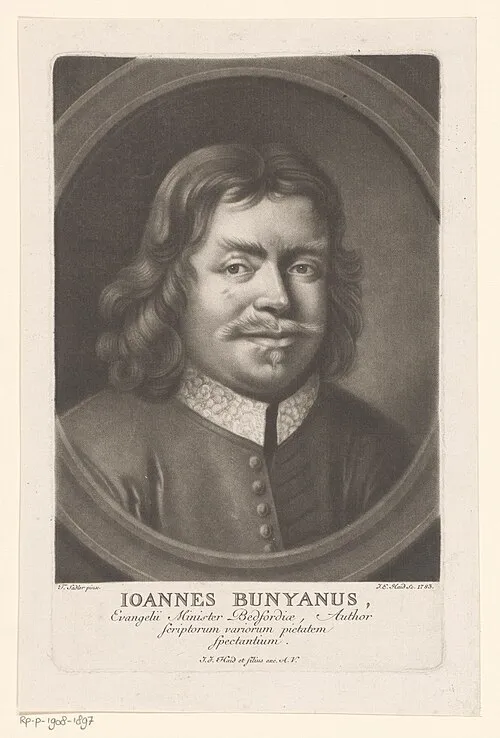
Qué es lo que impide el venir a Cristo
Primero. Es por falta del conocimiento de Cristo. Conoces poco de la gracia y de la bondad que hay en el corazón de Cristo; conoces poco de la virtud y del mérito de su sangre; conoces poco de la voluntad que hay en su corazón de salvarte; y esta es la razón del temor que se levanta en tu corazón, y que te hace dudar de que Cristo no te recibirá. La incredulidad es hija de la Ignorancia. Por eso dice Cristo: «Oh insensatos, y tardos de corazón para creer» (Lucas 24:25).
La lentitud del corazón para creer brota de tu necedad en las cosas de Cristo; esto es evidente para todos los que se conocen a sí mismos y buscan a Jesucristo. Cuanta más ignorancia, más incredulidad. Cuanto más conocimiento de Cristo, más fe. «En ti confiarán los que conocen tu nombre» (Salmo 9:10). Por eso, el que empezó a venir a Cristo apenas el otro día, y todavía lo conoce poco, teme que Cristo no lo reciba. Pero el que ha tratado con él más tiempo, ese «es fuerte, y ha vencido al maligno» (1 Juan 2:13). [N. del T.: la edición dice «1 Juan 2:13»; se lee «1 Juan 2:14»: «sois fuertes, y habéis vencido al maligno».] Cuando los hermanos de José vinieron a Egipto a comprar trigo, se dice: «José, pues, conoció á sus hermanos; pero ellos no le conocieron.» ¿Qué sigue? Pues una gran desconfianza del corazón acerca de si les iría bien; sobre todo si José les respondía con aspereza, llamándolos espías y poniendo en duda su verdad, y cosas semejantes. Y observa: mientras les duró la ignorancia acerca de su hermano, cualquier cosa que José hiciera, ellos le daban el peor sentido. Por ejemplo, José manda una vez al mayordomo de su casa que los lleve a casa, a comer con él, a comer nada menos que en casa de José. ¿Y cómo lo toman ellos? Pues tienen miedo. «Y aquellos hombres tuvieron temor, cuando fueron metidos en casa de» su hermano «José,» y decían que busca ocasión contra ellos, «para revolver contra nosotros, y dar sobre nosotros, y tomarnos por siervos á nosotros, y á nuestros asnos» (Génesis 42, 43). ¡Qué! ¿Miedo de ir a casa de José? Era su hermano; pensaba festejarlos; festejarlos, y festejar con ellos. ¡Ah!, pero ignoraban que era su hermano. Y mientras duró su ignorancia, el temor los aterraba. Así, exactamente, le pasa al pecador que hace poco viene a Jesucristo. Ignora el amor y la compasión que hay en Cristo hacia los pecadores que vienen. Por eso duda, por eso teme, por eso el corazón le falla.
Pecador que vienes, Cristo te invita a comer y a cenar con él. Te invita a un banquete de vino; sí, a entrar en su bodega, y su bandera sobre ti será el amor (Apocalipsis 3:20; Cantares 2:5). Pero lo dudo, dice el pecador. Mas se responde: él te llama, te invita a su banquete, a los frascos, a las manzanas; a su vino y al jugo de su granada. «¡Oh, temo, dudo, desconfío, tiemblo esperando lo contrario!» ¡Sal de ese hombre, ignorancia cobarde! No temas, pecador; solamente cree: «El que viene a Cristo, en ninguna manera lo echará fuera.»
Busque, pues, el pecador que viene más del buen conocimiento de Jesucristo. Esfuérzate por alcanzarlo, búscalo como la plata, y escárbalo como tesoro escondido. Esto te dará ánimo; esto hará que te vayas haciendo más y más fuerte. «Yo sé á quién he creído», lo conozco, dijo Pablo; ¿y qué sigue? Pues: «y estoy cierto que es poderoso para guardar mi depósito para aquel día» (2 Timoteo 1:12). ¿Qué había encomendado Pablo a Jesucristo? La respuesta es: le había encomendado su alma. Pero ¿por qué le encomendó su alma? Pues porque lo conocía. Lo conocía fiel, lo conocía bondadoso. Sabía que no le faltaría ni lo desampararía; y por eso puso su alma a sus pies, y se la encomendó, para que la guardara hasta aquel día. Pero,
Segundo. Tus temores de que Cristo no te reciba pueden ser también consecuencia de tus deseos ardientes y fuertes de tu salvación por él. Porque observo esto: los deseos fuertes de poseer van acompañados de temores fuertes de quedar sin ello. Aquello en que el hombre más pone el corazón, y lo que más desea, es a menudo lo que más teme no alcanzar. Así aquel hombre, el principal de la sinagoga, tenía un gran deseo de que su hija viviera; y ese deseo iba acompañado del temor de que no viviera. Por eso Cristo le dice: «No temas» (Marcos 5:36).
Supón que un joven tenga el corazón muy puesto en una virgen, para tomarla por mujer. Si alguna vez teme no alcanzarla, es cuando empieza a amarla. Ahora piensa: alguien se meterá entre mi amor y el objeto de ese amor; o hallarán falta en mi persona, en mi hacienda, en mi condición, ¡o en algo! Ahora los pensamientos empiezan a trabajar: ella no me quiere, o algo así. Y así le pasa al alma al empezar a venir a Jesucristo: tú lo amas, y tu amor produce celos, y esos celos a menudo engendran temores.
Ahora temes los pecados de tu juventud, los pecados de tu vejez, los pecados de tu oficio, los pecados de tus deberes cristianos, los pecados de tu corazón, o algo. Piensas que una cosa u otra apartará de ti el corazón y los afectos de Jesucristo; piensas que él ve en ti algo por cuya causa rehusará tu alma. Pero conténtate: un poco más de conocimiento de él te hará cobrar mejor ánimo; tus deseos ardientes no irán ya acompañados de temores tan ardientes; de aquí en adelante dirás: «Enfermedad mía es esta» (Salmo 77:10).
Estás enfermo de amor, enfermedad muy dulce; y, con todo, toda enfermedad trae consigo alguna flaqueza. Con todo, quisiera que este mal, si es lícito llamarlo así, fuera más epidémico. De buena gana moriría yo de esta enfermedad; es mejor que la vida misma, aunque venga acompañada de temores. Pero tú clamas: no puedo alcanzar. Bien: no te apresures demasiado a sacar conclusiones. Si Jesucristo no hubiera metido el dedo por el agujero de la cerradura, tus entrañas no se habrían conmovido por él (Cantares 5:4). Mira cómo lo dice el profeta: «En pos de Jehová caminarán: él bramará como león: cual león rugirá él de cierto, y los hijos se moverán azorados del occidente. Como ave se moverán velozmente de Egipto, y de la tierra de Asiria como paloma» (Oseas 11:10-11). Cuando Dios brama (como tantas veces lo oye bramar el alma que viene), ¿qué hombre que viene puede hacer otra cosa que temblar? (Amós 3:8). Pero viene temblando: «entró dentro, y temblando, derribóse á los pies de Pablo y de Silas» (Hechos 16:29).
Si le preguntaras al que mencionamos hace un momento: ¿Cuánto hace que empezaste a temer que ibas a perder a esta doncella a la que tanto amas?, la respuesta será: Desde que empecé a amarla. ¿Y antes no lo temías? No; ni lo temería ahora, si no fuera porque la amo con vehemencia. Ven, pecador, apliquémoslo: ¿Cuánto hace que empezaste a temer que Jesucristo no te recibirá? Tu respuesta es: Desde que empecé a desear que salvara mi alma. Empecé a temer cuando empecé a venir; y cuanto más me arde el corazón en deseos de él, más siento que el corazón teme no ser salvo por él. Mira ahora: ¿no te dije que tus temores no eran sino la consecuencia de deseos fuertes? Bien, no temas, pecador que vienes: miles de almas que vienen están en tu condición, y con todo entrarán salvas en el seno de Cristo. «Decid», dice Cristo, «á los de corazón apocado: Confortaos, no temáis: vuestro Dios viene, y os salvará» (Isaías 35:4; 63:1).
Tercero. Tu temor de que Cristo no te reciba puede nacer del sentido de tu propia indignidad. Ves qué criatura pobre, mísera, desdichada y sin valor eres; y, al verlo, temes que Cristo no te reciba. ¡Ay!, dices: soy el más vil de todos los hombres; un pecador de la ciudad, un pecador cabecilla. No solo soy pecador yo mismo, sino que he hecho a otros también dos veces más hijos del infierno. Además, ahora que estoy bajo algunos despertares y movimientos del ánimo hacia la salvación, aun ahora hallo mi corazón rebelde, carnal, duro, traidor, desesperado, inclinado a la incredulidad, a la desesperación: olvida la Palabra; anda errante; corre hasta los cabos de la tierra. Estoy persuadido de que no hay uno en todo el mundo que tenga un corazón tan desesperadamente malo como el mío; mi alma es descuidada para hacer el bien, pero no hay quien sea más diligente para hacer el mal.
¿Puede uno como yo vivir en la gloria? ¿Puede un Dios santo, justo y recto pensar siquiera (con honra de su nombre) en salvar a una criatura tan vil como yo? Lo temo. ¿Hará prodigios con un perro muerto como yo? Lo dudo. Estoy echado fuera, para asco de mi persona; sí, yo mismo me doy asco; hiedo en mis propias narices. ¿Cómo, pues, he de ser aceptado por un Dios santo y que aborrece el pecado? (Salmo 38:5-7; Ezequiel 11; 20:42, 44). Quisiera ser salvo; ¿y quién hay que no lo quisiera, si estuviera en mi condición? En verdad me asombro de la locura y la necedad de otros, cuando los veo saltar y brincar tan a la ligera junto a la boca del infierno. ¡Pecador atrevido!, ¿cómo te atreves a tentar a Dios, riéndote del quebrantamiento de su santa ley? Pero ¡ay!, ellos no son tan malos por un lado, y yo soy peor por otro: quisiera ser cualquiera menos yo mismo; y, con todo, aquí otra vez no sé qué desear. Cuando veo a los que creo que vienen a Jesucristo, ¡oh, los bendigo! Pero me confundo en mí mismo, al ver cuán distinto soy, según pienso, de todo hombre bueno del mundo. Ellos pueden leer, oír, orar, recordar, arrepentirse, ser humildes, hacerlo todo mejor que un miserable tan vil como yo. Yo, miserable vil, no sirvo para nada sino para arder en el fuego del infierno; y cuando pienso en eso, también me confundo.
Así el sentido de la indignidad crea y aumenta los temores en el corazón de los que vienen a Jesucristo; pero en verdad no debería; porque ¿quién necesita al médico, sino el enfermo?, ¿o a quién vino Cristo al mundo a salvar, sino al primero de los pecadores? (Marcos 2:17; 1 Timoteo 1:15). Por tanto, cuanto más veas tus pecados, más aprisa vuela a Jesucristo. Y que el sentido de tu propia indignidad te mueva todavía a ir más aprisa. Como le pasa al hombre que lleva el brazo roto en cabestrillo al componedor de huesos: mientras piensa en su brazo roto, y mientras siente el dolor y la angustia, apresura el paso hacia aquel hombre. Y si Satanás te sale al encuentro y te pregunta: ¿Adónde vas?, dile que estás lisiado y que vas al Señor Jesús. Si te objeta tu propia indignidad, dile que, así como el enfermo busca al médico, y como el que tiene huesos rotos busca al que puede componérselos, así tú vas a Jesucristo en busca de cura y sanidad para tu alma enferma de pecado. Pero a menudo le sucede al que huye por su vida que desespera de escapar, y por eso se entrega en mano del perseguidor. Pero arriba, arriba, pecador; ten buen ánimo: Cristo vino a salvar a los indignos. No seas incrédulo, sino cree. Ven acá, hombre: el Señor Jesús te llama, diciendo: «Y al que á mí viene, no le echo fuera.»
Cuarto. Tus temores de que Cristo no te reciba pueden nacer del sentido de la misericordia tan excesiva de ser salvo. A veces la salvación es, a los ojos del que la desea, cosa tan grande, tan enorme, tan admirable, que el solo pensamiento de su excelencia engendra incredulidad acerca de alcanzarla, en el corazón de los que sin fingimiento la desean. «¿Paréceos á vosotros», dice David, «que es poco ser yerno del rey?» (1 Samuel 18:23). Así los pensamientos de la grandeza y la gloria de lo que se propone, como el cielo, la vida eterna, la gloria eterna, estar con Dios, y con Cristo, y con los ángeles: estas son cosas grandes; cosas demasiado buenas, dice el alma que es pequeña a sus propios ojos; cosas demasiado ricas, dice el alma verdaderamente pobre de espíritu, para mí.
Además, el Espíritu Santo tiene manera de engrandecer las cosas celestiales al entendimiento del pecador que viene; sí, y al mismo tiempo de engrandecer también el pecado y la indignidad de ese pecador. Ahora el alma, vacilando, se asombra, y dice: ¡Qué! ¿Ser hecha semejante a los ángeles, semejante a Cristo, vivir en dicha, gozo y felicidad eternos? ¡Esto es para ángeles, y para los que pueden andar como ángeles! Si un príncipe, un duque, un conde, enviara (por mano de su siervo) a buscar a alguna pobre, mísera y pordiosera de nada, para tomarla por mujer para su señor, y el siervo viniera y dijera: Mi señor y amo, fulano me ha enviado a ti, para tomarte para él por mujer; es rico, hermoso y de excelentes prendas; es amoroso, manso, humilde, bien hablado, etc. ¿Qué pensaría ahora esta pobre, mísera y pordiosera criatura? ¿Qué diría? ¿O cómo compondría una respuesta? Cuando el rey David envió a Abigail con este fin, y aunque era mujer rica, con todo dijo: «He aquí tu sierva, para que sea sierva que lave los pies de los siervos de mi señor» (1 Samuel 25:40-41). Quedó confundida; no acertaba bien a decir qué: la oferta era tan grande, más allá de lo que en razón se podía esperar.
Pero supón que este gran personaje reiterara su pretensión, y enviara otra vez a esta mísera criatura: ¿qué diría ella ahora? ¿No diría: Te burlas de mí? Pero ¿y si él afirma que va de veras, y que su señor ha de tenerla por mujer? Sí, supón que lograra que ella diera crédito a su mensaje, y se aprestara para el camino; con todo, he aquí que cada pensamiento de su linaje la confunde; también el sentido de su falta de hermosura la avergüenza; y si apenas piensa en ser abrazada, la incredulidad mezclada con ese pensamiento la arrebata en temblores; y ahora se llama necia por haber creído al mensajero, y piensa en no ir; si piensa en ser osada, se sonroja; y el menor pensamiento de que será rechazada cuando llegue a él la pone como si fuera a exhalar el espíritu.
¿Y es, pues, de admirar ver un alma anegada en el sentido de la gloria y en el sentido de su propia nada, confundida en sí misma, y temerosa de que la gloria vislumbrada es demasiado grande, demasiado buena y demasiado rica para una como ella? Esa cosa, el cielo y la gloria eterna, es tan grande, y yo, que quisiera tenerla, soy criatura tan pequeña, tan mísera, que el pensamiento de alcanzarla me confunde.
Así, digo, la grandeza de las cosas deseadas abate por completo y trastorna la mente del que las desea. ¡Oh, es demasiado grande! ¡Es demasiado grande! ¡Es misericordia demasiado grande! Pero, pecador que vienes, déjame razonar contigo. Dices que es demasiado grande, demasiado. Bien: ¿cosas menores satisfarán tu alma? ¿Algo menor que el cielo, que la gloria y la vida eterna, responderá a tus deseos? No, nada menor; y con todo temo que son demasiado grandes, y demasiado buenas, para que yo las alcance jamás. Bien: por grandes y buenas que sean, Dios las da a los que son como tú; no son demasiado grandes para que Dios las dé; no, ni demasiado grandes para darlas de gracia. Conténtate; deja que Dios dé como él mismo es: él es aquel Dios eterno, y da como él mismo es. Cuando los reyes dan, no suelen dar como dan los pobres. De ahí que se diga que Nabal hizo banquete en su casa como banquete de rey; y otra vez: «Todo lo da, como un rey, Arauna al rey» (1 Samuel 25:36; 2 Samuel 24:23). Ahora bien, Dios es un gran rey: deja que dé como rey; más aún, que dé como él mismo es, y tú recibe como tú mismo eres. Él lo tiene todo, y tú no tienes nada. Dios dijo a su pueblo de antiguo que los salvaría en verdad y en justicia, y que volverían a la tierra y la gozarían, la misma que antes, por sus pecados, los había vomitado; y luego añade, bajo el supuesto de que tuvieran la misericordia por demasiado buena, o demasiado grande: «Si esto parecerá dificultoso á los ojos del resto de este pueblo en aquellos días, ¿también será dificultoso delante de mis ojos? dice Jehová de los ejércitos» (Zacarías 8:6).
Como si dijera: ahora están en cautiverio, y son pequeños a sus propios ojos; por eso piensan que la misericordia de volver a Canaán es una misericordia demasiado admirablemente grande para que ellos la gocen; pero si así es a sus ojos, no lo es a los míos; haré por ellos como Dios, si tan solo reciben mi largueza como pecadores. Pecador que vienes, Dios puede darte su Canaán celestial, y la gloria de ella; sí, nadie las tuvo jamás sino como don, un don gratuito. Él nos ha dado a su Hijo: «¿cómo no nos dará también con él todas las cosas?» (Romanos 8:32).
No fue la dignidad de Abraham, ni de Moisés, ni de David, ni de Pedro, ni de Pablo, sino la misericordia de Dios, lo que los hizo herederos del cielo. Si Dios te tiene por digno, no te juzgues indigno; antes tómalo, y sé agradecido. Y es buena señal de que piensa dártelo, si te ha sacado el corazón para pedir. «El deseo de los humildes oíste, oh Jehová: tú dispones su corazón, y haces atento tu oído» (Salmo 10:17).
Cuando se dice que Dios inclina su oído, ello implica intención de otorgar la misericordia deseada. Tómala, pues; tu sabiduría estará en recibir, sin detenerte en tu propia indignidad. Se dice: «El levanta del polvo al pobre, y al menesteroso ensalza del estiércol, para asentarlo con los príncipes, y hace que tengan por heredad asiento de honra.» Y otra vez: «El levanta del polvo al pobre, y al menesteroso alza del estiércol, para hacerlos sentar con los príncipes, con los príncipes de su pueblo» (1 Samuel 2:8; Salmo 113:7-8). Ustedes ven también que, cuando Dios hizo bodas para su Hijo, no llamó a los grandes, ni a los ricos, ni a los poderosos, sino a los pobres, a los mancos, a los cojos y a los ciegos (Mateo 22; Lucas 14) [N. del T.: la edición dice «Mateo 12»; la parábola de las bodas está en Mateo 22:1-14.].
Quinto. Tus temores de que Cristo no te reciba pueden nacer del rugido espantoso del diablo, que te persigue. El que lo oye rugir ha de ser un cristiano muy fuerte, si en ese momento puede librarse del temor. Se le llama león rugiente; y luego, aludiendo a aquello de Isaías: «si uno mira» hacia ellos, tienen «tinieblas de tribulación, y en sus cielos se oscurecerá la luz» (1 Pedro 5:8; Isaías 5:30). [N. del T.: la edición dice «Isa 5:3»; se lee «Isaías 5:30».]
Ver el original (inglés)
Original en inglés
What it is that prevents the coming to Christ
First, It is for want of the knowledge of Christ. Thou knowest but little of the grace and kindness that is in the heart of Christ; thou knowest but little of the virtue and merit of his blood; thou knowest but little of the willingness that is in his heart to save thee; and this is the reason of the fear that ariseth in thy heart, and that causeth thee to doubt that Christ will not receive thee. Unbelief is the daughter of Ignorance. Therefore Christ saith, “O fools, and slow of heart to believe” (Luke 24:25).
Slowness of heart to believe, flows from thy foolishness in the things of Christ; this is evident to all that are acquainted with themselves, and are seeking after Jesus Christ. The more ignorance, the more unbelief. The more knowledge of Christ, the more faith. “They that know thy name will put their trust in thee” (Psa 9:10). He, therefore, that began to come to Christ but the other day, and hath yet but little knowledge of him, he fears that Christ will not receive him. But he that hath been longer acquainted with him, he “is strong, and hath overcome the wicked one” (1 John 2:13). When Joseph’s brethren came into Egypt to buy corn, it is said, “Joseph knew his brethren, but his brethren knew not him.” What follows? Why, great mistrust of heart about their speeding well; especially, if Joseph did but answer them roughly, calling them spies, and questioning their truth and the like. And observe it, so long as their ignorance about their brother remained with them, whatsoever Joseph did, still they put the worse sense upon it. For instance, Joseph upon a time bids the steward of his house bring them home, to dine with him, to dine even in Joseph’s house. And how is this resented by them? Why, they are afraid. “And the men were afraid, because they were brought unto” their brother “Joseph’s house.” And they said, He seeketh occasion against us, and will fall upon us, and take us for bondmen, and our asses (Gen 42, 43). What! afraid to go to Joseph’s house? He was their brother; he intended to feast them; to feast them, and to feast with them. Ah! but they were ignorant that he was their brother. And so long as their ignorance lasted, so long their fear terrified them. Just thus it is with the sinner that but of late is coming to Jesus Christ. He is ignorant of the love and pity that is in Christ to coming sinners. Therefore he doubts, therefore he fears, therefore his heart misgives him.
Coming sinner, Christ inviteth thee to dine and sup with him. He inviteth thee to a banquet of wine, yea, to come into his wine-cellar, and his banner over thee shall be love (Rev 3:20; Song 2:5). But I doubt it, says the sinner: but, it is answered, he calls thee, invites thee to his banquet, flagons, apples; to his wine, and to the juice of his pomegranate. “O, I fear, I doubt, I mistrust, I tremble in expectation of the contrary!” Come out of the man, thou dastardly ignorance! Be not afraid, sinner, only believe; “He that cometh to Christ he will in no wise cast out.”
Let the coming sinner, therefore, seek after more of the good knowledge of Jesus Christ. Press after it, seek it as silver, and dig for it as for hid treasure. This will embolden thee; this will make thee wax stronger and stronger. “I know whom I have believed,” I know him, said Paul; and what follows? Why, “and I am persuaded that he is able to keep that which I have committed unto him, against that day” (2 Tim 1:12). What had Paul committed to Jesus Christ? The answer is, He had committed to him his soul. But why did he commit his soul to him? Why, because he knew him. He knew him to be faithful, to be kind. He knew he would not fail him, nor forsake him; and therefore he laid his soul down at his feet, and committed it to him, to keep against that day. But,
Second, Thy fears that Christ will not receive thee may be also a consequent of thy earnest and strong desires after thy salvation by him. For this I observe, that strong desires to have, are attended with strong fears of missing. What man most sets his heart upon, and what his desires are most after, he ofttimes most fears he shall not obtain. So the man, the ruler of the synagogue, had a great desire that his daughter should live; and that desire was attended with fear, that she should not. Wherefore, Christ saith unto him, “Be not afraid” (Mark 5:36).
Suppose a young man should have his heart much set upon a virgin to have her to wife, if ever he fears he shall not obtain her, it is when he begins to love; now, thinks he, somebody will step in betwixt my love and the object of it; either they will find fault with my person, my estate, my conditions, or something! Now thoughts begin to work; she doth not like me, or something. And thus it is with the soul at first coming to Jesus Christ, thou lovest him, and thy love produceth jealousy, and that jealousy ofttimes begets fears.
Now thou fearest the sins of thy youth, the sins of thine old age, the sins of thy calling, the sins of thy Christian duties, the sins of thine heart, or something; thou thinkest something or other will alienate the heart and affections of Jesus Christ from thee; thou thinkest he sees something in thee, for the sake of which he will refuse thy soul. But be content, a little more knowledge of him will make thee take better heart; thy earnest desires shall not be attended with such burning fears; thou shalt hereafter say, “This is my infirmity” (Psa 77:10).
Thou art sick of love, a very sweet disease, and yet every disease has some weakness attending of it: yet I wish this distemper, if it be lawful to call it so, was more epidemical. Die of this disease I would gladly do; it is better than life itself, though it be attended with fears. But thou criest, I cannot obtain: well, be not too hasty in making conclusions. If Jesus Christ had not put his finger in at the hole of the lock, thy bowels would not have been troubled for him (Song 5:4). Mark how the prophet hath it, “They shall walk after the Lord; he shall roar like a lion; when he shall roar, then the children shall tremble from the west, they shall tremble as a bird out of Egypt, and as a dove out of the land of Assyria” (Hosea 11:10,11). When God roars (as ofttimes the coming soul hears him roar), what man that is coming can do otherwise than tremble? (Amos 3:8). But trembling he comes: “He sprang in, and came trembling, and fell down before Paul and Silas” (Acts 16:29).
Should you ask him that we mentioned but now, How long is it since you began to fear you should miss of this damsel you love so? The answer will be, Ever since I began to love her. But did you not fear it before? No, nor should I fear it now, but that I vehemently love her. Come, sinner, let us apply it: How long is it since thou began to fear that Jesus Christ will not receive thee? Thy answer is, Ever since I began to desire that he would save my soul. I began to fear, when I began to come; and the more my heart burns in desires after him, the more I feel my heart fear I shall not be saved by him. See now, did not I tell thee that thy fears were but the consequence of strong desires? Well, fear not, coming sinner, thousands of coming souls are in thy condition, and yet they will get safe into Christ’s bosom: “Say,” says Christ, “to them that are of a fearful heart, Be strong, fear not; your God will come and save you” (Isa 35:4; 63:1).
Third, Thy fear that Christ will not receive thee may arise from a sense of thine own unworthiness. Thou seest what a poor, sorry, wretched, worthless creature thou art; and seeing this, thou fearest Christ will not receive thee. Alas, sayest thou, I am the vilest of all men; a town-sinner, a ringleading sinner! I am not only a sinner myself, but have made others twofold worse the children of hell also. Besides, now I am under some awakenings and stirrings of mind after salvation, even now I find my heart rebellious, carnal, hard, treacherous, desperate, prone to unbelief, to despair: it forgetteth the Word; it wandereth; it runneth to the ends of the earth. There is not, I am persuaded, one in all the world that hath such a desperate wicked heart as mine is; my soul is careless to do good, but none more earnest to do that which is evil.
Can such a one as I am, live in glory? Can a holy, a just, and a righteous God, once think (with honour to his name) of saving such a vile creature as I am? I fear it. Will he show wonders to such a dead dog as I am? I doubt it. I am cast out to the loathing of my person, yea, I loath myself; I stink in mine own nostrils. How can I then be accepted by a holy and sin-abhorring God? (Psa 38:5-7; Eze 11; 20:42,44). Saved I would be; and who is there that would not, were they in my condition? Indeed, I wonder at the madness and folly of others, when I see them leap and skip so carelessly about the mouth of hell! Bold sinner, how darest thou tempt God, by laughing at the breach of his holy law? But alas! they are not so bad one way, but I am worse another: I wish myself were anybody but myself; and yet here again, I know not what to wish. When I see such as I believe are coming to Jesus Christ, O I bless them! But I am confounded in myself, to see how unlike, as I think, I am to every good man in the world. They can read, hear, pray, remember, repent, be humble, do everything better than so vile a wretch as I. I, vile wretch, am good for nothing but to burn in hell-fire, and when I think of that, I am confounded too!
Thus the sense of unworthiness creates and heightens fears in the hearts of them that are coming to Jesus Christ; but indeed it should not; for who needs the physician but the sick? or who did Christ come into the world to save, but the chief of sinners? (Mark 2:17; 1 Tim 1:15). Wherefore, the more thou seest thy sins, the faster fly thou to Jesus Christ. And let the sense of thine own unworthiness prevail with thee yet to go faster. As it is with the man that carrieth his broken arm in a sling to the bone-setter, still as he thinks of his broken arm, and as he feels the pain and anguish, he hastens his pace to the man. And if Satan meets thee, and asketh, Whither goest thou? tell him thou art maimed, and art going to the Lord Jesus. If he objects thine own unworthiness, tell him, That even as the sick seeketh the physician; as he that hath broken bones seeks him that can set them; so thou art going to Jesus Christ for cure and healing for thy sin sick soul. But it ofttimes happeneth to him that flies for his life, he despairs of escaping, and therefore delivers himself up into the hand of the pursuer. But up, up, sinner; be of good cheer, Christ came to save the unworthy ones: be not faithless, but believe. Come away, man, the Lord Jesus calls thee, saying, “And him that cometh to me I will in no wise cast out.”
Fourth. Thy fear that Christ will not receive thee, may arise from a sense of the exceeding mercy of being saved; sometimes salvation is in the eyes of him that desires so great, so huge, so wonderful a thing, that the very thoughts of the excellency of it, engenders unbelief about obtaining it, in the heart of those that unfeignedly desire it. “Seemeth it to you,” saith David, “a light thing to be a king’s son-in-law?” (1 Sam 18:23). So the thoughts of the greatness and glory of the thing propounded, as heaven, eternal life, eternal glory, to be with God, and Christ, and angels; these are great things, things too good, saith the soul that is little in his own eyes; things too rich, saith the soul that is truly poor in spirit, for me.
Besides, the Holy Ghost hath a way to greaten heavenly things to the understanding of the coming sinner; yea, and at the same time to greaten, too, the sin and unworthiness of that sinner. Now the soul staggeringly wonders, saying, What! to be made like angels, like Christ, to live in eternal bliss, joy, and felicity! This is for angels, and for them that can walk like angels! If a prince, a duke, an earl, should send (by the hand of his servant) for some poor, sorry, beggarly scrub, to take her for his master to wife, and the servant should come and say, My lord and master, such an one hath sent me to thee, to take thee to him to wife; he is rich, beautiful, and of excellent qualities; he is loving, meek, humble, well-spoken, &c. What now would this poor, sorry, beggarly creature think? What would she say? or how would she frame an answer? When king David sent to Abigail upon this account, and though she was a rich woman, yet she said, “Behold, let thine handmaid be a servant to wash the feet of the servants of my lord” (1 Sam 25:40,41). She was confounded, she could not well tell what to say, the offer was so great, beyond what could in reason be expected.
But suppose this great person should second his suit, and send to this sorry creature again, what would she say now? Would she not say, You mock me? But what if he affirms that he is in good earnest, and that his lord must have her to wife; yea, suppose he should prevail upon her to credit his message, and to address herself for her journey; yet, behold every thought of her pedigree confounds her; also her sense of want of beauty makes her ashamed; and if she doth but think of being embraced, the unbelief that is mixed with that thought whirls her into tremblings; and now she calls herself fool, for believing the messenger, and thinks not to go; if she thinks of being bold, she blushes; and the least thought that she shall be rejected, when she comes at him, makes her look as if she would give up the ghost.
And is it a wonder, then, to see a soul that is drowned in the sense of glory and a sense of its own nothingness, to be confounded in itself, and to fear that the glory apprehended is too great, too good, and too rich, for such an one? That thing, heaven and eternal glory, is so great, and I that would have it, so small, so sorry a creature, that the thoughts of obtaining it confounds me.
Thus, I say, doth the greatness of the things desired, quite dash and overthrow the mind of the desirer. O, it is too big! it is too big! it is too great a mercy! But, coming sinner, let me reason with thee. Thou sayest, it is too big, too great. Well, will things that are less satisfy thy soul? Will a less thing than heaven, than glory and eternal life, answer thy desires? No, nothing less; and yet I fear they are too big, and too good for me, ever to obtain. Well, as big and as good as they are, God giveth them to such as thou; they are not too big for God to give; no, not too big to give freely. Be content; let God give like himself; he is that eternal God, and giveth like himself. When kings give, they do not use to give as poor men do. Hence it is said, that Nabal made a feast in his house like the feast of a king; and again, “All these things did Araunah, as a king, give unto David” (1 Sam 25:36; 2 Sam 24:23). Now, God is a great king, let him give like a king; nay, let him give like himself, and do thou receive like thyself. He hath all, and thou hast nothing. God told his people of old, that he would save them in truth and in righteousness, and that they should return to, and enjoy the land, which before, for their sins, had spewed them out; and then adds, under a supposition of their counting the mercy too good, or too big, “If it be marvellous in the eyes of the remnant of this people in these days, should it also be marvellous in mine eyes? saith the Lord of hosts” (Zech 8:6).
As who should say, they are now in captivity, and little in their own eyes; therefore they think the mercy of returning to Canaan is a mercy too marvellously big for them to enjoy; but if it be so in their eyes, it is not so in mine; I will do for them like God, if they will but receive my bounty like sinners. Coming sinner, God can give his heavenly Canaan, and the glory of it, unto thee; yea, none ever had them but as a gift, a free gift. He hath given us his Son, “How shall he not with him also freely give us all things?” (Rom 8:32).
It was not the worthiness of Abraham, or Moses, or David or Peter, or Paul, but the mercy of God, that made them inheritors of heaven. If God thinks thee worthy, judge not thyself unworthy; but take it, and be thankful. And it is a good sign he intends to give thee, if he hath drawn out thy heart to ask. “Lord, thou hast heard the desire of the humble; thou wilt prepare their heart; thou wilt cause thine ear to hear” (Psa 10:17).
When God is said to incline his ear, it implies an intention to bestow the mercy desired. Take it therefore; thy wisdom will be to receive, not sticking at thy own unworthiness. It is said, “He raiseth up the poor out of the dust, and lifteth up the beggar from the dunghill, to set them among princes, and to make them inherit the throne of glory.” Again, “He raiseth up the poor out of the dust, and lifteth the needy out of the dunghill, that he may set him with princes, even with the princes of his people” (1 Sam 2:8; Psa 113:7,8). You see also when God made a wedding for his Son, he called not the great, nor the rich, nor the mighty; but the poor, the maimed, the halt, and the blind (Matt 12; Luke 14).
Fifth. Thy fears that Christ will not receive thee may arise from the hideous roaring of the devil, who pursues thee. He that hears him roar, must be a mighty Christian, if he can at that time deliver himself from fear. He is called a roaring lion; and then to allude to that in Isaiah, “If one look” into them, they have “darkness and sorrow, and the light is darkened in the heavens thereof” (1 Peter 5:8; Isa 5:3).
https://sermonesbiblicos.org/biblioteca/ven-y-se-bienvenido-a-jesucristo-17-lo-que-impide-venir/