Sermones Bíblicos
El temor de no ser recibido
John Bunyan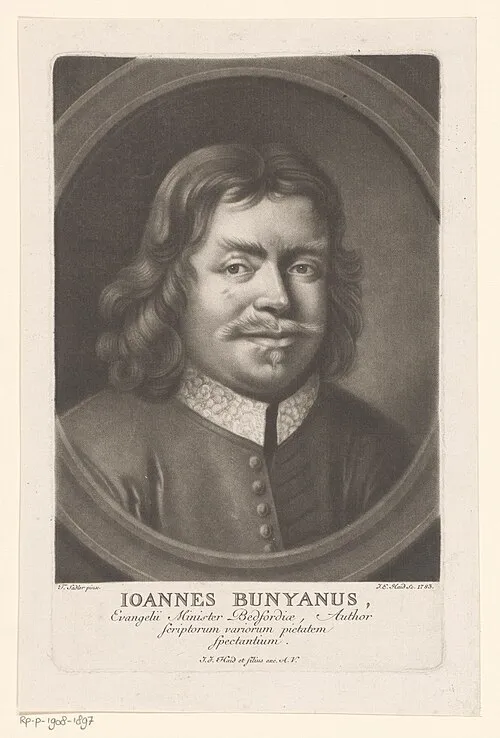
Los que vienen temen muchas veces que Cristo no los reciba
OBSERVACIÓN SEGUNDA. Vengo ahora a la segunda observación que se propuso tratar, a saber: que los que vienen a Jesucristo temen muchas veces, de corazón, que Jesucristo no los reciba.
Les dije que esta observación está implícita en el texto; y la recojo,
Primero: de la amplitud y la franqueza de la promesa: «En ninguna manera le echaré fuera». Porque, si no hubiera en nosotros propensión a «temer ser echados fuera», no le habría hecho falta a Cristo, por decirlo así, tenderle emboscada a nuestro temor, como lo hace con esta expresión grande y extraña: «En ninguna manera»; «Y al que á mí viene, en ninguna manera le echaré fuera». [N. del T.: la RV1909 dice «no le echo fuera»; se conserva «en ninguna manera» porque el autor razona sobre esa expresión del inglés «in no wise».] No habría hecho falta, digo, que la sabiduría del cielo inventara tal promesa, y la pusiera en palabras de tal calibre, como a propósito para hacer pedazos de un solo golpe todas las objeciones de los pecadores que vienen, si ellos no fueran propensos a admitir tales objeciones, para desaliento de sus propias almas. Porque esta palabra, «en ninguna manera», corta el cuello a todas las objeciones; y el Señor Jesús la dejó caer precisamente con ese fin, y para ayudar a la fe que va mezclada con incredulidad. Y es, por decirlo así, la suma de todas las promesas; ni puede levantarse objeción alguna, sobre la indignidad que hallas en ti, que esta promesa no absuelva.
Pero yo soy un gran pecador, dices tú.
«En ninguna manera le echaré fuera», dice Cristo.
Pero yo soy un pecador viejo, dices tú.
«En ninguna manera le echaré fuera», dice Cristo.
Pero yo soy un pecador de corazón duro, dices tú.
«En ninguna manera le echaré fuera», dice Cristo.
Pero yo soy un pecador que ha vuelto atrás, dices tú.
«En ninguna manera le echaré fuera», dice Cristo.
Pero yo he servido a Satanás todos mis días, dices tú.
«En ninguna manera le echaré fuera», dice Cristo.
Pero yo he pecado contra la luz, dices tú.
«En ninguna manera le echaré fuera», dice Cristo.
Pero yo he pecado contra la misericordia, dices tú.
«En ninguna manera le echaré fuera», dice Cristo.
Pero yo no tengo cosa buena que traer conmigo, dices tú.
«En ninguna manera le echaré fuera», dice Cristo.
Así podría seguir hasta el fin de las cosas, y mostrarles que, aun entonces, esta promesa fue provista para responder a todas las objeciones, y que las responde. Pero digo: ¿qué necesidad había de ella, si los que vienen a Jesucristo no temieran a veces, sí, muchas veces, de corazón, «que Jesucristo los echará fuera»?
Segundo. Ahora les daré dos ejemplos que parecen implicar la verdad de esta observación.
En el capítulo nueve de Mateo, en el versículo segundo, leen de un hombre enfermo de parálisis; y venía a Jesucristo, llevado sobre una cama por sus amigos. También él venía por sí mismo, y por otra cuenta de la que ninguno de sus amigos se daba cuenta: por el perdón de los pecados y la salvación de su alma. Ahora bien, tan pronto como hubo llegado a la presencia de Cristo, Cristo le dice: «Confía». Parece, pues, que el corazón se le desmayaba; pero ¿cuál era la causa de su desmayo? No su dolencia corporal, para cuya cura lo traían sus amigos a Cristo, sino la culpa y la carga de sus pecados, para cuyo perdón venía él mismo; por eso prosigue: «Confía, tus pecados te son perdonados». Digo que Cristo lo vio hundirse en su ánimo, por cómo le iría a su parte más noble; y por eso, primero, se aplica a él por esa cuenta. Porque, aunque sus amigos tenían fe bastante en cuanto a la cura del cuerpo, él mismo tenía harto poca en cuanto a la cura de su alma; por eso Cristo lo alza como a un hombre que se cae, diciendo: «Confía, hijo; tus pecados te son perdonados».
También parece pertinente a este asunto lo del hijo pródigo: «Y volviendo en sí, dijo: ¡Cuántos jornaleros en casa de mi padre tienen abundancia de pan, y yo aquí perezco de hambre! Me levantaré, é iré á mi padre». Dicho de corazón; pero ¿cómo cumplió su promesa? Pienso que no tan bien como prometió hacer; y el fundamento de mi pensamiento es que su padre, tan pronto como él llegó a él, se echó sobre su cuello y lo besó; dando a entender, a mi parecer, que el pródigo para entonces estaba ya abatido en su ánimo; y por eso su padre le da la señal más pronta y más familiar de reconciliación. Y los besos se usaban mucho en el tiempo antiguo para quitar dudas y temores. Así Labán y Esaú besan a Jacob. Así José besó a sus hermanos; y así también David besó a Absalón (Génesis 31:55; 33:1-4; 48:9,10; 2 Samuel 14:33). Es verdad, como dije, que al ponerse en camino habló de corazón, como hacen también a veces los pecadores al comenzar a venir a Jesucristo; pero ¿no pudo él —sí, y con toda probabilidad lo hizo— tener, entre el primer paso que dio y el último con que acabó aquel camino, muchos pensamientos, ya de un lado, ya del otro? Como este: ¿lo recibiría su padre, o no? Así: Dije: «Iré á mi padre». Pero ¿y si, cuando llegue a él, me pregunta dónde he estado todo este tiempo? ¿Qué he de decir entonces? También, si me pregunta qué se ha hecho de la parte de los bienes que me dio, ¿qué diré entonces? Si me pregunta quiénes han sido mis compañeros, ¿qué diré entonces? Si también me pregunta cuál ha sido mi medro en todo el tiempo de mi ausencia de él, ¿qué diré entonces? Y aun, si me pregunta por qué no volví a casa más pronto, ¿qué diré entonces? Así, digo, pudo razonar consigo mismo; y, sabedor consigo de que a cualquiera de estos interrogatorios no podría dar sino mala respuesta, no es maravilla que necesitara ante todo un beso de los labios de su padre. Porque, si al primero hubiera respondido con verdad, tendría que decir: he sido frecuentador de tabernas y de casas de cerveza; y en cuanto a mi parte, la gasté en vida disoluta; mis compañeros fueron rameras y mujerzuelas; en cuanto a mi medro, lo más alto fue que vine a ser porquero; y en cuanto a no haber vuelto a casa hasta ahora, si hubiera podido componérmelas para quedarme fuera más tiempo, no estaría ahora postrado a tus pies pidiendo misericordia.
Digo que, consideradas estas cosas, y considerando otra vez cuán propenso es el pobre hombre, cuando de veras está despierto, a ceder a los desalientos y a los recelos del corazón, no es maravilla que se le hundiera el ánimo entre el tiempo de su primera partida y el de su llegada a su Padre.
Tercero. Pero, en tercer lugar, me parece que tengo, para confirmación de esta verdad, el consentimiento de todos los santos que hay bajo el cielo, a saber: que los que vienen a Jesucristo temen muchas veces, de corazón, que él no los reciba.
Pregunta. Pero ¿cuál será la razón? Responderé a esta pregunta así:
-
No es por falta de la voluntad revelada de Dios, que manifiesta fundamentos para lo contrario, porque de eso hay suficiencia; sí, el texto mismo ha puesto un fundamento suficiente de aliento para los que vienen a Jesucristo. «Y al que á mí viene, no le echo fuera.»
-
No es por falta de invitación alguna a venir, porque esa es plena y clara. «Venid á mí todos los que estáis trabajados y cargados, que yo os haré descansar» (Mateo 11:28).
-
Tampoco es por falta de una manifestación de la voluntad de Cristo de recibir, como lo declaran los textos arriba nombrados, con el que sigue: «Si alguno tiene sed, venga á mí y beba» (Juan 7:37).
-
No es por falta de promesas sobremanera grandes y preciosas de recibir a los que vienen. «Por lo cual salid de en medio de ellos, y apartaos, dice el Señor, y no toquéis lo inmundo; y yo os recibiré, y seré á vosotros Padre, y vosotros me seréis á mí hijos é hijas, dice el Señor Todopoderoso» (2 Corintios 6:17,18).
-
No es por falta de juramento solemne y de empeño de salvar a los que vienen. «Porque, no pudiendo jurar por otro mayor, juró por sí mismo, para que por dos cosas inmutables, en las cuales es imposible que Dios mienta, tengamos un fortísimo consuelo, los que nos acogemos á trabarnos de la esperanza propuesta» (Hebreos 6:13-18).
-
Tampoco es por falta de grandes ejemplos de la misericordia de Dios, que han venido a Jesucristo, de los cuales leemos con mucha abundancia en la Palabra. Por tanto, se ha de concluir que es por falta de lo que sigue.
Ver el original (inglés)
Original en inglés
Comers Ofttimes Afraid That Christ Will Not Receive Them
OBSERVATION SECOND. —I come now to the second observation propounded to be spoken to, to wit, That they that are coming to Jesus Christ, are ofttimes heartily afraid that Jesus Christ will not receive them.
I told you that this observation is implied in the text; and I gather it,
First, From the largeness and openness of the promise: “I will in no wise cast out.” For had there not been a proneness in us to “fear casting out,” Christ needed not to have, as it were, waylaid our fear, as he doth by this great and strange expression, “In no wise;” “And him that cometh to me I will in no wise cast out.” There needed not, as I may say, such a promise to be invented by the wisdom of heaven, and worded at such a rate, as it were on purpose to dash in pieces at one blow all the objections of coming sinners, if they were not prone to admit of such objections, to the discouraging of their own souls. For this word, “in no wise,” cutteth the throat of all objections; and it was dropped by the Lord Jesus for that very end; and to help the faith that is mixed with unbelief. And it is, as it were, the sum of all promises; neither can any objection be made upon the unworthiness that thou findest in thee, that this promise will not assoil.
But I am a great sinner, sayest thou.
“I will in no wise cast out,” says Christ.
But I am an old sinner, sayest thou.
“I will in no wise cast out,” says Christ.
But I am a hard-hearted sinner, sayest thou.
“I will in no wise cast out,” says Christ.
But I am a backsliding sinner, sayest thou.
“I will in no wise cast out,” says Christ.
But I have served Satan all my days, sayest thou.
“I will in no wise cast out,” says Christ.
But I have sinned against light, sayest thou.
“I will in no wise cast out,” says Christ.
But I have sinned against mercy, sayest thou.
“I will in no wise cast out,” says Christ.
But I have no good thing to bring with me, sayest thou.
“I will in no wise cast out,” says Christ.
Thus I might go on to the end of things, and show you, that still this promise was provided to answer all objections, and doth answer them. But I say, what need it be, if they that are coming to Jesus Christ are not sometimes, yea, oftentimes, heartily afraid, “that Jesus Christ will cast them out?”
Second, I will give you now two instances that seem to imply the truth of this observation.
In the ninth of Matthew, at the second verse, you read of a man that was sick of the palsy; and he was coming to Jesus Christ, being borne upon a bed by his friends: he also was coming himself, and that upon another account than any of his friends were aware of; even for the pardon of sins, and the salvation of his soul. Now, so soon as ever he was come into the presence of Christ, Christ bids him “be of good cheer.” It seems then, his heart was fainting; but what was the cause of his fainting? Not his bodily infirmity, for the cure of which his friends did bring him to Christ; but the guilt and burden of his sins, for the pardon of which himself did come to him; therefore he proceeds, “Be of good cheer, thy sins be forgiven thee.” I say, Christ saw him sinking in his mind, about how it would go with his most noble part; and therefore, first, he applies himself to him upon that account. For though his friends had faith enough as to the cure of the body, yet he himself had little enough as to the cure of his soul: therefore Christ takes him up as a man falling down, saying, “Son, be of good cheer, thy sins be forgiven thee.”
That about the Prodigal seems pertinent also to this matter: “When he came to himself, he said, How many hired servants of my father’s have bread enough and to spare, and I perish with hunger! I will arise and go to my father.” Heartily spoken; but how did he perform his promise? I think not so well as he promised to do; and my ground for my thoughts is, because his father, so soon as he was come to him, fell upon his neck and kissed him; implying, methinks, as if the prodigal by this time was dejected in his mind; and therefore his father gives him the most sudden and familiar token of reconciliation. And kisses were of old time often used to remove doubts and fears. Thus Laban and Esau kiss Jacob. Thus Joseph kissed his brethren; and thus also David kissed Absalom (Gen 31:55; 33:1-4; 48:9,10; 2 Sam 14:33). It is true, as I said, at first setting out, he spake heartily, as sometimes sinners also do in their beginning to come to Jesus Christ; but might not he, yea, in all probability he had, between the first step he took, and the last, by which he accomplished that journey, many a thought, both this way and that; as whether his father would receive him or no? As thus: I said, “I would go to my Father.” But how, if when I come at him he should ask me, Where I have all this while been? What must I say then? Also, if he ask me, What is become of the portion of goods that he gave me? What shall I say then? If he asks me, Who have been my companions? What shall I say then? If he also shall ask me, What hath been my preferment in all the time of my absence from him? What shall I say then? Yea, and if he ask me, Why I came home no sooner? What shall I say then? Thus, I say, might he reason with himself, and being conscious to himself, that he could give but a bad answer to any of these interrogatories, no marvel if he stood in need first of all of a kiss from his father’s lips. For had he answered the first in truth, he must say, I have been a haunter of taverns and ale-houses; and as for my portion, I spent it in riotous living; my companions were whores and drabs; as for my preferment, the highest was, that I became a hog-herd; and as for my not coming home till now, could I have made shift to have staid abroad any longer, I had not lain at thy feet for mercy now.
I say, these things considered, and considering, again, how prone poor man is to give way, when truly awakened, to despondings and heart misgivings, no marvel if he did sink in his mind, between the time of his first setting out, and that of his coming to his Father.
Third, But, thirdly, methinks I have for the confirmation of this truth the consent of all the saints that are under heaven, to wit, That they that are coming to Jesus Christ, are ofttimes heartily afraid that he will not receive them.
Quest. But what should be the reason? I will answer to this question thus:
-
It is not for want of the revealed will of God, that manifesteth grounds for the contrary, for of that there is a sufficiency; yea, the text itself hath laid a sufficient foundation for encouragement, for them that are coming to Jesus Christ. “And him that cometh to me I will in no wise cast out.”
-
It is not for want of any invitation to come, for that is full and plain. “Come unto me, all ye that labour and are heavy laden, and I will give you rest” (Matt 11:28).
-
Neither is it for want of a manifestation of Christ’s willingness to receive, as those texts above named, with that which follows, declareth, “If any man thirst, let him come unto me, and drink” (John 7:37).
-
It is not for want of exceeding great and precious promises to receive them that come. “Wherefore come out from among them, and be ye separate, saith the Lord, and touch not the unclean thing, and I will receive you, and will be a Father unto you, and ye shall be my sons and daughters, saith the Lord Almighty” (2 Cor 6:17,18).
-
It is not for want of solemn oath and engagement to save them that come. “For -because he could swear by no greater, he sware by himself -that by two immutable things, in which it was impossible for God to lie, we might have a strong consolation, who have fled for refuge to lay hold upon the hope set before us” (Heb 6:13-18).
-
Neither is it for want of great examples of God’s mercy, that have come to Jesus Christ, of which we read most plentifully in the Word. Therefore, it must be concluded, it is for want of that which follows.
https://sermonesbiblicos.org/biblioteca/ven-y-se-bienvenido-a-jesucristo-16-el-temor-de-no-ser-recibido/