Sermones Bíblicos
Uso de la primera observación
John Bunyan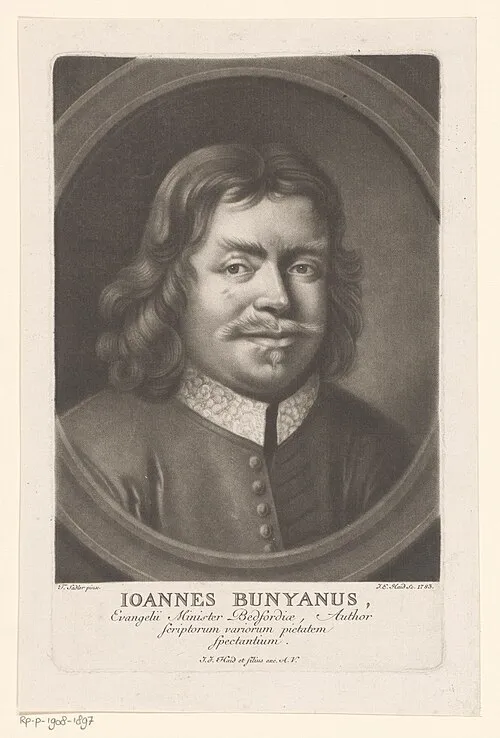
Uso y aplicación de la observación primera
Uso primero. ¿Es así? ¿Venir a Jesucristo no es por la voluntad, la sabiduría o el poder del hombre, sino por el don, la promesa y el atraimiento del Padre? Entonces tienen la culpa los que exaltan la voluntad, la sabiduría y el poder del hombre, como cosas suficientes para traer a los hombres a Cristo.
Hay hombres que piensan que no se les ha de contradecir cuando defienden la voluntad, la sabiduría y el poder del hombre en lo que toca a las cosas del reino de Cristo; pero a tal hombre le diré que todavía no ha llegado a entender que él mismo es lo que la Escritura enseña acerca de él; ni ha conocido jamás qué es venir a Cristo por la enseñanza, el don y el atraimiento del Padre. Es uno que ha levantado al enemigo de Dios en oposición a él, y que sigue en tales actos de desafío; y cuál será su fin, sin un nuevo nacimiento, también lo enseña la Escritura; pero esto lo pasaremos.
Uso segundo. ¿Es así? ¿Venir a Jesucristo es por el don, la promesa y el atraimiento del Padre? Entonces aprendan aquí los santos a atribuir su venida a Cristo al don, a la promesa y al atraimiento del Padre. Hombre cristiano, bendice a Dios, que te ha dado a Jesucristo por promesa; y otra vez, bendice a Dios porque te ha atraído a él. ¿Y por qué tú? ¿Por qué no otro? ¡Oh, que la gloria del amor de elección descanse sobre tu cabeza, y que la gloria de la gracia sobreexcelente de Dios eche mano de tu corazón y te traiga a Jesucristo!
Uso tercero. ¿Es así, que venir a Jesucristo es por el Padre, como queda dicho? Entonces esto debe enseñarnos a tener en alta estima a los que de veras vienen a Jesucristo; digo, alta estima de ellos, por amor de aquel en virtud de cuya gracia son hechos venir a Jesucristo.
Vemos que, cuando los hombres, ayudados de habilidades humanas, alcanzan el conocimiento de algo y llevan a cabo aquello que, una vez hecho, es maravilla para el mundo, ¡cómo se estima y se alaba al que lo hizo! Sí, ¡cómo se admiran su ingenio, sus dotes, su industria y su no cansarse en todo! Y con todo, el hombre, en cuanto a esto, no es sino del mundo, y su obra, efecto de la capacidad natural; también las cosas que alcanza paran en vanidad y aflicción de espíritu. Aun más: quizá, al perseguir estos sus logros, peca contra Dios, malgasta en vano su tiempo, y a la larga pierde el alma por descuidar cosas mejores; ¡y con todo se le admira! Pero digo: si las dotes, el trabajo, la diligencia y lo demás de este hombre lo traen a tal aplauso y estima en el mundo, ¿qué estima hemos de tener de aquel que, por el don, la promesa y el poder de Dios, viene a Jesucristo?
-
Este es un hombre con quien Dios está, en quien Dios obra y anda; un hombre cuyo movimiento es gobernado y dirigido por la mano poderosa de Dios y por la operación eficaz de su poder. ¡He aquí un hombre!
-
Este hombre, por el poder de la fortaleza de Dios que obra en él, puede echar tras de sí un mundo entero, con todas sus concupiscencias y sus placeres, y cargar a través de todas las dificultades que hombres y diablos puedan oponerle. ¡He aquí un hombre!
-
Este hombre camina hacia el monte de Sión, la Jerusalén celestial, la ciudad del Dios vivo, y hacia una compañía innumerable de ángeles, y los espíritus de los justos hechos perfectos, hacia Dios el Juez de todos, y hacia Jesús. ¡He aquí un hombre!
-
Este hombre puede mirar la muerte con consuelo, puede reírse de la destrucción cuando viene, y anhela oír el sonido de la última trompeta y ver a su Juez viniendo en las nubes del cielo. ¡He aquí un hombre de veras!
Estimen, pues, los cristianos, los unos a los otros como a tales. Sé que lo hacen; pero háganlo más y más. Y para que puedan, consideren estas dos o tres cosas. (1.) Estos son objeto de la estima de Cristo (Mateo 12:48,49; 15:22-28; Lucas 7:9). (2.) Estos son objeto de la estima de los ángeles (Daniel 9:12; 10:21,22; 13:3,4; Hebreos 2:14). (3.) Estos han sido objeto de la estima de los paganos, apenas convencidos acerca de ellos (Daniel 5:10,11; Hechos 5:15; 1 Corintios 14:24,25). «Estimándoos inferiores los unos á los otros» (Filipenses 2:3).
Uso cuarto. Otra vez: ¿es así, que nadie viene a Jesucristo por la voluntad, la sabiduría y el poder del hombre, sino por el don, la promesa y el atraimiento del Padre? Entonces esto nos muestra cuán horriblemente ignorantes de esto son los que hacen del hombre que viene a Cristo objeto de su desprecio y de su furor. Estos son también hombres sin razón y malvados; hombres en quienes no hay fe (2 Tesalonicenses 3:2). Pecadores, si tan solo supieran qué cosa tan bienaventurada es venir a Jesucristo, y que por la ayuda y el atraimiento del Padre ellos sí vienen a él, colgarían y arderían en el infierno mil años antes de volver sus espíritus, como hacen, contra aquel a quien Dios está atrayendo a Jesucristo, y también contra el Dios que lo atrae.
Pero, pecador sin fe, reconvengamos un poco el asunto. ¿Qué te ha hecho este hombre que viene a Jesucristo? ¿Por qué lo haces objeto de tu escarnio? ¿Te ofende su venir a Jesucristo? ¿Te ofende que busque su propia salvación? ¿Te ofende que deje sus pecados y sus placeres?
¡Pobre hombre que vienes! «Si sacrificáramos la abominación de los Egipcios delante de ellos, ¿no nos apedrearían?» (Éxodo 8:26).
Pero digo: ¿por qué ofenderse de esto? ¿Es acaso peor por venir a Jesucristo, o por amar a Jesucristo y servirle? ¿O es acaso más necio por huir de aquello que te ahogará en el fuego del infierno, y por buscar la vida eterna? Además, señores, considérenlo, se lo ruego: esto no lo hace de sí mismo, sino por el atraimiento del Padre. Ven, déjame decírtelo al oído, tú que no quieres venir a él tú mismo, y al que querría, tú lo estorbas:
-
Serás juzgado por uno que ha aborrecido, difamado y afrentado a Jesucristo, a quien viene este pobre pecador.
-
Serás juzgado también por uno que ha aborrecido al Padre, por cuyo poderoso atraimiento viene este pecador.
-
Serás tomado y juzgado por uno que ha hecho afrenta al Espíritu de gracia en aquel que, con su ayuda, viene a Jesucristo. ¿Qué dices ahora? ¿Te mantendrás en tus hechos? ¿Seguirás menospreciando y afrentando al Dios vivo? ¿Piensas que lo capearás bastante bien en el día del juicio? «¿Estará firme tu corazón? ¿tus manos serán fuertes en los días que obraré yo contra ti?», dice el Señor (Ezequiel 22:14; Juan 15:18-25; Judas 15; 1 Tesalonicenses 4:8).
Uso quinto. ¿Es así, que nadie viene a Jesucristo por la voluntad, la sabiduría y el poder del hombre, sino por el don, la promesa y el atraimiento del Padre? Entonces esto nos muestra cómo sucede que medios débiles sean tan poderosos para sacar a los hombres de sus pecados a una busca de corazón en pos de Jesucristo. Cuando Dios mandó a Moisés hablar al pueblo, dijo: «Yo te aconsejaré, y Dios será contigo» (Éxodo 18:19). Cuando Dios habla, cuando Dios obra, ¿quién puede estorbarlo? Nadie, nadie; ¡entonces la obra va adelante! Elías echó su manto sobre los hombros de Eliseo; ¡y qué obra tan admirable siguió! Cuando Jesús coincidió con el canto de un gallo, ¡qué obra hubo! Oh, cuando Dios está en el medio, entonces ese medio —por débil y despreciable que en sí mismo sea— obrará maravillas (1 Reyes 19:19; Mateo 26:74,75; Marcos 14:71,72; Lucas 22:60-62). El mundo no entendió, ni creyó, que los muros de Jericó habían de caer al sonido de cuernos de carnero; pero cuando Dios quiere obrar, el medio ha de ser eficaz. Una palabra dicha con flaqueza, dicha con dificultad, en tentación y en medio de gran desprecio y escarnio, obra maravillas, si el Señor tu Dios también lo dice.
Uso sexto. ¿Es así? ¿Nadie viene a Jesucristo por la voluntad, la sabiduría y el poder del hombre, sino por el don, la promesa y el atraimiento del Padre? Entonces hay aquí lugar para que los cristianos se detengan y se maravillen de la operación eficaz de las providencias de Dios de las cuales él se ha servido como medios para traerlos a Jesucristo.
Porque, aunque los hombres son atraídos a Cristo por el poder del Padre, con todo ese poder se pone por obra en el uso de medios; y estos medios son diversos: a veces este, a veces aquel; porque Dios es libre para obrar por el que quiera, y cuando quiera, y como quiera. Pero sea el medio el que fuere, y por despreciable que pueda ser, con todo, el Dios que mandó que de las tinieblas resplandeciera la luz, y que de la flaqueza puede hacer fortaleza, puede —es más, muchas veces lo hace— servirse de medios muy inverosímiles para traer la conversión y la salvación de su pueblo. Por tanto, ustedes que han venido a Cristo —y eso por medios inverosímiles—, deténganse y maravíllense; y, maravillándose, engrandezcan el poder todopoderoso, por cuya obra el medio ha sido hecho eficaz para traerlos a Jesucristo.
¿Cuál fue la providencia de que Dios se sirvió como medio, más remoto o más cercano, para traerte a Jesucristo? ¿Fue el mudarte de habitación, el cambio de tu condición, la pérdida de parientes, de bienes, o algo semejante? ¿Fue el echar tu ojo sobre algún buen libro, el oír a tus vecinos hablar de cosas celestiales, el ver los juicios de Dios ejecutados sobre otros, o tu propia liberación de ellos, o el ser echado de un modo extraño bajo el ministerio de algún hombre piadoso? ¡Oh, repara en tal providencia, o en tales providencias! Fueron enviadas y gobernadas por poder poderoso para hacerte bien. Dios mismo, digo, se ha unido a este carro; sí, y de tal modo lo bendijo, que no dejó de cumplir aquello para lo cual lo envió.
No a todos bendice Dios sus providencias de esta manera. ¡Cuántos miles hay en este mundo que pasan cada día bajo las mismas providencias! Pero Dios no está en ellas, para hacer por ellas la obra que ha hecho por tu pobre alma, obrando él de manera eficaz con ellas. ¡Oh, que Jesucristo te saliera al encuentro en esta providencia, en aquella dispensación, o en la otra ordenanza! ¡Esto sí que es gracia! En esto, pues, será sabiduría tuya admirarte, y por esto bendecir a Dios.
Permítanme darles una muestra de algunas de esas providencias que han sido eficaces, por el gobierno de Dios, para traer salvación a las almas de su pueblo.
(1.) La primera será la de la mujer de Samaria. Hubo de acontecer que ella tenía que salir de la ciudad a sacar agua, no antes ni después, sino justo cuando Jesucristo su Salvador había venido de lejos, y se había sentado a descansar, cansado, junto al pozo. ¡Qué providencia tan bienaventurada fue esta! Una providencia gobernada por la sabiduría todopoderosa y el poder todopoderoso, para la conversión y la salvación de esta pobre criatura. Porque por esta providencia fueron juntados esta pobre criatura y su Salvador, para que aquella obra bienaventurada se cumpliera en la mujer, conforme al propósito determinado antes por el Padre (Juan 4).
(2.) ¿Qué providencia fue que hubiera un árbol en el camino, para que Zaqueo subiera, y dar así a Jesús ocasión de llamar para sí a aquel principal de los publicanos, aun antes de que bajara de allí? (Lucas 19).
(3.) ¿No fue también cosa admirable que el ladrón de que leen en el evangelio fuera, por providencia de Dios, echado en la cárcel, para ser condenado en aquella misma sesión en que Cristo mismo había de morir; y más, que aconteciera también que habían de ser colgados juntos, a fin de que el ladrón pudiera oír y observar a Jesús en sus últimas palabras, para ser convertido por él antes de su muerte? (Lucas 23).
(4.) ¡Qué providencia tan extraña fue, y cuán extrañamente gobernada por Dios, que Onésimo, cuando hubo huido de su amo, fuera preso y, según pienso, echado en aquella misma cárcel donde Pablo yacía preso por la Palabra del evangelio, para que allí fuera convertido por él, y luego enviado otra vez a casa, a su amo Filemón! He aquí: «á los que á Dios aman, todas las cosas les ayudan á bien, [es á saber], á los que conforme al propósito son llamados» (Romanos 8:28).
Es más: yo mismo he conocido a algunos a quienes se hizo ir a oír la Palabra predicada contra su voluntad; otros han ido, no a oír, sino a ver y a ser vistos; es más, a mofarse y a escarnecer a otros, y también a cazar faltas y a criticar. Algunos, también, a apacentar sus ojos adúlteros con la vista de objetos hermosos; y con todo, Dios se ha servido aun de estas cosas, y aun de los propósitos malvados y pecaminosos de los pecadores, para traerlos bajo la gracia que podía salvar sus almas.
Uso séptimo. ¿Nadie viene a Jesucristo sino por el atraimiento, etc., del Padre? Entonces permítanme advertir aquí a los pobres pecadores que miran el cambio que Dios ha obrado en los que vienen a Jesucristo, que no atribuyan esta obra y este cambio a otras cosas y causas.
Hay en el mundo algunos pobres pecadores que ven claramente un cambio, un cambio poderoso, en sus vecinos y parientes que vienen a Jesucristo. Pero, como dije, siendo ignorantes, y no sabiendo de dónde viene ni a dónde va —porque «así es todo aquel que es nacido del Espíritu» (Juan 3:8)—, atribuyen este cambio a otras causas: como a la melancolía; al sentarse a solas; al leer demasiado; al ir a demasiados sermones; al estudiar y meditar demasiado en lo que oyen.
También concluyen, por el otro lado, que es por falta de compañía alegre, por falta de medicina; y por eso les aconsejan que dejen la lectura, el ir a los sermones, la compañía de gente sobria; y que estén alegres, que anden de chismes, que se ocupen en las cosas de este mundo, que no se sienten a meditar a solas, etc. Pero ven, pobre pecador ignorante, déjame tratar contigo. Parece que te has vuelto consejero de Satanás. Te digo que no sabes lo que haces. Cuídate de gastar tu juicio de esta manera: juzgas neciamente, y con esto dices a todo el que pasa que tú eres un necio. ¡Cómo! ¿Tienes por melancolía las convicciones de pecado, el duelo por el pecado y el arrepentimiento del pecado? Esto se parece a aquellos que, por el otro lado, dijeron: «Que están llenos de mosto», etc. O como el que dijo que Pablo estaba loco (Hechos 2:13; 26:24). ¡Pobre pecador ignorante! ¿No puedes juzgar mejor? ¡Cómo! ¿Sentarse a solas, pensativo bajo la mano de Dios, leer las Escrituras y oír sermones, etc., es el camino de echarse a perder? ¡Ábrate el Señor los ojos, y hazte ver tu error! Te has puesto contra Dios, has menospreciado la obra de sus manos, intentas asesinar almas. ¡Cómo! ¿No puedes dar mejor consejo acerca de aquellos a quienes Dios ha herido, que enviarlos a las ordenanzas del infierno en busca de ayuda? Les mandas que estén alegres y de ánimo ligero; pero ¿no sabes que «el corazón de los insensatos, en la casa del placer»? (Eclesiastés 7:4).
Les mandas que rehúyan el oír a predicadores que truenan; pero ¿no es «mejor oir la reprensión del sabio, que la canción de los necios»? (Eclesiastés 7:5). Les mandas que se ocupen en las cosas de este mundo; pero ¿no sabes que el Señor manda: «Buscad primeramente el reino de Dios y su justicia»? (Mateo 6:33). ¡Pobre pecador ignorante! Oye el consejo de Dios a los tales, y aprende tú a ser más sabio. «¿Está alguno entre vosotros afligido? haga oración. ¿Está alguno alegre? cante salmos» (Santiago 5:13). «Bienaventurado el hombre que me oye» (Proverbios 8:34). Y oye, para en adelante: «Sed salvos de esta perversa generación» (Hechos 2:40). «Escudriñad las Escrituras» (Juan 5:39). «Ocúpate en leer» (1 Timoteo 4:13). «Mejor es ir á la casa del luto» (Eclesiastés 7:2,3).
¿Y juzgarás tú al que así hace? ¿Eres casi como Elimas el encantador, que procuraba apartar de la fe al procónsul? Procuras pervertir los caminos rectos del Señor. Cuídate, no sea que te alcance algún juicio pesado (Hechos 13:8-13). ¡Cómo! ¿Enseñar a los hombres a apagar las convicciones; apartar a los hombres de considerar de veras el mal del pecado, los terrores del mundo venidero, y cómo han de escapar de ellos? ¡Cómo! ¿Enseñar a los hombres a echar de su mente a Dios y a su Palabra, corriendo a la compañía alegre, corriendo al mundo, andando de chismes? Etc. Esto es tanto como mandarles que digan a Dios: «Apártate de nosotros, porque no deseamos el conocimiento de tus caminos»; o: «¿Quién es el Todopoderoso, para que le sirvamos? ¿O qué provecho tenemos si guardamos sus caminos?» ¡He aquí un diablo de pura cepa! ¡Cómo! ¿Mandar al hombre que ande «conforme á la condición de este mundo, conforme al príncipe de la potestad del aire, el espíritu que ahora obra en los hijos de desobediencia»? (Efesios 2:2).
Dos objeciones respondidas
Objeción. 1. Pero no sabemos que los tales vengan a Jesucristo; en verdad nos maravillamos de ellos, y los tenemos por necios.
Respuesta. ¿No saben que vienen a Jesucristo? Entonces puede que vengan a él, por lo que ustedes saben; ¿y por qué han de ser peores que el bruto, hablando mal de las cosas que no conocen? ¡Cómo! ¿Han sido hechos para ser tomados y destruidos? ¿Han de perecer del todo en sus propias corrupciones? (2 Pedro 2:12). ¿No los conocen? Déjenlos, pues. Si no pueden hablar bien de ellos, no hablen mal. «Dejaos de estos hombres, y dejadlos; porque si este consejo ó esta obra es de los hombres, se desvanecerá; mas si es de Dios, no la podréis deshacer; no seáis tal vez hallados resistiendo á Dios» (Hechos 5:38,39). Pero ¿por qué se maravillan de una obra de convicción y de conversión? ¿No saben que este es el juicio de Dios sobre ustedes: «Mirad, oh menospreciadores, y entonteceos, y desvaneceos»? (Hechos 13:40,41). Pero ¿por qué maravillarse, y pensar que son necios? ¿Es para ustedes abominación el camino del justo? Vean ese pasaje, y avergüéncense: «Abominación es al impío el de rectos caminos» (Proverbios 29:27). El maravillarse de ellos arguye que ustedes son extraños a sí mismos, a la convicción de pecado y a los deseos de corazón de ser salvos; como también al venir a Jesucristo.
Objeción. 2. Pero ¿cómo sabremos que tales hombres vienen a Jesucristo?
Respuesta. ¿Quién puede hacer ver a los que Cristo ha dejado ciegos? (Juan 2:8,9). Con todo, porque procuro tu convicción, tu conversión y tu salvación, considera: ¿Claman del pecado, cargados de él, como de una cosa sobremanera amarga? ¿Huyen de él como del rostro de una serpiente mortífera? ¿Claman de la insuficiencia de su propia justicia para la justificación delante de Dios? ¿Claman en pos del Señor Jesús, para que los salve? ¿Ven más valor y mérito en una gota de la sangre de Cristo para salvarlos, que en todos los pecados del mundo para condenarlos? ¿Tienen tierna la conciencia para no pecar contra Jesucristo? ¿Son su nombre, su persona y sus empeños más preciosos para ellos que la gloria del mundo? ¿Les es más cara esta palabra? ¿Les es preciosa la fe en Cristo (de cuya falta los convence el Espíritu de Dios, y de que sin ella nunca pueden abrazarse a Cristo)? ¿Saborean a Cristo en su Palabra, y dejan todo el mundo por amor de él? ¿Y están dispuestos, Dios mediante, a correr riesgos por su nombre, por el amor que le tienen? ¿Les son preciosos sus santos? Si estas cosas son así, lo veas tú o no, estos hombres vienen a Jesucristo (Romanos 7:9-14; Salmo 38:3-8; Hebreos 6:18-20; Isaías 64:6; Filipenses 3:7,8; Salmo 54:1; 109:26; Hechos 16:30; Salmo 51:7,8; 1 Pedro 1:18,19; Romanos 7:24; 2 Corintios 5:2; Hechos 5:41; Santiago 2:7; Cantares 5:10-16; Salmo 119; Juan 13:35; 1 Juan 4:7; 3:14; Juan 16:9; Romanos 14:23; Hebreos 11:6; Salmo 19:10,11; Jeremías 15:16; Hebreos 11:24-27; Hechos 20:22-24; 21:13; Tito 3:15; 2 Juan 1; Efesios 4:16; Filemón 7; 1 Corintios 16:24).
Ver el original (inglés)
Original en inglés
Use and Application of Observation First
Use First. Is it so? Is coming to Jesus Christ not by the will, wisdom, or power of man, but by the gift, promise, and drawing of the Father? Then they are to blame that cry up the will, wisdom, and power of man, as things sufficient to bring men to Christ.
There are some men who think they may not be contradicted, when they plead for the will, wisdom, and power of man in reference to the things that are of the kingdom of Christ; but I will say to such a man, he never yet came to understand, that himself is what the Scripture teacheth concerning him; neither did he ever know what coming to Christ is, by the teaching, gift, and drawing of the Father. He is such a one that hath set up God’s enemy in opposition to him, and that continueth in such acts of defiance; and what his end, without a new birth, will be, the Scripture teacheth also; but we will pass this.
Use Second. Is it so? Is coming to Jesus Christ by the gift, promise, and drawing of the Father? Then let saints here learn to ascribe their coming to Christ to the gift, promise, and drawing of the Father. Christian man, bless God, who hath given thee to Jesus Christ by promise; and again, bless God for that he hath drawn thee to him. And why is it thee? Why not another? O that the glory of electing love should rest upon thy head, and that the glory of the exceeding grace of God should take hold of thy heart, and bring thee to Jesus Christ!
Use Third. Is it so, that coming to Jesus Christ is by the Father, as aforesaid? Then this should teach us to set a high esteem upon them that indeed are coming to Jesus Christ; I say, an high esteem on them, for the sake of him by virtue of whose grace they are made to come to Jesus Christ.
We see that when men, by the help of human abilities, do arrive at the knowledge of, and bring to pass that which, when done, is a wonder to the world, how he that did it, is esteemed and commended; yea, how are his wits, parts, industry, and unweariedness in all admired, and yet the man, as to this, is but of the world, and his work the effect of natural ability; the things also attained by him end in vanity and vexation of spirit. Further, perhaps in the pursuit of these his achievements, he sins against God, wastes his time vainly, and at long-run loses his soul by neglecting of better things; yet he is admired! But I say, if this man’s parts, labour, diligence, and the like, will bring him to such applause and esteem in the world, what esteem should we have of such an one that is by the gift, promise, and power of God, coming to Jesus Christ?
-
This is a man with whom God is, in whom God works and walks; a man whose motion is governed and steered by the mighty hand of God, and the effectual working of his power. Here is a man!
-
This man, by the power of God’s might, which worketh in him, is able to cast a whole world behind him, with all the lusts and pleasures of it, and to charge through all the difficulties that men and devils can set against him. Here is a man.
-
This man is travelling to Mount Zion, the heavenly Jerusalem, the city of the living God, and to an innumerable company of angels, and the spirits of just men made perfect, to God the Judge of all, and to Jesus. Here is a man!
-
This man can look upon death with comfort, can laugh at destruction when it cometh, and longs to hear the sound of the last trump, and to see his Judge coming in the clouds of heaven. Here is a man indeed!
Let Christians, then, esteem each other as such. I know you do it; but do it more and more. And that you may, consider these two or three things. (1.) These are the objects of Christ’s esteem (Matt 12:48,49; 15:22-28; Luke 7:9). (2.) These are the objects of the esteem of angels (Dan 9:12; 10:21,22; 13:3,4; Heb 2:14). (3.) These have been the objects of the esteem of heathens, when but convinced about them (Dan 5:10,11; Acts 5:15; 1 Cor 14:24,25). “Let each [of you, then,] esteem [each] other better than themselves” (Phil 2:2).
Use Fourth. Again, Is it so, that no man comes to Jesus Christ by the will, wisdom, and power of man, but by the gift, promise, and drawing of the Father? Then this shows us how horribly ignorant of this such are, who make the man that is coming to Christ the object of their contempt and rage. These are also unreasonable and wicked men; men in whom is no faith (2 Thess 3:2). Sinners, did you but know what a blessed thing it is to come to Jesus Christ, and that by the help and drawing of the Father, they do indeed come to him; you would hang and burn in hell a thousand years, before you would turn your spirits as you do, against him that God is drawing to Jesus Christ, and also against the God that draws him.
But, faithless sinner, let us a little expostulate the matter. What hath this man done against thee, that is coming to Jesus Christ? Why dost thou make him the object of thy scorn? doth his coming to Jesus Christ offend thee? doth his pursuing of his own salvation offend thee? doth his forsaking of his sins and pleasures offend thee?
Poor coming man! “Shall we sacrifice the abomination of the Egyptians before their eyes, and will they not stone us?” (Exo 8:26).
But, I say, why offended at this? Is he ever the worse for coming to Jesus Christ, or for his loving and serving of Jesus Christ? Or is he ever the more a fool, for flying from that which will drown thee in hell-fire, and for seeking eternal life? Besides, pray, Sirs, consider it; this he doth, not of himself, but by the drawing of the Father. Come, let me tell thee in thine ear, thou that wilt not come to him thyself, and him that would, thou hinderest —
-
Thou shalt be judged for one that hath hated, maligned, and reproached Jesus Christ, to whom this poor sinner is coming.
-
Thou shalt be judged, too, for one that hath hated the Father, by whose powerful drawing this sinner doth come.
-
Thou shalt be taken and judged for one that has done despite to the Spirit of grace in him that is, by its help, coming to Jesus Christ. What sayest thou now? Wilt thou stand by thy doings? Wilt thou continue to contemn and reproach the living God? Thinkest thou that thou shalt weather it out well enough at the day of judgment? “Can thine heart endure, or can thine hands be strong, in the days that I shall deal with thee,” saith the Lord? (Eze 22:14, John 15:18-25; Jude 15; 1 Thess 4:8).
Use Fifth. Is it so, that no man comes to Jesus Christ by the will, wisdom, and power of man, but by the gift, promise, and drawing of the Father? Then this showeth us how it comes to pass, that weak means are so powerful as to bring men out of their sins to a hearty pursuit after Jesus Christ. When God bid Moses speak to the people, he said, “I will give thee counsel, and God shall be with thee” (Exo 18:19). When God speaks, when God works, who can let it? None, none; then the work goes on! Elias threw his mantle upon the shoulders of Elisha; and what a wonderful work followed! When Jesus fell in with the crowing of a cock, what work was there! O when God is in the means, then shall that means —be it never so weak and contemptible in itself —work wonders (1 Kings 19:19; Matt 26:74,75; Mark 14:71,72; Luke 22:60-62). The world understood not, nor believed, that the walls of Jericho should fall at the sound of rams’ horns; but when God will work, the means must be effectual. A word weakly spoken, spoken with difficulty, in temptation, and in the midst of great contempt and scorn, works wonders, if the Lord thy God will say so too.
Use Sixth. Is it so? Doth no man come to Jesus Christ by the will, wisdom, and power of man, but by the gift, promise, and drawing of the Father? Then here is room for Christians to stand and wonder at the effectual working of God’s providences, that he hath made use of, as means to bring them to Jesus Christ.
For although men are drawn to Christ by the power of the Father, yet that power putteth forth itself in the use of means: and these means are divers, sometimes this, sometimes that; for God is at liberty to work by which, and when, and how he will; but let the means be what they will, and as contemptible as may be, yet God that commanded the light to shine out of darkness, and that out of weakness can make strong, can, nay, doth oftentimes make use of very unlikely means to bring about the conversion and salvation of his people. Therefore, you that are come to Christ —and that by unlikely means —stay yourselves, and wonder, and, wondering, magnify almighty power, by the work of which the means hath been made effectual to bring you to Jesus Christ.
What was the providence that God made use of as a means, either more remote or more near, to bring thee to Jesus Christ? Was it the removing of thy habitation, the change of thy condition, the loss of relations, estate, or the like? Was it thy casting of thine eye upon some good book, thy hearing of thy neighbours talk of heavenly things, the beholding of God’s judgments as executed upon others, or thine own deliverance from them, or thy being strangely cast under the ministry of some godly man? O take notice of such providence or providences! They were sent and managed by mighty power to do thee good. God himself, I say, hath joined himself unto this chariot: yea, and so blessed it, that it failed not to accomplish the thing for which he sent it.
God blesseth not to every one his providences in this manner. How many thousands are there in this world, that pass every day under the same providences! but God is not in them, to do that work by them as he hath done for thy poor soul, by his effectually working with them. O that Jesus Christ should meet thee in this providence, that dispensation, or the other ordinance! This is grace indeed! At this, therefore, it will be thy wisdom to admire, and for this to bless God.
Give me leave to give you a taste of some of those providences that have been effectual, through the management of God, to bring salvation to the souls of his people.
(1.) The first shall be that of the woman of Samaria. It must happen, that she must needs go out of the city to draw water, not before nor after, but just when Jesus Christ her Saviour was come from far, and set to rest him, being weary, upon the well. What a blessed providence was this! Even a providence managed by the almighty wisdom, and almighty power, to the conversion and salvation of this poor creature. For by this providence was this poor creature and her Saviour brought together, that that blessed work might be fulfilled upon the woman, according to the purpose before determined by the Father (John 4).
(2.) What providence was it that there should be a tree in the way for Zaccheus to climb, thereby to give Jesus opportunity to call that chief of the publicans home to himself, even before he came down therefrom (Luke 19).
(3.) Was it not also wonderful that the thief, which you read of in the gospel, should, by the providence of God, be cast into prison, to be condemned even at that session that Christ himself was to die; nay, and that it should happen, too, that they must be hanged together, that the thief might be in hearing and observing of Jesus in his last words, that he might be converted by him before his death! (Luke 23).
(4.) What a strange providence was it, and as strangely managed by God, that Onesimus, when he was run away from his master, should be taken, and, as I think, cast into that very prison where Paul lay bound for the Word of the gospel; that he might there be by him converted, and then sent home again to his master Philemon! Behold “all things work together for good to them that love God, to them who are the called according to his purpose” (Rom 8:28).
Nay, I have myself known some that have been made to go to hear the Word preached against their wills; others have gone not to hear, but to see and to be seen; nay, to jeer and flout others, as also to catch and carp at things. Some also to feed their adulterous eyes with the sight of beautiful objects; and yet God hath made use even of these things, and even of the wicked and sinful proposals of sinners, to bring them under the grace that might save their souls.
Use Seventh. Doth no man come to Jesus Christ but by the drawing, &c., of the Father? Then let me here caution those poor sinners, that are spectators of the change that God hath wrought in them that are coming to Jesus Christ, not to attribute this work and change to other things and causes.
There are some poor sinners in the world that plainly see a change, a mighty change, in their neighbours and relations that are coming to Jesus Christ. But, as I said, they being ignorant, and not knowing whence it comes and whither it goes, for “so is every one that is born of the Spirit,” (John 3:8), therefore they attribute this change to others causes: as melancholy; to sitting alone; to overmuch reading; to their going to too many sermons; to too much studying and musing on what they hear.
Also they conclude, on the other side, that it is for want of merry company; for want of physic; and therefore they advise them to leave off reading, going to sermons, the company of sober people; and to be merry, to go a gossiping, to busy themselves in the things of this world, not to sit musing alone, &c. But come, poor ignorant sinner, let me deal with thee. It seems thou art turned counsellor for Satan: I tell thee thou knowest not what thou dost. Take heed of spending thy judgment after this manner; thou judgest foolishly, and sayest in this, to every one that passeth by, thou art a fool. What! count convictions for sin, mournings for sin, and repentance for sin, melancholy? This is like those that on the other side said, “These men are [drunk with] full of new wine,” &c. Or as he that said Paul was mad (Acts 2:13, 26:24). Poor ignorant sinner! canst thou judge no better? What! is sitting alone, pensive under God’s hand, reading the Scriptures, and hearing of sermons, &c., the way to be undone? The Lord open thine eyes, and make thee to see thine error! Thou hast set thyself against God, thou hast despised the operation of his hands, thou attemptest to murder souls. What! canst thou give no better counsel touching those whom God hath wounded, than to send them to the ordinances of hell for help? Thou biddest them be merry and lightsome; but dost thou not know that “the heart of fools is in the house of mirth?” (Eccl 7:4).
Thou biddest them shun the hearing of thundering preachers; but is it not “better to hear the rebuke of the wise, than for a man to hear the song of fools?” (Eccl 7:5). Thou biddest them busy themselves in the things of this world; but dost thou not know that the Lord bids, “Seek first the kingdom of God, and his righteousness?” (Matt 6:33). Poor ignorant sinner! hear the counsel of God to such, and learn thyself to be wiser. “Is any afflicted? let him pray. Is any merry? let him sing psalms” (James 5:13). “Blessed is the man that heareth me” (Prov 8:32). And hear for time to come, “Save yourselves from this untoward generation” (Acts 2:40). “Search the Scriptures” (John 5:39). “Give attendance to reading” (1 Tim 4:13). “It is better to go to the house of mourning” (Eccl 7:2,3).
And wilt thou judge him that doth thus? Art thou almost like Elymas the sorcerer, that sought to turn the deputy from the faith? Thou seekest to pervert the right ways of the Lord. Take heed lest some heavy judgment overtake thee (Acts 13:8-13). What! teach men to quench convictions; take men off from a serious consideration of the evil of sin, of the terrors of the world to come, and how they shall escape the same? What! teach men to put God and his Word out of their minds, by running to merry company, by running to the world, by gossiping? &c. This is as much as to bid them to say to God, “Depart from us, for we desire not the knowledge of thy ways;” or, “What is the Almighty that we should serve him? or what profit have we if we keep his ways?” Here is a devil in grain! What! bid man walk “according to the course of this world, according to the prince of the power of the air, the spirit that now worketh in the children of disobedience” (Eph 2:2).
Two objections answered
Object. 1. But we do not know that such are coming to Jesus Christ; truly we wonder at them, and think they are fools.
Answ. Do you not know that they are coming to Jesus Christ? then they may be coming to him, for aught you know; and why will ye be worse than the brute, to speak evil of the things you know not? What! are ye made to be taken and destroyed? must ye utterly perish in your own corruptions? (2 Peter 2:12). Do you not know them? Let them alone then. If you cannot speak good of them, speak not bad. “Refrain from these men, and let them alone; for if this counsel or this work be of men, it will come to nought; but if it be of God, ye cannot overthrow it, lest haply ye be found even to fight against God” (Acts 5:38,39). But why do you wonder at a work of conviction and conversion? Know you not that this is the judgment of God upon you, “ye despisers, to behold, and wonder, and perish?” (Acts 13:40,41). But why wonder, and think they are fools? Is the way of the just an abomination to you? See that passage, and be ashamed, “He that is upright in the way is abomination to the wicked” (Prov 29:27). Your wondering at them argues that you are strangers to yourselves, to conviction for sin, and to hearty desires to be saved; as also to coming to Jesus Christ.
Object. 2. But how shall we know that such men are coming to Jesus Christ?
Answ. Who can make them see that Christ has made blind? (John 2:8,9). Nevertheless, because I endeavour thy conviction, conversion, and salvation, consider: Do they cry out of sin, being burthened with it, as of an exceeding bitter thing? Do they fly from it, as from the face of a deadly serpent? Do they cry out of the insufficiency of their own righteousness, as to justification in the sight of God? Do they cry out after the Lord Jesus, to save them? Do they see more worth and merit in one drop of Christ’s blood to save them, than in all the sins of the world to damn them? Are they tender of sinning against Jesus Christ? Is his name, person, and undertakings, more precious to them, than is the glory of the world? Is this word more dear unto them? Is faith in Christ (of which they are convinced by God’s Spirit of the want of, and that without it they can never close with Christ) precious to them? Do they savour Christ in his Word, and do they leave all the world for his sake? And are they willing, God helping them, to run hazards for his name, for the love they bear to him? Are his saints precious to them? If these things be so, whether thou seest them or no, these men are coming to Jesus Christ (Rom 7:914; Psa 38:3-8; Heb 6:18-20; Isa 64:6; Phil 3:7,8; Psa 54:1; 109:26; Acts 16:30; Psa 51:7,8; 1 Peter 1:18,19; Rom 7:24; 2 Cor 5:2; Acts 5:41; James 2:7; Song 5:10-16; Psa 119; John 13:35; 1 John 4:7; 3:14; John 16:9; Rom 14:23; Heb 11:6; Psa 19:10,11; Jer 15:16; Heb 11:24-27; Acts 20:22-24; 21:13; Titus 3:15; 2 John 1; Eph 4:16; Phile 7; 1 Cor 16:24).
https://sermonesbiblicos.org/biblioteca/ven-y-se-bienvenido-a-jesucristo-15-uso-de-la-primera-observacion/