Sermones Bíblicos
Qué es echar fuera
John Bunyan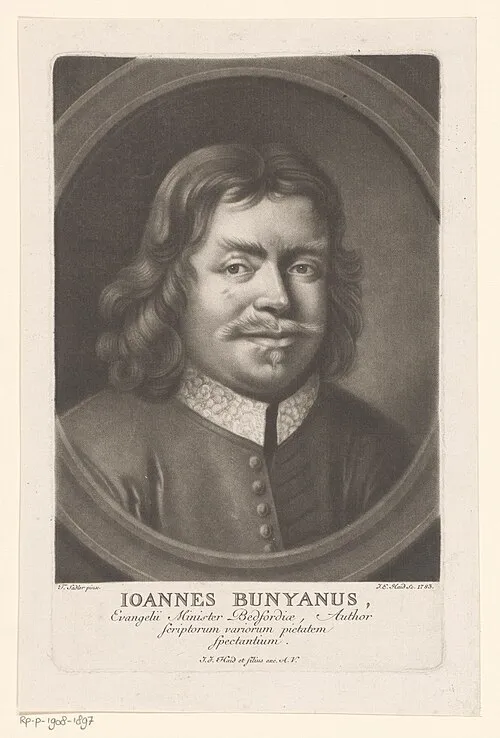
Sentido de las palabras ECHAR FUERA
Ahora nos queda todavía inquirir dos cosas que yacen en las palabras, y de las cuales no se ha dicho nada todavía. A saber: PRIMERO, qué es echar fuera. SEGUNDO, cómo aparece que Cristo tiene poder para salvar, o para echar fuera.
Qué es echar fuera
PRIMERO. En cuanto a la primera de estas, qué es echar fuera. A esto hablaré, primero, en general. Segundo, más en particular.
[Primero, en general.]
-
Echar fuera es despreciar, menospreciar y tener en poco; como se dice del escudo de Saúl: «fué desechado» (2 Samuel 1:21); esto es, fue menospreciado y tenido en poco. Así es con los pecadores que no vienen a Jesucristo. Él los desprecia, los menosprecia y los tiene en poco; esto es, «los echa fuera».
-
Las cosas echadas fuera se reputan como paños de menstruo, y como el lodo de la calle (Isaías 3:24; Salmo 18:42; Mateo 5:13; 15:17). Y así será con los hombres que no vienen a Jesucristo: serán contados como cosa menstrual, y como el lodo de las calles.
-
Ser echado fuera, o desechado, es ser aborrecido; no ser compadecido, sino puesto en vergüenza perpetua (Salmo 44:9; 89:38; Amós 1:11). Pero,
Segundo, más en particular, para venir al texto. El echar fuera que aquí se menciona no se limita a este mal o al otro; por tanto, se ha de extender a la miseria más extrema y más última. O así: el que viene a Cristo no carecerá de nada que pueda hacerlo feliz conforme al evangelio, en este mundo o en el venidero; ni el que no viene carecerá de nada que pueda hacerlo espiritual y eternamente miserable. Pero además: así como se ha de tomar en general [respecto de las cosas de ahora], así mira a las cosas que serán de aquí en adelante.
I. En cuanto a las cosas de ahora, son: o 1. Más generales; o 2. Más particulares.
- Más generales, así:
(1.) Es «ser echado fuera» de la presencia y del favor de Dios. Así fue echado Caín: «Me echas hoy», o me echas fuera; «de tu presencia», esto es, de tu favor, «me esconderé». ¡Queja espantosa! ¡Pero el efecto de un juicio más espantoso! (Génesis 4:14; Jeremías 23:39; 1 Crónicas 28:9).
(2.) «Ser echado fuera» es ser echado fuera de la vista de Dios. Dios no mirará más por ellos, no cuidará más de ellos, ni velará más sobre ellos para bien (2 Reyes 17:20; Jeremías 7:15). Ahora bien, los que están así quedan como ciegos, para vagar y caer en el pozo del infierno. ¡También este, pues, es un juicio triste! Por tanto, aquí está la misericordia del que viene a Cristo. No será dejado a vagar en lo incierto. El Señor Jesucristo lo guardará, como el pastor a sus ovejas (Salmo 23). «Al que á mí viene, no le echo fuera.»
(3.) «Ser echado fuera» es que se le niegue lugar en la casa de Dios, y quedar como fugitivos y vagabundos, para pasar un poco de tiempo en esta vida miserable, y después de eso descender a los muertos (Gálatas 4:30; Génesis 4:13, 14; 21:10). Por tanto, aquí está el beneficio del que viene a Cristo: no se le negará lugar en la casa de Dios. No serán dejados como vagabundos en el mundo. «Al que á mí viene, no le echo fuera.» Véase Proverbios 14:26, Isaías 56:3-5, Efesios 1:19-22, 1 Corintios 3:21-23.
(4.) En una palabra, «ser echado fuera» es ser rechazado como lo son los ángeles caídos. Porque la condenación eterna de ellos empezó al ser derribados del cielo al infierno. Así, pues, no ser echado fuera es tener allí un lugar, una casa y una habitación; y tener parte en los privilegios de los ángeles escogidos.
Estas palabras, pues, «no echaré fuera», un día serán palabras grandes para los que vienen a Jesucristo (2 Pedro 2:4; Juan 20:31; Lucas 20:35).
- Segundo, y más en particular,
(1.) Cristo tiene vida eterna para el que viene a él, y este nunca perecerá; «porque en ninguna manera lo echará fuera»; pero los demás son rechazados, «echados fuera», y han de ser condenados (Juan 10:27, 28).
(2.) Cristo tiene justicia eterna con que vestir a los que vienen a él, y serán cubiertos con ella como con un vestido; pero los demás serán hallados en los harapos inmundos de sus propias contaminaciones hediondas, y serán envueltos en ellos, como en una mortaja, y así llevarán su vergüenza delante del Señor, y también delante de los ángeles (Daniel 9:27; Isaías 57:20; Apocalipsis 3:4-18, 15, 16).
(3.) Cristo tiene sangre preciosa que, como fuente abierta, está libre para que se lave en ella el que viene a él por vida; «y en ninguna manera lo echará fuera»; pero los que no vienen a él quedan rechazados de tener parte en ella, y son dejados a la venganza airada por sus pecados (Zacarías 13:1; 1 Pedro 1:18, 19; Juan 13:8; 3:16).
(4.) Cristo tiene promesas preciosas, y tendrán parte en ellas los que vienen a él por vida; porque «en ninguna manera los echará fuera». Pero los que no vienen no pueden tener parte en ellas, porque solo en él son verdaderas; porque en él, y solo en él, todas las promesas de Dios son Sí, y en él Amén. Por lo cual, a los que no vienen a él, nada les aprovechan (Salmo 50:16; 2 Corintios 1:20, 21).
(5.) Cristo tiene también plenitud de gracia en sí mismo para los que vienen a él por vida: «Y en ninguna manera los echará fuera». Pero los que no vienen a él quedan en su estado sin gracia; y, tal como Cristo los deja, los hallan la muerte, el infierno y el juicio. «Porque el que me hallare, hallará la vida, y alcanzará el favor de Jehová. Mas el que peca contra mí, defrauda su alma: todos los que me aborrecen, aman la muerte» (Proverbios 8:35, 36).
(6.) Cristo es Intercesor, y vive siempre para interceder por los que por él se allegan a Dios. «Multiplicaránse los dolores de aquellos que sirven diligentes á otro [dios]», o a otros dioses, sus pecados y sus concupiscencias. «No ofreceré yo sus libaciones de sangre, ni en mis labios tomaré sus nombres» (Salmo 16:4; Hebreos 7:25).
(7.) Cristo tiene amor admirable, entrañas y compasiones, para los que vienen a él; porque «en ninguna manera los echará fuera». Pero los demás lo hallarán león rampante; un día los despedazará a todos. «Entended ahora esto», dice, «los que os olvidáis de Dios; no sea que arrebate, sin que nadie libre» (Salmo 50:22).
(8.) Cristo es aquel por quien, y por amor de quien, los que vienen a él tienen aceptas sus personas y sus obras delante del Padre: «Y en ninguna manera los echará fuera»; pero los demás han de huir a las peñas y a los montes por refugio, aunque todo en vano, para esconderse de su faz y de su ira (Apocalipsis 6:15-17).
II. Pero otra vez: estas palabras, ECHAR FUERA, miran de un modo especial a lo que será de aquí en adelante, aun en el día del juicio. Porque entonces, y no hasta entonces, se hará manifiesto el gran anatema y el echar fuera, manifiesto aun por la ejecución. Por tanto, hablaré aquí de esto, y ello bajo estos dos encabezados. A saber: primero, del echar fuera mismo. Segundo, del lugar al cual serán echados los que entonces sean echados fuera.
Primero, el echar fuera mismo consiste en dos cosas. 1. En una obra preparatoria. 2. En el modo de ejecutar el acto.
- La obra preparatoria consiste en estas tres cosas.
(1.) Consiste en que, en aquel día, sean separados los que no han venido a él, de los que han venido. O así: en el día del gran echar fuera, los que AHORA no han venido a él serán separados de los que sí han venido; porque a los que han venido «no los echará fuera». «Y cuando el Hijo del hombre venga en su gloria, y todos los santos ángeles con él, entonces se sentará sobre el trono de su gloria; y serán reunidas delante de él todas las gentes: y los apartará los unos de los otros, como aparta el pastor las ovejas de los cabritos» (Mateo 25:31, 32). Esta separación espantosa, pues, se hará entonces entre los que AHORA vienen a Cristo y los que no vienen. Y con razón; porque, ya que no quisieron venir con nosotros a él ahora que tienen tiempo, ¿por qué habrían de estar con nosotros cuando haya llegado el juicio?
(2.) Serán puestos delante de él según su condición: los que han venido a él, con gran dignidad, aun a su mano derecha; «porque en ninguna manera los echará fuera»; pero los demás serán puestos a su mano izquierda, lugar de afrenta y de vergüenza; porque no vinieron a él por vida. También se los distinguirá con nombres que les cuadran: a estos que vienen a él los llama ovejas, pero los demás son cabritos díscolos, «y los apartará los unos de los otros, como aparta el pastor las ovejas de los cabritos»; y las ovejas serán puestas a la mano derecha —junto a la puerta del cielo, porque vinieron a él—, pero los cabritos a su izquierda, para irse de él al infierno, porque no son de sus ovejas.
(3.) Entonces procederá Cristo a convencer a los que no vinieron a él, y dirá: «Fuí huésped, y no me recogisteis», o no vinieron a mí. La excusa que den de sí mismos la despreciará como lodo, y procederá al juicio final de ellos.
- Ahora bien, cuando estos miserables que rechazan a Cristo queden así puestos delante de él en sus pecados, y convencidos, esta es la obra preparatoria, sobre la cual sigue el modo de ejecutar el acto, el cual se hará así.
(1.) En presencia de todos los santos ángeles.
(2.) En presencia de todos los que en su vida vinieron a él, diciéndoles: «Apartaos de mí, malditos, al fuego eterno preparado para el diablo y para sus ángeles»; con la razón que se le añade. Porque fueron crueles conmigo y con los míos, lo cual se descubre en particular en estas palabras: «Porque tuve hambre, y no me disteis de comer; tuve sed, y no me disteis de beber; fuí huésped, y no me recogisteis; desnudo, y no me cubristeis; enfermo, y en la cárcel, y no me visitasteis» (Mateo 25:41-43).
Segundo, ahora queda que hablemos del lugar al cual estos serán echados; el cual, en general, ya han oído ustedes, a saber, el preparado primero para el diablo y sus ángeles. Pero, en particular, se lo describe así:
-
Se llama Tofet: «Porque Topheth ya de tiempo está diputada y aparejada para el rey», Lucifer, «profunda y ancha; cuyo foco es de fuego, y mucha leña; el soplo de Jehová, como torrente de azufre, la enciende» (Isaías 30:33). [N. del T.: la edición cita Isaías 30:32; el texto es el versículo 33.]
-
Se llama infierno. «Mejor te es entrar á la vida cojo», o lisiado, «que teniendo dos pies ser echado en la Gehenna» (Marcos 9:45).
-
Se llama el lagar de la ira de Dios. «Y el ángel echó su hoz aguda en la tierra, y vendimió la viña de la tierra», esto es, a los que no vinieron a Cristo, «y echó [la uva] en el grande lagar de la ira de Dios» (Apocalipsis 14:19).
-
Se llama un lago de fuego. «Y el que no fué hallado escrito en el libro de la vida, fué lanzado en el lago de fuego» (Apocalipsis 20:15).
-
Se llama un pozo. «Tú que decías en tu corazón: Subiré al cielo, en lo alto junto á las estrellas de Dios ensalzaré mi solio, y en el monte del testimonio me sentaré, á los lados del aquilón. Mas tú derribado eres en el sepulcro, á los lados de la huesa» (Isaías 14:13-15).
-
Se llama un pozo sin fondo, del cual salieron el humo y la langosta, y en el cual fue arrojado el gran dragón; y se llama sin fondo para mostrar que no tiene fin la caída que tendrán en él los que no vienen, en el tiempo aceptable, a Jesucristo (Apocalipsis 9:1, 2; 20:3). 7. Se llama tinieblas de afuera. «Atado de pies y de manos tomadle, y echadle en las tinieblas de afuera», «y al siervo inútil echadle en las tinieblas de afuera», «allí será el lloro y el crujir de dientes» (Mateo 22:13; 25:30).
-
Se llama un horno de fuego. «De manera que como es cogida la cizaña, y quemada al fuego, así será en el fin de este siglo. Enviará el Hijo del hombre sus ángeles, y cogerán de su reino todos los escándalos, y los que hacen iniquidad, y los echarán en el horno de fuego: allí será el lloro y el crujir de dientes.» Y otra vez: «Así será al fin del siglo: saldrán los ángeles, y apartarán á los malos de entre los justos, y los echarán en el horno del fuego: allí será el lloro y el crujir de dientes» (Mateo 13:40-51).
-
Por último, no estará de más si, para concluir esto, muestro en pocas palabras a qué se comparan las cosas que los atormentan en este estado. En verdad, algunas de ellas ya se han mencionado de paso; como que se comparan,
(1.) A leña que arde.
(2.) A fuego.
(3.) A fuego y azufre. Pero,
(4.) Se compara a un gusano, un gusano que roe, un gusano que roe y nunca muere. Son echados al infierno, «donde su gusano no muere» (Marcos 9:44).
(5.) Se llama fuego que no se apaga. «Allegará su trigo en el alfolí, y quemará la paja en fuego que nunca se apagará» (Mateo 3:12; Lucas 3:17).
(6.) Se llama destrucción eterna. «Cuando se manifestará el Señor Jesús del cielo con los ángeles de su potencia, en llama de fuego, para dar el pago á los que no conocieron á Dios, ni obedecen al evangelio de nuestro Señor Jesucristo; los cuales serán castigados de eterna perdición por la presencia del Señor, y por la gloria de su potencia» (2 Tesalonicenses 1:7-9).
(7.) Se llama ira sin mezcla, y se les da en la copa de su indignación. «Si alguno adora á la bestia y á su imagen, y toma la señal en su frente, ó en su mano, este también beberá del vino de la ira de Dios, el cual está echado puro en el cáliz de su ira; y será atormentado con fuego y azufre delante de los santos ángeles, y delante del Cordero» (Apocalipsis 14:9, 10).
(8.) Se llama la muerte segunda. «Y el infierno y la muerte fueron lanzados en el lago de fuego. Esta es la muerte segunda. Bienaventurado y santo el que tiene parte en la primera resurrección: la segunda muerte no tiene potestad en éstos» (Apocalipsis 20:6, 14).
(9.) Se llama condenación eterna. «Mas cualquiera que blasfemare contra el Espíritu Santo, no tiene jamás perdón, mas está expuesto á eterno juicio.» ¡Oh, estas tres palabras! ¡Castigo eterno! ¡Condenación eterna! ¡Y por los siglos de los siglos! ¡Cómo roerán y consumirán toda expectativa de que tenga fin la miseria de los pecadores desechados! «Y el humo del tormento de ellos sube para siempre jamás», y «no tienen reposo día ni noche», etc. (Apocalipsis 14:11). [N. del T.: donde el inglés dice «eternal damnation», la RV1909 dice «eterno juicio».]
Su conducta en el infierno se expone, que yo sepa, en cuatro cosas: (a.) En clamar por ayuda y alivio, en vano; (b.) En llorar; (c.) En lamentarse; (d.) En crujir los dientes.
Ver el original (inglés)
Original en inglés
Import of the words TO CAST OUT
Now, we have yet to inquire into two things that lie in the words, to which there hath yet been nothing said. As, FIRST, What it is to cast out. SECOND, How it appears that Christ hath power to save or cast out?
What It Is to Cast Out
FIRST. For the first of these, What it is to cast out. To this I will speak, First, Generally. Second, More particularly.
[First, Generally.]
-
To cast out, is to slight and despise, and contemn; as it is said of Saul’s shield, “it was vilely cast away,” (2 Sam 1:21), that is, slighted and contemned. Thus it is with the sinners that come not to Jesus Christ. He slights, despises, and contemns them; that is, “casts them away.”
-
Things cast away are reputed as menstruous cloths, and as the dirt of the street (Isa 3:24; Psa 18:42; Matt 5:13; 15:17). And thus it shall be with the men that come not to Jesus Christ, they shall be counted as menstruous, and as the dirt in the streets.
-
To be cast out, or off, it is to be abhorred, not to be pitied; but to be put to perpetual shame (Psa 44:9; 89:38; Amos 1:11). But,
Second, More particularly, to come to the text. The casting out here mentioned is not limited to this or the other evil: therefore it must be extended to the most extreme and utmost misery. Or thus: He that cometh to Christ shall not want anything that may make him gospelly-happy in this world, or that which is to come; nor shall he want anything that cometh not, that may make him spiritually and eternally miserable. But further, As it is to be generally taken [as respecteth the things that are now], so it respecteth things that shall be hereafter.
I. For the things that are now, they are either, 1. More general: Or, 2. More particular.
- More general, thus:
(1.) It is “to be cast out” of the presence and favour of God. Thus was Cain cast out: “Thou has driven,” or cast “me out this day; from thy face,” that is, from thy favour “shall I be hid.” A dreadful complaint! But the effect of a more dreadful judgment! (Gen 4:14; Jer 23:39; 1 Chron 28:9).
(2.) “To be cast out,” is to be cast out of God’s sight. God will look after them no more, care for them no more; nor will he watch over them any more for good (2 Kings 17:20; Jer 7:15). Now they that are so, are left like blind men, to wander and fall into the pit of hell. This, therefore, is also a sad judgment! Therefore here is the mercy of him that cometh to Christ. He shall not be left to wander at uncertainties. The Lord Jesus Christ will keep him, as a shepherd doth his sheep (Psa 23). “Him that cometh to me I will in no wise cast out.”
(3.) “To be cast out,” is to be denied a place in God’s house, and to be left as fugitives and vagabonds, to pass a little time away in this miserable life, and after that to go down to the dead (Gal 4:30; Gen 4:13,14; 21:10). Therefore here is the benefit of him that cometh to Christ, he shall not be denied a place in God’s house. They shall not be left like vagabonds in the world. “Him that cometh to me I will in no wise cast out.” See Proverbs 14:26, Isaiah 56:3-5, Ephesians 1:1922, 1 Corinthians 3:21-23.
(4.) In a word, “To be cast out,” is to be rejected as are the fallen angels. For their eternal damnation began at their being cast down from heaven to hell. So then, not to be cast out, is to have a place, a house, and habitation there; and to have a share in the privileges of elect angels.
These words, therefore, “I will not cast out,” will prove great words one day to them that come to Jesus Christ (2 Peter 2:4; John 20:31; Luke 20:35).
- Second, and more particularly,
(1.) Christ hath everlasting life for him that cometh to him, and he shall never perish; “For he will in no wise cast him out;” but for the rest, they are rejected, “cast out,” and must be damned (John 10:27,28).
(2.) Christ hath everlasting righteousness to clothe them with that come to him, and they shall be covered with it as with a garment, but the rest shall be found in the filthy rags of their own stinking pollutions, and shall be wrapt up in them, as in a winding-sheet, and so bear their shame before the Lord, and also before the angels (Dan 9:27; Isa 57:20; Rev 3:4-18, 15, 16).
(3.) Christ hath precious blood, that, like an open fountain, stands free for him to wash in, that comes to him for life; “And he will in no wise cast him out;” but they that come not to him are rejected from a share therein, and are left to ireful vengeance for their sins (Zech 13:1; 1 Peter 1:18,19; John 13:8; 3:16).
(4.) Christ hath precious promises, and they shall have a share in them that come to him for life; for “he will in no wise cast them out.” But they that come not can have no share in them, because they are true only in him; for in him, and only in him, all the promises are yea and amen. Wherefore they that come not to him, are no whit the better for them (Psa 50:16; 2 Cor 1:20,21).
(5.) Christ hath also fullness of grace in himself for them that come to him for life: “And he will in no wise cast them out.” But those that come not unto him are left in their graceless state; and as Christ leaves them, death, hell, and judgment finds them. “Whoso findeth me,” saith Christ, “findeth life, and shall obtain favour of the Lord. But he that sinneth against me wrongeth his own soul: all they that hate me love death” (Prov 8:35,36).
(6.) Christ is an Intercessor, and ever liveth to make intercession for them that come to God by him: “But their sorrows shall be multiplied, that hasten after another,” or other gods, their sins and lusts. “Their drink-offerings will I not offer, nor take up their names into his lips” (Psa 16:4; Heb 7:25).
(7.) Christ hath wonderful love, bowels, and compassions, for those that come to him; for “he will in no wise cast them out.” But the rest will find him a lion rampant; he will one day tear them all to pieces. “Now consider this,” saith he, “ye that forget God, lest I tear you in pieces, and there be none to deliver” (Psa 50:22).
(8.) Christ is one by and for whose sake those that come to him have their persons and performances accepted of the Father: “And he will in no wise cast them out;” but the rest must fly to the rocks and mountains for shelter, but all in vain, to hide them from his face and wrath (Rev 6:15-17).
II. But again, These words, CAST OUT, have a special look to what will be hereafter, even at the day of judgment. For then, and not till then, will be the great anathema and casting out made manifest, even manifest by execution. Therefore here to speak to this, and that under these two heads. As, First, Of the casting out itself. Second, Of the place into which they shall be cast, that shall then be cast out.
First, The casting out itself standeth in two things. 1. In a preparatory work. 2. In the manner of executing the act.
- The preparatory work standeth in these three things.
(1.) It standeth in their separation that have not come to him, from them that have, at that day. Or thus: At the day of the great casting out, those that have not NOW come to him, shall be separated from them that have; for them that have “he will not cast out.” “When the Son of man shall come in his glory, and all the holy angels with him, then shall he sit upon the throne of his glory; and before him shall be gathered all nations, and he shall separate them one from another, as a shepherd divideth his sheep from the goats” (Matt 25:31,32). This dreadful separation, therefore, shall then be made betwixt them that NOW come to Christ, and them that come not. And good reason; for since they would not with us come to him now they have time, why should they stand with us when judgment is come?
(2.) They shall be placed before him according to their condition: they that have come to him, in great dignity, even at his right hand; “For he will in no wise cast them out”: but the rest shall be set at his left hand, the place of disgrace and shame; for they did not come to him for life. Distinguished also shall they be by fit terms: these that come to him he calleth the sheep, but the rest are frowish goats, “and he shall separate them one from another, as a shepherd divideth his sheep from the goats;” and the sheep will be set on the right hand —next heaven gate, for they came to him —but the goats on his left, to go from him into hell, because they are not of his sheep.
(3.) Then will Christ proceed to conviction of those that came not to him, and will say, “I was a stranger, and ye took me not in,” or did not come unto me. Their excuse of themselves he will slight as dirt, and proceed to their final judgment.
- Now when these wretched rejecters of Christ shall thus be set before him in their sins, and convicted, this is the preparatory work upon which follows the manner of executing the act which will be done.
(1.) In the presence of all the holy angels.
(2.) In the presence of all them that in their lifetime came to him, by saying unto them, “Depart from me, ye cursed, into everlasting fire, prepared for the devil and his angels”: with the reason annexed to it. For you were cruel to me and mine, particularly discovered in these words, “For I was an hungered, and ye gave me no meat; I was thirsty, and ye gave me no drink; I was a stranger, and ye took me not in; naked, and ye clothed me not: sick, and in prison, and ye visited me not” (Matt 25:41-43).
Second, Now it remains that we speak of the place into which these shall be cast, which, in the general, you have heard already, to wit, the first prepared for the devil and his angels. But, in particular, it is thus described: —
-
It is called Tophet: “For Tophet is ordained of old, yea, for the king,” the Lucifer, “it is prepared; he hath made it deep and large; the pile thereof is fire and much wood; the breath of the Lord, like a stream of brimstone, doth kindle it” (Isa 30:32).
-
It is called hell. “It is better for thee to enter halt” or lame “into life, than having two feet to be cast into hell” (Mark 9:45).
-
It is called the wine-press of the wrath of God. “And the angel thrust in his sickle into the earth, and gathered the vine of the earth,” that is, them that did not come to Christ, “and cast it into the great wine-press of the wrath of God” (Rev 14:19).
-
It is called a lake of fire. “And whosoever was not found written in the book of life was cast into the lake of fire” (Rev 20:15).
-
It is called a pit. “Thou hast said in thy heart, I will ascend into heaven, I will exalt my throne above the stars of God: I will sit also upon the mount of the congregation, in the sides of the north. Yet thou shalt be brought down to hell, to the sides of the pit” (Isa 14:13-15).
-
It is called a bottomless pit, out of which the smoke and the locust came, and into which the great dragon was cast; and it is called bottomless, to show the endlessness of the fall that they will have into it, that come not, in the acceptable time, to Jesus Christ (Rev 9:1,2; 20:3).. 7. It is called outer darkness. “Bind him hand and foot -and cast him into outer darkness,” “and cast ye the unprofitable servant into outer darkness,” “there shall be weeping and gnashing of teeth” (Matt 22:13; 25:30).
-
It is called a furnace of fire. “As therefore the tares are gathered and burned in the fire; so shall it be in the end of this world. The Son of man shall send forth his angels, and they shall gather out of his kingdom all things that offend, and them which do iniquity; and shall cast them into a furnace of fire: there shall be wailing and gnashing of teeth.” And again, “So shall it be at the end of the world: the angels shall come forth, and sever the wicked from among the just, and shall cast them into the furnace of fire: there shall be wailing and gnashing of teeth” (Matt 13:40-51).
-
Lastly, It may not be amiss, if, in the conclusion of this, I show in few words to what the things that torment them in this state are compared. Indeed, some of them have been occasionally mentioned already; as that they are compared,
(1.) To wood that burneth.
(2.) To fire.
(3.) To fire and brimstone: But,
(4.) It is compared to a worm, a gnawing worm, a never-dying gnawing worm; They are cast into hell, “where their worm dieth not” (Mark 9:44).
(5.) It is called unquenchable fire; “He will gather his wheat into the garner; but he will burn up the chaff with unquenchable fire” (Matt 3:12; Luke 3:17).
(6.) It is called everlasting destruction; “The Lord Jesus shall be revealed from heaven with his mighty angels in flaming fire, taking vengeance on them that know not God, and that obey not the gospel of our Lord Jesus Christ; who shall be punished with everlasting destruction from the presence of the Lord, and from the glory of his power” (2 Thess 1:7-9).
(7.) It is called wrath without mixture, and is given them in the cup of his indignation. “If any man worship the beast, and his image, and receive his mark in his forehead, or in his hand, the same shall drink of the wine of the wrath of God, which is poured out without mixture, into the cup of his indignation; and he shall be tormented with fire and brimstone in the presence of the holy angels, and in the presence of the Lamb” (Rev 14:9,10).
(8.) It is called the second death. “And death and hell were cast into the lake of fire. This is the second death. Blessed and holy is he that hath part in the first resurrection: on such the second death hath no power” (Rev 20:6,14).
(9.) It is called eternal damnation. “But he that shall blaspheme against the Holy Ghost, hath never forgiveness, but is in danger of eternal damnation.” Oh! these three words! Everlasting punishment! Eternal damnation! And For ever and ever! How will they gnaw and eat up all the expectation of the end of the misery of the cast-away sinners. “And the smoke of their torment ascendeth up for ever and ever; and they have no rest day nor night,” &c., (Rev 14:11).
Their behaviour in hell is set forth by four things as I know of; —(a.) By calling for help and relief in vain; (b.) By weeping; (c.) By wailing; (d.) By gnashing of teeth.
https://sermonesbiblicos.org/biblioteca/ven-y-se-bienvenido-a-jesucristo-13-que-es-echar-fuera/