Sermones Bíblicos
Dos clases de pecadores que vienen
John Bunyan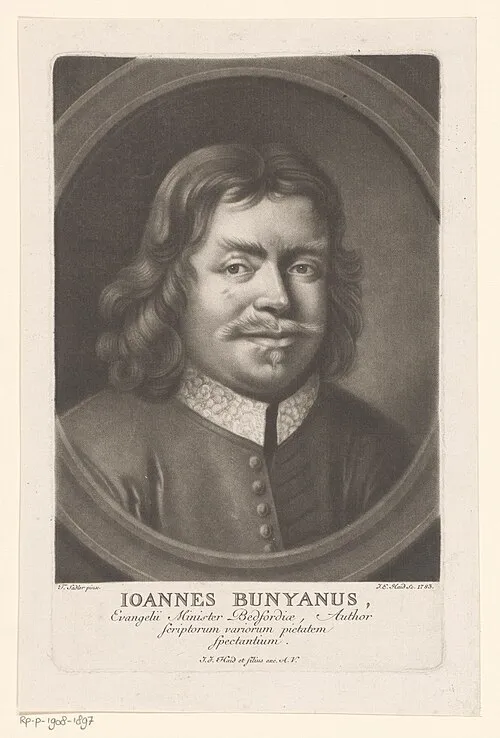
Dos clases de pecadores que vienen a Cristo
«Y al que VIENE.» Hay dos clases de pecadores que vienen a Jesucristo. Primero, el que nunca, sino hasta hace poco, ha empezado siquiera a venir. Segundo, el que vino antes, y después de eso se volvió atrás; pero desde entonces ha vuelto sobre sí, y ahora viene otra vez. A ambas clases de pecadores las alcanza el «AL QUE» del texto, como es evidente; porque ambos son ahora los pecadores que vienen. «Y al que viene.»
Primero. [El que acaba de despertar y viene.] —En cuanto al primero de estos: el pecador que nunca, sino hasta hace poco, ha empezado a venir, su camino es más fácil; no digo más llano y más abierto para venir a Cristo que el del otro: estos no llevan la traba de una conciencia culpable, por el pecado de haber recaído, colgándoles de los talones. Pero todo el aliento del evangelio, con las invitaciones que en él hay para los pecadores que vienen, es tan libre y tan abierto para el uno como para el otro; de suerte que, por la Palabra, ambos pueden con la misma libertad reclamar por igual parte en la promesa. «Todo está prevenido»; todo, lo mismo para los que recayeron y vienen que para los otros: «venid á las bodas». «Y el que tiene sed, venga» (Mateo 22:1-4; Apocalipsis 22:17).
Segundo. [El que recayó y vuelve.] —Pero, habiendo hablado ya del primero de estos, lo pasaré aquí por alto; y diré una palabra o dos al que viene, después de haber recaído, a Jesucristo por vida. Tu camino, oh pecador de tinte doble, tu camino está abierto para venir a Jesucristo. Me refiero a ti, cuyo corazón, después de una larga recaída, piensa en volverse a él otra vez. Tu camino, digo, está abierto hacia él, como lo está el camino de las otras clases de los que vienen; como aparece por lo que sigue:
-
Porque el texto no hace excepción contra ti. No dice: Y cualquier «al que», salvo el que recayó; cualquier «al que», salvo ese. El texto no objeta así, sino que, sin limitar a nadie, abre de par en par sus brazos de oro a toda alma que viene, sin la menor excepción; por tanto, puedes venir. Y cuida de no cerrar contra tu alma, por incredulidad, aquella puerta que Dios ha abierto por su gracia.
-
Es más, el texto está tan lejos de poner reparo a tu venir, que da a entender con fuerza que tú eres una de las almas que se tienen en vista, oh tú que recaíste y vienes; si no, ¿qué necesidad había de insertar así aquella cláusula: «no le echo fuera»? Como quien dijera: Aunque los que ahora vienen son tales que antes recayeron, en «ninguna manera» desecharé al fornicario, al avaro, al maldiciente, al borracho, ni a otros pecadores comunes, ni tampoco al que recayó.
-
Que se tiene en vista al que recayó es evidente,
(1.) Porque se le envía a buscar por su nombre: «id, decid á sus discípulos y á Pedro» (Marcos 16:7). Pero Pedro era un hombre piadoso. Cierto, pero también era uno que había recaído, sí, uno que había recaído de un modo desesperado: había negado a su Maestro una, dos, tres veces, maldiciendo y jurando que no lo conocía. Si esto no fue recaer, si esto no fue una recaída alta y eminente, sí, una recaída más alta de la que tú eres capaz, he pensado mal.
Otra vez: cuando David hubo recaído, y en su recaída hubo cometido adulterio y homicidio, se le ha de enviar a buscar por su nombre. «Y», dice el texto, «envió Jehová á Nathán á David». Y lo envió a decirle, después de haberlo traído a un reconocimiento no fingido: «También Jehová ha remitido tu pecado», o sea, lo ha perdonado (2 Samuel 12:1, 13).
También este hombre había ido lejos: tomó la mujer de un hombre y mató al marido de ella, y procuró cubrirlo todo con una disimulación malvada. Esto lo hizo, digo, después de que Dios lo había exaltado y le había mostrado gran favor; por lo cual el profeta engrandeció también su transgresión con agravantes poderosos; y con todo fue aceptado, y ello con alegría, al primer paso que dio al volver a Cristo. Porque el primer paso del volver de quien recayó es decir, con hondo sentir y sin fingimiento: «He pecado»; pero no bien hubo dicho así, cuando se presentó un perdón, sí, se le metió en el seno: «Y Nathán dijo á David: También Jehová ha remitido tu pecado».
(2.) Así como la persona del que recayó se menciona por su nombre, así también su pecado, para que, si es posible, se te quiten del camino tus objeciones contra tu volver a Cristo. Digo: también tu pecado se menciona por su nombre y, al mencionarse, se mezcla con palabras de gracia y de favor: «Yo medicinaré su rebelión, amarélos de voluntad» (Oseas 14:4). ¿Qué dices ahora, tú que recaíste?
(3.) Es más, todavía: no solo se te menciona por tu nombre, y tu pecado por la naturaleza que tiene, sino que a ti mismo, que eres uno que recayó y vuelve, se te pone: (a) Entre el Israel de Dios. «Vuélvete, oh rebelde Israel, dice Jehová; no haré caer mi ira sobre vosotros: porque misericordioso soy yo, dice Jehová, no guardaré para siempre [el enojo]» (Jeremías 3:12). (b) Se te pone entre sus hijos; entre sus hijos, con los cuales está desposado. «Convertíos, hijos rebeldes, porque yo soy vuestro esposo» (versículo 14). (c) Sí, después de todo esto, como si su corazón estuviera tan lleno de gracia para con ellos que le apremiara hasta haberla proferido delante de ellos, añade: «Convertíos, hijos rebeldes, sanaré vuestras rebeliones» (versículo 22).
(4.) Es más, todavía: el Señor ha considerado que la vergüenza de tu pecado te ha cerrado la boca, y te ha hecho casi un hombre sin oración; y por eso te dice: «Tomad con vosotros palabras, y convertíos á Jehová, y decidle: Quita toda iniquidad, y acepta el bien». Mira su gracia: que él mismo ponga palabras de aliento en el corazón de uno que recayó; como dice en otro lugar: «Yo con todo eso guiaba en pies al mismo Ephraim, tomándolos de sus brazos». Esto sí es enseñarlo a andar de veras: sostenerlo de los brazos; del mentón, como decimos (Oseas 14:2; 11:3).
De lo que se ha dicho concluyo, tal como dije antes, que el «al que» del texto, y el que viene, incluye a ambas clases de pecadores, y por tanto unos y otros deben venir libremente.
Pregunta 1. Pero ¿dónde habla Jesucristo, en toda la palabra del Nuevo Testamento, de modo expreso, a uno que recayó y vuelve, con palabras de gracia y de paz? Porque lo que hasta aquí has alegado del Nuevo Testamento no es sino consecuencias sacadas de este texto. En verdad es un texto pleno para los pecadores carnales e ignorantes que vienen; pero a mí, que soy uno que recayó, poco alivio me da.
Respuesta. ¡Cómo! ¿Poco aliento del texto, cuando se dice: «no le echo fuera»? [N. del T.: la edición dice «in now wise»; se lee «in no wise».] ¿Qué más se podía haber dicho? ¿Qué se omite aquí que pudiera haberse insertado, para hacer la promesa más plena y más libre? Es más, toma todas las promesas de la Biblia, todas las promesas más libres, con toda la variedad de expresiones, de cualquier naturaleza o extensión que sean, y no pueden sino equivaler a las expresiones de esta misma promesa: «no le echo fuera»; por nada, de ningún modo, por ningún motivo, por más que hayan pecado, por más que hayan recaído, por más que hayan provocado, no echaré fuera al pecador que viene. Pero,
Pregunta 2. Dices: ¿Dónde habla Jesucristo, en todas las palabras del Nuevo Testamento, a uno que recayó y vuelve, con palabras de gracia y de paz, esto es, bajo el nombre de quien recae?
Respuesta. Donde hay tal abundancia de ejemplos de recibir a los que recayeron, menos falta hace que haya palabras expresas a ese propósito; una promesa, como lo es el texto, con los ejemplos que se le añaden, hace las veces de muchas promesas. Y además, tengo por cierto que el acto de recibir es de tanto aliento, si no de más, como una mera promesa de recibir; porque el recibir es como la promesa, y también el cumplimiento de ella; de suerte que en el Antiguo Testamento tienes la promesa, y en el Nuevo, el cumplimiento de ella; y ello en diversos ejemplos.
-
En Pedro. Pedro negó a su maestro una, dos, tres veces, y ello con juramento abierto; y con todo Cristo lo recibe otra vez sin la menor vacilación ni tropiezo. Sí, resbala, tropieza y cae otra vez, en un disimulo manifiesto, y ello para daño y caída de muchos otros; pero ni de esto hace Cristo una barrera para su salvación, sino que lo recibe otra vez a su volver, como si no supiera nada de la falta (Gálatas 2).
-
El resto de los discípulos, todos ellos, recayeron y dejaron al Señor Jesús en sus mayores aprietos. «Entonces todos los discípulos huyeron, dejándole» (Mateo 26:56). Se volvieron, como él había predicho, cada uno a lo suyo, y lo dejaron solo; pero también esto él lo pasa por alto como cosa muy leve. No que lo fuera de veras en sí mismo, sino que la abundancia de gracia que había en él lo hizo rodar con ligereza; porque después de su resurrección, cuando primero se les apareció, no les da el menor reproche por su trato pérfido con él, sino que los saluda con palabras de gracia, diciendo: «¡Salve! No temáis; paz á vosotros; toda potestad me es dada en el cielo y en la tierra». Cierto, los reprendió por su incredulidad, por lo cual también tú mereces lo mismo. Porque solo la incredulidad aparta de nosotros a Cristo y sus beneficios (Juan 16:52; Mateo 28:9-11; Lucas 24:39; Marcos 16:14).
-
El hombre que, después de una larga profesión, se acostó con la mujer de su padre, cometió una transgresión tan grave que en aquel día ni se oía de ella, no, ni entre los gentiles. Por lo cual esta fue una recaída desesperada; y con todo, a su volver, fue recibido y aceptado otra vez a misericordia (1 Corintios 5:1, 2; 2 Corintios 2:6-8).
-
Al que hurtaba se le mandó que no hurtara más; sin dudar en absoluto de que Cristo estaba pronto a perdonarle este acto de recaída (Efesios 4:28).
Ahora bien, todos estos son ejemplos, casos particulares de la prontitud de Cristo para recibir a misericordia a los que recayeron; y, obsérvalo, los ejemplos y las pruebas de que así lo ha hecho son, para nuestros corazones incrédulos, alientos más fuertes que las meras promesas de que así lo hará.
Pero otra vez: el Señor Jesús ha añadido a estos, para aliento de los que recayeron y vuelven, que vengan a él. (1.) Un llamado a venir, y él los recibirá (Apocalipsis 2:1-5; 14-16; 20-22; 3:1-3; 15-22). Por lo cual los que recayeron bajo el Nuevo Testamento tienen aliento para venir. (2.) Una declaración de prontitud para recibir a los que vienen, como aquí en el texto y en muchos otros lugares, es cosa llana. Por tanto, «Establécete señales, ponte majanos altos», de la gracia de oro del evangelio, «nota atentamente la calzada, el camino por donde viniste». Cuando recaíste: «vuélvete, virgen de Israel, vuélvete á estas tus ciudades» (Jeremías 31:21).
«Y al que viene.» No dice: y al que habla, al que profesa, al que hace una muestra, un ruido, o cosa semejante; sino: al que viene. Cristo se tomará la libertad de juzgar quiénes, entre los muchos que hacen ruido, son los que de veras vienen a él. No es el que dice que viene, ni aquel de quien otros afirman que viene; sino aquel de quien el mismo Cristo diga que viene, el que está comprendido en este texto. Cuando la mujer que tenía flujo de sangre vino a él para ser curada, había otros, además de ella, que armaban un gran alboroto en torno a él, que lo tocaban, sí, que lo apretujaban. ¡Ah!, pero Cristo supo distinguir a esta mujer de todos ellos; «Y él miraba alrededor», sobre todos ellos, «para ver á la que había hecho esto» (Marcos 5:25-32). No le importaba el apretujarse, ni los toques de los demás; porque los de ellos no eran sino accidentales o, a lo sumo, vacíos de aquello que hacía aceptable el toque de ella. Por lo cual Cristo ha de ser el juez de quiénes son los que en verdad vienen a él. «Todos los caminos del hombre son limpios en su opinión: mas Jehová pesa los espíritus» (Proverbios 16:2). Por tanto, a cada uno le va en ello el estar cierto de su venir a Jesucristo; porque según sea tu venir, así será tu salvación. Si vienes de veras, tu salvación será de veras; pero si vienes solo en apariencia exterior, así será tu salvación; pero del venir, mira lo de antes, y también lo de después, en el uso y la aplicación.
«Y al que viene A MÍ.» También estas palabras, «a mí», han de atenderse bien; porque por ellas, así como asegura a los que vienen a él, así también se muestra desentendido de los que en su venir se quedan cortos, para desviarse hacia otros; porque has de saber que no todo el que viene, viene a Jesucristo. Algunos que vienen, vienen a Moisés y a su ley, y allí se establecen para tener vida; con estos Cristo no tiene que ver; con estos su promesa no tiene nada que hacer. «Vacíos sois de Cristo los que por la ley os justificáis; de la gracia habéis caído» (Gálatas 5:4). Otra vez: algunos que vinieron no llegaron más allá de las ordenanzas del evangelio, y allí se quedan; no pasaron por ellas hasta Cristo; tampoco con estos tiene él que ver; ni su «Señor, Señor» les valdrá nada en el día grande y espantoso. Un hombre puede venir al lugar y a las ordenanzas del culto, y también irse de ellos, y con todo no ser recordado por Cristo. «Esto vi también: que los impíos sepultados vinieron aún [en memoria]; mas los que partieron del lugar santo, fueron luego puestos en olvido en la ciudad donde con rectitud habían obrado. Esto también es vanidad» (Eclesiastés 8:10). [N. del T.: la lectura inglesa que cita Bunyan dice que vio sepultados a los impíos, los cuales habían venido y se habían ido del lugar santo, y fueron olvidados en la ciudad donde así lo habían hecho.]
«A MÍ.» Estas palabras, pues, las pone Jesucristo con mucho tiento, y sirven de cautela y de aliento: de cautela, no sea que en nuestro venir nos detengamos en cualquier punto antes de Cristo; y de aliento para los que en su venir pasen de todo, hasta que vengan a Jesucristo. «Y al que á mí viene, no le echo fuera.»
Lector, si amas tu alma, toma de buena gana esta cautela de manos de Jesucristo. Ves tu enfermedad, tu herida, tu necesidad de salvación. Pues bien, no vayas al rey Jareb, porque él no puede sanarte, ni curarte de tu herida (Oseas 5:13). Toma la cautela, digo, no sea que Cristo, en vez de serte Salvador, se vuelva león, cachorro de león, para despedazarte, y se vaya (Oseas 5:14).
Hay un venir, pero no al Altísimo; hay un venir, pero no de todo corazón, sino como fingidamente; por tanto, toma la cautela de buena gana (Jeremías 3:10; Oseas 7:16).
«Y al que viene A MÍ.» Cristo, como Salvador, ha de estar solo, porque solo su propio brazo le ha traído la salvación. No se unirá con Moisés, ni consentirá que a Juan el Bautista se le levante tabernáculo junto a él. Digo: han de desvanecerse, porque Cristo ha de estar solo (Lucas 9:28-36). Sí, Dios el Padre quiere que así sea; por tanto, han de ser apartados de él, y ha de venir una voz del cielo que mande a los discípulos oír solamente al Hijo amado. Cristo no sufrirá que ley alguna, ordenanza, estatuto o juicio sean consortes con él en la salvación del pecador. Es más, no dice: y al que viene a mi PALABRA; sino: y al que viene a MÍ. Las palabras de Cristo, aun sus promesas más benditas y más libres, como esta del texto, no son el Salvador del mundo; porque ese es Cristo mismo, Cristo mismo solamente. Las promesas, pues, no sirven sino para alentar al pecador que viene a que venga a Jesucristo, y no para que descanse en ellas, quedándose corto de la salvación por él. «Y al que viene A MÍ.» El hombre, pues, que viene como es debido echa todas las cosas a la espalda, y no mira a nada, ni tiene su esperanza de nada, sino del Hijo de Dios solo; como dijo David: «Alma mía, en Dios solamente reposa; porque de él es mi esperanza. El solamente es mi fuerte y mí salud: [es] mi refugio, no resbalaré» (Salmo 62:5, 6). Su ojo está en Cristo, su corazón está en Cristo, y su esperanza es de él, de él solamente.
Por tanto, el hombre que viene a Cristo es uno que ha tenido consideraciones profundas de sus propios pecados, pensamientos de menosprecio hacia su propia justicia, y pensamientos altos de la sangre y de la justicia de Jesucristo; sí, ve, como he dicho, más virtud en la sangre de Cristo para salvarlo que la que hay en todos sus pecados para condenarlo. Pone, pues, a Cristo delante de sus ojos; nada hay en el cielo ni en la tierra, él lo sabe, que pueda salvar su alma y asegurarlo contra la ira de Dios, sino Cristo; esto es, nada sino su justicia personal y su sangre.
Ver el original (inglés)
Original en inglés
Two Sorts of Sinners Coming to Christ
“And him that COMETH.” There are two sorts of sinners that are coming to Jesus Christ. First, Him that hath never, while of late, at all began to come. Second, Him that came formerly, and after that went back; but hath since bethought himself, and is now coming again. Both these sorts of sinners are intended by the HIM in the text, as is evident; because both are now the coming sinners. “And him that cometh.”
First. [The newly-awakened comer.] —For the first of these: the sinner that hath never, while of late, began to come, his way is more easy; I do not say, more plain and open to come to Christ than is the other —those last not having the clog of a guilty conscience, for the sin of backsliding, hanging at their heels. But all the encouragement of the gospel, with what invitations are therein contained to coming sinners, are as free and as open to the one as to the other; so that they may with the same freedom and liberty, as from the Word, both alike claim interest in the promise. “All things are ready;” all things for the coming backsliders, as well as for the others: “Come to the wedding.” “And let him that is athirst come” (Matt 22:1-4; Rev 22:17).
Second. [The returning backslider.] —But having spoke to the first of these already, I shall here pass it by; and shall speak a word or two to him that is coming, after backsliding, to Jesus Christ for life. Thy way, O thou sinner of a double dye, thy way is open to come to Jesus Christ. I mean thee, whose heart, after long backsliding, doth think of turning to him again. Thy way, I say, is open to him, as is the way of the other sorts of comers; as appears by what follows: —
-
Because the text makes no exception against thee. It doth not say, And any him but a backslider, any him but him. The text doth not thus object, but indefinitely openeth wide its golden arms to every coming soul, without the least exception; therefore thou mayest come. And take heed that thou shut not that door against thy soul by unbelief, which God has opened by his grace.
-
Nay, the text is so far from excepting against thy coming, that it strongly suggesteth that thou art one of the souls intended, O thou coming backslider; else what need that clause have been so inserted, “I will in no wise cast out?” As who should say, Though those that come now are such as have formerly backslidden, I will in “no wise” cast away the fornicator, the covetous, the railer, the drunkard, or other common sinners, nor yet the backslider neither.
-
That the backslider is intended is evident,
(1.) For that he is sent to by name, “Go, tell his disciples and Peter” (Mark 16:7). But Peter was a godly man. True, but he was also a backslider, yea, a desperate backslider: he had denied his Master once, twice, thrice, cursing and swearing that he knew him not. If this was not backsliding, if this was not an high and eminent backsliding, yea, a higher backsliding than thou art capable of, I have thought amiss.
Again, when David had backslidden, and had committed adultery and murder in his backsliding, he must be sent to by name: “And,” saith the text, “the Lord sent Nathan unto David.” And he sent him to tell him, after he had brought him to unfeigned acknowledgment, “The Lord hath also put away, or forgiven thy sin” (2 Sam 12:1,13).
This man also was far gone: he took a man’s wife, and killed her husband, and endeavoured to cover all with wicked dissimulation. He did this, I say, after God had exalted him, and showed him great favour; wherefore his transgression was greatened also by the prophet with mighty aggravations; yet he was accepted, and that with gladness, at the first step he took in his returning to Christ. For the first step of the backslider’s return is to say, sensibly and unfeignedly, “I have sinned;” but he had no sooner said thus, but a pardon was produced, yea, thrust into his bosom: “And Nathan said unto David, The Lord hath also put away thy sin.”
(2.) As the person of the backslider is mentioned by name, so also is his sin, that, if possible, thy objections against thy returning to Christ may be taken out of thy way; I say, thy sin also is mentioned by name, and mixed, as mentioned, with words of grace and favour: “I will heal their backsliding, I will love them freely” (Hosea 14:4). What sayest thou now, backslider?
(3.) Nay, further, thou art not only mentioned by name, and thy sin by the nature of it, but thou thyself, who art a returning backslider, put, (a) Amongst God’s Israel, “Return, thou backsliding Israel, saith the Lord; and I will not cause mine anger to fall upon you; for I am merciful, saith the Lord, and I will not keep anger for ever” (Jer 3:12). (b) Thou art put among his children; among his children to whom he is married. “Turn, O backsliding children, for I am married unto you” (verse 14). (c) Yea, after all this, as if his heart was so full of grace for them, that he was pressed until he had uttered it before them, he adds, “Return, ye backsliding children, and I will heal your backslidings” (verse 22).
(4.) Nay, further, the Lord hath considered, that the shame of thy sin hath stopped thy mouth, and made thee almost a prayerless man; and therefore he saith unto thee, “Take with you words, and turn to the Lord: say unto him, Take away all iniquity, and receive us graciously.” See his grace, that himself should put words of encouragement into the heart of a backslider; as he saith in another place, “I taught Ephraim to go, taking him by the arms.” This is teaching him to go indeed, to hold him up by the arms; by the chin, as we say (Hosea 14:2; 11:3).
From what has been said, I conclude, even as I said before, that the him in the text, and him that cometh, includeth both these sorts of sinners, and therefore both should freely come.
Quest. 1. But where doth Jesus Christ, in all the word of the New Testament, expressly speak to a returning backslider with words of grace and peace? For what you have urged as yet, from the New Testament, is nothing but consequences drawn from this text. Indeed it is a full text for carnal ignorant sinners that come, but to me, who am a backslider, it yieldeth but little relief.
Answ. How! but little encouragement from the text, when it is said, “I will in now wise cast out”! What more could have been said? What is here omitted that might have been inserted, to make the promise more full and free? Nay, take all the promises in the Bible, all the freest promises, with all the variety of expressions of what nature or extent soever, and they can but amount to the expressions of this very promise, “I will in no wise cast out;” I will for nothing, by no means, upon no account, however they have sinned, however they have backslidden, however they have provoked, cast out the coming sinner. But,
Quest. 2. Thou sayest, Where doth Jesus Christ, in all the words of the New Testament, speak to a returning backslider with words of grace and peace, that is under the name of a backslider?
Answ. Where there is such plenty of examples in receiving backsliders, there is the less need for express words to that intent; one promise, as the text is, with those examples that are annexed, are instead of many promises. And besides, I reckon that the act of receiving is of as much, if not of more encouragement, than is a bare promise to receive; for receiving is as the promise, and the fulfilling of it too; so that in the Old Testament thou hast the promise, and in the New, the fulfilling of it; and that in divers examples.
-
In Peter. Peter denied his master, once, twice, thrice, and that with open oath; yet Christ receives him again without any the least hesitation or stick. Yea, he slips, stumbles, falls again, in downright dissimulation, and that to the hurt and fall of many others; but neither of this doth Christ make a bar to his salvation, but receives him again at his return, as if he knew nothing of the fault (Gal 2).
-
The rest of the disciples, even all of them, did backslide and leave the Lord Jesus in his greatest straits. “Then all the disciples forsook him and fled,” (Matt 26:56), they returned, as he had foretold, every one to his own, and left him alone; but this also he passes over as a very light matter. Not that it was so indeed in itself, but the abundance of grace that was in him did lightly roll it away; for after his resurrection, when first he appeared unto them, he gives them not the least check for their perfidious dealings with him, but salutes them with words of grace, saying, “All hail! be not afraid, peace be to you; all power in heaven and earth is given unto me.” True, he rebuked them for their unbelief, for the which also thou deservest the same. For it is unbelief that alone puts Christ and his benefits from us (John 16:52; Matt 28:9-11; Luke 24:39; Mark 16:14).
-
The man that after a large profession lay with his father’s wife, committed a high transgression, even such a one that at that day was not heard of, no, not among the Gentiles. Wherefore this was a desperate backsliding; yet, at his return, he was received, and accepted again to mercy (1 Cor 5:1,2; 2 Cor 2:6-8).
-
The thief that stole was bid to steal no more; not at all doubting but that Christ was ready to forgive him this act of backsliding (Eph 4:28).
Now all these are examples, particular instances of Christ’s readiness to receive the backsliders to mercy; and, observe it, examples and proofs that he hath done so are, to our unbelieving hearts, stronger encouragements than bare promises that so he will do.
But again, the Lord Jesus hath added to these, for the encouragement of returning backsliders, to come to him. (1.) A call to come, and he will receive them (Rev 2:1-5; 14-16; 20-22; 3:1-3; 15-22). Wherefore New Testament backsliders have encouragement to come. (2.) A declaration of readiness to receive them that come, as here in the text, and in many other places, is plain. Therefore, “Set thee up way-marks, make thee high heaps,” of the golden grace of the gospel, “set thine heart toward the highway, even the way which thou wentest.” When thou didst backslide; “turn again, O virgin of Israel, turn again to these thy cities” (Jer 31:21).
“And him that cometh.” He saith not, and him that talketh, that professeth, that maketh a show, a noise, or the like; but, him that cometh. Christ will take leave to judge, who, among the many that make a noise, they be that indeed are coming to him. It is not him that saith he comes, nor him of whom others affirm that he comes; but him that Christ himself shall say doth come, that is concerned in this text. When the woman that had the bloody issue came to him for cure, there were others as well as she, that made a great bustle about him, that touched, yea, thronged him. Ah, but Christ could distinguish this woman from them all; “And he looked round about” upon them all, “to see her that had done this thing” (Mark 5:25-32). He was not concerned with the thronging, or touchings of the rest; for theirs were but accidental, or at best, void of that which made her touch acceptable. Wherefore Christ must be judge who they be that in truth are coming to him; Every man’s ways are right in his own eyes, “but the Lord weigheth the spirits” (Prov 16:2). It standeth therefore every one in hand to be certain of their coming to Jesus Christ; for as thy coming is, so shall thy salvation be. If thou comest indeed, thy salvation shall be indeed; but if thou comest but in outward appearance, so shall thy salvation be; but of coming, see before, as also afterwards, in the use and application.
“And him that cometh TO ME.” These words to me are also well to be heeded; for by them, as he secureth those that come to him, so also he shows himself unconcerned with those that in their coming rest short, to turn aside to others; for you must know, that every one that comes, comes not to Jesus Christ; some that come, come to Moses, and to his law, and there take up for life; with these Christ is not concerned; with these his promise hath not to do. “Christ is become of no effect unto you; whosoever of you are justified by the law, ye are fallen from grace” (Gal 5:4). Again, some that came, came no further than to gospel ordinances, and there stay; they came not through them to Christ; with these neither is he concerned; nor will their “Lord, Lord,” avail them anything in the great and dismal day. A man may come to, and also go from the place and ordinances of worship, and yet not be remembered by Christ. “So I saw the wicked buried,” said Solomon, “who had come and gone from the place of the holy, and they were forgotten in the city where they had so done; this is also vanity” (Eccl 8:10).
“TO ME.” These words, therefore, are by Jesus Christ very warily put in, and serve for caution and encouragement; for caution, lest we take up in our coming anywhere short of Christ; and for encouragement to those that shall in their coming, come past all; till they come to Jesus Christ. “And him that cometh to me I will in no wise cast out.”
Reader, if thou lovest thy soul, take this caution kindly at the hands of Jesus Christ. Thou seest thy sickness, thy wound, thy necessity of salvation. Well, go not to king Jareb, for he cannot heal thee, nor cure thee of thy wound (Hosea 5:13). Take the caution, I say, lest Christ, instead of being a Saviour unto thee, becomes a lion, a young lion, to tear thee, and go away (Hosea 5:14).
There is a coming, but not to the Most High; there is a coming, but not with the whole heart, but as it were feignedly; therefore take the caution kindly (Jer 3:10; Hosea 7:16).
“And him that cometh TO ME;” Christ as a Saviour will stand alone, because his own arm alone hath brought salvation unto him. He will not be joined with Moses, nor suffer John Baptist to be tabernacled by him. I say they must vanish, for Christ will stand alone (Luke 9:28-36). Yea, God the Father will have it so; therefore they must be parted from him, and a voice from heaven must come to bid the disciples hear only the beloved Son. Christ will not suffer any law, ordinance, statute, or judgment, to be partners with him in the salvation of the sinner. Nay, he saith not, and him that cometh to my WORD; but, and him that cometh to ME. The words of Christ, even his most blessed and free promises, such as this in the text, are not the Saviour of the world; for that is Christ himself, Christ himself only. The promises, therefore, are but to encourage the coming sinner to come to Jesus Christ, and not to rest in them, short of salvation by him. “And him that cometh TO ME.” The man, therefore, that comes aright, casts all things behind his back, and looketh at, nor hath his expectations from ought, but the Son of God alone; as David said, “My soul, wait thou only upon God; for my expectation is from him. He only is my rock, and my salvation; he is my defence; I shall not be moved” (Psa 62:5,6). His eye is to Christ, his heart is to Christ, and his expectation is from him, from him only.
Therefore the man that comes to Christ, is one that hath had deep considerations of his own sins, slighting thoughts of his own righteousness, and high thoughts of the blood and righteousness of Jesus Christ; yea, he sees, as I have said, more virtue in the blood of Christ to save him, than there is in all his sins to damn him. He therefore setteth Christ before his eyes; there is nothing in heaven or earth, he knows, that can save his soul and secure him from the wrath of God, but Christ; that is, nothing but his personal righteousness and blood.
https://sermonesbiblicos.org/biblioteca/ven-y-se-bienvenido-a-jesucristo-11-dos-clases-de-pecadores/