Sermones Bíblicos
«Y al que» viene
John Bunyan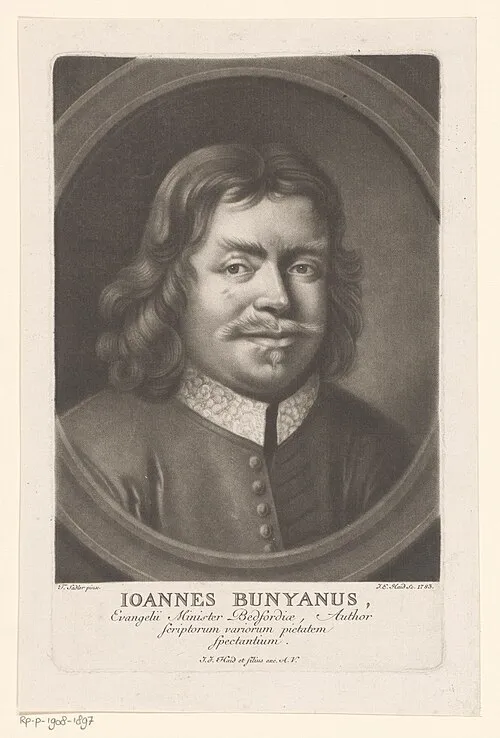
La promesa para los que vienen a Cristo
«Y AL QUE Á MÍ VIENE, no le echo fuera.»
Con estas palabras nuestro Señor Jesús expone aún más ampliamente la gran bondad de su naturaleza hacia el pecador que viene. Antes dijo: Vendrán; y aquí declara que con el corazón y los afectos los recibirá. Pero, de paso, permítanme decir una palabra o dos sobre la aparente condicionalidad de esta promesa de la que ahora he de tratar. «Y al que á mí viene, no le echo fuera.» Donde es evidente, podrán decir algunos, que el recibirnos Cristo a misericordia depende de nuestro venir, y así nuestra salvación por Cristo es condicional. Si venimos, seremos recibidos; si no, no; porque eso queda plenamente insinuado por las palabras. La promesa de recepción es solo para el que viene. «Y al que viene.» Respondo que el venir mencionado en estas palabras, como condición de ser recibido a la vida, es aquello que está prometido, sí, que se da por efectuado en nosotros por la promesa anterior. En estas últimas palabras, el venir a Cristo se nos exige implícitamente; y en las palabras de antes, aquella gracia que puede hacernos venir se nos promete de modo positivo. «Todo lo que el Padre me da, vendrá á mí; y al que á mí viene, no le echo fuera» de allí. Venimos a Cristo porque está dicho: Vendremos; porque nos es dado venir. De modo que la condición que Cristo expresa en estas últimas palabras está prometida en absoluto en las palabras de antes. Y, en verdad, el venir que aquí se pretende no es otra cosa que el efecto de «vendrá á mí». Vendrán, y no los echaré fuera.
«Y AL QUE VIENE.»
No dice: y al que ha venido, sino al que viene. Para hablar de estas palabras: primero, en general; segundo, más en particular.
[Primero.] En general. Nos sugieren estas cuatro cosas:
-
Que Jesucristo da por sentado que, puesto que el Padre le dio su pueblo, serán habilitados para venir a él. «Y al que viene.» Como quien dijera: Yo sé que, puesto que me son dados, serán habilitados para venir a mí. No dice: si vienen, o supongo que vendrán; sino: «y al que viene». Con estas palabras, pues, nos muestra que se dispone a recibir a aquellos que el Padre le dio para que los salvara. Digo que se dispone, o se prepara, para recibirlos. Con lo cual, como dije, concluye o da por sentado que de veras vendrán a él. Espera que el Padre los traiga a su seno, y así está listo para abrazarlos.
-
Cristo sugiere también, con estas palabras, que sabe muy bien quiénes le son dados; no por el venir de ellos a él, sino por el serle dados. «Todo lo que el Padre me da, vendrá á mí; y al que viene», etc. A este «al que» lo conoce como uno de aquellos que el Padre le ha dado; y por eso lo recibe, precisamente porque el Padre lo ha dado a él (Juan 10). «Conozco mis [ovejas]», dice. No solo aquellas que ya lo conocen, sino también aquellas que todavía lo ignoran. «También tengo otras ovejas», dijo, «que no son de este redil» (Juan 10:16): no de la iglesia judía, sino las que yacen en sus pecados, sí, los gentiles rudos y bárbaros. Por eso, cuando Pablo temía quedarse en Corinto, por suponer que allí podría sobrevenirle algún mal, «No temas», le dijo el Señor Jesús, «sino habla, y no calles: porque yo tengo mucho pueblo en esta ciudad» (Hechos 18:9-10). El pueblo de que el Señor habla aquí no era contado suyo en este tiempo por razón de una obra de conversión que ya hubiera pasado en ellos, sino en virtud del don del Padre; porque él se los había dado. Por eso Pablo había de quedarse aquí, para hablarles la palabra del Señor, a fin de que, por su hablar, el Espíritu Santo obrara con eficacia sobre sus almas, para hacerlos venir a él, el cual también estaba listo, con corazón y alma, para recibirlos.
-
Cristo, con estas palabras, sugiere también que no vienen a él más que los que, en verdad, el Padre le ha dado. Porque el «al que» de este lugar es uno de todos aquellos que Cristo mencionó antes. «Todo lo que el Padre me da, vendrá á mí»; y a cada «al que» de ese todo, «no le echo fuera». Esto lo insinúa el apóstol cuando dice: «Y él mismo dió unos, ciertamente apóstoles; y otros, profetas; y otros, evangelistas; y otros, pastores y doctores; para perfección de los santos, para la obra del ministerio, para edificación del cuerpo de Cristo; hasta que todos lleguemos á la unidad de la fe y del conocimiento del Hijo de Dios, á un varón perfecto, á la medida de la edad de la plenitud de Cristo» (Efesios 4:11-13).
Fíjate: como en el texto, así aquí habla de todos. «Hasta que todos lleguemos.» ¡Todos nosotros! ¿Todos quiénes? Sin duda, «todo lo que el Padre da a Cristo». Esto se insinúa además porque a este TODO lo llamó el cuerpo de Cristo: la medida de la estatura de la plenitud de Cristo. Con lo cual quiere decir el número universal de los dados; a saber, la verdadera iglesia de los escogidos, de la cual se dice que es su cuerpo y su plenitud (Efesios 1:22-23).
- Cristo Jesús, con estas palabras, sugiere además que está bien contento con este don del Padre a él. «Todo lo que el Padre me da, vendrá á mí; y al que á mí viene, no le echo fuera.» Lo recibiré de corazón, con buena voluntad y con gran contentamiento del ánimo.
Nos muestran también que el amor de Cristo al recibir es tan amplio como el amor de su Padre al dar, y no más amplio. De ahí que le da gracias por su don, y también le da gracias por haberlo escondido a él y a sus cosas del resto de los malos (Mateo 11:25; Lucas 10:21). Pero, en segundo lugar, y más en particular: «Y AL QUE viene.»
Sentido de la palabra «AL QUE»
«Y al que.» Esta palabra, «al que»: con ella Cristo mira hacia atrás, al don del Padre; no solo a la masa y al conjunto del don, sino a cada «al que» de esa masa. Como quien dijera: No acepto el don de mi Padre solo en general, sino que tengo una mira especial a cada uno de ellos en particular; y aseguraré no solo a algunos, o a la mayor parte, sino a cada «al que», a cada polvo. Ni una pezuña de todos se perderá ni quedará atrás. Y, en verdad, en esto consiente a la voluntad de su Padre, la cual es que de todo lo que él le ha dado no pierda nada (Juan 6:39).
«Y al que.» Cristo Jesús también, al partir así el don de su Padre en sendos «al que», y al hablar de ellos en número singular, muestra qué obra particular se obrará en cada uno, al tiempo señalado por el Padre. «Y acontecerá en aquel día», dice el profeta, «que herirá Jehová desde el álveo del río hasta el torrente de Egipto, y vosotros, hijos de Israel, seréis reunidos uno á uno.» Aquí están los «al que», uno por uno, para ser reunidos a él por el Padre (Isaías 27:12).
Muestra también con esto que ningún linaje, parentesco o relación puede aprovecharse en nada de una unión externa o carnal con la persona que el Padre ha dado a Cristo. Es solo él, el «AL QUE» dado, el «al que» que viene, a quien pretende asegurar en absoluto. Los hombres arman un gran alboroto con los hijos de los creyentes; ¡y oh, los hijos de los creyentes! Pero si el hijo del creyente no es el «al que» comprendido en esta promesa absoluta, no es el gran clamor de estos hombres, ni tampoco lo que el padre o el hijo puedan hacer, lo que pueda darle parte en esta promesa del Señor Cristo, esta promesa absoluta.
Y AL QUE. Hay diversas clases de personas que el Padre ha dado a Jesucristo; no son todas de un mismo rango ni de una misma calidad: unas son altas, otras bajas; unas sabias, otras necias; unas más decentes y más dóciles a la ley; otras más profanas y más adversas a él y a su evangelio. Ahora bien, puesto que los que le son dados son, en algún sentido, tan diversos, y puesto que, con todo, dice: «Y al que viene», etc., con eso nos da a entender que él no es, como los hombres, de andar escogiendo y entresacando, para tomar un mejor y dejar un peor, sino que es por aquel que el Padre le ha dado y que viene a él. «No será mudado ni trocado, bueno por malo, ni malo por bueno» (Levítico 27:10); sino que lo tomará como es, y salvará su alma.
Hay muchos miserables tristes dados por el Padre a Jesucristo; pero ni uno solo de todos ellos es despreciado ni tenido en poco por él. Se dice de aquellos que el Padre ha dado a Cristo que han hecho peor que los paganos; que eran homicidas, ladrones, borrachos, personas inmundas, y qué sé yo; pero él los ha recibido, los ha lavado y los ha salvado. Un emblema apto de esta clase es aquel miserable caso mencionado en el capítulo 16 de Ezequiel, que fue echado en condición hedionda, para asco de su persona, el día en que nació; una criatura en condición tan miserable que ningún ojo se compadeció para hacerle alguna de las cosas allí mencionadas, ni para tener compasión de ella: ningún ojo, sino el de aquel que habla en el texto.
Y AL QUE. Aunque esté rojo como la sangre, aunque esté rojo como el carmesí. Algunos hombres son pecadores de rojo sangre, pecadores de carmesí, pecadores de doble tinte: teñidos y vueltos a teñir antes de venir a Jesucristo. ¿Eres tú, el que lees estas líneas, uno de esos? ¡Habla, hombre! ¿Eres uno de esos? ¿Y vienes ahora a Jesucristo por la misericordia de la justificación, para ser emblanquecido en su sangre y cubierto con su justicia? No temas; por cuanto este tu venir es señal de que eres del número de aquellos que el Padre ha dado a Cristo; porque en ninguna manera te echará fuera. «Venid luego», dice Cristo, «y estemos á cuenta: si vuestros pecados fueren como la grana, como la nieve serán emblanquecidos: si fueren rojos como el carmesí, vendrán á ser como [blanca] lana» (Isaías 1:18).
Y AL QUE. Hubo muchos «al que» extraños que vinieron a Jesucristo en los días de su carne; pero a todos los recibió, sin despedir a ninguno, hablándoles «del reino de Dios, y sanaba á los que tenían necesidad de cura» (Lucas 9:11; 4:40). Estas palabras, Y AL QUE, son, pues, palabras de las que hay que maravillarse. Que ni uno de aquellos que, en virtud del don y de la atracción del Padre, vienen a Jesucristo —digo, que ni uno de ellos, sea lo que haya sido, sea lo que haya hecho— haya de ser rechazado o dejado de lado, sino admitido a tener parte en su gracia salvadora. Se dice en Lucas que el pueblo «estaba maravillado de las palabras de gracia que salían de su boca» (Lucas 4:22). Ahora bien, esta es una de sus palabras de gracia; estas palabras son como gotas de miel, según está dicho: «Panal de miel son los dichos suaves: suavidad al alma y medicina á los huesos» (Proverbios 16:24). Estas son palabras de gracia en verdad, tan llenas como podía pronunciarlas un Sumo Sacerdote fiel y misericordioso. Dice Lutero: «Cuando Cristo habla, tiene una boca tan ancha como el cielo y la tierra.» Esto es, para hablar con toda plenitud y animar a cada «al que» pecador que viene a Jesucristo. Y de que su palabra es cierta, oye cómo él mismo lo confirma: «El cielo y la tierra», dice, «pasarán, mas mis palabras no pasarán» (Isaías 51:6; Mateo 24:35).
También lo confirma el testimonio de los cuatro evangelistas, que dieron relación fiel de su amorosa recepción de toda clase de pecadores que venían, fueran publicanos, rameras, ladrones, endemoniados, locos, y qué sé yo (Lucas 19:1-10; Mateo 21:31; Lucas 15; 23:43; Marcos 16:9; 5:1-9).
Esto, pues, nos muestra: 1. «La grandeza de los méritos de Cristo.» 2. La buena voluntad de su corazón para imputarlos para vida a los grandes pecadores, si es que vienen.
- Esto nos muestra la grandeza de los méritos de Cristo; porque no ha de suponerse que sus palabras sean más grandes que su valía. Es fuerte para ejecutar su palabra. Puede hacer, tanto como hablar. Puede hacer «mucho más abundantemente de lo que pedimos ó entendemos», hasta el extremo y más allá de su palabra (Efesios 3:20). Ahora bien, puesto que da por concluido a cualquier «AL QUE» que viene, ha de concluirse que puede salvar, hasta el pecado más extremo, a cualquier «AL QUE» que viene.
¿Piensas, digo, que el Señor Jesús no pensó antes de hablar? Habla todo en justicia, y por eso, por su palabra, hemos de juzgar cuán poderoso es para salvar (Isaías 63:1). Habla en justicia, con toda fidelidad, cuando comenzó a edificar este bienaventurado edificio del evangelio, el texto: fue porque primero se había sentado y había calculado el costo, y porque sabía que era capaz de acabarlo. ¡Cómo, Señor! ¿Cualquier «al que»? ¿Cualquier «al que» que viene a ti? ¡Este es un Cristo que vale la pena buscar; este es un Cristo al que vale la pena venir!
Esto, pues, debe enseñarnos a considerar con diligencia la fuerza natural de cada palabra de Dios, y a juzgar de la capacidad de Cristo para salvar, no por nuestros pecados ni por nuestras aprehensiones superficiales de su gracia, sino por su palabra, que es la verdadera medida de la gracia. Y si no juzgamos así, deshonraremos su gracia, perderemos el beneficio de su palabra y, sin necesidad, nos asustaremos hasta caer en muchos desalientos, aunque vengamos a Jesucristo. «Al que»: cualquier «al que» que viene tiene, en esta palabra de Cristo, lo suficiente para alimentarse de esperanzas de salvación. Según vienes, pues, oh tú, pecador que vienes, juzga si Cristo puede salvarte por el sentido verdadero de sus palabras. Juzga, pecador que vienes, de la eficacia de su sangre, de la perfección de su justicia y de la prevalencia de su intercesión, por su palabra. «Y al que», dice, «á mí viene, no le echo fuera.» «En ninguna manera»: esto es, por ningún pecado. Juzga, pues, por su palabra, cuán capaz es de salvarte. Se dice de los dichos de Dios a los hijos de Israel: «No faltó palabra de todas la buenas que habló Jehová á la casa de Israel; todo se cumplió» (Josué 21:45). Y otra vez: «no se ha perdido una palabra de todas la buenas palabras que Jehová vuestro Dios había dicho de vosotros: todas os han venido, no se ha perdido de ellas ni una» (Josué 23:14).
Pecador que vienes, cualquier promesa que halles en la palabra de Cristo, estírala hasta donde puedas, con tal de que no la corrompas, y su sangre y sus méritos responderán a todo. Lo que la palabra dice, o cualquier consecuencia verdadera que de ella se saque, sobre eso podemos aventurarnos con denuedo. Como aquí, en el texto, dice «Y al que viene», de modo indefinido, sin la menor insinuación de rechazo de ninguno, por grande que sea, si es pecador que viene. Dalo, pues, por cierto: que tú, quienquiera que seas, si vienes, estás incluido en estas palabras; ni se agraviará Cristo en nada si, como los siervos de Ben-adad sirvieron a Acab, lo tomas por su palabra. «Ahora», dice el texto, «el hombre observó con diligencia si algo saldría de él» —a saber, alguna palabra de gracia— «y presto lo tomó». Y aconteció que Acab había llamado hermano a Ben-adad. El hombre replicó, pues: «¡Tu hermano Ben-adad!» (1 Reyes 20:33), tomándolo por su palabra. Pecador, pecador que vienes, sirve así a Jesucristo, y él lo tomará de buena gana de tus manos. Cuando él, en su argumento, llamó perra a la mujer cananea, ella lo tomó por esa palabra, y dice: «Sí, Señor; mas los perrillos comen de las migajas que caen de la mesa de sus señores.» Digo que así lo tomó en sus palabras, y él lo tomó de buena gana, diciendo: «Oh mujer, grande es tu fe; sea hecho contigo como quieres» (Mateo 15:27-28). Tómalo, pecador que vienes, tómalo en sus palabras; de cierto lo tomará de buena gana, y no se ofenderá contigo.
- La otra cosa que les dije que se muestra en estas palabras es esta: la buena voluntad del corazón de Cristo para imputar sus méritos para vida al gran pecador, si es que viene. «Y al que á mí viene, no le echo fuera.»
El pecador que viene, ya despierto, no cuestiona tan fácilmente el poder de Cristo como su voluntad de salvarlo. Señor, «si quieres, puedes», dijo uno (Marcos 1:40). No puso el «si» sobre su poder, sino sobre su voluntad. Concluía que podía, pero no estaba tan plenamente persuadido de que quisiera. Pero tenemos el mismo fundamento para creer que quiere que el que tenemos para creer que puede; y, en verdad, el fundamento de ambas cosas es la Palabra de Dios. Si no estaba dispuesto, ¿por qué prometió? ¿Por qué dijo que recibiría al pecador que viene? Pecador que vienes, fíjate en esto: solemos alegar ante los hombres sus prácticas, ¿y por qué no asimismo con Dios? Estoy seguro de que no tenemos más fundamento para lo uno que para lo otro, porque hemos de alegar la promesa de un Dios fiel. Jacob lo tomó por ahí: «Tú has dicho», dijo, «Yo te haré bien» (Génesis 32:12). Porque de esta promesa concluyó que se seguía, en razón, que «ha de estar dispuesto».
El texto también nos da algún fundamento para sacar la misma conclusión. «Y al que á mí viene, no le echo fuera.» Aquí queda afirmada su voluntad, tanto como sugerido su poder. Vale la pena que lo observes: la fe de Abraham consideró más bien el poder de Dios que su voluntad; esto es, sacó su conclusión —«Tendré un hijo»— del poder que había en Dios para cumplir la promesa que le había hecho. Porque concluyó que estaba dispuesto a darle uno, pues de otro modo no se lo habría prometido. «Tampoco en la promesa de Dios dudó con desconfianza: antes fué esforzado en fe, dando gloria á Dios, plenamente convencido de que todo lo que había prometido, era también poderoso para hacerlo» (Romanos 4:20-21). [N. del T.: la edición dice «Rev 4:20,21»; se lee «Rom 4:20,21».] Pero ¿no se ejercitó también su fe, o no fue probada, acerca de su voluntad? No: no había apariencia de razón para eso, porque lo había prometido. Ciertamente, si no lo hubiera prometido, habría podido dudarlo lícitamente; pero, puesto que lo había prometido, no quedaba fundamento alguno para dudar, porque su voluntad de dar un hijo quedó demostrada al prometérselo. Estas palabras, pues, son fundamento suficiente para animar a cualquier pecador que viene: Cristo está tan dispuesto como es poderoso para recibirlo; y, puesto que tiene también poder para hacer lo que quiere, no le queda al pecador que viene fundamento alguno para seguir dudando, sino para venir con plena esperanza de aceptación y de ser recibido a gracia y misericordia. «Y al que viene.» No dice: y al que ha venido; sino: y al que viene; esto es, y aquel cuyo corazón comienza a moverse en pos de mí, que va dejando todo por causa de mí; aquel que va mirando, que va de camino hacia mí. Hemos, pues, de distinguir entre venir y haber venido a Jesucristo. El que ha venido a él ha alcanzado de él, de modo más sensible, aquello cuya falta sentía antes, que el que solo está viniendo todavía a él.
Ver el original (inglés)
Original en inglés
The Promise to Those Coming to Christ
“AND HIM THAT COMETH TO ME I will in no wise cast out.”
By these words our Lord Jesus doth set forth yet more amply the great goodness of his nature towards the coming sinner. Before, he said, They shall come; and here he declareth, That with heart and affections he will receive them. But, by the way, let me speak one word or two to the seeming conditionality of this promise with which now I have to do. “And him that cometh to me I will in no wise cast out.” Where it is evident, may some say, that Christ’s receiving us to mercy depends upon our coming, and so our salvation by Christ is conditional. If we come, we shall be received; if not, we shall not; for that is fully intimated by the words. The promise of reception is only to him that cometh. “And him that cometh.” I answer, that the coming in these words mentioned, as a condition of being received to life, is that which is promised, yea, concluded to be effected in us by the promise going before. In those latter words, coming to Christ is implicitly required of us; and in the words before, that grace that can make us come is positively promised to us. “All that the Father giveth me shall come to me; and him that cometh to me I will in no wise cast out” thence. We come to Christ, because it is said, We shall come; because it is given to us to come. So that the condition which is expressed by Christ in these latter words is absolutely promised in the words before. And, indeed, the coming here intended is nothing else but the effect of “shall come to me. They shall come, and I will not cast them out.”
“AND HIM THAT COMETH.”
He saith not, and him that is come, but him that cometh. To speak to these words, First, In general. Second, More particularly.
[First.] In general. They suggest unto us these four things: —
-
That Jesus Christ doth build upon it, that since the Father gave his people to him, they shall be enabled to come unto him. “And him that cometh.” As who should say, I know that since they are given to me, they shall be enabled to come unto me. He saith not, if they come, or I suppose they will come; but, “and him that cometh.” By these words, therefore, he shows us that he addresseth himself to the receiving of them whom the Father gave to him to save them. I say, he addresseth himself, or prepareth himself to receive them. By which, as I said, he concludeth or buildeth upon it, that they shall indeed come to him. He looketh that the Father should bring them into his bosom, and so stands ready to embrace them.
-
Christ also suggesteth by these words, that he very well knoweth who are given to him; not by their coming to him, but by their being given to him. “All that the Father giveth me shall come to me; and him that cometh,” &c. This him he knoweth to be one of them that the Father hath given him; and, therefore, he received him, even because the Father hath given him to him (John 10). “I know my sheep,” saith he. Not only those that already have knowledge of him, but those, too, that yet are ignorant of him. “Other sheep I have,” said he, “which are not of this fold,” (John 10:16); not of the Jewish church, but those that lie in their sins, even the rude and barbarous Gentiles. Therefore, when Paul was afraid to stay at Corinth, from a supposition that some mischief might befall him there; “Be not afraid,” said the Lord Jesus to him, “but speak, and hold not thy peace -for I have much people in this city” (Acts 18:9,10). The people that the Lord here speaks of were not at this time accounted his, by reason of a work of conversion that already had passed upon them, but by virtue of the gift of the Father; for he had given them unto him. Therefore was Paul to stay here, to speak the word of the Lord to them, that, by his speaking, the Holy Ghost might effectually work over their souls, to the causing them to come to him, who was also ready, with heart and soul, to receive them.
-
Christ, by these words, also suggesteth, that no more come unto him than, indeed, are given him of the Father. For the him in this place is one of the all that by Christ was mentioned before. “All that the Father giveth me shall come to me;” and every him of that all, “I will in no wise cast out.” This the apostle insinuateth, where he saith, “He gave some, apostles; and some, prophets; and some, evangelists; and some, pastors and teachers; for the perfecting of the saints, for the work of the ministry, for the edifying of the body of Christ; till we all come in the unity of the faith, and of the knowledge of the Son of God, unto a perfect man, unto the measure of the stature of the fullness of Christ” (Eph 4:11-13).
Mark, as in the text, so here he speaketh of all. “Until we all come.” We all! all who? Doubtless, “All that the Father giveth to Christ.” This is further insinuated, because he called this ALL the body of Christ; the measure of the stature of the fullness of Christ. By which he means the universal number given; to wit, the true elect church, which is said to be his body and fullness (Eph 1:22,23).
- Christ Jesus, by these words, further suggesteth, that he is well content with this gift of the Father to him. “All that the Father giveth me shall come to me; and him that cometh to me I will in no wise cast out.” I will heartily, willingly, and with great content of mind, receive him.
They show us, also, that Christ’s love in receiving is as large as his Father’s love in giving, and no larger. Hence, he thanks him for his gift, and also thanks him for hiding of him and his things from the rest of the wicked (Matt 11:25; Luke 10:21). But, Secondly, and more particularly, “And HIM that cometh.”
Import of the word HIM
“And him.” This word him; by it Christ looketh back to the gift of the Father; not only in the lump and whole of the gift, but to the every him of that lump. As who should say, I do not only accept of the gift of my Father in the general, but have a special regard to every of them in particular; and will secure not only some, or the greatest part, but every him, every dust. Not a hoof of all shall be lost or left behind. And, indeed, in this he consenteth to his Father’s will, which is that of all that he hath given him, he should lose nothing (John 6:39).
“And him.” Christ Jesus, also, by his thus dividing the gift of his Father into hims, and by his speaking of them in the singular number, shows what a particular work shall be wrought in each one, at the time appointed of the Father. “And it shall come to pass in that day,” saith the prophet, “that the Lord shall beat off from the channel of the river unto the stream of Egypt, and ye shall be gathered one by one, O ye children of Israel.” Here are the hims, one by one, to be gathered to him by the Father (Isa 27:12).
He shows also hereby that no lineage, kindred, or relation, can at all be profited by any outward or carnal union with the person that the Father hath given to Christ. It is only him, the given HIM, the coming him, that he intends absolutely to secure. Men make a great ado with the children of believers; and oh the children of believers! But if the child of the believer is not the him concerned in this absolute promise, it is not these men’s great cry, nor yet what the parent or child can do, that can interest him in this promise of the Lord Christ, this absolute promise.
AND HIM. There are divers sorts of persons that the Father hath given to Jesus Christ; they are not all of one rank, of one quality; some are high, some are low; some are wise, some fools; some are more civil, and complying with the law; some more profane, and averse to him and his gospel. Now, since those that are given to him are, in some sense, so diverse; and again, since he yet saith, “And him that cometh,” &c., he, by that, doth give us to understand that he is not, as men, for picking and choosing, to take a best and leave a worst, but he is for him that the Father hath given him, and that cometh to him. “He shall not alter it, nor change it, a good for a bad, or a bad for a good,” (Lev 27:10); but will take him as he is, and will save his soul.
There is many a sad wretch given by the Father to Jesus Christ; but not one of them all is despised or slighted by him. It is said of those that the Father hath given to Christ that they have done worse than the heathen; that they were murderers, thieves, drunkards, unclean persons, and what not; but he has received them, washed them, and saved them. A fit emblem of this sort is that wretched instance mentioned in the 16th of Ezekiel, that was cast out in a stinking condition, to the loathing of its person, in the days that it was born; a creature in such a wretched condition, that no eye pitied, to do any of the things there mentioned unto it, or to have compassion upon it; no eye but his that speaketh in the text.
AND HIM. Let him be as red as blood, let him be as red as crimson. Some men are blood-red sinners, crimson-sinners, sinners of a double die; dipped and dipped again, before they come to Jesus Christ. Art thou that readest these lines such an one? Speak out, man! Art thou such an one? and art thou now coming to Jesus Christ for the mercy of justification, that thou mightest be made white in his blood, and be covered with his righteousness? Fear not; forasmuch as this thy coming betokeneth that thou art of the number of them that the Father hath given to Christ; for he will in no wise cast thee out. “Come now,” saith Christ, “and let us reason together; though your sins be as scarlet, they shall be as white as snow; though they be red like crimson, they shall be as wool” (Isa 1:18).
AND HIM. There was many a strange HIM came to Jesus Christ, in the days of his flesh; but he received them all, without turning any away; speaking unto them “of the kingdom of God, and healed them that had need of healing” (Luke 9:11; 4:40). These words, AND HIM, are therefore words to be wondered at. That not one of them who, by virtue of the Father’s gift, and drawing, are coming to Jesus Christ, I say, that not one of them, whatever they have been, whatever they have done, should be rejected or set by, but admitted to a share in his saving grace. It is said in Luke, that the people “wondered at the gracious words which proceeded out of his mouth” (4:22). Now this is one of his gracious words; these words are like drops of honey, as it is said, “Pleasant words are as an honey-comb, sweet to the soul, and health to the bones” (Prov 16:24). These are gracious words indeed, even as full as a faithful and merciful High-priest could speak them. Luther saith, “When Christ speaketh, he hath a mouth as wide as heaven and earth.” That is, to speak fully to the encouragement of every sinful him that is coming to Jesus Christ. And that his word is certain, hear how himself confirms it: “Heaven and earth,” saith he, “shall pass away; but my words shall not pass away” (Isa 51:6; Matt 24:35).
It is also confirmed by the testimony of the four evangelists, who gave faithful relation of his loving reception of all sorts of coming sinners, whether they were publicans, harlots, thieves, possessed of devils, bedlams, and what not (Luke 19:1-10; Matt 21:31; Luke 15; 23:43; Mark 16:9; 5:1-9).
This, then, shows us, 1. “The greatness of the merits of Christ.” 2. The willingness of his heart to impute them for life to the great, if coming, sinners.
- This shows us the greatness of the merits of Christ; for it must not be supposed, that his words are bigger than his worthiness. He is strong to execute his word. He can do, as well as speak. He can do exceeding abundantly more than we ask or think, even to the uttermost, and outside of his word (Eph 3:20). Now, then, since he concludeth any coming HIM; it must be concluded, that he can save to the uttermost sin, any coming HIM.
Do you think, I say, that the Lord Jesus did not think before he spake? He speaks all in righteousness, and therefore by his word we are to judge how mighty he is to save (Isa 63:1). He speaketh in righteousness, in very faithfulness, when he began to build this blessed gospel-fabric, the text; it was for that he had first sat down, and counted the cost; and for that, he knew he was able to finish it! What, Lord, any him? any him that cometh to thee? This is a Christ worth looking after, this is a Christ worth coming to!
This, then, should learn us diligently to consider the natural force of every word of God; and to judge of Christ’s ability to save, not by our sins, or by our shallow apprehensions of his grace; but by his word, which is the true measure of grace. And if we do not judge thus, we shall dishonour his grace, lose the benefit of his word, and needlessly fright ourselves into many discouragements though coming to Jesus Christ. Him, any him that cometh, hath sufficient from this word of Christ, to feed himself with hopes of salvation. As thou art therefore coming, O thou coming sinner, judge thou, whether Christ can save thee by the true sense of his words: judge, coming sinner, of the efficacy of his blood, of the perfection of his righteousness, and of the prevalency of his intercession, by his word. “And him,” saith he, “that cometh to me I will in no wise cast out.” “In no wise,” that is, for no sin. Judge therefore by his word, how able he is to save thee. It is said of God’s sayings to the children of Israel, “There failed not aught of any good thing which the Lord had spoken unto the house of Israel; all came to pass” (Josh 21:45). And again, “Not one thing hath failed of all the good things which the Lord your God spake concerning you, all are come to pass unto you; and not one thing hath failed thereof” (Josh 23:14).
Coming sinner, what promise thou findest in the word of Christ, strain it whither thou canst, so thou dost not corrupt it, and his blood and merits will answer all; what the word saith, or any true consequence that is drawn therefrom, that we may boldly venture upon. As here in the text he saith, “And him that cometh,” indefinitely, without the least intimation of the rejection of any, though never so great, if he be a coming sinner. Take it then for granted, that thou, whoever thou art, if coming, art intended in these words; neither shall it injure Christ at all, if, as Benhadad’s servants served Ahab, thou shalt catch him at his word. “Now,” saith the text, “the man did diligently observe whether anything would come from him,” to wit, any word of grace; “and did hastily catch it.” And it happened that Ahab had called Benhadad his brother. The man replied, therefore, “Thy brother Benhadad!” (1 Kings 20:33), catching him at his word. Sinner, coming sinner, serve Jesus Christ thus, and he will take it kindly at thy hands. When he in his argument called the Canaanitish woman dog, she catched him at it, and saith, “Truth, Lord; yet the dogs eat of the crumbs which fall from their master’s table.” I say, she catched him thus in his words, and he took it kindly, saying, “O woman great is thy faith; be it unto thee even as thou wilt” (Matt 15:28). Catch him, coming sinner, catch him in his words, surely he will take it kindly, and will not be offended at thee.
- The other thing that I told you is showed from these words, is this: The willingness of Christ’s heart to impute his merits for life to the great, if coming sinner. “And him that cometh to me I will in no wise cast out.”
The awakened coming sinner doth not so easily question the power of Christ, as his willingness to save him. Lord, “if thou wilt, thou canst,” said one (Mark 1:40). He did not put the if upon his power, but upon his will. He concluded he could, but he was not as fully of persuasion that he would. But we have the same ground to believe he will, as we have to believe he can; and, indeed, ground for both is the Word of God. If he was not willing, why did he promise? Why did he say he would receive the coming sinner? Coming sinner, take notice of this; we use to plead practices with men, and why not with God likewise? I am sure we have no more ground for the one than the other; for we have to plead the promise of a faithful God. Jacob took him there: “Thou saidst,” said he, “I will surely do thee good” (Gen 32:12). For, from this promise he concluded, that it followed in reason, “He must be willing.”
The text also gives some ground for us to draw the same conclusion. “And him that cometh to me I will in no wise cast out.” Here is his willingness asserted, as well as his power suggested. It is worth your observation, that Abraham’s faith considered rather God’s power than his willingness; that is, he drew his conclusion, “I shall have a child,” from the power that was in God to fulfil the promise to him. For he concluded he was willing to give him one, else he would not have promised one. “He staggered not at the promise of God through unbelief; but was strong in faith, giving glory to God; and being fully persuaded that what he had promised he was able also to perform” (Rev 4:20,21). But was not his faith exercised, or tried, about his willingness too? No, there was no show of reason for that, because he had promised it. Indeed, had he not promised it, he might lawfully have doubted it; but since he had promised it, there was left no ground at all for doubting, because his willingness to give a son was demonstrated in his promising him a son. These words, therefore, are sufficient ground to encourage any coming sinner that Christ is willing to his power to receive him; and since he hath power also to do what he will, there is no ground at all left to the coming sinner any more to doubt; but to come in full hope of acceptance, and of being received unto grace and mercy. “And him that cometh.” He saith not, and him that is come; but, and him that cometh; that is, and him whose heart begins to move after me, who is leaving all for my sake; him who is looking out, who is on his journey to me. We must, therefore, distinguish betwixt coming, and being come to Jesus Christ. He that is come to him has attained of him more sensibly what he felt before that he wanted, than he has that but yet is coming to him.
https://sermonesbiblicos.org/biblioteca/ven-y-se-bienvenido-a-jesucristo-09-y-al-que-viene/