Sermones Bíblicos
El sentido de «a mí»
John Bunyan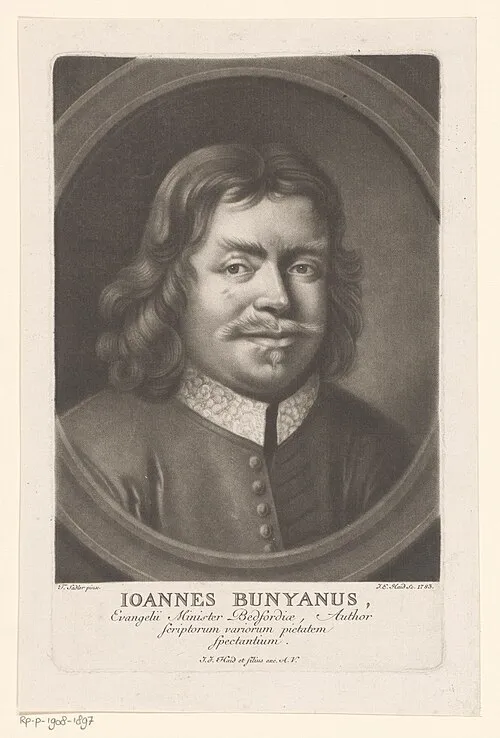
Sentido de las palabras «A MÍ»
«Vendrá A MÍ». —A mí. Con estas palabras se insinúa además, aunque no se expresa, una doble causa de su venir a él. Primera. Hay en Cristo una plenitud de toda suficiencia de aquello, sí, de todo aquello que es necesario para hacernos felices. Segunda. Los que de veras vienen a él vienen, por eso, a él, para recibirlo de su mano.
Primera. En cuanto a la primera de estas: hay en Cristo una plenitud de toda suficiencia de todo aquello, sí, de todo aquello que es necesario para hacernos felices. De ahí que se diga: «Por cuanto agradó [al Padre] que en él habitase toda plenitud» (Colosenses 1:19). Y otra vez: «de su plenitud tomamos todos, y gracia por gracia» (Juan 1:16). También se dice de él que sus riquezas son inescrutables: «las inescrutables riquezas de Cristo» (Efesios 3:8). Oye lo que dice de sí mismo: «Las riquezas y la honra están conmigo; sólidas riquezas, y justicia. Mejor es mi fruto que el oro, y que el oro refinado; y mi rédito [mejor] que la plata escogida. Por vereda de justicia guiaré, por en medio de sendas de juicio; para hacer heredar á mis amigos el ser, y que yo hincha sus tesoros» (Proverbios 8:18-21).
Esto, en general. Pero, más en particular:
-
Hay en Cristo aquella luz que basta para sacarlos de todas aquellas tinieblas, y apartarlos de ellas, en medio de las cuales todos los demás —menos los que vienen a él— tropiezan, y caen, y perecen. «Yo soy la luz del mundo», dice; «el que me sigue, no andará en tinieblas, mas tendrá la lumbre de la vida» (Juan 8:12). El hombre, por naturaleza, está en tinieblas, y anda en tinieblas, y no sabe adónde va, porque las tinieblas le han cegado los ojos; ni cosa alguna, sino Jesucristo, puede sacar a los hombres de estas tinieblas. La conciencia natural no puede hacerlo; los diez mandamientos, aunque estén en el corazón del hombre, no pueden hacerlo. Esta prerrogativa pertenece solo a Jesucristo.
-
Hay en Cristo aquella vida que no se halla en ninguna otra parte (Juan 5:40). Vida, como principio en el alma, por el cual será movida y habilitada para hacer aquello que, por medio de él, es agradable a Dios. «El que cree en» —o el que viene a— «mí», dice, como dice la Escritura, «ríos de agua viva correrán de su vientre» (Juan 7:38). Sin esta vida el hombre está muerto, ya sea malo, ya sea bueno; esto es, bueno en su propia estima y en la de los demás hombres. No hay vida verdadera y eterna sino la que está en el MÍ que habla en el texto.
También hay vida, para los que vienen a él, que se ha de tener por la fe en su carne y en su sangre. «El que me come, él también vivirá por mí» (Juan 6:57). Y esta es una vida contra aquella muerte que viene por la culpa del pecado y la maldición de la ley, bajo las cuales están todos los hombres, y han de estar para siempre, a menos que coman al MÍ que habla en el texto. «El que me hallare», dice, «hallará la vida»: liberación de aquella muerte y destrucción eternas de las cuales, sin mí, será devorado (Proverbios 8:35). Nada es más deseable que la vida para aquel que tiene en sí mismo la sentencia de condenación; y solo aquí se halla la vida. Esta vida, a saber, la vida eterna, esta vida está en su Hijo; esto es, en aquel que dice en el texto: «Todo lo que el Padre me da, vendrá á mí» (1 Juan 5:10).
- La persona que habla en el texto es aquel solo por quien los pobres pecadores tienen entrada al Padre, y aceptación con él, a causa de la gloria de su justicia, por la cual y en la cual los presenta amables e inmaculados ante su vista; ni hay camino alguno fuera de él para venir así al Padre. «Yo soy el camino», dice, «y la verdad, y la vida: nadie viene al Padre, sino por mí» (Juan 14:6). Todos los demás caminos hacia Dios están muertos y son condenables; los querubines destruidores están con espadas encendidas, que se revuelven a todos lados, para guardar a todos los demás de su presencia (Génesis 3:24). Digo, a todos los demás, menos a los que vienen por él. «Yo soy la puerta», dice: «el que por mí entrare, será salvo» (Juan 10:9).
La persona que habla en el texto es ÉL, y solo ÉL, el que puede dar paz estable y eterna; por eso dice: «Mi paz os doy.» Mi paz, que es paz con Dios, paz de conciencia, y eso de duración eterna. Mi paz, paz que no tiene igual: «no como el mundo [la] da, yo os [la] doy»; porque la paz del mundo no es sino carnal y transitoria, pero la mía es divina y eterna. De ahí que se llame la paz de Dios, que sobrepuja todo entendimiento.
-
La persona que habla en el texto tiene bastante de todas las cosas verdaderamente buenas en lo espiritual para satisfacer los deseos de toda alma que anhela. «Jesús se ponía en pie y clamaba, diciendo: Si alguno tiene sed, venga á mí y beba.» Y al que tiene sed: «yo le daré de la fuente del agua de vida gratuitamente» (Juan 7:37; Apocalipsis 21:6).
-
Con la persona que habla en el texto está el poder para perfeccionar, y defender, y librar a los que vienen a él en busca de amparo. «Toda potestad», dice, «me es dada en el cielo y en la tierra» (Mateo 28:18).
Así podría multiplicar ejemplos de esta naturaleza en abundancia. Pero,
Segunda. Los que en verdad vienen a él vienen, por eso, a él, para recibirlo de su mano. Vienen por luz, vienen por vida, vienen por reconciliación con Dios; vienen también por paz; vienen para que su alma sea satisfecha con el bien espiritual, y para ser protegidos por él contra toda condenación espiritual y eterna; y solo él puede darles todo esto, hasta colmarles el gozo, como también lo hallan cuando vienen a él. Esto es evidente:
-
Por la declaración llana de los que ya han venido a él. «Justificados pues por la fe, tenemos paz para con Dios por medio de nuestro Señor Jesucristo: por el cual también tenemos entrada por la fe á esta gracia en la cual estamos [firmes], y nos gloriamos en la esperanza de la gloria de Dios» (Romanos 5:1-2).
-
Es evidente también en que, mientras mantienen los ojos en él, nunca desean cambiarlo por otro, ni añadirse alguna otra cosa junto con él para completar su gozo espiritual. «Lejos esté de mí», dice Pablo, «gloriarme, sino en la cruz de nuestro Señor Jesucristo.» «Y ciertamente, aun reputo todas las cosas pérdida por el eminente conocimiento de Cristo Jesús, mi Señor, por amor del cual lo he perdido todo, y téngolo por estiércol, para ganar á Cristo, y ser hallado en él, no teniendo mi justicia, que es por la ley, sino la que es por la fe de Cristo, la justicia que es de Dios por la fe» (Filipenses 3:8-9).
-
Es evidente también por sus deseos fervientes de que otros sean hechos participantes de su bienaventuranza. «Hermanos», dijo Pablo, «la voluntad de mi corazón y mi oración á Dios sobre Israel, es para salud.» Esto es, de aquel modo en que él mismo esperaba ser salvo. Como dice también a los gálatas: «Hermanos», dice, «os ruego, sed como yo, porque yo soy como vosotros»; esto es, yo soy pecador como lo son ustedes. Ahora les ruego que busquen la vida como yo la busco; como quien dijera: Porque hay suficiencia en el Señor Jesús, tanto para mí como para ustedes.
-
Es evidente también por el triunfo que tales hombres alcanzan sobre todos sus enemigos, tanto corporales como espirituales. «Mas á Dios gracias», dijo Pablo, «el cual hace que siempre triunfemos en Cristo.» Y «¿quién nos apartará del amor de Cristo», nuestro Señor? Y otra vez: «¿Dónde está, oh muerte, tu aguijón? ¿dónde, oh sepulcro, tu victoria? Ya que el aguijón de la muerte es el pecado, y la potencia del pecado, la ley. Mas á Dios gracias, que nos da la victoria por el Señor nuestro Jesucristo» (2 Corintios 2:14; Romanos 8:35; 1 Corintios 15:55-57).
-
Es evidente también porque la gloria de aquello que han hallado en él los hace sufrir y soportar cuanto el diablo y el infierno mismo han inventado, o han podido inventar, como medio para separarlos de él. Otra vez: «¿Quién nos apartará del amor de Cristo? ¿tribulación? ¿ó angustia? ¿ó persecución? ¿ó hambre? ¿ó desnudez? ¿ó peligro? ¿ó cuchillo? Como está escrito: Por causa de ti somos muertos todo el tiempo: somos estimados como ovejas de matadero. Antes, en todas estas cosas hacemos más que vencer por medio de aquel que nos amó. Por lo cual estoy cierto que ni la muerte, ni la vida, ni ángeles, ni principados, ni potestades, ni lo presente, ni lo por venir, ni lo alto, ni lo bajo, ni ninguna criatura nos podrá apartar del amor de Dios, que es en Cristo Jesús Señor nuestro» (Romanos 8:35-39).
«Vendrá A MÍ». ¡Oh, la gloria que atrae el corazón, que hay en Jesucristo cuando es descubierto, para traer a él a los que el Padre le ha dado! Por eso los que vinieron en otro tiempo daban esto como la causa de su venir a él: «y vimos su gloria, gloria como del unigénito del Padre» (Juan 1:14). Y la razón por la que otros no vienen, sino que perecen en sus pecados, es la falta de una vista de su gloria: «Que si nuestro evangelio está aún encubierto, entre los que se pierden está encubierto: en los cuales el dios de este siglo cegó los entendimientos de los incrédulos, para que no les resplandezca la lumbre del evangelio de la gloria de Cristo, el cual es la imagen de Dios» (2 Corintios 4:3-4).
Hay, pues, en Jesucristo una gloria que tira del corazón, la cual, una vez descubierta, trae al hombre a él; por lo cual, con «vendrá á mí», Cristo puede querer decir: cuando su gloria es descubierta, entonces han de venir, entonces vendrán a mí. Por eso, así como los que de veras vienen, vienen llorando y con compunción, como quien siente su propia vileza, así también se dice que «tornarán los redimidos de Jehová, volverán á Sión cantando, y gozo perpetuo será sobre sus cabezas: poseerán gozo y alegría, y el dolor y el gemido huirán». Esto es, a la vista de la gloria de aquella gracia que ahora se les muestra en el rostro de nuestro Señor Jesucristo, y en la esperanza que ahora tienen de estar con él en los tabernáculos celestiales. Por eso dice otra vez: «Serán traídas con alegría y gozo: entrarán en el palacio del rey» (Isaías 35:10; 51:11; Salmo 45:15). Hay, pues, en el Señor Jesucristo una gloria que atrae el corazón, la cual, una vez descubierta, sujeta el corazón a la Palabra y nos hace venir a él.
Se dice de Abraham que, cuando habitaba en Mesopotamia, «el Dios de la gloria apareció» a él, diciendo: «Sal de tu tierra.» ¿Y entonces qué? Pues se fue de su casa y de sus amigos, y todo el mundo no pudo detenerlo. «Ahora», como dice el salmista, «¿Quién es este Rey de gloria?» Responde: «Jehová el poderoso en batalla» (Salmo 24:8). ¿Y quién era ese, sino el que despojó principados y potestades cuando colgaba del madero, triunfando allí sobre ellos? ¿Y quién era ese, sino Jesucristo, la misma persona que habla en el texto? Por eso dijo de Abraham: «Vio su día.» Sí, dice a los judíos: «Abraham vuestro padre se gozó por ver mi día; y lo vió, y se gozó» (Colosenses 2:15; Santiago 2:23; Juan 8:56).
Ciertamente, el hombre carnal dice, al menos en su corazón: «no hay parecer en él, ni hermosura: verlo hemos, mas sin atractivo para que le deseemos» (Isaías 53:2); pero miente. Esto lo dice como quien nunca lo ha visto. Pero los que están en su casa y lo miran a través del cristal de su Palabra, con la ayuda de su Espíritu Santo, les dirán otras cosas. «Pero nosotros todos», dicen, «mirando á cara descubierta como en un espejo la gloria del Señor, somos transformados de gloria en gloria en la misma semejanza» (2 Corintios 3:18). Ven gloria en su persona, gloria en sus empresas, gloria en el mérito de su sangre y gloria en la perfección de su justicia; ¡sí, gloria que afecta el corazón, que lo endulza y que lo transforma!
Ciertamente, su gloria está velada, y no puede verse sino cuando el Padre la descubre (Mateo 11:27). Está velada con la carne, con la bajeza del linaje según la carne, y con aquella ignominia y vergüenza que lo acompañaron en la carne; pero los que pueden, a la luz de Dios, ver a través de estas cosas, verán gloria en él; sí, tal gloria que atraerá y tirará de sus corazones hacia él.
Moisés era hijo adoptivo de la hija de Faraón; y, por lo que sé, habría llegado a ser rey al fin, si se hubiera conformado entonces a las vanidades que había allí en la corte; pero no pudo, no quiso hacerlo. ¿Por qué? ¿Qué pasaba? ¡Pues vio más en lo peor de Cristo (tolera la expresión) que lo que vio en lo mejor de todos los tesoros de la tierra de Egipto! «Rehusó ser llamado hijo de la hija de Faraón; escogiendo antes ser afligido con el pueblo de Dios, que gozar de comodidades temporales de pecado. Teniendo por mayores riquezas el vituperio de Cristo que los tesoros de los Egipcios; porque miraba á la remuneración. Por fe dejó á Egipto, no temiendo la ira del rey.» Pero ¿qué lo animó a hacer así? Pues «se sostuvo»; porque tuvo una vista de la persona que habla en el texto. «Se sostuvo como viendo al Invisible.» Pero digo: ¿habría una vista de Jesús arrebatado así el corazón de Moisés, de una corona y de un reino, etc., si por aquella vista no hubiera visto en él más de lo que había que ver en ellos? (Hebreos 11:24-26).
Por eso, cuando dice «vendrá á mí», quiere decir que tendrán un descubrimiento de la gloria de la gracia que hay en él; y la hermosura y la gloria de eso son de tal virtud, que constriñen y fuerzan, con una violencia bendita, los corazones de los que le son dados.
Moisés, de quien hablamos antes, no era un niño cuando fue así prendado de la gloria hermosa de su Señor. Tenía cuarenta años y, por consiguiente, era capaz —siendo hombre de aquella sabiduría y de aquella oportunidad— de formar el mejor juicio acerca de las cosas y de la bondad de las que tenía delante en la tierra de Egipto. Pero él, él mismo, fue quien puso tan baja estima en la gloria de Egipto, hasta contarla no digna de que uno se metiera con ella, cuando tuvo una vista de este Señor Jesucristo. Este mundo malo piensa que las fantasías de un cielo y de una dicha de después pueden servir bien para tomar el corazón de aquellos que, o no tienen los bienes del mundo en que deleitarse, o son necios y no saben deleitarse en ellos. Pero que sepan otra vez que hemos tenido hombres de todos los rangos y calidades, prendados de la gloria de nuestro Señor Jesús, que lo han dejado todo para seguirlo. Como Abel, Set, Enoc, Noé, Abraham, Isaac, Jacob, Moisés, Samuel, David, Salomón; y quién no, de los que tuvieron ingenio o gracia para saborear las cosas celestiales. Ciertamente, aquel a quien él revela la gloria de su gracia no puede mantenerse apartado de él, ni resistirle por más tiempo.
Ver el original (inglés)
Original en inglés
Import of the words TO ME
“Shall come TO ME.” —To me. By these words there is further insinuated, though not expressed, a double cause of their coming to him. First. There is in Christ a fullness of all-sufficiency of that, even of all that which is needful to make us happy. Second. Those that indeed come to him, do therefore come to him that they may receive it at his hand.
First. For the first of these, there is in Christ a fullness of all-sufficiency of all that, even of all that which is needful to make us happy. Hence it is said, “For it pleased the Father that in him should all fullness dwell” (Col 1:19). And again, “Of his fullness have all we received, and grace for grace” (John 1:16). It is also said of him, that his riches are unsearchable —”the unsearchable riches of Christ” (Eph 3:8). Hear what he saith of himself, “Riches and honour are with me; yea, durable riches and righteousness. My fruit is better than gold, yea, than fine gold; and my revenue than choice silver. I lead in the way of righteousness, in the midst of the paths of judgment; that I may cause those that love me to inherit substance. And I will fill their treasures” (Prov 8:18-21).
This in general. But, more particularly,
-
There is that light in Christ, that is sufficient to lead them out of, and from all that darkness, in the midst of which all others, but them that come to him, stumble, and fall and perish: “I am the light of the world,” saith he, “he that followeth me shall not walk in darkness, but shall have the light of life” (John 8:12). Man by nature is in darkness, and walketh in darkness, and knows not whither he goes, for darkness hath blinded his eyes; neither can anything but Jesus Christ lead men out of this darkness. Natural conscience cannot do it; the ten commandments, though in the heart of man, cannot do it. This prerogative belongs only to Jesus Christ.
-
There is that life in Christ, that is to be found nowhere else (John 5:40). Life, as a principle in the soul, by which it shall be acted and enabled to do that which through him is pleasing to God. “He that believeth in,” or cometh to, “me,” saith he, as the Scripture hath said, “out of his belly shall flow rivers of living water” (John 7:38). Without this life a man is dead, whether he be bad, or whether he be good; that is, good in his own, and other men’s esteem. There is no true and eternal life but what is in the ME that speaketh in the text.
There is also life for those that come to him, to be had by faith in his flesh and blood. “He that eateth me, even he shall live by me” (John 6:57). And this is a life against that death that comes by the guilt of sin, and the curse of the law, under which all men are, and for ever must be, unless they eat the ME that speaks in the text. “Whoso findeth ME,” saith he, “findeth life;” deliverance from that everlasting death and destruction, that, without me, he shall be devoured by (Prov 8:35). Nothing is more desirable than life, to him that hath in himself the sentence of condemnation; and here only is life to be found. This life, to wit, eternal life, this life is in his Son; that is, in him that saith in the text, “All that the Father hath given me shall come to me” (1 John 5:10).
- The person speaking in the text, is he alone by whom poor sinners have admittance to, and acceptance with the Father, because of the glory of his righteousness, by and in which he presenteth them amiable and spotless in his sight; neither is there any way besides him so to come to the Father: “I am the way,” says he, “and the truth, and the life; no man cometh to the Father but by me” (John 14:6). All other ways to God are dead and damnable; the destroying cherubim stand with flaming swords, turning every way to keep all others from his presence (Gen 3:24). I say, all others but them that come by him. “I am the door; by me,” saith he, “if any man enter in, he shall be saved” (John 10:9).
The person speaking in the text is HE, and only HE, that can give stable and everlasting peace; therefore, saith he, “My peace I give unto you.” My peace, which is a peace with God, peace of conscience, and that of an everlasting duration. My peace, peace that cannot be matched, “not as the world giveth, give I unto you;” for the world’s peace is but carnal and transitory, but mine is Divine and eternal. Hence it is called the peace of God, and that passeth all understanding.
-
The person speaking in the text hath enough of all things truly spiritually good, to satisfy the desires of every longing soul. “Jesus stood and cried, saying, If any man thirst, let him come unto me, and drink.” And to him that is athirst, “I will give of the fountain of the water of life freely” (John 7:37, Rev 21:6).
-
With the person speaking in the text is power to perfect and defend, and deliver those that come to him for safe-guard. “All power,” saith he, “is given unto me in heaven and earth” (Matt 28:18).
Thus might I multiply instances in this nature in abundance. But,
Second. They that in truth do come to him, do therefore come to him that they might receive it at his hand. They come for light, they come for life, they come for reconciliation with God: they also come for peace, they come that their soul may be satisfied with spiritual good, and that they may be protected by him against all spiritual and eternal damnation; and he alone is able to give them all this, to the filling of their joy to the full, as they also find when they come to him. This is evident,
-
From the plain declaration of those that already are come to him. “Being justified by faith, we have peace with God through our Lord Jesus Christ, by whom also we have access by faith into this grace wherein we stand, and rejoice in hope of the glory of God” (Rom 5:1,2).
-
It is evident also, in that while they keep their eyes upon him, they never desire to change him for another, or to add to themselves some other thing, together with him, to make up their spiritual joy. “God forbid,” saith Paul, “that I should glory, save in the cross of our Lord Jesus Christ.” “Yea, doubtless, and I count all things but loss for the excellency of the knowledge of Christ Jesus my Lord: for whom I have suffered the loss of all things, and do count them but dung, that I may win Christ, and be found in him, not having mine own righteousness, which is of the law, but that which is through the faith of Christ, the righteousness which is of God by faith” (Phil 3:8,9).
-
It is evident also, by their earnest desires that others might be made partakers of their blessedness. “Brethren,” said Paul, “my heart’s desire and prayer to God for Israel is, that they might be saved.” That is, that way that he expected to be saved himself. As he saith also to the Galatians, “Brethren,” saith he, “I beseech you, be as I am; for I am as ye are;” that is, I am a sinner as you are. Now, I beseech you, seek for life, as I am seeking of it; as who should say, For there is a sufficiency in the Lord Jesus both for me and you.
-
It is evident also, by the triumph that such men make over all their enemies, both bodily and ghostly: “Now thanks be unto God,” said Paul, “which always causeth us to triumph in Christ.” And, “who shall separate us from the love of Christ” our Lord? and again, “O death, where is thy sting? O grave, where is thy victory? The sting of death is sin, and the strength of sin is the law; but thanks be to God, which giveth us the victory through our Lord Jesus Christ” (2 Cor 2:14; Rom 8:35; 1 Cor 15:55,56).
-
It is evident also, for that they are made by the glory of that which they have found in him, to suffer and endure what the devil and hell itself hath or could invent, as a means to separate them from him. Again, “Who shall separate us from the love of Christ? Shall tribulation, or distress, or persecution, or famine, or nakedness, or peril, or sword? as it is written, For thy sake we are killed all the day long, we are accounted as sheep for the slaughter. Nay, in all these things we are more than conquerors, through him that loved us. For I am persuaded, that neither death, nor life, nor angels, nor principalities, nor powers, nor things present, nor things to come, nor height, nor depth, nor any other creature, shall be able to separate us from the love of God which is in Christ Jesus our Lord” (Rom 8:35-39).
“Shall come TO ME.” Oh! the heart-attracting glory that is in Jesus Christ, when he is discovered, to draw those to him that are given to him of the Father; therefore those that came of old, rendered this as the cause of their coming to him: “And we beheld his glory, as of the only begotten of the Father” (John 1:14). And the reason why others come not, but perish in their sins, is for want of a sight of his glory: “If our gospel be hid, it is hid to them that are lost: in whom the God of this world hath blinded the minds of them that believe not, lest the light of the glorious gospel of Christ, who is the image of God, should shine unto them” (2 Cor 4:3,4).
There is therefore heart-pulling glory in Jesus Christ, which, when discovered, draws the man to him; wherefore by shall come to me, Christ may mean, when his glory is discovered, then they must come, then they shall come to me. Therefore, as the true comers come with weeping and relenting, as being sensible of their own vileness, so again it is said, that “the ransomed of the Lord shall return, and come to Zion with songs and everlasting joy upon their heads; they shall obtain joy and gladness, and sorrow and sighing shall flee away.” That is, at the sight of the glory of that grace that shows itself to them now in the face of our Lord Jesus Christ, and in the hopes that they now have of being with him in the heavenly tabernacles. Therefore it saith again, “With gladness and rejoicing shall they be brought; they shall enter into the King’s palace” (Isa 35:10; 51:11; Psa 45:15). There is therefore heart-attracting glory in the Lord Jesus Christ, which, when discovered, subjects the heart to the Word, and makes us come to him.
It is said of Abraham, that when he dwelt in Mesopotamia, “the God of glory appeared unto him,” saying, “Get thee out of thy country.” And what then? Why, away he went from his house and friends, and all the world could not stay him. “Now,” as the Psalmist says, “Who is this King of glory?” he answers, “The Lord, mighty in battle” (Psa 24:8). And who was that, but he that “spoiled principalities and powers,” when he did hang upon the tree, triumphing over them thereon? And who was that but Jesus Christ, even the person speaking in the text? Therefore he said of Abraham, “He saw his day. Yea,” saith he to the Jews, “your father Abraham rejoiced to see my day, and he saw it, and was glad” (Col 2:15; James 2:23; John 8:56).
Indeed, the carnal man says, at least in his heart, “There is no form or comeliness in Christ; and when we shall see him, there is no beauty that we should desire him,” (Isa 53:2); but he lies. This he speaks, as having never seen him. But they that stand in his house, and look upon him through the glass of his Word, by the help of his Holy Spirit, they will tell you other things. “But we all,” say they, “with open face, beholding as in a glass the glory of the Lord, are changed into the same image from glory to glory” (2 Cor 3:18). They see glory in his person, glory in his undertakings, glory in the merit of his blood, and glory in the perfection of his righteousness; yea, heart-affecting, heart-sweetening, and heart-changing glory!
Indeed, his glory is veiled, and cannot be seen but as discovered by the Father (Matt 11:27). It is veiled with flesh, with meanness of descent from the flesh, and with that ignominy and shame that attended him in the flesh; but they that can, in God’s light, see through these things, they shall see glory in him; yea, such glory as will draw and pull their hearts unto him.
Moses was the adopted son of Pharaoh’s daughter; and for aught I know, had been king at last, had he now conformed to the present vanities that were there at court; but he could not, he would not do it. Why? What was the matter? Why! he saw more in the worst of Christ (bear with the expression), than he saw in the best of all the treasures of the land of Egypt. He “refused to be called the son of Pharaoh’s daughter; choosing rather to suffer affliction with the people of God, than to enjoy the pleasures of sin for a season; esteeming the reproach of Christ greater riches than the treasures in Egypt; for he had respect unto the recompence of the reward. He forsook Egypt, not fearing the wrath of the king.” But what emboldened him thus to do? Why, “he endured;” for he had a sight of the person speaking in the text. “He endured, as seeing him who is invisible.” But I say, would a sight of Jesus have thus taken away Moses’ heart from a crown, and a kingdom, &c., had he not by that sight seen more in him than was to be seen in them? (Heb 11:24-26).
Therefore, when he saith, shall come to me, he means, they shall have a discovery of the glory of the grace that is in him; and the beauty and glory of that is of such virtue, that it constraineth, and forceth, with a blessed violency, the hearts of those that are given to him.
Moses, of whom we spake before, was no child when he was thus taken with the beauteous glory of his Lord. He was forty years old, and so consequently was able, being a man of that wisdom and opportunity as he was, to make the best judgment of the things, and of the goodness of them that was before him in the land of Egypt. But he, even he it was, that set that low esteem upon the glory of Egypt, as to count it not worth the meddling with, when he had a sight of this Lord Jesus Christ. This wicked world thinks, that the fancies of a heaven, and a happiness hereafter, may serve well enough to take the heart of such, as either have not the world’s good things to delight in; or that are fools, and know not how to delight themselves therein. But let them know again, that we have had men of all ranks and qualities, that have been taken with the glory of our Lord Jesus, and have left all to follow him. As Abel, Seth, Enoch, Noah, Abraham, Isaac, Jacob, Moses, Samuel, David, Solomon; and who not, that had either wit or grace, to savour heavenly things? Indeed none can stand off from him, nor any longer hold out against him to whom he reveals the glory of his grace.
https://sermonesbiblicos.org/biblioteca/ven-y-se-bienvenido-a-jesucristo-08-el-sentido-de-a-mi/