Sermones Bíblicos
Objeciones a la promesa absoluta
John Bunyan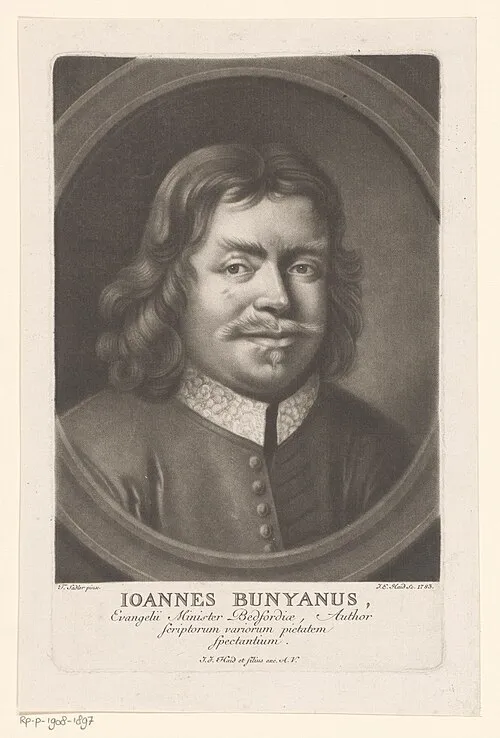
Respuesta a las objeciones contra lo absoluto de esta promesa (la fuerza de «Vendrá»)
Objeción. 1. Pero están muertos, muertos en delitos y pecados: ¿cómo, pues, vendrán?
Respuesta. Pues «Vendrá» puede levantarlos de esta muerte. «Vendrá hora, y ahora es, cuando los muertos oirán la voz del Hijo de Dios: y los que oyeren vivirán.» Así, pues, este impedimento es quitado del camino por «Vendrá». Sanarán, vivirán.
Objeción. 2. Pero son cautivos de Satanás; él los toma cautivos a su voluntad, y es más fuerte que ellos: ¿cómo, pues, pueden venir?
Respuesta. Pues «Vendrá» también ha provisto un auxilio para esto. Satanás había atado de tal modo a aquella hija de Abraham, que de ningún modo podía enderezarse; pero, con todo, «Vendrá» la puso libre, en cuerpo y en alma. Cristo quiere que sean vueltos del poder de Satanás a Dios. ¡Pero cómo! ¿Ha de ser si ellos se vuelven a sí mismos, o si hacen algo para merecer de él que los vuelva? No: lo hará libremente, de su propia buena voluntad. ¡Ay! El hombre cuya alma está poseída por el diablo es vuelto hacia donde aquel gobernador quiere; es tomado cautivo por él, a pesar de sus potencias naturales, a su antojo. Pero ¿qué hará? ¿Lo retendrá cuando «Vendrá» se despliegue? ¿Lo estorbará entonces, para que no venga a Jesucristo? No: eso no puede ser. Su poder no es sino el poder de un ángel caído, pero «Vendrá» es la Palabra de Dios. Por tanto, «Vendrá» ha de cumplirse: «y las puertas del infierno no prevalecerán contra ella.»
Había siete demonios en María Magdalena, demasiados para que ella pudiera salir de debajo de su poder; pero, cuando llegó el tiempo en que «Vendrá» había de cumplirse en ella, ceden el lugar, huyen de ella, y ella viene de veras a Jesucristo, conforme a lo que está escrito: «Todo lo que el Padre me da, vendrá á mí.»
El hombre que estaba poseído de una legión (Marcos 5) estaba demasiado cautivo por ellos para que viniera por fuerza humana; sí, aunque hubiera tenido, por añadidura, a todos los hombres debajo del cielo para ayudarlo, si aquel que dijo «Él vendrá» hubiera retenido su poder poderoso. Pero, cuando esta promesa había de cumplirse en él, entonces viene; ni todo el poder de ellos pudo estorbar su venida. Fue también este «Vendrá» el que lo preservó de la muerte, cuando por estos espíritus malos era arrojado de aquí para allá; y fue por la virtud de «Vendrá» que al fin fue puesto en libertad de ellos, y habilitado de veras para venir a Cristo. «Todo lo que el Padre me da, vendrá á mí.»
Objeción. 3. Vendrán, dices; pero ¿y si no quieren? Y, si es así, ¿qué puede hacer entonces «Vendrá»?
Respuesta. Cierto: hay hombres que dicen: «Señores somos; nunca más vendremos á ti» (Jeremías 2:31). Pero, como dice Dios en otro caso, si están comprendidos en el «Vendrá a mí», «sabrán la palabra de quién ha de permanecer, si la mía, ó la suya» (Jeremías 44:28). [N. del T.: la edición dice «Jer 41:28»; se lee «Jer 44:28».] Este, pues, es el caso: ahora hemos de ver quién será el mentiroso, el que dice «No quiero», o el que dice «Vendrá a mí». Tú vendrás, dice Dios; no vendré, dice el pecador. Ahora bien, tan cierto como que está comprendido en este «Vendrá», Dios hará que ese hombre se trague sus propias palabras; porque el «no quiero» es la conclusión irreflexiva de un pecador de cabeza desquiciada, pero «Vendrá» fue dicho por aquel que tiene poder para cumplir su palabra. «Hijo, ve hoy á trabajar en mi viña», dijo el Padre. Pero él respondió y dijo: No quiero. ¿Y ahora? ¿Podrá sostener su negativa? ¿Persistirá en su desesperada denegación? No: «después, arrepentido, fué.» Pero ¿de dónde le vino ese arrepentimiento? Pues venía envuelto para él en la promesa absoluta; y por eso, no obstante haber dicho «No quiero», «después, arrepentido, fué.» Con esta parábola Jesucristo expone la obstinación de los pecadores del mundo en cuanto a su venir a él: no quieren venir, aunque se les amenace; sí, aunque se les ofrezca la vida con la condición de venir.
Pero ahora, cuando «Vendrá», la promesa absoluta de Dios, llega a cumplirse en ellos, entonces vienen; porque por esa promesa queda provisto un remedio contra la rebelión de su voluntad. «Tu pueblo será de buena voluntad en el día de tu poder» (Salmo 110:3). Tu pueblo: ¿qué pueblo? Pues el pueblo que tu Padre te ha dado. La obstinación y la plaga que hay en la voluntad de ese pueblo serán quitadas, y serán hechos de buena voluntad. «Vendrá» los hará querer venir a ti.
Quien hubiera visto a Pablo en medio de sus atropellos contra Cristo, su evangelio y su pueblo, apenas habría pensado que alguna vez sería seguidor de Jesucristo, tanto más cuanto que, al perseguirlos, no iba contra su conciencia. Pensaba de cierto que debía hacer lo que hacía. Pero podemos ver lo que «Vendrá» puede hacer cuando llega a cumplirse en el alma de un pecador rebelde: era un vaso escogido, dado por el Padre al Hijo; y ahora, llegado el tiempo en que «Vendrá» había de tomarlo entre manos, he aquí que es dominado, pasmado, y con temblor y reverencia, en un momento se vuelve dispuesto a obedecer el llamamiento celestial (Hechos 9).
¿Y no estaban bien perdidos aquellos de quienes ustedes leen (Hechos 2), que tenían las manos y el corazón en el asesinato del Hijo de Dios, y que, para mostrar su resolución de no arrepentirse jamás de aquel horrendo hecho, dijeron: «Su sangre sea sobre nosotros, y sobre nuestros hijos»? Pero ¿ha de imperar su obstinación? ¿Han de quedar atados a su propia ruina por la rebelión de sus voluntades tercas? No: no aquellos de entre estos a quienes el Padre dio a Cristo. Por lo cual, a los tiempos señalados, «Vendrá» irrumpe entre ellos; la promesa absoluta los toma entre manos; y entonces vienen de veras, clamando a Pedro y a los demás apóstoles: «Varones hermanos, ¿qué haremos?» Ninguna terquedad de la voluntad del hombre puede sostenerse cuando Dios ha dicho en absoluto lo contrario. «Vendrá» puede hacer que vengan «como palomas á sus ventanas» los que antes habían resuelto no venir jamás a él.
Habló el Señor a Manasés y a su pueblo por los profetas; pero ¿quería oír? No, no quería. Pero ¿saldrá Manasés libre de este modo? No, no saldrá. Por tanto, siendo también uno de aquellos que el Padre había dado al Hijo, y cayendo así dentro de los límites y del alcance de «Vendrá», al fin «Vendrá» lo toma entre manos, y entonces viene de veras. Viene inclinándose y doblegándose; se humilla en gran manera, e hizo súplica al Señor, y oró a él; y él accedió a su ruego y tuvo misericordia de él (2 Crónicas 30:10). [N. del T.: la edición dice «2 Chron 30:10»; el relato es el de Manasés, 2 Crónicas 33:12-13.]
El ladrón en la cruz, al principio, escarnecía con su compañero a Jesucristo; pero era uno de los que el Padre le había dado y, por tanto, «Vendrá» ha de manejarlo a él y a su voluntad rebelde. Y he aquí que, tan pronto como es tratado en virtud de aquella promesa absoluta, cuán pronto se dobla, deja el escarnio y se pone a suplicar misericordia al Hijo de Dios. «Señor», dice, «Acuérdate de mí cuando vinieres á tu reino» (Mateo 27:44; Lucas 23:40-42).
Objeción. 4. Vendrán, dices, pero ¿y si están ciegos y no ven el camino? Porque a algunos los aparta de Cristo no solo la obstinación de su voluntad, sino la ceguera de su mente. Ahora bien, si están ciegos, ¿cómo vendrán?
Respuesta. La pregunta no es: ¿Están ciegos? Sino: ¿Están al alcance y bajo el poder de «Vendrá»? Si es así, aquel Cristo que dijo que vendrán les hallará ojos, o un guía, o ambas cosas, para traerlos a sí mismo. El «ha de» es del rey. Si han de venir, vendrán. Ningún impedimento lo estorbará.
Las tinieblas de los tesalonicenses no les impidieron ser hijos de luz. «He venido», dijo Cristo, «para que los que no ven, vean». Y si él dice: Ved, «ciego que tiene ojos», ¿quién lo estorbará? (Efesios 5:8; Juan 9:39; Isaías 29:18; 43:8). Esta promesa, pues, es, como dije, una promesa preñada, que tiene en las entrañas todo cuanto ha de presentarse para el cumplimiento cabal de sí misma. Vendrán. Pero se objeta que están ciegos. Bien: «Vendrá» sigue siendo el mismo, y continúa diciendo: «Vendrán á mí». Por eso dice otra vez: «Y guiaré los ciegos por camino que no sabían, haréles pisar por las sendas que no habían conocido; delante de ellos tornaré las tinieblas en luz, y los rodeos en llanura. Estas cosas les haré, y no los desampararé» (Isaías 42:16).
Fíjate: yo los traeré, aunque estén ciegos; yo los traeré por un camino que no conocen; yo — yo; y por eso «vendrán á mí».
Objeción. 5. Pero ¿y si han sobrepasado a muchos en el pecado, y así se han hecho mucho más abominables? Son los pecadores cabecillas del condado, del pueblo o de la familia.
Respuesta. ¿Y qué? ¿Ha de estorbar eso la ejecución de «Vendrá»? No son las transgresiones, ni los pecados, ni todas sus transgresiones en todos sus pecados —si el Padre los ha dado a Cristo para que los salve— lo que ha de estorbar esta promesa, de modo que no se cumpla en ellos. «En aquellos días y en aquel tiempo, dice Jehová, la maldad de Israel será buscada, y no parecerá; y los pecados de Judá, y no se hallarán» (Jeremías 50:20). No que no los tuvieran, pues abundaban en transgresión (2 Crónicas 33:9; Ezequiel 16:48), sino que Dios había de perdonarlos, cubrirlos, esconderlos y quitarlos de en medio, en virtud de su promesa absoluta, por la cual son dados a Cristo para que los salve. «Y los limpiaré de toda su maldad con que pecaron contra mí; y perdonaré todos sus pecados con que contra mí pecaron, y con que contra mí se rebelaron. Y seráme á mí por nombre de gozo, de alabanza y de gloria, entre todas las gentes de la tierra, que habrán oído todo el bien que yo les hago; y temerán y temblarán de todo el bien y de toda la paz que yo les haré» (Jeremías 33:8-9).
Objeción. 6. Pero ¿y si no tienen fe ni arrepentimiento? ¿Cómo vendrán entonces?
Respuesta. Pues el que dice «Vendrán», ¿no lo ha de cumplir? Si han de venir, vendrán; y el que ha dicho que vendrán, si la fe y el arrepentimiento son el camino para venir, como en verdad lo son, ¡entonces se les darán la fe y el arrepentimiento! Porque «Vendrá» ha de cumplirse en ellos.
-
Se les dará la fe. «Y dejaré en medio de ti un pueblo humilde y pobre, los cuales esperarán en el nombre de Jehová.» «Estará la raíz de Jessé, y el que se levantará á regir los Gentiles: los Gentiles esperarán en él» (Sofonías 3:12; Romanos 15:12).
-
Tendrán arrepentimiento. Él es ensalzado para dar arrepentimiento. «Vendrán andando y llorando, y buscarán á Jehová su Dios.» Y otra vez: «Irán con lloro, mas con misericordias los haré volver» (Hechos 5:31; Jeremías 31:9).
Ya les dije antes que una promesa absoluta tiene en el vientre todas las condicionales, y también provisión para responder a todos aquellos requisitos que ellas proponen a quien busca su beneficio. Y ha de ser así; porque si «Vendrá» es una promesa absoluta, como en verdad lo es, entonces ha de cumplirse en cada uno de los que en ella están comprendidos. Digo que ha de cumplirse, si Dios puede, por gracia y por su voluntad absoluta, cumplirla. Además, puesto que venir y creer son una misma cosa, conforme a Juan 6:35, «el que á mí viene, nunca tendrá hambre; y el que en mí cree, no tendrá sed jamás», entonces, cuando dice que vendrán, es tanto como decir que creerán y, por consiguiente, que se arrepentirán, para salvación del alma.
Así, pues, la falta presente de fe y de arrepentimiento no puede dejar sin efecto esta promesa de Dios; porque esta promesa tiene en sí el dar lo que las otras piden y esperan. Les daré un corazón, les daré mi Espíritu, les daré arrepentimiento, les daré fe. Advierte estas palabras: «si alguno está en Cristo, nueva criatura es». Pero ¿cómo llegó a ser «nueva criatura», si nadie puede crear sino Dios? Pues Dios mismo los hace «nuevas criaturas». «He aquí», dice, «yo hago nuevas todas las cosas.» Y de ahí se sigue, aun después de haber dicho que son «nuevas criaturas», «y todo esto es de Dios»; esto es, toda esta nueva creación consiste en las diversas operaciones y en las obras especiales del Espíritu de gracia, que es Dios (2 Corintios 5:17-18).
Objeción. 7. Pero ¿cómo escaparán de todas aquellas opiniones peligrosas y condenables que, como rocas y arenas movedizas, están en el camino por donde van?
Respuesta. Ciertamente esta época es una época de errores, si alguna vez hubo en el mundo una época de errores; pero, con todo, el don del Padre, que el Hijo reclama en el texto, por fuerza ha de escapar de ellos y, al cabo, venir a él. Hay en la Biblia una compañía de «Vendrán» que los asegura; no que no puedan ser asaltados por ellos; sí, y también por un tiempo enredados y detenidos por ellos, lejos del Obispo de sus almas; pero estos «Vendrán» romperán aquellas cadenas y aquellos grillos en que están enredados los que fueron dados a Cristo, y vendrán, porque él ha dicho que vendrán a él.
Ciertamente, los errores son como aquella ramera de la que ustedes leen en los Proverbios, que está sentada en su asiento en los lugares altos de la ciudad, «para llamar á los que pasan por el camino, que van por sus caminos derechos» (Proverbios 9:13-16). Pero las personas, como dije, que el Padre ha dado al Hijo para que las salve, en un tiempo o en otro quedan aseguradas por el «vendrá á mí».
Y por eso de tales se dice que Dios los guiará con su ojo, con sus consejos, por su Espíritu, y eso en camino de paz, junto a manantiales de aguas, y a toda la verdad (Salmo 32:8; 73:24; Juan 16:13; Lucas 1:79; Isaías 49:10). Así, pues, el que tiene tal guía —y la tendrán todos los que el Padre da a Cristo— escapará de aquellos peligros, no errará en el camino; sí, aunque sea un necio, no errará en él (Isaías 35:8), porque de cada uno de estos se dice: «tus oídos oirán á tus espaldas palabra que diga: Este es el camino, andad por él; y no echéis á la mano derecha, ni tampoco torzáis á la mano izquierda» (Isaías 30:21).
Hubo ladrones y salteadores antes de la venida de Cristo, como también los hay ahora; pero dijo él: «mas no los oyeron las ovejas». ¿Y por qué no los oyeron, sino porque estaban bajo el poder de «Vendrá», aquella promesa absoluta que tenía en sí aquella gracia para conferírsela, capaz de hacerlos aptos para distinguir rectamente las voces? «Mis ovejas oyen mi voz.» Pero ¿cómo llegaron a oírla? Pues a ellos les es dado conocer y oír, y eso con discernimiento (Juan 10:8, 16; 5:25; Efesios 5:14).
Además, la sentencia misma y llana del texto provee contra todas estas cosas; porque dice: «Todo lo que el Padre me da, vendrá á mí»; esto es, no serán detenidos, ni atraídos a quedarse en parte alguna antes de MÍ, ni se apartarán para morar con ningún otro fuera de MÍ.
Ver el original (inglés)
Original en inglés
Objections to the absoluteness of this promise (the force of SHALL-COME) answered
Object. 1. But they are dead, dead in trespasses and sins, how shall they then come?
Answ. Why, Shall-come can raise them from this death. “The hour is coming, and now is, when the dead shall hear the voice of the Son of God, and they that hear shall live.” Thus, therefore, is this impediment by Shall-come removed out of the way. They shall heal, they shall live.
Object. 2. But they are Satan’s captives; he takes them captive at his will, and he is stronger than they: how then can they come?
Answ. Why, Shall-come hath also provided an help for this. Satan had bound that daughter of Abraham so, that she could by no means lift up herself; but yet Shall-come set her free both in body and soul. Christ will have them turned from the power of Satan to God. But what! Must it be, if they turn themselves, or do something to merit of him to turn them? No, he will do it freely, of his own good will. Alas! Man, whose soul is possessed by the devil, is turned whithersoever that governor listeth, is taken captive by him, notwithstanding its natural powers, at his will; but what will he do? Will he hold him when Shall-come puts forth itself, will he then let him, for coming to Jesus Christ? No, that cannot be! His power is but the power of a fallen angel, but Shall-come is the Word of God. Therefore Shall-come must be fulfilled; “and the gates of hell shall not prevail against it.”
There were seven devils in Mary Magdalene, too many for her to get from under the power of; but when the time was come that Shall-come was to be fulfilled upon her, they give place, fly from her, and she comes indeed to Jesus Christ, according as it is written, “All that the Father giveth me shall come to me.”
The man that was possessed with a legion, (Mark 5), was too much by them captivated for him by human force to come; yea, had he had, to boot, all the men under heaven to help him, had he that said, He shall come, withheld his mighty power: but when this promise was to be fulfilled upon him, then he comes; nor could all their power hinder his coming. It was also this Shall-come that preserved him from death; when by these evil spirits he was hurled hither and thither; and it was by the virtue of Shall-come that at last he was set at liberty from them, and enabled indeed to come to Christ. “All that the Father giveth me shall come to me.”
Object. 3. They shall, you say; but how if they will not; and, if so, then what can Shall-come do?
Answ. True, there are some men say, “We are lords; we will come no more unto thee” (Jer 2:31). But as God says in another case, if they are concerned in Shall-come to me, they “shall know whose words shall stand, mine or theirs” (Jer 41:28). Here, then, is the case; we must now see who will be the liar, he that saith, I will not; or he that saith, He shall come to me. You shall come, says God; I will not come, saith the sinner. Now, as sure as he is concerned in this Shall-come, God will make that man eat his own words; for I will not, is the unadvised conclusion of a crazy-headed sinner; but Shall-come was spoken by him that is of power to perform his word. “Son, go work to-day in my vineyard,” said the Father. But he answered, and said, I will not come. What now? will he be able to stand to his refusal? will he pursue his desperate denial? No, “he afterwards repented and went.” But how came he by that repentance? Why, it was wrapped up for him in the absolute promise; and therefore, notwithstanding he said, “I will not, he afterwards repented and went.” By this parable Jesus Christ sets forth the obstinacy of the sinners of the world, as touching their coming to him; they will not come, though threatened: yea, though life be offered them upon condition of coming.
But now, when Shall-come, the absolute promise of God, comes to be fulfilled upon them, then they come; because by that promise a cure is provided against the rebellion of their will. “Thy people shall be willing in the day of thy power”(Psa 110:3). Thy people, what people? Why, the people that thy Father hath given thee. The obstinacy and plague that is in the will of that people, shall be taken away; and they shall be made willing; Shall-come will make them willing to come to thee.
He that had seen Paul in the midst of his outrages against Christ, his gospel, and people, would hardly have thought that he would ever have been a follower of Jesus Christ, especially since he went not against his conscience in his persecuting of them. He thought verily that he ought to do what he did. But we may see what Shall-come can do, when it comes to be fulfilled upon the soul of a rebellious sinner: he was a chosen vessel, given by the Father to the Son; and now the time being come that Shall-come was to take him in hand, behold, he is over-mastered, astonished, and with trembling and reverence, in a moment becomes willing to be obedient to the heavenly call (Acts 9).
And were not they far gone, that you read of, (Acts 2) who had their hands and hearts in the murder of the Son of God; and to show their resolvedness never to repent of that horrid fact, said, “His blood be on us and on our children?” But must their obstinacy rule? Must they be bound to their own ruin, by the rebellion of their stubborn wills? No, not those of these the Father gave to Christ; wherefore, at the times appointed, Shall-come breaks in among them; the absolute promise takes them in hand; and then they come indeed, crying out to Peter, and the rest of the apostles, “Men and brethren, what shall we do?” No stubbornness of man’s will can stand, when God hath absolutely said the contrary; Shall-come can make them come “as doves to their windows,” that had afore resolved never to come to him.
The Lord spake unto Manasseh, and to his people, by the prophets, but would he hear? No, he would not. But shall Manasseh come off thus? No, he shall not. Therefore, he being also one of those whom the Father had given to the Son, and so falling within the bounds and reach of Shall-come, at last Shall-come takes him in hand, and then he comes indeed. He comes bowing and bending; he humbles himself greatly, and made supplication to the Lord, and prayed unto him; and he was entreated of him, and had mercy upon him (2 Chron 30:10).
The thief upon the cross, at first, did rail with his fellow upon Jesus Christ; but he was one that the Father had given to him, and, therefore, Shall-come must handle him and his rebellious will. And behold, so soon as he is dealt withal, by virtue of that absolute promise, how soon he buckleth, leaves his railing, falls to supplicating of the Son of God for mercy; “Lord,” saith he, “Remember me when thou comest into thy kingdom” (Matt 27:44; Luke 23:40-42).
Object. 4. They shall come, say you, but how if they be blind, and see not the way? For some are kept off from Christ, not only by the obstinacy of their will, but by the blindness of their mind. Now, if they be blind, how shall they come?
Answ. The question is not, Are they blind? But, Are they within the reach and power of Shall-come? If so, that Christ that said, they shall come, will find them eyes, or a guide or both, to bring them to himself. “Must is for the king.” If they shall come, they shall come. No impediment shall hinder.
The Thessalonians’ darkness did not hinder them from being the children of light; “I am come,” said Christ, “that they which see not might see.” And if he saith, See, ye “blind that have eyes,” who shall hinder it? (Eph 5:8; John 9:39; Isa 29:18; 43:8). This promise, therefore, is, as I said, a big-bellied promise, having in the bowels of it, all things that shall occur to the complete fulfilling of itself. They shall come. But it is objected, that they are blind. Well, Shall-come is still the same, and continueth to say, “They shall come to me.” Therefore he saith again, “I will bring the blind by a way that they know not, I will lead them in paths that they have not known; I will make darkness light before them, and crooked things straight. These things will I do unto them, and not forsake them” (Isa 42:16).
Mark, I will bring them, though they be blind; I will bring them by a way they know not; I will —I will; and therefore “they shall come to me.”
Object. 5. But how, if they have exceeded many in sin, and so made themselves far more abominable? They are the ringleading sinners in the county, the town, or family.
Answ. What then? Shall that hinder the execution of Shall-come? It is not transgressions, nor sins, nor all their transgressions in all their sins, if they by the Father are given to Christ to save them, that shall hinder this promise, that it should not be fulfilled upon them. “In those days, and in that time,” saith the Lord, “the iniquity of Israel shall be sought for, and there shall be none; and the sins of Judah, and they shall not be found” (Jer 50:20). Not that they had none, for they abounded in transgression, (2 Chron 33:9; Eze 16:48), but God would pardon, cover, hide, and put them away, by virtue of his absolute promise, by which they are given to Christ to save them. “And I will cleanse them from all their iniquity, whereby they have sinned against me; and I will pardon all their iniquities, whereby they have transgressed against me. And it shall be to me a name of joy, a praise, and an honour before all the nations of the earth, which shall bear all the good that I do unto them; and they shall fear and tremble for all the goodness and for all the prosperity that I procure unto it” (Jer 33:8,9).
Object. 6. But how, if they have not faith and repentance? How shall they come then?
Answ. Why, he that saith, They shall come, shall he not make it good? If they shall come, they shall come; and he that hath said, they shall come, if faith and repentance be the way to come, as indeed they are, then faith and repentance shall be given to them! for Shall-come must be fulfilled on them.
-
Faith shall be given them. “I will also leave in the midst of thee an afflicted and poor people, and they shall trust in the name of the Lord.” “There shall be a root of Jesse, and he that shall rise to reign over the Gentiles; in him shall the Gentiles trust” (Zeph 3:12; Rom 15:12).
-
They shall have repentance. He is exalted to give repentance. “They shall come weeping, and seeking the Lord their God.” And again, “With weeping and supplication will I lead them” (Acts 5:31; Jer 31:9).
I told you before, that an absolute promise hath all conditional ones in the belly of it, and also provision to answer all those qualifications, that they propound to him that seeketh for their benefit. And it must be so; for if Shall-come be an absolute promise, as indeed it is, then it must be fulfilled upon every of those concerned therein. I say, it must be fulfilled, if God can by grace, and his absolute will, fulfil it. Besides, since coming and believing is all one, according to John 6:35, “He that cometh to me shall never hunger, and he that believeth on me shall never thirst,” then, when he saith they shall come, it is as much as to say, they shall believe, and consequently repent, to the saving of the soul.
So then the present want of faith and repentance cannot make this promise of God of none effect; because that this promise hath in it to give what others call for and expect. I will give them an heart, I will give them my Spirit, I will give them repentance, I will give them faith. Mark these words: “If any man be in Christ, he is a new creature.” But how came he to be a “new creature,” since none can create but God? Why, God indeed doth make them “new creatures.” “Behold,” saith he, “I make all things new.” And hence it follows, even after he had said they are “new creatures,” “and all things are of God;” that is, all this new creation standeth in the several operations, and special workings of the Spirit of grace, who is God (2 Cor 5:17,18).
Object. 7. But how shall they escape all those dangerous and damnable opinions, that, like rocks and quicksands, are in the way in which they are going?
Answ. Indeed this age is an age of errors, if ever there was an age of errors in the world; but yet the gift of the Father, laid claim to by the Son in the text, must needs escape them, and in conclusion come to him. There are a company of Shall-comes in the Bible that doth secure them; not but that they may be assaulted by them; yea, and also for the time entangled and detained by them from the Bishop of their souls, but these Shall-comes will break those chains and fetters, that those given to Christ are entangled in, and they shall come, because he hath said they shall come to him.
Indeed, errors are like that whore of whom you read in the Proverbs, that sitteth in her seat in the high places of the city, “to call passengers who go right on their ways” (Prov 9:13-16). But the persons, as I said, that by the Father are given to the Son to save them, are, at one time or other, secured by “shall come to me.”
And therefore of such it is said, God will guide them with his eye, with his counsels, by his Spirit, and that in the way of peace; by the springs of water, and into all truth (Psa 32:8; 73:24; John 16:13; Luke 1:79; Isa 49:10). So then he that hath such a guide, and all that the Father giveth to Christ shall have it, he shall escape those dangers, he shall not err in the way; yea, though he be a fool, he shall not err therein, (Isa 35:8), for of every such an one it is said, “Thine ears shall hear a word behind thee, saying, This is the way, walk ye in it, when ye turn to the right hand, and when ye turn to the left” (Isa 30:21).
There were thieves and robbers before Christ’s coming, as there are also now; but, said he, “The sheep did not hear them.” And why did they not hear them, but because they were under the power of Shall-come, that absolute promise, that had that grace in itself to bestow upon them, as could make them able rightly to distinguish of voices, “My sheep hear my voice.” But how came they to hear it? Why, to them it is given to know and to hear, and that distinguishingly (John 10:8,16; 5:25; Eph 5:14).
Further, The very plain sentence of the text makes provision against all these things; for, saith it, “All that the Father giveth me shall come to me;” that is, shall not be stopped, or be allured to take up anywhere short of ME, nor shall they turn aside, to abide with any besides ME.
https://sermonesbiblicos.org/biblioteca/ven-y-se-bienvenido-a-jesucristo-07-objeciones-a-la-promesa-absoluta/