Sermones Bíblicos
Objeciones de los que vienen a Cristo
John Bunyan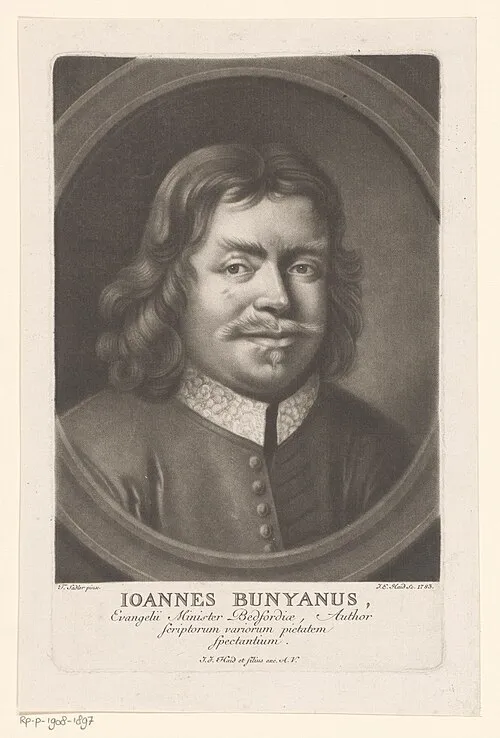
Objeciones que suelen estorbar el camino de venir a Cristo
Antes de pasar al otro punto, responderé algunas objeciones que suelen estorbar el camino de quienes en verdad vienen a Jesucristo.
Objeción 1. Aunque no puedo negar que mi mente corre tras Cristo, y eso también, por estar movida a ello desde la vista y la consideración de mi condición perdida —pues veo que sin él perezco—, temo que mis fines no sean rectos al venir a él.
Pregunta. Pues ¿cuál es tu fin al venir a Cristo?
Respuesta. Mi fin es tener vida, y ser salvo por Jesucristo.
Esta es la objeción. Bien, déjame decirte que venir a Cristo por vida, y para ser salvo, aunque de momento no tengas otro fin, es un venir a Jesucristo lícito y bueno. Esto es evidente, porque Cristo propone la vida como el único argumento para mover a los pecadores a venir a él, y también los culpa porque no vienen a él por vida. «Y no queréis venir á mí, para que tengáis vida» (Juan 5:40). Además, hay otras muchas Escrituras con las que atrae a los pecadores a venir a él, y en ellas no les propone nada sino su salvación. Como: «todo aquel que en él cree, no se pierda»; el que cree «pasó de muerte á vida». «El que creyere… será salvo.» «El que en él cree, no es condenado.» Y creer y venir son una misma cosa. De modo que ves que venir a Cristo por vida es un venir lícito y bueno. En cuanto cree que solo él ha hecho expiación por el pecado (Romanos 2). Y añadiré, por encima de esto, que el que un hombre venga a Cristo por vida, aunque no venga a él por ninguna otra cosa sino por vida, es darle mucha honra.
-
Honra la palabra de Cristo, y consiente en la verdad de ella; y eso en estos dos puntos generales. (1.) Consiente en la verdad de todos aquellos dichos que testifican que el pecado es en sí abominabilísimo, deshonroso para Dios y condenable para el alma del hombre; porque así dice el hombre que viene a Jesucristo (Jeremías 44:4; Romanos 2:23; 6:23; 2 Tesalonicenses 2:12). (2.) En cuanto cree, como la palabra ha dicho, que en las mejores cosas del mundo —la justicia y todo lo demás— no hay sino muerte y condenación; porque así dice también el hombre que viene a Jesucristo por vida (Romanos 7:24, 25; 8:2, 3; 2 Corintios 3:6-8).
-
Honra la persona de Cristo, en cuanto cree que hay vida en él, y que es capaz de salvarlo de la muerte, del infierno, del diablo y de la condenación; porque, a menos que un hombre crea esto, no vendrá a Cristo por vida (Hebreos 7:24, 25).
-
Lo honra, en cuanto cree que el Padre lo ha autorizado para dar vida a los que vienen a él por ella (Juan 5:11, 12; 17:1-3).
-
Honra el sacerdocio de Jesucristo. (1.) En cuanto cree que Cristo tiene más poder para salvar del pecado, por el sacrificio que ha ofrecido por él, que toda la ley, los demonios, la muerte o el pecado para condenar. El que no cree esto no vendrá a Jesucristo por vida (Hechos 13:38; Hebreos 2:14, 15; Apocalipsis 1:17, 18). (2.) En cuanto cree que Cristo, conforme a su oficio, será fidelísimo y misericordioso en el desempeño de su oficio. Esto tiene que estar incluido en la fe del que viene por vida a Jesucristo (1 Juan 2:1-3; Hebreos 2:17, 18).
-
Además, el que viene a Jesucristo por vida se pone de su parte contra el pecado, y contra la justicia andrajosa e imperfecta del mundo; sí, y contra los falsos cristos y los errores condenables que se levantan contra el valor de sus méritos y de su suficiencia. Esto es evidente, porque tal alma distingue a Cristo de entre todos ellos, como el único que puede salvar.
-
Por tanto, como Noé, por mandato de Dios, preparas esta arca para salvarte a ti mismo, y con ella también condenas al mundo, y vienes a ser heredero de la justicia que es por la fe (Hebreos 11:7). Por eso, pecador que vienes, conténtate: el que viene a Jesucristo cree también que él está dispuesto a mostrarle misericordia y a compadecerse de él, aunque sea indigno, el que viene a él por vida. Y por eso tu alma no solo está bajo una invitación especial a venir, sino también bajo una promesa de ser aceptada y perdonada (Mateo 11:28).
Todas estas partes y cualidades particulares de la fe están en el alma que viene a Jesucristo por vida, como es evidente para cualquier juicio imparcial. Porque ¿vendrá por vida a Cristo el que no cree el testimonio de Cristo acerca de la bajeza del pecado y de la insuficiencia de la justicia del mundo? No. El que no cree este testimonio de la palabra, no viene. El que cree que hay vida en cualquier otra parte, no viene. El que pone en duda si el Padre ha dado a Cristo poder para perdonar, no viene. El que piensa que hay más en el pecado, en la ley, en la muerte y en el diablo para destruir, que lo que hay en Cristo para salvar, no viene. Tampoco viene el que pone en duda el fiel desempeño de su sacerdocio para la salvación de los pecadores.
Tú, pues, que de veras eres el pecador que vienes, crees todo esto. Cierto: quizá no lo crees con aquella plena seguridad, ni tienes tiempo para advertir tu fe en estos actos distintos de ella; pero, con todo, toda esta fe está en el que viene a Cristo por vida. Y la fe que así obra es la fe de la clase mejor y más pura, porque este hombre viene solo como pecador, y viendo que la vida está, y que solo ha de hallarse, en Jesucristo.
Antes de concluir mi respuesta a esta objeción, toma en consideración estas dos cosas.
1.º [Considera] que las ciudades de refugio fueron levantadas para los que estaban muertos en la ley, y que con todo querían vivir por la gracia; precisamente para los que habían de huir allí por la vida, huyendo del vengador de la sangre que va tras ellos. Y vale la pena que lo notes: a los que iban huyendo hacia allá se les llama, de un modo peculiar, el pueblo de Dios. «Allanad, allanad», dice Dios; «barred el camino, quitad los tropiezos del camino de mi pueblo» (Isaías 57:14). Esto se entiende de preparar el camino a la ciudad de refugio, para que los homicidas escaparan allí; y a esos homicidas que huyen se les llama aquí, por vía de especialidad, el pueblo de Dios: precisamente a aquellos de ellos que escapaban allí por la vida.
2.º [Considera] el caso de Acab, cuando Ben-adad le envió a pedirle la vida, diciendo: «Tu siervo Ben-adad dice: Ruégote que viva mi alma». Aunque Ben-adad había buscado la corona, el reino, sí, y también la vida de Acab, ¡con qué eficacia prevalece Ben-adad con él! «Si él vive aún», dice Acab, «mi hermano es»; sí: «Id, y traedle». Y así lo hizo subir en su carro (1 Reyes 20).
Pecador que vienes, ¿qué te parece? Si Jesucristo tuviera tan poca bondad como Acab, podría conceder la vida a un Ben-adad humilde. Tú no le pides la corona ni la dignidad; la vida, la vida eterna, te basta. ¡Cuánto más, pues, la tendrás, ya que tratas con quien es la bondad y la misericordia misma! Sí, ya que también se te llama, sí, se te anima grandemente, con una promesa de vida, a que vengas a él por vida. Lee también estas Escrituras: Números 35:11, 14, 15; Josué 20:1-6; Hebreos 6:16-21.
Objeción 2. Cuando digo que solo me busco a mí mismo, quiero decir que no hallo que me proponga la gloria de Dios en mi propia salvación por Cristo, y eso me hace temer que no vengo como es debido.
Respuesta. ¿Dónde exige Jesucristo tal cualidad a los que vienen a él por vida? Ven tú por vida, y no te quiebres la cabeza con tales objeciones contra ti mismo, y deja a Dios y a Cristo que se glorifiquen solos en la salvación de un gusano como tú. El Padre dice al Hijo: «Mi siervo eres, oh Israel, que en ti me gloriaré». Dios propone la vida a los pecadores como el argumento para moverlos a venir a él por vida; y Cristo dice claramente: «yo he venido para que tengan vida» (Juan 10:10). Él no necesita tus designios, aunque tú necesitas los suyos. La vida eterna, el perdón del pecado y el libramiento de la ira que ha de venir: eso te propone Cristo, y esas son las cosas que tú necesitas. Además, Dios será clemente y misericordioso con miserables indignos y sin mérito. Ven, pues, como uno de esos, y no pongas tropiezos en el camino hacia él, sino ven a él por vida, y vive (Juan 5:34; 10:10; 3:36; Mateo 1:21; Proverbios 8:35, 36; 1 Tesalonicenses 1:10; Juan 11:25, 26).
Cuando el carcelero dijo: «Señores, ¿qué es menester que yo haga para ser salvo?», Pablo ni una sola vez le preguntó: ¿Cuál es tu fin en esta pregunta? ¿te propones la gloria de Dios en la salvación de tu alma? Tenía más juicio; sabía que tales preguntas no habrían sido sino balbuceos de necios, en vez de un remedio suficiente para una pregunta tan grave como esta. [N. del T.: el texto inglés trae aquí una interpolación corrupta, sin sentido en la frase, que se omite; la frase se lee con normalidad sin ella.] Por lo cual, como a este pobre miserable le faltaba la salvación por Jesucristo —quiero decir, ser salvo del infierno y de la muerte, la cual sabía ahora que le era debida por los pecados que había cometido—, Pablo le manda, como el pobre pecador condenado que era, seguir todavía en este su modo de buscarse a sí mismo, diciendo: «Cree en el Señor Jesucristo, y serás salvo» (Hechos 16:30-32). Sé que después desearás glorificar a Cristo andando en el camino de sus preceptos; pero al presente te falta la vida. El vengador de la sangre va detrás de ti, y el diablo, como león rugiente, va detrás de ti. Bien: ven ahora, y alcanza vida, librándote de estos; y cuando hayas alcanzado alguna persuasión consoladora de que has sido hecho participante de la vida por Cristo, entonces, y no hasta entonces, dirás: «Bendice, alma mía, á Jehová; y [bendigan] todas mis entrañas su santo nombre. Bendice, alma mía á Jehová, y no olvides ninguno de sus beneficios. El es quien perdona todas tus iniquidades, el que sana todas tus dolencias; el que rescata del hoyo tu vida, el que te corona de favores y misericordias» (Salmo 103:1-4).
Objeción 3. Pero no puedo creer que vengo a Cristo como es debido, porque a veces soy propenso a poner en duda su mismo ser y su oficio de salvar.
Hacer esto es horrible; pero ¿no podrías juzgar mal en este asunto? ¿Cómo voy a juzgar mal, si juzgo según lo que siento? ¡Pobre alma! Aun así puedes juzgar mal. Pues, dice el pecador, pienso que estas dudas me salen del corazón. Déjame responder. Lo que sale de tu corazón sale de tu voluntad y de tus afectos, de tu entendimiento, de tu juicio y de tu conciencia, porque estos tienen que consentir en tu duda, si tu duda es con el corazón. Y ¿qué dices? Por no nombrar más: ¿dudas así con tu afecto y con tu conciencia? Respuesta. No; mi conciencia tiembla cuando tales pensamientos me entran en la mente, y mis afectos están inclinados de otro modo.
De ahí concluyo que estas cosas, o bien las inyecta de pronto el diablo, o bien son frutos de aquel cuerpo de pecado y de muerte que aún mora dentro de ti, o quizá vienen de ambos juntos.
Si vienen del todo del diablo, como parece, porque tu conciencia y tus afectos están contra ellas, o si vienen de ese cuerpo de muerte que hay en ti —y no te pongas tú a curiosear de cuál de los dos vienen—, el camino más seguro es echar bastante culpa a tu propia puerta. Nada de esto debe estorbar tu venida, ni hacerte concluir que no vienes como es debido. Y antes de dejarte, déjame preguntarte un poco acerca de este asunto.
-
¿Te gustan estas blasfemias impías? Respuesta. No, no; su presencia y su obra me matan.
-
¿Las lloras, oras contra ellas y te aborreces a ti mismo por causa de ellas? Respuesta. Sí, sí; pero lo que me aflige es que no prevalezco contra ellas.
-
¿Escoges de veras, si pudieras escoger, que tu corazón sea afectado y prendado de las cosas mejores, más celestiales y santas? Respuesta. Con todo mi corazón, y la muerte a la hora siguiente, si fuera la voluntad de Dios, antes que pecar así contra él.
Pues bien: el que no te gusten, el que las llores, el que ores contra ellas y el que te aborrezcas a ti mismo por causa de ellas, junto con tu elección sincera, para tu deleite, de aquellos pensamientos que son celestiales y santos, declara con claridad que estas cosas no son favorecidas ni por tu voluntad, ni por tus afectos, ni por tu entendimiento, ni por tu juicio, ni por tu conciencia; y así, que tu corazón no está en ellas, sino que más bien vienen inmediatamente del diablo, o brotan del cuerpo de muerte que está en tu carne, del cual debes decir así: «De manera que ya no obro aquello, sino el pecado que mora en mí» (Romanos 7:17).
Te daré un caso pertinente. En Deuteronomio 22 puedes leer de una doncella desposada, desposada con su amado, una que le había dado el corazón y la boca, como tú te has dado a Cristo; y con todo, yendo por el campo, la encontró uno que la forzó, porque era más fuerte que ella. Bien: ¿qué juicio pronuncia ahora Dios, el Juez justo, sobre la doncella por esto? «Morirá sólo el hombre que con ella se habrá echado», dice Dios. «Y á la moza no harás nada; no tiene la moza culpa de muerte: porque como cuando alguno se levanta contra su prójimo, y le quita la vida, así es esto: porque él la halló en el campo: dió voces la moza desposada, y no hubo quien la valiese» (Deuteronomio 22:25-27).
Tú eres esta doncella. El hombre que te forzó con estos pensamientos blasfemos es el diablo; y da contigo en un lugar a propósito, precisamente en el campo, mientras andas errante en pos de Jesucristo; pero tú das voces, y con tu clamor mostraste que aborreces tal maldad lasciva. Bien: el Juez de toda la tierra hará lo justo; no pondrá el pecado a tu puerta, sino a la de aquel que hizo la violencia. Y para tu consuelo, toma esto en consideración: que él vino a sanar a los «oprimidos del diablo» (Hechos 10:38).
Objeción 4. Pero, dice otro, estoy tan sin corazón, tan lento y, según creo, tan indiferente en mi venir, que, a decir verdad, no sé si mi modo de venir deba llamarse un venir a Cristo.
Respuesta. Sabes que te dije al principio que venir a Cristo es un moverse del corazón y de los afectos hacia él.
Pero, dice el alma, mi torpeza y mi indiferencia en todos los deberes santos demuestran que vengo sin corazón; y venir, y no con el corazón, no significa nada en absoluto.
-
El moverse del corazón en pos de Cristo no se discierne, en todo tiempo, por tu cumplimiento sensible y afectuoso de los deberes, sino más bien por aquellos gemidos y quejas secretos que tu alma eleva a Dios contra la pereza que te acompaña en los deberes.
-
Pero concede que sea tal como dices, que vienes tan despacio, etc.; con todo, puesto que Cristo manda venir a los que no vienen en absoluto, de cierto pueden ser aceptados los que vienen, aunque los acompañen aquellas flaquezas bajo las cuales ahora gimes. Dice: «y al que á mí viene»; no dice: si vienen con sentimiento, tan de prisa; sino: «y al que á mí viene, no le echo fuera». Dice también en el capítulo nueve de los Proverbios: «A los faltos de cordura» —esto es, de corazón (porque muchas veces el entendimiento se toma por el corazón)—: «Venid, comed mi pan, y bebed del vino que yo he templado».
-
Puedes ser vehemente en tu espíritu al venir a Jesucristo, y con todo estar acosado de una pereza que se siente. Así estaba la iglesia cuando clamó: «Llévame en pos de ti, correremos»; y Pablo, cuando dijo: «queriendo yo hacer el bien, el mal está en mí» (Cantares 1:4; Romanos 7; Gálatas 5:19). [N. del T.: la edición trae aquí una referencia errónea; se lee Cantares 1:4.] Las obras, los forcejeos y las oposiciones de la carne son más manifiestos que las obras del Espíritu en nuestros corazones, y por eso se sienten antes que ellas. ¿Y qué? No nos desanimemos a la vista y al sentimiento de nuestras propias flaquezas, sino corramos más aprisa a Jesucristo por salvación.
-
Calienta tu corazón con la dulce promesa de que Cristo acepta al pecador que viene, y eso te hará darte más prisa hacia él. Los pensamientos que desaniman son como el tiempo frío: entumecen los sentidos y nos hacen andar con torpeza en lo nuestro; pero las brasas dulces y calientes de la promesa son como los rayos confortables del sol, que avivan y refrescan. Ves qué poco juegan en el aire la abeja y la mosca en invierno; pues el frío se lo impide; pero cuando el viento y el sol están calientes, ¿quién tan afanado como ellas?
-
Pero, otra vez: el que viene a Cristo huye por su vida. Ahora bien, no hay hombre que huya por su vida que piense que va bastante aprisa en el camino; no: si pudiera, de buena gana tomaría una milla de un solo paso. ¡Oh, mi pereza y mi falta de corazón!, dices. «¡Quién me diese alas como de paloma! volaría yo, y descansaría. Apresuraríame á escapar del viento tempestuoso, de la tempestad» (Salmo 55:6, 8).
Pobre alma que vienes, eres como el hombre que querría cabalgar a todo galope, y cuyo caballo apenas quiere trotar. Ahora bien, el deseo de su mente no ha de juzgarse por el paso lento del jamelgo lerdo que monta, sino por los tirones de rienda, los taconazos y las espueladas, mientras va sentado a su lomo. Tu carne es como este jamelgo lerdo: no galopará en pos de Cristo; se irá hacia atrás, aunque tu alma y el cielo estén en juego. Pero ten buen ánimo: Cristo no juzga según la vehemencia del movimiento exterior (Marcos 10:17), sino según la sinceridad del corazón y de lo íntimo (Juan 1:47; Salmo 51:6; Mateo 26:41).
-
Siba, en la apariencia, vino a David mucho más aprisa que Mefi-boset; pero su corazón no era tan recto para con David como el de este. Es verdad que Mefi-boset recibió un reproche de David, pues le dijo: «Mephi-boseth, ¿por qué no fuiste conmigo?». Pero cuando David llegó a acordarse de que Mefi-boset era cojo —porque esa fue su defensa: «tu siervo es cojo» (2 Samuel 19)—, se dio por contento, y concluyó que Mefi-boset habría venido tras él más aprisa de lo que vino; y Mefi-boset apeló a David, que en aquellos días era como un ángel de Dios para conocer todas las cosas que se hacen en la tierra, sobre si no creía que la causa de su tardanza estaba en su cojera, y no en su ánimo. Pues bien, pobre pecador que vienes: tú no puedes venir a Cristo con aquella presteza exterior de un correo, como hacen muchos otros; pero ¿la causa de tu tardanza está en tu mente y en tu voluntad, o en la pereza de la carne? ¿Puedes decir con sinceridad: «el espíritu á la verdad está presto, mas la carne enferma» (Mateo 26:41)? Sí, ¿puedes apelar al Señor Jesús, que conoce perfectamente el pensamiento más íntimo de tu corazón, de que esto es verdad? Entonces toma esto por tu consuelo. Él ha dicho: «juntaré la coja», «y pondré á la coja para sucesión» (Miqueas 4:6, 7), «y salvaré la coja» (Sofonías 3:19). ¿Qué más puedes tener de los dulces labios del Hijo de Dios? Pero,
-
Leo de algunos que han de seguir a Cristo en cadenas; digo, venir en pos de él en cadenas. «Así dice Jehová: El trabajo de Egipto, las mercaderías de Etiopía, y los Sabeos hombres agigantados, se pasarán á ti, y serán tuyos; irán en pos de ti, pasarán con grillos: á ti harán reverencia, y á ti suplicarán, [diciendo]: Cierto, en ti está Dios, y no hay otro fuera de Dios», para salvar (Isaías 45:14). Ciertamente, los que vienen en pos de Cristo en cadenas vienen a él con gran dificultad, porque las cadenas les estrechan los pasos. ¿Y qué cadenas hay tan pesadas como las que te desaniman? Tu cadena, hecha de culpa y de inmundicia, es pesada; es un lazo miserable al cuello, por el cual te faltan las fuerzas (Lamentaciones 1:14; 3:18). Pero ven, aunque vengas en cadenas. Es gloria para Cristo que un pecador venga en pos de él en cadenas. El tintineo de tus cadenas, aunque a ti te moleste, no es, ni puede ser, estorbo para tu salvación. Obra y gloria de Cristo es salvarte de tus cadenas, ensancharte los pasos y ponerte en libertad. El ciego, aunque fue llamado, de cierto no podía venir aprisa a Jesucristo, pero Cristo pudo detenerse y esperarlo (Marcos 10:49). Cierto: «cabalga sobre las alas del viento»; pero con todo es longánimo, y su longanimidad es salvación para el que viene a él (2 Pedro 3:9).
-
Si hubieras visto a los que venían al Señor Jesús en los días de su carne, qué despacio, qué a trompicones venían a él a causa de sus flaquezas; y también qué amistosa, qué bondadosa y qué graciosamente los recibía, y les daba el deseo de su corazón, no harías, como haces, tales objeciones contra ti mismo al venir a Jesucristo.
Objeción 5. Pero, dice otro, temo llegar demasiado tarde; dudo haber esperado demasiado; tengo miedo de que la puerta esté cerrada.
Respuesta. Nunca puedes llegar demasiado tarde a Jesucristo, si es que vienes. Esto se manifiesta por dos casos.
-
Por el hombre que vino a él a la hora undécima. Este hombre estuvo ocioso todo el día. Tuvo un día entero de evangelio para entrar, y lo malgastó todo jugando, salvo solo la última hora. Pero al fin, a la hora undécima, vino, y entra en la viña a trabajar con el resto de los obreros, que habían llevado la carga y el calor del día. Bien, pero ¿cómo lo recibió el señor de la viña? Pues, cuando llegó el día de la paga, recibió tanto como los demás; sí, recibió su dinero primero. Cierto: los otros murmuraron contra él; pero ¿qué les respondió el Señor Jesús? «¿es malo tu ojo, porque yo soy bueno?» «quiero dar á este postrero, como á ti» (Mateo 20:14, 15).
-
El otro caso es el ladrón en la cruz. También él vino tarde, incluso como a una hora antes de su muerte; sí, se estuvo apartado de Jesucristo todo el tiempo que tuvo libertad para ser ladrón, y aún más; porque, si hubiera podido engañar al juez y, con palabras mentirosas, escapar de su justa condenación, que yo sepa, todavía no habría venido a su Salvador; pero, convicto y condenado a morir, sí, clavado en la cruz para morir como el bellaco que había sido en su vida, he aquí que el Señor Jesús, cuando este impío, aun ahora, desea misericordia de sus manos, le dice, y eso sin el menor reproche por su vida de antes, malgastada: «hoy estarás conmigo en el paraíso» (Lucas 23:43). Nadie convierta esta gracia de Dios en disolución. Mi designio ahora es animar al alma que viene.
Objeción. Pero ¿no está cerrada la puerta de la misericordia contra algunos antes de que mueran?
Respuesta. Sí; y Dios prohíbe que se le hagan oraciones por ellos (Jeremías 6:16; Judas 22).
Pregunta. Entonces, ¿por qué no he de dudar de que yo pueda ser uno de estos?
Respuesta. De ninguna manera, si estás viniendo a Jesucristo; porque, cuando Dios cierra la puerta a los hombres, no les da corazón para venir a Jesucristo. «No viene ninguno, sino aquellos a quienes el Padre se lo da.» Pero tú vienes; luego el Padre te lo ha dado.
Ten por seguro, pues, que si el Padre te ha dado corazón para venir a Jesucristo, la puerta de la misericordia aún te está abierta. Porque no concuerda con la sabiduría de Dios dar fuerza para llegar al parto y, con todo, cerrar la matriz (Isaías 66:9); dar gracia para venir a Jesucristo y, con todo, cerrarte la puerta de su misericordia. «Inclinad vuestros oídos», dice, «y venid á mí; oid, y vivirá vuestra alma; y haré con vosotros pacto eterno, las misericordias firmes á David» (Isaías 55:3).
Objeción. Pero se dice que algunos llamaron cuando la puerta estaba cerrada.
Respuesta. Sí; pero los textos en que se mencionan estos que llaman han de referirse al día del juicio, y no al venir del pecador a Cristo en esta vida. Mira los textos: Mateo 15:11 [N. del T.: probablemente Mateo 25:11]; Lucas 13:24, 25. Estos, por tanto, no te tocan en nada a ti, que vienes a Jesucristo: ¡tú vienes AHORA! «he aquí ahora el tiempo aceptable; he aquí ahora el día de salud» (2 Corintios 6:2). Ahora está Dios sobre el propiciatorio; ahora Jesucristo está sentado al lado, alegando sin cesar la victoria de su sangre en favor de los pecadores; y ahora, mientras dure este mundo, esta palabra del texto seguirá siendo libre, y se cumplirá del todo: «y al que á mí viene, no le echo fuera».
Pecador, cuanto mayor pecador eres, mayor necesidad de misericordia tienes, y más será Cristo glorificado por ello. Ven, pues; ven y prueba; ven, gusta y ve cuán bueno es el Señor para con un pecador que no merece.
Objeción 6. Pero, dice otro, he caído desde que empecé a venir a Cristo; por eso temo no haber venido como es debido y, en consecuencia, que Cristo no me reciba.
Respuesta. Las caídas son peligrosas, porque deshonran a Cristo, hieren la conciencia y hacen que los enemigos de Dios hablen con oprobio. Pero no es buen argumento esto de: he caído, luego no venía como es debido a Jesucristo. Si David, y Salomón, y Pedro se hubieran objetado así contra sí mismos, habrían añadido a sus penas; y, con todo, ellos tenían al menos tanta causa como tú. Un hombre cuyos pasos ordena el Señor, y en cuyo andar se complace el Señor, puede con todo ser sorprendido por una tentación que lo haga caer (Salmo 37:23, 24). ¿No cayó Aarón; sí, y el mismo Moisés? ¿Qué diremos de Ezequías y de Josafat? Hay, pues, caídas y caídas: caídas perdonables y caídas imperdonables. Las caídas imperdonables son caídas contra la luz, desde la fe, hasta despreciar y pisotear a Jesucristo y sus benditos empeños (Hebreos 6:2-5; 10:28, 29). Ahora bien, para tales no queda más sacrificio por el pecado. En verdad, no tienen corazón, ni mente, ni deseo de venir a Jesucristo por vida; por eso han de perecer. Es más, dice el Espíritu Santo: «es imposible que sean otra vez renovados para arrepentimiento». Por eso Dios no tuvo compasión de estos, ni debemos tenerla nosotros; pero las otras caídas, aunque sean tremendas, y Dios castigará a su pueblo por ellas, no prueban que seas un hombre sin gracia, uno que no viene a Jesucristo por vida.
Del muchacho del evangelio se dice que, «como aun se acercaba, el demonio le derribó y despedazó» (Lucas 9:42). Pecador abatido, no es de extrañar que hayas dado una caída al venir a Jesucristo. ¿No es más bien de extrañar que no hayas dado, antes de ahora, mil veces mil caídas? Considerando: 1. Qué necios somos por naturaleza. 2. Qué flaquezas hay en nosotros. 3. Qué potencias tan grandes son los ángeles caídos, nuestros enemigos implacables. 4. Considerando también cuántas veces el hombre que viene es sorprendido por la noche en su camino; y también qué tropiezos hay tendidos en su senda. 5. También sus familiares, que lo eran de antes, acechan ahora su tropiezo, y buscan con qué medios puedan hacerle caer por mano de sus fuertes.
¿Y qué, pues? ¿Hemos, por causa de estas tentaciones, de inclinarnos a caer? No. ¿No hemos de temer las caídas? Sí. «el que piensa estar [firme], mire no caiga» (1 Corintios 10:12). Con todo, no quede del todo abatido. «Sostiene Jehová á todos los que caen, y levanta á todos los oprimidos.» ¡No tomes a la ligera las caídas! Pero ¿has caído? «Vosotros habéis cometido todo este mal», dijo Samuel; «mas con todo eso no os apartéis de en pos de Jehová», sino servidle con corazón perfecto, y no os apartéis, «porque Jehová no desamparará á su pueblo» —y él cuenta al pecador que viene por uno de ellos—, «porque Jehová ha querido haceros pueblo suyo» (1 Samuel 12:20-22).
Ver el original (inglés)
Original en inglés
Objections that usually lie in the way of coming to Christ
Before I speak to the other head, I shall answer some objections that usually lie in the way of those that in truth are coming to Jesus Christ.
Objection 1. Though I cannot deny but my mind runs after Christ, and that too as being moved thereto from a sight and consideration of my lost condition, for I see without him I perish; yet I fear my ends are not right in coming to him.
Quest. Why, what is thine end in coming to Christ?
Answ. My end is, that I might have life, and be saved by Jesus Christ.
This is the objection; well, let me tell thee, that to come to Christ for life, and to be saved, although at present thou hast no other end, is a lawful and good coming to Jesus Christ. This is evident, because Christ propoundeth life as the only argument to prevail with sinners to come to him, and so also blameth them because they come not to him for life. “And ye will not come to me, that ye might have life” (John 5:40). Besides, there are many other scriptures whereby he allureth sinners to come to him, in which he propoundeth nothing to them but their safety. As, “whosoever believeth in him should not perish;” he that believeth is “passed from death unto life.” “He that believeth -shall be saved.” “He that believeth on him is not condemned.” And believing and coming are all one. So that you see, to come to Christ for life, is a lawful coming and good. In that he believeth, that he alone hath made atonement for sin (Rom 2). And let me add over and above, that for a man to come to Christ for life, though he comes to him for nothing else but life, it is to give much honour to him.
-
He honoureth the word of Christ, and consenteth to the truth of it; and that in these two general heads. (1.) He consenteth to the truth of all those sayings that testify that sin is most abominable in itself, dishonourable to God, and damnable to the soul of man; for thus saith the man that cometh to Jesus Christ (Jer 44:4; Rom 2:23; 6:23; 2 Thess 2:12). (2.) In that he believeth, as the word hath said, that there is in the world’s best things, righteousness and all, nothing but death and damnation; for so also says the man that comes to Jesus Christ for life (Rom 7:24,25; 8:2,3; 2 Cor 3:6-8).
-
He honoureth Christ’s person, in that he believeth that there is life in him, and that he is able to save him from death, hell, the devil, and damnation; for unless a man believes this, he will not come to Christ for life (Heb 7:24,25).
-
He honoureth him, in that he believeth that he is authorized of the Father to give life to those that come to him for it (John 5:11,12; 17:1-3).
-
He honoureth the priesthood of Jesus Christ. (1.) In that he believeth that Christ hath more power to save from sin by the sacrifice that he hath offered for it, than hath all law, devils, death, or sin to condemn. He that believes not this, will not come to Jesus Christ for life (Acts 13:38; Heb 2:14,15; Rev 1:17,18). (2.) In that he believeth that Christ, according to his office, will be most faithful and merciful in the discharge of his office. This must be included in the faith of him that comes for life to Jesus Christ (1 John 2:1-3; Heb 2:17,18).
-
Further, He that cometh to Jesus Christ for life, taketh part with him against sin, and against the ragged and imperfect righteousness of the world; yea, and against false Christs, and damnable errors, that set themselves against the worthiness of his merits and sufficiency. This is evident, for that such a soul singleth Christ out from them all, as the only one that can save.
-
Therefore as Noah, at God’s command, thou preparest this ark, for the saving of thyself, by which also thou condemnest the world, and art become heir of the righteousness which is by faith (Heb 11:7). Wherefore, coming sinner, be content; he that cometh to Jesus Christ, believeth too that he is willing to show mercy to, and have compassion upon him, though unworthy, that comes to him for life. And therefore thy soul lieth not only under a special invitation to come, but under a promise too of being accepted and forgiven (Matt 11:28).
All these particular parts and qualities of faith are in that soul that comes to Jesus Christ for life, as is evident to any indifferent judgment. For, will he that believeth not the testimony of Christ concerning the baseness of sin, and the insufficiency of the righteousness of the world, come to Christ for life? No. He that believeth not this testimony of the word, comes not. He that believeth that there is life anywhere else, comes not. He that questions whether the Father hath given Christ power to forgive, comes not. He that thinketh that there is more in sin, in the law, in death, and the devil, to destroy, than there is in Christ to save, comes not. He also that questions his faithful management of his priesthood for the salvation of sinners, comes not.
Thou, then, that art indeed the coming sinner, believest all this. True, perhaps thou dost not believe with that full assurance, nor hast thou leisure to take notice of thy faith as to these distinct acts of it; but yet all this faith is in him coming to Christ for life. And the faith that thus worketh, is the faith of the best and purest kind; because this man comes alone as a sinner, and as seeing that life is, and is to be had only in Jesus Christ.
Before I conclude my answer to this objection, take into thy consideration these two things.
1st. [Consider] that the cities of refuge were erected for those that were dead in law, and that yet would live by grace; even for those that were to fly thither for life from the avenger of blood that pursueth after them. And it is worth your noting, that those that were upon their flight thither, are in a peculiar manner called the people of God: “Cast ye up, cast ye up,” saith God; “prepare the way; take up the stumblingblock out of the way of my people” (Isa 57:14). This is meant of preparing the way to the city of refuge, that the slayers might escape thither; which flying slayers are here, by way of specialty, called the people of God; even those of them that escaped thither for life.
2dly. [Consider] that of Ahab, when Benhadad sent to him for life, saying, “Thus saith thy servant Benhadad, I pray thee let me live.” Though Benhadad had sought the crown, kingdom, yea, and also the life of Ahab, yet how effectually doth Benhadad prevail with him! Is Benhadad yet alive? saith Ahab; He is my brother; yea, go ye, bring him to me. So he made him ride in his chariot (1 Kings 20).
Coming sinner, what thinkest thou? If Jesus Christ had as little goodness in him as Ahab, he might grant an humble Benhadad life; thou neither beggest of him his crown and dignity; life, eternal life, will serve thy turn. How much more then shalt thou have it, since thou hast to deal with him who is goodness and mercy itself! yea, since thou art also called upon, yea, greatly encouraged by a promise of life, to come unto him for life! Read also these Scriptures, Numbers 35:11,14,15, Joshua 20:1-6, Hebrews 6:16-21.
Object. 2. When I say I only seek myself, I mean I do not find that I do design God’s glory in mine own salvation by Christ, and that makes me fear I do not come aright.
Answ. Where doth Christ Jesus require such a qualification of those that are coming to him for life? Come thou for life, and trouble not thy head with such objections against thyself, and let God and Christ alone to glorify themselves in the salvation of such a worm as thou art. The Father saith to the Son, “Thou art my servant, O Israel, in whom I will be glorified.” God propoundeth life to sinners, as the argument to prevail with them to come to him for life; and Christ says plainly, “I am come that they might have life” (John 10:10). He hath no need of thy designs, though thou hast need of his. Eternal life, pardon of sin, and deliverance from wrath to come, Christ propounds to thee, and these be the things that thou hast need of; besides, God will be gracious and merciful to worthless, undeserving wretches; come then as such an one, and lay no stumblingblocks in the way to him, but come to him for life, and live (John 5:34; 10:10; 3:36; Matt 1:21; Prov 8:35,36; 1 Thess 1:10; John 11:25,26).
When the jailer said, “Sirs, What must I do to be saved?” Paul did not so much as once ask him, What is your end in this question? do you design the glory of God, in the salvation of your soul? He had more wit; he knew that such questions as these would have been but fools’ babbles about, instead of a sufficient salve “Which Cambell seeing, though he could not salve, to so weighty a question as this. Wherefore, since this poor wretch lacked salvation by Jesus Christ, I mean to be saved from hell and death, which he knew, now, was due to him for the sins that he had committed, Paul bids him, like a poor condemned sinner as he was, to proceed still in this his way of self-seeking, saying, “Believe on the Lord Jesus Christ, and thou shalt be saved” (Acts 16:30-32). I know that afterwards thou wilt desire to glorify Christ by walking in the way of his precepts; but at present thou wantest life; the avenger of blood is behind thee, and the devil like a roaring lion is behind thee; well, come now, and obtain life from these; and when thou hast obtained some comfortable persuasion that thou art made partaker of life by Christ, then, and not till then, thou wilt say, “Bless the Lord, O my soul, and all that is within me bless his holy name. Bless the Lord, O my soul, and forget not all his benefits: who forgiveth all thine iniquities, who healeth all thy diseases; who redeemeth thy life from destruction; who crowneth thee with lovingkindness and tender mercies” (Psa 103:1-4).
Object. 3. But I cannot believe that I come to Christ aright, because sometimes I am apt to question his very being and office to save.
Thus to do is horrible; but mayest thou not judge amiss in this matter? How can I judge amiss, when I judge as I feel? Poor soul! Thou mayest judge amiss for all that. Why, saith the sinner, I think that these questionings come from my heart. Let me answer. That which comes from thy heart, comes from thy will and affections, from thy understanding, judgment, and conscience, for these must acquiesce in thy questioning, if thy questioning be with thy heart. And how sayest thou, for to name no more, dost thou with thy affection and conscience thus question? Answ. No, my conscience trembles when such thoughts come into my mind; and my affections are otherwise inclined.
Then I conclude, that these things are either suddenly injected by the devil, or else are the fruits of that body of sin and death that yet dwells within thee, or perhaps from both together.
If they come wholly from the devil, as they seem, because thy conscience and affections are against them, or if they come from that body of death that is in thee, and be not thou curious in inquiring from whether of them they come, the safest way is to lay enough at thy own door; nothing of this should hinder thy coming, nor make thee conclude thou comest not aright. And before I leave thee, let me a little query with thee about this matter.
-
Dost thou like these wicked blasphemies? Answ. No, no, their presence and working kills me.
-
Dost thou mourn for them, pray against them, and hate thyself because of them? Answ. Yes, yes; but that which afflicts me is, I do not prevail against them.
-
Dost thou sincerely choose, mightest thou have thy choice, that thy heart might be affected and taken with the things that are best, most heavenly, and holy? Answ. With all my heart, and death the next hour, if it were God’s will, rather than thus to sin against him.
Well then, thy not liking of them, thy mourning for them, thy praying against them, and thy loathing thyself because of them, with thy sincere choosing of those thoughts for thy delectation that are heavenly and holy, clearly declares, that these things are not countenanced either with thy will, affections, understanding, judgment, or conscience; and so, that thy heart is not in them, but that rather they come immediately from the devil, or arise from the body of death that is in thy flesh, of which thou oughtest thus to say, “Now, then, it is no more I that do it, but sin that dwelleth in me” (Rom 7:17).
I will give thee a pertinent instance. In Deuteronomy 22, thou mayest read of a betrothed damsel, one betrothed to her beloved, one that had given him her heart and mouth, as thou hast given thyself to Christ; yet was she met with as she walked in the field, by one that forced her, because he was stronger than she. Well, what judgment now doth God, the righteous judge, pass upon the damsel for this? “The man only that lay with her,” saith God, “shall die. But unto the damsel thou shalt do nothing; there is in the damsel no sin worthy of death. For, as when a man riseth against his neighbour, and slayeth him, even so is this matter; for he found her in the field, and the betrothed damsel cried, and there was none to save her” (Deut 22:25-27).
Thou art this damsel. The man that forced thee with these blasphemous thoughts, is the devil; and he lighteth upon thee in a fit place, even in the field, as thou art wandering after Jesus Christ; but thou criest out, and by thy cry did show, that thou abhorrest such wicked lewdness. Well, the Judge of all the earth will do right; he will not lay the sin at thy door, but at his that offered the violence. And for thy comfort take this into consideration, that he came to heal them “that were oppressed of the devil” (Acts 10:38).
Object. 4. But, saith another, I am so heartless, so slow, and, as I think, so indifferent in my coming, that, to speak truth, I know not whether my kind of coming ought to be called a coming to Christ.
Answ. You know that I told you at first, that coming to Christ is a moving of the heart and affections towards him.
But, saith the soul, my dullness and indifferency in all holy duties, demonstrate my heartlessness in coming; and to come, and not with the heart, signifies nothing at all.
-
The moving of the heart after Christ is not to be discerned, at all times, by thy sensible affectionate performance of duties, but rather by those secret groanings and complaints which thy soul makes to God against that sloth that attends thee in duties.
-
But grant it to be even as thou sayest it is, that thou comest so slowly, &c., yet, since Christ bids them come that come not at all, surely they may be accepted that come, though attended with those infirmities which thou at present groanest under. He saith, “and him that cometh;” he saith not, If they come sensible; so fast; but, “and him that cometh to me I will in no wise cast out.” He saith also in the ninth of Proverbs, “As for him that wanteth understanding,” that is, an heart (for oftentimes the understanding is taken for the heart), “come, eat of my bread, and drink of the wine which I have mingled.”
-
Thou mayest be vehement in thy spirit in coming to Jesus Christ, and yet be plagued with sensible sloth; so was the church when she cried, “Draw me, we will run after thee;” and Paul, when he said, “When I would do good, evil is present with me” (Song 14; Rom 7; Gal 5:19). The works, strugglings, and oppositions of the flesh, are more manifest than are the works of the Spirit in our hearts, and so are sooner felt than they. What then? Let us not be discouraged at the sight and feeling of our own infirmities, but run the faster to Jesus Christ for salvation.
-
Get thy heart warmed with the sweet promise of Christ’s acceptance of the coming sinner, and that will make thee make more haste unto him. Discouraging thoughts they are like unto cold weather, they benumb the senses, and make us go ungainly about our business; but the sweet and warm gleads of promise are like the comfortable beams of the sun, which liven and refresh. You see how little the bee and fly do play in the air in winter; why, the cold hinders them from doing it; but when the wind and sun is warm, who so busy as they?
-
But again, he that comes to Christ, flies for his life. Now, there is no man that flies for his life, that thinks he speeds fast enough on his journey; no, could he, he would willingly take a mile at a step. O my sloth and heartlessness, sayest thou! “Oh that I had wings like a dove! for then would I fly away, and be at rest. I would hasten my escape from the windy storm and tempest” (Psa 55:6,8).
Poor coming soul, thou art like the man that would ride full gallop, whose horse will hardly trot! Now, the desire of his mind is not to be judged of by the slow pace of the dull jade he rides on, but by the hitching, and kicking, and spurring, as he sits on his back. Thy flesh is like this dull jade; it will not gallop after Christ; it will be backward, though thy soul and heaven lie at stake. But be of good comfort, Christ judgeth not according to the fierceness of outward motion (Mark 10:17) but according to the sincerity of the heart and inward parts (John 1:47; Psa 51:6; Matt 26:41).
-
Ziba, in appearance, came to David much faster than did Mephibosheth; but yet his heart was not so upright in him to David as was his. It is true, Mephibosheth had a check from David; for, said he, “Why wentest not thou with me, Mephibosheth?” But when David came to remember that Mephibosheth was lame, for that was his plea —”thy servant is lame” (2 Sam 19), he was content, and concluded, he would have come after him faster than he did; and Mephibosheth appealed to David, who was in those days as an angel of God, to know all things that are done in the earth, if he did not believe that the reason of his backwardness lay in his lameness, and not in his mind. Why, poor coming sinner, thou canst not come to Christ with that outward swiftness of a courier as many others do; but doth the reason of thy backwardness lie in thy mind and will, or in the sluggishness of the flesh? Canst thou say sincerely, “The spirit indeed is willing, but the flesh is weak” (Matt 26:41). Yea, canst thou appeal to the Lord Jesus, who knoweth perfectly the very inmost thought of thy heart, that this is true? Then take this for thy comfort, he hath said, “I will assemble her that halteth -I will make her that halted a remnant,” (Micah 4:6), “and I will save her that halteth” (Zeph 3:19). What canst thou have more from the sweet lips of the Son of God? But,
-
I read of some that are to follow Christ in chains; I say, to come after him in chains. “Thus saith the Lord, The labour of Egypt, and merchandise of Ethiopia and of the Sabeans, men of stature, shall come over unto thee, and they shall be thine: they shall come after thee: in chains they shall come over, and they shall fall down unto thee: they shall make supplication unto thee, saying -Surely there is none else” to save (Isa 45:14). Surely they that come after Christ in chains, come to him in great difficulty, because their steps, by the chains, are straitened. And what chains are so heavy as those that discourage thee? Thy chain, which is made up of guilt and filth, is heavy; it is a wretched bond about thy neck, by which thy strength doth fail (Lam 1:14; 3:18). But come, though thou comest in chains; it is glory to Christ that a sinner comes after him in chains. The chinking of thy chains, though troublesome to thee, are not, nor can be obstruction to thy salvation; it is Christ’s work and glory to save thee from thy chains, to enlarge thy steps, and set thee at liberty. The blind man, though called, surely could not come apace to Jesus Christ, but Christ could stand still, and stay for him (Mark 10:49). True, “He rideth upon the wings of the wind;” but yet he is long-suffering, and his long-suffering is salvation to him that cometh to him (2 Peter 3:9).
-
Hadst thou seen those that came to the Lord Jesus in the days of his flesh, how slowly, how hobblingly, they came to him, by reason of their infirmities; and also how friendly, and kindly, and graciously, he received them, and gave them the desire of their hearts, thou wouldest not, as thou dost, make such objections against thyself, in thy coming to Jesus Christ.
Object. 5. But, says another, I fear I come too late; I doubt I have staid too long; I am afraid the door is shut.
Answ. Thou canst never come too late to Jesus Christ, if thou dost come. This is manifest by two instances.
-
By the man that came to him at the eleventh hour. This man was idle all the day long. He had a whole gospel day to come in, and he played it all away save only the last hour thereof. But at last, at the eleventh hour, he came, and goes into the vineyard to work with the rest of the labourers, that had borne the burden and heat of the day. Well, but how was he received by the lord of the vineyard? Why, when pay-day came, he had even as much as the rest; yea, had his money first. True, the others murmured at him; but what did the Lord Jesus answer them? “Is thine eye evil, because I am good? I will give unto this last, even as unto thee” (Matt 20:14,15).
-
The other instance is, the thief upon the cross. He came late also, even as at an hour before his death; yea, he stayed from Jesus Christ as long as he had liberty to be a thief, and longer too; for could he have deluded the judge, and by lying words have escaped his just condemnation, for ought I know, he had not come as yet to his Saviour; but being convicted, and condemned to die, yea, fastened to the cross, that he might die like a rogue, as he was in his life; behold the Lord Jesus, when this wicked one, even now, desireth mercy at his hands, tells him, and that without the least reflection upon him, for his former misspent life, “To-day shalt thou be with me in paradise” (Luke 23:43). Let no man turn this grace of God into wantonness. My design is now to encourage the coming soul.
Object. But is not the door of mercy shut against some before they die?
Answ. Yea; and God forbids that prayers should be made to him for them (Jer 6:16; Jude 22).
Quest. Then, why may not I doubt that I may be one of these?
Answ. By no means, if thou art coming to Jesus Christ; because when God shuts the door upon men, he gives them no heart to come to Jesus Christ. “None come but those to whom it is given of the Father.” But thou comest, therefore it is given to thee of the Father.
Be sure, therefore, if the Father hath given thee an heart to come to Jesus Christ, the gate of mercy yet stands open to thee. For it stands not with the wisdom of God to give strength to come to the birth, and yet to shut up the womb, (Isa 66:9); to give grace to come to Jesus Christ, and yet shut up the door of his mercy upon thee. “Incline your ear,” saith he, “and come unto me: hear, and your soul shall live; and I will make an everlasting covenant with you, even the sure mercies of David” (Isa 55:3).
Object. But it is said, that some knocked when the door was shut.
Answ. Yes; but the texts in which these knockers are mentioned, are to be referred unto the day of judgment, and not to the coming of the sinner to Christ in this life. See the texts, Matthew 15:11, Luke 13:24,25. These, therefore, concern thee nothing at all, that art coming to Jesus Christ, thou art coming NOW! “Now is the accepted time; behold, now is the day of salvation” (2 Cor 6:2). Now God is upon the mercy-seat; now Christ Jesus sits by, continually pleading the victory of his blood for sinners; and now, even as long as this world lasts, this word of the text shall still be free, and fully fulfilled; “And him that cometh to me I will in no wise cast out.”
Sinner, the greater sinner thou art, the greater need of mercy thou hast, and the more will Christ be glorified thereby. Come then, come and try; come, taste and see how good the Lord is to an undeserving sinner!
Object. 6. But, says another, I am fallen since I began to come to Christ; therefore I fear I did not come aright, and so consequently that Christ will not receive me.
Answ. Falls are dangerous, for they dishonour Christ, wound the conscience, and cause the enemies of God to speak reproachfully. But it is no good argument, I am fallen, therefore I was not coming aright to Jesus Christ. If David, and Solomon, and Peter, had thus objected against themselves, they had added to their griefs; and yet, at least they had as much cause as thou. A man whose steps are ordered by the Lord, and whose goings the Lord delights in, may yet be overtaken with a temptation that may cause him to fall (Psa 37:23,24). Did not Aaron fall; yea, and Moses himself? What shall we say of Hezekiah and Jehosaphat? There are, therefore, falls and falls; falls pardonable and falls unpardonable. Falls unpardonable are falls against light, from the faith, to the despising of, and trampling upon Jesus Christ and his blessed undertakings (Heb 6:2-5; 10:28,29). Now, as for such, there remains no more sacrifice for sin. Indeed, they have no heart, no mind, no desire to come to Jesus Christ for life, therefore they must perish. Nay, says the Holy Ghost, “It is impossible that they should be renewed again unto repentance.” Therefore these God had no compassion for, neither ought we; but for other falls though they be dreadful, and God will chastise his people for them, they do not prove thee a graceless man, one not coming to Jesus Christ for life.
It is said of the child in the gospel, that while “he was yet a coming, the devil threw him down, and tare him” (Luke 9:42). Dejected sinner, it is no wonder that thou hast caught a fall in coming to Jesus Christ. Is it not rather to be wondered at, that thou hast not caught before this a thousand times a thousand falls? considering, 1. What fools we are by nature. 2. What weaknesses are in us. 3. What mighty powers the fallen angels, our implacable enemies, are. 4. Considering also how often the coming man is benighted in his journey; and also what stumblingblocks do lie in his way. 5. Also his familiars, that were so before, now watch for his halting, and seek by what means they may to cause him to fall by the hand of their strong ones.
What then? Must we, because of these temptations, incline to fall? No. Must we not fear falls? Yes. “Let him that thinketh he standeth take heed lest he fall” (1 Cor 10:12). Yet let him not utterly be cast down; “The Lord upholdeth all that fall, and raiseth up those that are bowed down.” Make not light of falls! Yet, hast thou fallen? “Ye have,” said Samuel, “done all this wickedness; yet turn not aside from following the Lord,” but serve him with a perfect heart, and turn not aside, “for the Lord will not forsake his people,” and he counteth the coming sinner one of them, “because it hath pleased the Lord to make you his people” (1 Sam 12:20-22).
https://sermonesbiblicos.org/biblioteca/ven-y-se-bienvenido-a-jesucristo-05-objeciones-de-los-que-vienen/