Sermones Bíblicos
La intención del Padre y la recepción del Hijo
John Bunyan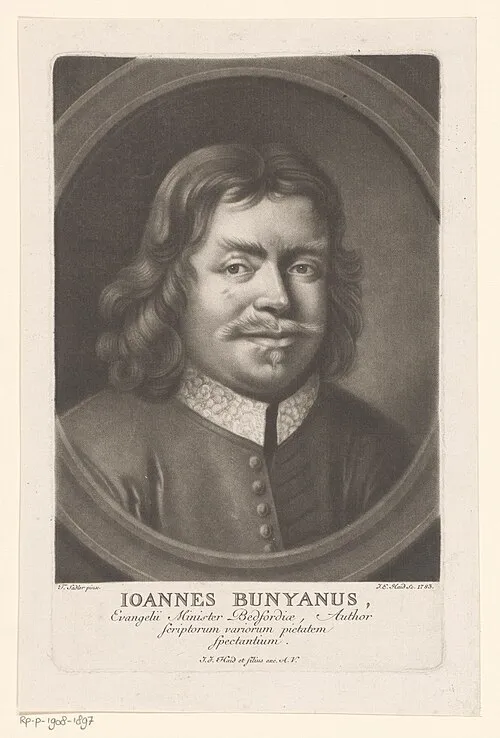
La intención del Padre al dar
El Padre, pues, al darlos a él para que los salve, por fuerza ha de declararnos estas cosas que siguen:
Primero. Que él es capaz de responder a este designio de Dios, a saber, de salvarlos hasta el pecado más extremo, hasta la tentación más extrema, etc. (Hebreos 7:25). De ahí que se diga que pone «el socorro sobre valiente», «grande para salvar» (Salmo 89:19; Isaías 63:1); y de ahí, otra vez, que Dios desde antiguo prometiera enviar a su pueblo «salvador y príncipe» (Isaías 19:20). [N. del T.: el original dice «a Saviour, a great one» («un Salvador, uno grande»); la RV1909 dice «salvador y príncipe».] Salvar es una obra grande, y pide omnipotencia en quien la emprende: de ahí que se le llame el «Dios fuerte, el Consejero admirable», etc. El pecado es fuerte, Satanás también es fuerte, la muerte y el sepulcro son fuertes, y lo es también la maldición de la ley; por tanto se sigue que este Jesús ha de ser, por Dios el Padre, tenido por omnipotente, por cuanto ha dado sus escogidos a él para que los salve y los libre de estas cosas, y eso a despecho de toda su fuerza y su poder.
Y nos dio testimonio de este su poder, cuando estuvo empleado en aquella parte de nuestra liberación que exigía que se mostrara. Abolió la muerte; destruyó al que tenía el poder de la muerte; fue la destrucción del sepulcro; acabó el pecado, y le puso fin, en cuanto a sus efectos de condenación sobre las personas que el Padre le ha dado; venció la maldición de la ley, la clavó en su cruz, triunfó de todo ello sobre su cruz, y hizo de estas cosas un espectáculo en público (2 Timoteo 1:10; Hebreos 2:14-15; Oseas 13:14; Daniel 9:24; Gálatas 3:13; Colosenses 2:14-15). Sí, y aun ahora, como señal de su triunfo y de su conquista, está vivo de entre los muertos, y tiene las llaves del infierno y de la muerte en su propio poder (Apocalipsis 1:18).
Segundo. El darlos el Padre a él para que los salve nos declara que él es, y será, fiel en su oficio de Mediador, y que por tanto ellos serán guardados del fruto y de la paga de sus pecados, que es la condenación eterna, por la ejecución fiel que él haga de ese oficio. Y, a la verdad, está dicho, aun por el Espíritu Santo mismo, que él «es fiel al que le constituyó», esto es, para esta obra de salvar a aquellos que el Padre le ha dado para ese fin; como «lo fué Moisés sobre toda su casa». Sí, y más fiel también, porque Moisés fue fiel en la casa de Dios, pero como siervo; «mas Cristo como hijo, sobre su casa» (Hebreos 3). Y por tanto este hombre es estimado digno de más gloria que Moisés, aun por esta razón, porque es más fiel que él, tanto como por la dignidad de su persona. Por tanto en él, y en su verdad y su fidelidad, Dios descansa bien complacido, y ha puesto todo el gobierno de este pueblo sobre sus hombros. Sabiendo que nada faltará en él que de algún modo pueda perfeccionar este designio. Y de esto él, a saber, el Hijo, ya ha dado una prueba. Porque cuando vino el tiempo en que su sangre fue, por la justicia divina, requerida para la redención, el lavamiento y la limpieza de ellos, la derramó de su corazón tan libremente como si hubiera sido agua de un vaso; sin escatimar el desprenderse de su propia vida, para que la vida que estaba guardada para su pueblo en el cielo no dejara de serles otorgada. Y por esta razón, tanto como por cualquier otra, es que Dios lo llama «mi siervo justo» (Isaías 53:11). Porque su justicia nunca habría podido ser completa, si él no hubiera sido fiel hasta lo sumo a la obra que emprendió; también, porque es fiel y verdadero, en justicia juzga y realiza la obra para la liberación de su pueblo. Él cumplirá fielmente esta confianza depositada en él. El Padre sabe esto, y por tanto le ha dado sus escogidos.
Tercero. El darlos el Padre a él para que los salve declara que él es, y será, benigno y paciente para con ellos, bajo todas sus provocaciones y sus extravíos. No es posible imaginar las pruebas y las provocaciones que el Hijo de Dios ha tenido todo el tiempo con este pueblo que le ha sido dado a aquel que los salva: a la verdad se dice que es «una piedra probada»; porque ha sido probado, no solo por el diablo, la culpa del pecado, la muerte y la maldición de la ley, sino también por la ignorancia de su pueblo, su indocilidad, sus caídas en el pecado y su desviarse a errores en la vida y en la doctrina. Si tan solo fuéramos capaces de ver cómo este Señor Jesús ha sido probado aun por su pueblo, desde que hubo uno de ellos en el mundo, nos asombraríamos de su paciencia y de su trato benigno con ellos. Está dicho, a la verdad: «El Señor es muy misericordioso, tardo para la ira, y de gran misericordia.» Y, a la verdad, si no hubiera sido así, nunca habría podido soportar su conducta, como lo ha hecho desde Adán hasta ahora. Por tanto su piedad y sus entrañas hacia su iglesia se anteponen a la piedad y a las entrañas de una madre hacia su hijo. «¿Olvidaráse la mujer de lo que parió, para dejar de compadecerse del hijo de su vientre? Aunque se olviden ellas, yo no me olvidaré de ti», dice el Señor (Isaías 49:15).
Dios dio una vez a Moisés, como siervo de Cristo, un puñado de su pueblo, para que lo llevara en su seno, pero no más allá que de Egipto a Canaán; y este Moisés, como de él dice el Espíritu Santo, era el hombre más manso que entonces se hallaba en la tierra; sí, y amaba al pueblo en grado muy grande; con todo, ni su mansedumbre ni su amor aguantaron en esta obra; faltó y perdió la paciencia, hasta provocar a ira a su Dios bajo esta obra. «Y dijo Moisés á Jehová: ¿Por qué has hecho mal á tu siervo?» Pero ¿cuál era la aflicción? Pues, el Señor le había dicho: «Llévalo en tu seno, como lleva la que cría al que mama, á la tierra de la cual juraste á sus padres.» ¿Y entonces qué? Yo no, dice Moisés: «No puedo yo solo soportar á todo este pueblo, que me es pesado en demasía. Si así lo haces tú conmigo, yo te ruego que me des muerte, y que yo no vea mi mal» (Números 11:11-15).
Dios se los dio a Moisés para que los llevara en su seno, para que mostrara benignidad y paciencia hacia ellos, bajo todas las provocaciones con que lo provocarían desde aquel tiempo hasta que los hubiera traído a su tierra; pero él faltó en la obra; no pudo ejercerla, porque no tenía aquella suficiencia de paciencia hacia ellos. Pero ahora se dice de la persona que habla en el texto: «En su brazo cogerá los corderos, y en su seno los llevará; pastoreará suavemente las paridas» (Isaías 40:11). Dando a entender que esta era una de las cualidades que Dios buscaba, y sabía que estaban en él, cuando dio sus escogidos a él para que los salvara.
Cuarto. El dar el Padre a él para que los salve declara que tiene suficiencia de sabiduría para enfrentar todas aquellas dificultades que lo acompañarían al traer a sus hijos y a sus hijas a la gloria. Lo hizo para nosotros sabiduría; sí, es llamado la sabiduría misma (1 Corintios 1:30). Y dice Dios, además, que «será prosperado» (Isaías 52:13). [N. del T.: el original dice «he shall deal prudently» («procederá con prudencia»); la RV1909 dice «será prosperado».] Y, a la verdad, el que tome sobre sí ser el Salvador del pueblo, necesidad tiene de ser sabio, porque los adversarios de ellos son astutos más que nadie. Aquí han de habérselas con la serpiente, que por su astucia burló a nuestro padre y a nuestra madre, cuando la sabiduría de ellos estaba en lo más alto (Génesis 3). Pero si hablamos de sabiduría, nuestro Jesús es sabio, más sabio que Salomón, más sabio que todos los hombres, más sabio que todos los ángeles; él es la sabiduría misma de Dios. «Cristo, sabiduría de Dios» (1 Corintios 1:24). Y de ahí que convierta el pecado, las tentaciones, las persecuciones, las caídas y todas las cosas para bien a su pueblo (Romanos 8:28).
Ahora bien, estas cosas así concluidas también nos muestran el amor grande y admirable del Padre, en que escogiera a uno tan bien preparado en todo sentido para la obra de la salvación del hombre.
En esto, a la verdad, percibimos el amor de Dios. Hiram concluyó que Dios amaba a Israel porque les había dado un rey tal como Salomón (2 Crónicas 2:11). Pero ¿cuánto más podemos contemplar el amor que Dios ha puesto sobre nosotros, en que nos ha dado al cuidado de su Hijo, y también ha dado a su Hijo por nosotros?
La recepción del don por el Hijo
«Todo lo que el Padre me da, VENDRÁ.» En estas últimas palabras va encerrada una respuesta al fin que tenía el Padre al dar sus escogidos a Jesucristo. El fin del Padre era que vinieran a él y fueran salvos por él; y eso, dice el Hijo, se hará; ni el pecado ni Satanás, ni la carne ni el mundo, ni la sabiduría ni la necedad, estorbarán el que vengan a mí. «Vendrán a mí; y al que a mí viene, no le echo fuera.»
Aquí, pues, el Señor Jesús determina de modo positivo ejercer tal suficiencia de toda gracia que cumpla eficazmente esta promesa. «Vendrán»; esto es, él hará que vengan, infundiendo una bendición eficaz en todos los medios que se usen para ese fin. Como se dijo al espíritu malo que fue enviado a persuadir a Acab de que fuera y cayera en Ramot de Galaad: Ve: «Inducirlo has, y aun saldrás con ello; sal pues, y hazlo así» (1 Reyes 22:22). Así dirá Jesucristo a los medios que se usen para traer a él a aquellos que el Padre le ha dado. Digo que lo bendecirá eficazmente para este fin mismo; los persuadirá, y también prevalecerá; de otro modo, como dije, el fin del Padre quedaría frustrado; porque la voluntad del Padre es que «todo lo que le diere, no pierda de ello, sino que lo resucite en el día postrero» (Juan 6:39); en su orden, a continuación de él mismo: Cristo, las primicias; después, los que son de él, en su venida (1 Corintios 15). Pero esto no puede hacerse si llegara a faltar una obra de gracia obrada eficazmente, aunque no fuera más que en uno solo de ellos. Pero no dejará de ser obrada en ellos, aun en todos los que el Padre le ha dado para salvar. «Todo lo que el Padre me ha dado, vendrá á mí», etc.
Pero, para hablar con más distinción de las palabras, ELLOS «VENDRÁN», dos cosas querría mostrarles a ustedes a partir de estas palabras: PRIMERO, qué es venir a Cristo. SEGUNDO, qué fuerza hay en esta promesa para hacerlos venir a él.
Ver el original (inglés)
Original en inglés
The Father’s Intent in Giving
The Father, therefore, in giving of them to him to save them, must needs declare unto us these following things: —
First, That he is able to answer this design of God, to wit, to save them to the uttermost sin, the uttermost temptation, &c. (Heb 7:25). Hence he is said to lay “help upon one that is mighty,” “mighty to save” (Psa 89:19; Isa 63:1) and hence it is again, that God did even of old promise to send his people “a Saviour, a great one” (Isa 19:20). To save is a great work, and calls for almightiness in the undertaker: hence he is called the “Mighty God, the wonderful Counsellor,” &c. Sin is strong, Satan is also strong, death and the grave are strong, and so is the curse of the law; therefore it follows, that this Jesus must needs be, by God the Father, accounted almighty, in that he hath given his elect to him to save them, and deliver them from these, and that in despite of all their force and power.
And he gave us testimony of this his might, when he was employed in that part of our deliverance that called for a declaration of it. He abolished death; he destroyed him that had the power of death; he was the destruction of the grave; he hath finished sin, and made an end of it, as to its damning effects upon the persons that the Father hath given him; he hath vanquished the curse of the law, nailed it to his cross, triumphed over them upon his cross, and made a show of these things openly (2 Tim 1:10; Heb 2:14,15; Hosea 13:14; Dan 9:24; Gal 3:13; Col 2:14,15). Yea, and even now, as a sign of his triumph and conquest, he is alive from the dead, and hath the keys of hell and death in his own keeping (Rev 1:18).
Second, The Father’s giving of them to him to save them, declares unto us that he is and will be faithful in his office of Mediator, and that therefore they shall be secured from the fruit and wages of their sins, which is eternal damnation, by his faithful execution of it. And, indeed, it is said, even by the Holy Ghost himself, That he “was faithful to him that appointed him,” that is, to this work of saving those that the Father hath given him for that purpose; as “Moses was faithful in all his house.” Yea, and more faithful too, for Moses was faithful in God’s house but as a servant; “but Christ as a Son over his own house” (Heb 3). And therefore this man is counted worthy of more glory than Moses, even upon this account, because more faithful than he, as well as because of the dignity of his person. Therefore in him, and in his truth and faithfulness, God resteth well pleased, and hath put all the government of this people upon his shoulders. Knowing that nothing shall be wanting in him, that may any way perfect this design. And of this he, to wit, the Son, hath already given a proof. For when the time was come, that his blood was, by Divine justice, required for their redemption, washing, and cleansing, he as freely poured it out of his heart, as if it had been water out of a vessel; not sticking to part with his own life, that the life which was laid up for his people in heaven might not fail to be bestowed upon them. And upon this account, as well as upon any other, it is that God calleth him “my righteous servant” (Isa 53:11). For his righteousness could never have been complete, if he had not been to the uttermost faithful to the work he undertook; it is also, because he is faithful and true, that in righteousness he doth judge and make work for his people’s deliverance. He will faithfully perform this trust reposed in him. The Father knows this, and hath therefore given his elect unto him.
Third, The Father’s giving of them to him, to save them, declares that he is, and will be gentle, and patient towards them, under all their provocations and miscarriages. It is not to be imagined, the trials and provocations that the Son of God hath all along had with these people that have been given to him that saves them: indeed he is said to be “a tried stone;” for he has been tried, not only by the devil, guilt of sin, death, and the curse of the law, but also by his people’s ignorance, unruliness, falls into sin, and declining to errors in life and doctrine. Were we but capable of seeing how this Lord Jesus has been tried even by his people, ever since there was one of them in the world, we should be amazed at his patience and gentle carriages to them. It is said, indeed, “The Lord is very pitiful, slow to anger, and of great mercy.” And, indeed, if he had not been so, he could never have endured their manners as he has done from Adam hitherto. Therefore is his pity and bowels towards his church preferred above the pity and bowels of a mother towards her child. “Can a woman forget her sucking child, that she should not have compassion on the son of her womb? Yea, they may forget, yet will I not forget thee,” saith the Lord (Isa 49:15).
God did once give Moses, as Christ’s servant, an handful of his people, to carry them in his bosom, but no further than from Egypt to Canaan; and this Moses, as is said of him by the Holy Ghost, was the meekest man that was then to be found in the earth; yea, and he loved the people at a very great rate; yet neither would his meekness nor love hold out in this work; he failed and grew passionate, even to the provoking his God to anger under this work. “And Moses said unto the Lord, Wherefore hast thou afflicted thy servant?” But what was the affliction? Why, the Lord had said unto him, “Carry this people in thy bosom as a nursing father beareth the suckling child, unto the land which thou swarest unto their fathers.” And how then? Not I, says Moses, “I am not able to bear all this people alone, because it is too heavy for me. If thou deal thus with me, kill me, I pray thee, out of hand, and let me not see my wretchedness” (Num 11:11-15).
God gave them to Moses, that he might carry them in his bosom, that he might show gentleness and patience towards them, under all the provocations wherewith they would provoke him from that time till he had brought them to their land; but he failed in the work; he could not exercise it, because he had not that sufficiency of patience towards them. But now it is said of the person speaking in the text, “That he shall gather the lambs with his arm, and carry them in his bosom, and shall gently lead those that are with young” (Isa 40:11). Intimating, that this was one of the qualifications that God looked for, and knew was in him, when he gave his elect to him to save them.
Fourth, The Father giving of him to save them, declares that he hath a sufficiency of wisdom to wage with all those difficulties that would attend him in his bringing of his sons and daughters unto glory. He made him to us to be wisdom; yea, he is called wisdom itself (1 Cor 1:30). And God saith, moreover, That “he shall deal prudently” (Isa 52:13). And, indeed, he that shall take upon him to be the Saviour of the people, had need be wise, because their adversaries are subtle above any. Here they are to encounter with the serpent, who for his subtilty outwitted our father and mother, when their wisdom was at highest (Gen 3). But if we talk of wisdom, our Jesus is wise, wiser than Solomon, wiser than all men, wiser than all angels; he is even the wisdom of God. “Christ is the wisdom of God” (1 Cor 1:24). And hence it is that he turneth sin, temptations, persecutions, falls, and all things, for good unto his people (Rom 8:28).
Now these things thus concluded on do show us also the great and wonderful love of the Father, in that he should choose out one every way so well prepared for the work of man’s salvation.
Herein, indeed, perceive we the love of God. Huram gathered, that God loved Israel because he had given them such a king as Solomon (2 Chron 2:11). But how much more may we behold the love that God hath bestowed upon us, in that he hath given us to his Son, and also given his Son for us?
The Son’s Reception of the Gift
“All that the Father giveth me SHALL COME.” In these last words there is closely inserted an answer unto the Father’s end in giving of his elect to Jesus Christ. The Father’s end was, that they might come to him, and be saved by him; and that, says the Son, shall be done; neither sin nor Satan, neither flesh nor world, neither wisdom nor folly, shall hinder their coming to me. “They shall come to me; and him that cometh to me I will in no wise cast out.”
Here, therefore, the Lord Jesus positively determineth to put forth such a sufficiency of all grace as shall effectually perform this promise. “They shall come;” that is, he will cause them to come, by infusing of an effectual blessing into all the means that shall be used to that end. As was said to the evil spirit that was sent to persuade Ahab to go and fall at Ramoth-Gilead; Go: “Thou shalt persuade him, and prevail also: go forth, and do so” (1 Kings 22:22). So will Jesus Christ say to the means that shall be used for the bringing of those to him that the Father hath given him. I say, he will bless it effectually to this very end; it shall persuade them, and shall prevail also; else, as I said, the Father’s end would be frustrate; for the Father’s will is, that “of all which he hath given him, he should lose nothing, but should raise it up at the last day,” (John 6:39); in order next unto himself, Christ the firstfruits, afterwards those that are his at his coming (1 Cor 15). But this cannot be done if there should fail to be a work of grace effectually wrought, though but in any one of them. But this shall not fail to be wrought in them, even in all the Father hath given him to save. “All that the Father hath given me shall come unto me,” &c.
But to speak more distinctly to the words, THEY “SHALL COME,” two things I would show you from these words —FIRST, What it is to come to Christ. SECOND, What force there is in this promise, to make them come to him.
https://sermonesbiblicos.org/biblioteca/ven-y-se-bienvenido-a-jesucristo-03-la-intencion-del-padre-y-el-hijo/