Sermones Bíblicos
Capítulo XII. La majestad de Dios
John Owen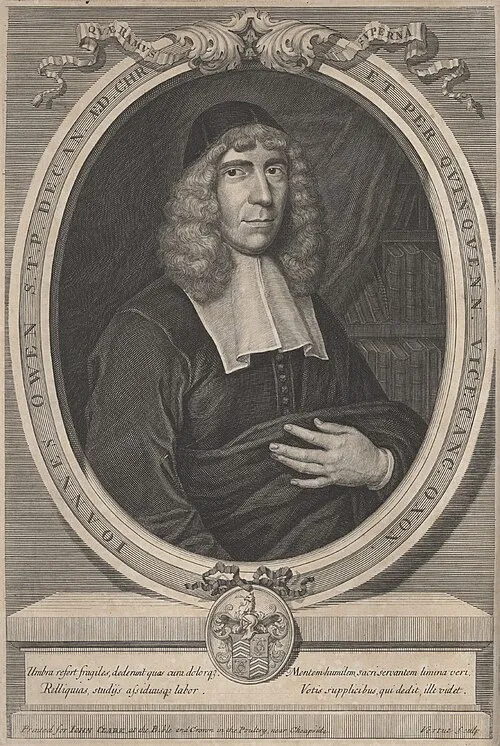
Capítulo XII.
Octava directriz: Considerar con atención la excelencia de la majestad de Dios — se propone y se examina lo poco que lo conocemos.
En octavo lugar, acostúmbrate y ejercítate en tales meditaciones que sirvan para llenarte en todo tiempo de abatimiento de ti mismo y de pensamientos de tu propia vileza; a saber, —
-
Detente mucho en la consideración de la excelencia de la majestad de Dios y de tu distancia infinita e inconcebible respecto de él. Muchos pensamientos de esto no pueden sino llenarte de un sentido de tu propia vileza, el cual hiere hasta lo hondo la raíz de cualquier pecado que mora en ti. Cuando Job llega a un claro descubrimiento de la grandeza y de la excelencia de Dios, se llena de aborrecimiento de sí mismo y es apremiado a la humillación, Job 42:5, 6. ¿Y en qué estado afirma el profeta Habacuc que fue arrojado, al comprender la majestad de Dios? Habacuc 3:16. «En Dios», dice Job, «hay una majestad terrible». [Job 37:22.] De ahí venían los pensamientos de los antiguos: que, si habían visto a Dios, habían de morir. La Escritura abunda en esta consideración que abate al hombre, al comparar a los hombres de la tierra con «langostas», con «cosa vana», con «el orín del peso», respecto de Dios. [Isaías 40:12-25.] Detente mucho en pensamientos de esta naturaleza, para abatir el orgullo de tu corazón y para mantener tu alma humilde dentro de ti. Nada te pondrá en mayor indisposición a que se te impongan los engaños del pecado que un temple de corazón como este. Piensa grandemente en la grandeza de Dios.
-
Piensa mucho en lo poco que lo conoces. Aunque sabes lo bastante para mantenerte bajo y humilde, ¡con todo, cuán poca porción es lo que de él conoces! La contemplación de esto arrojó a aquel hombre sabio en aquella percepción de sí mismo que expresa, Proverbios 30:2-4: «Ciertamente más rudo soy yo que ninguno, ni tengo entendimiento de hombre. Yo ni aprendí sabiduría, ni conozco la ciencia del Santo. ¿Quién subió al cielo, y descendió? ¿quién encerró los vientos en sus puños? ¿quién ató las aguas en un paño? ¿quién afirmó todos los términos de la tierra? ¿cuál es su nombre, y el nombre de su hijo, si sabes?» Trabaja también con esto para derribar el orgullo de tu corazón. ¿Qué sabes tú de Dios? ¡Cuán poca porción es! ¡Cuán inmenso es él en su naturaleza! ¿Puedes mirar sin terror el abismo de la eternidad? No puedes soportar los rayos de su ser glorioso.
Porque miro esta consideración como de gran utilidad en nuestro andar con Dios, en tanto que pueda guardar consistencia con aquella osadía filial que se nos da en Jesucristo para acercarnos al trono de la gracia, insistiré todavía más en ella, para dejar de ella una impresión permanente en las almas de quienes desean andar humildemente con Dios.
Considera, pues, digo, para mantener tu corazón en continuo temor reverente de la majestad de Dios, que personas del alcance más alto y eminente, de la comunión más cercana y más familiar con Dios, con todo, en esta vida no conocen sino poquísimo de él y de su gloria. Dios revela su nombre a Moisés, — los atributos más gloriosos que ha manifestado en el pacto de gracia, Éxodo 34:5, 6; y, con todo, todos no son sino las «espaldas» de Dios. Todo lo que por ello conoce es poco, bajo, comparado con las perfecciones de su gloria. De ahí que, con referencia peculiar a Moisés, se diga: «A Dios nadie le vió jamás», Juan 1:18; de él, en comparación con Cristo, habla en el versículo 17; y de él se dice aquí: «A Dios nadie», no, ni Moisés, el más eminente entre ellos, «le vió jamás». Hablamos mucho de Dios; podemos hablar de él, de sus caminos, de sus obras, de sus consejos, todo el día; la verdad es que conocemos poquísimo de él. Nuestros pensamientos, nuestras meditaciones, nuestras expresiones acerca de él son bajos; muchos de ellos, indignos de su gloria; ninguno de ellos alcanza sus perfecciones.
Ustedes dirán que Moisés estaba bajo la ley, cuando Dios se envolvía a sí mismo en tinieblas, y envolvía su mente en tipos, nubes e instituciones oscuras; — que, bajo el resplandor glorioso del evangelio, el cual ha sacado a la luz la vida y la inmortalidad, siendo Dios revelado desde su propio seno, ahora lo conocemos con mucha mayor claridad, y tal como él es; que ahora vemos su rostro, y no solamente sus espaldas, como las vio Moisés.
Resp. 1. Reconozco una diferencia vasta y casi inconcebible entre el conocimiento que ahora tenemos de Dios, después de habernos hablado por su propio Hijo, [Hebreos 1:2.] y aquel que tenía la generalidad de los santos bajo la ley; porque, aunque sus ojos eran tan buenos, agudos y claros como los nuestros, su fe y su entendimiento espiritual no estaban por detrás de los nuestros, y el objeto era tan glorioso para ellos como para nosotros, y, con todo, nuestro día es más claro que el de ellos fue, las nubes han sido disipadas y esparcidas, [Cantares 4:6.] las sombras de la noche se han ido y han huido, el sol se ha levantado, y el medio de ver se ha hecho más eminente y claro que antes. Con todo, —
-
Aquella visión peculiar que Moisés tuvo de Dios, Éxodo 34, fue una visión del evangelio, una visión de Dios como «piadoso», etc., y, sin embargo, no se llama sino sus «espaldas»; esto es, algo bajo y pobre, en comparación con sus excelencias y perfecciones.
-
El apóstol, exaltando hasta el extremo esta gloria de la luz por encima de aquella de la ley, y manifestando que ahora el «velo» que causaba tinieblas ha sido quitado, de modo que con «cara descubierta» [Ἀνακεκαλυμμένῳ προσώπω.] «miramos la gloria del Señor», nos dice de qué manera: «como en un espejo», 2 Corintios 3:18. «Como en un espejo», ¿cómo es eso? ¿Claramente, perfectamente? ¡Ay, no! Les dice cómo es eso, 1 Corintios 13:12: «Ahora vemos por espejo, en obscuridad», dice él. No es un telescopio, que nos ayuda a ver las cosas de lejos, aquello de lo que habla el apóstol; y, con todo, ¡qué pobres ayudas son! ¡cuán cortos nos quedamos de la verdad de las cosas, a pesar de su auxilio! Es un espejo aquello a lo que alude (donde solo hay especies e imágenes oscuras de las cosas, y no las cosas mismas), y una visión en él aquello con lo que compara nuestro conocimiento. También les dice que todo lo que sí vemos, δι’ ἐσύπτρου, «por» o «a través de este espejo», está en αἰνίγματι, en «un enigma», en tinieblas y oscuridad. Y, hablando de sí mismo, quien seguramente veía con mucha mayor claridad que cualquiera que viva ahora, nos dice que no veía sino ἐκ μέρους, «en parte». No veía sino las espaldas de las cosas celestiales, versículo 12, y compara todo el conocimiento que había alcanzado de Dios con el que tenía de las cosas cuando era niño, versículo 11. Es un μέρος, corto respecto del τὸ τέλειον· sí, tal que καταργηθήσεται, «será destruido», o abolido. Sabemos qué nociones y aprehensiones débiles, endebles e inciertas tienen los niños de las cosas de naturaleza abstracta y difícil; cómo, cuando crecen con algún adelanto de facultades y de capacidades, aquellas concepciones se desvanecen, y se avergüenzan de ellas. Lo que se alaba en un niño es que ame, honre, crea y obedezca a su padre; pero, en cuanto a su saber y sus nociones, su padre conoce su niñez y su necedad. No obstante toda nuestra confianza de altos alcances, todas nuestras nociones de Dios no son sino infantiles respecto de sus infinitas perfecciones. Balbuceamos y farfullamos, y decimos no sabemos qué, por lo general, en nuestras concepciones y nociones de Dios más exactas, según pensamos. Podemos amar, honrar, creer y obedecer a nuestro Padre; y con eso él acepta nuestros pensamientos infantiles, porque no son sino infantiles. No vemos sino sus espaldas; conocemos poco de él. De ahí aquella promesa con la que tan a menudo somos sostenidos y consolados en nuestra angustia: «le veremos como él es»; lo veremos «cara á cara»; «conoceré como soy conocido»; «comprender aquello para lo cual somos comprendidos», 1 Corintios 13:12, 1 Juan 3:2; y, de manera expresa, «Ahora no lo vemos»; — todo lo cual concluye que aquí no vemos sino sus espaldas; no como él es, sino en una representación tenebrosa y oscura; no en la perfección de su gloria.
La reina de Sabá había oído mucho de Salomón, y había formado en su mente, por ello, muchos grandes pensamientos de su magnificencia; pero, cuando vino y vio su gloria, se vio forzada a confesar que no se le había dicho ni la mitad de la verdad. Podemos suponer que aquí hemos alcanzado gran conocimiento, pensamientos claros y altos de Dios; pero, ¡ay!, cuando él nos traiga a su presencia, clamaremos: «Nunca lo conocimos como él es; la milésima parte de su gloria, y de su perfección, y de su bienaventuranza, nunca entró en nuestros corazones».
El apóstol nos dice, 1 Juan 3:2, que no sabemos lo que nosotros mismos hemos de ser, — lo que nos hallaremos ser al cabo; mucho menos entrará en nuestros corazones concebir lo que Dios es, y lo que hallaremos que él es. Considera ya sea a aquel que ha de ser conocido, ya sea el camino por el cual lo conocemos, y esto se verá todavía más:—
(1.) Conocemos tan poco de Dios porque es Dios quien así ha de ser conocido, — esto es, aquel que se ha descrito a sí mismo ante nosotros en gran medida por esto: que no podemos conocerlo. ¿Qué otra cosa pretende allí donde se llama a sí mismo invisible, incomprensible, y lo semejante? — esto es, aquel a quien no conocemos, ni podemos conocer, como él es. Y nuestro progreso ulterior consiste más en conocer lo que él no es, que lo que él es. Así se lo describe como inmortal, infinito, — esto es, él no es, como lo somos nosotros, mortal, finito y limitado. De ahí aquella gloriosa descripción de él, 1 Timoteo 6:16: «Quien sólo tiene inmortalidad, que habita en luz inaccesible; á quien ninguno de los hombres ha visto ni puede ver». Su luz es tal que ninguna criatura puede acercarse a ella. No es visto, no porque no pueda ser visto, sino porque nosotros no podemos soportar su vista. La luz de Dios, en quien no hay tinieblas, prohíbe todo acceso a él de parte de cualquier criatura que sea. Nosotros, que no podemos contemplar el sol en su gloria, somos demasiado débiles para soportar los rayos del resplandor infinito. Por esta consideración, como ya se dijo, el sabio se profesa a sí mismo una verdadera bestia, sin «entendimiento de hombre», Proverbios 30:2; — esto es, no sabía nada en comparación con Dios; de modo que parecía haber perdido todo su entendimiento tan pronto como llegaba a la consideración de él, de su obra y de sus caminos.
En esta consideración, desciendan nuestras almas a algunos particulares:—
[1.] En cuanto al ser de Dios: estamos tan lejos de conocerlo (al punto de poder instruirnos unos a otros en ello con palabras y expresiones) que formar cualesquiera concepciones en nuestra mente, con tales especies e impresiones de las cosas como aquellas por las cuales recibimos el conocimiento de todas las demás cosas, es hacernos un ídolo, y así adorar a un dios de nuestra propia hechura, y no al Dios que nos hizo. Igual de bien y de lícitamente podemos labrarlo en madera o en piedra como formarle en nuestras mentes un ser ajustado a nuestras aprehensiones. Lo máximo de nuestros mejores pensamientos acerca del ser de Dios es que no podemos tener pensamientos de él. Bajo es nuestro conocimiento de un ser cuando no se remonta más alto que a saber que no lo conocemos.
[2.] Hay algunas cosas de Dios que él mismo nos ha enseñado a decir, y a regular nuestras expresiones acerca de ellas; pero, cuando así lo hemos hecho, no vemos las cosas mismas; no las conocemos. Creer y admirar es todo lo que alcanzamos. Profesamos, según se nos ha enseñado, que Dios es infinito, omnipotente, eterno; y sabemos qué disputas y qué nociones hay acerca de la omnipresencia, la inmensidad, la infinitud y la eternidad. Tenemos, digo, palabras y nociones acerca de estas cosas; pero, en cuanto a las cosas mismas, ¿qué sabemos? ¿qué comprendemos de ellas? ¿Puede la mente del hombre hacer algo más que tragarse a sí misma en un abismo infinito, que es como nada; entregarse a lo que no puede concebir, y mucho menos expresar? ¿No es nuestro entendimiento «rudo» en la contemplación de tales cosas, y como si no existiera? Sí: la perfección de nuestro entendimiento está en no entender, y en reposar ahí. No son sino las espaldas de la eternidad y de la infinitud aquello de lo que tenemos un vislumbre. ¿Qué diré de la Trinidad, o de la subsistencia de personas distintas en la misma esencia individual, — misterio negado por muchos, porque no es entendido por ninguno, — misterio cada una de cuyas letras es misteriosa? ¿Quién puede declarar la generación del Hijo, la procesión del Espíritu, o la diferencia del uno respecto del otro? Pero no seguiré poniendo más ejemplos en los particulares. Aquella distancia infinita e inconcebible que hay entre él y nosotros nos mantiene en tinieblas en cuanto a cualquier vista de su rostro, o a una aprehensión clara de sus perfecciones.
Lo conocemos más bien por lo que hace que por lo que es, — por el bien que nos hace, más que por su bondad esencial; ¡y cuán poca porción de él, como dice Job, se descubre por este medio!
(2.) Conocemos poco de Dios porque es la fe sola aquello por lo cual aquí lo conocemos. No voy a discurrir ahora acerca de las impresiones que quedan en los corazones de todos los hombres por naturaleza, de que hay un Dios, ni acerca de lo que racionalmente se les pueda enseñar tocante a ese Dios a partir de las obras de su creación y de su providencia, las cuales ven y contemplan. Es un conocimiento, reconocido así por la dolorosa experiencia de todas las edades, tan débil, tan bajo, tan oscuro, tan confuso, que nadie jamás, por esa cuenta, glorificó a Dios como debía, sino que todos, no obstante todo su conocimiento de Dios, estaban en verdad «sin Dios en el mundo».
El principal y, en sustancia, casi el único conocimiento que tenemos de Dios, y de las dispensaciones que él hace de sí mismo, es por la fe. «Es menester que el que á Dios se allega, crea que le hay, y que es galardonador de los que le buscan», Hebreos 11:6. Nuestro conocimiento de él y de que él galardona (el fundamento de nuestra obediencia, o de nuestro allegarnos a él) consiste en creer. «Por fe andamos, no por vista», 2 Corintios 5:7; — Διὰ πίστεως οὐ διὰ εἴδους· por fe, y de tal manera por fe que no tenemos ninguna idea, imagen o especie expresa de aquello que creemos. La fe es todo el argumento que tenemos de «las cosas que no se ven», Hebreos 11:1. Podría insistir aquí en la naturaleza de ella, y, a partir de todos sus concomitantes y de todo lo que le concierne, manifestar que no conocemos sino las espaldas de aquello que conocemos solo por fe. En cuanto a su origen, está edificada puramente sobre el testimonio de aquel a quien no hemos visto: como habla el apóstol, «¿cómo pueden ustedes amar a quien no han visto?», — esto es, a quien ustedes no conocen sino por fe de que él es. La fe recibe todo sobre el testimonio suyo, el de aquel a quien ella recibe como tal únicamente sobre el testimonio de él mismo. En cuanto a su naturaleza, es un asentimiento sobre testimonio, no una evidencia sobre demostración; y el objeto de ella está, como antes se dijo, por encima de nosotros. De ahí que nuestra fe, como antes se observó, se llame un «ver por espejo, en obscuridad». Todo lo que conocemos por este camino (y todo lo que de Dios conocemos, lo conocemos por este camino) no es sino bajo, y oscuro, y confuso.
Pero ustedes dirán: «Todo esto es verdad, pero, con todo, solo es así para quienes no conocen a Dios, quizá, tal como él es revelado en Jesucristo; con quienes sí lo conocen de ese modo, es de otra manera. Es verdad: “A Dios nadie le vió jamás”, pero “el unigénito Hijo, él [le] declaró”, Juan 1:18; y “el Hijo de Dios es venido, y nos ha dado entendimiento para conocer al que es verdadero”, 1 Juan 5:20. La iluminación de “el evangelio de la gloria de Cristo, el cual es la imagen de Dios” resplandece sobre los creyentes, 2 Corintios 4:4; sí, y “Dios, que mandó que de las tinieblas resplandeciese la luz, resplandece en sus corazones, para darles la iluminación del conocimiento de su gloria en la faz de su Hijo”, versículo 6. De modo que, “aunque éramos tinieblas”, ahora “somos luz en el Señor”, Efesios 5:8. Y el apóstol dice: “nosotros todos, mirando á cara descubierta la gloria del Señor”, 2 Corintios 3:18; y ahora estamos tan lejos de hallarnos en tales tinieblas, o a tal distancia de Dios, que “nuestra comunión verdaderamente es con el Padre, y con su Hijo”, 1 Juan 1:3. La luz del evangelio, por la cual Dios es ahora revelado, es gloriosa; no una estrella, sino el sol en su hermosura, se ha levantado sobre nosotros, y el velo ha sido quitado de nuestros rostros. De modo que, aunque los incrédulos, sí, y quizá algunos creyentes débiles, puedan estar en alguna oscuridad, con todo, quienes tienen algún crecimiento, o alcances considerables, tienen una vista clara y una visión del rostro de Dios en Jesucristo».
A lo cual respondo, —
[1.] La verdad es que todos nosotros conocemos lo bastante de él para amarlo más de lo que lo amamos, para deleitarnos en él y servirle, creerle, obedecerle, poner nuestra confianza en él, por encima de todo lo que hasta aquí hemos alcanzado. Nuestra oscuridad y nuestra debilidad no sirven de alegato en favor de nuestra negligencia y de nuestra desobediencia. ¿Quién es el que ha andado a la altura del conocimiento que ha tenido de las perfecciones, de las excelencias y de la voluntad de Dios? El fin de Dios al darnos cualquier conocimiento de sí mismo aquí es que lo «glorifiquemos como á Dios»; esto es, que lo amemos, le sirvamos, creamos y le obedezcamos, — que le demos todo el honor y la gloria que se deben de parte de pobres criaturas pecadoras a un Dios y Creador que perdona el pecado. Todos hemos de reconocer que nunca fuimos transformados a fondo en la imagen de aquel conocimiento que hemos tenido. Y, si hubiéramos usado bien nuestros talentos, se nos habría podido confiar más.
[2.] Comparativamente, aquel conocimiento que tenemos de Dios por la revelación de Jesucristo en el evangelio es sobremanera eminente y glorioso. Lo es en comparación con cualquier conocimiento de Dios que de otro modo pudiera alcanzarse, o que fue entregado en la ley bajo el Antiguo Testamento, la cual no tenía sino la sombra de los bienes venideros, no la imagen misma de las cosas; esto lo desarrolla el apóstol largamente, 2 Corintios 3. Cristo ha revelado ahora, en estos postreros días, al Padre desde su propio seno, ha declarado su nombre, ha dado a conocer su mente, su voluntad y su consejo de una manera mucho más clara, eminente y distinta que la que usó antes, mientras mantenía a su pueblo bajo la pedagogía de la ley; y esto es lo que, en su mayor parte, se pretende en los lugares antes mencionados. La exposición y la declaración claras y perspicuas de Dios y de su voluntad en el evangelio son exaltadas expresamente en comparación con cualquier otro modo de revelación de sí mismo.
[3.] La diferencia entre creyentes e incrédulos en cuanto al conocimiento no está tanto en la materia de su conocimiento como en la manera de conocer. Los incrédulos, algunos de ellos, pueden conocer más, y ser capaces de decir más de Dios, de sus perfecciones y de su voluntad, que muchos creyentes; pero no conocen nada como deben, nada de un modo recto, nada espiritual y salvadoramente, nada con una luz santa y celestial. La excelencia de un creyente no consiste en que tenga una aprehensión amplia de las cosas, sino en que aquello que aprehende, lo cual quizá sea muy poco, lo ve en la luz del Espíritu de Dios, en una luz salvadora y que transforma el alma; y esto es lo que nos da comunión con Dios, y no los pensamientos entrometidos ni las nociones curiosamente elevadas.
[4.] Jesucristo, por su palabra y por su Espíritu, revela a los corazones de todos los suyos a Dios como Padre, como Dios en pacto, como galardonador, de todo modo suficientemente para enseñarnos a obedecerle aquí, y para llevarnos a su seno, para recostarnos allí en el goce de él por la eternidad. Pero, con todo, ahora,
[5.] A pesar de todo esto, no es sino una poca porción lo que conocemos de él; no vemos sino sus espaldas. Porque, —
Primero. La intención de toda revelación del evangelio no es desvelar la gloria esencial de Dios, de modo que lo viéramos como él es, sino meramente declarar de él tanto cuanto él sabe que basta para ser fundamento de nuestra fe, de nuestro amor, de nuestra obediencia y de nuestro allegarnos a él, — esto es, de la fe que aquí espera de nosotros; servicios tales como convienen a pobres criaturas en medio de tentaciones. Pero, cuando nos llama a la admiración y a la contemplación eternas, sin interrupción, hará una nueva manera de descubrimiento de sí mismo, y toda la figura de las cosas, tal como ahora está delante de nosotros, se irá como una sombra.
En segundo lugar. Somos torpes y tardos de corazón para recibir las cosas que en la palabra están reveladas; y Dios, por nuestra enfermedad y nuestra debilidad, nos mantiene en continua dependencia de él para las enseñanzas y las revelaciones de sí mismo sacadas de su palabra, sin traer jamás, en este mundo, a alma alguna hasta lo sumo de lo que a partir de la palabra ha de manifestarse y descubrirse: de modo que, aunque el camino de la revelación en el evangelio sea claro y evidente, conocemos poco de las cosas mismas que están reveladas.
Reavivemos, pues, el uso y la intención de esta consideración: ¿No llenará el alma de un santo y reverente temor de él una debida aprehensión de esta grandeza inconcebible de Dios, y de aquella distancia infinita en que estamos respecto de él, de modo que la guarde en un temple impropio para que prospere o florezca cualquier concupiscencia? Acostúmbrese el alma de continuo a pensamientos reverentes de la grandeza y de la omnipresencia de Dios, y estará muy en guardia en cuanto a cualquier conducta indebida. Consideren a aquel con quien tienen que ver, — pues «nuestro Dios es fuego consumidor»; y, en sus mayores sobrecogimientos ante su presencia y su ojo, sepan que su misma naturaleza es demasiado estrecha para soportar aprehensiones que correspondan a su gloria esencial.
Ver el original (inglés)
Original en inglés
Chapter XII.
The eighth direction: Thoughtfulness of the excellency of the majesty of God — Our unacquaintedness with him proposed and considered.
Eighthly, Use and exercise thyself to such meditations as may serve to fill thee at all times with self-abasement and thoughts of thine own vileness; as, —
-
Be much in thoughtfulness of the excellency of the majesty of God and thine infinite, inconceivable distance from him. Many thoughts of it cannot but fill thee with a sense of thine own vileness, which strikes deep at the root of any indwelling sin. When Job comes to a clear discovery of the greatness and the excellency of God, he is filled with self-abhorrence and is pressed to humiliation, Job xlii. 5, 6. And in what state doth the prophet Habakkuk affirm himself to be cast, upon the apprehension of the majesty of God? chap. iii. 16. “With God,” says Job, “is terrible majesty.” [Job xxxvii. 22.] Hence were the thoughts of them of old, that when they had seen God they should die. The Scripture abounds in this self-abasing consideration, comparing the men of the earth to “grasshoppers,” to “vanity,” the “dust of the balance,” in respect of God. [Isa. xl. 12–25.] Be much in thoughts of this nature, to abase the pride of thy heart, and to keep thy soul humble within thee. There is nothing will render thee a greater indisposition to be imposed on by the deceits of sin than such a frame of heart. Think greatly of the greatness of God.
-
Think much of thine unacquaintedness with him. Though thou knowest enough to keep thee low and humble, yet how little a portion is it that thou knowest of him! The contemplation hereof cast that wise man into that apprehension of himself which he expresses, Prov. xxx. 2–4, “Surely I am more brutish than any man, and have not the understanding of a man. I neither learned wisdom, nor have the knowledge of the holy. Who hath ascended up into heaven, or descended? who hath gathered the wind in his fists? who hath bound the waters in a garment? who hath established the ends of the earth? what is his name, and what is his Son’s name, if thou canst tell?” Labour with this also to take down the pride of thy heart. What dost thou know of God? How little a portion is it! How immense is he in his nature! Canst thou look without terror into the abyss of eternity? Thou canst not bear the rays of his glorious being.
Because I look on this consideration of great use in our walking with God, so far as it may have a consistency with that filial boldness which is given us in Jesus Christ to draw nigh to the throne of grace, I shall farther insist upon it, to give an abiding impression of it to the souls of them who desire to walk humbly with God.
Consider, then, I say, to keep thy heart in continual awe of the majesty of God, that persons of the most high and eminent attainment, of the nearest and most familiar communion with God, do yet in this life know but a very little of him and his glory. God reveals his name to Moses, — the most glorious attributes that he hath manifested in the covenant of grace, Exod. xxxiv. 5, 6; yet all are but the “back parts” of God. All that he knows by it is but little, low, compared to the perfections of his glory. Hence it is with peculiar reference to Moses that it is said, “No man hath seen God at any time,” John i. 18; of him in comparison with Christ doth he speak, verse 17; and of him it is here said, “No man,” no, not Moses, the most eminent among them, “hath seen God at any time.” We speak much of God, can talk of him, his ways, his works, his counsels, all the day long; the truth is, we know very little of him. Our thoughts, our meditations, our expressions of him are low, many of them unworthy of his glory, none of them reaching his perfections.
You will say that Moses was under the law when God wrapped up himself in darkness, and his mind in types and clouds and dark institutions; — under the glorious shining of the gospel, which hath brought life and immortality to light, God being revealed from his own bosom, we now know him much more clearly, and as he is; we see his face now, and not his back parts only, as Moses did.
Ans. 1. I acknowledge a vast and almost inconceivable difference between the acquaintance we now have with God, after his speaking to us by his own Son, [Heb. i. 2.] and that which the generality of the saints had under the law; for although their eyes were as good, sharp, and clear as ours, their faith and spiritual understanding not behind ours, the object as glorious unto them as unto us, yet our day is more clear than theirs was, the clouds are blown away and scattered, [Cant. iv. 6.] the shadows of the night are gone and fled away, the sun is risen, and the means of sight is made more eminent and clear than formerly. Yet, —
-
That peculiar sight which Moses had of God, Exod. xxxiv., was a gospel-sight, a sight of God as “gracious,” etc., and yet it is called but his “back parts;” that is, but low and mean, in comparison of his excellencies and perfections.
-
The apostle, exalting to the utmost this glory of light above that of the law, manifesting that now the “vail” causing darkness is taken away, so that with “open” or uncovered “face [Ἀνακεκαλυμμένῳ προσώπω.] we behold the glory of the Lord,” tells us how: “As in a glass,” 2 Cor. iii. 18. “In a glass,” how is that? Clearly, perfectly? Alas, no! He tells you how that is, 1 Cor. xiii. 12, “We see through a glass, darkly,” saith he. It is not a telescope that helps us to see things afar off, concerning which the apostle speaks; and yet what poor helps are they! how short do we come of the truth of things notwithstanding their assistance! It is a looking-glass whereunto he alludes (where are only obscure species and images of things, and not the things themselves), and a sight therein that he compares our knowledge to. He tells you also that all that we do see, δι’ ἐσύπτρου, “by” or “through this glass,” is in αἰνίγματι — in “a riddle,” in darkness and obscurity. And speaking of himself, who surely was much more clear-sighted than any now living, he tells us that he saw but ἐκ μέρους, — “in part.” He saw but the back parts of heavenly things, verse 12, and compares all the knowledge he had attained of God to that he had of things when he was a child, verse 11. It is a μέρος, short of the τὸ τέλειον· yea, such as καταργηθήσεται, — “it shall be destroyed,” or done away. We know what weak, feeble, uncertain notions and apprehensions children have of things of any abstruse consideration; how when they grow up with any improvements of parts and abilities, those conceptions vanish, and they are ashamed of them. It is the commendation of a child to love, honour, believe, and obey his father; but for his science and notions, his father knows his childishness and folly. Notwithstanding all our confidence of high attainments, all our notions of God are but childish in respect of his infinite perfections. We lisp and babble, and say we know not what, for the most part, in our most accurate, as we think, conceptions and notions of God. We may love, honour, believe, and obey our Father; and therewith he accepts our childish thoughts, for they are but childish. We see but his back parts; we know but little of him. Hence is that promise wherewith we are so often supported and comforted in our distress, “We shall see him as he is;” we shall see him “face to face;” “know as we are known; comprehend that for which we are comprehended,” 1 Cor. xiii. 12, 1 John iii. 2; and positively, “Now we see him not;” — all concluding that here we see but his back parts; not as he is, but in a dark, obscure representation; not in the perfection of his glory.
The queen of Sheba had heard much of Solomon, and framed many great thoughts of his magnificence in her mind thereupon; but when she came and saw his glory, she was forced to confess that the one half of the truth had not been told her. We may suppose that we have here attained great knowledge, clear and high thoughts of God; but, alas! when he shall bring us into his presence we shall cry out, “We never knew him as he is; the thousandth part of his glory, and perfection, and blessedness, never entered into our hearts.”
The apostle tells us, 1 John iii. 2, that we know not what we ourselves shall be, — what we shall find ourselves in the issue; much less will it enter into our hearts to conceive what God is, and what we shall find him to be. Consider either him who is to be known, or the way whereby we know him, and this will farther appear:—
(1.) We know so little of God, because it is God who is thus to be known, — that is, he who hath described himself to us very much by this, that we cannot know him. What else doth he intend where he calls himself invisible, incomprehensible, and the like? — that is, he whom we do not, cannot, know as he is. And our farther progress consists more in knowing what he is not, than what he is. Thus is he described to be immortal, infinite, — that is, he is not, as we are, mortal, finite, and limited. Hence is that glorious description of him, 1 Tim. vi. 16, “Who only hath immortality, dwelling in the light which no man can approach unto; whom no man hath seen, nor can see.” His light is such as no creature can approach unto. He is not seen, not because he cannot be seen, but because we cannot bear the sight of him. The light of God, in whom is no darkness, forbids all access to him by any creature whatever. We who cannot behold the sun in its glory are too weak to bear the beams of infinite brightness. On this consideration, as was said, the wise man professeth himself “a very beast, and not to have the understanding of a man,” Prov. xxx. 2; — that is, he knew nothing in comparison of God; so that he seemed to have lost all his understanding when once he came to the consideration of him, his work, and his ways.
In this consideration let our souls descend to some particulars:—
[1.] For the being of God; we are so far from a knowledge of it, so as to be able to instruct one another therein by words and expressions of it, as that to frame any conceptions in our mind, with such species and impressions of things as we receive the knowledge of all other things by, is to make an idol to ourselves, and so to worship a god of our own making, and not the God that made us. We may as well and as lawfully hew him out of wood or stone as form him a being in our minds, suited to our apprehensions. The utmost of the best of our thoughts of the being of God is, that we can have no thoughts of it. Our knowledge of a being is but low when it mounts no higher but only to know that we know it not.
[2.] There be some things of God which he himself hath taught us to speak of, and to regulate our expressions of them; but when we have so done, we see not the things themselves; we know them not. To believe and admire is all that we attain to. We profess, as we are taught, that God is infinite, omnipotent, eternal; and we know what disputes and notions there are about omnipresence, immensity, infiniteness, and eternity. We have, I say, words and notions about these things; but as to the things themselves what do we know? what do we comprehend of them? Can the mind of man do any more but swallow itself up in an infinite abyss, which is as nothing; give itself up to what it cannot conceive, much less express? Is not our understanding “brutish” in the contemplation of such things, and is as if it were not? Yea, the perfection of our understanding is, not to understand, and to rest there. They are but the back parts of eternity and infiniteness that we have a glimpse of. What shall I say of the Trinity, or the subsistence of distinct persons in the same individual essence, — a mystery by many denied, because by none understood, — a mystery, whose every letter is mysterious? Who can declare the generation of the Son, the procession of the Spirit, or the difference of the one from the other? But I shall not farther instance in particulars. That infinite and inconceivable distance that is between him and us keeps us in the dark as to any sight of his face or clear apprehension of his perfections.
We know him rather by what he does than by what he is, — by his doing us good than by his essential goodness; and how little a portion of him, as Job speaks, is hereby discovered!
(2.) We know little of God, because it is faith alone whereby here we know him. I shall not now discourse about the remaining impressions on the hearts of all men by nature that there is a God, nor what they may rationally be taught concerning that God from the works of his creation and providence, which they see and behold. It is confessedly, and that upon the woful experience of all ages, so weak, low, dark, confused, that none ever on that account glorified God as they ought, but, notwithstanding all their knowledge of God, were indeed “without God in the world.”
The chief, and, upon the matter, almost only acquaintance we have with God, and his dispensations of himself, is by faith. “He that cometh to God must believe that he is, and that he is a rewarder of them that diligently seek him,” Heb. xi. 6. Our knowledge of him and his rewarding (the bottom of our obedience or coming to him), is believing. “We walk by faith, and not by sight,” 2 Cor. v. 7; — Διὰ πίστεως οὐ διὰ εἴδους· by faith, and so by faith as not to have any express idea, image, or species of that which we believe. Faith is all the argument we have of “things not seen,” Heb. xi. 1. I might here insist upon the nature of it; and from all its concomitants and concernments manifest that we know but the back parts of what we know by faith only. As to its rise, it is built purely upon the testimony of Him whom we have not seen: as the apostle speaks, “How can ye love him whom ye have not seen?” — that is, whom you know not but by faith that he is. Faith receives all upon his testimony, whom it receives to be only on his own testimony. As to its nature, it is an assent upon testimony, not an evidence upon demonstration; and the object of it is, as was said before, above us. Hence our faith, as was formerly observed, is called a “seeing darkly, as in a glass.” All that we know this way (and all that we know of God we know this way) is but low, and dark, and obscure.
But you will say, “All this is true, but yet it is only so to them that know not God, perhaps, as he is revealed in Jesus Christ; with them who do so it is otherwise. It is true, ‘No man hath seen God at any time,’ but ‘the only-begotten Son, he hath revealed him,’ John i. 18; and ‘the Son of God is come, and hath given us an understanding, that we may know him that is true,’ 1 John v. 20. The illumination of ‘the glorious gospel of Christ, who is the image of God,’ shineth upon believers, 2 Cor. iv. 4; yea, and ‘God, who commanded the light to shine out of darkness, shines into their hearts, to give them the knowledge of his glory in the face of his Son,’ verse 6. So that ‘though we were darkness,’ yet we are now ‘light in the Lord,’ Eph. v. 8. And the apostle says, ‘We all with open face behold the glory of the Lord,’ 2 Cor. iii. 18; and we are now so far from being in such darkness, or at such a distance from God, that ‘our communion and fellowship is with the Father and with his Son,’ 1 John i. 3. The light of the gospel whereby now God is revealed is glorious; not a star, but the sun in his beauty is risen upon us, and the vail is taken from our faces. So that though unbelievers, yea, and perhaps some weak believers, may be in some darkness, yet those of any growth or considerable attainments have a clear sight and view of the face of God in Jesus Christ.”
To which I answer, —
[1.] The truth is, we all of us know enough of him to love him more than we do, to delight in him and serve him, believe him, obey him, put our trust in him, above all that we have hitherto attained. Our darkness and weakness is no plea for our negligence and disobedience. Who is it that hath walked up to the knowledge that he hath had of the perfections, excellencies, and will of God? God’s end in giving us any knowledge of himself here is that we may “glorify him as God;” that is, love him, serve him, believe and obey him, — give him all the honour and glory that is due from poor sinful creatures to a sin-pardoning God and Creator. We must all acknowledge that we were never thoroughly transformed into the image of that knowledge which we have had. And had we used our talents well, we might have been trusted with more.
[2.] Comparatively, that knowledge which we have of God by the revelation of Jesus Christ in the gospel is exceeding eminent and glorious. It is so in comparison of any knowledge of God that might otherwise be attained, or was delivered in the law under the Old Testament, which had but the shadow of good things, not the express image of them; this the apostle pursues at large, 2 Cor. iii. Christ hath now in these last days revealed the Father from his own bosom, declared his name, made known his mind, will, and counsel in a far more clear, eminent, distinct manner than he did formerly, whilst he kept his people under the pedagogy of the law; and this is that which, for the most part, is intended in the places before mentioned. The clear, perspicuous delivery and declaration of God and his will in the gospel is expressly exalted in comparison of any other way of revelation of himself.
[3.] The difference between believers and unbelievers as to knowledge is not so much in the matter of their knowledge as in the manner of knowing. Unbelievers, some of them, may know more and be able to say more of God, his perfections, and his will, than many believers; but they know nothing as they ought, nothing in a right manner, nothing spiritually and savingly, nothing with a holy, heavenly light. The excellency of a believer is, not that he hath a large apprehension of things, but that what he doth apprehend, which perhaps may be very little, he sees it in the light of the Spirit of God, in a saving, soul-transforming light; and this is that which gives us communion with God, and not prying thoughts or curious-raised notions.
[4.] Jesus Christ by his word and Spirit reveals to the hearts of all his, God as a Father, as a God in covenant, as a rewarder, every way sufficiently to teach us to obey him here, and to lead us to his bosom, to lie down there in the fruition of him to eternity. But yet now,
[5.] Notwithstanding all this, it is but a little portion we know of him; we see but his back parts. For, —
1st. The intendment of all gospel revelation is, not to unvail God’s essential glory, that we should see him as he is, but merely to declare so much of him as he knows sufficient to be a bottom of our faith, love, obedience, and coming to him, — that is, of the faith which here he expects from us; such services as beseem poor creatures in the midst of temptations. But when he calls us to eternal admiration and contemplation, without interruption, he will make a new manner of discovery of himself, and the whole shape of things, as it now lies before us, will depart as a shadow.
2dly. We are dull and slow of heart to receive the things that are in the word revealed; God, by our infirmity and weakness, keeping us in continual dependence on him for teachings and revelations of himself out of his word, never in this world bringing any soul to the utmost of what is from the word to be made out and discovered: so that although the way of revelation in the gospel be clear and evident, yet we know little of the things themselves that are revealed.
Let us, then, revive the use and intendment of this consideration: Will not a due apprehension of this inconceivable greatness of God, and that infinite distance wherein we stand from him, fill the soul with a holy and awful fear of him, so as to keep it in a frame unsuited to the thriving or flourishing of any lust whatever? Let the soul be continually wonted to reverential thoughts of God’s greatness and omnipresence, and it will be much upon its watch as to any undue deportments. Consider him with whom you have to do, — even “our God is a consuming fire;” and in your greatest abashments at his presence and eye, know that your very nature is too narrow to bear apprehensions suitable to his essential glory.
https://sermonesbiblicos.org/biblioteca/la-mortificacion-del-pecado-12-la-majestad-de-dios/