Sermones Bíblicos
Capítulo VII. Reglas generales: solo el creyente mortifica el pecado
John Owen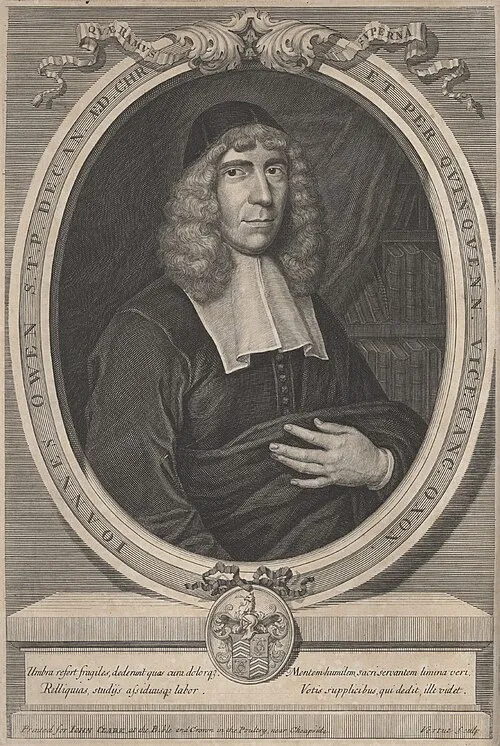
Capítulo VII.
Reglas generales, sin las cuales ninguna concupiscencia será mortificada — No hay mortificación a menos que el hombre sea creyente — Peligros de intentar la mortificación del pecado por parte de personas no regeneradas — Se considera el deber de las personas no convertidas en cuanto a este asunto de la mortificación — De ahí se descubre la vanidad de los intentos y de las reglas de los papistas para la mortificación.
II. Los caminos y los medios por los cuales un alma puede proceder a la mortificación de cualquier concupiscencia y pecado en particular, de los que Satanás se aprovecha para inquietarla y debilitarla, vienen ahora a considerarse.
Ahora bien, hay que anteponer algunas consideraciones generales, acerca de ciertos principios y fundamentos de esta obra, sin los cuales ningún hombre en el mundo, por mucho que las convicciones lo hayan levantado y por resuelto que esté a la mortificación de cualquier pecado, puede alcanzarla.
Las reglas y los principios generales, sin los cuales ningún pecado será jamás mortificado, son estos:
- A menos que un hombre sea creyente, — esto es, uno que esté verdaderamente injertado en Cristo*, — nunca puede mortificar ni un solo pecado*; no digo, a menos que sepa que lo es, sino a menos que de veras lo sea.
La mortificación es obra de creyentes: Romanos 8:13, «si por el espíritu», etc., — ustedes, creyentes, para quienes no hay condenación, versículo 1. Solo a ellos se les exhorta a ella: Colosenses 3:5, «Amortiguad, pues, vuestros miembros que están sobre la tierra». ¿Quién ha de mortificar? Ustedes, que «habéis pues resucitado con Cristo», versículo 1; «vuestra vida está escondida con Cristo en Dios», versículo 3; que «seréis manifestados con él en gloria», versículo 4. Un hombre no regenerado puede hacer algo que se le parezca; pero la obra misma, de modo que sea aceptable delante de Dios, nunca puede realizarla. Ustedes saben qué cuadro de ella se traza en algunos de los filósofos, — Séneca, Cicerón, Epicteto; ¡qué discursos llenos de afecto tienen acerca del desprecio del mundo y de sí mismos, de regular y vencer todos los afectos y pasiones exorbitantes! Las vidas de la mayoría de ellos manifestaron que sus máximas diferían de la verdadera mortificación tanto como el sol pintado en un letrero difiere del sol en el firmamento; no tenían ni luz ni calor. Su propio Luciano manifiesta lo bastante lo que todos ellos eran. No hay muerte del pecado sin la muerte de Cristo. Ustedes saben qué intentos hacen tras ella los papistas, en sus votos, penitencias y satisfacciones. Me atrevo a decir de ellos (quiero decir, de tantos de ellos como obran según los principios de su iglesia, como ellos la llaman) lo que Pablo dice de Israel en cuanto a la justicia, Romanos 9:31, 32: han seguido tras la mortificación, pero no la han alcanzado. ¿Por qué? «Porque [la seguían] no por fe, mas como por las obras de la ley». El mismo es el estado y la condición de todos los que están entre nosotros y que, en obediencia a sus convicciones y a sus conciencias despertadas, intentan abandonar el pecado: lo siguen, pero no lo alcanzan.
Es verdad: ello se exige, y se exigirá, de toda persona, cualquiera que ella sea, que oye la ley o el evangelio predicados, que mortifique el pecado. Es su deber, pero no es su deber inmediato; es su deber hacerlo, pero hacerlo al modo de Dios. Si ustedes exigen a su siervo que pague tanto dinero por ustedes en tal lugar, pero que primero vaya y lo tome en otro, es su deber pagar el dinero que se le ha señalado, y ustedes lo culparán si no lo hace; sin embargo, no era su deber inmediato, — primero había de tomarlo, conforme a la dirección de ustedes. Así es en este caso: el pecado ha de ser mortificado, pero algo ha de hacerse en primer lugar para habilitarnos para ello.
He probado que solo el Espíritu puede mortificar el pecado; él está prometido para hacerlo, y todos los demás medios sin él están vacíos y son vanos. ¿Cómo, pues, mortificará el pecado el que no tiene el Espíritu? Más fácil le sería a un hombre ver sin ojos y hablar sin lengua, que mortificar de verdad un solo pecado sin el Espíritu. Ahora bien, ¿cómo se le alcanza? Es el Espíritu de Cristo; y, como dice el apóstol, «Y si alguno no tiene el Espíritu de Cristo, el tal no es de él», Romanos 8:9; así, si somos de Cristo, si tenemos parte en él, tenemos el Espíritu, y solo así tenemos poder para la mortificación. Esto lo trata el apóstol largamente, Romanos 8:8: «Así que, los que están en la carne no pueden agradar á Dios». Es la inferencia y la conclusión que saca de su discurso anterior acerca de nuestro estado y condición naturales, y de la enemistad que allí tenemos contra Dios y contra su ley. Si estamos en la carne, si no tenemos el Espíritu, no podemos hacer cosa alguna que haya de agradar a Dios. Pero ¿cuál es nuestra liberación de esta condición? El versículo 9: «Mas vosotros no estáis en la carne, sino en el espíritu, si es que el Espíritu de Dios mora en vosotros»; — «Ustedes, creyentes, que tienen el Espíritu de Cristo, no están en la carne». No hay camino de liberación del estado y de la condición de estar en la carne, sino por el Espíritu de Cristo. ¿Y qué, si este Espíritu de Cristo está en ustedes? Pues entonces están mortificados; versículo 10: «el cuerpo á la verdad está muerto á causa del pecado», o muerto respecto de él; la mortificación sigue su curso; el hombre nuevo es vivificado para justicia. Esto lo prueba el apóstol en el versículo 11, por la unión que tenemos con Cristo mediante el Espíritu, la cual producirá en nosotros operaciones correspondientes a las que obró en él. Todos los intentos, pues, de mortificar cualquier concupiscencia, sin parte en Cristo, son vanos. Muchos hombres, llagados por el pecado y a causa del pecado, — habiéndose aguzado en sus corazones las flechas de Cristo para convicción, por la predicación de la palabra o por alguna aflicción, — se ponen con vigor contra esta o aquella concupiscencia particular con la cual sus conciencias han sido más inquietadas o turbadas. Pero, ¡pobres criaturas!, trabajan en el fuego, y su obra se consume. Cuando el Espíritu de Cristo viene a esta obra, será «como fuego purificador, y como jabón de lavadores», y purgará a los hombres como a oro y como a plata, Malaquías 3:2, 3, — quitará su escoria y su estaño, su inmundicia y su sangre, como en Isaías 4:4; pero los hombres han de ser oro y plata en el fondo, o de lo contrario el refinar no les hará bien alguno. El profeta nos da el triste fin de los mayores intentos de los hombres malos por la mortificación, por cualesquiera medios que Dios les conceda: Jeremías 6:29, 30, «Quemóse el fuelle, del fuego se ha consumido el plomo: por demás fundió el fundidor. Plata desechada los llamarán, porque Jehová los desechó». ¿Y cuál es la razón de esto? Versículo 28: eran «cobre y hierro» cuando los metieron en el horno. Los hombres pueden refinar cobre y hierro mucho tiempo sin que lleguen a ser buena plata.
Digo, pues, que la mortificación no es el negocio presente de los hombres no regenerados. Dios no los llama aún a ella; la conversión es su obra, — la conversión del alma entera, — no la mortificación de esta o de aquella concupiscencia particular. Ustedes se reirían de un hombre al que vieran levantar un gran edificio y no cuidar jamás del fundamento; sobre todo si lo vieran tan necio que, teniendo mil experiencias de que lo que un día edificaba al otro se le caía, siguiera no obstante en el mismo curso. Así pasa con las personas convencidas: aunque ven claro que el terreno que un día ganan contra el pecado al otro lo pierden, con todo seguirán por el mismo camino, sin preguntar dónde está la grieta destructora de su progreso. Cuando los judíos, ante la convicción de su pecado, fueron compungidos de corazón, Hechos 2:37, y clamaron: «¿qué haremos?», ¿qué les señala Pedro que hagan? ¿Les manda que vayan y mortifiquen su soberbia, su ira, su malicia, su crueldad y lo semejante? No; él sabía que esa no era la obra presente de ellos, sino que los llama a la conversión y a la fe en Cristo en general, versículo 38. Sea el alma primero convertida del todo, y entonces, «mirando al que traspasaron», seguirán la humillación y la mortificación. Así, cuando Juan vino a predicar arrepentimiento y conversión, dijo: «la segur está puesta á la raíz de los árboles», Mateo 3:10. Los fariseos habían estado echando cargas pesadas, imponiendo deberes tediosos y medios rígidos de mortificación, en ayunos, lavados y cosas semejantes, todo en vano. Dice Juan: «La doctrina de la conversión es para ustedes; la segur que tengo en la mano está puesta a la raíz». Y nuestro Salvador nos dice qué ha de hacerse en este caso; dice él: «¿Cógense uvas de los espinos?», Mateo 7:16. Pero supongan que un espino esté bien podado y cortado, y que se tome trabajo con él. «Sí, pero nunca llevará higos», versículos 17 y 18; no puede ser de otro modo, sino que todo árbol dé fruto según su propia especie. Qué ha de hacerse entonces nos lo dice él, Mateo 12:33: «haced el árbol bueno, y su fruto bueno». Hay que tratar con la raíz, hay que cambiar la naturaleza del árbol, o no se dará buen fruto.
A esto apunto: a menos que un hombre sea regenerado, a menos que sea creyente, todos los intentos que pueda hacer por la mortificación, por muy especiosos y prometedores que sean, — todos los medios que pueda usar, aunque los siga con cuanta diligencia, fervor, vigilancia e intención de mente y de espíritu se quiera, — no sirven para nada. En vano usará muchos remedios; no será sanado. Sí: hay diversos males desesperados que acompañan el empeño de cumplir este deber en personas convencidas que no son más que eso:
(1.) La mente y el alma se ocupan de lo que no es el negocio propio del hombre, y así él queda apartado de lo que sí lo es. Dios, por su palabra y por sus juicios, echa mano de algún pecado en él, le llaga la conciencia, le inquieta el corazón, lo priva de su descanso; ahora otras evasiones no le servirán: tiene que aplicarse a la obra que tiene delante. Siendo el negocio entre manos despertar al hombre entero para que considere el estado y la condición en que está, a fin de que sea traído de vuelta a Dios, en lugar de esto se pone a mortificar el pecado que lo llaga, — lo cual es puro fruto del amor propio, para librarse de su turbación, y de ningún modo la obra a la que es llamado, — y así queda apartado de ella. Así nos habla Dios de Efraín, cuando dice, Oseas 7:12: «extenderé sobre ellos mi red, hacerlos he caer como aves del cielo; castigarélos»: los prendió, los enredó, los convenció de que no podían escapar; dice de ellos: «Tornáronse, mas no al Altísimo»; — se pusieron a abandonar el pecado, pero no de aquel modo, por conversión universal, como Dios lo pedía. Así son los hombres apartados de venir a Dios precisamente por los caminos más gloriosos que pueden fijarse para venir a él. Y este es uno de los engaños más comunes con que los hombres arruinan sus propias almas. Ojalá que algunos, cuyo oficio es encostrar con lodo suelto en las cosas de Dios, no enseñaran este engaño ni hicieran errar al pueblo por su ignorancia. ¿Qué hacen los hombres, y a qué se les dirige tantas veces, cuando el pecado y la inquietud que viene del Señor, que ha echado mano de ellos, les llagan la conciencia? ¿No es un abandono del pecado en cuanto a la práctica — de aquel pecado con el cual, en algunos de sus frutos, están turbados — y el hacerle frente, la suma de aquello a lo que se aplican? ¿Y no se pierde con ello el fin evangélico de sus convicciones? Aquí permanecen los hombres, y perecen.
(2.) Siendo este deber una cosa buena en sí misma, en su lugar propio, un deber que evidencia sinceridad y que trae la paz a la conciencia, el hombre, al hallarse de veras empeñado en él, con la mente y el corazón puestos contra este o aquel pecado, con propósito y resolución de no tener ya nada que ver con él, está pronto a concluir que su estado y su condición son buenos, y así a engañar a su propia alma. Porque, —
[1.] Cuando su conciencia ha enfermado por el pecado, y no hallaba descanso, cuando debía ir al gran Médico de las almas y alcanzar sanidad en su sangre, el hombre, por este empeño contra el pecado, apacigua y aquieta su conciencia, y se sienta sin ir en absoluto a Cristo. ¡Ah!, ¡cuántas almas pobres son así engañadas para la eternidad! «Y verá Ephraim su enfermedad… y enviará al rey Jareb», Oseas 5:13; lo cual lo retuvo lejos de Dios. Todo el fardo de la religión papista está hecho de designios y de artificios para apaciguar la conciencia sin Cristo; todo ello descrito por el apóstol, Romanos 10:3.
[2.] Por este medio los hombres se satisfacen de que su estado y su condición son buenos, pues hacen aquello que es una obra buena en sí misma, y no la hacen para ser vistos. Saben que querrían que la obra se hiciera con sinceridad, y así se endurecen en una especie de justicia propia.
(3.) Cuando un hombre ha sido así engañado por una temporada, y ha engañado a su propia alma, y descubre en un largo curso de vida que en verdad su pecado no está mortificado, o que, si cambió uno, ha adquirido otro, empieza al fin a pensar que todo contender es en vano, — que nunca podrá prevalecer; que está levantando un dique contra un agua que crece sobre él. Entonces desiste, como quien desespera de éxito alguno, y se entrega al poder del pecado y a aquel hábito de formalidad que ha adquirido.
Y este es el desenlace habitual de las personas que intentan la mortificación del pecado sin haber obtenido primero parte en Cristo. Los engaña, los endurece, — los destruye. Y por eso vemos que de ordinario no hay en el mundo pecadores más viles y desesperados que los que, puestos por la convicción en este curso, lo han hallado sin fruto y lo han dejado sin un descubrimiento de Cristo. Y esta es la sustancia de la religión y de la piedad de los formalistas más escogidos del mundo, y de todos los que en la sinagoga romana son arrastrados a la mortificación, como se arrea a los indios al bautismo o al ganado al agua. Digo, pues, que la mortificación es obra de creyentes, y solo de creyentes. Matar el pecado es obra de hombres vivos; donde los hombres están muertos (como lo están todos los incrédulos, aun los mejores de ellos), el pecado está vivo, y vivirá.
- Es obra de la fe, la obra peculiar de la fe. Ahora bien, si hay una obra que ha de hacerse, y que será efectuada por un solo instrumento, es la mayor locura que nadie intente llevarla a cabo no teniendo ese instrumento. Ahora bien, es la fe la que purifica el corazón, Hechos 15:9; o, como habla Pedro, «Habiendo purificado vuestra almas en la obediencia de la verdad, por el Espíritu», 1 Pedro 1:22; y sin ella, no se hará.
Lo que queda dicho, supongo yo, es suficiente para dejar en pie mi primera regla general: — Asegúrense de obtener parte en Cristo; si se proponen mortificar cualquier pecado sin ella, nunca llegará a hacerse.
Obj. Ustedes dirán: «¿Qué, pues, querrías que hicieran los hombres no regenerados que están convencidos del mal del pecado? ¿Han de cesar de luchar contra el pecado, vivir en disolución, dar rienda suelta a sus concupiscencias y ser tan malos como los peores de los hombres? Este sería un camino para meter al mundo entero en confusión, para traer todas las cosas a tinieblas, para abrir de par en par las compuertas de la concupiscencia y echar las riendas sobre el cuello de los hombres, a fin de que se lancen a todo pecado con deleite y con avidez, como el caballo a la batalla».
Resp. 1. ¡No lo permita Dios! Ha de mirarse como un gran fruto de la sabiduría, de la bondad y del amor de Dios el que, por múltiples caminos y medios, se complazca en refrenar a los hijos de los hombres, para que no salgan corriendo hacia aquel ámbito de exceso y de desenfreno al cual la depravación de su naturaleza los arrastraría con violencia. Por cualquier camino que esto se haga, es fruto del cuidado, de la benignidad y de la bondad de Dios, sin lo cual la tierra entera sería un infierno de pecado y de confusión.
-
Hay en la palabra un poder peculiar de convicción, que Dios se complace muchas veces en desplegar para herir, pasmar y, en alguna medida, humillar a los pecadores, aunque nunca lleguen a convertirse. Y la palabra ha de predicarse aunque tenga este fin, mas no con este fin. Predíquese, pues, la palabra, y los pecados de los hombres [serán] reprendidos, la concupiscencia será refrenada, y se harán algunas oposiciones contra el pecado; aunque ese no sea el efecto que se busca.
-
Aunque esta sea la obra de la palabra y del Espíritu, y sea buena en sí misma, con todo no es provechosa ni eficaz en cuanto al fin principal en aquellos en quienes se obra; siguen en hiel de amargura y bajo la potestad de las tinieblas.
-
Sepan los hombres que es su deber, pero en su lugar propio; yo no aparto a los hombres de la mortificación, sino que los pongo sobre la conversión. Quien llame a un hombre, de reparar un agujero en la pared de su casa, a apagar un fuego que está consumiendo el edificio entero, no es su enemigo. ¡Pobre alma!, no es tu dedo adolorido, sino tu fiebre hética, aquello a cuya consideración has de aplicarte. Te pones contra un pecado particular, y no consideras que no eres nada sino pecado.
Permítanme añadir esto a quienes son predicadores de la palabra, o, por la buena mano de Dios, se proponen ese empleo: es deber de ellos pleitear con los hombres acerca de sus pecados, cargar el peso sobre pecados particulares, pero recordar siempre que se haga con aquello que es el fin propio de la ley y del evangelio; — esto es, que usen el pecado contra el cual hablan para descubrir el estado y la condición en que el pecador está; de otro modo, acaso, podrán reducir a los hombres a formalidad e hipocresía, pero poco se alcanzará del verdadero fin de predicar el evangelio. De nada sirve sacar a golpes a un hombre de su embriaguez para meterlo en una formalidad sobria. Un diestro maestro de las congregaciones pone la segur a la raíz y apunta siempre al corazón. Clamar contra pecados particulares de personas ignorantes y no regeneradas, de esas de que está llena la tierra, es buena obra; pero, aunque se haga con gran eficacia, vigor y éxito, si todo el efecto es que se las pone en los empeños más asiduos de mortificar los pecados que se les han predicado en contra, todo lo que se hace no es más que batir a un enemigo en campo abierto y empujarlo a un castillo inexpugnable, contra el cual no se puede prevalecer. ¿Tienen ustedes alguna vez a un pecador en ventaja, a cuenta de un pecado cualquiera? ¿Tienen algo de qué asirlo? — lleven eso a su estado y a su condición, súbanlo hasta la cabeza, y allí traten con él. Apartar a los hombres de pecados particulares, y no quebrantarles el corazón, es privarnos nosotros mismos de ventajas para tratar con ellos.
Y en esto la mortificación romana peca gravemente: empujan a ella a toda suerte de personas, sin la menor consideración de si tienen un principio para ella o no. Es más: tan lejos están de llamar a los hombres a creer, para que puedan mortificar sus concupiscencias, que llaman a los hombres a la mortificación en lugar de a creer. Lo cierto es que ni saben qué es creer, ni qué es lo que la mortificación misma pretende. La fe, para ellos, no es sino un asentimiento general a la doctrina enseñada en su iglesia; y la mortificación, el entregarse un hombre, por un voto, a cierto curso de vida, en el cual se niega algo del uso de las cosas de este mundo, no sin una compensación considerable. Tales hombres no conocen las Escrituras ni el poder de Dios. Su jactancia de su mortificación no es sino gloriarse en su vergüenza. Algunos casuistas de entre nosotros, que, pasando por alto la necesidad de la regeneración, dan abiertamente esta directriz a toda suerte de personas que se quejan de algún pecado o concupiscencia, a saber, que hagan voto contra ello, al menos por una temporada, un mes más o menos, parecen tener un escaso retazo de luz en el misterio del evangelio, muy parecido al de Nicodemo cuando vino por primera vez a Cristo. Mandan a los hombres hacer voto de abstenerse de su pecado por una temporada. Esto, de ordinario, vuelve más impetuosa su concupiscencia. Quizá con gran perplejidad cumplen su palabra; quizá no, lo cual aumenta su culpa y su tormento. ¿Queda con esto su pecado mortificado en algo? ¿Hallan una conquista sobre él? ¿Ha cambiado su condición, aunque logren abandonarlo? ¿No siguen todavía en hiel de amargura? ¿No es esto poner a los hombres a hacer ladrillo, si no sin paja, sí, lo que es peor, sin fuerza? ¿Qué promesa tiene cualquier hombre no regenerado que lo respalde en esta obra? ¿Qué ayuda para llevarla a cabo? ¿Puede el pecado ser muerto sin parte en la muerte de Cristo, o mortificado sin el Espíritu? Si tales directrices llegaran a prevalecer para cambiar la vida de los hombres, como rara vez lo hacen, con todo nunca alcanzan a cambiar el corazón ni la condición de ellos. Pueden hacer hombres de justicia propia, o hipócritas, no cristianos. Me duele muchas veces ver almas pobres, que tienen celo de Dios y deseo del bienestar eterno, retenidas por tales directores y directrices bajo un culto y un servicio de Dios duros, gravosos y exteriores, con muchos empeños especiosos de mortificación, en ignorancia total de la justicia de Cristo y sin conocimiento de su Espíritu, todos sus días. Personas y cosas de esta clase conozco demasiadas. Si alguna vez Dios resplandece en sus corazones, para darles el conocimiento de su gloria en la faz de su Hijo Jesucristo, verán la locura de su camino presente.
Ver el original (inglés)
Original en inglés
Chapter VII.
General rules, without which no lust will be mortified — No mortification unless a man be a believer — Dangers of attempting mortification of sin by unregenerate persons — The duty of unconverted persons as to this business of mortification considered — The vanity of the Papists’ attempts and rules for mortification thence discovered.
II. The waysand means whereby a soul may proceed to the mortification of any particular lust and sin, which Satan takes advantage by to disquiet and weaken him, come next under consideration.
Now, there are some general considerations to be premised, concerning some principles and foundations of this work, without which no man in the world, be he never so much raised by convictions, and resolved for the mortification of any sin, can attain thereunto.
General rules and principles, without which no sin will be ever mortified, are these:—
- Unless a man be a believer, — that is, one that is trulyingrafted into Christ*, — he can never mortify any one sin*; I do not say, unless he know himself to be so, but unless indeed he be so.
Mortification is the work of believers: Rom. viii. 13, “If ye through the Spirit,” etc., — ye believers, to whom there is no condemnation, verse 1. They alone are exhorted to it: Col. iii. 5, “Mortify therefore your members which are upon the earth.” Who should mortify? You who “are risen with Christ,” verse 1; whose “life is hid with Christ in God,” verse 3; who “shall appear with him in glory,” verse 4. An unregenerate man may do something like it; but the work itself, so as it may be acceptable with God, he can never perform. You know what a picture of it is drawn in some of the philosophers, — Seneca, Tully, Epictetus; what affectionate discourses they have of contempt of the world and self, of regulating and conquering all exorbitant affections and passions! The lives of most of them manifested that their maxims differed as much from true mortification as the sun painted on a sign-post from the sun in the firmament; they had neither light nor heat. Their own Lucian sufficiently manifests what they all were. There is no death of sin without the death of Christ. You know what attempts there are made after it by the Papists, in their vows, penances, and satisfactions. I dare say of them (I mean as many of them as act upon the principles of their church, as they call it) what Paul says of Israel in point of righteousness, Rom. ix. 31, 32, — They have followed after mortification, but they have not attained to it. Wherefore? “Because they seek it not by faith, but as it were by the works of the law.” The same is the state and condition of all amongst ourselves who, in obedience to their convictions and awakened consciences, do attempt a relinquishment of sin; — they follow after it, but they do not attain it.
It is true, it is, it will be, required of every person whatever that hears the law or gospel preached, that he mortify sin. It is his duty, but it is not his immediate duty; it is his duty to do it, but to do it in God’s way. If you require your servant to pay so much money for you in such a place, but first to go and take it up in another, it is his duty to pay the money appointed, and you will blame him if he do it not; yet it was not his immediate duty, — he was first to take it up, according to your direction. So it is in this case: sin is to be mortified, but something is to be done in the first place to enable us thereunto.
I have proved that it is the Spirit alone that can mortify sin; he is promised to do it, and all other means without him are empty and vain. How shall he, then, mortify sin that hath not the Spirit? A man may easier see without eyes, speak without a tongue, than truly mortify one sin without the Spirit. Now, how is he attained? It is the Spirit of Christ: and as the apostle says, “If we have not the Spirit of Christ, we are none of his,” Rom. viii. 9; so, if we are Christ’s, have an interest in him, we have the Spirit, and so alone have power for mortification. This the apostle discourses at large, Rom. viii. 8, “So then they that are in the flesh cannot please God.” It is the inference and conclusion he makes of his foregoing discourse about our natural state and condition, and the enmity we have unto God and his law therein. If we are in the flesh, if we have not the Spirit, we cannot do any thing that should please God. But what is our deliverance from this condition? Verse 9, “But ye are not in the flesh, but in the Spirit, if so be that the Spirit of God dwell in you;” — “Ye believers, that have the Spirit of Christ, ye are not in the flesh.” There is no way of deliverance from the state and condition of being in the flesh but by the Spirit of Christ. And what if this Spirit of Christ be in you? Why, then, you are mortified; verse 10, “The body is dead because of sin,” or unto it; mortification is carried on; the new man is quickened to righteousness. This the apostle proves, verse 11, from the union we have with Christ by the Spirit, which will produce suitable operations in us to what it wrought in him. All attempts, then, for mortification of any lust, without an interest in Christ, are vain. Many men that are galled with and for sin, the arrows of Christ for conviction, by the preaching of the word, or some affliction having been made sharp in their hearts, do vigorously set themselves against this or that particular lust, wherewith their consciences have been most disquieted or perplexed. But, poor creatures! they labour in the fire, and their work consumeth. When the Spirit of Christ comes to this work he will be “like a refiner’s fire and like fullers’ soap,” and he will purge men as gold and as silver, Mal. iii. 2, 3, — take away their dross and tin, their filth and blood, as Isa. iv. 4; but men must be gold and silver in the bottom, or else refining will do them no good. The prophet gives us the sad issue of wicked men’s utmost attempts for mortification, by what means soever that God affords them: Jer. vi. 29, 30, “The bellows are burned, and the lead is consumed of the fire; the founder melteth in vain. Reprobate silver shall men call them, because the Lord hath rejected them.” And what is the reason hereof? Verse 28, They were “brass and iron” when they were put into the furnace. Men may refine brass and iron long enough before they will be good silver.
I say, then, mortification is not the present business of unregenerate men. God calls them not to it as yet; conversion is their work, — the conversion of the whole soul, — not the mortification of this or that particular lust. You would laugh at a man that you should see setting up a great fabric, and never take any care for a foundation; especially if you should see him so foolish as that, having a thousand experiences that what he built one day fell down another, he would yet continue in the same course. So it is with convinced persons; though they plainly see, that what ground they get against sin one day they lose another, yet they will go on in the same road still, without inquiring where the destructive flaw in their progress lies. When the Jews, upon the conviction of their sin, were cut to the heart, Acts ii. 37, and cried out, “What shall we do?” what doth Peter direct them to do? Does he bid them go and mortify their pride, wrath, malice, cruelty, and the like? No; he knew that was not their present work, but he calls them to conversion and faith in Christ in general, verse 38. Let the soul be first thoroughly converted, and then, “looking on Him whom they had pierced,” humiliation and mortification will ensue. Thus, when John came to preach repentance and conversion, he said, “The axe is now laid to the root of the tree,” Matt. iii. 10. The Pharisees had been laying heavy burdens, imposing tedious duties, and rigid means of mortification, in fastings, washings, and the like, all in vain. Says John, “The doctrine of conversion is for you; the axe in my hand is laid to the root.” And our Saviour tells us what is to be done in this case; says he, “Do men gather grapes from thorns?” Matt. vii. 16. But suppose a thorn be well pruned and cut, and have pains taken with him? “Yea, but he will never bear figs,” verses 17, 18; it cannot be but every tree will bring forth fruit according to its own kind. What is then to be done, he tells us, Matt. xii. 33, “Make the tree good, and his fruit will be good.” The root must be dealt with, the nature of the tree changed, or no good fruit will be brought forth.
This is that I aim at: unless a man be regenerate, unless he be a believer, all attempts that he can make for mortification, be they never so specious and promising, — all means he can use, let him follow them with never so much diligence, earnestness, watchfulness, and intention of mind and spirit, — are to no purpose. In vain shall he use many remedies; he shall not be healed. Yea, there are sundry desperate evils attending an endeavour in convinced persons, that are no more but so, to perform this duty:—
(1.) The mind and soul is taken up about that which is not the man’s proper business, and so he is diverted from that which is so. God lays hold by his word and judgments on some sin in him, galls his conscience, disquiets his heart, deprives him of his rest; now other diversions will not serve his turn; he must apply himself to the work before him. The business in hand being to awake the whole man unto a consideration of the state and condition wherein he is, that he might be brought home to God, instead hereof he sets himself to mortify the sin that galls him, — which is a pure issue of self-love, to be freed from his trouble, and not at all to the work he is called unto, — and so is diverted from it. Thus God tells us of Ephraim, when he “spread his net upon them, and brought them down as the fowls of heaven, and chastised them,” Hos. vii. 12, caught them, entangled them, convinced them that they could not escape; saith he of them, “They return, but not to the Most High;” — they set themselves to a relinquishment of sin, but not in that manner, by universal conversion, as God called for it. Thus are men diverted from coming unto God by the most glorious ways that they can fix upon to come to him by. And this is one of the most common deceits whereby men ruin their own souls. I wish that some whose trade it is to daub with untempered mortar in the things of God did not teach this deceit, and cause the people to err by their ignorance. What do men do, what ofttimes are they directed unto, when their consciences are galled by sin and disquietment from the Lord, who hath laid hold upon them? Is not a relinquishment of the sin, as to practice, that they are, in some fruits of it, perplexed withal, and making head against it, the sum of what they apply themselves unto? and is not the gospel end of their convictions lost thereby? Here men abide and perish.
(2.) This duty being a thing good in itself, in its proper place, a duty evidencing sincerity, bringing home peace to the conscience; a man finding himself really engaged in it, his mind and heart set against this or that sin, with purpose and resolution to have no more to do with it, — he is ready to conclude that his state and condition is good, and so to delude his own soul. For, —
[1.] When his conscience hath been made sick with sin, and he could find no rest, when he should go to the great Physician of souls, and get healing in his blood, the man by this engagement against sin pacifies and quiets his conscience, and sits down without going to Christ at all. Ah! how many poor souls are thus deluded to eternity! “When Ephraim saw his sickness, he sent to king Jareb,” Hos. v. 13; which kept him off from God. The whole bundle of the popish religion is made up of designs and contrivances to pacify conscience without Christ; all described by the apostle, Rom. x. 3.
[2.] By this means men satisfy themselves that their state and condition is good, seeing they do that which is a work good in itself, and they do not do it to be seen. They know they would have the work done in sincerity, and so are hardened in a kind of self-righteousness.
(3.) When a man hath thus for a season been deluded, and hath deceived his own soul, and finds in a long course of life that indeed his sin is not mortified, or if he hath changed one he hath gotten another, he begins at length to think that all contending is in vain, — he shall never be able to prevail; he is making a dam against water that increaseth on him. Hereupon he gives over, as one despairing of any success, and yields up himself to the power of sin and that habit of formality that he hath gotten.
And this is the usual issue with persons attempting the mortification of sin without an interest in Christ first obtained. It deludes them, hardens them, — destroys them. And therefore we see that there are not usually more vile and desperate sinners in the world than such as, having by conviction been put on this course, have found it fruitless, and deserted it without a discovery of Christ. And this is the substance of the religion and godliness of the choicest formalists in the world, and of all those who in the Roman synagogue are drawn to mortification, as they drive Indians to baptism or cattle to water. I say, then, that mortification is the work of believers, and believers only. To kill sin is the work of living men; where men are dead (as all unbelievers, the best of them, are dead), sin is alive, and will live.
- It is the work of faith, the peculiar work of faith. Now, if there be a work to be done that will be effected by one only instrument, it is the greatest madness for any to attempt the doing of it that hath not that instrument. Now, it is faith that purifies the heart, Acts xv. 9; or, as Peter speaks, we “purify our souls in obeying the truth through the Spirit,” 1 Pet. i. 22; and without it, it will not be done.
What hath been spoken I suppose is sufficient to make good my first general rule:— Be sure to get an interest in Christ; if you intend to mortify any sin without it, it will never be done.
Obj. You will say, “What, then, would you have unregenerate men that are convinced of the evil of sin do? Shall they cease striving against sin, live dissolutely, give their lusts their swing, and be as bad as the worst of men? This were a way to set the whole world into confusion, to bring all things into darkness, to set open the flood-gates of lust, and lay the reins upon the necks of men to rush into all sin with delight and greediness, like the horse into the battle.”
Ans. 1. God forbid! It is to be looked on as a great issue of the wisdom, goodness, and love of God, that by manifold ways and means he is pleased to restrain the sons of men from running forth into that compass of excess and riot which the depravedness of their nature would carry them out unto with violence. By what way soever this is done, it is an issue of the care, kindness, and goodness of God, without which the whole earth would be a hell of sin and confusion.
-
There is a peculiar convincing power in the word, which God is oftentimes pleased to put forth, to the wounding, amazing, and, in some sort, humbling of sinners, though they are never converted. And the word is to be preached though it hath this end, yet not with this end. Let, then, the word be preached, and the sins of men [will be] rebuked, lust will be restrained, and some oppositions will be made against sin; though that be not the effect aimed at.
-
Though this be the work of the word and Spirit, and it be good in itself, yet it is not profitable nor available as to the main end in them in whom it is wrought; they are still in the gall of bitterness, and under the power of darkness.
-
Let men know it is their duty, but in its proper place; I take not men from mortification, but put them upon conversion. He that shall call a man from mending a hole in the wall of his house, to quench a fire that is consuming the whole building, is not his enemy. Poor soul! it is not thy sore finger but thy hectic fever that thou art to apply thyself to the consideration of. Thou settest thyself against a particular sin, and dost not consider that thou art nothing but sin.
Let me add this to them who are preachers of the word, or intend, through the good hand of God, that employment: It is their duty to plead with men about their sins, to lay load on particular sins, but always remember that it be done with that which is the proper end of law and gospel; — that is, that they make use of the sin they speak against to the discovery of the state and condition wherein the sinner is; otherwise, haply, they may work men to formality and hypocrisy, but little of the true end of preaching the gospel will be brought about. It will not avail to beat a man off from his drunkenness into a sober formality. A skilful master of the assemblies lays his axe at the root, drives still at the heart. To inveigh against particular sins of ignorant, unregenerate persons, such as the land is full of, is a good work; but yet, though it may be done with great efficacy, vigour, and success, if this be all the effect of it, that they are set upon the most sedulous endeavours of mortifying their sins preached down, all that is done is but like the beating of an enemy in an open field, and driving him into an impregnable castle, not to be prevailed against. Get you at any time a sinner at the advantage, on the account of any one sin whatever? have you any thing to take hold of him by? — bring it to his state and condition, drive it up to the head, and there deal with him. To break men off particular sins, and not to break their hearts, is to deprive ourselves of advantages of dealing with them.
And herein is the Roman mortification grievously peccant; they drive all sorts of persons to it, without the least consideration whether they have a principle for it or no. Yea, they are so far from calling on men to believe, that they may be able to mortify their lusts, that they call men to mortification instead of believing. The truth is, they neither know what it is to believe nor what mortification itself intends. Faith with them is but a general assent to the doctrine taught in their church; and mortification the betaking of a man by a vow to some certain course of life, wherein he denies himself something of the use of the things of this world, not without a considerable compensation. Such men know neither the Scriptures nor the power of God. Their boasting of their mortification is but their glorying in their shame. Some casuists among ourselves, who, overlooking the necessity of regeneration, do avowedly give this for a direction to all sorts of persons that complain of any sin or lust, that they should vow against it, at least for a season, a month or so, seem to have a scantling of light in the mystery of the gospel, much like that of Nicodemus when he came first to Christ. They bid men vow to abstain from their sin for a season. This commonly makes their lust more impetuous. Perhaps with great perplexity they keep their word; perhaps not, which increases their guilt and torment. Is their sin at all mortified hereby? Do they find a conquest over it? Is their condition changed, though they attain a relinquishment of it? Are they not still in the gall of bitterness? Is not this to put men to make brick, if not without straw, yet, which is worse, without strength? What promise hath any unregenerate man to countenance him in this work? what assistance for the performance of it? Can sin be killed without an interest in the death of Christ, or mortified without the Spirit? If such directions should prevail to change men’s lives, as seldom they do, yet they never reach to the change of their hearts or conditions. They may make men self-justiciaries or hypocrites, not Christians. It grieves me ofttimes to see poor souls, that have a zeal for God and a desire of eternal welfare, kept by such directors and directions under a hard, burdensome, outside worship and service of God, with many specious endeavours for mortification, in an utter ignorance of the righteousness of Christ, and unacquaintedness with his Spirit, all their days. Persons and things of this kind I know too many. If ever God shine into their hearts, to give them the knowledge of his glory in the face of his Son Jesus Christ, they will see the folly of their present way.
https://sermonesbiblicos.org/biblioteca/la-mortificacion-del-pecado-07-reglas-generales/