Sermones Bíblicos
Capítulo IV. El vigor y el consuelo de la vida espiritual
John Owen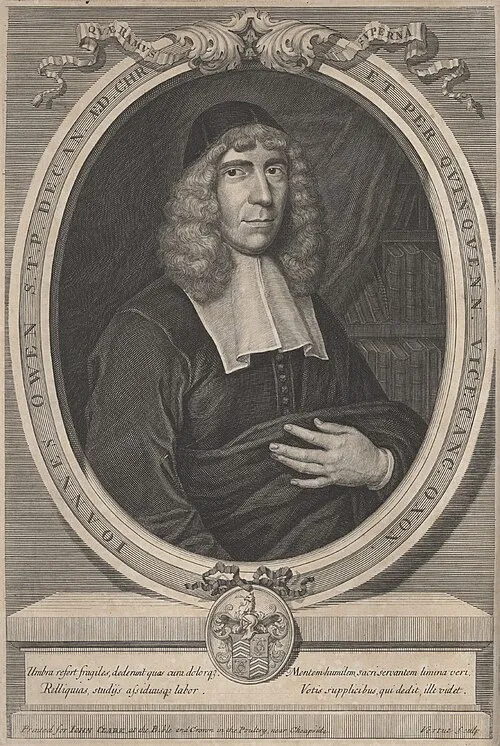
Capítulo IV.
El último principio; de la utilidad de la mortificación — El vigor y el consuelo de nuestras vidas espirituales dependen de nuestra mortificación — En qué sentido — No de modo absoluto y necesario; Salmos 88, la condición de Hemán — No como de la causa próxima e inmediata — Como un medio; quitando lo contrario — Los efectos funestos de cualquier concupiscencia no mortificada; debilita el alma, Salmos 38:3, 8, de diversas maneras, y la oscurece — Todas las gracias fortalecidas por la mortificación del pecado — La mejor evidencia de la sinceridad.
El último principio en que he de insistir (omitiendo, primero, la necesidad de la mortificación para la vida y, en segundo lugar, la certeza de la vida tras la mortificación) es: —
III. Que la vida, el vigor y el consuelo de nuestra vida espiritual dependen mucho de nuestra mortificación del pecado.
La fuerza y el consuelo, y el poder y la paz, en nuestro andar con Dios, son las cosas de nuestros deseos. Si a cualquiera de nosotros se le preguntara en serio qué es lo que nos turba, habríamos de remitirlo a uno de estos apartados: o nos falta fuerza o poder, vigor y vida, en nuestra obediencia, en nuestro andar con Dios; o nos falta paz, consuelo y consolación en ello. Cualquier cosa que pueda sobrevenirle a un creyente y que no pertenezca a uno de estos dos apartados no merece ser mencionada en los días de nuestras quejas.
Ahora bien, todas estas cosas dependen mucho de un curso constante de mortificación, acerca de lo cual observen: —
-
No digo que procedan de ella, como si estuvieran necesariamente atadas a ella. Un hombre puede ser llevado en un curso constante de mortificación todos sus días y, con todo, quizá nunca goce un buen día de paz y consolación. Así fue con Hemán, Salmos 88; su vida fue una vida de mortificación perpetua y de andar con Dios, y, con todo, los terrores y las heridas fueron su porción todos sus días. Pero Dios señaló a Hemán, un amigo escogido, para hacer de él un ejemplo para los que después habían de estar en angustia. ¿Puedes quejarte si no te va de otro modo que como le fue a Hemán, aquel eminente siervo de Dios? Y esta será su alabanza hasta el fin del mundo. Dios hace prerrogativa suya el hablar paz y consolación, Isaías 57:18, 19. «Yo haré esa obra», dice Dios, «lo consolaré», versículo 18. ¿Pero cómo? Por una obra inmediata de la nueva creación: «Yo lo crío», dice Dios. El uso de los medios para obtener la paz es nuestro; el otorgamiento de ella es prerrogativa de Dios.
-
En los caminos instituidos por Dios para darnos vida, vigor, ánimo y consolación, la mortificación no es una de las causas inmediatas de ello. Son los privilegios de nuestra adopción, dados a conocer a nuestras almas, los que nos dan inmediatamente estas cosas. «El Espíritu dando testimonio a nuestro espíritu de que somos hijos de Dios», el darnos un nombre nuevo y una piedrecita blanca, la adopción y la justificación —esto es, en cuanto al sentido y al conocimiento de ellas—, son las causas inmediatas (en la mano del Espíritu) de estas cosas. Pero esto digo: —
-
En nuestro andar ordinario con Dios, y en un curso ordinario de su trato con nosotros, el vigor y el consuelo de nuestras vidas espirituales dependen mucho de nuestra mortificación, no solo como «causa sine qua non», sino como una cosa que tiene una influencia eficaz en ello. Porque: —
(1.) Solo esto impide que el pecado nos prive de lo uno y de lo otro.
Todo pecado no mortificado hará con certeza dos cosas: — [1.] Debilitará el alma, y la privará de su vigor. [2.] Oscurecerá el alma, y la privará de su consuelo y de su paz.
[1.] Debilita el alma, y la priva de su fuerza. Cuando David albergó por un tiempo una concupiscencia no mortificada en su corazón, esta le quebró todos los huesos y no le dejó fuerza espiritual alguna; de ahí que se quejara de estar enfermo, débil, herido, desfallecido. «No hay sanidad en mi carne», dice él, Salmos 38:3; «Estoy debilitado y molido en gran manera», versículo 8; «no puedo levantar la vista», Salmos 40:12. Una concupiscencia no mortificada se beberá el espíritu y todo el vigor del alma, y la debilitará para todos los deberes. Porque: —
Primero, destempla y saca de su temple al corazón mismo, enredando sus afectos. Aparta al corazón del temple espiritual que se requiere para una comunión vigorosa con Dios; se apodera de los afectos, haciendo amado y deseable el objeto de ella, y expulsando así el amor del Padre, 1 Juan 2:15; 3:17; de modo que el alma no puede decir a Dios con rectitud y verdad: «Tú eres mi porción», teniendo otra cosa a la que ama. El temor, el deseo y la esperanza, que son los afectos selectos del alma, los que deberían estar llenos de Dios, quedarán de un modo u otro enredados con ella.
En segundo lugar, llena los pensamientos de maquinaciones acerca de ella. Los pensamientos son los grandes proveedores del alma, para traer provisión con que satisfacer sus afectos; y si el pecado permanece no mortificado en el corazón, han de estar, una y otra vez, haciendo provisión para la carne, a fin de cumplir las concupiscencias de ella. Han de barnizar, adornar y ataviar los objetos de la carne, y traerlos a casa para dar satisfacción; y esto son capaces de hacerlo, al servicio de una imaginación contaminada, más allá de toda expresión.
En tercer lugar, irrumpe y estorba de hecho el deber. El ambicioso tiene que estar estudiando, el mundano tiene que estar trabajando o tramando, y la persona sensual y vana tiene que estar proveyéndose para la vanidad, cuando deberían estar ocupados en el culto de Dios.
Si fuera este mi asunto presente, exponer las brechas, la ruina, la debilidad y las desolaciones que una sola concupiscencia no mortificada traerá sobre un alma, este discurso tendría que extenderse mucho más allá de mi propósito.
[2.] Así como el pecado debilita, así oscurece el alma. Es una nube, una nube espesa, que se extiende sobre el rostro del alma e intercepta todos los rayos del amor y del favor de Dios. Quita todo sentido del privilegio de nuestra adopción; y si el alma comienza a recoger pensamientos de consolación, el pecado pronto los dispersa: de lo cual se hablará después.
Ahora bien, a este respecto dependen de nuestra mortificación el vigor y el poder de nuestra vida espiritual: es el único medio de quitar aquello que no ha de concedernos ni lo uno ni lo otro. Los hombres enfermos y heridos bajo el poder de la concupiscencia hacen muchas peticiones de ayuda; claman a Dios cuando la perplejidad de sus pensamientos los abruma; aun a Dios claman, pero no son librados; en vano usan muchos remedios: «no se sanarán». Así, Oseas 5:13: «vio Ephraim su enfermedad, y Judá su llaga»; y probaron diversos remedios: nada valdrá hasta que (versículo 15) «conozcan su pecado». Los hombres pueden ver su enfermedad y sus heridas; pero, con todo, si no hacen las aplicaciones debidas, su curación no se efectuará.
(2.) La mortificación poda todas las gracias de Dios, y les hace lugar en nuestros corazones para que crezcan. La vida y el vigor de nuestras vidas espirituales consisten en el vigor y el florecimiento de las plantas de la gracia en nuestros corazones. Ahora bien, como pueden ver ustedes en un jardín, sea plantada una hierba preciosa, quede la tierra sin labrar y crezcan malas hierbas en derredor de ella: quizá siga viva, pero será una cosa pobre, que se marchita, inútil. Tienen que mirarla y buscarla, y a veces apenas pueden hallarla; y cuando la hallan, apenas aciertan a saber si es la planta que buscan o no; y, suponiendo que lo sea, no pueden hacer de ella uso alguno. En cambio, póngase otra de la misma especie en la tierra, por naturaleza tan estéril y mala como la otra, pero desyérbese bien, y quítese de ella todo lo que es nocivo y dañino: florece y prospera; pueden verla al primer vistazo al jardín, y tenerla para su uso cuando quieran. Así es con las gracias del Espíritu que están plantadas en nuestros corazones. Es verdad: están todavía; permanecen en un corazón donde hay algún descuido de la mortificación; pero están para morir, Apocalipsis 3:2, se marchitan y decaen. El corazón es como el campo del perezoso, tan cubierto de malas hierbas que apenas pueden ver el buen grano. Tal hombre puede buscar la fe, el amor y el celo, y apenas hallar alguna; y si descubre que estas gracias están ahí todavía vivas y sinceras, con todo son tan débiles, tan atascadas por las concupiscencias, que son de muy poca utilidad; permanecen, en verdad, pero están para morir. Pero ahora, sea el corazón limpiado por la mortificación, sean las malas hierbas de la concupiscencia arrancadas de raíz constantemente y cada día (pues brotan cada día, siendo la naturaleza su suelo propio), hágase lugar para que la gracia prospere y florezca: ¡cómo hará cada gracia su parte, y estará pronta para todo uso y todo propósito!
(3.) En cuanto a nuestra paz: así como no hay nada que tenga evidencia alguna de sinceridad sin ella, así no conozco nada que tenga en sí una evidencia tal de sinceridad como la que hay en ella; lo cual no es fundamento pequeño de nuestra paz. La mortificación es la oposición vigorosa del alma contra el yo, en la cual la sinceridad es sumamente evidente.
Ver el original (inglés)
Original en inglés
Chapter IV.
The last principle; of the usefulness of mortification — The vigour and comfort of our spiritual lives depend on our mortification — In what sense — Not absolutely and necessarily; Ps. lxxxviii., Heman’s condition — Not as on the next and immediate cause — As a means; by removing of the contrary — The desperate effects of any unmortified lust; it weakens the soul, Ps. xxxviii. 3, 8, sundry ways, and darkens it — All graces improved by the mortification of sin — The best evidence of sincerity.
The last principle I shall insist on (omitting, first, the necessity of mortification unto life, and, secondly, the certainty of life upon mortification) is, —
III. That the life, vigour, and comfort of our spiritual life depend much on our mortification of sin.
Strength and comfort, and power and peace, in our walking with God, are the things of our desires. Were any of us asked seriously, what it is that troubles us, we must refer it to one of these heads:— either we want strength or power, vigour and life, in our obedience, in our walking with God; or we want peace, comfort, and consolation therein. Whatever it is that may befall a believer that doth not belong to one of these two heads, doth not deserve to be mentioned in the days of our complaints.
Now, all these do much depend on a constant course of mortification, concerning which observe, —
-
I do not say they proceed from it, as though they were necessarily tied to it. A man may be carried on in a constant course of mortification all his days; and yet perhaps never enjoy a good day of peace and consolation. So it was with Heman, Ps. lxxxviii.; his life was a life of perpetual mortification and walking with God, yet terrors and wounds were his portion all his days. But God singled out Heman, a choice friend, to make him an example to them that afterward should be in distress. Canst thou complain if it be no otherwise with thee than it was with Heman, that eminent servant of God? and this shall be his praise to the end of the world. God makes it his prerogative to speak peace and consolation, Isa. lvii. 18, 19. “I will do that work,” says God, “I will comfort him,” verse 18. But how? By an immediate work of the new creation: “I create it,” says God. The use of means for the obtaining of peace is ours; the bestowing of it is God’s prerogative.
-
In the ways instituted by God for to give us life, vigour, courage, and consolation, mortification is not one of the immediate causes of it. They are the privileges of our adoption made known to our souls that give us immediately these things. “The Spirit bearing witness with our spirits that we are the children of God,” giving us a new name and a white stone, adoption and justification, — that is, as to the sense and knowledge of them, — are the immediate causes (in the hand of the Spirit) of these things. But this I say, —
-
In our ordinary walking with God, and in an ordinary course of his dealing with us, the vigour and comfort of our spiritual lives depend much on our mortification, not only as a “causa sine qua non,” but as a thing that hath an effectual influence thereinto. For, —
(1.) This alone keeps sin from depriving us of the one and the other.
Every unmortified sin will certainly do two things:— [1.] It will weaken the soul, and deprive it of its vigour. [2.] It will darken the soul, and deprive it of its comfort and peace.
[1.] It weakens the soul, and deprives it of its strength. When David had for a while harboured an unmortified lust in his heart, it broke all his bones, and left him no spiritual strength; hence he complained that he was sick, weak, wounded, faint. “There is,” saith he, “no soundness in me,” Ps. xxxviii. 3; “I am feeble and sore broken,” verse 8; “yea, I cannot so much as look up,” Ps. xl. 12. An unmortified lust will drink up the spirit, and all the vigour of the soul, and weaken it for all duties. For, —
1st. It untunes and unframes the heart itself, by entangling its affections. It diverts the heart from the spiritual frame that is required for vigorous communion with God; it lays hold on the affections, rendering its object beloved and desirable, so expelling the love of the Father, 1 John. ii. 15, iii 17; so that the soul cannot say uprightly and truly to God, “Thou art my portion,” having something else that it loves. Fear, desire, hope, which are the choice affections of the soul, that should be full of God, will be one way or other entangled with it.
2dly. It fills the thoughts with contrivances about it. Thoughts are the great purveyors of the soul to bring in provision to satisfy its affections; and if sin remain unmortified in the heart, they must ever and anon be making provision for the flesh, to fulfil the lusts thereof. They must glaze, adorn, and dress the objects of the flesh, and bring them home to give satisfaction; and this they are able to do, in the service of a defiled imagination, beyond all expression.
3dly. It breaks out and actually hinders duty. The ambitious man must be studying, and the worldling must be working or contriving, and the sensual, vain person providing himself for vanity, when they should be engaged in the worship of God.
Were this my present business, to set forth the breaches, ruin, weakness, desolations, that one unmortified lust will bring upon a soul, this discourse must be extended much beyond my intendment.
[2.] As sin weakens, so it darkens the soul. It is a cloud, a thick cloud, that spreads itself over the face of the soul, and intercepts all the beams of God’s love and favour. It takes away all sense of the privilege of our adoption; and if the soul begins to gather up thoughts of consolation, sin quickly scatters them: of which afterward.
Now, in this regard doth the vigour and power of our spiritual life depend on our mortification: It is the only means of the removal of that which will allow us neither the one nor the other. Men that are sick and wounded under the power of lust make many applications for help; they cry to God when the perplexity of their thoughts overwhelms them, even to God do they cry, but are not delivered; in vain do they use many remedies, — “ they shall not be healed.” So, Hos. v. 13, “Ephraim saw his sickness, and Judah his wound,” and attempted sundry remedies: nothing will do until they come (verse 15) to “acknowledge their offence.” Men may see their sickness and wounds, but yet, if they make not due applications, their cure will not be effected.
(2.) Mortification prunes all the graces of God, and makes room for them in our hearts to grow. The life and vigour of our spiritual lives consists in the vigour and flourishing of the plants of grace in our hearts. Now, as you may see in a garden, let there be a precious herb planted, and let the ground be untilled, and weeds grow about it, perhaps it will live still, but be a poor, withering, unuseful thing. You must look and search for it, and sometimes can scarce find it; and when you do, you can scarce know it, whether it be the plant you look for or no; and suppose it be, you can make no use of it at all. When, let another of the same kind be set in the ground, naturally as barren and bad as the other, but let it be well weeded, and every thing that is noxious and hurtful removed from it, — it flourishes and thrives; you may see it at first look into the garden, and have it for your use when you please. So it is with the graces of the Spirit that are planted in our hearts. That is true; they are still, they abide in a heart where there is some neglect of mortification; but they are ready to die, Rev. iii. 2, they are withering and decaying. The heart is like the sluggard’s field, — so overgrown with weeds that you can scarce see the good corn. Such a man may search for faith, love, and zeal, and scarce be able to find any; and if he do discover that these graces are there yet alive and sincere, yet they are so weak, so clogged with lusts, that they are of very little use; they remain, indeed, but are ready to die. But now let the heart be cleansed by mortification, the weeds of lust constantly and daily rooted up (as they spring daily, nature being their proper soil), let room be made for grace to thrive and flourish, — how will every grace act its part, and be ready for every use and purpose!
(3.) As to our peace; as there is nothing that hath any evidence of sincerity without it, so I know nothing that hath such an evidence of sincerity in it; — which is no small foundation of our peace. Mortification is the soul’s vigorous opposition to self, wherein sincerity is most evident.
https://sermonesbiblicos.org/biblioteca/la-mortificacion-del-pecado-04-vigor-y-consuelo/