Sermones Bíblicos
Capítulo III. El Espíritu, único autor de la mortificación
John Owen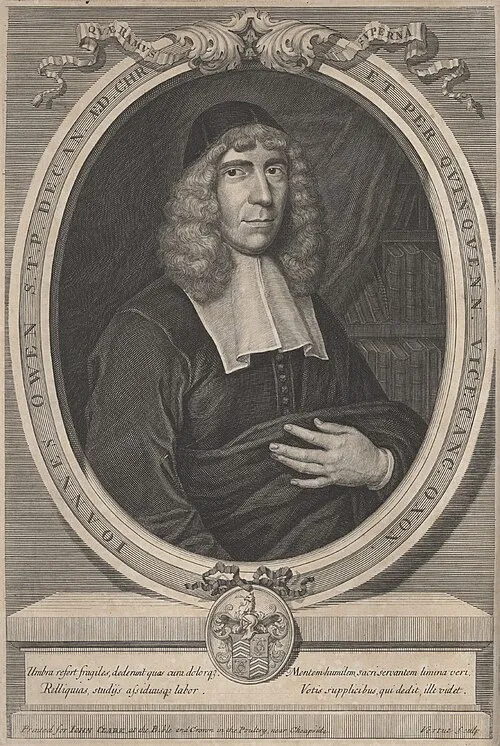
Capítulo III.
El segundo principio general de los medios de la mortificación, propuesto para confirmación — El Espíritu, único autor de esta obra — Vanidad de la mortificación papista, descubierta — Muchos medios de ella usados por ellos, no señalados por Dios — Los señalados por él, abusados — Los errores de otros en este asunto — El Espíritu prometido a los creyentes para esta obra, Ezequiel 11:19, 36:26 — Todo lo que recibimos de Cristo es por el Espíritu — Cómo mortifica el pecado el Espíritu — Gálatas 5:19–23 — Las diversas maneras de su operación con este fin, propuestas — Cómo su obra y nuestro deber.
El principio que sigue atañe a la gran causa soberana de la mortificación de que se trata; la cual, en las palabras puestas por fundamento de este discurso, se dice que es el Espíritu, — esto es, el Espíritu Santo, como ya se demostró.
II. Solo él es suficiente para esta obra; todos los caminos y medios sin él son como una cosa de nada; y él es el gran eficiente de ella, — obra en nosotros como a él le place.
- En vano buscan los hombres otros remedios; no serán sanados por ellos. Es cosa sabida qué caminos tan diversos se han prescrito para esto, para conseguir que el pecado sea mortificado. La mayor parte de la religión papista, de aquello que en su profesión más parece religión, consiste en caminos y medios errados de mortificación. Este es el pretexto de sus vestidos ásperos, con los cuales engañan. Sus votos, sus órdenes religiosas, sus ayunos, sus penitencias, todos están edificados sobre este fundamento; todos son para la mortificación del pecado. Sus predicaciones, sus sermones y sus libros de devoción, todos miran hacia este lado. De aquí que quienes interpretan las langostas que salieron del pozo del abismo, Apocalipsis 9:3, como los frailes de la iglesia romana, de los cuales se dice que atormentan a los hombres, de modo que «buscarán los hombres la muerte, y no la hallarán», versículo 6, piensan que lo hacían por medio de sus sermones punzantes, con los cuales los convencían de pecado, pero, no pudiendo descubrir el remedio para sanarlo y mortificarlo, los mantenían en tal angustia y terror perpetuos, y en tal turbación de sus conciencias, que deseaban morir. Esto, digo, es la sustancia y la gloria de su religión; pero, lo uno, porque se afanan en mortificar criaturas muertas, ignorantes de la naturaleza y del fin de la obra, — lo otro, por el veneno que mezclaron con ella, en su persuasión del mérito de tal obra, sí, de la supererogación (como denominan su mérito innecesario, con un título soberbio y bárbaro), — su gloria es su vergüenza: pero de ellos y de su mortificación, más adelante, capítulo 7.
Es cosa sabida que los caminos y medios que se han de usar para la mortificación del pecado, inventados por ellos, siguen siendo aquello en que se insiste, y siguen siendo prescritos, para el mismo fin, por algunos que debieran tener más luz y conocimiento del evangelio. Tales directrices con este propósito se han dado últimamente por algunos, y otros que se profesan protestantes las atrapan con avidez: tales que habrían cuadrado a devotos papistas de hace trescientos o cuatrocientos años. Tales empeños exteriores, tales ejercicios corporales, tales cumplimientos propios, tales deberes meramente legales, sin la menor mención de Cristo o de su Espíritu, se barnizan con palabras hinchadas de vanidad, para hacerlos pasar por los únicos medios y arbitrios de la mortificación del pecado, lo cual descubre una falta de trato, profundamente arraigada, con el poder de Dios y con el misterio del evangelio. La consideración de esto fue un motivo para publicar este discurso llano.
Ahora bien, las razones por las cuales los papistas nunca pueden, con todos sus esfuerzos, mortificar de verdad ni un solo pecado, son, entre otras, estas: —
(1.) Porque muchos de los caminos y medios que usan, y en los cuales insisten para este fin, nunca fueron señalados por Dios para ese propósito. (Ahora bien, no hay nada en la religión que tenga eficacia alguna para alcanzar un fin, sino la que tiene por haberlo Dios señalado para ese propósito.) Tales son sus vestidos ásperos, sus votos, penitencias, disciplinas, su género de vida monástica, y cosas semejantes; acerca de todo lo cual dirá Dios: «¿Quién demandó esto de vuestras manos?», y: «Mas en vano me honráis, enseñando doctrinas [y] mandamientos de hombres.» De la misma naturaleza son diversas vejaciones de sí mismos en las que insisten otros.
(2.) Porque aquellas cosas que Dios ha señalado como medios no las usan ellos en su debido lugar y orden, — tales como la oración, el ayuno, el velar, la meditación y cosas semejantes. Estas tienen su uso en el asunto que tenemos entre manos; pero, debiendo todas ser miradas como arroyos, ellos las miran como la fuente. Debiendo efectuar y cumplir el fin solo como medios, subordinados al Espíritu y a la fe, ellos entienden que lo hacen en virtud de la obra obrada. Si ayunan tanto, y oran tanto, y guardan sus horas y sus tiempos, la obra está hecha. Como dice el apóstol de algunos en otro caso: «Que siempre aprenden, y nunca pueden acabar de llegar al conocimiento de la verdad»; así ellos siempre están mortificando, pero nunca llegan a mortificación sana alguna. En una palabra, tienen diversos medios para mortificar al hombre natural, en cuanto a la vida natural que aquí llevamos; ninguno para mortificar la concupiscencia o la corrupción.
Este es el error general de los hombres ignorantes del evangelio acerca de esta cosa; y yace en el fondo de muchísima de esa superstición y culto voluntario que se ha introducido en el mundo. ¡Qué horribles maceraciones de sí mismos practicaron algunos de los antiguos autores de la devoción monástica! ¡Qué violencia hicieron a la naturaleza! ¡A qué extremo de sufrimientos se sometieron! Escudriñen sus caminos y sus principios hasta el fondo, y hallarán que no tenía otra raíz sino este error, a saber: que, al intentar una mortificación rígida, cayeron sobre el hombre natural en lugar del viejo hombre corrompido, — sobre el cuerpo en el cual vivimos en lugar del cuerpo de muerte.
Tampoco lo hará el papismo natural que hay en otros. Los hombres quedan llagados por la culpa de un pecado que ha prevalecido sobre ellos; al instante prometen a sí mismos y a Dios que no volverán a hacerlo así; se vigilan a sí mismos, y oran por un tiempo, hasta que este calor se enfría y el sentido del pecado se desgasta: y así también se va la mortificación, y el pecado vuelve a su dominio de antes. Los deberes son alimento excelente para un alma que no está sana; no son medicina para un alma enferma. El que convierte su comida en su medicina no espere gran efecto. Los hombres espiritualmente enfermos no pueden sudar su destemplanza a fuerza de trabajar. Pero este es el camino de los hombres que engañan a sus propias almas; como veremos más adelante.
Que ninguno de estos caminos sea suficiente es evidente por la naturaleza misma de la obra que ha de hacerse; es una obra que requiere en sí tantas actuaciones concurrentes que ningún esfuerzo propio puede alcanzarlas, y es de tal género que una energía todopoderosa es necesaria para su cumplimiento; como se manifestará más adelante.
- Es, pues, la obra del Espíritu. Porque, —
(1.) Él es prometido por Dios para sernos dado a fin de hacer esta obra. Quitar el corazón de piedra, — esto es, el corazón obstinado, soberbio, rebelde, incrédulo, — es en general la obra de mortificación de que tratamos. Ahora bien, esto se promete siempre que lo hará el Espíritu, Ezequiel 11:19, 36:26: «Daré mi Espíritu, y quitaré el corazón de piedra»; y por el Espíritu de Dios es obrada esta obra cuando todos los medios fallan, Isaías 57:17, 18.
(2.) Toda nuestra mortificación la tenemos del don de Cristo, y todos los dones de Cristo nos son comunicados y nos son dados por el Espíritu de Cristo: «sin mí nada podéis hacer», Juan 15:5. Todas las comunicaciones de provisión y de alivio, en los comienzos, los aumentos y las actuaciones de cualquier gracia que sea, procedentes de él, son por el Espíritu, por quien solo él obra en los creyentes y sobre ellos. De él tenemos nuestra mortificación: Él es «ensalzado» y hecho «Príncipe y Salvador, para dar arrepentimiento a nosotros», Hechos 5:31; y de nuestro arrepentimiento nuestra mortificación no es porción pequeña. ¿Cómo lo hace? Habiendo «recibido del Padre la promesa del Espíritu Santo», lo envía fuera con ese fin, Hechos 2:33. Ustedes conocen las múltiples promesas que hizo de enviar al Espíritu, como dice Tertuliano, «Vicariam navare operam» [N. del T.: «prestar servicio en su lugar»], para hacer las obras que él había de cumplir en nosotros.
La resolución de una o dos preguntas me llevará ahora más cerca de lo que principalmente me propongo.
La primera es: ¿Cómo mortifica el pecado el Espíritu?
Respondo, en general, de tres maneras:—
[1.] Haciendo que nuestros corazones abunden en gracia y en los frutos que son contrarios a la carne, y a los frutos de ella y a los principios de estos. Así el apóstol opone los frutos de la carne y los del Espíritu: «Los frutos de la carne», dice, «son tales y tales», Gálatas 5:19–21; «pero», dice, «los frutos del Espíritu son del todo contrarios, de un género del todo distinto», versículos 22, 23. Sí; pero ¿y si estos están en nosotros y abundan? ¿no pueden abundar también los otros? No, dice él, versículo 24: «los que son de Cristo, han crucificado la carne con los afectos y concupiscencias.» ¿Pero cómo? Pues, versículo 25: «Si vivimos en el Espíritu, andemos también en el Espíritu»; — esto es, por la abundancia de estas gracias del Espíritu en nosotros, y andando conforme a ellas. Porque, dice el apóstol, «estas cosas se oponen la una á la otra», versículo 17; de modo que no pueden estar ambas en el mismo sujeto, en grado alguno intenso o alto. Esta «renovación del Espíritu Santo», como se le llama, Tito 3:5, es una gran manera de mortificación; él hace que crezcamos, prosperemos, florezcamos y abundemos en aquellas gracias que son contrarias, opuestas y destructivas para todos los frutos de la carne, y para la quietud o el prosperar del mismo pecado que mora dentro.
[2.] Por una eficiencia física real sobre la raíz y el hábito del pecado, para debilitarlo, destruirlo y quitarlo. De aquí que se le llame «espíritu de juicio y espíritu de ardimiento», Isaías 4:4, que realmente consume y destruye nuestras concupiscencias. Quita el corazón de piedra por una eficiencia todopoderosa; porque, así como comienza la obra en cuanto a su género, así la lleva adelante en cuanto a sus grados. Él es el fuego que quema la raíz misma de la concupiscencia.
[3.] Trae la cruz de Cristo al corazón de un pecador por la fe, y nos da comunión con Cristo en su muerte, y participación en sus padecimientos: acerca de la manera de lo cual, más adelante.
En segundo lugar. Si esta es la obra del Espíritu solo, ¿cómo es que se nos exhorta a ella? — ya que solo el Espíritu de Dios puede hacerla, déjese la obra enteramente a él.
[1.] No es de otro modo obra del Espíritu, sino como son suyas todas las gracias y buenas obras que hay en nosotros. Él «es el que en vosotros obra así el querer como el hacer, por su buena voluntad», Filipenses 2:13; él obra «en nosotros todas nuestras obras», Isaías 26:12, — «obra de fe con potencia», 2 Tesalonicenses 1:11, Colosenses 2:12; nos hace orar, y es «Espíritu de oración», Romanos 8:26, Zacarías 12:10; y con todo se nos exhorta, y se nos ha de exhortar, a todas estas.
[2.] Él no obra nuestra mortificación en nosotros de un modo tal que deje de seguir siendo un acto de nuestra obediencia. El Espíritu Santo obra en nosotros y sobre nosotros según somos aptos para que se obre en nosotros y sobre nosotros; esto es, de modo que conserve nuestra propia libertad y nuestra obediencia libre. Obra sobre nuestros entendimientos, voluntades, conciencias y afectos, conforme a sus propias naturalezas; obra en nosotros y con nosotros, no contra nosotros ni sin nosotros; de suerte que su asistencia es un aliento en cuanto a facilitar la obra, y ninguna ocasión de descuido en cuanto a la obra misma. Y, en verdad, podría yo aquí lamentar el trabajo interminable y necio de las pobres almas que, convencidas de pecado, y no pudiendo hacer frente al poder de sus convicciones, se ponen, por innumerables caminos y deberes enredosos, a mantener bajo el pecado, pero, siendo extrañas al Espíritu de Dios, todo en vano. Combaten sin victoria, tienen guerra sin paz, y están en esclavitud todos sus días. Gastan su fuerza en lo que no es pan, y su trabajo en lo que no aprovecha.
Esta es la guerra más triste en que puede empeñarse cualquier pobre criatura. Un alma bajo el poder de la convicción procedente de la ley es constreñida a pelear contra el pecado, pero no tiene fuerza para el combate. No pueden sino pelear, y nunca pueden vencer; son como hombres empujados sobre la espada de los enemigos a propósito para ser muertos. La ley los empuja hacia adelante, y el pecado los rechaza hacia atrás. A veces piensan, en efecto, que han derrotado al pecado, cuando solo han levantado un polvo tal que no lo ven; esto es, destemplan sus afectos naturales de temor, tristeza y angustia, lo cual les hace creer que el pecado está vencido cuando no ha sido tocado. Para cuando están fríos, tienen que volver a la batalla; y la concupiscencia que creían muerta parece no haber tenido herida alguna.
Y si tan triste es el caso de aquellos que trabajan y se esfuerzan, y con todo no entran en el reino, ¿cuál es la condición de los que desprecian todo esto; que están perpetuamente bajo el poder y el dominio del pecado, y aman que así sea; y a quienes nada turba, sino no poder hacer provisión suficiente para la carne, a fin de cumplir las concupiscencias de ella?
Ver el original (inglés)
Original en inglés
Chapter III.
The second general principle of the means of mortification proposed to confirmation — The Spirit the only author of this work — Vanity of popish mortification discovered — Many means of it used by them not appointed of God — Those appointed by him abused — The mistakes of others in this business — The Spirit is promised believers for this work, Ezek. xi. 19, xxxvi. 26 — All that we receive from Christ is by the Spirit — How the Spirit mortifies sin — Gal. v. 19–23 — The several ways of his operation to this end proposed — How his work and our duty.
The next principle relates to the great sovereign cause of the mortification treated of; which, in the words laid for the foundation of this discourse, is said to be the Spirit, — that is, the Holy Ghost, as was evinced.
II. He only is sufficient for this work; all ways and means without him are as a thing of nought; and he is the great efficient of it, — he works in us as he pleases.
- In vain do men seek other remedies; they shall not be healed by them. What several ways have been prescribed for this, to have sin mortified, is known. The greatest part of popish religion, of that which looks most like religion in their profession, consists in mistaken ways and means of mortification. This is the pretence of their rough garments, whereby they deceive. Their vows, orders, fastings, penances, are all built on this ground; they are all for the mortifying of sin. Their preachings, sermons, and books of devotion, they look all this way. Hence, those who interpret the locusts that came out of the bottomless pit, Rev. ix. 3, to be the friars of the Romish church, who are said to torment men, so “that they should seek death and not find it,” verse 6, think that they did it by their stinging sermons, whereby they convinced them of sin, but being not able to discover the remedy for the healing and mortifying of it, they kept them in such perpetual anguish and terror, and such trouble in their consciences, that they desired to die. This, I say, is the substance and glory of their religion; but what with their labouring to mortify dead creatures, ignorant of the nature and end of the work, — what with the poison they mixed with it, in their persuasion of its merit, yea, supererogation (as they style their unnecessary merit, with a proud, barbarous title), — their glory is their shame: but of them and their mortification more afterward, chap. vii.
That the ways and means to be used for the mortification of sin invented by them are still insisted on and prescribed, for the same end, by some who should have more light and knowledge of the gospel, is known. Such directions to this purpose have of late been given by some, and are greedily catched at by others professing themselves Protestants, as might have become popish devotionists three or four hundred years ago. Such outside endeavours, such bodily exercises, such self-performances, such merely legal duties, without the least mention of Christ or his Spirit, are varnished over with swelling words of vanity, for the only means and expedients for the mortification of sin, as discover a deep-rooted unacquaintedness with the power of God and mystery of the gospel. The consideration hereof was one motive to the publishing of this plain discourse.
Now, the reasons why the Papists can never, with all their endeavours, truly mortify any one sin, amongst others, are, —
(1.) Because many of the ways and means they use and insist upon for this end were never appointed of God for that purpose. (Now, there is nothing in religion that hath any efficacy for compassing an end, but it hath it from God’s appointment of it to that purpose.) Such as these are their rough garments, their vows, penances, disciplines, their course of monastical life, and the like; concerning all which God will say, “Who hath required these things at your hand?” and, “In vain do ye worship me, teaching for doctrines the traditions of men.” Of the same nature are sundry self-vexations insisted on by others.
(2.) Because those things that are appointed of God as means are not used by them in their due place and order, — such as are praying, fasting, watching, meditation, and the like. These have their use in the business in hand; but whereas they are all to be looked on as streams, they look on them as the fountain. Whereas they effect and accomplish the end as means only, subordinate to the Spirit and faith, they look on them to do it by virtue of the work wrought. If they fast so much, and pray so much, and keep their hours and times, the work is done. As the apostle says of some in another case, “They are always learning, never coming to the knowledge of the truth;” so they are always mortifying, but never come to any sound mortification. In a word, they have sundry means to mortify the natural man, as to the natural life here we lead; none to mortify lust or corruption.
This is the general mistake of men ignorant of the gospel about this thing; and it lies at the bottom of very much of that superstition and will-worship that hath been brought into the world. What horrible self-macerations were practised by some of the ancient authors of monastical devotion! what violence did they offer to nature! what extremity of sufferings did they put themselves upon! Search their ways and principles to the bottom, and you will find that it had no other root but this mistake, namely, that attempting rigid mortification, they fell upon the natural man instead of the corrupt old man, — upon the body wherein we live instead of the body of death.
Neither will the natural Popery that is in others do it. Men are galled with the guilt of a sin that hath prevailed over them; they instantly promise to themselves and God that they will do so no more; they watch over themselves, and pray for a season, until this heat waxes cold, and the sense of sin is worn off: and so mortification goes also, and sin returns to its former dominion. Duties are excellent food for an unhealthy soul; they are no physic for a sick soul. He that turns his meat into his medicine must expect no great operation. Spiritually sick men cannot sweat out their distemper with working. But this is the way of men who deceive their own souls; as we shall see afterward.
That none of these ways are sufficient is evident from the nature of the work itself that is to be done; it is a work that requires so many concurrent actings in it as no self-endeavour can reach unto, and is of that kind that an almighty energy is necessary for its accomplishment; as shall be afterward manifested.
- It is, then, the work of the Spirit. For, —
(1.) He is promised of God to be given unto us to do this work. The taking away of the stony heart, — that is, the stubborn, proud, rebellious, unbelieving heart, — is in general the work of mortification that we treat of. Now this is still promised to be done by the Spirit, Ezek. xi. 19, xxxvi. 26, “I will give my Spirit, and take away the stony heart;” and by the Spirit of God is this work wrought when all means fail, Isa. lvii. 17, 18.
(2.) We have all our mortification from the gift of Christ, and all the gifts of Christ are communicated to us and given us by the Spirit of Christ: “Without Christ we can do nothing,” John xv. 5. All communications of supplies and relief, in the beginnings, increasings, actings of any grace whatever, from him, are by the Spirit, by whom he alone works in and upon believers. From him we have our mortification: “He is exalted and made a Prince and a Saviour, to give repentance unto us,” Acts v. 31; and of our repentance our mortification is no small portion. How doth he do it? Having “received the promise of the Holy Ghost,” he sends him abroad for that end, Acts ii. 33. You know the manifold promises he made of sending the Spirit, as Tertullian speaks, “Vicariam navare operam,” to do the works that he had to accomplish in us.
The resolution of one or two questions will now lead me nearer to what I principally intend.
The first is, How doth the Spirit mortify sin?
I answer, in general, three ways:—
[1.] By causing our hearts to abound in grace and the fruits that are contrary to the flesh, and the fruits thereof and principles of them. So the apostle opposes the fruits of the flesh and of the Spirit: “The fruits of the flesh,” says he, “are so and so,” Gal. v. 19–21; “but,” says he, “the fruits of the Spirit are quite contrary, quite of another sort,” verses 22, 23. Yea; but what if these are in us and do abound, may not the other abound also? No, says he, verse 24, “They that are Christ’s have crucified the flesh with the affections and lusts.” But how? Why, verse 25, “By living in the Spirit and walking after the Spirit;” — that is, by the abounding of these graces of the Spirit in us, and walking according to them. For, saith the apostle, “These are contrary one to another,” verse 17; so that they cannot both be in the same subject, in any intense or high degree. This “renewing of us by the Holy Ghost,” as it is called, Tit. iii. 5, is one great way of mortification; he causes us to grow, thrive, flourish, and abound in those graces which are contrary, opposite, and destructive to all the fruits of the flesh, and to the quiet or thriving of indwelling sin itself.
[2.] By a real physical efficiency on the root and habit of sin, for the weakening, destroying, and taking it away. Hence he is called a “Spirit of judgment and burning,” Isa. iv. 4, really consuming and destroying our lusts. He takes away the stony heart by an almighty efficiency; for as he begins the work as to its kind, so he carries it on as to its degrees. He is the fire which burns up the very root of lust.
[3.] He brings the cross of Christ into the heart of a sinner by faith, and gives us communion with Christ in his death, and fellowship in his sufferings: of the manner whereof more afterward.
Secondly. If this be the work of the Spirit alone, how is it that we are exhorted to it? — seeing the Spirit of God only can do it, let the work be left wholly to him.
[1.] It is no otherwise the work of the Spirit but as all graces and good works which are in us are his. He “works in us to will and to do of his own good pleasure,” Phil. ii. 13; he works “all our works in us,” Isa. xxvi. 12, — “the work of faith with power,” 2 Thess. i. 11, Col. ii. 12; he causes us to pray, and is a “Spirit of supplication,” Rom. viii. 26, Zech. xii 10; and yet we are exhorted, and are to be exhorted, to all these.
[2.] He doth not so work our mortification in us as not to keep it still an act of our obedience. The Holy Ghost works in us and upon us, as we are fit to be wrought in and upon; that is, so as to preserve our own liberty and free obedience. He works upon our understandings, wills, consciences, and affections, agreeably to their own natures; he works in us and with us, not against us or without us; so that his assistance is an encouragement as to the facilitating of the work, and no occasion of neglect as to the work itself. And, indeed, I might here bewail the endless, foolish labour of poor souls, who, being convinced of sin, and not able to stand against the power of their convictions, do set themselves, by innumerable perplexing ways and duties, to keep down sin, but, being strangers to the Spirit of God, all in vain. They combat without victory, have war without peace, and are in slavery all their days. They spend their strength for that which is not bread, and their labour for that which profiteth not.
This is the saddest warfare that any poor creature can be engaged in. A soul under the power of conviction from the law is pressed to fight against sin, but hath no strength for the combat. They cannot but fight, and they can never conquer; they are like men thrust on the sword of enemies on purpose to be slain. The law drives them on, and sin beats them back. Sometimes they think, indeed, that they have foiled sin, when they have only raised a dust that they see it not; that is, they distemper their natural affections of fear, sorrow, and anguish, which makes them believe that sin is conquered when it is not touched. By that time they are cold, they must to the battle again; and the lust which they thought to be slain appears to have had no wound.
And if the case be so sad with them who do labour and strive, and yet enter not into the kingdom, what is their condition who despise all this; who are perpetually under the power and dominion of sin, and love to have it so; and are troubled at nothing, but that they cannot make sufficient provision for the flesh, to fulfil the lusts thereof?
https://sermonesbiblicos.org/biblioteca/la-mortificacion-del-pecado-03-el-espiritu-unico-autor/