Sermones Bíblicos
Avivamiento en el ministerio
Horatius Bonar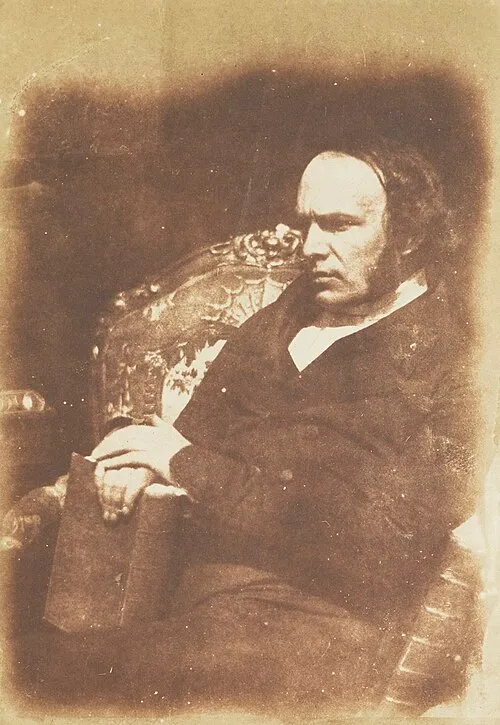
Avivamiento en el ministerio
«Ten cuidado de ti mismo.» —1 Timoteo 4:16.
Es más fácil hablar o escribir acerca del avivamiento que emprenderlo. Hay tanta basura que barrer; tantos estorbos levantados por uno mismo con los que hay que lidiar; tantos hábitos viejos que vencer; tanta pereza y tanta comodidad de ánimo contra las que hay que luchar; tanta rutina ministerial que romper; y tanta crucifixión, tanto de sí mismo como del mundo, que hay que padecer. Como dijo Cristo del espíritu inmundo que los discípulos no pudieron echar fuera, así podemos decir nosotros de estas cosas: «Este linaje no sale sino por oración y ayuno.» Así pensaba un ministro del siglo diecisiete; pues, después de lamentar los males tanto de su vida como de su ministerio, resuelve de este modo emprender la renovación de ambos. (1) «A imitación de Cristo y de sus apóstoles, y para conseguir que se haga el bien, me propongo levantarme temprano todas las mañanas, Job 1:5; 2 Crónicas 36:15. (2) Preparar, tan pronto como me haya levantado, alguna obra que haya de hacerse, y cómo y cuándo hacerla; aplicar a ella mi corazón, 1 Timoteo 4:7, y al anochecer pedirme cuentas a mí mismo, y llorar mis faltas. (3) Emplear cada día una porción suficiente de tiempo en la oración, la lectura, la meditación y los ejercicios espirituales; por la mañana, al mediodía, por la tarde, y antes de irme a la cama. (4) Una vez al mes, ya sea al fin o a la mitad de él, guardo un día de humillación por la condición pública; por el pueblo del Señor y su triste condición; por el levantamiento de la obra y del pueblo de Dios. (5) Empleo, además de esto, un día por mi propia condición particular, en el conflicto con los males espirituales, y para que mi corazón se vuelva más santo, o para llevar a cabo algún ejercicio especial, una vez cada seis meses. (6) Empleo cada semana, una vez, cuatro horas además de mi porción diaria en secreto, por algunas causas especiales que atañen ya a mí mismo, ya a otros. (7) Emplear algún tiempo el sábado, hacia la noche, en la preparación para el día del Señor. (8) Emplear seis o siete días seguidos, una vez al año, cuando tenga la mayor comodidad, entera y únicamente en asuntos espirituales.»
Tal fue el modo en que emprendió el avivamiento personal y ministerial. Tomemos ejemplo de él. Si él lo necesitaba mucho, nosotros lo necesitamos más.
En los siglos quinto y sexto, Gildas y Salviano se levantaron para alarmar y despertar a una iglesia descuidada y a un ministerio formal. En el dieciséis, tal fue la tarea que recayó sobre los Reformadores. En el diecisiete, Baxter, entre otros, tomó una parte destacada en estimular la piedad lánguida y las energías adormecidas de sus compañeros de ministerio. En el dieciocho, Dios levantó a algunos hombres escogidos y nobles para despertar a la iglesia, y abrir el camino hacia una carrera más alta y más osada del deber ministerial. El diecinueve no necesita menos de algún influjo estimulante semejante. Hemos experimentado muchos síntomas de vida, pero la masa todavía no ha sido vivificada. Necesitamos algún nuevo Baxter que nos despierte con su voz y con su ejemplo. Es melancólico ver la cantidad de languidez ministerial y de ineficacia que todavía se extiende sobre nuestra tierra. ¡Hasta cuándo, oh Señor, hasta cuándo!
La infusión de vida nueva en el ministerio debe ser objeto de un esfuerzo más directo y especial, así como de una oración más unida y más ferviente. Hacia los estudiantes, los predicadores, los ministros de la iglesia cristiana, deben dirigirse en mayor medida las oraciones de los cristianos. Es un ministerio vivo lo que nuestra tierra necesita; y sin un ministerio tal no puede esperar escapar por mucho tiempo de los juicios de Dios. Necesitamos hombres que se gasten y se dejen gastar: que trabajen y oren, que velen y lloren por las almas.
En la vida de Myconius, el amigo de Lutero, según la da Melchior Adam, tenemos el siguiente relato, hermoso y sorprendente, de un suceso que vino a ser el punto decisivo de su historia, y que lo llevó a dedicar sus energías a la causa de Cristo. La primera noche que entró en el monasterio, con intención de hacerse monje, soñó; y le pareció que recorría solo un vasto desierto. De pronto apareció un guía, y lo condujo adelante hasta un valle hermosísimo, regado por un arroyo agradable; pero de aquel no se le permitió gustar; luego, hasta una fuente de mármol de agua pura. Intentó arrodillarse y beber; cuando, ¡he aquí!, un Salvador crucificado se presentó a la vista, de cuyas heridas brotaba el caudal copioso. En un momento su guía lo arrojó dentro de la fuente. Su boca se encontró con las heridas que manaban, y bebió dulcísimamente, ¡para no tener sed jamás! No bien se hubo él mismo refrescado, su guía lo llevó aparte para enseñarle qué grandes cosas había todavía de hacer por el Crucificado, cuyas heridas preciosas habían derramado el agua viva en su alma. Llegó a una llanura que se extendía a lo ancho, cubierta de mies ondeante. Su guía le ordena segar. Él se excusa, diciendo que es del todo inhábil para tal labor. «Lo que no sabes, lo aprenderás», fue la respuesta. Se acercaron más, y vio a un segador solitario que se afanaba con la hoz con esfuerzo tan prodigioso, como si estuviera resuelto a segar él solo todo el campo. El guía le ordena unirse a este obrero y, tomando una hoz, le muestra cómo proceder. De nuevo el guía lo llevó a un collado. Él contempla la vasta llanura debajo de sí y, maravillado, pregunta cuánto tiempo llevará segar un campo tal con tan pocos obreros. «Antes del invierno ha de hincarse la última hoz», respondió su guía. «Sigue adelante con todas tus fuerzas. El Señor de la mies enviará pronto más segadores.» Cansado de su labor, Myconius descansó un poco. De nuevo el Crucificado estaba a su lado, consumido y desfigurado en su aspecto. El guía puso la mano sobre Myconius, diciendo: «Has de ser conformado a él.» Con estas palabras despertó el que soñaba. Pero despertó a una vida de celo y de amor. Halló al Salvador para su propia alma, y salió a predicar de él a otros. Ocupó su lugar al lado de aquel noble segador, Martín Lutero. Lo estimuló su ejemplo, y trabajó con él en el vasto campo, hasta que los obreros se levantaron por todos lados, y la mies fue segada antes de que llegara el invierno. La lección para nosotros es: hinquen las hoces. Los campos están blancos, y son anchos en su extensión; los obreros son pocos, pero ya hay algunos entregados que se afanan allí. En otros años hemos visto a Whitefield y a Hill desplegar sus esfuerzos enormes, como si quisieran segar ellos solos todo el campo. Unámonos a tales hombres, y el Señor de la mies no nos dejará afanarnos solos.
«¿Cuándo piensas detenerte?» fue la pregunta que una vez le hizo un amigo a Rowland Hill. «Hasta que lo hayamos llevado todo por delante», fue la pronta respuesta. Tal es también nuestra respuesta. Los campos son vastos, el grano blanquea, la mies ondea; y por gracia saldremos con nuestras hoces, para no descansar jamás hasta que nos recostemos donde el Cordero mismo nos guíe, junto a las fuentes vivas de aguas, y donde Dios enjugue el sudor del trabajo de nuestras frentes cansadas, y seque todas las lágrimas de la tierra de nuestros ojos que lloran. Algunos de nosotros somos jóvenes y estamos frescos; muchos días pueden quedar todavía, en la providencia de Dios, por delante de nosotros. Estos han de ser días de labor esforzada, incesante, perseverante y, si Dios nos bendice, con éxito. Trabajaremos hasta quedar gastados y ser puestos a descansar.
Muchos de nuestros lectores han visto, no lo dudamos, un pequeño volumen de Vincent, el ministro no conformista, acerca de la gran peste y el gran incendio de Londres. Su título es «La voz terrible de Dios en la ciudad». En él hay una descripción de la manera en que los ministros fieles que permanecieron en medio del peligro cumplieron sus deberes solemnes para con los habitantes moribundos, y de la manera en que las multitudes aterradas pendían de sus labios, con avidez y el aliento en suspenso, para beber la salvación antes de que la peste temida los arrebatara al sepulcro. Las iglesias fueron abiertas de par en par, pero los púlpitos estaban en silencio, porque no había quien los ocupara; los asalariados habían huido. Entonces la fiel compañía de perseguidos de Dios salió de sus escondites para llenar los púlpitos abandonados. Entonces se pusieron en pie en medio de los moribundos y de los muertos, para proclamar vida eterna a hombres que esperaban la muerte antes del día siguiente. Predicaban a tiempo y fuera de tiempo. Lo mismo les daba el día de entre semana que el día del Señor. La hora podía ser canónica o no canónica; no importaba. No se paraban en puntos sutiles de regularidad o irregularidad eclesiástica; alzaron su voz como trompeta, y no se reservaron. Cada sermón podía ser el último. Las sepulturas yacían abiertas en derredor de ellos; la vida parecía ahora no ya meramente un palmo, sino un cabello; la muerte estaba ahora más cerca que nunca; la eternidad se destacaba en toda su vasta realidad; se sentía que las almas eran preciosas; las oportunidades ya no habían de desperdiciarse; cada hora poseía un valor superior a la riqueza de los reinos; el mundo era ahora una sombra que pasa y se desvanece, y los días del hombre sobre la tierra habían sido acortados, de los setenta años, al abrir y cerrar de un ojo. ¡Oh, cómo predicaban! Ningún período pulido, ningún argumento erudito, ningún párrafo trabajado, enfriaba sus llamamientos, ni volvía ininteligibles sus discursos. Ningún temor del hombre, ningún amor del aplauso popular, ningún temor demasiado escrupuloso de las expresiones fuertes, ningún miedo a la excitación o al entusiasmo, les impidió derramar todo el fervor de sus corazones, que anhelaban por las almas moribundas con ternura indecible. «El Viejo Tiempo», dice Vincent, «parecía estar a la cabeza del púlpito, con su gran guadaña, diciendo con voz ronca: “Trabaja mientras se llama hoy; de noche yo te segaré”. La Muerte adusta parecía estar al lado del púlpito, con su saeta aguda, diciendo: “Dispara tú las saetas de Dios, y yo dispararé las mías”. La sepultura parecía yacer abierta al pie del púlpito, con polvo en su seno, diciendo: “Haz resonar tu clamor a Dios, a los hombres, y cumple ahora tu encargo; aquí has de yacer: boca cerrada, aliento ido, y en silencio en el polvo”.»
«Los ministros tenían ahora llamamientos que los despertaban a la seriedad y al fervor en su obra ministerial; a predicar al lado y al borde de la fosa en la cual miles se precipitaban. Ahora hay tal concurso enorme de gente en las iglesias donde se hallan estos ministros, que muchas veces no pueden acercarse a las puertas del púlpito por la apretura, sino que se ven obligados a trepar por encima de los bancos hasta ellas; y se veía en las asambleas un semblante como rara vez se había visto antes en Londres; miradas tan ansiosas, oídos tan abiertos, atención tan ávida, como si cada palabra que caía de la boca de los ministros hubiera de ser comida.»
Así predicaban, y así oían, en aquellos días de terror y de muerte. Los hombres iban entonces en serio, tanto al hablar como al oír. No había frialdad, ni languidez, ni oratoria estudiada. En verdad predicaban como moribundos a moribundos. Pero la pregunta es: ¿Debería ser alguna vez de otro modo? ¿Debería haber alguna vez menos fervor al predicar, o menos avidez al oír, del que hubo entonces? Cierto: la vida era entonces un poco más corta, pero eso era todo. La muerte y sus desenlaces siguen siendo los mismos. La eternidad sigue siendo la misma. El alma sigue siendo la misma. La salvación sigue siendo la misma. El cielo y el infierno siguen siendo los mismos. Solo se añadió entonces un elemento pequeño, que no siempre existe en tal grado; a saber, la mayor brevedad de la vida. Pero esa era toda la diferencia. ¿Por qué, pues, habría de ser menos ferviente nuestra predicación, menos afectuosos nuestros llamamientos, menos urgente nuestra instancia? Estamos unos pocos pasos más lejos de la orilla de la eternidad; eso es todo. El tiempo puede ser un poco más largo de lo que era entonces, pero solo un poquito. Sus consecuencias eternas siguen siendo tan trascendentales, tan inmutables. ¡Ciertamente es nuestra incredulidad la que hace la diferencia! Es la incredulidad la que hace a los ministros tan fríos en su predicación, tan perezosos en las visitas, y tan remisos en todos sus deberes sagrados. Es la incredulidad la que enfría la vida y estrecha el corazón. Es la incredulidad la que hace que los ministros manejen las realidades eternas con tal irreverencia. Es la incredulidad la que hace que suban con paso tan ligero a «aquel lugar tremendo, el púlpito», para tratar con seres inmortales acerca del cielo y del infierno. Oigan uno de los llamamientos de Richard Baxter: Un ministro fallecido hace poco solía decir que siempre le gustaba salir de sus rodillas hacia aquel lugar tremendo, el púlpito. En verdad un lugar tremendo: un lugar donde cualquier grado de calor es excusable, y donde la frialdad no solo es injustificable, sino horrible. «Amo a los que truenan la Palabra», dijo Whitefield. «El mundo cristiano está en un sueño profundo. Nada sino una voz fuerte puede despertarlos de él.»
«He estado pronto a maravillarme, cuando he oído proclamar cosas de tanto peso, de cómo puede la gente contenerse de clamar en la congregación; y mucho más, de cómo pueden sosegarse hasta haber ido a sus ministros, y haber aprendido lo que deben hacer. ¡Oh, que el cielo y el infierno no obren más sobre los hombres! ¡Oh, que la eternidad no obre más! ¡Oh, cómo pueden ustedes, cuando están solos, contenerse de pensar consigo mismos qué es estar para siempre en gozo o en tormento! Me asombra que tales pensamientos no les rompan el sueño; y que no les vengan a la mente cuando están en su labor. Me asombra cómo pueden ponerse a hacer cualquier otra cosa; cómo pueden tener quietud alguna en su mente; cómo pueden comer, o beber, o descansar, hasta haber alcanzado algún fundamento de consolaciones eternas. ¿Es hombre, o es cadáver, quien no se conmueve con asuntos de tanto momento? ¿quien puede estar más pronto para dormir que para temblar, cuando oye cómo ha de comparecer ante el tribunal de Dios? ¿Es hombre, o es un terrón de barro, quien puede levantarse o acostarse sin quedar profundamente afectado por su estado eterno? ¿quien puede seguir su negocio mundano, y no hacer caso del gran negocio de la salvación o de la condenación; y eso, cuando saben que está ya a las puertas? En verdad, señores, cuando pienso en el peso del asunto, me asombro de los mejores mismos entre los santos de Dios sobre la tierra, de que no sean mejores, y no hagan más en un caso de tanto peso. Me asombro de aquellos a quienes el mundo tiene por más santos de lo que es menester, y a quienes escarnece por hacer demasiado alboroto, de que puedan despachar a Cristo y a sus almas con tan poco; de que no derramen su alma en cada súplica; de que no estén más absortos en Dios; de que sus pensamientos no sean más serios al preparar sus cuentas. Me asombro de que no sean cien veces más estrictos en su vida, y más laboriosos e incansables en la lucha por la corona, de lo que son. Y en cuanto a mí, así como me avergüenzo de mi corazón torpe y descuidado, y de mi curso de vida lento y sin provecho, así, el Señor lo sabe, me avergüenzo de cada sermón que predico; cuando pienso en aquello de que he estado hablando, y en quién me envió, y en que la salvación o la condenación de los hombres va tan de por medio en ello, estoy a punto de temblar, no sea que Dios me juzgue como menospreciador de sus verdades y de las almas de los hombres, y no sea que en el mejor sermón yo sea culpable de su sangre. Me parece que no debiéramos decir a los hombres una sola palabra, en asuntos de tal consecuencia, sin lágrimas, o sin el mayor empeño de que seamos capaces; si no fuéramos nosotros demasiado culpables del pecado que reprendemos, así sería. Ya estemos solos o en compañía, me parece que nuestro fin, y un fin tal, debería estar siempre en nuestra mente, y como delante de nuestros ojos; y antes habríamos de olvidar cualquier cosa, y tener en poco cualquier cosa, o todas las cosas, que tener en poco esto.»
No vamos en serio ni al predicar ni al oír. Si lo fuéramos, ¿podríamos ser tan fríos, tan sin oración, tan inconsecuentes, tan perezosos, tan mundanos, tan poco parecidos a hombres cuyo negocio versa por entero sobre la eternidad? Hemos de ir más en serio, si queremos ganar almas. Hemos de ir más en serio, si queremos andar en las pisadas de nuestro amado Señor, o si queremos cumplir los votos que pesan sobre nosotros. Hemos de ir más en serio, si queremos ser menos que hipócritas. Hemos de ir más en serio, si queremos acabar nuestra carrera con gozo, y obtener la corona en la venida del Maestro. Hemos de obrar mientras es de día; la noche viene, cuando nadie puede obrar.
Ver el original (inglés)
Original en inglés
Revival in the Ministry
“Take heed unto thyself.” —1 Timothy 4:16.
It is easier to speak or write about revival than to set about it. There is so much rubbish to be swept out; so many self-raised hinderances to be dealt with; so many old habits to be overcome; so much sloth and easy-mindedness to be contended with; so much of ministerial routine to be broken through; and so much crucifixion, both of self and of the world, to be undergone. As Christ said of the unclean spirit which the disciples could not cast out, so we may say of these: “This kind goeth not out but by prayer and fasting.” So thought a minister in the seventeenth century; for, after lamenting the evils both of his life and his ministry, he thus resolves to set about their renewal. (1) ” In imitation of Christ and his apostles, and to get good done, I purpose to rise timely every morning, Job i. 5; 2 Chron. xxxvi. 15. (2) To prepare as soon as I am up some work to be done, and how and when to do it; to engage my heart to it, 1 Tim. iv. 7, and at even to call myself to account, and to mourn over my failings. (3) To spend a competent portion of time every day in prayer, reading, meditating, spiritual exercises; morning, mid-day, evening, and ere I go to bed. (4) Once in the month, either the end or middle of it, I keep a day of humiliation for the public condition; for the Lord’s people and their sad condition; for the raising up the work and people of God. (5) I spend, besides this, one day for my own private condition, in conflicting with spiritual evils, and to get my heart more holy, or to get some special exercise accomplished, once in six months. (6) I spend every week, once, four hours over and above my daily portion in private, for some special causes relating either to myself or others. (7) To spend some time on Saturday, towards night, for preparation for the Sabbath. (8) To spend six or seven days together, once a year, when I have greatest conveniency, wholly and only on spiritual accounts.”
Such was the way in which he set about personal and ministerial revival. Let us take an example from him. If he needed it much, we need it more.
In the fifth and sixth centuries, Gildas and Salvian arose to alarm and arouse a careless church and a formal ministry. In the sixteenth, such was the task which devolved on the Reformers. In the seventeenth, Baxter, among others, took a prominent part in stimulating the languid piety and dormant energies of his fellow-ministers. In the eighteenth, God raised up some choice and noble men to awaken the church, and lead the way to a higher and bolder career of ministerial duty. The nineteenth stands no less in need of some such stimulating influence. We have experienced many symptoms of life, but still the mass is not quickened. We require some new Baxter to arouse us by his voice and his example. It is melancholy to see the amount of ministerial languor and inefficiency that still overspreads our land. How long, O Lord, how long!
The infusion of new life into the ministry ought to be the object of more direct and special effort, as well as of more united and fervent prayer. To the students, the preachers, the ministers of the Christian church, the prayers of the Christians ought more largely to be directed. It is a living ministry that our country needs; and without such a ministry it can not long expect to escape the judgments of God. We need men that will spend and be spent—that will LABOR AND PRAY— THAT WILL WATCH AND WEEP FOR SOULS.
In the life of Myconius, the friend of Luther, as given by Melchior Adam, we have the following beautiful and striking account of an event which proved the turning point in his history, and led him to devote his energies to the cause of Christ. The first night that he entered the monastery, intending to become a monk, he dreamed; and it seemed as if he was ranging a vast wilderness alone. Suddenly a guide appeared, and led him onwards to a most lovely vale, watered by a pleasant stream; but of that he was not permitted to taste: then to a marble fountain of pure water. He tried to kneel and drink; when, lo! a crucified Saviour stood forth to view, from whose wounds gushed the copious stream. In a moment his guide flung him into the fountain. His mouth met the flowing wounds, and he drank most sweetly, never to thirst again! No sooner was he refreshed himself than he was led away by his guide to be taught what great things he was yet to do for the crucified One whose precious wounds had poured the living water into his soul. He came to a wide stretching plain covered with waving grain. His guide orders him to reap. He excuses himself by saying that he is wholly unskilled in such labor. “What you know not you shall learn,” was the reply. They came nearer, and he saw a solitary reaper toiling at the sickle with such prodigious effort, as if he were determined to reap the whole field himself. The guide orders him to join this laborer, and, seizing a sickle, shows him how to proceed. Again, the guide led him to a hill. He surveys the vast plain beneath him, and, wondering, asks how long it will take to reap such a field with so few laborers? “Before winter the last sickle must be thrust in,” replied his guide. “Proceed with all your might. The Lord of the harvest will send more reapers soon.” Wearied with his labor, Myconius rested for a little. Again the crucified One was at his side, wasted and marred in form. The guide laid his hand on Myconius, saying: ” You must be conformed to him.” With these words the dreamer awoke. But he awoke to a life of zeal and love. He found the Saviour for his own soul, and he went forth to preach of him to others. He took his place by the side of that noble reaper, Martin Luther. He was stimulated by his example, and toiled with him in the vast field, till laborers arose on every side, and the harvest was reaped before the winter came. The lesson to us is, thrust in your sickles. The fields are white, and they are wide in compass; the laborers are few, but there are some devoted ones toiling there already. In other years we have seen Whitefield and Hill putting forth their enormous efforts, as if they would reap the whole field alone. Let us join ourselves to such men, and the Lord of the harvest will not leave us to toil alone.
“When do you intend to stop?” was the question once put by a friend to Rowland Hill. “Not till we have carried all before us,” was the prompt reply. Such is our answer too. The fields are vast, the grain whitens, the harvest waves; and through grace we shall go forth with our sickles, never to rest till we shall lie down where the Lamb himself shall lead us, by the living fountains of waters, and where God shall wipe off the sweat of toil from our weary foreheads, and dry up all the tears of earth from our weeping eyes. Some of us are young and fresh; many days may yet be, in the providence of God, before us. These must be days of strenuous, ceaseless, persevering, and, if God bless us, successful toil. We shall labor till we are worn out and laid to rest.
Many of our readers have seen, we doubt not, a small volume of Vincent, the Nonconformist minister, respecting the great plague and fire in London. Its title is “God’s Terrible Voice in the City.” In it there is a description of the manner in which the faithful ministers who remained amid the danger discharged their solemn duties to the dying inhabitants, and of the manner in which the terror-stricken multitudes hung with breathless eagerness upon their lips, to drink in salvation ere the dreaded pestilence had swept them away to the tomb. Churches were flung open, but the pulpits were silent, for there was none to occupy them; the hirelings had fled. Then did God’s faithful band of persecuted ones come forth from their hiding-places to fill the forsaken pulpits. Then did they stand up in the midst of the dying and the dead, to proclaim eternal life to men who were expecting death before the morrow. — They preached in season and out of season. Week-day or Sabbath was the same to them. The hour might be canonical or uncanonical, it mattered not; they did not stand upon nice points of ecclesiastical regularity or irregularity; they lifted up their voices like a trumpet, and spared not. Every sermon might be their last. Graves were lying open around them; life seemed now not merely a handbreadth, but a hairbreadth; death was nearer now than ever; eternity stood out in all its vast reality; souls were felt to be precious; opportunities were no longer to be trifled away; every hour possessed a value beyond the wealth of kingdoms; the world was now a passing, vanishing shadow, and man’s days on earth had been cut down from threescore years and ten into the twinkling of an eye! Oh, how they preached! No polished periods, no learned arguments, no labored paragraphs, chilled their appeals, or rendered their discourses unintelligible. No fear of man, no love of popular applause, no overscrupulous dread of strong expressions, no fear of excitement or enthusiasm, prevented them from pouring out the whole fervor of their hearts, that yearned with tenderness unutterable over dying souls. ” Old Time,” says Vincent, ” seemed to stand at the head of the pulpit, with his great scythe, saying, with a hoarse voice, ’ Work while it is called to-day: at night I will mow thee down.’ Grim Death seemed to stand at the side of the pulpit, with its sharp arrow, saying, “Do thou shoot God’s arrows, and I will shoot mine.’ The grave seemed to lie open at the foot of the pulpit, with dust in her bosom, saying — ‘Louden thy cry To God, To men, And now fulfill thy trust; Here thou must lie— Mouth stopped, Breath gone, And silent in the dust.’
“Ministers had now awakening calls to seriousness and fervor in their ministerial work; to preach on the side and brink of the pit into which thousands were tumbling. Now there is such a vast concourse of people in the churches where these ministers are to be found that they can not many times come near the pulpit doors for the press, but are forced to climb over the pews to them; and such a face was seen in the assemblies as seldom was seen before in London; such eager looks, such open ears, such greedy attention, as if every word would be eaten which dropped from the mouths of the ministers.”
Thus did they preach, and thus did they hear in those days of terror and death. Men were in earnest then, both in speaking and hearing. There was no coldness, no languor, no studied oratory. Truly they preached as dying men to dying men. But the question is, Should it ever be otherwise? Should there ever be less fervor in preaching or less eagerness in hearing than there was then? True, life was a little shorter then, but that was all. Death and its issues are still the same. Eternity is still the same. The soul is still the same. Salvation is still the same. Heaven and hell are still the same. Only one small element was thrown in then which does not always exist to such an extent; namely, the increased shortness of life. But that was all the difference. Why then should our preaching be less fervent, our appeals less affectionate, our importunity less urgent? We are a few steps farther from the shore of eternity; that is all. Time may be a little longer than it was then, yet only a very little. Its everlasting issues are still as momentous, as unchangeable. Surely it is our UNBELIEF that makes the difference! It is unbelief that makes ministers so cold in their preaching, so slothful in visiting, and so remiss in all their sacred duties. It is unbelief that chills the life, and straitens the heart. It is unbelief that makes ministers handle eternal realities with such irreverence. It is unbelief that makes them ascend with so light a step, ” that awful place the pulpit,” to deal with immortal beings about heaven and hell. Hear one of Richard Baxter’s appeals: — A late minister used to say that he always liked to go from his knees to that awful place —the pulpit. Truly an awful place, — a place where any degree of warmth is excusable, and where coldness is not only unjustifiable, but horrible. ‘I love those that thunder out the Word,” said Whitefield. The Christian world is in a deep sleep. Nothing but a loud voice can awaken them out of it.’
“I have been ready to wonder, when I have heard such weighty things delivered, how people can forbear crying out in the congregation; much more how they can rest till they have gone to their ministers, and learned what they should do. Oh that heaven and hell should work no more upon men! Oh that everlastingness should work no more! Oh, how can you forbear when you are alone to think with yourselves what it is to be everlastingly in joy or in torment! I wonder that such thoughts do not break your sleep; and that they come not in your mind when you are about your labor! I wonder how you can almost do anything else; how you can have any quietness in your minds; how you can eat or drink or rest till you have got some ground of everlasting consolations! Is that a man or a corpse that is not affected with matters of this moment? that can be readier to sleep than to tremble when he heareth how he must stand at the bar of God? Is that a man, or a clod of clay, that can rise or lie down without being deeply affected with his everlasting estate? that can follow his worldly business, and make nothing of the great business of salvation or damnation; and that, when they know it is hard at hand? Truly, Sirs, when I think of the weight of the matter, I wonder at the very best of God’s saints upon earth, that they are no better, and do no more in so weighty a case. I wonder at those whom the world accounteth more holy than needs, and scorns for making too much ado, that they can put off Christ and their souls with so little; that they pour not out their souls in every supplication; that they are not more taken up with God; that their thoughts be not more serious in preparation of their accounts. I wonder that they be not an hundred times more strict in their lives, and more laborious and unwearied in striving for the crown than they are. And for myself, as I am ashamed of my dull and careless heart, and of my slow and unprofitable course of life; so, the Lord knows, I am ashamed of every sermon I preach; when I think what I have been speaking of, and who sent me, and that men’s salvation or damnation is so much concerned in it, I am ready to tremble, lest God should judge me as a slighter of his truths and the souls of men, and lest in the best sermon I should be guilty of their blood. Methinks we should not speak a word to men, in matters of such consequence, without tears, or the greatest earnestness that possibly we can; were not we too much guilty of the sin which we reprove, it would be so. Whether we are alone or in company, methinks our end, and such an end, should still be in our mind, and as before our eyes; and we should sooner forget anything, and set light by anything, or by all things, than by this.”
We are not in earnest either in preaching or in hearing. If we were, could we be so cold, so prayerless, so inconsistent, so slothful, so worldly, so unlike men, whose business is all about eternity? We must be more in earnest, if we would win souls. We must be more in earnest, if we would walk in the footsteps of our beloved Lord, or if we would fulfill the vows that are upon us. We must be more in earnest, if we would be less than hypocrites. We must be more in earnest, if we would finish our course with joy, and obtain the crown at the Master’s coming. We must work while it is day; THE NIGHT COMETH WHEN NO MAN CAN WORK.
https://sermonesbiblicos.org/biblioteca/palabras-a-los-ganadores-de-almas-05-avivamiento-en-el-ministerio/