Sermones Bíblicos
Confesión ministerial
Horatius Bonar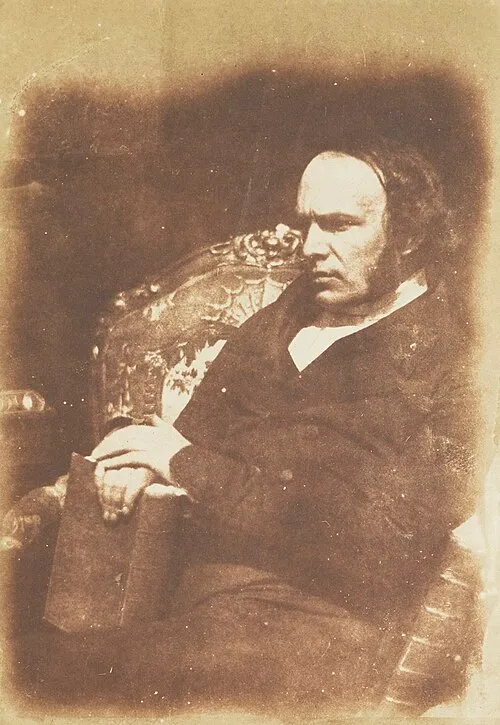
Confesión ministerial
«Recuerda por tanto de dónde has caído, y arrepiéntete, y haz las primeras obras; pues si no, vendré presto á ti, y quitaré tu candelero de su lugar, si no te hubieres arrepentido.» —Apocalipsis 2:5.
En el año 1651, la Iglesia de Escocia, sintiendo respecto de sus ministros «cuán metida estaba su mano en la transgresión, y que los ministros no habían tenido poca parte en atraer los juicios que pesaban sobre la tierra», redactó lo que llamaron un humilde reconocimiento de los pecados del ministerio. Este documento es sorprendente y escrutador. Es quizá una de las confesiones más plenas, más fieles y más imparciales del pecado ministerial que jamás se hayan hecho. Unos pocos extractos de ella introducirán adecuadamente este capítulo sobre la confesión ministerial. Comienza confesando pecados anteriores a la entrada en el ministerio: «Liviandad y profanidad en la conversación, impropias de aquel santo llamamiento que pretendían, de lo cual no se arrepintieron a fondo. No procurar estar en Cristo antes de estar en el ministerio; ni tener en sí mismos el conocimiento práctico y la experiencia del misterio del evangelio, antes de predicarlo a otros. Descuidar el prepararse para la obra del ministerio, al no aprovechar la oración y la comunión con Dios, y las oportunidades de un ministerio vivo, y otros medios; y no llorar estos descuidos. No estudiar la abnegación, ni resolverse a tomar la cruz de Cristo. Negligencia en mantener una vista y un sentido del pecado y de la miseria; no luchar contra la corrupción, ni estudiar la mortificación y la sujeción del espíritu (Romanos 7:14, 15).»
De la entrada en el ministerio habla así: «Entrar al ministerio sin respetar una comisión de Jesucristo; por lo cual ha sucedido que muchos han corrido sin ser enviados. Entrar al ministerio no por amor de Cristo, ni por deseo de honrar a Dios en ganar almas, sino por fines interesados, por un nombre y por un sustento en el mundo, no obstante una declaración solemne en contrario al ser admitidos. Demasiado influidos por la inclinación a ser llamados al ministerio en un lugar donde tenemos parientes carnales (Romanos 1:8-16).»
De los pecados después de la entrada en el ministerio, los enumera así, de manera penetrante: «Ignorancia de Dios; falta de cercanía con él, y percibir poco de Dios al leer, meditar y hablar de él. Egoísmo sobremanera grande en todo lo que hacemos; obrar desde nosotros mismos, para nosotros mismos y hacia nosotros mismos. No importarnos cuán infieles y negligentes fueran otros, con tal de que ello pudiera aportar un testimonio a favor de nuestra fidelidad y diligencia, sino más bien contentarnos, si no gozarnos, de sus faltas. Menor deleite en aquellas cosas en que está nuestra más cercana comunión con Dios; gran inconstancia en nuestro andar con Dios, y descuido de reconocerlo en todos nuestros caminos. Al cumplir los deberes, ser menos cuidadosos de aquellas cosas que están más lejos de los ojos de los hombres. Rara vez en oración secreta con Dios, salvo para prepararnos para los actos públicos; y aun eso, muy descuidado, o hecho muy superficialmente. Alegres de hallar excusas para el descuido de los deberes. Descuidar la lectura de las Escrituras en secreto, para edificarnos como cristianos; leerlas solo en cuanto puedan prepararnos para nuestro deber como ministros, y muchas veces descuidar aun eso. No dados a reflexionar sobre nuestros propios caminos, ni a dejar que la convicción haga en nosotros una obra cabal; engañándonos al descansar en la ausencia de los males y en la aversión a ellos, procedentes de la luz de una conciencia natural, y al mirar eso como evidencia de un cambio real de estado y de naturaleza. Mal guardar el corazón y velar sobre él, y descuido en escudriñarnos; lo cual produce mucho desconocimiento de nosotros mismos, y extrañamiento de Dios. No guardar ni luchar contra males vistos y conocidos, especialmente nuestros pecados predominantes. Facilidad para dejarnos arrastrar por las tentaciones del tiempo, y por otras tentaciones particulares, según nuestras inclinaciones y nuestra compañía. Inestabilidad y vacilación en los caminos de Dios, por temores de persecuciones, de peligro o de pérdida de la estima; y rehusar deberes por miedo a las sospechas y los reproches. No estimar honrosos la cruz de Cristo y los padecimientos por su nombre, sino más bien esquivar los padecimientos, por amor propio. Muerte de espíritu, después de todos los duros golpes de Dios sobre la tierra. Poca conciencia hecha de la humillación secreta y del ayuno, por nosotros aparte y en nuestras familias, a fin de llorar nuestra culpa y la de la tierra, y nuestros grandes retrocesos; y poco aplicar la humillación pública a nuestros propios corazones. Hallar nuestro propio placer cuando el Señor pide nuestra humillación. No tomarnos a pecho los tristes y pesados padecimientos del pueblo de Dios en el extranjero, ni el que no prospere el reino de Jesucristo, ni el poder de la piedad entre ellos. Hipocresía refinada; desear parecer lo que, en verdad, no somos. Estudiar más el aprender el lenguaje del pueblo de Dios que su ejercicio. Confesión artificiosa del pecado, sin arrepentimiento; profesar que declaramos la iniquidad, y no resolvernos a dolernos del pecado. La confesión en secreto muy menospreciada, aun de aquellas cosas de que estamos convencidos. Ninguna reforma, después de reconocimientos solemnes y votos privados; creyéndonos exonerados después de la confesión. Más prontos a buscar y censurar las faltas en otros que a verlas o reconocerlas en nosotros mismos. Valorar nuestro estado y nuestro camino según la estima que otros tienen de nosotros. Estima de los hombres según concuerdan o discrepan de nosotros. No temer el encontrarnos con las pruebas, sino presumir, en nuestra propia fuerza, de atravesarlas sin ser sacudidos. No aprender a temer por las caídas de hombres de gracia; ni llorarlos ni orar por ellos. No observar las liberaciones y las varas particulares; no aprovecharlas para la honra de Dios y la edificación de nosotros mismos y de otros. Poco o ningún llanto por la corrupción de nuestra naturaleza, y menos gemir bajo ese cuerpo de muerte, y anhelar ser librados de él, raíz amarga de todos nuestros otros males.»
«Conversar de ordinario con otros sin fruto, para peor más bien que para mejor. Malgastar el tiempo en bromas necias, con discursos impertinentes e inútiles, muy impropios de los ministros del evangelio. Los propósitos espirituales a menudo se nos mueren en las manos, cuando otros los han comenzado. Familiaridad carnal con hombres naturales, impíos y malignos, por la cual ellos se endurecen, el pueblo de Dios tropieza, y nosotros mismos nos embotamos. Menospreciar la comunión con aquellos de quienes podríamos aprovecharnos. Desear más conversar con quienes podrían mejorarnos por sus dotes que con quienes podrían edificarnos por sus gracias. No buscar oportunidades de hacer bien a otros. Esquivar la oración y otros deberes cuando se nos llama a ellos, prefiriendo omitirlos antes que vernos nosotros mismos puestos a hacerlos. Abusar del tiempo en recreación frecuente y pasatiempos, y amar nuestros placeres más que a Dios. Tomar poco o ningún tiempo para la conversación cristiana con los jóvenes formados para el ministerio. Conversación común y ordinaria en el día del Señor. Menospreciar la amonestación cristiana de cualquiera de nuestros rebaños o de otros, como cosa por debajo de nosotros; y avergonzarnos de tomar luz y advertencia de cristianos particulares. Disgusto, o amargura, contra quienes nos tratan con libertad por medio de la amonestación o la reprensión, y no tratar con fidelidad a otros que la recibirían bien de nuestras manos. No hacer conciencia de tomarnos trabajo con los ignorantes y los profanos, para su bien. No llorar la ignorancia, la incredulidad y los extravíos de los rebaños que se nos han encomendado. Llevar con impaciencia las flaquezas de otros; prorrumpir precipitadamente contra sus personas, más que estudiar el ganarlos de sus pecados. No usar franqueza con los puestos a nuestro cargo; y pasar la mayor parte del tiempo con ellos en discursos comunes, que no tienden a la edificación. Descuidar la amonestación a amigos y a otros que van por mal camino. Reserva al exponer nuestra condición a otros. No orar por los hombres de parecer contrario, sino usar con ellos reserva y distancia, estando más prontos a hablar de ellos que a ellos, o a Dios por ellos. No sentir el peso de las faltas y extravíos de otros, sino más bien aprovecharnos de ellos para justificarnos. Hablar de las faltas de otros y divertirnos con ellas, en vez de compadecernos de ellos. Ningún debido esmero en el orden religioso de nuestras familias, ni estudiar el ser ejemplos para otras familias en el gobierno de las nuestras. Ira precipitada y pasión en nuestras familias y en la conversación con otros. Codicia, mentalidad mundana y un deseo desordenado de las cosas de esta vida, de lo cual se sigue un descuido de los deberes de nuestro llamamiento, y el estar ocupados la mayor parte del tiempo con las cosas del mundo. Falta de hospitalidad y de caridad para con los miembros de Cristo. No fomentar la piedad en el pueblo; y algunos, temerla y aborrecer al pueblo de Dios por la piedad, y procurar abatir y apagar contra ellos la obra del Espíritu (2 Corintios 1:6-12, 14, 24).» A continuación toma más especialmente los deberes ministeriales, y luego procede con solemnidad: «No conservar aquel filo de espíritu en los deberes ministeriales que hallamos al entrar por primera vez en el ministerio. Gran descuido de la lectura y de otra preparación; o preparación meramente literal y libresca, haciendo un ídolo de un libro, lo cual estorba la comunión con Dios; o presumir de la asistencia pasada, y orar poco. Confiar en dones, dotes y el trabajo empleado en la preparación, con lo cual Dios es provocado a malograr la buena materia, bien ordenada y bien expresada. Descuido en valernos de Cristo y en sacar virtud de él, para que nos capacite a predicar en el Espíritu y en poder. Al orar por asistencia, oramos más por asistencia para el mensajero que para el mensaje que llevamos; sin que nos importe qué sea de la Palabra, con tal de que, con alguna medida de asistencia, seamos llevados adelante en el deber. La materia que sacamos a luz no es encomendada con seriedad a Dios por la oración, para que sea vivificada en su pueblo. Descuido de la oración después de predicada la Palabra, para que reciba la lluvia temprana y la tardía; y para que el Señor ponga en el corazón de su pueblo lo que les hablamos en su nombre. Descuido, de parte de algunos, de advertir en la predicación de los lazos y pecados en los asuntos públicos; y, de parte de otros, hablar demasiado, con demasiada frecuencia y sin necesidad, de los negocios y tratos públicos. Descuido y falta de destreza sobremanera grandes para exponer las excelencias y la utilidad de [y la necesidad de un interés en] Jesucristo y del nuevo pacto, que debieran ser el gran asunto del estudio y de la predicación de un ministro. Hablar de Cristo más de oídas que por conocimiento y experiencia, o por alguna impresión real de él sobre el corazón. La manera de predicar de la mayoría de los ministros, demasiado legalista. Falta de sobriedad al predicar el evangelio; no gustar de nada sino de lo nuevo; de modo que lo sustancial de la religión apenas hace bulto. No predicar a Cristo en la sencillez del evangelio, ni a nosotros mismos como siervos del pueblo, por amor de Cristo. Predicar a Cristo, no para que el pueblo lo conozca, sino para que piensen que nosotros sabemos mucho de él. Predicar acerca de que Cristo abandone la tierra, sin quebrantamiento de corazón, ni despertarnos a asirnos de él. No predicar con entrañas de compasión hacia los que están en peligro de perecer. Predicar contra los pecados públicos, ni del modo ni con el fin con que debiéramos —para ganar almas y sacar a los hombres de sus pecados—, sino más bien porque nos toca decir algo de estos males. Amargura, en lugar de celo, al hablar contra los malignos, los sectarios y otras personas escandalosas; e infidelidad en ello. No estudiar el conocer la condición particular de las almas del pueblo, para hablarles conforme a ella; ni llevar de ella un registro particular, aunque convencidos de la utilidad de esto. No escoger con cuidado lo que pueda ser más provechoso y edificante; y falta de sabiduría en la aplicación a las diversas condiciones de las almas; no tan cuidadosos de hacer llegar el punto por la aplicación como de hallar la doctrina, ni de decirlo con la reverencia que conviene a su palabra y a su mensaje. Escoger textos sobre los cuales tenemos algo que decir, más bien que acomodarlos a la condición de las almas y de los tiempos, y predicar con frecuencia las mismas cosas, para no vernos puestos al trabajo de un estudio nuevo. Tal manera de leer, de predicar y de orar, que en estos deberes nos pone más lejos de Dios. Satisfechos demasiado pronto en el cumplimiento de los deberes, y deteniendo con excusas los cargos de la conciencia. Dar gusto al cuerpo, y malgastar mucho tiempo en el ocio. Poner demasiado el ojo en nuestro propio crédito y aplauso; y dejarnos cautivar por él cuando lo obtenemos, y quedar insatisfechos cuando falta. Timidez al entregar el mensaje de Dios; dejar que la gente muera en pecados que reinan, sin advertencia. Estudiar el cumplimiento de los deberes más para librarnos de la censura que para aprobarnos delante de Dios. No dar a conocer a su pueblo todo el consejo de Dios; y, en particular, no dar testimonio en tiempos de defección. No estudiar el aprovecharnos de nuestra propia doctrina, ni de la doctrina de otros. Por lo general, predicar como si el mensaje que llevamos al pueblo no nos incumbiera a nosotros mismos. No gozarnos de la conversión de los pecadores, sino contentarnos con que no prospere la obra del Señor entre su pueblo, por ser lo que mejor conviene a nuestro ánimo; temiendo que, si prosperaran mejor, nos viéramos en mayor aprieto y fuéramos menos estimados por ellos; muchos, en la predicación y en la práctica, abatiendo el poder de la piedad. No predicamos como delante de Dios, sino como ante los hombres; como se echa de ver por el diferente trabajo de nuestra preparación para hablar a nuestros oyentes ordinarios, y a otros ante quienes querríamos aprobarnos. No hacer del ministerio una obra de veras, como cosa de la cual hay que dar cuenta en cada deber; lo cual produce mucha pereza e infructuosidad; haciendo los deberes ex officio (por el cargo), no ex conscientia officii (por conciencia del cargo), más para descargar nuestro llamamiento que nuestra conciencia (Filipenses 1:8-8).»
«Visita negligente, perezosa y parcial de los enfermos. Si son pobres, vamos una vez, y solo cuando se nos manda llamar; si son ricos y de mejor nota, vamos más a menudo, y sin que se nos llame. No saber hablar con lengua de sabios palabra en sazón al cansado y al ejercitado en la conciencia; ni a quienes están bajo la pérdida del marido, de la mujer, de los hijos, de los amigos o de los bienes, para aprovechar estas pruebas en su ventaja espiritual; ni a los moribundos. Al visitar, cansarnos de ir, o rehuir el ir, a los que estimamos sin gracia. No visitar al pueblo de casa en casa; ni orar con ellos en las oportunidades convenientes (2 Timoteo 4:1-5).»
«Perezosos y negligentes en el catequizar. No preparar antes el corazón, ni luchar con Dios por una bendición para ello, a causa de lo ordinario del ejercicio y de la facilidad que se le supone; con lo cual el nombre del Señor es muy tomado en vano, y el pueblo poco aprovechado. Mirar ese ejercicio como obra por debajo de nosotros, y no condescender a estudiar un modo recto y provechoso de instruir al pueblo del Señor. Parciales en el catequizar, pasando por alto a los ricos y a los de mejor calidad, aunque muchos de ellos están de ordinario en gran necesidad de instrucción. No aguardar a los ignorantes ni seguirlos; sino echarles en cara a menudo, con pasión (Gálatas 4).»
Estas son confesiones solemnes: las confesiones de hombres que conocían la naturaleza de aquel ministerio en el cual habían entrado, y que deseaban aprobarse ante Aquel que los había llamado, para dar su cuenta con gozo y no con tristeza. Seamos honrados con nosotros mismos, como ellos lo fueron. Nuestras confesiones no deben ser menos amplias ni menos escrutadoras. 1. Hemos sido infieles. El temor del hombre y el amor de su aplauso a menudo nos han hecho temer. Hemos sido infieles a nuestras propias almas, a nuestros rebaños y a nuestros hermanos; infieles en el púlpito, en la visita, en la disciplina, en la iglesia. En el cumplimiento de cada uno de los deberes de nuestra mayordomía ha habido una infidelidad grave. En lugar de la particularización especial del pecado reprendido, ha habido la alusión vaga. En lugar de la reprensión audaz, ha habido la insinuación tímida. En lugar de la condenación que no transige, ha habido la desaprobación débil. En lugar de la consecuencia inquebrantable de una vida santa, cuyo tenor uniforme debiera ser una protesta contra el mundo y una reprensión del pecado, ha habido tal cantidad de infidelidad en nuestro andar y en nuestra conversación, en nuestro porte diario y en nuestro trato con otros, que cualquier grado de fidelidad que se nos ha concedido manifestar en el día del Señor queda casi anulado por la falta de circunspección que exhibe nuestra vida de entre semana.
Pocos hombres vivieron jamás una vida tan ocupada, y tan consagrada a Dios, como Usher, arzobispo de Armagh. Su erudición, sus hábitos de trabajo, su puesto, sus amigos, todo contribuía a tenerle las manos llenas a cada momento; y la suya era, además, un alma que parecía oír de continuo una voz que decía: «Redimiendo el tiempo, porque los días son malos.» También comenzó temprano, pues a los diez años de edad fue, según toda esperanza, convertido por un sermón predicado sobre Romanos 12:1: «Así que os ruego por las misericordias de Dios, que presentéis vuestros cuerpos en sacrificio vivo.» Fue predicador laborioso y esmerado de la Palabra durante cincuenta y cinco años. ¡Con todo, óiganlo en su lecho de muerte! Cómo se aferra únicamente a la justicia de Cristo, y ve en sí mismo, aun después de tal vida, solo pecado y carencia. Las últimas palabras que se le oyó pronunciar fueron cerca de la una de la tarde, y estas palabras las pronunció en voz alta: «Pero, Señor, perdóname en especial mis pecados de omisión.» Fueron omisiones —dice su biógrafo— aquellas cuyo perdón pidió con su último aliento, el más ferviente: ¡él, de quien nunca se supo que omitiera una hora, sino que empleaba los retazos de su vida para su gran Señor y Maestro! El mismo día en que le sobrevino la última enfermedad, se levantó de escribir una de sus grandes obras y salió a visitar a una mujer enferma, a quien habló tan a propósito y tan por extenso, que se habría creído que hablaba del cielo antes de llegar allí. ¡Con todo, este hombre estaba oprimido por el sentido de sus OMISIONES!
Lector, ¿qué piensas de ti mismo: tus deberes no hechos; tus horas no aprovechadas; tiempos de oración omitidos; tu retraerte del trabajo desagradable y echárselo a otros; tu contentarte con sentarte bajo tu vid y tu higuera sin emplear todos los esfuerzos por las almas de los demás? ¡Oh, pecados de omisión! «¡Señor, perdóname en especial mis pecados de omisión!»
Oigan la confesión de Edwards, tanto en cuanto a pecados personales como ministeriales: «A menudo he tenido vistas muy conmovedoras de mi propia pecaminosidad y vileza; muy frecuentemente hasta tal grado que me tenían en una especie de llanto en alta voz, a veces por un tiempo considerable seguido, de modo que a menudo me he visto forzado a encerrarme. He tenido un sentido inmensamente mayor de mi propia maldad, y de lo malo de mi corazón, que el que jamás tuve antes de mi conversión. Mi maldad, tal como soy en mí mismo, largo tiempo me ha parecido perfectamente inefable, y se traga todo pensamiento y toda imaginación. No sé cómo expresar mejor lo que mis pecados me parecen ser, sino amontonando infinito sobre infinito, y multiplicando infinito por infinito. Cuando miro dentro de mi corazón y contemplo mi maldad, parece un abismo infinitamente más profundo que el infierno. Y, con todo, me parece que mi convicción de pecado es en extremo pequeña y débil: basta para asombrarme el que no tenga más sentido de mi pecado. Mucho he anhelado últimamente un corazón quebrantado, y yacer muy bajo delante de Dios.»
- ¡Hemos sido carnales y sin espiritualidad! El tono de nuestra vida ha sido bajo y terrenal. Al asociarnos demasiado y con demasiada. «Nuestra falta de utilidad ha de atribuirse mucho más a menudo a nuestra falta de espiritualidad que a falta alguna de capacidad natural.» —Fuller. «Veo que la espiritualidad de la mente es la calificación principal para la obra del ministerio.» —Urquhart.
intimidad con el mundo, en gran medida nos hemos asimilado a sus caminos. De ahí que nuestros gustos se hayan viciado, nuestras conciencias se hayan embotado, y aquella tierna sensibilidad de sentimiento que, si bien no retrocede ante el sufrimiento, se retrae del más remoto contacto con el pecado, se haya gastado, y haya dejado lugar a un grado de dureza del cual un día, en días más frescos, nos creímos incapaces. Quizá podamos recordar un tiempo en que nuestras miras y nuestros propósitos estaban fijos en una norma de elevación casi sobrenatural; y, al contrastarlos con nuestro estado presente, nos sobrecoge el cambio doloroso. Y, además de la intimidad con el mundo, otras causas han obrado en producir este deterioro en la espiritualidad de nuestra mente. El estudio de la verdad en su forma dogmática más que en su forma devocional la ha despojado de su frescura y de su poder; la ocupación diaria, de hora en hora, en la rutina del trabajo ministerial ha engendrado formalidad y frialdad; el empleo continuo en los deberes más solemnes de nuestro oficio, como el tratar en privado con las almas acerca de su bien eterno, o el guiar las meditaciones y las devociones del pueblo de Dios reunido, o el manejar los símbolos sacramentales: esto, emprendido a menudo con tan poca oración y mezclado con tan poca fe, ha tendido gravemente a despojarnos de aquella reverencia profunda y de aquel temor de Dios que siempre debieran poseernos y penetrarnos. Con cuánta verdad, y con qué énfasis, podemos decir: «Somos carnales, vendidos á sujeción del pecado.» El mundo no ha sido crucificado para nosotros, ni nosotros para el mundo; la carne, con sus miembros, no ha sido mortificada. ¡Qué triste efecto ha tenido todo esto, no solo sobre la paz de nuestra alma y sobre nuestro crecimiento en la gracia, sino sobre el éxito de nuestro ministerio!
-
Hemos sido egoístas. Nos hemos retraído del trabajo, de la dificultad, del sufrimiento, teniendo por preciosas no solo nuestras vidas, sino aun nuestra holgura y nuestra comodidad temporales. «Hemos procurado agradarnos á nosotros mismos», en lugar de «agradando cada uno á su prójimo en bien, á edificación». No hemos «sobrellevado los unos las cargas de los otros; y cumplido así la ley de Cristo.» Hemos sido mundanos y codiciosos. No nos hemos presentado a Dios como «sacrificio vivo», poniendo sobre su altar a nosotros mismos, nuestras vidas, nuestros bienes, nuestro tiempo, nuestras fuerzas, nuestras facultades: nuestro todo. Parece que hemos perdido de vista por completo este principio de sacrificio de sí, según el cual, aun como cristianos, pero mucho más como ministros, somos llamados a obrar. Poca idea hemos tenido de nada que se parezca al sacrificio. Hasta el punto en que se exigía un sacrificio, quizá hemos estado dispuestos a ir, pero allí nos hemos detenido; teniéndolo por innecesario, llamándolo quizá imprudente y desaconsejado, el seguir más adelante. Y, con todo, ¿no debiera la vida de todo cristiano, y especialmente de todo ministro, ser de cabo a cabo una vida de sacrificio de sí y de abnegación, tal como fue la vida de Aquel que «no se agradó á sí mismo»?
-
Hemos sido perezosos. Hemos escatimado nuestro trabajo. No hemos sufrido trabajos como buenos soldados de Jesucristo. Aun cuando hemos instado a tiempo, no lo hemos hecho fuera de tiempo; ni hemos procurado recoger los fragmentos de nuestro tiempo, para que ni un momento se arroje ociosa o inútilmente. ¡Horas y días preciosos se han malgastado en la pereza, en la compañía, en el placer, en lectura ociosa o desordenada, que pudieron haberse consagrado al aposento, o al estudio, o al púlpito, o a la reunión! La indolencia, el darse gusto, la inconstancia, el agradar a la carne, han carcomido como gangrena nuestro ministerio, deteniendo la bendición y echando a perder nuestro éxito. No puede decirse de nosotros: «Has trabajado por mi nombre, y no has desfallecido.» ¡Ay!, hemos desfallecido, o al menos nos hemos hecho «cansados de hacer bien». No hemos hecho conciencia de nuestra obra. No hemos tratado con honradez a la iglesia a la cual empeñamos los votos de la ordenación. Hemos obrado con engaño para con Dios, cuyos siervos profesamos ser. Poco hemos manifestado del amor incansable y abnegado con que, como pastores, debimos haber velado sobre los rebaños encomendados a nuestro cuidado. Nos hemos apacentado a nosotros mismos, y no al rebaño. Oigan la declaración de Richard Baxter acerca de sus deberes ministeriales de costumbre, en respuesta a algunos enemigos que lo zaherían de ociosidad: «Lo peor que les deseo es que tuvieran mi descanso en lugar de su trabajo. Tengo razón para tenerme por el menor de todos los santos, y con todo no temo decir al acusador que tengo el trabajo de la mayoría de los artesanos del pueblo por un placer para el cuerpo, en comparación con el mío, aunque no lo trocaría ni con el mayor príncipe. El trabajo de ellos conserva la salud, y el mío la consume; ellos trabajan con holgura, y yo con dolor continuo; ellos tienen horas y días de recreo, yo apenas tengo tiempo para comer y beber. Nadie los molesta por su trabajo; pero cuanto más hago yo, más odio y más molestia atraigo sobre mí.» Esto es «despender y ser despendido»; este es un ejemplo digno de imitación.
-
Hemos sido fríos. Aun cuando diligentes, ¡qué poco calor y qué poco ardor! El alma entera no se vierte en el deber, y de ahí que este lleve demasiado a menudo el aire repulsivo de la rutina y de la forma. No hablamos ni obramos como hombres de veras. Nuestras palabras son débiles, aun cuando sanas y verdaderas; nuestras miradas son descuidadas, aun cuando nuestras palabras son de peso; y nuestros tonos delatan la apatía que tanto las palabras como las miradas disfrazan. Falta el amor, el amor profundo, el amor fuerte como la muerte, el amor que hizo a Jeremías llorar en lugares secretos por la soberbia de Israel, y a Pablo hablar, «aun llorando», de los enemigos de la cruz de Cristo. En el predicar y en el visitar, en el aconsejar y en el reprender, ¡qué formalidad, qué frialdad, qué poca ternura y qué poco afecto! «¡Ojalá yo fuera todo corazón —dijo Rowland Hill—, y alma, y espíritu, para anunciar el glorioso evangelio de Cristo a las multitudes que perecen!»
-
Hemos sido tímidos. El temor a menudo nos ha llevado a suavizar o a generalizar verdades que, dichas con amplitud, nos habrían traído odio y oprobio. Así, a menudo hemos dejado de declarar a nuestro pueblo todo el consejo de Dios. Nos hemos retraído de redargüir, reprender y exhortar con toda paciencia y doctrina. Hemos temido enemistar a los amigos, o despertar la ira de los enemigos. De ahí que nuestra predicación de la ley haya sido débil y estrecha; y de ahí que nuestra predicación de un evangelio libre haya sido aún más vaga, incierta y temerosa. Nos falta en gran manera aquella audacia majestuosa y aquella nobleza de espíritu que señalaron de modo particular a Lutero, a Calvino y a Knox, y a los hombres poderosos de la Reforma. De Lutero se dijo: «Cada palabra era un rayo.»
-
Nos ha faltado solemnidad. Al leer las vidas de Howe o de Baxter, de Brainerd o de Edwards, estamos en compañía de hombres que, por la solemnidad del porte y la gravedad del semblante, eran de veras de la escuela apostólica. Sentimos que estos hombres debían de llevar consigo peso, tanto en sus palabras como en sus vidas. Vemos también el contraste entre nosotros y ellos en cuanto a aquella profunda solemnidad de aire y de tono que hacía sentir a los hombres que andaban con Dios. ¡Cuán profundamente debiéramos ser humillados por nuestra liviandad, nuestra frivolidad, nuestro desenfado, la alegría vana, el hablar necio y las chocarrerías, con lo cual se ha hecho grave daño a las almas, se ha retardado el progreso de los santos, y se ha alentado al mundo en sus miserables vanidades!
-
Nos hemos predicado a nosotros mismos, no a Cristo. Hemos buscado el aplauso, cortejado la honra, estado ávidos de fama y celosos de nuestra reputación. Demasiado a menudo hemos predicado de modo que nos exaltáramos a nosotros mismos, en vez de engrandecer a Cristo; de modo que atrajéramos los ojos de los hombres hacia nosotros, en vez de fijarlos en él y en su cruz. Más aún, ¿no hemos predicado a menudo a Cristo con el mismo fin de obtener honra para nosotros? Cristo, en los padecimientos de su primera venida y en la gloria de la segunda, no ha sido el Alfa y la Omega, el primero y el último, de todos nuestros sermones.
-
Hemos usado palabras de sabiduría humana. Hemos olvidado el propósito de Pablo de evitar las palabras persuasivas de humana sabiduría, no fuera que hiciera vana la cruz de Cristo. Hemos invertido tanto su razonamiento como su propósito, y hemos obrado como si, con discursos bien estudiados, bien pulidos y bien razonados, pudiéramos dorar y embellecer de tal modo la cruz que dejara de ser repulsiva, y se volviera irresistiblemente atractiva para el ojo carnal. De ahí que a menudo hayamos enviado a los hombres a casa bien satisfechos de sí mismos, convencidos de que eran religiosos porque los conmovía nuestra elocuencia, los tocaban nuestros llamamientos o los persuadían nuestros argumentos. De este modo hemos hecho vana la cruz de Cristo, y hemos enviado almas al infierno con una mentira en su mano derecha. Así, evitando el escándalo de la cruz y la locura de la predicación, hemos tenido que trabajar en vano, y llorar sobre un ministerio sin bendición e infructuoso. 10. No hemos predicado plenamente un evangelio libre. Hemos temido hacerlo demasiado libre, no sea que los hombres fueran llevados al libertinaje; como si fuera posible predicar un evangelio demasiado libre, o como si su libertad pudiera llevar a los hombres al pecado. Solo un evangelio libre puede traer paz a los hombres, y solo un evangelio libre puede hacer santos a los hombres. La predicación de Lutero se resumía en estos dos puntos: «que somos justificados solo por la fe, y que debemos estar seguros de que somos justificados»; y esto era lo que instaba a su hermano Brentius a predicar usque ad fastidium (hasta el hastío); y fue por tal predicación libre, plena y audaz del glorioso evangelio, sin el estorbo de obras, méritos, términos y condiciones, y sin la nube de la humildad imaginada de las dudas, los temores y las incertidumbres, que un éxito tan bendito acompañó sus trabajos. Vayamos y hagamos lo mismo. Aliada a esto está la necesidad de insistir en la vuelta inmediata del pecador a Dios, y de exigir, en el nombre del Maestro, la entrega inmediata del corazón del pecador a Cristo. Extraño que las conversiones repentinas disgusten tanto a algunos ministros. Son las más conformes a la Escritura de todas las conversiones.
-
No hemos estudiado ni honrado debidamente la Palabra de Dios. Hemos dado en nuestros estudios mayor prominencia a los escritos del hombre, a las opiniones del hombre, a los sistemas del hombre, que a la Palabra. Hemos bebido más de cisternas humanas que de las divinas. Hemos tenido más comunión con el hombre que con Dios. De ahí que el molde y la hechura de nuestro espíritu, de nuestras vidas, de nuestras palabras, se hayan derivado más del hombre que de Dios. Debemos estudiar más la Biblia. Debemos empapar en ella nuestras almas. No solo debemos guardarla dentro de nosotros, sino transfundirla por toda la trama del alma. 12. No hemos sido hombres de oración. El espíritu de oración ha dormitado entre nosotros. El aposento ha sido demasiado poco frecuentado, y demasiado poco deleitado. Hemos permitido que los negocios, o el estudio, o el trabajo activo, estorbaran nuestras horas de aposento. Y cuánto de la atmósfera febril en que, desde hace algunos años, han estado envueltas tanto la iglesia como la nación, ha hallado camino hasta nuestro aposento, turbando la dulce calma de su bendita soledad. El sueño, la compañía, las visitas ociosas, el hablar necio y las chocarrerías, la lectura ociosa, las ocupaciones sin provecho, absorben el tiempo que pudo haberse redimido para la oración. ¿Por qué hay tan poca ansia de conseguir tiempo para orar? ¿Por qué hay tan poca previsión al distribuir el tiempo y las ocupaciones, de modo que se asegure una gran parte de cada día para la oración? ¿Por qué hay tanto hablar, y con todo tan poca oración? ¿Por qué tanto correr de un lado a otro, y con todo tan poca oración? ¿Por qué tanto ajetreo y tanto negocio, y con todo tan poca oración? ¿Por qué tantas reuniones con nuestros semejantes, y con todo tan pocas reuniones con Dios? ¿Por qué tan poco estar a solas, tan poca sed del alma por las horas calmas y dulces de una soledad no interrumpida, cuando Dios y su hijo tienen comunión, como si nunca pudieran separarse? Es la falta de estas horas solitarias lo que no solo daña nuestro propio crecimiento en la gracia, sino que nos hace miembros tan sin provecho de la iglesia de Cristo; lo que vuelve inútiles nuestras vidas. Para crecer en la gracia, hemos de estar mucho a solas. No es en la sociedad —ni siquiera en la sociedad cristiana— donde el alma crece con más rapidez y con más vigor. En una sola hora quieta de oración a menudo adelantará más que en días de compañía con otros. Es en el desierto donde el rocío cae más fresco, y el aire es más puro. Así con el alma.
Es cuando nadie sino Dios está cerca; cuando solo su presencia, como el aire del desierto en el cual no se mezcla ningún aliento nocivo de hombre, rodea y penetra el alma; es entonces cuando el ojo alcanza la vista más clara y más sencilla de las certezas eternas; es entonces cuando el alma recoge un refrigerio, un poder y una energía admirables. Y así es también de este modo como llegamos a ser verdaderamente útiles a otros. Es al salir frescos de la comunión con Dios cuando salimos a hacer su obra con éxito. Es en el aposento donde llenamos de tal modo nuestros vasos de bendición, que, al salir, no podemos contenerla para nosotros, sino que, como por una bendita necesidad, hemos de derramarla por dondequiera que vayamos. «No hemos estado continuamente de día sobre la atalaya, ni las noches enteras sobre nuestra guarda.» Nuestra vida no ha sido un estar al acecho de la voz de Dios. «Habla, Jehová, que tu siervo oye» no ha sido la actitud de nuestras almas, el principio que guía nuestras vidas. La cercanía con Dios, la comunión con Dios, el esperar en Dios, el descansar en Dios, han sido demasiado poco la característica, ya de nuestro andar privado, ya de nuestro andar ministerial. De ahí que nuestro ejemplo haya sido tan sin fuerza, nuestros trabajos tan sin éxito, nuestros sermones tan pobres, todo nuestro ministerio tan infructuoso y tan débil.
- No hemos honrado al Espíritu de Dios. Puede ser que en palabras hayamos reconocido su acción, pero no hemos tenido esto de continuo delante de nuestros ojos y de los ojos del pueblo. No le hemos dado la gloria debida a su nombre. No hemos buscado su enseñanza, «su unción», la «unción del Santo», por la cual conocemos todas las cosas. Ni en el estudio de la Palabra, ni al predicarla a otros, hemos reconocido debidamente su oficio, como el que alumbra el entendimiento, el que revela la verdad, el que da testimonio de Cristo y lo glorifica. Lo hemos contristado por el deshonor hecho a su persona como tercera persona de la gloriosa Trinidad; y lo hemos contristado por el menosprecio puesto sobre su oficio como el maestro, el que convence, el consolador, el santificador. De ahí que casi se ha apartado de nosotros, y nos ha dejado recoger el fruto de nuestra propia perversidad e incredulidad. Además, lo hemos contristado por nuestro andar inconsecuente, por nuestra falta de circunspección, por nuestra mentalidad mundana, por nuestra falta de santidad, por nuestra falta de oración, por nuestra infidelidad, por nuestra falta de solemnidad, por una vida y una conversación tan poco conformes al carácter de un discípulo, o al oficio de embajador.
Un antiguo ministro escocés escribe así acerca de sí mismo: «Hallo falta del Espíritu —del poder y de la demostración del Espíritu— al orar, al hablar y al exhortar; aquello por lo cual los hombres son principalmente convencidos, y por lo cual ven más en el pueblo del Señor que en los demás; por lo cual son terror y maravilla para otros, de modo que les tienen temor; aquella gloria y majestad por las cuales se alcanzan el respeto y la reverencia; aquello por lo cual los sermones de Cristo se distinguían de los de los escribas y fariseos; lo cual juzgo ser los rayos de la majestad de Dios y del Espíritu de santidad, que brotan y resplandecen a través de su pueblo. ¡Pero mis vestiduras inmundas están sobre mí! ¡Ay de mí! La corona de gloria y majestad ha caído de mi cabeza; mis palabras son débiles y carnales, no poderosas; con lo cual se engendra el desprecio. No hay remedio para esto sino la humildad, el aborrecimiento de sí mismo, y un esforzarse por mantener la comunión con Dios.»
- Poco hemos tenido de la mente de Cristo. Nos hemos quedado muy cortos del ejemplo de los apóstoles, y mucho más del de Cristo; estamos muy atrás de los siervos, y mucho más atrás del Maestro. Poco hemos tenido de la gracia, de la compasión, de la mansedumbre, de la humildad, del amor del Hijo eterno de Dios. Su llanto sobre Jerusalén es un sentimiento con el cual tenemos muy poca simpatía de corazón. Su «buscar lo que se había perdido» es poco imitado por nosotros. Su incansable «enseñanza de las multitudes» la rehuimos, como demasiado para la carne y la sangre. Sus días de ayuno, sus noches de vigilancia y de oración, no se toman plenamente como modelos que hayamos de copiar. Su no estimar la vida como preciosa para sí, a fin de glorificar al Padre y acabar la obra que le fue dada, es poco recordado por nosotros como el principio según el cual hemos de obrar. Con todo, ciertamente hemos de seguir sus pisadas; el siervo ha de andar por donde su Maestro ha abierto el camino; el pastor subalterno ha de ser lo que fue el Príncipe de los pastores. No debemos buscar reposo ni holgura en un mundo donde aquel a quien amamos no tuvo ninguno.
Ver el original (inglés)
Original en inglés
Ministerial Confession
“Remember therefore from whence thou art fallen, and repent, and do the first works; or else I will come unto thee quickly, and will remove thy candlestick out of his place, except thou repent.” —Revelation 2:5.
In the year 1651, the Church of Scotland, feeling in regard to her ministers “how deep their hand was in the transgression, and that ministers had no small accession to the drawing on of the judgments that were upon the land,” drew up what they called a humble acknowledgment of the sins of the ministry. This document is a striking and searching one. It is perhaps one of the fullest, most faithful, and most impartial confessions of ministerial sin ever made. A few extracts from it will suitably introduce this chapter on ministerial confession. It begins with confessing sins before entrance on the ministry: — ”’ Lightness and profanity in conversation, unsuitable to that holy calling which they did intend, not thoroughly repented of. Not studying to be in Christ, before they be in the ministry; nor to have the practical knowledge and experience of the mystery of the gospel in themselves, before they preach it to others. Neglecting to fit themselves for the work of the ministry, in not improving prayer and fellowship with God, and — opportunities of a lively ministry, and other means; and not mourning for these neglects. Not studying self-denial, nor resolving to take up the cross of Christ. Negligence to entertain a sight and sense of sin and misery; not wrestling against corruption, nor studying of mortification and subduedness of spirit (Rom. vii. 14, 15).”
Of entrance on the ministry it thus speaks: “Entering to the ministry without respect to a commission from Jesus Christ; by which it hath come to pass, that many have run unsent. Entering to the ministry not from the love of Christ, nor from a desire to honor God in gaining of souls, but for byends, for a name, and for a livelihood in the world, notwithstanding a solemn declaration to the contrary at admission. Too much weighed with inclination to be called to the ministry in a place where we have carnal relations (Rom. i. 8-16).”
Of the sins after entrance on the ministry, it thus searchingly enumerates: — “Ignorance of God; want of nearness with him, and taking up little of God in reading, meditating, and speaking of him. Exceeding great selfishness in all that we do; acting from ourselves, for ourselves, and to ourselves. Not caring how unfaithful and negligent others were, so being it might contribute a testimony to our faithfulness and diligence, but being rather content, if not rejoicing at their faults. Least delight in those things wherein lieth our nearest communion with God; great inconstancy in our walk with God, and neglect of acknowledging him in all our ways. In going about duties, least careful of those things which are most remote from the eyes of men. Seldom in secret prayer with God, except to fit for public performances; and - even that much neglected, or gone about very superficially. Glad to find excuses for the neglect of duties. Neglecting the reading of Scriptures in secret, for edifying ourselves as Christians; only reading them in so far as may fit us for our duty as ministers, and ofttimes neglecting that. Not given to reflect upon our own ways, nor suffering conviction to have a thorough work upon us; deceiving ourselves, by resting upon absence from, and abhorrence of evils, from the light of a natural conscience, and looking upon the same as an evidence of a real change of state and nature. Evil guarding of, and watching over the heart, and carelessness in self-searching; which makes much unacquaintedness with ourselves, and! estrangedness from God. Not guarding nor. wrestling against seen and known evils, especially our predominants. A facility to be drawn away with the temptations of the time, and other particular temptations, according to our inclinations and fellowship. Instability and wavering in the ways of God, through the fears of persecutions, hazard, or loss of esteem; and declining duties because of the fear of jealousies and reproaches. Not esteeming the cross of Christ, and sufferings for his name, honorable, but rather shifting sufferings, from self-love. Deadness of spirit, after all the sore strokes of God upon the land. Little conscience made of. secret humiliation and fasting, by ourselves apart, and in our families, that we might EE mourn for our own and the land’s guiltiness and great backslidings; and little applying of public humiliation to our own hearts. Finding of our own pleasure, when the Lord calls for our humiliation. Not laying to heart the sad and heavy sufferings of the people of God abroad, and the not thriving of the kingdom of Jesus Christ, and the power of godliness among them. Refined hypocrisy; desiring to appear what, indeed, we are not. Studying more to learn the language of God’s people than their exercise. Artificial confessing of sin, without repentance; professing to declare iniquity, and not resolving to be sorry for sin. Confession in secret much slighted, even of those things whereof we are convinced. No reformation, after solemn acknowledgments and private vows; thinking ourselves exonerated.after confession. Readier to search out and censure faults in others than to see or take with them in ourselves. Accounting of our estate and way according to the estimation that others have of us. Estimation of men, as they agree with or disagree from us.. Not fearing to meet with trials, but presum-’ ing, in our own strength, to go through them unshaken. Not learning to fear, by the falls of gracious men; nor mourning and praying for them. Not observing particular deliverances and rods; not improving of them, for the honor of God, and the edification of ourselves and others. Little or no mourning for the corruption of our nature, and less groaning under, and longing to be delivered from, that body of death, the bitter root of all our other evils.
” Fruitless conversing ordinarily with others, for the worse rather than for the better. Foolish jesting away of time with impertinent and useless discourse, very unbecoming the ministers of the gospel. Spiritual purposes often dying in our hands, when they are begun by others. Carnal familiarity with natural, wicked, and malignant men, whereby they are hardened, the people of God stumbled, and we ourselves blunted. Slighting of fellowship with those by whom we might profit. Desiring more to converse with those that might better us by their parts than with such as might edify us by their graces. Not studying opportunities of doing good to others. Shifting of prayer and other duties, when called thereto — choosing rather to omit the same than that we should be put to them ourselves. Abusing of time in frequent recreation and pastimes, and loving our pleasures more than God. Taking little or no time to Christian discourse with young men trained up for the ministry. Common and ordinary discourse on the «Lord’s Day. Slighting Christian admonition from any of our flocks or others, as being below us; and ashamed to take light and warning from private Christians. Dislike of, or bitterness against, such as deal freely with us by admonition or reproof, and not dealing faithfully with others who would welcome it off our hands. Not making conscience to take pains on the ignorant and profane, for their good. - Our not mourning for the ignorance, unbelief, and miscarriages of the flocks committed unto us. Impatient bearing of the infirmities of others; rashly breaking out against their persons, more than studying to gain them from their sins. Not using freedom with those of our charge; and for most part spending our time with them in common discourses, not tending to edification. Neglecting admonition to friends and others in an evil course. Reservedness in laying out our condition to others. Not praying for men of a contrary judgment, but using reservedness and distance from them, being more ready to speak of them than to them or to God for them. Not weighed with the failings and miscarriages of others, but rather taking advantage thereof for justifying ourselves. Talking of and sporting at the faults of others, rather than compassionating of them. No due painstaking in religious ordering of our families, nor studying to be patterns to other families in the government of ours. Hasty anger and passion in our families and conversation with others. Covetousness, worldly-mindedness, and an inordinate desire after the things of this life, upon which followeth a neglect of the duties of our calling, and our being taken up for the most part with the things of the world. Want of hospitality and charity to the members of Christ. Not cherishing godliness in the people; and some being afraid of it and hating the people of God for piety, and studying to. bear down and quench the work of the Spirit against them (2 Cor. i. 6-12, 14, 24).2 It next takes up ministerial duties more especially, and then solemnly proceeds: — “Not entertaining that edge of spirit in ministerial duties which we found at the first entry to the ministry. Great neglect of reading, and other preparation; or preparation merely literal and bookish, making an idol of a book, which hindereth communion with God, or presuming on bygone assistance, and praying little. Trusting to gifts, parts, and pains taken for preparation, whereby God is provoked to blast: good matter, well ordered and worded. Careless in employing Christ, and drawing virtue out of him, for enabling us to preach in the Spirit and in power. In praying for assistance we pray more for assistance to the messenger than to the message which we carry; not caring what becomes of the Word, if we be with some measure of assistance carried on in the duty. The matter we bring forth is not seriously recommended to God by prayer, to be quickened to his people. Neglect of prayer after the Word is preached, that it may receive the first and latter rain; and that the Lord would put in the hearts of his people what we speak to them in his name. Neglect to warn, in preaching, of snares and sins in public affairs by some; and too much, too frequent, and unnecessary speaking by others of public business and transactions. Exceeding great neglect and unskillfulness to set forth the excellences and usefulness of [and the necessity of an interest in] Jesus Christ, and the new covenant, which ought to be the great subject of a minister’s study and preaching. Speaking of Christ more by hearsay than from knowledge and experience, or any real impression of him upon the heart. The way of most ministers’ preaching too legal. Want of sobriety in preaching the gospel; not savoring anything but what is new; so that the substantials of religion bear but little bulk. Not preaching Christ in the simplicity of the gospel, nor ourselves the people’s servants, for Christ’s sake. Preaching of Christ, not that the people may know him, but that they may think we know much of him. Preaching anent Christ’s leaving of the land, without brokenness of heart, or stirring up of ourselves to take hold of him. Not preaching with bowels of compassion to them that are in hazard to perish. Preaching against public sins, neither in such a way, nor for such an end, as we ought, — for the gaining of souls, and drawing men out of their sins; but rather because it is of our concernment to say something of these evils. Bitterness, instead of zeal,in speaking against malignants, sectaries, and other scandalous persons; and unfaithfulness therein. Not studying to know the particular condition of the souls of the people, that we may speak to them accordingly; nor keeping a particular record thereof, though convinced of the usefulness of this. Not carefully choosing what may be most profitable and edifying; and want of wisdom in application to the several conditions of souls; not so careful to bring home the point by application as to find out the doctrine, nor speaking the same with that reverence which becomes his word and message. Choosing texts whereon we have something to say, rather than suiting to the condition of souls and times, and frequent preaching of the same things, that we may not be put to the pains of new study. Such a way of reading, preaching, and prayer as puts us in these duties farther from God. Too soon satisfied in the discharge of duties, and holding off challenges of conscience with excuses. Indulging the body, and wasting much time idly. Too much eyeing our own credit and applause; and being taken with it when we get it, and unsatisfied when it is wanting. Timorousness in delivering God’s message; letting people die in reigning sins without warning. Studying the discharge of duties, rather to free ourselves from censure than to approve ourselves to God. Not making all the counsel of God known to his people; and particularly, not giving testimony in times of defection. Not studying to profit by our own doctrine, nor the doctrine of others. For most part, preaching as if we ourselves were not con-. cerned in the message which we carry to the people. Not rejoicing at the conversion of sinners; but content with the unthriving of the Lord’s work amongst his people, as suiting best with our minds; fearing, if they should thrive better, we should be more put to it, and less esteemed of by them, — many, in preaching and practice, bearing down the power of godliness. We preach not as before God, but as to men; as doth appear by the different pains in our preparation to speak to our ordinary hearers, and to others to whom we would approve ourselves. Not making the ministry a work in earnest, as a thing to be accounted for in every duty; which makes much laziness and unfruitfulness; doing duties ex officio, not ex conscientia officii, rather to discharge our calling than our conscience (Phil. i. 8-8).
”’ Negligent, lazy, and partial visiting of the sick. If they be poor, we go once, and only when sent for; if they be rich, and of better note, we go oftener, and unsent for. Not knowing how to speak with the tongue of the learned a word in season to the weary, and exercised in conscience; nor to such as are under the loss of husband, wife, children, friends, or goods, for the improving of these trials to their spiritual advantage; nor to dying persons. In visiting, wearying or shunning to go to such as we esteem graceless. Not visiting the people from house to house; nor praying with them at fit opportunities (2 Tim. iv. 1-5).
” Lazy and negligent in catechising. Not preparing our hearts before, nor wrestling with God for a blessing to it, because of the ordinariness and apprehended easiness of it; whereby the Lord’s name is much taken in vain, and the people little profited. Looking on that exercise as a work below us, and not condescending to study a right and profitable way of instructing the Lord’s people. Partial in catechising, passing by those that are rich, and of better quality, though many of such stand ordinarily in great need of instruction. Not waiting upon, and following the ignorant; but often passionately upbraiding them (Gal. iv.
These are solemn confessions, — the confessions of men who knew the nature of that ministry on which they had entered, and who were desirous of approving themselves to Him who had called them, that they might give in their account with joy and not with grief. i Let us, as they did, deal honestly with ourselves. Our confessions ought to be no. less ample and searching. 1. We have been unfaithful. The fear of man and the love of his applause have often made us afraid. We have been unfaithful to our own souls, to our flocks, and to our brethren; unfaithful in the pulpit, in visiting, in discipline, in the church. In the discharge of every one of the duties of our stewardship there has been grievous unfaithfulness. Instead of the special particularization of the sin reproved, there has been the vague allusion. Instead of the bold reproof, there has been the timid hint. Instead of the uncompromising condemnation, there has been the feeble disapproval. Instead of the unswerving consistency of a holy life whose uniform tenor should be a protest against the world and a rebuke of sin, there has been such an amount of unfaithfulness in our walk and conversation, in our daily deportment and intercourse with others, that any degree of faithfulness we have been enabled to manifest on the Lord’s Day is almost neutralized by the. want of circumspection which our weekday life exhibits.
Few men ever lived a life so busy, and so devoted to God, as Usher, Archbishop of Armagh. His learning, habits of business, station, friends, all contributed to keep his hands every moment full; and then his was a soul that seemed continually to hear a voice saying: ” Redeem the time, for the days are evil.” Early, too, did he begin, for at ten years of age he was hopefully converted by a sermon preached on Rom. xii. 1: “TI beseech you, therefore, by the mercies of God, that ye present your bodies a living sacrifice.” He was a painstaking, laborious preacher of the Word for fifty-five years., Yet hear him on his death-bed! How he clings to Christ’s righteousness alone, and sees in himself, even after such a life, only sin and want. The last words he was heard to utter were about one o’clock in the afternoon, and these words were uttered in a loud voice, —’ But, Lord, in special forgive me my sins of omission.” It was omissions, says his biographer, he begged forgiveness of with his most fervent last breath!— he who was never known to omit an hour, but who employed the shred ends of his life for his great Lord and Master! The very day he took his last sickness, he rose up from writing one of his great works, and went out to visit a sick woman, to whom he spoke so fitly and fully, that you would have taken him to have spoken of heaven before he came there. Yet this man was oppressed with a sense of his OMISSIONS!
Reader, what think you of yourself, — your undone duties; your unimproved hours; times of prayer omitted; your shrinking from unpleasant work, and putting it on others; your being content to sit under your vine and fig tree without using all efforts for the souls of others? Oh sins of omission! ” Lord, in special forgive me my sins of omission!”
Hear the confession of Edwards, in regard both to personal and ministerial sins: ” Often I have had very affecting views of my own sinfulness and vileness; very frequently to such a degree as to hold me in a kind of loud weeping, sometimes for a considerable time together, so that I have often been forced to shut myself up. I have had a vastly greater sense of my own wickedness, and the badness of my heart,” than ever I had before my conversion. My 66 WORDS TO WINNERS O 7 SOULS. = wickedness, as I am in myself, has long appeared to me perfectly ineffable, swallowing up all thought and imagination. I know not how to express better what my sins appear to me to be, than by heaping infinite upon infinite, and multiplying infinite by infinite. When I look into my heart, and take a view of my wickedness, it looks like an abyss infinitely deeper than hell. And yet it seems to me that my conviction of sin is exceedingly small and faint: it is enough to amaze me that I have no more sense of my sin. I have greatly longed of late for a broken heart, and to lie low before God.”
- We have been carnal and unspiritual! — The tone of our life has been low and earthly. Associating too much and too. Our want of usefulness is much oftener to be ascribed to our want of spirituality than to any want of natural ability.” —Fuller. “I see that spirituality of mind is the main qualification for the work of the ministry.” — Urquhart.
intimately with the world, we have in a great measure become assimilated to its ways. Hence our tastes have been vitiated, our consciences blunted, and that sensitive tenderness of feeling which, while it turns not back from suffering yet shrinks from the remotest contact with sin, has worn off, and given place to an amount of callousness of which we once, in fresher days, believed ourselves incapable. Perhaps we can call to mind a time when our views and aims were fixed upon a standard of almost unearthly elevation; and, contrasting these with our present state, we are startled at the painful change. And besides intimacy with the world, other causes have operated in producing this deterioration in the spirituality of our minds. The study of truth in its dogmatical more than in its devotional form, has robbed it of its freshness and power; daily, hourly occupation in the routine of ministerial labor has engendered formality and coldness; continual employment in the most solemn duties of our office, such as dealing with souls in private about their immortal welfare, or guiding the meditations and devotions of God’s assembled people, or handling the sacramental symbols — this, gone about often with so little prayer and mixed with so little faith, has tended grievously to divest us of that profound reverence and godly fear which ever ought to possess and pervade us. How truly, and with what emphasis we may say: ” We are carnal, sold under sin.” The world has not been crucified to us, nor we unto the world; the flesh, with its members, has not been mortified. What a sad effect all this has had, not only upon our peace of soul, on our growth in grace, but upon the success of our ministry!
-
We have been selfish. We have shrunk from toil, from difficulty, from endurance, counting not only our lives dear unto us, but even our temporal ease and comfort. “We have sought to please ourselves,” instead of “pleasing every one his neighbor, for his good to edification.” We have not “borne one another’s burdens; so fulfilling the law of Christ.” We have been worldly and covetous. We have not presented ourselves unto God as “living sacrifices,” laying ourselves, our lives, our substance, our time, our strength, our faculties —our all, upon his altar. We seem altogether to have lost sight of this self-sacrificing principle on which even as Christians, but much more as ministers, we are called upon to act. We have had little idea of anything like sacrifice at all. Up to the point where a sacrifice was demanded, we may have been willing to go, but there we stood; counting it unnecessary, perhaps calling it imprudent and unadvised, to proceed further. Yet, ought not the life of every Christian, especially of every minister, to be a life of self sacrifice and self-denial throughout, even as was the life of Him who ” pleased not himself?”
-
We have been slothful. We have been sparing of our toil. We have not endured hardness as good soldiers of Jesus Christ. Even when we have been instant 7 season, we have not been so out of season; neither have we sought to gather up the fragments of our time, that not a moment might be thrown idly or unprofitably away. Precious hours and days have been wasted in sloth, in company, in pleasure, in idle or desultory reading, that. might have been devoted to the closet or the study or the pulpit or the meeting! Indolence, self-indulgence, fickleness, flesh-pleasing, have eaten like a canker into our ministry, arresting the blessing, and marring our success. It can not be said of us, ” For my name’s sake thou hast labored, and hast not fainted.” Alas! we have fainted, or at least grown ” weary in well-doing.” We have not made conscience of our work. We have not dealt honestly with the church to whom we pledged the vows of ordination. We have dealt deceitfully with God, whose servants we profess to be. We have manifested but little of the unwearied, self-denying love with which, as shepherds, we ought to have watched over the flocks.committed to our care. We have fed ourselves, and not the flock.t 1 Hear Richard Baxter’s statement of his usual ministerial duties, in answer to some enemies who taunted him with idleness: ” The worst I wish you is, that you had my ease instead of your labor. I have reason to take myself for the least of all saints, and yet I fear not to tell the accuser that I take the labor of most tradesmen in the town to be a pleasure to the body in comparison with mine, though I would not exchange it with the greatest prince. Their labor preserveth health, and mine consumeth it; they work in ease, and I in continual pain; they have hours and days of recreation, I have scarce time to eat and drink. Nobody molesteth them for their labor, but the more i do, the more hatred, and trouble I draw upon me.” This is “spending and being spent; * this is an example worthy of imitation.
-
We have been cold. Even when diligent, how little warmth and glow! The whole soul is not poured into the duty, and hence it wears too often the repulsive air of « routine and form. We do not speak and act like men in earnest. Our words are feeble, even when sound and true; our looks are careless, even when our words are weighty; and our tones betray the apathy which both words and looks disguise. Love is wanting, deep love, love strong as death, love such as made Jeremiah weep in secret places for the pride of Israel, and Paul speak, ’” even weeping,” of the enemies of the cross of Christ. In preaching and visiting, in counseling and reproving, what formality, what coldness, how little tenderness and affection! ‘Oh that 1 was all heart,” said Rowland Hill, “and soul, and spirit, to tell the glorious gospel of Christ to perishing multitudes!”
-
We have been timid. Fear has often led us to smooth down or generalize truths, which, if broadly stated, must have brought hatred and reproach upon us. We have thus often failed to declare to our people the whole counsel of God. We have shrunk from reproving, rebuking, and exhorting with all long-suffering and doctrine. We have feared to alienate friends, or to awaken the wrath of enemies. Hence our preaching of the law has been feeble and straitened; and hence our preaching of a free gospel has been yet more vague, uncertain, and timorous. We are greatly deficient in that majestic boldness and nobility of spirit which peculiarly marked Luther and Calvin and Knox, and the mighty men of the Reformation. Of Luther it was said, ” every word was a thunderbolt.”
-
We have been wanting in solemnity. In reading the lives of Howe or Baxter, of Brainerd or Edwards, we are in company with men who, in solemnity of deportment, and gravity of demeanor, were truly of the apostolic school. We feel that these men must have carried weight with them, both in their words and lives. We see also the contrast between ourselves and them in respect of that deep solemnity of air and tone which made men feel that they walked with God. How deeply ought we to be abased at our levity, frivolity, flippancy, “vain mirth, foolish talking and jesting, by which grievous injury has been done to souls, the progress of the saints retarded, and the world countenanced in its wretched vanities.
-
We have preached ourselves, not Christ. We have sought applause, courted honor, been avaricious of fame, and jealous of our reputation. We have preached too often so as to exalt ourselves instead of magnifying Christ; so as to draw men’s eyes to ourselves instead of fixing them on him and his cross. Nay, and have we not often preached Christ for the very purpose of getting honor to ourselves? Christ, in the sufferings of his first coming and the glory of his second, has not been the Alpha and Omega, the first and the last, of all our sermons.
-
We have used words of man’s wisdom. We have forgotten Paul’s resolution to avoid the enticing words of man’s wisdom, lest he should make the cross of Christ of none effect. We have reversed his reasoning as well as his resolution, and acted as if by well-studied, well-polished, well-reasoned discourses, we could so gild and beautify the cross as to make it no longer repulsive, but irresistibly attractive to the carnal eye! Hence we have often sent men home well satisfied with themselves, convinced that they were religious because affected by our eloquence, touched by our appeals, or persuaded by our arguments. In this way we have made the cross of Christ of none effect, and sent souls to hell with a lie in their right hand. Thus, by avoiding the offense of the cross and the foolishness of preaching, we have had to labor in vain, and mourn over an unblest, unfruitful ministry. 10. We have not fully preached a free gospel. We have been afraid of making it too free, lest men should be led.into licentiousness; as if it were possible to preach too free a gospel, or as if its freeness could lead men into sin. Itis only a free gospel that can bring men peace, and it is only a free gospel that can make men holy. Luther’s preaching was summed up in these two points, —”’ that we are justified by faith alone, and that we must be assured that we are justified;”’ and it was this that he urged on his brother Brentius to preach usque ad fastidium; and it was by such free, full, bold preaching of the glorious gospel, untrammeled by works, merits, terms, conditions, and unclouded by the fancied humility of doubts, fears, uncertainties, that such blessed success accompanied his labors. Let us go and do likewise. Allied to this is the necessity of insisting on the sinner’s immediate turning to God, and demanding in the Master’s name the sinner’s immediate surrender of heart to Christ. Strange that sudden conversions should be so much disliked by some ministers. They are the most scriptural of all conversions.
-
We have not duly studied and honored the Word of God. We have given a greater prominence to man’s writings, man’s opinions, man’s systems in our studies than to the Word. We have drunk more out of human cisterns than divine. We have held more communion with man than God. Hence the mold and fashion of our spirits, our lives, our words, have been derived more from man than God. We must study the Bible more. We must steep our souls in it. We must not only lay it up within us, but transfuse it through the whole texture of the soul. 12. We have not been men of prayer. The spirit of prayer has slumbered amongst us. The closet has been too little frequented and delighted in. We have allowed business, or study, or active labor to interfere with our closet-hours. And how much has the feverish atmosphere in which, for some years past, both the church and nation have been enveloped, found its way into our closet, disturbing the sweet calm of its blessed solitude. Sleep, company, idly visiting, foolish talking and jesting, idle reading, unprofitable occupations, engross time that might have been redeemed for prayer. Why is there so little anxiety to get time to pray? Why is there so little forethought in the laying out of time and employments, so as to secure a large portion of each day for prayer? Why is there so much speaking, yet so little prayer? Why is there so much running to and fro, yet so little prayer? Why so much bustle and business, yet so little prayer? Why so many meetings with our fellow-men, yet so few meet’ ings with God? Why so little being alone, so little thirsting of the soul for the calm, sweet hours of unbroken solitude, when God and his child hold fellowship together, as if they could never part? It is the want of these solitary hours that not only injures © our own growth in grace, but makes us such unprofitable members of the church of Christ; that renders our lives useless. Tn order to grow in grace, we must be much alone. It is not in society —even Christian society — that the soul grows most rapidly and vigorously. In one single quiet hour of prayer it will often make more progress than in days of company with others. It is in the desert that the dew falls freshest, and the air is purest. So with the-soul.
It is when none but God is nigh; when his presence alone, like the desert air in which there is mingled no noxious breath of man, surrounds and pervades the soul; it is then that the eye gets the clearest, simplest view of eternal certainties; it is then that the soul gathers in wondrous refreshment and power and energy. And so it is also in this way that we become truly useful to others. It is when coming out fresh from communion with God that we go forth to do his work successfully. It is in the closet that we get our vessels so filled with blessing, that, when we come forth, we can not contain it to ourselves, but must, as by a blessed necessity, pour it out whithersoever we go. ’” We have not stood continually upon our watchtower in the daytime, nor have we been set in our ward whole nights.” Our life has not been a lying-in-wait for the voice of God. ‘Speak, Lord, for thy servant heareth,” hath not been the attitude of our souls, the guiding principle of our lives. Nearness to God, fellowship with God, waiting upon God, resting in God, have been too little the characteristic either of our private or our ministerial walk. — Hence our example has been so powerless, our labors so unsuccessful, our sermons so meagre, our whole ministry so fruitless and feeble.
- We have not honored the Spirit of God. It may be that in words we have recognized his agency, but we have not kept this continually before our eyes, and the eyes of the people. We have not given him the glory that is due unto his name. We have not sought his teaching, “his anointing,’ — the ” unction from the Holy One, whereby we know all things.” Neither in the study of the Word, nor the preaching of it to others, have we duly acknowledged his office, as the enlightener of the understanding, the revealer of the truth, the testifier and glorifier of Christ. We have grieved him by the dishonor done to his person as the third person of the glorious Trinity; and we have grieved him by the slight put upon his office as the teacher, the convincer, the comforter, the sanctifier. Hence he has almost departed from us, and left us to reap the fruit of our own perversity and unbelief. Besides, we have grieved him by our inconsistent walk, by our want of circumspection, by our worldly-mindedness, by our unholiness, by our prayerlessness, by our unfaithfulness, our want of solemnity, by a life and conversation so little in conformity with. the character of a disciple, or the office of embassador.
; An old Scottish minister thus writes concerning himself: ‘I find a want of the Spirit — of the power and demonstration of the Spirit—in praying, speaking, and exhorting; that whereby men are mainly convinced, and whereby they see more in the Lord’s people than in others; whereby they are a terror and a wonder unto others, so as they stand in awe of them; that glory and majesty whereby respect and reverence are procured; that whereby Christ’s sermons were differenced from those of the scribes and Pharisees; which I judge to be the beams of God’s majesty and of the Spirit of holiness breaking out and shining through his people. But my foul garments are on! Woe is me!— the crown of glory and majesty is fallen off my head; my words are weak and carnal, not mighty; whereby contempt is bred. No remedy for this but humility, self-loathing, and a striving to maintain fellowship with God.”
- We have had little of the mind of Christ. We have come far short of the example of the apostles, much more of Christ; we are far behind the servants, much farther behind the Master. We have had lit tle of the grace, the compassion, the meekness, the lowliness, the love of God’s eternal Son. His weeping over Jerusalem is a feeling in which we have but little heartfelt sympathy. His ”’ seeking of the lost” is little imitated by us. His unwearied “teaching of the multitudes” we shrink from, as too much for flesh and blood. His days of fasting, his nights of watchfulness and prayer, are not fully realized as models for us to copy. His counting not his life dear unto him that he might glorify the Father, and finish the work given him to do, is but little remembered by us as the principle on which we are to act. Yet surely we are to follow his steps; the servant is to walk where his Master has led the way; the under shepherd is to be what the Chief Shepherd was. We must not seek rest or ease in a world where he whom we love had none.
https://sermonesbiblicos.org/biblioteca/palabras-a-los-ganadores-de-almas-04-confesion-ministerial/