Sermones Bíblicos
Defectos pasados
Horatius Bonar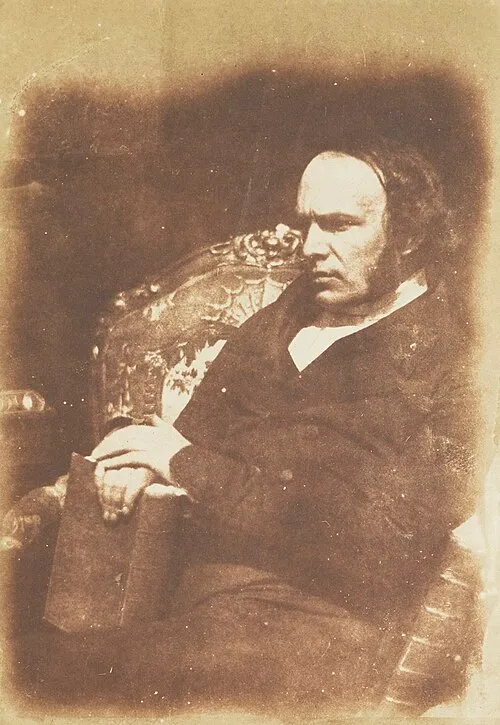
Defectos pasados
«Dios mío, confuso y avergonzado estoy para levantar, oh Dios mío, mi rostro a ti: Mas ahora, ¿qué diremos, oh Dios nuestro, después de esto?» —Esdras 9:6, 10.
Predicamos sermones cada vez que vuelve el día de reposo; administramos la Cena del Señor en sus tiempos fijados; hacemos alguna visita ocasional a quienes la piden; asistimos a reuniones religiosas: esto, tememos, resume la vida ministerial de multitudes que son, de profesión, supervisores del rebaño de Cristo. Un pastorado de treinta, cuarenta o cincuenta años a menudo no rinde más que esto. Tantos sermones, tantos bautismos, tantos sacramentos, tantas visitas, tantas reuniones de diversas clases: estos son todos los anales pastorales, los registros parroquiales, ¡el TODO de un ministerio de toda una vida para muchos! De almas que hayan sido salvas, tal registro no podría hacer mención alguna. Multitudes han perecido bajo semejante ministerio; solo el juicio ha de revelar si siquiera una ha sido salva. Podía haber erudición, pero no había «lengua de sabios, para saber hablar en sazón palabra al cansado». Podía haber sabiduría, pero ciertamente no era aquella sabiduría: «el que prende almas, es sabio». Hasta podía haber el sonido del evangelio, pero parecía no contener buenas nuevas en absoluto; no se hacía resonar desde labios cálidos hasta oídos sobresaltados como mensaje de vida eterna: «el evangelio de la gloria del Dios bendito». Los hombres vivían, ¡y su ministro nunca les preguntaba si habían nacido otra vez! Los hombres enfermaban, mandaban llamar al ministro y recibían una oración en el lecho de muerte, como pasaporte al cielo. Los hombres morían, y eran sepultados donde habían sido puestos todos sus padres; había una oración en el funeral, y los respetos decorosos a sus restos; pero sus almas subían al tribunal sin que se pensara en ellas, sin que se cuidara de ellas; sin que nadie, ni siquiera el ministro que había prometido velar por ellos, les hubiera dicho: ¿Están preparados?, ni los hubiera amonestado a «huir de la ira que vendrá». ¿No es esta descripción demasiado verdadera respecto de muchos distritos y de muchos ministros de nuestra tierra? No hablamos con enojo; no hablamos con desprecio: hacemos la pregunta con solemnidad y con seriedad. Requiere una respuesta. Si alguna vez hubo un tiempo en que debiera haber «grandes disquisiciones del corazón», y un reconocimiento franco de la infidelidad, es ahora, cuando Dios nos está visitando: nos visita tanto en juicio como en misericordia. Hablamos con amor fraternal; ciertamente la respuesta no debería ser de ira y de amargura. Y si esta descripción es verdadera, ¡cuánto pecado ha de haber en los ministros y en el pueblo!
¡Cuán grande ha de ser la desolación espiritual que prevalece! Ciertamente hay en tal caso algo gravemente malo; algo que pide un examen solemne de sí mismo en cada ministro; algo que requiere un arrepentimiento profundo. ¡Campos arados y sembrados, y con todo sin dar fruto! ¡Maquinaria en movimiento constante, y todo ello sin una sola partícula de producto! ¡Redes echadas a la mar y tendidas a todo lo ancho, y con todo ningún pez encerrado! ¡Todo esto por años, por toda una vida! ¡Qué extraño! Y, sin embargo, es verdad. No hay en el asunto ni fantasía ni exageración. Pregunten a algunos ministros, y ¿qué otra cuenta pueden dar? Pueden hablarles de sermones predicados, pero de sermones bendecidos no pueden decir nada. Pueden hablar de discursos que fueron admirados y alabados, pero de discursos que el Espíritu Santo haya hecho eficaces no pueden hablar. Pueden decirles cuántos han sido bautizados, cuántos comulgantes admitidos; pero de almas despertadas, convertidas, que maduran en la gracia, no pueden dar cuenta alguna. Pueden enumerar los sacramentos que han dispensado; pero en cuanto a si alguno de ellos ha sido «los tiempos del refrigerio», o tiempos de despertar, no pueden decirlo. Pueden decirles cuáles y cuántos casos de disciplina han pasado por sus manos; pero si alguno de estos ha desembocado en el dolor que es según Dios por el pecado; si los penitentes profesos, que fueron absueltos por ellos, dieron evidencia de esto: «sois lavados, mas [ya] sois santificados, mas [ya] sois justificados», no pueden dar información alguna; ¡nunca pensaron en tal desenlace! Pueden decir cuál es la asistencia a la escuela, y cuáles son las capacidades del maestro; pero cuántos de estos preciosos pequeñitos, a quienes han prometido apacentar, buscan al Señor, no lo saben; ni pueden decir si su maestro es hombre de oración y de piedad. Pueden decirles la población de su parroquia, o el número de su congregación, o la condición temporal de sus rebaños; pero en cuanto a su estado espiritual, cuántos han sido despertados del sueño de la muerte, cuántos son «imitadores de Dios como hijos amados», no pueden pretender decirlo. Quizá lo tendrían por temeridad y presunción, si no por fanatismo, el indagarlo. ¡Y, sin embargo, han jurado, delante de los hombres y de los ángeles, velar por sus almas, como aquellos que han de dar cuenta! Pero ¡oh!, ¿de qué sirven los sermones, los sacramentos, las escuelas, si se deja a las almas perecer; si se pierde de vista la religión viva; si no se busca al Espíritu Santo; si se deja a los hombres crecer y morir sin que nadie se compadezca de ellos, sin que nadie ore por ellos, sin que nadie los advierta?
No era así en otros días. Nuestros padres velaban y predicaban de veras por las almas. Pedían bendición, y la esperaban. Ni se les negó. Fueron bendecidos al volver a muchos a la justicia. Sus vidas registran sus labores que alcanzaron éxito. ¡Qué refrigerio las vidas de quienes vivieron solo para la gloria de Dios y el bien de las almas! Hay algo en su historia que nos obliga a sentir que eran ministros de Cristo: verdaderos atalayas. ¡Qué aliento leer de Baxter y de sus labores en Kidderminster! ¡Qué solemne oír de Venn y de su predicación, acerca de la cual se dice que los hombres «caían delante de él como cal apagada»! Y en las labores tan bendecidas de aquel hombre de Dios, el apostólico Whitefield, ¿no hay mucho que nos humille, y también que nos estimule? De Tanner, que él mismo fue despertado bajo Whitefield, leemos que «rara vez predicó un sermón en vano». De Berridge y de Hicks se nos dice que, en sus giras misioneras por toda Inglaterra, fueron bendecidos en un año para despertar a cuatro mil almas. ¡Oh, si volvieran estos días! ¡Oh, si volviera un solo día de Whitefield!
Así ha escrito uno: «El lenguaje que hemos acostumbrado adoptar es este: hemos de usar los medios, y dejar el resultado a Dios; no podemos hacer más que emplear los medios; este es nuestro deber y, hecho esto, hemos de dejar lo demás a aquel que dispone todas las cosas. Tal lenguaje suena bien, pues parece ser un reconocimiento de nuestra propia nada, y sabe a sumisión a la soberanía de Dios; pero es solo sonido: no tiene en realidad sustancia alguna, porque, aunque hay verdad estampada en su faz, hay falsedad en su raíz. Hablar de sumisión a la soberanía de Dios es una cosa; pero someterse de veras a ella es otra, y muy distinta. Someterse de veras a la disposición soberana de Dios implica siempre, por necesidad, la honda renuncia de nuestra propia voluntad en el asunto de que se trata; y tal renuncia de la voluntad nunca puede efectuarse sin que un alma sea llevada por ejercicios muy severos y penosos, de naturaleza interior y sumamente humillante. Por tanto, si, mientras estamos tranquilamente satisfechos de usar los medios sin obtener el fin, y esto no nos cuesta tales ejercicios interiores dolorosos ni tal humillación profunda como la que se ha mencionado, pensamos que estamos dejando el asunto a la disposición de Dios, nos engañamos a nosotros mismos, y la verdad en este asunto no está en nosotros. No; dar de veras cualquier cosa a Dios implica que la voluntad, que es de modo eminente el corazón, se ha puesto en esa cosa; y si el corazón se ha puesto de veras en la salvación de los pecadores, como el fin que han de alcanzar los medios que usamos, no podemos en modo alguno soltar ese fin sin que, como antes se observó, el corazón sea ejercitado con severidad y lastimado hondamente por la renuncia de la voluntad que ello lleva consigo. Cuando, por tanto, podemos contentarnos tranquilamente con usar los medios para salvar almas, sin verlas salvas por ellos, es porque no hay renuncia de la voluntad; esto es, no hay una entrega real a Dios en el asunto. El hecho es que la voluntad —esto es, el corazón— nunca se había puesto de veras en este fin; si se hubiera puesto, no podría en modo alguno soltar tal fin sin quedar quebrantada por el sacrificio. Cuando así podemos satisfacernos con usar los medios sin obtener el fin, y hablar de ello como si nos estuviéramos sometiendo a la disposición del Señor, usamos una verdad para esconder una falsedad, exactamente del mismo modo en que lo hacen aquellos formalistas en la religión, que continúan en formas y deberes sin ir más allá de ellos, aunque saben que no los han de salvar, y que, cuando se les advierte de su peligro y se les ruega con empeño que busquen al Señor con todo el corazón, responden diciéndonos que saben que han de arrepentirse y creer, pero que no pueden hacer ni lo uno ni lo otro por sí mismos, y que han de esperar hasta que Dios les dé gracia para hacerlo. Ahora bien, esto es una verdad, considerada en absoluto; sin embargo, los más de nosotros podemos ver que la están usando como una falsedad para cubrir y excusar una gran insinceridad de corazón. Bien podemos percibir que, si sus corazones estuvieran puestos de veras en la salvación, no podrían quedar satisfechos sin ella. Su contentamiento es resultado, no de una sumisión del corazón a Dios, sino en realidad de una indiferencia del corazón hacia la salvación de sus propias almas. Exactamente así es con nosotros como ministros: cuando podemos quedar satisfechos con usar los medios para salvar almas sin verlas salvas de veras, ni quedar nosotros mismos quebrantados de corazón por ello, y al mismo tiempo hablamos con tranquilidad de dejar el resultado a la disposición de Dios, nos valemos de una verdad para cubrir y excusar una falsedad; porque el poder dejar así el asunto no es, como imaginamos, resultado de una sumisión del corazón a Dios, sino de una indiferencia del corazón hacia la salvación de las almas con las que tratamos. No, en verdad: si el corazón está puesto de veras en tal fin, ha de alcanzar ese fin, o quebrantarse al perderlo».
El que salvó nuestras almas nos ha enseñado a llorar por los que no son salvos. ¡Señor, haya en nosotros este sentir que hubo en ti! Danos tus lágrimas para llorar; porque, Señor, nuestros corazones están duros para con nuestros prójimos. Podemos ver perecer a millares en torno nuestro, y nuestro sueño no se turba jamás; ninguna visión de su condenación terrible nos espanta nunca; ningún clamor de sus almas perdidas vuelve jamás nuestra paz en amargura. Se cuenta del arzobispo Usher que, en un período de su vida, solía irse solo, el sábado por la tarde, a la orilla de un río, y allí contar con dolor sus pecados, y confesarlos y llorarlos ante el Señor con torrentes de lágrimas. ¿No es esto a propósito para reprender a muchos, a muchos de nosotros? Y aun allí donde lamentamos nuestros pecados, ¿cuántos de nosotros nos apartamos muchas veces a llorar por las almas perdidas, a clamar al Señor por ellas, a implorar, a suplicar, a agonizar con él a favor de ellas? ¿Dónde está la orilla del agua junto a la cual nuestros ojos han derramado arroyos, en nuestra intensa compasión por los que perecen?
¿Creemos que hay un infierno eterno? —¡un infierno eterno para toda alma sin Cristo! Y, sin embargo, estamos lánguidos, formales, a nuestras anchas, al tratar con las multitudes que están cerca de la puerta de ese tremendo horno de ira, y al tratar a favor de ellas. Nuestras familias, nuestras escuelas, nuestras congregaciones, por no hablar de nuestras ciudades en general, de nuestra tierra, de nuestro mundo, bien podrían enviarnos cada día a las rodillas; porque la pérdida de aun una sola alma es terrible más allá de cuanto se puede concebir. Ojo no vio, ni oreja oyó, ni han subido en corazón de hombre, lo que un alma en el infierno ha de padecer para siempre. ¡Señor, danos entrañas de misericordia! «¡Qué misterio! El alma y la eternidad de un hombre dependen de la voz de otro.»
Ver el original (inglés)
Original en inglés
Past Defects
“O my God, I am ashamed and blush to lift up my face to thee, my God: O our God, what shall we say after this?” —Ezra 9:6, 10.
We deliver sermons on each returning Sabbath; to administer the Lord’s Supper statedly; to pay an occasional visit to those who request it; to attend religious meetings;— this, we fear, sums up the ministerial life of multitudes who are, by profession, overseers of the flock of Christ. An incumbency of thirty, forty, or fifty years, often yields no more than this. So many sermons, so many baptisms, so many sacraments, so many visits, so many meetings of various kinds— these are all the pastoral annals, the parish records, the ALL of a lifetime’s ministry to many! Of souls that have been saved, such a record could make no mention. Multitudes have perished under such a ministry; the judgment only will disclose whether so much as one has been saved. There might be learning, but there was no “tongue of the learned to speak a word in season to him that is weary.” There might be wisdom, but it certainly was not the wisdom that “winneth souls.” There might even be the sound of the gospel, but it seemed to contain no glad tidings at all; it was not sounded forth from warm lips into startled ears as the message of eternal life — “the glorious gospel of the blessed God.” Men lived, and it was never asked of them by their minister whether they were born again! Men sickened, sent for the minister and received a prayer upon their deathbeds as their passport into heaven. Men died, and were buried where all their fathers had been laid; there was a prayer at their funeral, and decent respects to their remains; but their souls went up to the judgment-seat unthought of, uncared for; no man, not even the minister who had vowed to watch for them, having said to them, Are you ready?— or warned them to flee from the wrath to come. Is not this description too true of many a district and many a minister in our land? We do not speak in anger; we do not speak in scorn: we ask the question solemnly and earnestly. It needs an answer..If ever there was a time when there should be “great searchings of heart,” and frank acknowledgment of unfaithfulness, it is now when God is visiting us — visiting us both in judgment and mercy. We speak in brotherly-kindness; surely the answer should not be of wrath and bitterness. And if this description be true, what sin must there be in ministers and people!
How great must be the spiritual desolation that prevails! Surely there is something in such a case grievously wrong; something - which calls for solemn self-examination in every minister; something which requires deep repentance. Fields plowed and sown, yet yielding no fruit! Machinery constantly in motion, yet all without one particle of produce! Nets cast into the sea, and spread wide, yet no fishes inclosed! All this for years — for a lifetime! How strange! Yet it is true. There is neither fancy nor exaggeration in the matter. Question some ministers; — and what other account can they give? They can tell you of sermons preached, but of sermons blest they can say nothing. They can speak of discourses that were admired and praised, but of discourses that have been made effectual by the Holy Spirit, they can not speak. They can tell you how many have been baptized, how many communicants admitted; but of souls awakened, converted, ripening in grace, they can give no account. They can enumerate the sacraments they have dispensed; but as to whether any of them have been ” times of refreshing,” or times of awakening, they can not say. They can tell you what and how many cases of discipline have passed through their hands; but whether any of these have issued in godly sorrow for sin, whether the professed penitents, who were absolved by them, gave evidence of being ” washed and sanctified and justified,” they can give no information; they never thought of such an issue! They can tell what is the attendance at school, and what are the abilities of the teacher; but how many of these precious little ones, whom they have vowed to feed, are seeking the Lord, they know not; or whether their teacher be a man of prayer and piety, they can not say. They can tell you the population of their parish, or the number of their congregation, or the temporal condition of their flocks; but as to their spiritual state, how many have been awakened from the sleep of death, how many are followers of God as dear children, they can not pretend to say. Perhaps they would deem it rashness and presumption, if not fanaticism, to inquire. And yet they have sworn, before men and angels, to watch for their souls as they that must give account! But oh, of what use are sermons, sacraments, schools, if souls are left to perish; if living religion be lost sight of; if the Holy Spirit be not sought; if-men are left to grow up and die unpitied, unprayed for, unwarned!
It was not so in other days. Our fathers really watched and preached for souls. They asked and they expected a blessing. Nor were they denied it. They were blessed in turning many to righteousness. Their lives record their successful labors. How refreshing the lives of those who lived only for the glory of God and the good of souls! There is something in their history that compels us to feel that they were ministers of Christ — true watchmen. How cheering to read of Baxter, and his labors at Kidderminster! How solemn to hear of Venn and his preaching, in regard to which it is said that men ” fell before him like slaked lime!” And in the much-blest labors of that man of God, the apostolic Whitefield, is there not much to humble us, as well as to stimulate? Of Tanner, who was himself awakened under Whitefield, we read that he “seldom preached one sermon in vain.” Of Berridge and Hicks we are told that, in their missionary tours throughout England they were blessed in one year to awaken four thousand souls. Oh for these days again! Oh for one day of Whitefield again!
Thus one has written — ” The language we have been accustomed to adopt is this; we must use the means, and leave the event to God; we can do no more than employ the means: this is our duty, and, having done this, we must leave the rest to Him who is the disposer of all things.” Such language sounds well, for it seems to be an acknowledgment of our own nothingness, and to savor of submission to God’s sovereignty; but it is only sound: it has not really any substance in it, for though there is truth stamped on the face of it, there is falsehood at the root of it. To talk of submission to God’s sovereignty is one thing; but really to submit to it is another and quite a different thing. Really to submit to God’s sovereign disposal, does always necessarily involve the deep renunciation of our own will in the matter concerned; and such a renunciation of the will can never be effected without a soul being brought through very severe and trying exercises of an inward and most humbling nature. Therefore, if whilst we are quietly © satisfied in using the means without obtaining the end, and this costs us no such painful inward exercises and deep humbling as that alluded to, we think that we are leaving the affair to God’s disposal — we deceive ourselves, and the truth in this matter is not ip us. No; really to give anything to God, implies that the will, which is emphatically the heart, has been set on that thing; and if the heart has indeed been set on the salvation of sinners, as the end to be answered by the means we use, we can not possibly give up that end, without, as was before observed, the heart being severely exercised and deeply pained by the renunciation of the will involved in it. When, therefore, we can be quietly content to use the means for saving souls, without seeing them saved thereby, it is because there is no renunciation of the will; that is, no real giving up to God in the affair. The fact is, the will—that is, the heart —had nev er really been set upon this end; if it had, it could not possibly give up such an end without being broken by the sacrifice. When we can thus be satisfied to use the means without obtaining the end, and speak of it as though we were submitting to the Lord’s disposal, we use a truth to hide a falsehood, exactly in the same way that those formalists in religion do, who continue in forms and duties without going beyond them, - though they know they will not save them, and who, when they are warned of their danger, and earnestly entreated to seek the Lord with all the heart, reply by telling us they know they must repent and believe,: but that they can not do either the one or the other of themselves, and that they must wait till God gives them grace to do so. Now, this is a truth, absolutely considered; yet most of us can see that they are using it as a falsehood to cover and excuse a great insincerity of heart. We can readily perceive that if their hearts were really set upon salvation, they could not rest satisfied without it. Their contentedness is the result, not of heart-submission to God, but in reality of heart-indifference to the salvation of their own souls. Exactly so it is with us as ministers: when we can rest satisfied with using the means for saving souls without seeing them really saved, or we ourselves being broken-hearted by it, and at the same time quietly talk of leaving the event to God’s disposal, we make use of a truth to cover and excuse a falsehood; for our ability to leave the matter thus is not, as we imagine, the result of heart-submission to God, but of heart-indifference to the salvation of the souls we deal with. No, truly; if the heart is really set on such an end, it must gain that end or break in losing it.”
He that saved our souls has taught us to weep over the unsaved. Lord, let that mind be in us that was in thee! Give us thy tears to weep; for, Lord, our hearts are hard toward our fellows. We can see thousands perish around us, and our sleep never be disturbed; no vision of their awful doom ever scaring us, no cry from their lost souls ever turning our peace into bitterness. It is told of Archbishop Usher that, at one period of his life, he used on Saturday afternoon to go alone to a river-side, and there sorrowfully recount his sins, and confess and bewail them to the Lord with floods of tears. Is this not fitting to reprove many, many of us? And even where we lament our sins, how many of us go apart oftentimes to weep over lost souls, to cry to the Lord for them, to implore, to beseech, to agonize with him in their behalf? Where is the water-side beside which our eyes have poured out streams in our intense compassion for the perishing?
Do we believe there is an everlasting hell! —an everlasting hell for every Christless soul? And yet we are languid, formal, easy in dealing with and for the multitudes that are near the gate of that tremendous furnace of wrath! Our families, our schools, our congregations, not to speak of our cities at large, our land, our world, might well send us daily to our knees; for the loss of even one soul is terrible beyond conception. Eye has not seen, nor ear heard, nor has entered the heart of man, what a soul in hell must suffer forever. Lord, give us bowels of mercies! ” What a mystery? The soul and eternity of one man depends upon the voice of another!”
https://sermonesbiblicos.org/biblioteca/palabras-a-los-ganadores-de-almas-03-defectos-pasados/