Sermones Bíblicos
La verdadera vida y conducta del ministro
Horatius Bonar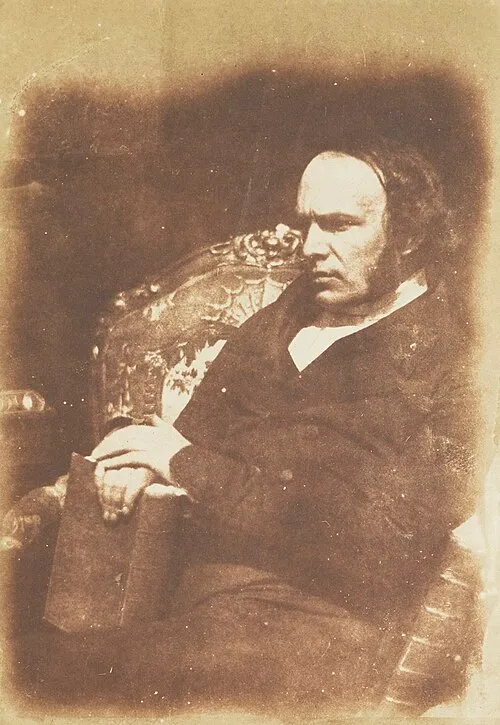
La verdadera vida y conducta del ministro
El verdadero ministro ha de ser un verdadero cristiano. Ha de ser llamado por Dios antes de poder llamar a otros a Dios. El apóstol Pablo expone así el asunto: «Dios, el cual nos reconcilió á sí por Cristo; y nos dió el ministerio de la reconciliación.» Ellos fueron reconciliados primero, y después les fue dado el ministerio de la reconciliación. ¿Estamos nosotros reconciliados? No es sino razonable que un hombre que ha de servir de guía espiritual a otros conozca él mismo el camino de la salvación. Se ha dicho muchas veces que «el camino al cielo está obstruido con profesantes muertos»; pero ¿no es también cierto que ese melancólico obstáculo no se compone solamente de miembros de las iglesias? ¡Cuidémonos a nosotros mismos!
Como la vida del ministro es, en más de un sentido, la vida de un ministerio, digamos unas pocas palabras sobre el santo vivir ministerial.
Busquemos al Señor temprano. «Si mi corazón queda temprano sazonado con su presencia, todo el día tendrá sabor de él.» (Obispo Hall; Salmo 5:4 [N. del T.: Salmo 5:3 en la RV]; véase el hebreo.) Veamos a Dios antes que al hombre, cada día. «Debo orar antes de ver a nadie. A menudo, cuando duermo largo, o me encuentro temprano con otros, y luego vienen la oración familiar, el desayuno y las visitas de la mañana, dan las once o las doce antes de que empiece la oración secreta. Este es un sistema miserable. No es conforme a la Escritura. Cristo se levantó antes del día, y se fue a un lugar solitario… La oración familiar pierde mucho de su poder y de su dulzura; y no puedo hacer bien alguno a los que vienen a buscarme. La conciencia se siente culpable, el alma sin alimento, la lámpara sin aderezar.»
«Entonces, cuando llega la oración secreta, el alma está a menudo desafinada. Siento que es mucho mejor comenzar con Dios, ver primero su rostro, acercar mi alma a él antes de que esté cerca de otro. Lo mejor es tener al menos una hora a solas con Dios, antes de emprender cualquier otra cosa. Al mismo tiempo, he de cuidar de no medir la comunión con Dios por minutos, ni por horas, ni por la soledad.» (M’Cheyne.) Oigan a este verdadero siervo de Cristo exhortar a un hermano amado: «Ten cuidado de ti mismo. Tu propia alma es tu primer y mayor cuidado. Sabes que un cuerpo sano, por sí solo, puede trabajar con poder; cuánto más un alma sana. Conserva limpia la conciencia por medio de la sangre del Cordero. Mantén una comunión estrecha con Dios. Aplícate a ser semejante a él en todas las cosas. Lee la Biblia primero para tu propio crecimiento, y después para tu pueblo.»
«Con él», dice su biógrafo, «el comienzo de todo trabajo consistía invariablemente en la preparación de su propia alma. Lo que precedía a las visitas de cada día era un tiempo sereno de devoción privada durante las horas de la mañana. Las paredes de su aposento eran testigos de su oración —creo que de sus lágrimas tanto como de sus clamores. El sonido agradable de los salmos salía a menudo de su cuarto a hora temprana; luego seguía la lectura de la Palabra para su propia santificación; y pocos han hecho tan plenamente suya la bendición del Salmo primero.» ¡Ojalá fuera así con todos nosotros! «La devoción», dijo el obispo Hall, «es la vida de la religión, el alma misma de la piedad, el empleo más alto de la gracia.» Es muy de temer que «somos débiles en el púlpito porque somos débiles en el aposento.» (James.) Veamos la comunión con Dios tal como se manifestó en un joven de unos veinte años. James Janeway escribe de su hermano John: «Una vez me escondí, para poder observar con mayor exactitud el trato que yo juzgaba que se mantenía entre él y Dios. Pero ¡oh, qué espectáculo vi! Por cierto, un hombre que andaba con Dios, que conversaba íntimamente con su Hacedor y mantenía una santa familiaridad con el gran Jehová. Me pareció ver a uno que hablaba con Dios. Me pareció ver a un mercader espiritual en un mercado celestial, que hacía un rico comercio por los tesoros de otro mundo. ¡Oh, qué vista tan gloriosa era! Todavía me parece verlo. ¡Cuán dulcemente resplandecía su rostro! ¡Oh, con qué semblante tan amable iba de un lado a otro: los labios en movimiento, el cuerpo a menudo irguiéndose, como si fuera a tomar vuelo hacia el cielo! Sus miradas, sus sonrisas y cada movimiento declaraban que estaba en los mismos confines de la gloria. ¡Oh, si alguien hubiera sabido de qué se alimentaba entonces! Ciertamente tenía comida que comer, que el mundo no conocía.» Esto es vivir de veras. ¡Qué reprensión para nuestras devociones frías! Esto es andar con Dios.
El biógrafo del reverendo W. H. Hewitson comienza así su memoria: «“Restituir a una verdad común”, escribe el señor Coleridge, “su primer lustre nada común, solo requiere que la traduzcas en acción”. Andar con Dios es una verdad muy común. Traduce esta verdad en acción: ¡cuán luminosa se vuelve! La frase, ¡qué trillada!; la cosa, ¡qué rara! Es un andar así —no un ideal abstracto, sino una persona, una vida— lo que se invita al lector a contemplar en el sujeto de esta memoria.» ¡Oh, si tan solo nos pusiéramos con verdadero empeño en esta rara obra de traducción! Se dice del enérgico, piadoso y de éxito John Berridge que «la comunión con Dios era lo que él inculcaba en las últimas etapas de su ministerio. Era, en verdad, su propia comida y su bebida, y el banquete del cual nunca parecía levantarse.» Esto nos muestra la fuente de su gran fuerza. Si estuviéramos siempre sentados a este banquete, entonces podría consignarse de nosotros, dentro de poco, como de él: «En el primer año fue visitado por cerca de mil personas bajo impresiones serias.»
A los hombres, aun más que a su doctrina, querríamos dirigir la mirada del que pregunta: ¿De dónde les vino el éxito?, y ¿por qué no ha de ser nuestro el mismo éxito? Podemos tomar los sermones de Whitefield, o de Berridge, o de Edwards, para nuestro estudio o para modelo nuestro; pero son los individuos mismos los que hemos de poner principalmente delante de nosotros; es del espíritu de los hombres, más que del de sus obras, del que hemos de quedar empapados, si anhelamos emular un ministerio tan poderoso, tan victorioso como el suyo. Eran hombres espirituales, y andaban con Dios. Es la comunión viva con un Salvador vivo la que, transformándonos a su imagen, nos capacita para ser ministros del evangelio capaces y fructíferos. Sin esto, ninguna otra cosa aprovechará. Ni la ortodoxia, ni el saber, ni la elocuencia, ni la fuerza del argumento, ni el celo, ni el fervor lograrán nada sin esto. Esto es lo que da poder a nuestras palabras y persuasión a nuestros argumentos, haciéndolos ya como el bálsamo de Galaad para el espíritu herido, ya como agudas saetas de valiente para la conciencia del rebelde de corazón obstinado. De los que andan con él en trato santo y feliz parece que sale una virtud, y parece que una fragancia bendita los rodea dondequiera que van. La cercanía a él, la intimidad con él, la asimilación a su carácter: estos son los elementos de un ministerio de poder. Cuando podamos decir a nuestro pueblo: «Vimos su gloria, y por eso hablamos de ella; no hablamos de oídas, sino que hemos visto al Rey en su hermosura», ¡qué elevada es la posición que ocupamos! Nuestro poder para atraer a los hombres a Cristo brota principalmente de la plenitud de nuestro gozo personal en él y de la cercanía de nuestra comunión personal con él. El semblante que más refleja a Cristo, y que más resplandece con su amor y su gracia, es el más apto para atraer la mirada de un mundo descuidado y atolondrado, y para ganar sus almas inquietas, sacándolas de las fascinaciones del amor a la criatura y de la hermosura de la criatura. Un ministerio de poder ha de ser el fruto de una intimidad santa, pacífica y amorosa con el Señor.
«La ley de verdad estuvo en su boca, é iniquidad no fué hallada en sus labios: en paz y en justicia anduvo conmigo, y á muchos hizo apartar de la iniquidad» (Malaquías 2:6). Observemos la conexión que aquí se declara que existe entre la fidelidad y el éxito en la obra del ministerio; entre una vida piadosa y el «á muchos hizo apartar de la iniquidad». El fin para el cual tomamos al principio el oficio, según declaramos en la ordenación, fue salvar almas; el fin para el cual todavía vivimos y trabajamos es el mismo; los medios para este fin son una vida santa y el fiel cumplimiento de nuestro ministerio. La conexión entre estas dos cosas es estrecha y segura.
Tenemos derecho a contar con ella. Se nos llama a orar y a trabajar con la expectativa confiada de que se cumpla; y, donde no se cumpla, a examinarnos con toda diligencia, no sea que la causa del fracaso se halle en nosotros mismos: en nuestra falta de fe, nuestra falta de amor, nuestra falta de oración, nuestra falta de celo y de calor, nuestra falta de espiritualidad y de santidad de vida; porque por estas cosas se contrista al Espíritu Santo y se aparta. El éxito es alcanzable; el éxito es deseable; el éxito es prometido por Dios; y nada sobre la tierra puede ser más amargo para el alma de un ministro fiel que carecer de él. Andar con Dios, y ser fieles al encargo recibido, se declara como el camino seguro de alcanzarlo. ¡Oh, cuánto depende de la santidad de nuestra vida, de la consecuencia de nuestro carácter, de lo celestial de nuestro andar y de nuestra conducta! Nuestra posición es tal que no podemos permanecer neutrales. Nuestra vida no puede ser una de oscuridad inofensiva. ¡Hemos de repeler o atraer: salvar almas, o arruinarlas! ¡Cuán fuerte es, pues, el llamado; cuán poderoso el motivo, para la espiritualidad del alma y la circunspección de la vida! ¡Cuán solemne la advertencia contra la mentalidad mundana y la vanidad, contra la liviandad y la frivolidad, contra la negligencia, la pereza y la fría formalidad!
De todos los hombres, un ministro de Cristo es llamado de manera especial a andar con Dios. De esto depende todo: su propia paz y su propio gozo, su propia recompensa futura en la venida del Señor. Pero en especial Dios señala esto como el camino verdadero y seguro de asegurar la bendición. Este es el gran secreto del éxito ministerial. Quien anda con Dios refleja la luz de su rostro sobre un mundo sumido en tinieblas; y cuanto más de cerca anda, tanto más refleja de esta luz. Quien anda con Dios lleva en su mismo porte y en su semblante una dulce serenidad y un gozo santo que difunde tranquilidad en derredor. Quien anda con Dios recibe vida y la comunica dondequiera que va; como está escrito: «de él correrán ríos de agua viva.» No es meramente la luz del mundo, sino la fuente del mundo; reparte el agua de la vida por todas partes, y hace que los yermos estériles florezcan como la rosa. Riega el desierto del mundo mientras sigue su curso pacífico. ¡Bendita es su vida; bendito su ejemplo; bendito su trato; benditas sus palabras; bendito su ministerio! Se salvan almas, se convierten pecadores, y muchos son apartados de su iniquidad.
Ver el original (inglés)
Original en inglés
The Minister’s True Life and Walk
The true minister must be a true Christian. He must be called by God, before he can call others to God. The Apostle Paul thus states the matter: “God hath reconciled us to himself by Jesus Christ, and hath given to us the ministry of reconciliation.” They were first reconciled, and then they had given to them the ministry of reconciliation. Are we reconciled? It is but reasonable that a man who is to act as a spiritual guide to others should himself know the way of salvation. It has been frequently said that “the way to heaven is blocked up with dead professors;” but is it not also true that the melancholy obstruction is not composed of members of churches only? Let us take heed unto ourselves!
As the minister’s life is in more than one respect the life of a ministry, let us speak a few words on ministerial holy living.
Let us seek the Lord early. “If my heart be early seasoned with his presence, it will savor of him all day after.” (Bishop Hall; Psa. v. 4, vide Hebrew.) Let us see God before man every day. “I ought to pray before seeing any one. Often when I sleep long, or meet with others early, and then have family-prayer and breakfast and forenoon callers, it is eleven or twelve o’clock before I begin secret prayer. This is a wretched system. It is unscriptural. Christ rose before day, and went into a solitary place… Family prayer loses much of its power and sweetness; and I can do no good to those who come to seek for me. The conscience feels guilty, the soul unfed, the lamp not trimmed.
Then, when secret prayer comes, the soul is often out of tune. I feel it far better to begin with God, to see his face first, to get my soul near him before it is near another. It is best to have at least one hour alone with God, before engaging in anything else. At the same time, I must be careful not to reckon communion with God by minutes, or hours, or by solitude.” (M’Cheyne.) Hear this true servant of Christ exhorting a beloved brother: ’” Take heed to thyself. Your own soul is your first and greatest care. You know a sound body alone can work with power, much more a healthy soul. Keep a clear conscience through the blood of the Lamb. Keep up close communion with God. Study likeness to him in all things. Read the Bible for your own growth first, then for your people.”
” With him,” says his biographer, ” the commencement of all labor invariably consisted in the preparation of his own soul. The forerunner of each day’s visitations was a calm season of private devotion during morning hours. The walls of his chamber were witnesses of his prayerfulness—I believe of his tears as well as of his cries. The pleasant sound of psalms often issued from his room at an early hour; then followed the reading of the Word for his own sanctification: and few have so fully realized the blessing of the first psalm.” Would that it were so with us all! “Devotion,” said Bishop Hall, “is the life of religion, the very soul of piety, the highest employment of grace.” It is much to be feared that “we are weak in the pulpit because we are weak in the closet.” (James.) Let us see communion with God as manifested in a youth of about twenty. James: Janeway writes of his brother John: “I once hid myself that I might take the more ’ exact notice of the intercourse that I judged was kept up between him and God. But oh, what a spectacle did I see! Surely a man -walking with God, conversing intimately with his Maker, and maintaining a holy familiarity “with the great Jehovah. Methought I saw one talking with God. Methought I saw a spiritual merchant in a heavenly exchange, driving a rich trade for the treasures of another world. Oh, what a glorious sight it was! Methinks I see him still. How sweetly did his face shine! Oh, with what a lovely countenance did he walk up and down—his lips going, his body oft reaching up, as if he would have taken his flight into heaven! His looks, smiles, and every motion spake him to be upon the very confines of glory. Oh, had one but known what he was then feeding on! Surely he had meat to eat which the world knew not of!” ‘This is to live indeed. Wha a rebuke to our cold devotions! This is walking with God.
The biographer of the Rev. W. H. Hewitson begins his memoir thus: ’” ‘To restore a common-place truth,’ writes Mr. Coleridge, ‘to its first uncommon luster, you need only translate it into action.” Walking with God is a very common-place truth. Translate this truth into action — how lustrous it becomes! The phrase, how hackneyed!— the thing, how rare! It is such a walk — not an abstract ideal, but a personality, a life— which the reader is invited to contemplate in the subject of this memoir.” Oh that we would only set ourselves in right earnest to this rare work of translation! It is said of the energetic, pious, and successful John Berridge, that “communion with God was what he enforced in the latter stages of his ministry. It was, indeed, his own meat and drink, and the banquet from which he never appeared to rise.” \ This shows us the source of his great strength. If we were always sitting at this banquet, then it might be recorded of us ere long, as of him, ” He was in the first year visited by about a thousand persons under serious impressions.”
To the men even more than to their doctrine we would point the eye of the inquirer who asks, Whence came their success? and why may not the same success be ours? We may take the sermons of Whitefield or Berridge or Edwards for our study or our pattern, but it is the individuals themselves that we must mainly set before us; it is with the spirit of the men, more than of their works, that we are to be imbued, if we are emulous of a ministry as powerful, as victorious as theirs. They were spiritual men, and walked with God. It is living fellowship with a living Saviour, which, transforming us into his image, fits us for being able and successful ministers of the gospel. Without this nothing else will avail. Neither orthodoxy, nor learning, nor eloquence, nor power of argument, nor zeal, nor fervor, will accomplish aught without this. It is this that gives power to our words, and persuasiveness to our arguments; making them either as the balm of Gilead to the wounded spirit, or as sharp arrows of the mighty to the conscience of the stout-hearted rebel. From them that walk with him in holy, happy intercourse, a virtue seems to go forth, a blessed fragrance seems to compass them whithersoever they go. Nearness to him, intimacy with him, assimilation to his character — these are the elements of a ministry of power. When we can tell our people, ’”’ We beheld his glory, and therefore we speak of it; it is not from report we speak, but we have seen the King in his beauty” — how lofty the position we occupy! Our power in drawing men to Christ springs chiefly from the fullness of our personal joy in him, and the nearness of our personal communion with him. The countenance that reflects most of Christ, and shines most with his love and grace, is most fitted to attract the gaze of a careless, giddy world, and win their restless souls from the fascinations of creature-love and creature-beauty. A ministry of power must be the fruit of a holy, peaceful, loving intimacy with the Lord.
” The law of truth was in his mouth, and iniquity was not found in his lips: He walked with me in peace and equity, and did turn many away from iniquity” (Mal. ii. 6). Let us observe the connection here declared to subsist between faithfulness and success in the work of the ministry; between a godly life and the “turning away many from iniquity.” The end for which we first took office, as we declared at ordination, was the saving of souls; the end for which we still live and labor is the same; the means to this end are a holy life and a faithful fulfillment of our ministry. The connection between these two things is close and sure.
We are entitled to calculate upon it. We are called upon to pray and labor with the confident expectation of its being realized; and where it is not, to examine ourselves with all diligence, lest the cause of the failure be found in ourselves; in our want of faith, our want of love, our want of prayer, our want of zeal and warmth, our want of spirituality and holiness of life; for it is by these that the Holy Spirit is grieved away. Success is attainable; success is desirable; success is promised by God; and nothing on earth can be bitterer to the soul of a faithful minister than the want of it. To walk with God, and to be faithful to our trust, is declared to be the certain way of attaining it. Oh, how much depends on the holiness of our life, the consistency of our character, the heavenliness of our walk and conversation! Our position is such that we can not remain neutral. Our life can not be one of harmless obscurity. We must either repel or attract — save or ruin souls! How loud, then, the call, how strong the motive, to spirituality of soul and circumspectness of life! How solemn the warning against worldly-mindedness and vanity, — against levity and frivolity,— against negligence and sloth and cold formality!
Of all men, a minister of Christ is especially called to walk with God. Everything depends on this; his own peace and joy, his own future reward at the coming of the Lord. But especially does God point to this as the true and sure way of securing the blessing. This is the grand secret of ministerial success. One who walks with God reflects the light of his countenance upon a benighted world; and the closer he walks, the more of this light does he reflect. One who walks with God carries in his very air and countenance a sweet serenity and holy joy that diffuses tranquillity around. One who walks with God receives and imparts life whithersoever he goes; as it is written, “Out of him shall flow rivers of living water.” He is not merely the world’s light, but the world’s fountain; dispensing the water of life on every side, and making the barren wastes to blossom as the rose. He waters the world’s wilderness as he moves along his peaceful course. His life is blessed; his example is blessed; his intercourse is blessed; his words are blessed; his ministry is blessed! Souls are saved, sinners are converted, and many are turned from their iniquity.
https://sermonesbiblicos.org/biblioteca/palabras-a-los-ganadores-de-almas-02-la-verdadera-vida-y-conducta-del-ministro/