Sermones Bíblicos
La importancia de un ministerio vivo
Horatius Bonar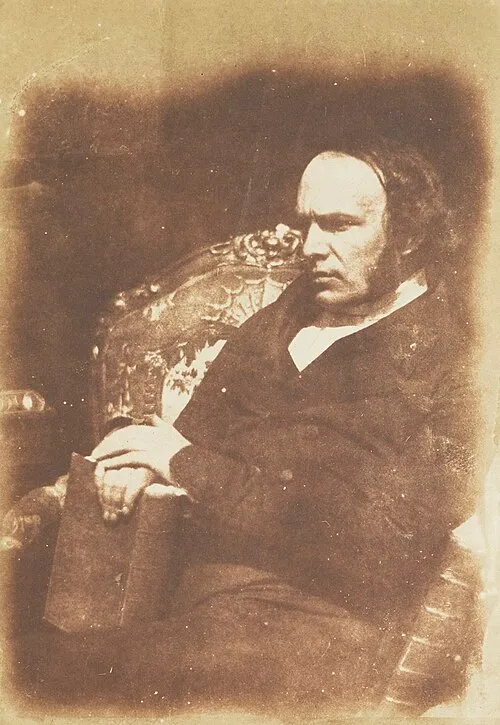
No es del hombre lo frívolo. Breve es la vida, y el pecado está aquí. Nuestra edad no es más que la caída de una hoja: una lágrima que cae. No tenemos tiempo de malgastar en juego las horas: todos han de ir de veras en un mundo como el nuestro.
«No muchas vidas, sino una sola tenemos: una, solo una. ¡Cuán sagrada ha de ser siempre esa única vida, ese estrecho trecho! Día tras día, colmado de bendito trabajo, hora tras hora, trayendo aún nuevo botín.»
La importancia de un ministerio vivo
«¡Cuánto más lograrían en el ministerio unos pocos hombres buenos y fervientes que una multitud de tibios!»
Tal fue la observación de Oecolampadius, el reformador suizo: un hombre a quien la experiencia había enseñado, y que ha consignado esa experiencia para bien de otras iglesias y de otros días. Es una observación, sin embargo, cuya verdad apenas se ha reconocido y apenas se ha puesto por obra; es más, cuya importancia sigue hasta hoy sin apreciarse, aun allí donde no se niega su verdad. El mero multiplicar hombres que se llaman ministros de Cristo de poco servirá. Pueden no ser sino «estorbos de la tierra». Pueden ser como los Acán, que turban el campamento; o quizá como los Jonás, que levantan la tempestad. Aun siendo sanos en la fe, por la incredulidad, la tibieza y la formalidad perezosa, pueden hacer a la causa de Cristo un daño irreparable, helando y marchitando toda la vida espiritual en torno suyo. El ministerio tibio de quien es ortodoxo en teoría suele ser para las almas ruina más extensa y más fatal que el de quien es groseramente inconsecuente o flagrantemente herético. «¿Qué hombre hay en la tierra que sea zángano tan pernicioso como un ministro ocioso?», dijo Cecil. Y Fletcher observó bien que «los pastores tibios hacen cristianos descuidados». ¿Puede contarse como bendición para un pueblo multiplicar tales ministros, sea cual sea el número? Los padres de la Iglesia de Escocia, obrando según este principio, preferían dejar vacante una parroquia antes que poner sobre ella un pastor inadecuado. Y cuando la iglesia de Cristo, en todas sus denominaciones, vuelva al ejemplo primitivo y, andando en las pisadas de los apóstoles, busque conformarse más de cerca a los modelos inspirados, sin permitir que nada de lo que atañe a la tierra se interponga entre ella y su Cabeza viva, entonces pondrá más cuidado en mirar que los hombres a quienes confía el cuidado de las almas, por doctos y capaces que sean, se distingan todavía más por su espiritualidad, su celo, su fe y su amor.
Al comparar entre sí a Baxter y a Orton, el biógrafo del primero observa que «Baxter habría incendiado el mundo mientras Orton encendía un fósforo». ¡Qué cierto! Pero no es cierto solo de Baxter ni de Orton. Estos dos hombres son representación de dos clases en la iglesia de Cristo, en toda época y en toda denominación. La segunda clase es mucho más numerosa; a los Orton se los puede contar por centenares, a los Baxter por decenas; y, con todo, ¿quién no preferiría un solo ejemplar de los Baxter a mil de los Orton? «Cuando hablaba de los graves asuntos del alma», dice un contemporáneo suyo acerca de Baxter, «se podía hallar su mismo espíritu empapado en ellos». 1 ¡No es de extrañar que fuera bendecido con un éxito tan asombroso! Los hombres sentían que, al escucharlo, estaban en contacto con quien trataba con realidades, y estas de importancia infinita.
Este es uno de los secretos de la fuerza ministerial y del éxito ministerial. Y ¿quién puede decir cuánto de la incredulidad desbordada del día de hoy se debe, no solo a la falta de instructores espirituales —no meramente a que existan quienes son groseramente infieles e inconsecuentes—, sino a la frialdad de muchos que tienen fama de sanos y fieles? Los hombres no pueden menos de sentir que, si la religión vale algo, lo vale todo; que, si pide alguna medida de celo y de calor, justificará los grados sumos de uno y de otro; y que no hay término medio consecuente entre el ateísmo temerario y el calor más intenso del celo religioso. Los hombres pueden mirar con desagrado, detestar, escarnecer y perseguir esto último; y, sin embargo, sus conciencias, mientras tanto, les recuerdan en silencio que, si hay un Dios y un Salvador, un cielo y un infierno, todo cuanto no llegue a tal vida y tal amor es hipocresía, deshonestidad, ¡perjurio! Y así, la lección que aprenden de los discursos sin vida de la clase a la que aludimos es que, puesto que esos hombres no creen las doctrinas que predican, no hay necesidad de que sus oyentes las crean; si los ministros solo las creen porque de ellas se ganan la vida, ¿por qué han de tener escrúpulo en negarlas quienes nada ganan con ellas? Las inconsecuencias del sacerdocio papista han hecho de Italia una tierra de incrédulos; ¿y no debiéramos examinarnos a nosotros mismos y ver cuánto de la incredulidad moderna puede rastrearse hasta la indolencia, la frialdad, la ortodoxia fría del ministerio protestante en nuestra patria? «La predicación temeraria», dijo Rowland Hill, «disgusta; la predicación tímida deja a las pobres almas profundamente dormidas; la predicación denodada es la única predicación que Dios reconoce por suya».
1 Sermón fúnebre de Sylvester por Baxter.
No es meramente el no ser sano en la fe, ni la negligencia en el deber, ni la inconsecuencia abierta de la vida, lo que malogra la obra ministerial y arruina las almas. Un hombre puede estar libre de todo escándalo, tanto en el credo como en la conducta, y ser, con todo, un estorbo gravísimo en el camino de todo bien espiritual para su pueblo. Puede ser una cisterna seca y vacía, no obstante su ortodoxia. Puede estar helando o agostando la vida en el mismo momento en que habla del camino de la vida. Puede estar repeliendo a los hombres de la cruz aun cuando con palabras la está proclamando. Puede estar interpuesto entre su rebaño y la bendición aun cuando, en la forma exterior, alza las manos para bendecirlos. Las mismas palabras que de labios calientes gotearían como la lluvia, o destilarían como el rocío, caen de sus labios como la nieve o el granizo, enfriando todo calor espiritual y marchitando toda vida espiritual. ¡Cuántas almas se han perdido por falta de fervor, falta de solemnidad, falta de amor en el predicador, aun cuando las palabras pronunciadas eran preciosas y verdaderas! Damos por sentado que el objeto del ministerio cristiano es convertir a los pecadores y edificar el cuerpo de Cristo. Ningún ministro fiel puede, en modo alguno, contentarse con menos que esto. El aplauso, la fama, la popularidad, la honra, las riquezas: todo esto es vano. Si no se ganan las almas, si no maduran los santos, vano es nuestro mismo ministerio. La pregunta, pues, que cada uno de nosotros ha de responder ante su propia conciencia es: «¿Ha sido el fin de mi ministerio, ha sido el deseo de mi corazón, salvar a los perdidos y guiar a los salvos? ¿Es este mi propósito en cada sermón que predico, en cada visita que hago? ¿Es bajo el influjo de este sentimiento que vivo, y ando, y hablo de continuo? ¿Es por esto que oro, y trabajo, y ayuno, y lloro? ¿Es por esto que gasto y soy gastado, teniendo por mi gozo mayor, después de la salvación de mi propia alma, el ser instrumento para salvar a otros? ¿Para esto existo? ¿Moriría yo con gusto por alcanzar esto? ¿He visto la voluntad del Señor prosperada en mi mano? ¿He visto almas convertidas bajo mi ministerio? ¿Ha hallado el pueblo de Dios refrigerio en mis labios, y se ha ido por su camino gozoso? ¿O no he visto fruto de mis labores, y con todo me contento con permanecer sin bendición? ¿Me doy por satisfecho con predicar, y con todo no saber de una sola impresión salvadora producida, de un solo pecador despertado? ¿Puedo recorrer contento la rutina de la labor ministerial, y nunca pensar en preguntar cómo prospera Dios la obra de mis manos y las palabras de mis labios?»
Nada que no sea el éxito efectivo puede satisfacer a un verdadero ministro de Cristo. Sus planes pueden marchar sin tropiezo, y su maquinaria externa puede funcionar con regularidad; pero, sin fruto real en la salvación de las almas, todo esto lo cuenta por nada. Lo que siente es: «Hijitos míos, por quienes otra vez sufro dolores de parto hasta que Cristo sea formado en vosotros». Y es este sentimiento el que lo hace tener éxito. «Los ministros», dijo Owen, «rara vez son honrados con el éxito, a menos que apunten de continuo a la conversión de los pecadores». La resolución de que, en la fuerza y con la bendición de Dios, nunca ha de descansar sin éxito, lo asegurará. Es el hombre que está resuelto a hacer frente a toda dificultad, que ha contado el costo y, con la mirada fija en el premio, ha determinado abrirse paso luchando hasta él: es ese hombre el que vence. La apatía embotada de otros días ya pasó. Satanás ha tomado el campo con actividad, y lo mejor es salir a su encuentro frente a frente. Además, las conciencias de los hombres están realmente en carne viva. Dios parece contender con ellos de manera extensa, como antes del diluvio. Un soplo del Espíritu divino ha pasado sobre la tierra, y de ahí el carácter trascendental del tiempo, así como la necesidad de aprovecharlo mientras dure. El «fervor» que caracteriza a la época no es del hombre, sino de Dios. Dar a este fervor la dirección recta es el gran negocio de todo aquel que quiera ser colaborador de Dios. Está tomando tantas direcciones erradas —como el escepticismo, el ritualismo, el racionalismo, el romanismo, etc.— que hemos de darnos prisa a desplegar todo esfuerzo para encaminarlo rectamente. La única meta verdadera, o lugar de reposo, donde la duda y el cansancio, y los aguijones de una conciencia que punza, y los anhelos de un alma insatisfecha, todos quedarían aquietados, es Cristo mismo. No la iglesia, sino Cristo. No la doctrina, sino Cristo. No las formas, sino Cristo.
No las ceremonias, sino Cristo; Cristo, el Dios-hombre, que da su vida por las nuestras; que sella el pacto eterno y hace la paz por nosotros mediante la sangre de su cruz; Cristo, el almacén divino de toda luz y verdad, «en el cual están escondidos todos los tesoros de sabiduría y conocimiento»; Cristo, el vaso infinito, lleno del Espíritu Santo, el iluminador, el maestro, el que da vida, el Consolador, de modo que «de su plenitud tomamos todos, y gracia por gracia». Esto, esto solo, es el refugio del alma atribulada, su roca en que edificar, su hogar en que morar, hasta que el gran tentador sea atado y todo conflicto acabe en victoria.
Es para dar esta dirección a las diversas corrientes del fervor que hemos de esforzarnos. Cómo puedan estas multiplicarse, qué rumbos extraños puedan tomar todavía, con qué torrentes turbios puedan derramarse por los valles de la tierra, qué ruina puedan llevar por delante, y con qué diluvio horrendo puedan todavía anegar el mundo, disolviendo y allanando todo lo divino y bueno, todo lo verdadero y noble: ¿quién se aventurará a predecirlo?
Enfrentemos, pues, este «fervor», que ahora es la jactancia de la época, pero puede muy pronto ser su perdición, con aquello que es lo único capaz de bajarle el pulso febril y sosegarlo en una calma bendita: «el evangelio de la gracia de Dios». Todas las demás cosas no son sino opiáceos, drogas, charlatanerías; esta es la medicina divina; esta es la cura única, la pronta, la eterna. No es con la «opinión» que hemos de hacer frente a la «opinión»; hemos de esgrimir la verdad de Dios y, aplicando el filo de «la espada del Espíritu» a las teorías del hombre (que él llama con orgullo sus «opiniones»), hacerle sentir qué tela de sofistería y de necedad ha estado tejiendo para su propio enredo y su ruina.
No son opiniones lo que el hombre necesita: es la VERDAD. No es teología: es Dios. No es religión: es Cristo. No son la literatura y la ciencia, sino el conocimiento del amor gratuito de Dios en el don de su Hijo unigénito. «No sé», dice Richard Baxter, «qué piensen otros; pero, por mi parte, me avergüenzo de mi estupidez, y me asombro de mí mismo de no tratar mi propia alma y las almas de los demás como quien espera el gran día del Señor; y de que me quede lugar para casi cualquier otro pensamiento y cualquier otra palabra; y de que asuntos tan asombrosos no absorban por entero mi mente. Me maravillo de cómo puedo predicar de ellos con ligereza y con frialdad; y de cómo puedo dejar a los hombres en paz en sus pecados; y de que no vaya a ellos y les ruegue, por amor del Señor, que se arrepientan, comoquiera que lo tomen, y cueste el dolor y el trabajo que me cueste. Rara vez salgo del púlpito sin que la conciencia me hiera porque no he sido más serio y más ferviente en un caso así. No me acusa tanto por falta de adornos y de elegancia, ni por dejar caer una palabra torpe; sino que me pregunta: “¿Cómo pudiste hablar de la vida y de la muerte con un corazón así? ¿Cómo pudiste predicar del cielo y del infierno de un modo tan descuidado y soñoliento? ¿Crees lo que dices? ¿Vas de veras, o en broma? ¿Cómo puedes decir a la gente que el pecado es tal cosa, y que tanta miseria está sobre ellos y delante de ellos, y no conmoverte más con ello? ¿No debieras llorar sobre un pueblo así, y no debieran tus lágrimas interrumpir tus palabras? ¿No debieras clamar en alta voz, y mostrarles sus transgresiones, y rogarles y suplicarles como por la vida y la muerte?” En verdad, este es el repique que la conciencia toca en mis oídos, y con todo mi alma soñolienta no quiere despertar. ¡Oh, qué cosa es un corazón insensible y endurecido! Oh Señor, sálvanos a nosotros mismos de la plaga de la incredulidad y de la dureza de corazón, o si no, ¿cómo seremos instrumentos aptos para salvar de ella a otros? ¡Oh, haz en nuestras almas aquello que querrías emplearnos para hacer en las almas de los demás!»
Ver el original (inglés)
Original en inglés
‘Tis not for man to trifle. Life is brief, And sin is here. Our age is but the falling of a leaf— A dropping tear. We have no time to sport away the hours: All must be earnest in a world like ours.
“Not many lives, but only one have we,— One, only one; How sacred should that one life ever be— That narrow span! Day after day filled up with blessed toil, Hour after hour still bringing in new spoil.”
The Importance of a Living Ministry
“How much more would a few good and fervent men effect in the ministry than a multitude of lukewarm ones!”
Such was the remark of Oecolampadius, the Swiss Reformer, — a man who had been taught by experience, and who has recorded that experience for the benefit of other churches and other days. It is a remark, however, the truth of which has been but little acknowledged and acted on; nay, whose importance is to this day unappreciated even where its truth is not denied. The mere multiplying of men calling themselves ministers of Christ, will avail little. They may be but “cumberers of the ground.” They may be like Achans, troubling the camp; or perhaps Jonahs, raising the tempest. Even when sound in the faith, yet, through unbelief, lukewarmness, and slothful formality, they may do irreparable injury to the cause of Christ; freezing and withering up all spiritual life around them. The lukewarm ministry of one who is theoretically orthodox, is often more extensively and fatally ruinous to souls than that of one grossly inconsistent or flagrantly heretical. “What man on earth is so pernicious a drone as an idle minister?” said Cecil. And Fletcher remarked well, that “lukewarm pastors made careless Christians.” Can the multiplication of such ministers, to whatever amount, be counted a blessing to a people? The fathers of the Scottish Church, acting upon this principle, preferred keeping a parish vacant to appointing over it an unsuitable pastor. And when the church of Christ, in all her denominations, returns to primitive example, and, walking in apostolical footsteps, seeks to be conformed more closely to inspired models, allowing nothing that pertains to earth to come between her and her living Head, then will she give more careful heed to see that the men to whom she intrusts the care of souls, however learned and able, should be yet more distinguished by their spirituality and zeal and faith and love.
In comparing Baxter and Orton together, the biographer of the former remarks that “Baxter would have set the world on fire while Orton was lighting a match.” How true! Yet not true alone of Baxter or of Orton. These two individuals are representations of two classes in the church of Christ in every age, and of every denomination. The latter class are far the more numerous; the Ortons you may count by hundreds, the Baxters by tens; yet who would not prefer a solitary specimen of the one to a thousand of the other? “When he spoke of weighty soul concerns,” says one of his contemporaries of Baxter, “you might find his very spirit drenched therein.” 1 No wonder that he was blessed with such amazing success! Men felt that in listening to him they were in contact with one who was dealing with realities, and these of infinite moment.
This is one of the secrets of ministerial strength and ministerial success. And who can say how much of the overflowing infidelity of the present day is owing not only to the lack of spiritual instructors, — not merely to the existence of grossly unfaithful and inconsistent ones, — but to the coldness of many who are reputed sound and faithful. Men can not but feel that if religion is worth anything, it is worth everything; that if it calls for any measure of zeal and warmth, it will justify the utmost degrees of these; and that there is no consistent medium between reckless atheism and the intensest warmth of religious zeal. Men may dislike, detest, scoff at, persecute the latter, yet their consciences are all the while silently reminding them that, if there be a God and a Saviour, a heaven and a hell, anything short of such life and love is hypocrisy, dishonesty, perjury! And thus the lesson they learn from the lifeless discourses of the class we are alluding to, is, that as the men do not believe the doctrines they are preaching, there is no need for their hearers believing them; if ministers only believe them because they make their living by them, why should those who make nothing by them scruple about denying them? The inconsistencies of the popish priesthood have made Italy a land of infidels; and ought we not to search ourselves and see how much of modern infidelity may be traced to the indolence, the coldness, the cold orthodoxy of the Protestant ministry at home? ’” Rash preaching,” said Rowland Hill, “disgusts; timid preaching leaves poor souls fast asleep; bold preaching is the only preaching that is owned of God.”
1 Sylvester’s Funeral Sermon for Baxter.
It is not merely unsoundness in faith, nor negligence in duty, nor open inconsistency of life that mars the ministerial work and ruins souls. A man may be free from all scandal either in creed or conduct, and yet may be a most grievous obstruction in the way of all spiritual good to his people. He may be a dry and empty cistern, notwithstanding his orthodoxy. He may be freezing up or blasting life, at the very time that he is speaking of the way of life. He may be repelling men from the cross even when he is in words proclaiming it. He may be standing between his flock and the blessing even when he is, in outward form, lifting up his hands to bless them. The same words that from warm lips would drop as the rain, or distill as the dew, fall from his lips as the snow or hail, chilling all spiritual warmth, and blighting all spiritual life. How many souls have been lost for want of earnestness, want of solemnity, want of love in the preacher, even when the words uttered were precious and true! We take for granted that the object of the Christian ministry is to convert sinners and to edify the body of Christ. No faithful minister can possibly rest short of this. Applause, fame, popularity, honor, wealth — all these are vain. If souls are not won, if saints are not matured, our ministry itself is vain. The question, therefore, which each of us has to answer to his own conscience is, ’”’ Has it been the end of my ministry, has it been the desire of my heart to save the lost and guide the saved? Is this my aim in every sermon I preach, in every visit I pay? Is it under the influence of this feeling that I continually live and walk and speak? Is it for this I pray and toil and fast and weep? Is it for this I spend and am spent, counting it, next to the salvation of my own soul, my chiefest joy to be the instrument of saving others? Is it for this that I exist? To accomplish this would I gladly die? Have I seen the pleasure of the Lord prospering in my hand? Have I seen souls converted under my ministry? Have God’s people found refreshment from my lips, and gone upon their way rejoicing? or have I seen no fruit of my labors, and yet am I content to remain unblest? Am I satisfied to preach, and yet not know of one saving impression made, one sinner awakened? Can I go contentedly through the routine of ministerial labor, and never think of asking how God is prospering the work of my hands and the words of my lips?”
Nothing short of positive success can satisfy a true minister of Christ. His plans may proceed smoothly, and his external machinery may work steadily; but without actual fruit in the saving of souls, he counts all these as nothing. His feeling is, “My little children, of whom I travail in birth again, until Christ be formed in you.” And it is this feeling which makes him successful. “Ministers,” said Owen, “are seldom honored with success, unless they are continually aiming at the conversion of sinners.” The resolution that in the strength and with the blessing of God he will never rest without success, will insure it. It is the man who has made up his mind to confront every difficulty, who has counted the cost, and, fixing his eye upon the prize, has determined to fight his way to it —it is such a man that conquers. The dull apathy of other days is gone. Satan has taken the field actively, and it is best to meet him front to front. Besides, men’s consciences are really on edge. God seems extensively striving with them, as before the flood. A breath of the Divine Spirit has passed over the earth, and hence the momentous character of the time, as well as the necessity for improving it so long as it lasts. The ” earnestness” which marks the age is not of man, but of God. To give the right direction to this earnestness is the great business of every one that would be a fellow-worker with God. It is taking so many wrong directions — such as skepticism, ritualism, rationalism, Romanism, etc. — that we must make haste to put forth every effort to lead it aright. The one true goal or resting-place, where doubt and weariness, and the stings of a pricking conscience, and the longings of an unsatisfied soul would all be quieted, is Christ himself. Not the church, but Christ. Not doctrine, but Christ. Not forms, but Christ.
Not ceremonies, but Christ; Christ the God-man, giving his life for ours; sealing the everlasting covenant, and making peace for us through the blood of his cross; Christ the divine storehouse of all light and truth, “in whom are hid all the treasures of wisdom and knowledge;” Christ the infinite vessel, filled with the Holy Spirit, the enlightener, the teacher, the quickener, the comforter, so that “out of his fullness we may receive, and grace for grace.” This, this alone is the vexed soul’s refuge, its rock to build on, its home to abide in till the great tempter be bound, and every conflict ended in victory.
It is to give this direction to the varied currents of earnestness that we must strive. How these may multiply, what strange directions they may yet take, with what turbid torrents they may pour along the valleys of the earth, what ruin they may carry before them, and with what a hideous deluge they may yet overflow the world, dissolving and leveling everything divine and good, everything true and noble, who shall adventure to foretell?
Let us, then, meet this ” earnestness,” which is now the boast, but may ere long be the bane of the age, with that which alone can bring down its feverish pulse, and soothe it into blessed calm, “the gospel of the grace of God.” All other things are but opiates, drugs, quackeries; this is the divine medicine; this is the sole, the speedy, the eternal cure. It is not by “opinion” that we are to meet ” opinion;” it is the truth of God that we are to wield; and, applying the edge of the “sword of the Spirit” to the theories of man (which he proudly calls his “opinions”), make him feel what a web of sophistry and folly he has been weaving for his own entanglement and ruin.
It is not opinions that man needs: it is TRUTH. It is not theology: it is God. It is not religion: it is Christ. It is not literature and science; but the knowledge of the free love of God in the gift of his only-begotten Son. “I know not,” says Richard Baxter, “what others think, but, for my own part, I am ashamed of my stupidity, and wonder at myself that I deal not with my own and others’ souls as one that looks for the great day of the Lord; and that I can have room for almost any other thoughts and words; and that such astonishing matters do not wholly absorb my mind. I marvel how I can preach of them slightly and coldly; and how I can let men alone in their sins; and that I do not go to them, and beseech them, for the Lord’s sake, to repent, however they may take it, and whatever pain and trouble it should cost me. I seldom come out of the pulpit but my conscience smiteth me that I have been no more serious and fervent in such a case. It accuseth me not so much for want of ornaments and elegancy, nor for letting fall an unhandsome word; but it asketh me, ’ How couldst thou speak of life and death with such a heart? How couldst thou preach of heaven and hell in such a careless, sleepy manner? Dost thou believe what thou sayest? Art thou in earnest, or in jest? How canst thou tell people that sin is such a thing, and that so much misery is upon them and before them, and be no more affected with it? Shouldst thou not weep over such a people, and should not thy tears interrupt thy words? Shouldst thou not cry aloud, and show them their transgressions; and entreat and beseech them as for life and death?’ Truly this is the peal that conscience doth ring in my ears, and yet my drowsy soul will not be awakened. Oh, what a thing is a senseless, hardened heart! O Lord, save us from the plague of infidelity and hard-heartedness ourselves, or else how shall we be fit instruments of saving others from it? Oh, do that on our souls which thou wouldst use us to do on the souls of others!”
https://sermonesbiblicos.org/biblioteca/palabras-a-los-ganadores-de-almas-01-importancia-de-un-ministerio-vivo/