Sermones Bíblicos
El carácter del hombre no es fundamento de paz
Horatius Bonar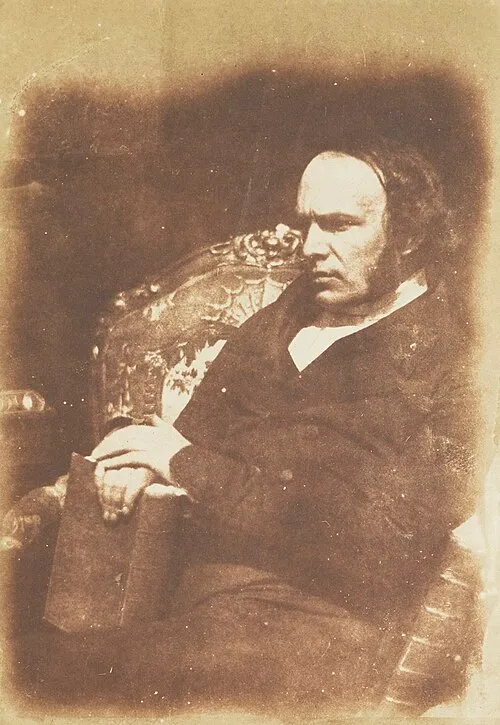
El carácter del hombre no es fundamento de paz
Si Dios testifica contra nosotros, ¿quién puede testificar a nuestro favor? Si la opinión de Dios acerca de la pecaminosidad del hombre, su juicio sobre la culpa del hombre y su declaración de la maldad del pecado son cosa tan decidida, no puede haber para nosotros esperanza de absolución fundada en el carácter personal de bondad, ni del corazón ni de la vida. Lo que Dios ve en nosotros solo suministra materia de condenación, no de perdón.
Es vano forcejear o murmurar contra el juicio de Dios. Él es el Juez de toda la tierra; y en su juicio es justo tanto como soberano. Ha de ser obedecido; su ley es inexorable; no puede quebrantarse sin hacer digno de muerte a quien la quebranta (aunque sea en una sola jota o un solo tilde).
Cuando el Espíritu Santo abre los ojos del alma, esta ve esto. La convicción de pecado no es otra cosa que el pecador viéndose tal como es, y tal como Dios lo ha visto siempre. Entonces toda idea acariciada de bondad propia, sea en todo o en parte, se desvanece. Las cosas que en él un día parecieron buenas se muestran tan malas, y las malas tan malas en extremo, que todo puntal propio se le cae de debajo, y se le quita entonces toda esperanza de ser salvo por razón de algo que haya en su propio carácter. Ve que no puede salvarse a sí mismo, ni ayudar a Dios a salvarlo. Está perdido, y está desvalido. El hacer, el sentir, el forcejear, el orar, el dar, el abstenerse y la vida resultan no ser alivio alguno del sentido de culpa y, por tanto, ningún lugar de descanso para un corazón turbado. Si el pecado no fuera más que una enfermedad o una desgracia, estas cosas al parecer buenas podrían aliviarlo, por ser síntomas favorables de una salud que vuelve; pero cuando el pecado es culpa, aun más que enfermedad, y cuando el pecador no está meramente enfermo, sino condenado por el Juez justo, entonces ninguna de estas bondades que hay en él alcanza su caso, porque no pueden asegurarle un perdón completo y justo y, por tanto, no pueden pacificar su conciencia despertada y herida.
Ve el odio inmutable de Dios contra el pecado, y la revelación que se acerca de su ira contra el pecador; y no puede menos que temblar. Un escritor antiguo describe así su propio caso: «Tenía una impresión profunda de las cosas de Dios; la condición natural y el pecado parecían peores que el infierno mismo; el mundo y sus vanidades, terribles y en extremo peligrosos; era temible tratar con él, o ser rico; veía que venía su día; las expresiones de la Escritura pesaban; un Salvador era cosa grande a mis ojos; las agonías de Cristo me eran cosa seria; pensaba que todos mis días había estado en un sueño hasta ahora, o como un niño en broma; y pensaba que el mundo dormía».
La pregunta «¿Con qué prevendré a Jehová?» no es de las que puedan decidirse apelando al carácter personal, o a la bondad de la vida, o a las oraciones, o a los actos de la religión. El camino de acercamiento no nos toca a nosotros fijarlo. Dios lo ha fijado; y solo nos queda valernos de él. Lo ha asentado sobre fundamentos del todo ajenos a nuestro carácter; o, más bien, sobre fundamentos que dan por sentado sencillamente que somos pecadores, y que por tanto el elemento de bondad que hay en nosotros, como título, o garantía, o recomendación, es del todo inadmisible, sea en todo o en parte.
Decir, como dicen algunos que inquieren al comienzo de su ansiedad: me pondré a orar, y después que haya orado por un tiempo suficiente, y con un fervor tolerable, podré acercarme y contar con la aceptación, no es solo edificar sobre la calidad y la cantidad de nuestras oraciones, sino pasar por alto la pregunta real que el pecador tiene delante: «¿Cómo he de acercarme a Dios a fin de orar?». Todas las oraciones son acercamientos a Dios, y la pregunta ansiosa del pecador es: «¿Cómo puedo acercarme a Dios?». El testimonio explícito de Dios al hombre es: «No eres apto para acercarte a mí»; y es negar ese testimonio decir: «A fuerza de orar saldré de esta falta de aptitud y entraré en la aptitud; a fuerza de obras me pondré en un estado recto de mente y de carácter para acercarme a Dios». ¡Alma ansiosa! Si desde este momento dejaras el pecado, y no hicieras sino el bien en todo el resto de tu vida, no bastaría. Si empezaras a orar ahora, y no hicieras otra cosa sino orar todos tus días, ¡no bastaría! Tu propio carácter no puede ser tu camino de acercamiento, ni tu fundamento de confianza para con Dios. Ninguna cantidad de orar, ni de obrar, ni de sentir, puede satisfacer la ley justa, ni pacificar una conciencia culpable, ni apagar la espada encendida que guarda el acceso a la presencia del Infinitamente Santo.
Aquello que hace seguro para ti el acercarte a Dios, y justo para Dios el recibirte, ha de ser algo del todo ajeno a ti e independiente de ti; porque a ti mismo, y a todo lo que te pertenece, Dios ya lo ha condenado; y ninguna cosa condenada puede darte garantía alguna para ir a él, ni para esperar aceptación. Tu libertad de entrada ha de venir de algo que él ha aceptado, no de algo que él ha condenado.
Conocí un alma despertada que, en la amargura de su espíritu, se puso así a obrar y a orar para alcanzar la paz. Dobló la medida de sus devociones, diciéndose: «Ciertamente Dios me dará paz». Pero la paz no vino. Instituyó el culto familiar, diciendo: «Ciertamente Dios me dará paz». Pero la paz no llegó. Al fin se le ocurrió tener en su casa una reunión de oración, como remedio seguro. Fijó la noche; llamó a sus vecinos; y se preparó para dirigir la reunión, escribiendo una oración y aprendiéndola de memoria. Al terminar la operación de aprenderla, como preparativo de la reunión, la arrojó sobre la mesa, diciendo: «Ciertamente eso bastará; Dios me dará paz ahora». En ese momento, un silbo apacible y delicado pareció hablarle al oído, diciendo: «No, eso no bastará; pero Cristo sí bastará». Al punto le cayeron de los ojos como escamas, y de los hombros la carga. La paz se derramó como un río. «Cristo bastará» fue su consigna de por vida.
Muy claro es el testimonio de Dios contra el hombre, y contra los hechos del hombre, en este gran asunto del acercamiento y de la aceptación. «No por obras de justicia que nosotros habíamos hecho», dice Pablo en un lugar, Tito 3:5; y «al que no obra», dice en un segundo, Romanos 4:4 [N. del T.: la frase citada pertenece a Romanos 4:5]; «no es justificado por las obras de la ley», dice en un tercero, Gálatas 2:16.
La paz del pecador con Dios no ha de venir de su propio carácter. Ningún fundamento de paz, ni elemento de reconciliación, puede extraerse de él mismo, ni directa ni indirectamente. Su única calificación para la paz es que la necesita. No es el bien que tiene, sino el bien que le falta, lo que lo atrae a Dios; y es el darse cuenta de lo que le falta lo que lo manda a mirar a otra parte, en busca de algo que a la vez lo invite y le infunda valor para acercarse. Es nuestra enfermedad, no nuestra salud, lo que nos hace aptos para el médico, y nos echa sobre su pericia.
Ninguna conciencia culpable puede pacificarse con nada que no sea aquello que haga del perdón una cosa presente, segura y justa. ¿Pueden lograrlo nuestros mejores hechos, nuestros mejores sentimientos, nuestras mejores oraciones, nuestros mejores sacrificios? No; habiéndolos acumulado hasta el colmo, ¿no siente el pecador que el perdón queda tan lejos e incierto como antes?, ¿y que todo su fervor no puede persuadir a Dios de que lo admita a su favor, ni sobornar a su propia conciencia hasta una quietud verdadera, ni siquiera por una hora?
En toda religión falsa, el adorador hace descansar su esperanza del favor divino sobre algo de su propio carácter, o de su vida, o de sus deberes religiosos. Esto hizo el fariseo cuando entró en el templo: «Dios, te doy gracias, que no soy como los otros hombres», Lucas 18:11. Así hacen en nuestro día quienes piensan alcanzar la paz haciendo, sintiendo y orando más que los otros, o más de lo que ellos mismos han hecho en el tiempo pasado; y que rehúsan tomar la paz del evangelio gratuito hasta haber amontonado tal cantidad de este hacer y de este sentir que les aquiete la conciencia, y los haga concluir que no sería justo de parte de Dios rechazar la solicitud de hombres tan fervientes y devotos como ellos. Esto hicieron también los gálatas, cuando insistieron en añadir la ley de Moisés al evangelio de Cristo como fundamento de confianza para con Dios. Así obran muchos entre nosotros. No quieren tomar la confianza del carácter de Dios ni de la obra de Cristo, sino de su propio carácter y de su propia obra; aunque acerca de todo esto está escrito: «Jehová deshechó tus confianzas, y en ellas no tendrás buen suceso», Jeremías 2:37. Se oponen a una confianza presente, porque esta supone que el lugar de descanso del pecador está enteramente fuera de él, ya hecho de antemano, por así decirlo, por Dios. Querrían que esta confianza fuera cosa muy gradual, a fin de ganar tiempo y, con un poco de diligencia en las observancias religiosas, añadir de tal modo a su caudal de deberes, oraciones, experiencias y devociones, que puedan, con alguna esperanza humilde, como ellos la llaman, reclamar de Dios la aceptación. Con este curso de vida devota piensan haberse hecho más aceptos a Dios de lo que eran antes de comenzar este proceso religioso, y con mucho más derecho a esperar el favor divino que quienes no se han habilitado así. En todo esto, el lugar de descanso que se pretende es el yo: ese yo que Dios ha condenado. No descansarían sobre el yo que no ora, ni sobre el que no obra, ni sobre el que no es devoto; pero tienen por recto y seguro descansar sobre el yo que ora, y que obra, y que es devoto, ¡y a esto lo llaman humildad! A la confianza dichosa del creyente sencillo, que toma de una vez la palabra de Dios y descansa en ella, la llaman presunción o fanatismo; de su propia incertidumbre miserable, sacada de los hechos del yo, hablan como de una esperanza humilde.
El carácter propio del pecador, en cualquier forma y bajo cualquier proceso de mejora, no puede dar razones para confiar en Dios. Por más enmendado que esté, no puede hablar paz a su conciencia, ni darle garantía alguna para contar con el favor de Dios, ni ayudar a cerrar la brecha entre él y Dios. Porque Dios, en tal caso, no puede aceptar nada sino la perfección, y el pecador no tiene nada que presentar sino imperfección. Deberes y devociones imperfectos no pueden persuadir a Dios a perdonar. Además, recuérdese que la persona del adorador ha de ser aceptada antes de que sus servicios puedan ser aceptos; de modo que nada puede serle de utilidad alguna al pecador, salvo aquello que provea la aceptación personal de manera completa, y desde el principio. El pecador ha de ir a Dios tal como es, o no ir en absoluto. Intentar, a fuerza de orar, volverse algo mejor que un pecador condenado, a fin de ganar el favor de Dios, es hacer de la oración un instrumento de justicia propia; de suerte que, en vez de ser el acto de un hombre aceptado, es la compra de la aceptación: el precio que pagamos a Dios para que nos favorezca, y el soborno con que persuadimos a la conciencia de que ya no nos turbe con sus terrores. Ningún conocimiento de sí mismo, ni el darse cuenta de una mejora en sí mismo, puede aquietar las alarmas de una conciencia despertada, ni ser fundamento alguno para esperar la amistad de Dios. Tomar consuelo de nuestros buenos hechos, o buenos sentimientos, o buenos planes, o buenas oraciones, o buenas experiencias, es engañarnos, y decir paz cuando no hay paz. Nadie puede apagar su sed con arena, ni con agua del mar Muerto; así, nadie puede hallar descanso que salga de su propio carácter, por bueno que sea, ni de sus propios actos, por religiosos que sean. Aun si fuera perfecto, ¿qué gozo podría haber en pensar en su propia perfección? ¿Qué provecho, pues, puede haber en pensar en su propia imperfección?
Aun si hubiera en él muchas cosas buenas, no podrían hablar paz: porque las cosas buenas que podrían hablar paz no podrían compensar las cosas malas que hablan turbación; y qué paz tan pobre, hecha por uno mismo, sería aquella que naciera de pensar de sí el mayor bien posible y el menor mal posible. Y qué tentación, además, daría esto para atenuar el mal y exagerar el bien que hay en nosotros; en otras palabras, para engañar a nuestro propio corazón. El engaño de sí mismo ha de ser siempre, en mayor o menor medida, el resultado de tales estimaciones de nuestras propias experiencias. Expuestos como estamos, en tal caso, a toda suerte de influencias que nos ciegan a nosotros mismos, es imposible que seamos jueces imparciales, o que seamos hombres «en cuyo espíritu no hay superchería», Salmo 32:2, como en el caso de aquellos que son perdonados gratuitamente y de una vez.
Uno podría decir: Mis pecados no son muy grandes ni muchos; sin duda puedo tomar la paz. Otro podría decir: He compensado mis pecados con mis buenas obras; puedo tener paz. Otro podría decir: Tengo un sentido muy profundo del pecado; puedo tener paz. Otro podría decir: Me he arrepentido de mi pecado; puedo tener paz. Otro podría decir: Oro mucho, trabajo mucho, amo mucho, doy mucho; puedo tener paz. ¡Qué tentación en todo esto de tomar la opinión más favorable del yo y de sus hechos! Pero, después de todo, sería en vano. No podría haber paz verdadera; porque su fundamento sería arena, no roca. La paz o la confianza que viene de sumar los puntos buenos de nuestro carácter, y de pensar en nuestros buenos sentimientos y hechos, o en nuestra fe, y nuestro amor, y nuestro arrepentimiento, ha de estar hecha de orgullo. Su base es la justicia propia, o a lo menos la aprobación de sí mismo.
No se remedia el asunto con decir que miramos estos buenos sentimientos que hay en nosotros como obra del Espíritu, y no como nuestra. En un aspecto esto quita la jactancia, pero en otro no. Sigue haciendo que nuestra paz dependa de lo que hay en nosotros, y no de lo que hay en Dios. Antes bien, se vale del Espíritu Santo para fines de justicia propia. Dice que el Espíritu obra el cambio en nosotros a fin de suministrarnos, con ello, un fundamento de paz dentro de nosotros mismos.
Sin duda, la obra del Espíritu en nosotros ha de ir acompañada de paz; pero no porque nos haya dado algo en nosotros mismos de donde sacar nuestra paz. Es aquella clase de paz que brota, sin que uno se dé cuenta, del restablecimiento de la salud espiritual; pero no aquella que la Escritura llama «paz para con Dios». No nace de pensar en el cambio obrado en nosotros, sino, sin darse cuenta y sin querer, del cambio mismo. Si un miembro quebrado queda sano, el alivio nos llega en seguida; no por pensar en el miembro sanado, sino sencillamente en el bienestar y el consuelo del cuerpo que la cura ha dado. Así hay una paz que nace del cambio de naturaleza y de carácter obrado por el Espíritu; pero esta no es la reconciliación con Dios. Esta no es la paz que trae el conocimiento del perdón. La acompaña, y fluye de ella, pero las dos clases de paz son del todo distintas la una de la otra. Ni siquiera la paz que acompaña el restablecimiento de la salud espiritual viene de segunda mano, de pensar en nuestro cambio, sino directamente del cambio mismo. Ese cambio es la salud nueva del alma, y esta salud es en sí misma una alegría continua.
Con todo, sigue siendo verdad que en nosotros mismos no tenemos lugar de descanso. «No teniendo confianza en la carne» ha de ser nuestro lema, como lo es el fundamento del evangelio de Dios.
Ver el original (inglés)
Original en inglés
MAN’S OWN CHARACTER NO GROUND OF PEACE
If God testify against us, who can testify for us? If God’s opinion of man’s sinfulness, his judgment of man’s guilt, and his declaration of sin’s evil be so very decided, there can be no hope of acquittal for us on the ground of personal character of goodness, either of heart or life. That which God sees in us furnishes only matter for condemnation, not for pardon.
It is vain to struggle or murmur against God’s judgment. He is the Judge of all the earth; and he is right as well as sovereign in his judgment. He must be obeyed; his law is inexorable; it cannot be broken without making the breaker of it (even in one jot or tittle) worthy of death.
When the Holy Spirit opens the eyes of the soul it sees this. Conviction of sin is just the sinner seeing himself as he is, and as God has all along seen him. Then every fond idea of self-goodness, either in whole or in part, vanishes away. The things in him that once seemed good appear so bad, and the bad things so very bad, that every self-prop falls from beneath him, and all hope of being saved, in consequence of something in his own character, is then taken away. He sees that he cannot save himself; nor help God to save him. He is lost, and he is helpless. Doings, feelings, strivings, prayings, givings, abstainings, and the life, are found to be no relief from a sense of guilt, and, therefore, no resting-place for a troubled heart. If sin were but a disease or a misfortune, these apparent good things might relieve him, as being favorable symptoms of returning health; but when sin is guilt even more than disease; and when the sinner is not merely sick, but condemned by the righteous Judge; then none of these goodnesses in himself can reach his case, for they cannot assure him of a complete and righteous pardon, and, therefore, cannot pacify his roused and wounded conscience.
He sees God’s unchangeable hatred of sin, and the coming revelation of his wrath against the sinner; and he cannot but tremble. An old writer thus describes his own case; “I had a deep impression of the things of God; a natural condition and sin appeared worse than hell itself; the world and vanities thereof terrible and exceeding dangerous; it was fearful to have ado with it, or to be rich; I saw its day coming; Scripture expressions were weighty; a Saviour was a big thing in mine eyes; Christ’s agonies were earnest with me; I thought that all my days I was in a dream till now, or like a child in jest; and I thought the world was sleeping.”
The question, “Wherewith shall I come before the Lord?” is not one which can be decided by an appeal to personal character, or goodness of life, or prayers, or performances of religion. The way of approach is not for us to settle. God has settled it; and it only remains for us to avail ourselves of it. He has fixed it on grounds altogether irrespective of our character; or rather on grounds which take for granted simply that we are sinners, and that therefore the element of goodness in us, as a title, or warrant, or recommendation, is altogether inadmissible, either in whole or in part.
To say, as some inquiring ones do at the outset of their anxiety, I will set myself to pray, and after I have prayed a sufficient length of time, and with tolerable earnestness, I may approach and count upon acceptance, is not only to build upon the quality and quantity of our prayers, but is to overlook the real question before the sinner, “How am I to approach God in order to pray?” All prayers are approaches to God, and the sinner’s anxious question is, “How may I approach God?” God’s explicit testimony to man is, “You are unfit to approach me;” and it is a denial of the testimony to say, “I will pray myself out of this unfitness into fitness; I will work myself into a right state of mind and character for drawing near to God.” Anxious spirit! Were you from this moment to cease from sin, and do nothing but good all the rest of your life, it would not do. Were you to begin praying now, and do nothing else but pray all your days, it would not do! Your own character cannot be your way of approach, nor your ground of confidence toward God. No amount of praying, or working, or feeling, can satisfy the righteous law, or pacify a guilty conscience, or quench the flaming sword that guards the access into the presence of the infinitely Holy One.
That which makes it safe for you to draw near to God, and right for God to receive you, must be something altogether away from and independent of yourself; for, yourself and everything pertaining to yourself God has already condemned; and no condemned thing can give you any warrant for going to him, or hoping for acceptance. Your liberty of entrance must come from something which he has accepted; not from something which he has condemned.
I knew an awakened soul who, in the bitterness of his spirit, thus set himself to work and pray in order to get peace. He doubled the amount of his devotions, saying to himself, “Surely God will give me peace.” But the peace did not come. He set up family worship, saying, “Surely God will give me peace.” But the peace came not. At last he bethought himself of having a prayer meeting in his house as a certain remedy. He fixed the night; called his neighbors; and prepared himself for conducting the meeting, by writing a prayer and learning it by heart. As he finished the operation of learning it, preparatory to the meeting, he threw it down on the table saying, “Surely that will do, God will give me peace now.” In that moment, a still small voice seemed to speak in his ear, saying, “No, that will not do; but Christ will do.” Straightway the scales fell from his eyes, and the burden from his shoulders. Peace poured in like a river. “Christ will do,” was his watchword for life.
Very clear is God’s testimony against man, and man’s doings, in this great matter of approach and acceptance. “Not by works of righteousness which we have done,” says Paul in one place, Titus iii.5 and “to him that worketh not,” says he in a second; Rom. iv.4 “not justified by the works of the law,” say he in a third. Gal. ii.16
The sinner’s peace with God is not to come from his own character. No grounds of peace or elements of reconciliation can be extracted from himself, either directly or indirectly. His one qualification for peace is, that he needs it. It is not what he has, but what he lacks of good that draws him to God; and it is the conscienceness of his lack that bids him look elsewhere, for something both to invite and embolden him to approach. It is our sickness, not our health, that fits us for the physician, and casts us upon his skill.
No guilty conscience can be pacified with anything short of that which will make pardon a present, a sure, and a righteous thing. Can our best doings, our best feelings, our best prayers, our best sacrifices, bring this about? Nay; having accumulated these to the utmost, does not the sinner feel that pardon is just as far off and uncertain as before? and that all his earnestness cannot persuade God to admit him to favor, or bribe his own conscience into true quiet even for an hour?
In all false religion, the worshipper rests his hope of divine favor upon something in his own character, or life, or religious duties. The Pharisee did this when he came into the temple, “thanking God that he was not as other men.” Luke xviii 11 So do those in our day who think to get peace by doing, feeling, and praying more than others, or than they themselves have done in time past; and who refuse to take the peace of the free gospel till they have amassed such an amount of this doing and feeling as will ease their consciences, and make them conclude that it would not be fair in God to reject the application of men so earnest and devout as they. The Galatians did this also when they insisted on adding the law of Moses to the gospel of Christ as the ground of confidence toward God. Thus do many act among ourselves. They will not take confidence from God’s character or Christ’s work, but from their own character and work; though in reference to all this it is written, “The Lord hath rejected thy confidences, and thou shalt not prosper in them.” Jer. ii.37 They object to a present confidence, for that assumes that a sinner’s resting place is wholly out of himself, - ready-made, as it were, by God. They would have this confidence to be a very gradual thing, in order that they may gain time, and, by a little diligence in religious observances, may so add to their stock of duties, prayers, experiences, devotions, that they may, with some humble hope, as they call it, claim acceptance from God. By this course of devout living they think they have made themselves more acceptable to God than they were before they began this religious process, and much more entitled to expect the divine favor than those who have not so qualified themselves. In all this the attempted resting-place is self, - that self which God has condemned. They would not rest upon unpraying, or unworking, or undevout self; but they think it right and safe to rest upon praying, and working, and devout self, and they call this humility! The happy confidence of the simple believer who takes God’s word at once, and rests on it, they call presumption or fanaticism; their own miserable uncertainty, extracted from the doings of self, they speak of as a humble hope.
The sinner’s own character, in any form, and under any process of improvement, cannot furnish reasons for trusting God. However amended, it cannot speak peace to his conscience, nor afford him any warrant for reckoning on God’s favor; nor can it help to heal the breach between him and God. For God can accept nothing but perfection in such a case, and the sinner has nothing but imperfection to present. Imperfect duties and devotions cannot persuade God to forgive. Besides, be it remembered that the person of the worshipper must be accepted before his services can be acceptable; so that nothing can be of any use to the sinner save that which provides for personal acceptance completely, and at the outset. The sinner must go to God as he is, or not at all. To try to pray himself into something better than a condemned sinner, in order to win God’s favor, is to make prayer an instrument of self-righteousness; so that, instead of its being the act of an accepted man, it is the purchase of acceptance, - the price which we pay to God for favoring us, and the bribe with which we persuade conscience no longer to trouble us with its terrors. No knowledge of self, nor conscienceness of improvement of self, can soothe the alarms of an awakened conscience, or be any ground for expecting the friendship of God. To take comfort from our good doings, or good feelings, or good plans, or good prayers, or good experiences, is to delude ourselves, and to say peace when there is no peace. No man can quench his thirst with sand, or with water from the Dead Sea; so no man can find rest from his own character however good, or from his own acts however religious. Even were he perfect, what enjoyment could there be in thinking about his own perfection? What profit, then, can there be in thinking about his own imperfection?
Even were there many good things about him, they could not speak peace: for the good things which might speak peace, could not make up for the evil things which speak trouble; and what a poor, self-made peace would that be which arose from his thinking as much good and as little evil of himself as possible. And what a temptation, besides, would this furnish, to extenuate the evil and exaggerate the good about ourselves, - in other words, to deceive our own hearts. Self-deception must always, more or less, be the result of such estimates of our own experiences. Laid open, as we are, in such a case, to all manner of self-blinding influences, it is impossible that we can be impartial judges, or that we can be “without guile,” Psalm xxxii.2 as in the case of those who are freely and at once forgiven.
One man might say, My sins are not very great or many; surely I may take peace. Another might say, I have made up for my sins by my good deeds; I may have peace. Another might say, I have a very deep sense of sin; I may have peace. Another might say, I have repented of my sin; I may have peace. Another might say, I pray much, I work much, I love much, I give much; I may have peace. What temptation in all this to take the most favorable view of self and its doings! But, after all, it would be vain. There could be no real peace; for its foundation would be sand, not rock. The peace or confidence which comes from summing up the good points of our character, and thinking of our good feelings and doings, or about our faith, and love, and repentance, must be made up of pride. Its basis is self-righteousness, or at least self-approbation.
It does not mend the matter to say that we look at these good feelings in us, as the Spirit’s work, not our own. In one aspect this takes away boasting, but in another it does not. It still makes our peace to turn upon what is in ourselves, and not on what is in God. Nay, it makes use of the Holy Spirit for purposes of self-righteousness. It says that the Spirit works the change in us, in order that he may thereby furnish us with a ground of peace within ourselves.
No doubt the Spirit’s work in us must be accompanied with peace; but not because he has given us something in ourselves to draw our peace from. It is that kind of peace which arises unconsciously from the restoration of spiritual health; but not that which Scripture calls “peace with God.” It does not arise from thinking about the change wrought in us, but unconsciously and involuntarily from the change itself. If a broken limb be made whole, we get relief straightway; not by “thinking about the healed member, but simply in the bodily case and comfort which the cure has given. So there is a peace arising out of the change of nature and character wrought by the Spirit; but this is not reconciliation with God. This is not the peace which the knowledge of forgiveness brings. It accompanies it, and flows from it, but the two kinds of peace are quite distinct from each other. Nor does even the peace which attends restoration of spiritual health come at second hand, from thinking about our change; but directly from the change itself. That change is the soul’s new health, and this health is in itself a continual gladness.
Still it remains true, that in ourselves we have no resting place. “No confidence in the flesh” must be our motto, as it is the foundation of God’s gospel.
https://sermonesbiblicos.org/biblioteca/el-camino-de-dios-a-la-paz-02-el-caracter-del-hombre-no-es-fundamento-de-paz/