Sermones Bíblicos
El testimonio de Dios acerca del hombre
Horatius Bonar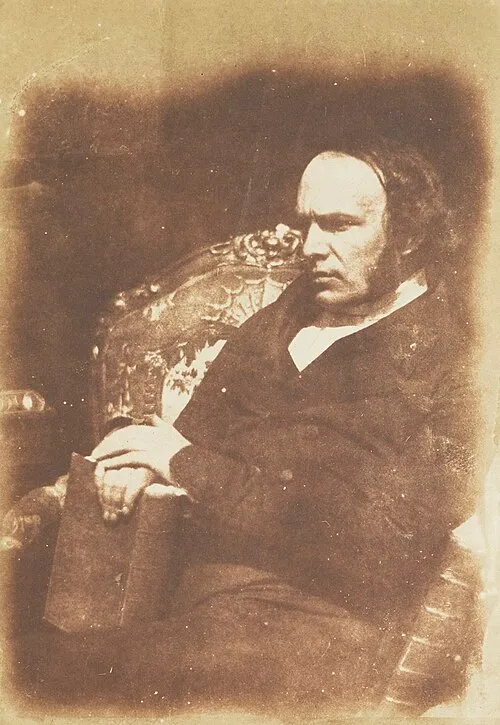
El testimonio de Dios acerca del hombre
Dios nos conoce. Sabe lo que somos; sabe también lo que quiso que fuéramos; y sobre la diferencia entre estos dos estados funda su testimonio acerca de nosotros.
Es demasiado amoroso para decir algo severo sin necesidad; demasiado veraz para decir algo falso; ni puede tener motivo alguno para representarnos mal; porque ama contar el bien, no el mal, que pueda hallarse en cualquiera de las obras de sus manos. Al principio los declara «bueno», «bueno en gran manera»; y si ahora no lo hace, no es porque no quiera, sino porque no puede; pues «toda carne había corrompido su camino sobre la tierra».
El testimonio de Dios acerca del hombre es que es pecador. Da testimonio en contra de él, no a su favor, y testifica que «No hay justo, ni aun uno»; que «no hay quien haga lo bueno»; que no hay «quien entienda»; que no hay quien siquiera busque a Dios y, más aún, ninguno que lo ame. Dios habla del hombre con bondad, pero con severidad; como quien se duele por un hijo perdido, pero como quien no hará tratos con el pecado, y «de ningún modo justificará al malvado». Declara que el hombre es un perdido, un descarriado, un rebelde; más aún, un «aborrecedor de Dios»; no un pecador de vez en cuando, sino un pecador siempre; no un pecador en parte, con muchas cosas buenas en él, sino enteramente pecador, sin bondad alguna que lo compense; malo en el corazón tanto como en la vida, «muerto en delitos y pecados»; un malhechor, y por tanto bajo condenación; enemigo de Dios, y por tanto «bajo la ira»; quebrantador de la ley justa, y por tanto bajo «la maldición de la ley».
¡El hombre ha caído! No este hombre ni aquel, sino toda la raza. En Adán todos han pecado; en Adán todos han muerto. No es que unas pocas hojas se hayan marchitado o hayan caído sacudidas, sino que el árbol se ha corrompido, raíz y rama. La «carne», o el «viejo hombre» —es decir, cada hombre tal como nace en el mundo, un hijo de hombre, un fragmento de la humanidad, una unidad en el cuerpo caído de Adán—, es «viciado». No solo produce el pecado, sino que lo lleva consigo como un segundo yo; es más, es un «cuerpo» o masa de pecado, un «cuerpo de muerte», sujeto no a la ley de Dios, sino a «la ley del pecado». El judío, educado bajo la más perfecta de las leyes y en las circunstancias más favorables, era el mejor tipo de la humanidad —de la humanidad civilizada, refinada, educada—; el mejor ejemplar de los hijos del primer Adán; sin embargo, el testimonio de Dios acerca de él es que está «debajo de pecado», que se ha descarriado, y que está «destituido de la gloria de Dios».
La vida exterior de un hombre no es el hombre, así como la pintura sobre un trozo de madera no es la madera, y así como el musgo verde sobre la roca dura no es la roca misma. El retrato de un hombre no es el hombre; no es más que una hábil disposición de colores que parecen el hombre. El hombre que ama a Dios con todo su corazón está en un estado recto; el hombre que no lo ama así está en un estado equivocado. Es pecador, porque su corazón no está recto para con Dios. Puede pensar que su vida es buena, y otros pueden pensar lo mismo; pero Dios lo tiene por culpable, digno de muerte y de infierno. El bien exterior no puede compensar el mal interior. Las buenas obras hechas a su prójimo no pueden servir de contrapeso a sus malos pensamientos acerca de Dios. Y ha de estar lleno de estos malos pensamientos mientras no ame a este Ser infinitamente digno de ser amado e infinitamente glorioso con todas sus fuerzas.
El testimonio de Dios acerca del hombre es, pues, que no ama a Dios con todo su corazón; es más, que no lo ama en absoluto. No amar a nuestro prójimo es pecado; no amar a un padre es pecado mayor; pero no amar a Dios, nuestro Padre divino, es pecado mayor todavía.
El hombre no tiene por qué intentar decir una buena palabra en su favor, ni alegar «no culpable», a menos que pueda mostrar que ama a Dios, y que siempre lo ha amado, con todo su corazón y toda su alma. Si puede decir esto de verdad, está en regla, no es pecador y no necesita perdón. Hallará el camino al reino sin la cruz y sin un Salvador. Pero si no puede decir esto, «su boca está tapada» y es «culpable ante Dios». Por favorablemente que una buena vida exterior disponga a él mismo y a otros a mirar su causa por ahora, el veredicto irá en su contra después. Este es el día del hombre, cuando prevalecen los juicios del hombre; pero viene el día de Dios, cuando la causa será juzgada con rigor según sus méritos reales. Entonces el Juez de toda la tierra hará lo que es justo, y el pecador será puesto en vergüenza.
Hay otro cargo, y peor todavía, contra él. No cree en el nombre del Hijo de Dios, ni ama al Cristo de Dios. Este es su pecado de pecados. Que su corazón no está recto para con Dios es el primer cargo contra él. Que su corazón no está recto para con el Hijo de Dios es el segundo. Y es este segundo el pecado que corona y aplasta, que lleva consigo una condenación más terrible que la de todos los demás pecados juntos. «El que no cree, ya es condenado, porque no creyó en el nombre del unigénito Hijo de Dios.» «El que no cree a Dios, le ha hecho mentiroso; porque no ha creído en el testimonio que Dios ha testificado de su Hijo.» «El que no creyere, será condenado.» Por eso fue que los apóstoles predicaron «arrepentimiento para con Dios, y la fe en nuestro Señor Jesucristo». Y por eso el primer pecado que el Espíritu Santo le hace reconocer a un hombre es la incredulidad: «cuando él viniere redargüirá al mundo de pecado, por cuanto no creen en mí».
Tal es la condenación de Dios contra el hombre. De esto está llena toda la Biblia. Ese gran amor de Dios que su palabra revela se funda en esta condenación. Es amor a los condenados. El testimonio de Dios acerca de su propia gracia no tiene sentido, salvo en cuanto descansa sobre su testimonio acerca de la culpa y la ruina del hombre, o da por sentado ese testimonio. Tampoco da testimonio contra el hombre como un ser meramente enfermo en lo moral, o tristemente desafortunado, sino como culpable de muerte, bajo ira, sentenciado a la maldición eterna; por aquel crimen de crímenes: un corazón que no está recto para con Dios, y que no es fiel a su Hijo encarnado.
Este es un veredicto divino, no humano. Es Dios, no el hombre, quien condena, y «Dios no es hombre, para que mienta». Este es el testimonio de Dios acerca del hombre, y sabemos que este testimonio es verdadero.
Ver el original (inglés)
Original en inglés
GOD’S TESTIMONY CONCERNING MAN
God knows us. He knows what we are; he knows also what he meant us to be; and upon the difference between these two states he founds his testimony concerning us.
He is too loving to say anything needlessly severe; too true to say anything untrue; nor can he have any motive to misrepresent us; for he loves to tell of the good, not of the evil, that may be found in any of the works of his hands. He declares them “good”, “very good”, at first; and if he does not do so now, it is not because he would not, but because he cannot; for “all flesh has corrupted its way upon the earth.”
God’s testimony concerning man is, that he is a sinner. He bears witness against him, not for him, and testifies that “there is none righteous, no, not one;” that there is “none that doeth good;” none “that understandeth;” none that even seeketh after God, and still more none that loveth him. God speaks of man kindly, but severely; as one yearning over a lost child, yet as one who will make no terms with sin, and will “by no means clear the guilty.” He declares man to be a lost one, a stray one, a rebel, nay a “hater of God;” not a sinner occasionally, but a sinner always; not a sinner in part, with many good things about him; but wholly a sinner, with no compensating goodness; evil in heart as well as life, “dead in trespasses and sins;” an evil doer, and therefore under condemnation; an enemy of God, and therefore “under wrath;” a breaker of the righteous law, and therefore under “the curse of the law.”
Man has fallen! Not this man or that man, but the whole race. In Adam all have sinned; in Adam all have died. It is not that a few leaves have faded or been shaken down, but the tree has become corrupt, root and branch. The “flesh,” or “old man” - that is, each man as he is born into the world, a son of man, a fragment of humanity, a unit in Adam’s fallen body, - is “corrupt.” He not merely brings forth sin, but he carries it about with him, as his second self; nay, he is a “body” or mass of sin, a “body of death,” subject not to the law of God, but to “the law of sin.” The Jew, educated under the most perfect of laws, and in the most favorable circumstances, was the best type of humanity, - of civilized, polished, educated humanity; the best specimen of the first Adam’s sons; yet God’s testimony concerning him is that he is “under sin,” that he has gone astray, and that he has “come short of the glory of God.”
The outer life of a man is not the man, just as the paint on a piece of timber is not the timber, and as the green moss upon the hard rock is not the rock itself. The picture of a man is not the man; it is but a skillful arrangement of colors which look like the man. The man that loves God with all his heart is in a right state; the man that does not love him thus is in a wrong one. He is a sinner; because his heart is not right with God. He may think his life a good one, and others may think the same; but God counts him guilty, worthy of death and hell. The outward good cannot make up for the inward evil. The good deeds done to his fellow man cannot be set off against his bad thoughts of God. And he must be full of these bad thoughts so long as he does not love this infinitely lovable and infinitely glorious Being with all his strength.
God’s testimony then concerning man is, that he does not love God with all his heart; nay, that he does not love him at all. Not to love our neighbor is sin; not to love a parent is greater sin; but not to love God, our divine parent, is greater sin still.
Man need not try to say a good word for himself, or to plead “not guilty,” unless he can show that he loves, and has always loved God with his whole heart and soul. If he can truly say this, he is all right, he is not a sinner, and does not need pardon. He will find his way to the kingdom without the cross and without a Saviour. But, if he cannot say this, “his mouth is stopped,” and he is “guilty before God.” However favorably a good outward life may dispose himself and others to look upon his case just now, the verdict will go against him hereafter. This is man’s day, when man’s judgments prevail; but God’s day is coming, when the case shall be strictly tried upon its real merits. Then the Judge of all the earth shall do right, and the sinner be put to shame.
There is another and yet worse charge against him. He does not believe on the name of the Son of God, nor love the Christ of God. This is his sin of sins. That his heart is not right with God is the first charge against him. That his heart is not right with the Son of God is the second. And it is this second that is the crowning crushing sin, carrying with it more terrible damnation than all other sins together. “He that believeth not is condemned already; because he hath not believed in the name of the only begotten Son of God.” “He that believeth not God, hath made him a liar; because he believeth not the record which God gave of his Son.” “He that believeth not shall be damned.” Hence it was that the apostles preached “repentance toward God, and faith toward our Lord Jesus Christ.” And hence it is that the first sin which the Holy Spirit brings home to a man is unbelief; “when he is come he will reprove the world of sin, because they believe not on me.”
Such is God’s condemnation of man. Of this the whole Bible is full. That great love of God which his word reveals is based on this condemnation. It is love to the condemned. God’s testimony to his own grace has no meaning, save as resting on or taking for granted his testimony to man’s guilt and ruin. Nor is it against man as merely a being morally diseased or sadly unfortunate that he testifies; but as guilty of death, under wrath, sentenced to the eternal curse; for that crime of crimes, a heart not right with God, and not true to his Incarnate Son.
This is a divine verdict, not a human one. It is God, not man, who condemns, and God is not a man that he should lie. This is God’s testimony concerning man, and we know that this witness is true.
https://sermonesbiblicos.org/biblioteca/el-camino-de-dios-a-la-paz-01-el-testimonio-de-dios-acerca-del-hombre/