Sermones Bíblicos
La regeneración y el Espíritu Santo
Charles H. Spurgeon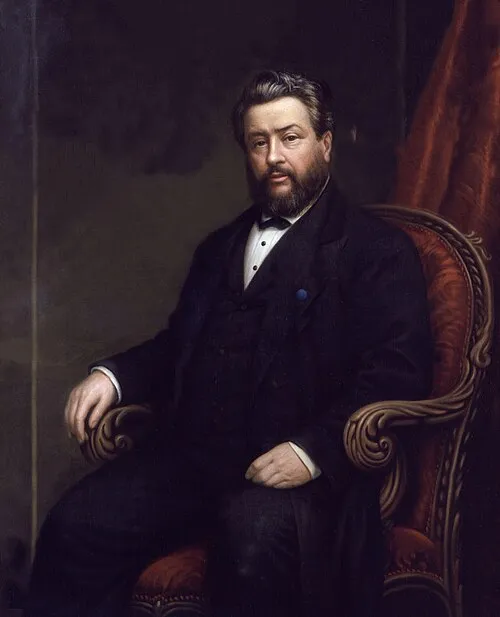
La regeneración y el Espíritu Santo
«Os es necesario nacer otra vez.» Esta palabra de nuestro Señor Jesús ha parecido llamear en el camino de muchos, como la espada desenvainada del querubín a la puerta del Paraíso. Han desesperado, porque este cambio está más allá de su máximo esfuerzo. El nuevo nacimiento es de arriba, y por tanto no está en el poder de la criatura. Ahora bien, lejos está de mi ánimo negar una verdad, o llegar alguna vez a ocultarla, para crear un falso consuelo. Admito sin reserva que el nuevo nacimiento es sobrenatural, y que el pecador no puede obrarlo por sí mismo. Poca ayuda le daría a mi lector si yo fuera tan malvado como para intentar animarlo, persuadiéndolo a rechazar u olvidar lo que es verdad fuera de toda duda.
Pero ¿no es notable que el mismo capítulo en que nuestro Señor hace esta declaración tan rotunda contiene también la declaración más explícita sobre la salvación por la fe? Lee el capítulo tercero del Evangelio de Juan, y no te quedes solo en sus primeras frases. Es verdad que el versículo tercero dice:
«Respondió Jesús, y díjole: De cierto, de cierto te digo, que el que no naciere otra vez, no puede ver el reino de Dios.»
Pero luego hablan los versículos catorce y quince:
«Y como Moisés levantó la serpiente en el desierto, así es necesario que el Hijo del hombre sea levantado; Para que todo aquel que en él creyere, no se pierda, sino que tenga vida eterna.»
El versículo dieciocho repite la misma doctrina en los términos más amplios:
«El que en él cree, no es condenado; mas el que no cree, ya es condenado, porque no creyó en el nombre del unigénito Hijo de Dios.»
Para todo lector es claro que estas dos declaraciones han de concordar, pues salieron de los mismos labios y quedaron escritas en la misma página inspirada. ¿Por qué hemos de crear una dificultad donde no puede haberla? Si una declaración nos asegura que para la salvación es necesario algo que solo Dios puede dar, y si otra nos asegura que el Señor nos salvará al creer nosotros en Jesús, entonces podemos concluir con seguridad que el Señor dará a los que creen todo lo que se declara necesario para la salvación. El Señor, de hecho, produce el nuevo nacimiento en todos los que creen en Jesús; y el creer de ellos es la evidencia más segura de que han nacido de nuevo.
Confiamos en Jesús para lo que no podemos hacer nosotros mismos: si estuviera en nuestro propio poder, ¿qué necesidad habría de mirar a él? A nosotros nos toca creer; al Señor, crearnos de nuevo. Él no creerá por nosotros, ni nosotros hemos de hacer por él la obra de regenerar. Nos basta obedecer el mandato de gracia; al Señor le toca obrar en nosotros el nuevo nacimiento. Quien pudo llegar hasta morir en la cruz por nosotros puede darnos, y nos dará, todas las cosas necesarias para nuestra seguridad eterna.
«Pero un cambio salvador del corazón es obra del Espíritu Santo.» También esto es muy cierto, y lejos esté de nosotros ponerlo en duda u olvidarlo. Pero la obra del Espíritu Santo es secreta y misteriosa, y solo puede percibirse por sus resultados. Hay misterios en nuestro nacimiento natural en los cuales sería curiosidad profana el hurgar; y más todavía lo es en las operaciones sagradas del Espíritu de Dios. «El viento de donde quiere sopla, y oyes su sonido; mas ni sabes de dónde viene, ni a dónde vaya: así es todo aquel que es nacido del Espíritu.» Esto, sin embargo, sí lo sabemos: la obra misteriosa del Espíritu Santo no puede ser razón para negarse a creer en Jesús, de quien ese mismo Espíritu da testimonio.
Si a un hombre se le mandara sembrar un campo, no podría excusar su descuido diciendo que sería inútil sembrar a menos que Dios hiciera crecer la semilla. No quedaría justificado si descuidara la labranza porque solo la energía secreta de Dios puede crear una cosecha. A nadie se le estorba en los quehaceres ordinarios de la vida por el hecho de que, si el Señor no edifica la casa, en vano trabajan los que la edifican. Es cierto que ningún hombre que cree en Jesús hallará jamás que el Espíritu Santo se niega a obrar en él: de hecho, su creer es la prueba de que el Espíritu ya está obrando en su corazón.
Dios obra en la providencia, pero no por eso los hombres se quedan sentados. No podrían moverse si el poder divino no les diera vida y fuerza, y sin embargo siguen su camino sin ponerlo en duda; el poder se les concede día tras día por aquel en cuya mano está su aliento, y cuyos son todos sus caminos. Así es en la gracia. Nos arrepentimos y creemos, aunque no podríamos hacer ni lo uno ni lo otro si el Señor no nos capacitara. Dejamos el pecado y confiamos en Jesús, y entonces percibimos que el Señor ha obrado en nosotros el querer y el hacer, por su buena voluntad. Es ocioso pretender que haya en el asunto alguna dificultad real.
Algunas verdades que cuesta explicar con palabras son bastante sencillas en la experiencia real. No hay discrepancia entre la verdad de que el pecador cree, y la de que su fe es obrada en él por el Espíritu Santo. Solo la necedad puede llevar a los hombres a enredarse con asuntos claros mientras sus almas están en peligro. Nadie rehusaría subir a un bote salvavidas porque no conociera el peso específico de los cuerpos; ni un hambriento se negaría a comer hasta entender todo el proceso de la nutrición. Si tú, lector mío, no quieres creer hasta poder entender todos los misterios, no serás salvo jamás; y si permites que dificultades inventadas por ti mismo te impidan aceptar el perdón por medio de tu Señor y Salvador, perecerás en una condenación merecida con creces. No cometas suicidio espiritual por pasión de discutir sutilezas metafísicas.
Ver el original (inglés)
Original en inglés
Regeneration and the Holy Spirit
YE MUST BE BORN AGAIN.” This word of our Lord Jesus has appeared to flame in the way of many, like the drawn sword of the cherub at the gate of Paradise. They have despaired, because this change is beyond their utmost effort. The new birth is from above, and therefore it is not in the creature’s power. Now, it is far from my mind to deny, or ever to conceal, a truth in order to create a false comfort. I freely admit that the new birth is supernatural, and that it cannot be wrought by the sinner’s own self. It would be a poor help to my reader if I were wicked enough to try to cheer him by persuading him to reject or forget what is unquestionably true.
But is it not remarkable that the very chapter in which our Lord makes this sweeping declaration also contains the most explicit statement as to salvation by faith? Read the third chapter of John’s Gospel and do not dwell alone upon its earlier sentences. It is true that the third verse says:
Jesus answered and said unto him, Verily, verily, I say unto thee, Except a man be born again, he cannot see the kingdom of God.
But, then, the fourteenth and fifteenth verses speak:
And as Moses lifted up the serpent in the wilderness, even so must the Son of man be lifted up: that whosoever believeth in him should not perish, but have eternal life.
The eighteenth verse repeats the same doctrine in the broadest terms:
He that believeth on him is not condemned: but he that believeth not is condemned already, because he hath not believed in the name of the only begotten Son of God.
It is clear to every reader that these two statements must agree, since they came from the same lips, and are recorded on the same inspired page. Why should we make a difficulty where there can be none? If one statement assures us of the necessity to salvation of a something, which only God can give, and if another assures us that the Lord will save us upon our believing in Jesus, then we may safely conclude that the Lord will give to those who believe all that is declared to be necessary to salvation. The Lord does, in fact, produce the new birth in all who believe in Jesus; and their believing is the surest evidence that they are born again.
We trust in Jesus for what we cannot do ourselves: if it were in our own power, what need of looking to Him? It is ours to believe, it is the Lord’s to create us anew. He will not believe for us, neither are we to do regenerating work for Him. It is enough for us to obey the gracious command; it is for the Lord to work the new birth in us. He who could go so far as to die on the cross for us, can and will give us all things that are needful for our eternal safety.
“But a saving change of heart is the work of the Holy Spirit.” This also is most true, and let it be far from us to question it, or to forget it. But the work of the Holy Spirit is secret and mysterious, and it can only be perceived by its results. There are mysteries about our natural birth into which it would be an unhallowed curiosity to pry: still more is this the case with the sacred operations of the Spirit of God. “The wind bloweth where it listeth, and thou hearest the sound thereof, but canst not tell whence it cometh, or whither it goeth; so is every one that is born of the Spirit.” This much, however, we do know—the mysterious work of the Holy Spirit cannot be a reason for refusing to believe in Jesus to whom that same Spirit beareth witness.
If a man were bidden to sow a field, he could not excuse his neglect by saying that it would be useless to sow unless God caused the seed to grow. He would not be justified in neglecting tillage because the secret energy of God alone can create a harvest. No one is hindered in the ordinary pursuits of life by the fact that unless the Lord build the house they labor in vain that build it. It is certain that no man who believes in Jesus will ever find that the Holy Spirit refuses to work in him: in fact, his believing is the proof that the Spirit is already at work in his heart.
God works in providence, but men do not therefore sit still. They could not move without the divine power giving them life and strength, and yet they proceed upon their way without question; the power being bestowed from day to day by Him in whose hand their breath is, and whose are all their ways. So is it in grace. We repent and believe, though we could do neither if the Lord did not enable us. We forsake sin and trust in Jesus, and then we perceive that the Lord has wrought in us to will and to do of His own good pleasure. It is idle to pretend that there is any real difficulty in the matter.
Some truths which it is hard to explain in words are simple enough in actual experience. There is no discrepancy between the truth that the sinner believes, and that his faith is wrought in him by the Holy Spirit. Only folly can lead men to puzzle themselves about plain matters while their souls are in danger. No man would refuse to enter a lifeboat because he did not know the specific gravity of bodies; neither would a starving man decline to eat till he understood the whole process of mutrition. If you, my reader, will not believe till you can understand all mysteries, you will never be saved at all; and if you allow self-invented difficulties to keep you from accepting pardon through your Lord and Saviour, you will perish in a condemnation which will be richly deserved. Do not commit spiritual suicide through a passion for discussing metaphysical subtleties.
https://sermonesbiblicos.org/biblioteca/todo-por-gracia-13-la-regeneracion-y-el-espiritu-santo/