Sermones Bíblicos
¡Ay! ¡Nada puedo hacer!
Charles H. Spurgeon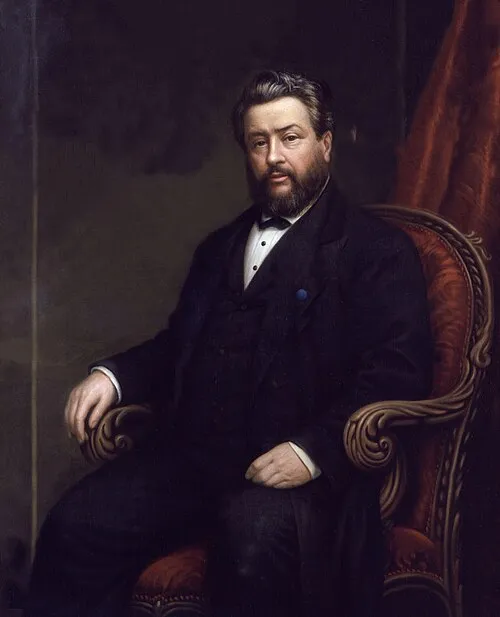
¡Ay! ¡Nada puedo hacer!
Cuando el corazón ansioso ha aceptado la doctrina de la expiación, y ha aprendido la gran verdad de que la salvación es por la fe en el Señor Jesús, a menudo se ve penosamente turbado por un sentimiento de incapacidad para lo que es bueno. Muchos gimen: «Nada puedo hacer». No lo convierten en excusa, sino que lo sienten como carga de cada día. Lo harían, si pudieran. Cada uno puede decir con honradez: «tengo el querer, mas efectuar el bien no lo alcanzo».
Este sentimiento parece dejar todo el evangelio nulo y sin efecto; porque ¿de qué sirve la comida a un hombre hambriento si no puede alcanzarla? ¿De qué aprovecha el río del agua de la vida si uno no puede beber? Recordamos la historia del médico y el hijo de la mujer pobre. El sabio médico le dijo a la madre que su pequeño pronto estaría mejor con el tratamiento debido, pero que era absolutamente necesario que el niño bebiera con regularidad el mejor vino, y que pasara una temporada en uno de los balnearios de Alemania. ¡Esto, a una viuda que apenas conseguía pan para comer! Ahora bien, a veces le parece al corazón turbado que el evangelio sencillo de «Cree y vive» no es, después de todo, tan sencillo; porque le pide al pobre pecador que haga lo que no puede hacer. Al que está de veras despierto, pero a medias instruido, parece que le falta un eslabón; allá está la salvación de Jesús, pero ¿cómo se ha de alcanzar? El alma está sin fuerza, y no sabe qué hacer. Yace a la vista de la ciudad de refugio, y no puede entrar por su puerta.
¿Está prevista esta falta de fuerza en el plan de la salvación? Lo está. La obra del Señor es perfecta. Empieza donde nosotros estamos, y no nos pide nada para llevarse a cabo. Cuando el buen samaritano vio al viajero tendido, herido y medio muerto, no le mandó que se levantara y viniera a él, que montara el asno y se fuera cabalgando al mesón. No: «viniendo cerca de él», lo atendió, lo levantó sobre la bestia y lo llevó al mesón. Así trata el Señor Jesús con nosotros en nuestro estado bajo y miserable.
Hemos visto que Dios justifica, que justifica al impío y que los justifica por medio de la fe en la sangre preciosa de Jesús; ahora hemos de ver la condición en que se hallan estos impíos cuando Jesús obra su salvación. Muchas personas despiertas no solo están turbadas por su pecado, sino por su debilidad moral. No tienen fuerza con que salir del lodo en que han caído, ni con que mantenerse fuera de él en los días que siguen. No solo se lamentan de lo que han hecho, sino de lo que no pueden hacer. Se sienten impotentes, desvalidas y espiritualmente sin vida. Puede sonar extraño decir que se sienten muertas, y sin embargo así es. A su propio juicio, son incapaces de todo bien. No pueden recorrer el camino al cielo, porque tienen los huesos quebrados. «Nada hallaron en sus manos todos los varones fuertes»; de hecho, están «flacos». Dichosamente, está escrito, como aquello que encarece el amor de Dios para con nosotros:
Porque Cristo, cuando aun éramos flacos, á su tiempo murió por los impíos (Romanos 5:6).
Aquí vemos la impotencia consciente socorrida—socorrida por la interposición del Señor Jesús. Nuestra impotencia es extrema. No está escrito: «Cuando éramos relativamente débiles, Cristo murió por nosotros»; ni: «Cuando teníamos solo un poco de fuerza»; sino que la descripción es absoluta y sin restricción: «cuando aun éramos flacos». No teníamos fuerza alguna que pudiera ayudar en nuestra salvación; las palabras de nuestro Señor eran enfáticamente verdaderas: «sin mí nada podéis hacer». Puedo ir más allá del texto, y recordarte el gran amor con que el Señor nos amó, «aun estando nosotros muertos en pecados». Estar muerto es aún más que estar sin fuerza.
Lo único que el pobre pecador sin fuerza ha de fijar en la mente, y retener con firmeza, como su único fundamento de esperanza, es la seguridad divina de que «Cristo, cuando aun éramos flacos, á su tiempo murió por los impíos». Cree esto, y toda incapacidad desaparecerá. Como se cuenta de Midas que convertía en oro todo lo que tocaba, así es verdad de la fe que convierte en bien todo lo que toca. Hasta nuestras necesidades y nuestras flaquezas se vuelven bendiciones cuando la fe las trata.
Detengámonos en ciertas formas de esta falta de fuerza. Para empezar, un hombre dirá: «Señor, no parece que tenga fuerza para recoger mis pensamientos y mantenerlos fijos en esos temas solemnes que atañen a mi salvación; una oración corta es casi demasiado para mí. Es así en parte, quizá, por debilidad natural, en parte porque me he hecho daño con una vida disipada, y en parte también porque me atormento con preocupaciones mundanas, de modo que no soy capaz de esos pensamientos altos que son necesarios antes de que un alma pueda ser salva». Esta es una forma muy común de debilidad pecaminosa. ¡Fíjate en esto! En este punto estás sin fuerza; y hay muchos como tú. Ellos no podrían sostener un hilo de pensamientos seguidos ni para salvar la vida. Muchos hombres y mujeres pobres no saben leer y carecen de instrucción, y a estos el pensamiento profundo les resultaría un trabajo muy pesado. Otros son tan livianos y frívolos por naturaleza, que no podrían seguir un largo proceso de argumento y razonamiento, como no podrían volar. Nunca alcanzarían el conocimiento de ningún misterio profundo aunque gastaran la vida entera en el empeño. No tienes, pues, por qué desesperar: lo necesario para la salvación no es el pensamiento continuo, sino un sencillo confiar en Jesús. Aférrate a este solo hecho: «Cristo, cuando aun éramos flacos, á su tiempo murió por los impíos». Esta verdad no te exigirá ninguna investigación profunda, ni razonamiento elevado, ni argumento convincente. Ahí está: «Cristo, cuando aun éramos flacos, á su tiempo murió por los impíos». Fija la mente en eso, y descansa ahí.
Deja que este solo hecho, grande, lleno de gracia y glorioso, repose en tu espíritu hasta que perfume todos tus pensamientos, y te haga regocijarte aunque estés sin fuerza, al ver que el Señor Jesús ha venido a ser tu fortaleza y tu canción; sí, ha venido a ser tu salvación. Según las Escrituras, es un hecho revelado que Cristo, cuando aun éramos flacos, á su tiempo murió por los impíos. Has oído estas palabras cientos de veces, quizá, y sin embargo nunca antes habías percibido su sentido. Hay en ellas un sabor que alienta, ¿no es verdad? Jesús no murió por nuestra justicia, sino que murió por nuestros pecados. No vino a salvarnos porque valiéramos la pena de ser salvos, sino porque éramos del todo indignos, arruinados y deshechos. No vino a la tierra por razón alguna que hubiera en nosotros, sino única y solamente por razones que sacó de las profundidades de su propio amor divino. A su tiempo murió por aquellos a quienes describe, no como piadosos, sino como impíos, aplicándoles el adjetivo más sin esperanza que bien podía escoger. Si tienes poco entendimiento, con todo átalo a esta verdad, que está hecha a la medida de la capacidad más pequeña, y puede alentar el corazón más cargado. Deja que este texto repose bajo tu lengua como un bocado dulce, hasta que se deshaga en tu corazón y dé sabor a todos tus pensamientos; y entonces poco importará que esos pensamientos anden tan dispersos como las hojas de otoño. Personas que nunca han brillado en la ciencia, ni han mostrado la menor originalidad de mente, han sido, sin embargo, del todo capaces de aceptar la doctrina de la cruz, y por ella han sido salvas. ¿Por qué no tú?
Oigo a otro hombre clamar: «¡Oh, señor, mi falta de fuerza está sobre todo en esto: que no puedo arrepentirme lo suficiente!». ¡Curiosa idea tienen los hombres de lo que es el arrepentimiento! Muchos se figuran que hay que derramar tantas lágrimas, y lanzar tantos gemidos, y soportar tanta desesperación. ¿De dónde sale esta noción tan poco razonable? La incredulidad y la desesperación son pecados, y por eso no veo cómo puedan ser partes de un arrepentimiento aceptable; y sin embargo hay muchos que las tienen por partes necesarias de la verdadera experiencia cristiana. Están en un gran error. Con todo, sé lo que quieren decir, porque en los días de mi oscuridad yo sentía del mismo modo. Deseaba arrepentirme, pero pensaba que no podía hacerlo, y entretanto, todo el tiempo, me estaba arrepintiendo. Por extraño que suene, sentía que no podía sentir. Solía meterme en un rincón y llorar, porque no podía llorar; y caía en amarga pena porque no podía dolerme del pecado. ¡Qué enredo es todo esto cuando, en nuestro estado de incredulidad, empezamos a juzgar nuestra propia condición! Es como un ciego que mirara sus propios ojos. El corazón se me derretía por dentro, de miedo, porque pensaba que mi corazón era duro como una piedra de diamante. Se me quebraba el corazón al pensar que no se quebraría. Ahora veo que estaba mostrando precisamente aquello que creía no poseer; pero entonces yo no sabía en dónde me encontraba.
¡Ojalá pudiera ayudar a otros a entrar en la luz que ahora gozo! De buena gana diría una palabra que acortara el tiempo de su desconcierto. Diría unas pocas palabras llanas, y rogaría al «Consolador» que las aplicara al corazón.
Recuerda que el hombre que de veras se arrepiente nunca está satisfecho de su propio arrepentimiento. No podemos arrepentirnos perfectamente, como tampoco podemos vivir perfectamente. Por puras que sean nuestras lágrimas, siempre habrá en ellas algo de suciedad: habrá algo de qué arrepentirse aun en nuestro mejor arrepentimiento. ¡Pero escucha! Arrepentirse es cambiar de mente acerca del pecado, y de Cristo, y de todas las grandes cosas de Dios. Hay dolor implícito en esto; pero lo principal es el volverse del corazón, del pecado a Cristo. Si hay este volverse, tienes la esencia del verdadero arrepentimiento, aunque ninguna alarma y ninguna desesperación hayan proyectado jamás su sombra sobre tu mente.
Si no puedes arrepentirte como quisieras, te ayudará mucho a hacerlo el creer firmemente que «Cristo, cuando aun éramos flacos, á su tiempo murió por los impíos». Piensa en esto una y otra vez. ¿Cómo puedes seguir con el corazón duro cuando sabes que, por amor supremo, «Cristo murió por los impíos»? Permíteme persuadirte a que razones contigo mismo así: Por impío que yo sea, aunque este corazón de acero no cede, aunque en vano me golpeo el pecho, con todo él murió por tales como yo, puesto que murió por los impíos. ¡Ojalá crea yo esto y sienta su poder sobre mi corazón de pedernal!
Borra de tu alma toda otra reflexión, y siéntate hora tras hora, y medita profundamente en esta sola y espléndida muestra de amor inmerecido, inesperado y sin ejemplo: «Cristo murió por los impíos». Lee con cuidado el relato de la muerte del Señor, tal como lo hallas en los cuatro evangelistas. Si algo puede derretir tu corazón terco, será ver los padecimientos de Jesús, y considerar que sufrió todo esto por sus enemigos.
¡Oh Jesús! dulces son las lágrimas que derramo, mientras a tus pies me arrodillo,
Contemplo tu cabeza herida y desfallecida, y siento todos tus dolores.
El corazón se me deshace al verte sangrar, este corazón tan duro antes;
Te oigo rogar por los culpables, y el dolor rebosa todavía más.
Por los pecadores moriste tú, y yo, pecador, aquí estoy:
Convencido por tu mirada al expirar, herido de muerte por tu mano traspasada.
Ciertamente la cruz es aquella vara de maravillas que puede sacar agua de la peña. Si entiendes el sentido pleno del sacrificio divino de Jesús, has de arrepentirte de haberte opuesto alguna vez a quien está tan lleno de amor. Está escrito: «mirarán á mí, á quien traspasaron, y harán llanto sobre él, como llanto sobre unigénito, afligiéndose sobre él como quien se aflige sobre primogénito». El arrepentimiento no te hará ver a Cristo; pero ver a Cristo te dará arrepentimiento. No puedes hacerte un Cristo de tu arrepentimiento, sino que has de buscar el arrepentimiento en Cristo. El Espíritu Santo, al volvernos a Cristo, nos aparta del pecado. Aparta, pues, la mirada del efecto a la causa, de tu propio arrepentirte al Señor Jesús, que está ensalzado en lo alto para dar arrepentimiento.
He oído a otro decir: «Me atormentan pensamientos horribles. Adondequiera que voy, las blasfemias se me entran a hurtadillas. Con frecuencia, en mi trabajo, una sugestión espantosa se me impone, y aun en mi cama me sobresalto del sueño por susurros del maligno. No puedo apartarme de esta tentación horrible». Amigo, sé lo que quieres decir, porque yo mismo he sido perseguido por este lobo. Tan pronto podría un hombre esperar combatir un enjambre de moscas con una espada, como dominar sus propios pensamientos cuando el diablo los azuza. Un alma pobre y tentada, asaltada por sugestiones satánicas, es como un viajero de quien he leído, sobre cuya cabeza, oídos y cuerpo entero vino un enjambre de abejas furiosas. No podía apartarlas ni escapar de ellas. Lo picaban por todas partes y amenazaban con ser su muerte. No me extraña que sientas que estás sin fuerza para detener estos pensamientos horribles y abominables que Satanás vierte en tu alma; pero con todo quiero recordarte la Escritura que tenemos delante: «Cristo, cuando aun éramos flacos, á su tiempo murió por los impíos». Jesús sabía dónde estábamos y dónde estaríamos; veía que no podíamos vencer al príncipe de la potestad del aire; sabía que él nos había de atormentar mucho; pero aun entonces, cuando nos vio en esa condición, Cristo murió por los impíos. Echa el ancla de tu fe sobre esto. Ni el diablo mismo puede decirte que no eres impío; cree, pues, que Jesús murió aun por tales como tú. Recuerda el modo en que Lutero le cortaba la cabeza al diablo con su propia espada. «¡Oh!», dijo el diablo a Lutero, «eres un pecador». «Sí», dijo él, «Cristo murió para salvar a los pecadores». Así lo hirió con su propia espada. Escóndete en este refugio, y quédate ahí: «Cristo, cuando aun éramos flacos, á su tiempo murió por los impíos». Si te mantienes firme en esa verdad, tus pensamientos blasfemos, que no tienes fuerza para echar fuera, se irán por sí solos; porque Satanás verá que no consigue nada atormentándote con ellos.
Estos pensamientos, si los aborreces, no son tuyos, sino inyecciones del diablo, de las cuales él es responsable, y no tú. Si luchas contra ellos, no son más tuyos que las maldiciones y las mentiras de los alborotadores en la calle. Por medio de estos pensamientos querría el diablo empujarte a la desesperación, o al menos impedirte que confíes en Jesús. La pobre mujer enferma no podía llegar a Jesús por la apretura de la gente, y tú estás en una condición muy parecida, por el tropel y la muchedumbre de estos pensamientos espantosos. Con todo, ella alargó el dedo, y tocó la franja del vestido del Señor, y quedó sana. Haz tú lo mismo.
Jesús murió por los culpables de «todo pecado y blasfemia», y por eso estoy seguro de que no rechazará a quienes, contra su voluntad, son cautivos de pensamientos malos. Échate sobre él, con pensamientos y todo, y mira si no es poderoso para salvar. Él puede acallar esos horribles susurros del demonio, o puede hacerte capaz de verlos en su verdadera luz, de modo que no te atormenten. A su propio modo puede salvarte, y te salvará, y al fin te dará paz perfecta. Solo confía en él para esto y para todo lo demás.
Tristemente desconcertante es aquella forma de incapacidad que consiste en una supuesta falta de poder para creer. No nos es extraño el clamor:
¡Ojalá pudiera creer! Entonces todo sería fácil; quiero, mas no puedo; Señor, socórreme, de ti ha de venir mi ayuda.
Muchos permanecen en tinieblas durante años porque no tienen poder, según dicen, para hacer aquello que es rendir todo poder y reposar en el poder de otro, a saber, el Señor Jesús. En verdad, es cosa muy curiosa todo este asunto del creer; porque la gente no recibe mucha ayuda de intentar creer. El creer no viene por el intentar. Si alguien me hiciera un relato de algo que ocurrió hoy, yo no le diría que intentaría creerle. Si yo creyera en la veracidad del hombre que me contó el suceso y dijo que lo vio, aceptaría el relato al instante. Si no lo tuviera por hombre veraz, por supuesto que no le creería; pero en el asunto no habría ningún intentar. Ahora bien, cuando Dios declara que hay salvación en Cristo Jesús, o le creo al instante, o lo hago mentiroso. Ciertamente no vas a vacilar sobre cuál es el camino recto en este caso. El testimonio de Dios ha de ser verdadero, y estamos obligados a creer en Jesús al instante.
Pero quizá has estado intentando creer demasiado. Ahora bien, no apuntes a cosas grandes. Conténtate con tener una fe que pueda sostener en la mano esta sola verdad: «Cristo, cuando aun éramos flacos, á su tiempo murió por los impíos». Entregó su vida por los hombres cuando todavía no creían en él, ni eran capaces de creer en él. Murió por los hombres, no como creyentes, sino como pecadores. Vino a hacer de estos pecadores creyentes y santos; pero cuando murió por ellos los miraba como enteramente sin fuerza. Si te aferras a la verdad de que Cristo murió por los impíos, y la crees, tu fe te salvará, y puedes irte en paz. Si confías tu alma a Jesús, que murió por los impíos, aunque no puedas creerlo todo, ni mover montes, ni hacer ninguna otra obra portentosa, con todo estás salvo. No es la fe grande, sino la fe verdadera, la que salva; y la salvación no está en la fe, sino en el Cristo en quien la fe confía. La fe, como un grano de mostaza, traerá salvación. No es la medida de la fe, sino la sinceridad de la fe, lo que ha de considerarse. Ciertamente un hombre puede creer lo que sabe que es verdad; y como tú sabes que Jesús es veraz, tú, amigo mío, puedes creer en él.
La cruz, que es el objeto de la fe, es también, por el poder del Espíritu Santo, la causa de ella. Siéntate y contempla al Salvador moribundo hasta que la fe brote por sí misma en tu corazón. No hay lugar como el Calvario para crear confianza. El aire de aquel monte sagrado trae salud a la fe que tiembla. Más de un vigilante allí ha dicho:
Mientras te miro, herido, adolorido, sin aliento en el árbol maldito,
Señor, siento que mi corazón cree que así padeciste por mí.
«¡Ay!», clama otro, «mi falta de fuerza va por este lado: que no puedo dejar mi pecado, y sé que no puedo ir al cielo llevando mi pecado conmigo». Me alegro de que lo sepas, porque es del todo cierto. Has de divorciarte de tu pecado, o no puedes casarte con Cristo. Recuerda la pregunta que relampagueó en la mente del joven Bunyan cuando estaba en sus juegos, en el prado, en domingo: «¿Quieres quedarte con tus pecados e ir al infierno, o quieres dejar tus pecados e ir al cielo?». Eso lo paró en seco. Esa es una pregunta que todo hombre tendrá que responder; porque no se puede seguir en el pecado e ir al cielo. Eso no puede ser. Has de dejar el pecado o dejar la esperanza. ¿Respondes: «Sí, bastante dispuesto estoy. Tengo el querer, mas efectuar el bien no lo alcanzo. El pecado me domina, y no tengo fuerza»? Ven, pues: si no tienes fuerza, este texto sigue siendo verdad: «Cristo, cuando aun éramos flacos, á su tiempo murió por los impíos». ¿Puedes todavía creer eso? Aunque otras cosas parezcan contradecirlo, ¿lo creerás? Dios lo ha dicho, y es un hecho; por tanto, aférrate a ello a vida o muerte, porque ahí está tu única esperanza. Cree esto y confía en Jesús, y pronto hallarás poder con que dar muerte a tu pecado; pero aparte de él, el fuerte armado te tendrá por esclavo suyo para siempre. En lo personal, yo nunca habría podido vencer lo pecador que hay en mí. Lo intenté, y fracasé. Mis malas inclinaciones eran demasiadas para mí, hasta que, creyendo que Cristo murió por mí, eché mi alma culpable sobre él, y entonces recibí un principio vencedor con el cual vencí a mi yo pecador. La doctrina de la cruz puede usarse para dar muerte al pecado, así como los antiguos guerreros usaban sus enormes espadas de dos manos, y segaban a sus enemigos a cada golpe. No hay nada como la fe en el Amigo del pecador: vence todo mal. Si Cristo ha muerto por mí, impío como soy, sin fuerza como soy, entonces ya no puedo vivir en el pecado, sino que he de despertarme para amar y servir a aquel que me ha redimido. No puedo jugar con el mal que dio muerte a mi mejor Amigo. He de ser santo por amor de él. ¿Cómo puedo vivir en el pecado cuando él ha muerto para salvarme de él?
Mira qué auxilio tan espléndido es este para ti, que estás sin fuerza: saber y creer que a su tiempo Cristo murió por impíos tales como tú. ¿Has captado ya la idea? Es, de algún modo, tan difícil para nuestras mentes entenebrecidas, llenas de prejuicios e incrédulas, ver la esencia del evangelio. A veces he pensado, cuando he terminado de predicar, que he expuesto el evangelio con tanta claridad, que no podría estar más a la vista que la nariz en la cara; y sin embargo advierto que aun oyentes inteligentes no han logrado entender lo que se quería decir con «Mirad á mí, y sed salvos». Los convertidos suelen decir que no conocieron el evangelio hasta tal o cual día; y sin embargo lo habían oído durante años. El evangelio es desconocido, no por falta de explicación, sino por ausencia de revelación personal. Esta, el Espíritu Santo está pronto a darla, y la dará a quienes se la pidan. Con todo, cuando es dada, la suma entera de la verdad revelada cabe en estas palabras: «Cristo murió por los impíos».
Oigo a otro que se lamenta así: «¡Oh, señor, mi debilidad está en esto: que no parece que yo me mantenga mucho tiempo en un mismo parecer! Oigo la palabra en domingo, y quedo impresionado; pero entre semana me encuentro con un mal compañero, y todos mis buenos sentimientos se han ido. Mis compañeros de trabajo no creen en nada, y dicen cosas tan terribles, y yo no sé cómo responderles, y así me hallo derribado». Conozco muy bien a este Moldeable Flexible, y tiemblo por él; pero, al mismo tiempo, si de veras es sincero, la gracia divina puede salir al paso de su debilidad. El Espíritu Santo puede echar fuera el espíritu malo del temor del hombre. Puede hacer valiente al cobarde. Recuerda, pobre amigo vacilante: no has de permanecer en este estado. No sirve de nada ser ruin y mezquino contigo mismo. Ponte derecho, mírate, y ve si alguna vez fuiste hecho para ser como un sapo debajo de una rastra, temiendo por tu vida tanto si te mueves como si te quedas quieto. Ten un juicio propio. Esto no es solo un asunto espiritual, sino uno que atañe a la hombría de todos los días. Yo haría muchas cosas por agradar a mis amigos; pero ir al infierno por agradarlos es más de lo que me atrevería. Puede estar muy bien hacer esto y aquello por la buena camaradería; pero de ningún modo conviene perder la amistad de Dios para seguir en buenos términos con los hombres. «Eso lo sé», dice el hombre, «pero aun así, aunque lo sé, no logro reunir valor. No puedo mostrar mis colores. No puedo mantenerme firme». Pues bien, también a ti tengo que traerte el mismo texto: «Cristo, cuando aun éramos flacos, á su tiempo murió por los impíos». Si Pedro estuviera aquí, diría: «El Señor Jesús murió por mí aun cuando yo era una criatura tan pobre y débil que la criada que cuidaba el fuego me empujó a mentir y a jurar que no conocía al Señor». Sí, Jesús murió por los que lo abandonaron y huyeron. Agárrate con firmeza de esta verdad: «Cristo, cuando aun éramos flacos, á su tiempo murió por los impíos». Esta es tu salida de la cobardía. Graba esto en tu alma: «Cristo murió por mí», y pronto estarás dispuesto a morir por él. Créelo: que él padeció en tu lugar y en vez de ti, y ofreció por ti una expiación plena, verdadera y satisfactoria. Si crees ese hecho, te verás obligado a sentir: «No puedo avergonzarme de aquel que murió por mí». Una convicción plena de que esto es verdad te armará de un valor intrépido. Mira a los santos de la época de los mártires. En los primeros días del cristianismo, cuando este gran pensamiento del amor excelentísimo de Cristo centelleaba con toda su frescura en la iglesia, los hombres no solo estaban dispuestos a morir, sino que se volvieron ambiciosos de padecer, y hasta se presentaban por centenares ante los tribunales de los gobernantes, confesando al Cristo. No digo que fueran sabios al ir en busca de una muerte cruel; pero prueba lo que afirmo: que el sentido del amor de Jesús levanta la mente por encima de todo temor de lo que el hombre pueda hacernos. ¿Por qué no habría de producir en ti el mismo efecto? ¡Ojalá te inspire ahora un propósito valiente de salir y ponerte del lado del Señor, y ser su seguidor hasta el fin!
¡Que el Espíritu Santo nos ayude a llegar hasta aquí por la fe en el Señor Jesús, y estará bien!
Ver el original (inglés)
Original en inglés
Alas! I Can Do Nothing!
AFTER THE ANXIOUS HEART has accepted the doctrine of atonement, and learned the great truth that salvation is by faith in the Lord Jesus, it is often sore troubled with a sense of inability toward that which is good. Many are groaning, “I can do nothing.” They are not making this into an excuse, but they feel it as a daily burden. They would if they could. They can each one honestly say, “To will is present with me, but how to perform that which I would I find not.”
This feeling seems to make all the gospel null and void; for what is the use of food to a hungry man if he cannot get at it? Of what avail is the river of the water of life if one cannot drink? We recall the story of the doctor and the poor woman’s child. The sage practitioner told the mother that her little one would soon be better under proper treatment, but it was absolutely needful that her boy should regularly drink the best wine, and that he should spend a season at one of the German spas. This, to a widow who could hardly get bread to eat! Now, it sometimes seems to the troubled heart that the simple gospel of “Believe and live,” is not, after all, so very simple; for it asks the poor sinner to do what he cannot do. To the really awakened, but half instructed, there appears to be a missing link; yonder is the salvation of Jesus, but how is it to be reached? The soul is without strength, and knows not what to do. It lies within sight of the city of refuge, and cannot enter its gate.
Is this want of strength provided for in the plan of salvation? It is. The work of the Lord is perfect. It begins where we are, and asks nothing of us in order to its completion. When the good Samaritan saw the traveler lying wounded and half dead, he did not bid him rise and come to him, and mount the ass and ride off to the inn. No, “he came where he was,” and ministered to him, and lifted him upon the beast and bore him to the inn. Thus doth the Lord Jesus deal with us in our low and wretched estate.
We have seen that God justifieth, that He justifieth the ungodly and that He justifies them through faith in the precious blood of Jesus; we have now to see the condition these ungodly ones are in when Jesus works out their salvation. Many awakened persons are not only troubled about their sin, but about their moral weakness. They have no strength with which to escape from the mire into which they have fallen, nor to keep out of it in after days. They not only lament over what they have done, but over what they cannot do. They feel themselves to be powerless, helpless, and spiritually lifeless. It may sound odd to say that they feel dead, and yet it is even so. They are, in their own esteem, to all good incapable. They cannot travel the road to Heaven, for their bones are broken. “None of the men of strength have found their hands;” in fact, they are “without strength.” Happily, it is written, as the commendation of God’s love to us:
When we were yet without strength, in due time Christ died for the ungodly (Romans 5:6).
Here we see conscious helplessness succored—succored by the interposition of the Lord Jesus. Our helplessness is extreme. It is not written, “When we were comparatively weak Christ died for us”; or, “When we had only a little strength”; but the description is absolute and unrestricted; “When we were yet without strength.” We had no strength whatever which could aid in our salvation; our Lord’s words were emphatically true, “Without me ye can do nothing.” I may go further than the text, and remind you of the great love wherewith the Lord loved us, “even when we were dead in trespasses and sins.” To be dead is even more than to be without strength.
The one thing that the poor strengthless sinner has to fix his mind upon, and firmly retain, as his one ground of hope, is the divine assurance that “in due time Christ died for the ungodly.” Believe this, and all inability will disappear. As it is fabled of Midas that he turned everything into gold by his touch, so it is true of faith that it turns everything it touches into good. Our very needs and weaknesses become blessings when faith deals with them.
Let us dwell upon certain forms of this want of strength. To begin with, one man will say, “Sir, I do not seem to have strength to collect my thoughts, and keep them fixed upon those solemn topics which concern my salvation; a short prayer is almost too much for me. It is so partly, perhaps, through natural weakness, partly because I have injured myself through dissipation, and partly also because I worry myself with wordly cares, so that I am not capable of those high thoughts which are necessary ere a soul can be saved.” This is a very common form of sinful weakness. Note this! You are without strength on this point; and there are many like you. They could not carry out a train of consecutive thought to save their lives. Many poor men and women are illiterate and untrained, and these would find deep thought to be very heavy work. Others are so light and trifling by nature, that they could no more follow out a long process of argument and reasoning, than they could fly. They could never attain to the knowledge of any profound mystery if they expended their whole life in the effort. You need not, therefore, despair: that which is necessary to salvation is not continuous thought, but a simple reliance upon Jesus. Hold you on to this one fact—“In due time Christ died for the ungodly.” This truth will not require from you any deep research or profound reasoning, or convincing argument. There it stands: “In due time Christ died for the ungodly.” Fix your mind on that, and rest there.
Let this one great, gracious, glorious fact lie in your spirit till it perfumes all your thoughts, and makes you rejoice even though you are without strength, seeing the Lord Jesus has become your strength and your song, yea, He has become your salvation. According to the Scriptures it is a revealed fact, that in due time Christ died for the ungodly when they were yet without strength. You have heard these words hundreds of times, maybe, and yet you have never before perceived their meaning. There is a cheering savor about them, is there not? Jesus did not die for our righteousness, but He died for our sins. He did not come to save us because we were worth the saving, but because we were utterly worthless, ruined, and undone. He came not to earth out of any reason that was in us, but solely and only out of reasons which He fetched from the depths of His own divine love. In due time He died for those whom He describes, not as godly, but as ungodly, applying to them as hopeless an adjective as He could well have selected. If you have but little mind, yet fasten it to this truth, which is fitted to the smallest capacity, and is able to cheer the heaviest heart. Let this text lie under your tongue like a sweet morsel, till it dissolves into your heart and flavors all your thoughts; and then it will little matter though those thoughts should be as scattered as autumn leaves. Persons who have never shone in science, nor displayed the least originality of mind, have nevertheless been fully able to accept the doctrine of the cross, and have been saved thereby. Why should not you?
I hear another man cry, “Oh, sir my want of strength lies mainly in this, that I cannot repent sufficiently!” A curious idea men have of what repentance is! Many fancy that so many tears are to be shed, and so many groans are to be heaved, and so much despair is to be endured. Whence comes this unreasonable notion? Unbelief and despair are sins, and therefore I do not see how they can be constituent elements of acceptable repentance; yet there are many who regard them as necessary parts of true Christian experience. They are in great error. Still, I know what they mean, for in the days of my darkness I used to feel in the same way. I desired to repent, but I thought that I could not do it, and yet all the while I was repenting. Odd as it may sound, I felt that I could not feel. I used to get into a corner and weep, because I could not weep; and I fell into bitter sorrow because I could not sorrow for sin. What a jumble it all is when in our unbelieving state we begin to judge our own condition! It is like a blind man looking at his own eyes. My heart was melted within me for fear, because I thought that my heart was as hard as an adamant stone. My heart was broken to think that it would not break. Now I can see that I was exhibiting the very thing which I thought I did not possess; but then I knew not where I was.
Oh that I could help others into the light which I now enjoy! Fain would I say a word which might shorten the time of their bewilderment. I would say a few plain words, and pray “the Comforter” to apply them to the heart.
Remember that the man who truly repents is never satisfied with his own repentance. We can no more repent perfectly than we can live perfectly. However pure our tears, there will always be some dirt in them: there will be something to be repented of even in our best repentance. But listen! To repent is to change your mind about sin, and Christ, and all the great things of God. There is sorrow implied in this; but the main point is the turning of the heart from sin to Christ. If there be this turning, you have the essence of true repentance, even though no alarm and no despair should ever have cast their shadow upon your mind.
If you cannot repent as you would, it will greatly aid you to do so if you will firmly believe that “in due time Christ died for the ungodly.” Think of this again and again. How can you continue to be hard-hearted when you know that out of supreme love “Christ died for the ungodly”? Let me persuade you to reason with yourself thus: Ungodly as I am, though this heart of steel will not relent, though I smite in vain upon my breast, yet He died for such as I am, since He died for the ungodly. Oh that I may believe this and feel the power of it upon my flinty heart!
Blot out every other reflection from your soul, and sit down by the hour together, and meditate deeply on this one resplendent display of unmerited, unexpected, unexampled love, “Christ died for the ungodly.” Read over carefully the narrative of the Lord’s death, as you find it in the four evangelists. If anything can melt your stubborn heart, it will be a sight of the sufferings of Jesus, and the consideration that he suffered all this for His enemies.
O Jesus! sweet the tears I shed, While at Thy feet I kneel,
Gaze on Thy wounded, fainting head, And all Thy sorrows feel.
My heart dissolves to see Thee bleed, This heart so hard before;
I hear Thee for the guilty plead, And grief o’erflows the more.
‘Twas for the sinful Thou didst die, And I a sinner stand:
Convinc’d by Thine expiring eye, Slain by Thy pierced hand.
Surely the cross is that wonder-working rod which can bring water out of a rock. If you understand the full meaning of the divine sacrifice of Jesus, you must repent of ever having been opposed to One who is so full of love. It is written, “They shall look upon him whom they have pierced, and they shall mourn for him, as one mourneth for his only son, and shall be in bitterness for him, as one that is in bitterness for his firstborn.” Repentance will not make you see Christ; but to see Christ will give you repentance. You may not make a Christ out of your repentance, but you must look for repentance to Christ. The Holy Ghost, by turning us to Christ, turns us from sin. Look away, then, from the effect to the cause, from your own repenting to the Lord Jesus, who is exalted on high to give repentance.
I have heard another say, “I am tormented with horrible thoughts. Wherever I go, blasphemies steal in upon me. Frequently at my work a dreadful suggestion forces itself upon me, and even on my bed I am startled from my sleep by whispers of the evil one. I cannot get away from this horrible temptation.” Friend, I know what you mean, for I have myself been hunted by this wolf. A man might as well hope to fight a swarm of flies with a sword as to master his own thoughts when they are set on by the devil. A poor tempted soul, assailed by satanic suggestions, is like a traveler I have read of, about whose head and ears and whole body there came a swarm of angry bees. He could not keep them off nor escape from them. They stung him everywhere and threatened to be the death of him. I do not wonder you feel that you are without strength to stop these hideous and abominable thoughts which Satan pours into your soul; but yet I would remind you of the Scripture before us—“When we were yet without strength, in due time Christ died for the ungodly.” Jesus knew where we were and where we should be; He saw that we could not overcome the prince of the power of the air; He knew that we should be greatly worried by him; but even then, when He saw us in that condition, Christ died for the ungodly. Cast the anchor of your faith upon this. The devil himself cannot tell you that you are not ungodly; believe, then, that Jesus died even for such as you are. Remember Martin Luther’s way of cutting the devil’s head off with his own sword. “Oh,” said the devil to Martin Luther, “you are a sinner.” “Yes,” said he, “Christ died to save sinners.” Thus he smote him with his own sword. Hide you in this refuge, and keep there: “In due time Christ died for the ungodly.” If you stand to that truth, your blasphemous thoughts which you have not the strength to drive away will go away of themselves; for Satan will see that he is answering no purpose by plaguing you with them.
These thoughts, if you hate them, are none of yours, but are injections of the Devil, for which he is responsible, and not you. If you strive against them, they are no more yours than are the cursings and falsehoods of rioters in the street. It is by means of these thoughts that the Devil would drive you to despair, or at least keep you from trusting Jesus. The poor diseased woman could not come to Jesus for the press, and you are in much the same condition, because of the rush and throng of these dreadful thoughts. Still, she put forth her finger, and touched the fringe of the Lord’s garment, and she was healed. Do you the same.
Jesus died for those who are guilty of “all manner of sin and blasphemy,” and therefore I am sure He will not refuse those who are unwillingly the captives of evil thoughts. Cast yourself upon Him, thoughts and all, and see if He be not mighty to save. He can still those horrible whisperings of the fiend, or He can enable you to see them in their true light, so that you may not be worried by them. In His own way He can and will save you, and at length give you perfect peace. Only trust Him for this and everything else.
Sadly perplexing is that form of inability which lies in a supposed want of power to believe. We are not strangers to the cry:
Oh that I could believe, Then all would easy be; I would, but cannot; Lord, relieve, My help must come from thee.
Many remain in the dark for years because they have no power, as they say, to do that which is the giving up of all power and reposing in the power of another, even the Lord Jesus. Indeed, it is a very curious thing, this whole matter of believing; for people do not get much help by trying to believe. Believing does not come by trying. If a person were to make a statement of something that happened this day, I should not tell him that I would try to believe him. If I believed in the truthfulness of the man who told the incident to me and said that he saw it, I should accept the statement at once. If I did not think him a true man, I should, of course, disbelieve him; but there would be no trying in the matter. Now, when God declares that there is salvation in Christ Jesus, I must either believe Him at once, or make Him a liar. Surely you will not hesitate as to which is the right path in this case, The witness of God must be true, and we are bound at once to believe in Jesus.
But possibly you have been trying to believe too much. Now do not aim at great things. Be satisfied to have a faith that can hold in its hand this one truth, “While we were yet without strength, in due time Christ died for the ungodly.” He laid down His life for men while as yet they were not believing in Him, nor were able to believe in Him. He died for men, not as believers, but as sinners. He came to make these sinners into believers and saints; but when He died for them He viewed them as utterly without strength. If you hold to the truth that Christ died for the ungodly, and believe it, your faith will save you, and you may go in peace. If you will trust your soul with Jesus, who died for the ungodly, even though you cannot believe all things, nor move mountains, nor do any other wonderful works, yet you are saved. It is not great faith, but true faith, that saves; and the salvation lies not in the faith, but in the Christ in whom faith trusts. Faith as a grain of mustard seed will bring salvation. It is not the measure of faith, but the sincerity of faith, which is the point to be considered. Surely a man can believe what he knows to be true; and as you know Jesus to be true, you, my friend, can believe in Him.
The cross which is the object of faith, is also, by the power of the Holy Spirit, the cause of it. Sit down and watch the dying Saviour till faith springs up spontaneously in your heart. There is no place like Calvary for creating confidence. The air of that sacred hill brings health to trembling faith. Many a watcher there has said:
While I view Thee, wounded, grieving, Breathless on the cursed tree,
Lord, I feel my heart believing That Thou suffer’dst thus for me.
“Alas!” cries another, “my want of strength lies in this direction, that I cannot quit my sin, and I know that I cannot go to Heaven and carry my sin with me.” I am glad that you know that, for it is quite true. You must be divorced from your sin, or you cannot be married to Christ. Recollect the question which flashed into the mind of young Bunyan when at his sports on the green on Sunday: “Wilt thou have thy sins and go to hell, or wilt thou quit thy sins and go to heaven?” That brought him to a dead stand. That is a question which every man will have to answer: for there is no going on in sin and going to heaven. That cannot be. You must quit sin or quit hope. Do you reply, “Yes, I am willing enough. To will is present with me, but how to perform that which l would I find not. Sin masters me, and I have no strength.” Come, then, if you have no strength, this text is still true, “When we were yet without strength, in due time Christ died for the ungodly.” Can you still believe that? However other things may seem to contradict it, will you believe it? God has said it, and it is a fact; therefore, hold on to it like grim death, for your only hope lies there. Believe this and trust Jesus, and you shall soon find power with which to slay your sin; but apart from Him, the strong man armed will hold you for ever his bond slave. Personally, I could never have overcome my own sinfulness. I tried and failed. My evil propensities were too many for me, till, in the belief that Christ died for me, I cast my guilty soul on Him, and then I received a conquering principle by which I overcame my sinful self. The doctrine of the cross can be used to slay sin, even as the old warriors used their huge two-handed swords, and mowed down their foes at every stroke. There is nothing like faith in the sinner’s Friend: it overcomes all evil. If Christ has died for me, ungodly as I am, without strength as I am, then I cannot live in sin any longer, but must arouse myself to love and serve Him who hath redeemed me. I cannot trifle with the evil which slew my best Friend. I must be holy for His sake. How can I live in sin when He has died to save me from it?
See what a splendid help this is to you that are without strength, to know and believe that in due time Christ died for such ungodly ones as you are. Have you caught the idea yet? It is, somehow, so difficult for our darkened, prejudiced, and unbelieving minds to see the essence of the gospel. At times I have thought, when I have done preaching, that I have laid down the gospel so clearly, that the nose on one’s face could not be more plain; and yet I perceive that even intelligent hearers have failed to understand what was meant by “Look unto me and be ye saved.” Converts usually say that they did not know the gospel till such and such a day; and yet they had heard it for years. The gospel is unknown, not from want of explanation, but from absence of personal revelation. This the Holy Ghost is ready to give, and will give to those who ask Him. Yet when given, the sum total of the truth revealed all lies within these words: “Christ died for the ungodly.”
I hear another bewailing himself thus: “Oh, sir, my weakness lies in this, that I do not seem to keep long in one mind! I hear the word on a Sunday, and I am impressed; but in the week I meet with an evil companion, and my good feelings are all gone. My fellow workmen do not believe in anything, and they say such terrible things, and I do not know how to answer them, and so I find myself knocked over.” I know this Plastic Pliable very well, and I tremble for him; but at the same time, if he is really sincere, his weakness can be met by divine grace. The Holy Spirit can cast out the evil spirit of the fear of man. He can make the coward brave. Remember, my poor vacillating friend, you must not remain in this state. It will never do to be mean and beggarly to yourself. Stand upright, and look at yourself, and see if you were ever meant to be like a toad under a harrow, afraid for your life either to move or to stand still. Do have a mind of your own. This is not a spiritual matter only, but one which concerns ordinary manliness. I would do many things to please my friends; but to go to hell to please them is more than I would venture. It may be very well to do this and that for good fellowship; but it will never do to lose the friendship of God in order to keep on good terms with men. “I know that,” says the man, “but still, though I know it, I cannot pluck up courage. I cannot show my colors. I cannot stand fast.” Well, to you also I have the same text to bring: “When we were yet without strength, in due time Christ died for the ungodly.” If Peter were here, he would say, “The Lord Jesus died for me even when I was such a poor weak creature that the maid who kept the fire drove me to lie, and to swear that I knew not the Lord.” Yes, Jesus died for those who forsook him and fled. Take a firm grip on this truth—“Christ died for the ungodly while they were yet without strength.” This is your way out of your cowardice. Get this wrought into your soul, “Christ died for me,” and you will soon be ready to die for Him. Believe it, that He suffered in your place and stead, and offered for you a full, true, and satisfactory expiation. If you believe that fact, you will be forced to feel, “I cannot be ashamed of Him who died for me.” A full conviction that this is true will nerve you with a dauntless courage. Look at the saints in the martyr age. In the early days of Christianity, when this great thought of Christ’s exceeding love was sparkling in all its freshness in the church, men were not only ready to die, but they grew ambitious to suffer, and even presented themselves by hundreds at the judgment seats of the rulers, confessing the Christ. I do not say that they were wise to court a cruel death; but it proves my point, that a sense of the love of Jesus lifts the mind above all fear of what man can do to us. Why should it not produce the same effect in you? Oh that it might now inspire you with a brave resolve to come out upon the Lord’s side, and be His follower to the end!
May the Holy Spirit help us to come thus far by faith in the Lord Jesus, and it will be well!
https://sermonesbiblicos.org/biblioteca/todo-por-gracia-11-ay-nada-puedo-hacer/