Sermones Bíblicos
La fe, ¿qué es?
Charles H. Spurgeon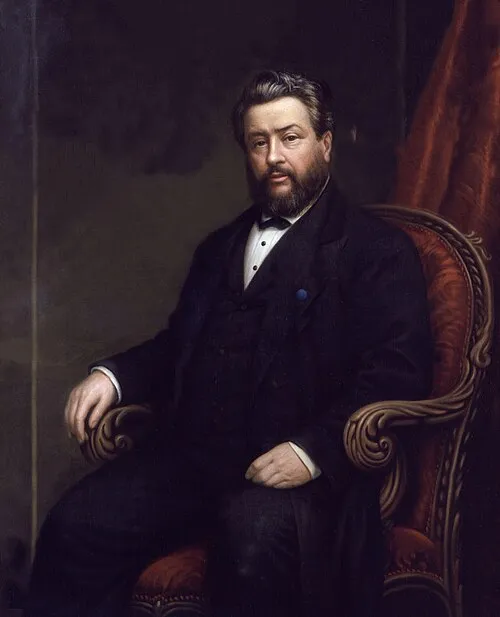
La fe, ¿qué es?
¿Qué es esta fe acerca de la cual se dice: «por gracia sois salvos por la fe»? Hay muchas descripciones de la fe; pero casi todas las definiciones con que me he encontrado me la han hecho entender menos de lo que la entendía antes de verlas. El negro dijo, al leer el capítulo, que lo iba a confundir; y es muy probable que así lo hiciera, aunque lo que quería era exponerlo. Podemos explicar la fe hasta que nadie la entienda. Espero no hacerme culpable de esa falta. La fe es la más sencilla de todas las cosas, y quizá por su sencillez sea tanto más difícil de explicar. [N. del T.: en inglés, confound, «confundir», y expound, «exponer», suenan parecido; quiso decir que iba a exponer el capítulo.]
¿Qué es la fe? Se compone de tres cosas: conocimiento, creencia y confianza. El conocimiento va primero. «¿cómo creerán á aquel de quien no han oído?» Quiero que se me informe de un hecho antes de que me sea posible creerlo. «la fe es por el oir»; primero hemos de oír, para saber qué es lo que se ha de creer. «en ti confiarán los que conocen tu nombre.» Cierta medida de conocimiento es esencial a la fe; de ahí la importancia de alcanzar conocimiento. «Inclinad vuestros oídos, y venid á mí; oid, y vivirá vuestra alma.» Tal fue la palabra del profeta antiguo, y sigue siendo la palabra del evangelio. Escudriña las Escrituras, y aprende lo que el Espíritu Santo enseña acerca de Cristo y de su salvación. Busca conocer a Dios: «porque es menester que el que á Dios se allega, crea que le hay, y que es galardonador de los que le buscan». ¡Que el Espíritu Santo te dé el espíritu de conocimiento y de temor del Señor! Conoce el evangelio: conoce cuál es la buena nueva, cómo habla del perdón gratuito, del cambio de corazón, de la adopción en la familia de Dios y de otras bendiciones sin número. Conoce sobre todo a Cristo Jesús, el Hijo de Dios, el Salvador de los hombres, unido a nosotros por su naturaleza humana y, sin embargo, uno con Dios; y así, capaz de actuar como Mediador entre Dios y el hombre, capaz de poner la mano sobre ambos, y de ser el vínculo que une al pecador con el Juez de toda la tierra. Procura conocer más y más a Cristo Jesús. Procura conocer sobre todo la doctrina del sacrificio de Cristo; porque el punto en que la fe salvadora principalmente se fija es este: «Dios estaba en Cristo reconciliando el mundo á sí, no imputándole sus pecados». Sabe que Jesús fue «hecho por nosotros maldición; porque está escrito: Maldito cualquiera que es colgado en madero». Bebe hasta el fondo la doctrina de la obra sustitutiva de Cristo; porque allí está el consuelo más dulce que cabe, para los hijos culpables de los hombres, pues el Señor «hizo pecado por nosotros, para que nosotros fuésemos hechos justicia de Dios en él». La fe comienza con el conocimiento.
La mente pasa a creer que estas cosas son verdaderas. El alma cree que hay Dios, y que oye los clamores de los corazones sinceros; que el evangelio viene de Dios; que la justificación por la fe es la gran verdad que Dios ha revelado en estos últimos días por su Espíritu, con más claridad que antes. Entonces el corazón cree que Jesús es verdaderamente y en verdad nuestro Dios y Salvador, el Redentor de los hombres, el Profeta, el Sacerdote y el Rey de su pueblo. Todo esto se acepta como verdad segura, que no ha de ponerse en duda. Ruego que llegues a esto enseguida. Llega a creer firmemente que «la sangre de Jesucristo, el amado Hijo de Dios, nos limpia de todo pecado»; que su sacrificio es completo y del todo aceptado por Dios a favor del hombre, de modo que el que cree en Jesús no es condenado. Cree estas verdades como crees cualquier otra afirmación; porque la diferencia entre la fe común y la fe salvadora está, sobre todo, en los asuntos sobre los cuales se ejercita. Cree el testimonio de Dios tal como crees el testimonio de tu propio padre o de tu amigo. «Si recibimos el testimonio de los hombres, el testimonio de Dios es mayor».
Hasta aquí has avanzado hacia la fe; solo falta un ingrediente para completarla, y es la confianza. Encomiéndate al Dios misericordioso; apoya tu esperanza en el evangelio lleno de gracia; confía tu alma al Salvador que murió y que vive; lava tus pecados en la sangre expiatoria; acepta su justicia perfecta, y todo está bien. La confianza es la sangre vital de la fe; no hay fe salvadora sin ella. Los puritanos solían explicar la fe con la palabra «recumbency» (recumbencia). Significaba apoyarse sobre algo. Apóyate con todo tu peso sobre Cristo. Sería una ilustración todavía mejor si dijera: cae cuan largo eres, y quédate tendido sobre la Roca de los siglos. Échate sobre Jesús; descansa en él; encomiéndate a él. Hecho eso, has ejercido la fe salvadora. La fe no es cosa ciega, porque la fe empieza con el conocimiento. No es cosa especulativa, porque la fe cree hechos de los cuales está segura. No es cosa impráctica ni soñadora, porque la fe confía, y se juega el destino sobre la verdad de la revelación. Esa es una manera de describir qué es la fe.
Déjame intentarlo otra vez. La fe es creer que Cristo es lo que se dice que es, y que hará lo que ha prometido hacer, y esperar luego esto de él. Las Escrituras hablan de Jesucristo como Dios, Dios en carne humana; como perfecto en su carácter; como hecho ofrenda por el pecado a favor nuestro; como quien llevó nuestros pecados en su propio cuerpo sobre el madero. La Escritura habla de él como de quien acabó la prevaricación, concluyó el pecado y trajo la justicia de los siglos. Los registros sagrados nos dicen además que «resucitó de los muertos», que «vive siempre para interceder por nosotros», que ha subido a la gloria y ha tomado posesión del cielo a favor de su pueblo, y que pronto volverá «para juzgar al mundo con justicia, y á su pueblo con rectitud». Hemos de creer con la mayor firmeza que así es; porque este es el testimonio de Dios Padre cuando dijo: «Este es mi Hijo amado; á él oid». Esto lo atestigua también Dios el Espíritu Santo; porque el Espíritu ha dado testimonio de Cristo, tanto en la Palabra inspirada como por milagros diversos, y por su obra en los corazones de los hombres. Hemos de creer que este testimonio es verdadero. [N. del T.: el CCEL dice «God is human flesh» y «made of a sin-offering»; el sentido es «Dios en carne humana» y «hecho ofrenda por el pecado».]
La fe cree también que Cristo hará lo que ha prometido; que, puesto que ha prometido no echar fuera a ninguno de los que vienen a él, es cierto que no nos echará fuera si venimos a él. La fe cree que, puesto que Jesús dijo: «el agua que yo le daré, será en él una fuente de agua que salte para vida eterna», eso ha de ser verdad; y si recibimos de Cristo esta agua viva, permanecerá en nosotros, y brotará dentro de nosotros en corrientes de vida santa. Todo lo que Cristo ha prometido hacer, lo hará, y hemos de creer esto, de modo que esperemos de sus manos el perdón, la justificación, la preservación y la gloria eterna, según él los ha prometido a los que creen en él.
Viene luego el paso que todavía hace falta. Jesús es lo que se dice que es; Jesús hará lo que dice que hará; por tanto, cada uno de nosotros ha de confiar en él, diciendo: «Él será para mí lo que dice que es, y hará conmigo lo que ha prometido hacer; me dejo en las manos de aquel que está puesto para salvar, para que me salve. Descanso en su promesa de que hará tal como ha dicho». Esta es una fe salvadora, y el que la tiene, tiene vida eterna. No importa cuáles sean sus peligros y sus dificultades, ni cuáles sus tinieblas y su abatimiento, ni cuáles sus flaquezas y sus pecados: el que así cree en Cristo Jesús no es condenado, y nunca vendrá a condenación.
¡Ojalá esa explicación sirva de algo! Confío en que el Espíritu de Dios la use para llevar a mi lector a la paz inmediata. «No temas, cree solamente.» Confía, y quédate en reposo.
Mi temor es que el lector se quede contento con entender lo que ha de hacerse, y que nunca lo haga. Más vale la más pobre fe de verdad, puesta de veras a obrar, que el mejor ideal de ella dejado en la región de la especulación. El gran asunto es creer en el Señor Jesús ahora mismo. No te detengas en distinciones ni en definiciones. El hambriento come aunque no entienda la composición de su alimento, la anatomía de su boca ni el proceso de la digestión: vive porque come. Otra persona, mucho más lista, entiende a fondo la ciencia de la nutrición; pero si no come, morirá, con todo su conocimiento. Sin duda hay muchos que, a esta misma hora, están en el infierno, los cuales entendieron la doctrina de la fe, pero no creyeron. Por otra parte, ni uno solo de los que han confiado en el Señor Jesús ha sido jamás echado fuera, aunque nunca haya podido definir su fe con entendimiento. ¡Oh, querido lector, recibe al Señor Jesús en tu alma, y vivirás para siempre! «El que cree en el Hijo, tiene vida eterna».
Ver el original (inglés)
Original en inglés
Faith, What Is It?
WHAT IS THIS FAITH concerning which it is said, “By grace are ye saved, through faith?” There are many descriptions of faith; but almost all the definitions I have met with have made me understand it less than I did before I saw them. The Negro said, when he read the chapter, that he would confound it; and it is very likely that he did so, though he meant to expound it. We may explain faith till nobody understands it. I hope I shall not be guilty of that fault. Faith is the simplest of all things, and perhaps because of its simplicity it is the more difficult to explain.
What is faith? It is made up of three things—knowledge, belief, and trust. Knowledge comes first. “How shall they believe in him of whom they have not heard?” I want to be informed of a fact before I can possibly believe it. “Faith cometh by hearing”; we must first hear, in order that we may know what is to be believed. “They that know thy name shall put their trust in thee.” A measure of knowledge is essential to faith; hence the importance of getting knowledge. “Incline your ear, and come unto me; hear, and your soul shall live.” Such was the word of the ancient prophet, and it is the word of the gospel still. Search the Scriptures and learn what the Holy Spirit teacheth concerning Christ and His salvation. Seek to know God: “For he that cometh to God must believe that he is, and that he is a rewarder of them that diligently seek him.” May the Holy Spirit give you the spirit of knowledge, and of the fear of the Lord! Know the gospel: know what the good news is, how it talks of free forgiveness, and of change of heart, of adoption into the family of God, and of countless other blessings. Know especially Christ Jesus the Son of God, the Saviour of men, united to us by His human nature, and yet one with God; and thus able to act as Mediator between God and man, able to lay His hand upon both, and to be the connecting link between the sinner and the Judge of all the earth. Endeavour to know more and more of Christ Jesus. Endeavour especially to know the doctrine of the sacrifice of Christ; for the point upon which saving faith mainly fixes itself is this—“God was in Christ, reconciling the world unto himself, not imputing their trespasses unto them.” Know that Jesus was “made a curse for us, as it is written, Cursed is every one that hangeth on a tree.” Drink deep of the doctrine of the substitutionary work of Christ; for therein lies the sweetest possible comfort to the guilty sons of men, since the Lord “made him to be sin for us, that we might be made the righteousness of God in him.” Faith begins with knowledge.
The mind goes on to believe that these things are true. The soul believes that God is, and that He hears the cries of sincere hearts; that the gospel is from God; that justification by faith is the grand truth which God hath revealed in these last days by His Spirit more clearly than before. Then the heart believes that Jesus is verily and in truth our God and Saviour, the Redeemer of men, the Prophet, Priest, and King of His people. All this is accepted as sure truth, not to be called in question. I pray that you may at once come to this. Get firmly to believe that “the blood of Jesus Christ, God’s dear Son, cleanseth us from all sin”; that His sacrifice is complete and fully accepted of God on man’s behalf, so that he that believeth on Jesus is not condemned. Believe these truths as you believe any other statements; for the difference between common faith and saving faith lies mainly in the subjects upon which it is exercised. Believe the witness of God just as you believe the testimony of your own father or friend. “If we receive the witness of men, the witness of God is greater.”
So far you have made an advance toward faith; only one more ingredient is needed to complete it, which is trust. Commit yourself to the merciful God; rest your hope on the gracious gospel; trust your soul on the dying and living Saviour; wash away your sins in the atoning blood; accept His perfect righteousness, and all is well. Trust is the lifeblood of faith; there is no saving faith without it. The Puritans were accustomed to explain faith by the word “recumbency.” It meant leaning upon a thing. Lean with all your weight upon Christ. It would be a better illustration still if I said, fall at full length, and lie on the Rock of Ages. Cast yourself upon Jesus; rest in Him; commit yourself to Him. That done, you have exercised saving faith. Faith is not a blind thing; for faith begins with knowledge. It is not a speculative thing; for faith believes facts of which it is sure. It is not an unpractical, dreamy thing; for faith trusts, and stakes its destiny upon the truth of revelation. That is one way of describing what faith is.
Let me try again. Faith is believing that Christ is what He is said to be, and that He will do what He has promised to do, and then to expect this of Him. The Scriptures speak of Jesus Christ as being God, God is human flesh; as being perfect in His character; as being made of a sin-offering on our behalf; as bearing our sins in His own body on the tree. The Scripture speaks of Him as having finished transgression, made an end of sin, and brought in everlasting righteousness. The sacred records further tell us that He “rose again from the dead,” that He “ever liveth to make intercession for us,” that He has gone up into the glory, and has taken possession of Heaven on the behalf of His people, and that He will shortly come again “to judge the world in righteousness, and his people with equity.” We are most firmly to believe that it is even so; for this is the testimony of God the Father when He said, “This is my beloved Son; hear ye him.” This also is testified by God the Holy Spirit; for the Spirit has borne witness to Christ, both in the inspired Word and by divers miracles, and by His working in the hearts of men. We are to believe this testimony to be true.
Faith also believes that Christ will do what He has promised; that since He has promised to cast out none that come to Him, it is certain that He will not cast us out if we come to Him. Faith believes that since Jesus said, “The water that I shall give him shall be in him a well of water springing up into everasting life, it must be true; and if we get this living Water from Christ it will abide in us, and will well up within us in streams of holy life. Whatever Christ has promised to do He will do, and we must believe this, so as to look for pardon, justification, preservation, and eternal glory from His hands, according as He has promised them to believers in Him.
Then comes the next necessary step. Jesus is what He is said to be, Jesus will do what He says He will do; therefore we must each one trust Him, saying, “He will be to me what He says He is, and He will do to me what He has promised to do; I leave myself in the hands of Him who is appointed to save, that He may save me. I rest upon His promise that He will do even as He has said.” This is a saving faith, and he that hath it hath everlasting life. Whatever his dangers and difficulties, whatever his darkness and depression, whatever his infirmities and sins, he that believeth thus on Christ Jesus is not condemned, and shall never come into condemnation.
May that explanation be of some service! I trust it may be used by the Spirit of God to direct my reader into immediate peace. “Be not afraid; only believe.” Trust, and be at rest.
My fear is lest the reader should rest content with understanding what is to be done, and yet never do it. Better the poorest real faith actually at work, than the best ideal of it left in the region of speculation. The great matter is to believe on the Lord Jesus at once. Never mind distinctions and definitions. A hungry man eats though he does not understand the composition of his food, the anatomy of his mouth, or the process of digestion: he lives because he eats. Another far more clever person understands thoroughly the science of nutrition; but if he does not eat he will die, with all his knowledge. There are, no doubt, many at this hour in Hell who understood the doctrine of faith, but did not believe. On the other hand, not one who has trusted in the Lord Jesus has ever been cast out, though he may never have been able intelligently to define his faith. Oh dear reader, receive the Lord Jesus into your soul, and you shall live forever! “He that believeth in Him hath everlasting life.”
https://sermonesbiblicos.org/biblioteca/todo-por-gracia-08-la-fe-que-es/