Sermones Bíblicos
Justo y el que justifica
Charles H. Spurgeon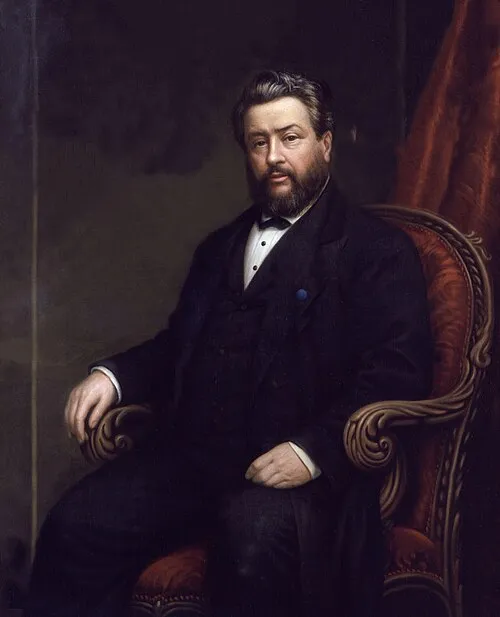
Justo y el que justifica
Hemos visto al impío justificado, y hemos considerado la gran verdad de que solo Dios puede justificar a hombre alguno; ahora damos un paso más y hacemos la pregunta: ¿cómo puede un Dios justo justificar a hombres culpables? Aquí nos sale al paso una respuesta completa en las palabras de Pablo, en Romanos 3:21-26. Leeremos seis versículos del capítulo, para tomar el hilo del pasaje:
«Mas ahora, sin la ley, la justicia de Dios se ha manifestado, testificada por la ley y por los profetas: La justicia de Dios por la fe de Jesucristo, para todos los que creen en él; porque no hay diferencia; Por cuanto todos pecaron, y están destituídos de la gloria de Dios; Siendo justificados gratuitamente por su gracia, por la redención que es en Cristo Jesús; Al cual Dios ha propuesto en propiciación por la fe en su sangre, para manifestación de su justicia, atento a haber pasado por alto, en su paciencia, los pecados pasados, Con la mira de manifestar su justicia en este tiempo: para que él sea el justo, y el que justifica al que es de la fe de Jesús.»
Permíteme contarte aquí un poco de experiencia personal. Cuando estaba bajo la mano del Espíritu Santo, bajo convicción de pecado, tenía un sentido claro y agudo de la justicia de Dios. El pecado, fuera lo que fuese para otras personas, se me volvió una carga intolerable. No era tanto que yo temiera el infierno, sino que temía el pecado. Me sabía tan horriblemente culpable que recuerdo haber sentido que, si Dios no me castigaba por el pecado, debía hacerlo. Sentí que el Juez de toda la tierra debía condenar un pecado como el mío. Me senté en el tribunal y me condené a perecer; porque confesé que, de haber sido yo Dios, no habría podido hacer otra cosa que enviar a una criatura tan culpable como era yo al infierno más profundo. Todo ese tiempo tenía en la mente una honda preocupación por el honor del nombre de Dios y por la integridad de su gobierno moral. Sentí que mi conciencia no quedaría satisfecha si se me podía perdonar de manera injusta. El pecado que yo había cometido tenía que ser castigado. Pero entonces estaba la pregunta de cómo podía Dios ser justo y, con todo, justificarme a mí, que había sido tan culpable. Le pregunté a mi corazón: «¿Cómo puede ser justo y, sin embargo, el que justifica?» Me inquietaba y me cansaba esta pregunta; y tampoco podía verle respuesta alguna. Ciertamente, jamás habría podido inventar una respuesta que hubiera satisfecho mi conciencia.
La doctrina de la expiación es, a mi juicio, una de las pruebas más seguras de la inspiración divina de la Sagrada Escritura. ¿Quién habría pensado, o quién podría haber pensado, en el Gobernante justo muriendo por el rebelde injusto? Esto no es enseñanza de la mitología humana, ni sueño de la imaginación poética. Este modo de expiación solo se conoce entre los hombres porque es un hecho; la ficción no habría podido idearlo. Dios mismo lo ordenó; no es cosa que se hubiera podido imaginar.
Yo había oído el plan de salvación por el sacrificio de Jesús desde mi juventud; pero en lo más íntimo del alma no sabía de él más que si hubiera nacido y me hubiera criado entre los hotentotes. La luz estaba allí, pero yo estaba ciego; era necesario que el Señor mismo me aclarara el asunto. Me llegó como una revelación nueva, tan fresca como si nunca hubiera leído en la Escritura que Jesús era declarado propiciación por los pecados, para que Dios pudiera ser justo. Creo que tendrá que llegar como revelación a cada hijo de Dios recién nacido, cada vez que la vea; me refiero a esa doctrina gloriosa de la sustitución del Señor Jesús. Llegué a entender que la salvación era posible mediante el sacrificio vicario, y que en la primera constitución y disposición de las cosas se había hecho provisión para semejante sustitución. Se me hizo ver que aquel que es el Hijo de Dios, coigual y coeterno con el Padre, había sido constituido desde antiguo Cabeza del pacto de un pueblo escogido, para que en esa calidad padeciera por ellos y los salvara. Puesto que nuestra caída no fue, al principio, una caída personal —porque caímos en nuestro representante federal, el primer Adán—, se hizo posible que fuéramos restaurados por un segundo representante, a saber, por aquel que ha tomado sobre sí ser la cabeza del pacto de su pueblo, de modo que fuese su segundo Adán. Vi que, antes de pecar yo de hecho, ya había caído por el pecado de mi primer padre; y me alegré de que, por tanto, resultara posible en el terreno de la ley que yo me levantara por una segunda cabeza y representante. La caída por Adán dejó un resquicio por donde escapar; otro Adán puede deshacer la ruina hecha por el primero. Cuando yo andaba ansioso por si era posible que un Dios justo me perdonara, entendí y vi por fe que aquel que es el Hijo de Dios se hizo hombre y, en su propia persona bendita, llevó mi pecado en su propio cuerpo sobre el madero. Vi que el castigo de mi paz fue puesto sobre él, y que por su llaga fui curado. Querido amigo, ¿has visto tú eso alguna vez? ¿Has entendido alguna vez cómo puede Dios ser justo del todo, sin remitir la pena ni embotar el filo de la espada, y ser con todo infinitamente misericordioso, y justificar a los impíos que se vuelven a él? Fue porque el Hijo de Dios, supremamente glorioso en su persona incomparable, tomó sobre sí vindicar la ley llevando la sentencia que a mí me correspondía, por lo que Dios puede pasar por alto mi pecado. La ley de Dios quedó más vindicada con la muerte de Cristo de lo que lo habría quedado si todos los transgresores hubieran sido enviados al infierno. Que el Hijo de Dios padeciera por el pecado estableció el gobierno de Dios de un modo más glorioso que si hubiera padecido la raza entera.
Jesús ha cargado en nuestro lugar la pena de muerte. ¡Mira la maravilla! ¡Allí está, colgado de la cruz! Esta es la vista más grande que jamás verás. Hijo de Dios e Hijo del Hombre, allí cuelga, llevando dolores indecibles, el justo por los injustos, para llevarnos a Dios. ¡Oh, la gloria de esa vista! ¡El inocente, castigado! ¡El Santo, condenado! ¡El Bendito para siempre, hecho maldición! ¡El infinitamente glorioso, entregado a una muerte afrentosa! Cuanto más miro los padecimientos del Hijo de Dios, más seguro estoy de que tienen que alcanzar mi caso. ¿Por qué padeció, si no para desviar de nosotros la pena? Si, pues, la desvió con su muerte, queda desviada, y los que creen en él no tienen por qué temerla. Así tiene que ser: una vez hecha la expiación, Dios puede perdonar sin sacudir la base de su trono, ni borrar en lo más mínimo el libro de los estatutos. La conciencia recibe respuesta plena a su pregunta tremenda. La ira de Dios contra la iniquidad, sea lo que sea, tiene que ser terrible más allá de cuanto se pueda concebir. Bien dijo Moisés: «¿Quién conoce la fortaleza de tu ira?» Con todo, cuando oímos al Señor de la gloria clamar: «¿Por qué me has desamparado?», y le vemos entregar el espíritu, sentimos que la justicia de Dios ha recibido abundante vindicación por una obediencia tan perfecta y una muerte tan terrible, rendidas por una persona tan divina. Si Dios mismo se inclina ante su propia ley, ¿qué más se puede hacer? Hay más en la expiación, del lado del mérito, que en todo el pecado humano, del lado del demérito.
El gran abismo del amoroso sacrificio que Jesús hizo de sí mismo puede tragarse las montañas de nuestros pecados, todas ellas. Por causa del bien infinito de este único hombre representante, bien puede el Señor mirar con favor a los demás hombres, por indignos que sean en sí mismos y de por sí. Fue un milagro de milagros que el Señor Jesucristo se pusiera en nuestro lugar y
Llevara, para que nosotros nunca lleváramos, la ira justa de su Padre.
Pero lo ha hecho. «Consumado es.» Dios perdonará al pecador porque no perdonó a su Hijo. Dios puede pasar por alto tus transgresiones porque puso esas transgresiones sobre su Hijo unigénito hace casi dos mil años. Si crees en Jesús (ese es el punto), entonces tus pecados fueron llevados lejos por aquel que fue el chivo expiatorio de su pueblo.
¿Qué es creer en él? No es meramente decir: «Él es Dios y el Salvador», sino confiar en él por entero y por completo, y tomarlo por toda tu salvación desde ahora y para siempre: tu Señor, tu Amo, tu todo. Si quieres tener a Jesús, él ya te tiene. Si crees en él, te digo que no puedes ir al infierno; porque eso dejaría sin efecto el sacrificio de Cristo. No puede ser que un sacrificio sea aceptado y que, sin embargo, muera el alma por la cual ese sacrificio ha sido recibido. Si el alma que cree pudiera ser condenada, entonces ¿para qué un sacrificio? Si Jesús murió en mi lugar, ¿por qué habría de morir yo también? Todo creyente puede afirmar que el sacrificio se hizo de veras por él: por la fe ha puesto sus manos sobre él y lo ha hecho suyo, y por tanto puede descansar seguro de que nunca perecerá. El Señor no recibiría esta ofrenda a favor nuestro para luego condenarnos a morir. El Señor no puede leer nuestro perdón escrito en la sangre de su propio Hijo y luego herirnos. Eso sería imposible. ¡Ojalá se te dé ahora mismo gracia para volver la mirada a Jesús y empezar por el principio, esto es, por Jesús, que es el manantial de la misericordia para el hombre culpable!
«Justifica al impío.» «Dios es el que justifica»; por tanto, y solo por esa razón, puede hacerse, y él lo hace por medio del sacrificio expiatorio de su Hijo divino. Por eso puede hacerse con justicia: tan justamente hecho, que nadie lo pondrá jamás en duda; tan cabalmente hecho, que en el último día tremendo, cuando el cielo y la tierra pasen, no habrá quien niegue la validez de la justificación. «¿Quién es el que condenará? Cristo es el que murió. ¿Quién acusará a los escogidos de Dios? Dios es el que justifica.»
Ahora, ¡pobre alma!, ¿quieres entrar en este bote salvavidas, tal como estás? ¡Aquí hay seguridad frente al naufragio! Acepta la liberación segura. «No llevo nada conmigo», dices. No se te pide que traigas nada contigo. Quienes escapan por salvar la vida dejan atrás hasta la ropa. Salta, tal como estás.
Te contaré esto de mí mismo para animarte. Mi única esperanza del cielo está en la expiación plena hecha en la cruz del Calvario por los impíos. En eso me apoyo con firmeza. No tengo ni la sombra de una esperanza en ninguna otra parte. Tú estás en la misma condición que yo, porque ni tú ni yo tenemos nada propio que valga como fundamento de confianza. Unamos las manos y estemos juntos al pie de la cruz, y confiemos nuestras almas de una vez por todas a aquel que derramó su sangre por los culpables. Seremos salvos por uno y el mismo Salvador. Si tú pereces confiando en él, yo también tengo que perecer. ¿Qué más puedo hacer para probar la confianza que yo mismo tengo en el evangelio que te presento?
Ver el original (inglés)
Original en inglés
Just and the Justifier
WE HAVE SEEN the ungodly justified, and have considered the great truth, that only God can justify any man; we now come a step further and make the inquiry—How can a just God justify guilty men? Here we are met with a full answer in the words of Paul, in Romans 3:21-26. We will read six verses from the chapter so as to get the run of the passage:
“But now the righteousness of God without the law is manifested, being witnessed by the law and the prophets; even the righteousness of God which is by faith of Jesus Christ unto all and upon all them that believe: for there is no difference; for all have sinned, and come short of the glory of God; being justified freely by his grace through the redemption that is in Christ Jesus: whom God hath set forth to be a propitiation through faith in his blood, to declare his righteousness for the remission of sins that are past, through the forbearance of God; to declare, I say, at this time his righteousness; that he might be just, and the justifier of him which believeth in Jesus.”
Here suffer me to give you a bit of personal experience. When I was under the hand of the Holy Spirit, under conviction of sin, I had a clear and sharp sense of the justice of God. Sin, whatever it might be to other people, became to me an intolerable burden. It was not so much that I feared hell, but that I feared sin. I knew myself to be so horribly guilty that I remember feeling that if God did not punish me for sin He ought to do so. I felt that the Judge of all the earth ought to condemn such sin as mine. I sat on the judgment seat, and I condemned myself to perish; for I confessed that had I been God I could have done no other than send such a guilty creature as I was down to the lowest hell. All the while, I had upon my mind a deep concern for the honor of God’s name, and the integrity of His moral government. I felt that it would not satisfy my conscience if I could be forgiven unjustly. The sin I had committed must be punished. But then there was the question how God could be just, and yet justify me who had been so guilty. I asked my heart: “How can He be just and yet the justifier?” I was worried and wearied with this question; neither could I see any answer to it. Certainly, I could never have invented an answer which would have satisfied my conscience.
The doctrine of the atonement is to my mind one of the surest proofs of the divine inspiration of Holy Scripture. Who would or could have thought of the just Ruler dying for the unjust rebel? This is no teaching of human mythology, or dream of poetical imagination. This method of expiation is only known among men because it is a fact; fiction could not have devised it. God Himself ordained it; it is not a matter which could have been imagined.
I had heard the plan of salvation by the sacrifice of Jesus from my youth up; but I did not know any more about it in my innermost soul than if I had been born and bred a Hottentot. The light was there, but I was blind; it was of necessity that the Lord himself should make the matter plain to me. It came to me as a new revelation, as fresh as if I had never read in Scripture that Jesus was declared to be the propitiation for sins that God might be just. I believe it will have to come as a revelation to every newborn child of God whenever he sees it; I mean that glorious doctrine of the substitution of the Lord Jesus. I came to understand that salvation was possible through vicarious sacrifice; and that provision had been made in the first constitution and arrangement of things for such a substitution. I was made to see that He who is the Son of God, co-equal, and co-eternal with the Father, had of old been made the covenant Head of a chosen people that He might in that capacity suffer for them and save them. Inasmuch as our fall was not at the first a personal one, for we fell in our federal representative, the first Adam, it became possible for us to be recovered by a second representative, even by Him who has undertaken to be the covenant head of His people, so as to be their second Adam. I saw that ere I actually sinned I had fallen by my first father’s sin; and I rejoiced that therefore it became possible in point of law for me to rise by a second head and representative. The fall by Adam left a loophole of escape; another Adam can undo the ruin made by the first. When I was anxious about the possibility of a just God pardoning me, I understood and saw by faith that He who is the Son of God became man, and in His own blessed person bore my sin in His own body on the tree. I saw the chastisement of my peace was laid on Him, and that with His stripes I was healed. Dear friend, have you ever seen that? Have you ever understood how God can be just to the full, not remitting penalty nor blunting the edge of the sword, and yet can be infinitely merciful, and can justify the ungodly who turn to Him? It was because the Son of God, supremely glorious in His matchless person, undertook to vindicate the law by bearing the sentence due to me, that therefore God is able to pass by my sin. The law of God was more vindicated by the death of Christ than it would have been had all transgressors been sent to Hell. For the Son of God to suffer for sin was a more glorious establishment of the government of God, than for the whole race to suffer.
Jesus has borne the death penalty on our behalf. Behold the wonder! There He hangs upon the cross! This is the greatest sight you will ever see. Son of God and Son of Man, there He hangs, bearing pains unutterable, the just for the unjust, to bring us to God. Oh, the glory of that sight! The innocent punished! The Holy One condemned! The Ever-blessed made a curse! The infinitely glorious put to a shameful death! The more I look at the sufferings of the Son of God, the more sure I am that they must meet my case. Why did He suffer, if not to turn aside the penalty from us? If, then, He turned it aside by His death, it is turned aside, and those who believe in Him need not fear it. It must be so, that since expiation is made, God is able to forgive without shaking the basis of His throne, or in the least degree blotting the statute book. Conscience gets a full answer to her tremendous question. The wrath of God against iniquity, whatever that may be, must be beyond all conception terrible. Well did Moses say, “Who knoweth the power of thine anger?” Yet when we hear the Lord of glory cry, “Why hast thou forsaken me?” and see Him yielding up the ghost, we feel that the justice of God has received abundant vindication by obedience so perfect and death so terrible, rendered by so divine a person. If God himself bows before His own law, what more can be done? There is more in the atonement by way of merit, than there is in all human sin by way of demerit.
The great gulf of Jesus’ loving self-sacrifice can swallow up the mountains of our sins, all of them. For the sake of the infinite good of this one representative man, the Lord may well look with favor upon other men, however unworthy they may be in and of themselves. It was a miracle of miracles that the Lord Jesus Christ should stand in our stead and
Bear that we might never bear His Father’s righteous ire.
But he has done so. “It is finished.” God will spare the sinner because He did not spare His Son. God can pass by your transgressions because He laid those transgressions upon His only begotten Son nearly two thousand years ago. If you believe in Jesus (that is the point), then your sins were carried away by Him who was the scapegoat for His people.
What is it to believe in Him? It is not merely to say, “He is God and the Saviour,” but to trust Him wholly and entirely, and take Him for all your salvation from this time forth and forever—your Lord, your Master, your all. If you will have Jesus, He has you already. If you believe on Him, I tell you you cannot go to hell; for that were to make the sacrifice of Christ of none effect. It cannot be that a sacrifice should be accepted, and yet the soul should die for whom that sacrifice has been received. If the believing soul could be condemned, then why a sacrifice? If Jesus died in my stead, why should I die also? Every believer can claim that the sacrifice was actually made for him: by faith he has laid his hands on it, and made it his own, and therefore he may rest assured that he can never perish. The Lord would not receive this offering on our behalf, and then condemn us to die. The Lord cannot read our pardon written in the blood of His own Son, and then smite us. That were impossible. Oh that you may have grace given you at once to look away to Jesus and to begin at the beginning, even at Jesus, who is the Fountain-head of mercy to guilty man!
“He justifieth the ungodly.” “It is God that justifieth,” therefore, and for that reason only it can be done, and He does it through the atoning sacrifice of His divine Son. Therefore it can be justly done—so justly done that none will ever question it—so thoroughly done that in the last tremendous day, when heaven and earth shall pass away, there shall be none that shall deny the validity of the justification. “Who is he that condemneth? It is Christ that died. Who shall lay anything to the charge of God’s elect? It is God that justifieth.”
Now, poor soul! will you come into this lifeboat, just as you are? Here is safety from the wreck! Accept the sure deliverance. “I have nothing with me,” say you. You are not asked to bring anything with you. Men who escape for their lives will leave even their clothes behind. Leap for it, just as you are.
I will tell you this thing about myself to encourage you. My sole hope for heaven lies in the full atonement made upon Calvary’s cross for the ungodly. On that I firmly rely. I have not the shadow of a hope anywhere else. You are in the same condition as I am; for we neither of us have anything of our own worth as a ground of trust. Let us join hands and stand together at the foot of the cross, and trust our souls once for all to Him who shed His blood for the guilty. We will be saved by one and the same Saviour. If you perish trusting Him, I must perish too. What can I do more to prove my own confidence in the gospel which I set before you?
https://sermonesbiblicos.org/biblioteca/todo-por-gracia-05-justo-y-el-que-justifica/