Sermones Bíblicos
Dios justifica al impío
Charles H. Spurgeon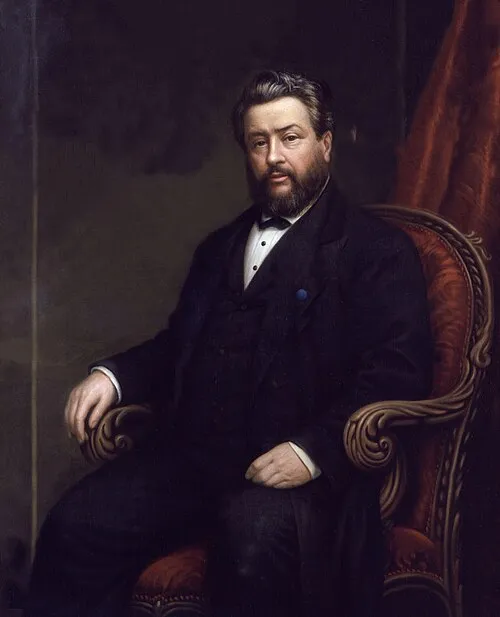
Dios justifica al impío
Este mensaje es para ti. Hallarás el texto en la epístola a los Romanos, en el capítulo cuarto y el versículo quinto:
«Mas al que no obra, pero cree en aquél que justifica al impío, la fe le es contada por justicia.»
Llamo tu atención a estas palabras: «aquél que justifica al impío». Me parecen palabras muy admirables.
¿No te sorprende que haya en la Biblia una expresión como esta: «que justifica al impío»? He oído que los hombres que odian las doctrinas de la cruz lo echan como cargo contra Dios: que salva a hombres malvados y recibe consigo a los más viles de los viles. ¡Mira cómo esta Escritura acepta el cargo y lo declara sin rodeos! Por boca de su siervo Pablo, por inspiración del Espíritu Santo, toma para sí el título de «aquél que justifica al impío». Hace justos a los que son injustos, perdona a los que merecen castigo y favorece a los que no merecen favor alguno. Pensabas, ¿no es verdad?, que la salvación era para los buenos; que la gracia de Dios era para los puros y santos, libres de pecado. Se te ha metido en la mente que, si fueras excelente, entonces Dios te recompensaría; y has pensado que, porque no eres digno, no podía haber camino para que gozaras de su favor. Ha de sorprenderte un poco leer un texto como este: «aquél que justifica al impío». No me extraña que te sorprendas; pues, con toda mi familiaridad con la gran gracia de Dios, nunca dejo de maravillarme de ella. Suena sorprendente, ¿no es cierto?, que sea posible que un Dios santo justifique a un hombre que no es santo. Nosotros, según el espíritu legalista natural de nuestro corazón, siempre estamos hablando de nuestra propia bondad y de nuestra propia dignidad, y nos aferramos con terquedad a que tiene que haber algo en nosotros para ganar que Dios se fije en nosotros. Ahora bien, Dios, que ve a través de todos los engaños, sabe que no hay en nosotros bondad alguna. Dice que «No hay justo, ni aun uno». Sabe que «todas nuestras justicias como trapo de inmundicia», y por eso el Señor Jesús no vino al mundo a buscar bondad y justicia que el hombre ya trajera consigo, sino a concederlas a personas que no tienen nada de ellas. Viene, no porque seamos justos, sino para hacernos tales: él justifica al impío.
Cuando un abogado entra en el tribunal, si es hombre honrado, desea defender la causa de una persona inocente y justificarla ante el tribunal de lo que falsamente se le imputa. El objeto del abogado ha de ser justificar al inocente, y no ha de intentar encubrir al culpable. No está en el derecho del hombre, ni en el poder del hombre, justificar de verdad al culpable. Este es un milagro reservado solo al Señor. Dios, el Soberano infinitamente justo, sabe que no hay hombre justo en la tierra, que haga bien y nunca peque, y por eso, en la soberanía infinita de su naturaleza divina y en el esplendor de su amor inefable, emprende la tarea, no tanto de justificar al justo como de justificar al impío. Dios ha ideado caminos y medios para que el impío esté, con justicia, aceptado delante de él: ha establecido un sistema por el cual, con perfecta justicia, puede tratar al culpable como si toda su vida hubiera estado libre de ofensa; sí, puede tratarlo como si estuviera del todo libre de pecado. Él justifica al impío.
Jesucristo vino al mundo para salvar pecadores. Es cosa muy sorprendente: cosa de la que más han de maravillarse los que la gozan. Sé que para mí, aun hoy, es la mayor maravilla que jamás oí: que Dios llegara a justificarme. Me siento un cúmulo de indignidad, una masa de corrupción y un montón de pecado, aparte de su amor omnipotente. Sé con plena certeza que estoy justificado por la fe que es en Cristo Jesús, y que se me trata como si hubiera sido perfectamente justo, y que he sido hecho heredero de Dios y coheredero con Cristo; y, con todo, por naturaleza he de ocupar mi lugar entre los más pecadores. Yo, que soy del todo indigno, soy tratado como si hubiera sido digno. Se me ama con tanto amor como si siempre hubiera sido piadoso, siendo así que antes era impío. ¿Quién puede dejar de asombrarse de esto? La gratitud por tal favor se viste con ropas de asombro.
Ahora bien, por muy sorprendente que esto sea, quiero que notes cuán asequible te lo hace el evangelio, a ti y a mí. Si Dios justifica al impío, entonces, querido amigo, puede justificarte a ti. ¿No eres precisamente esa clase de persona? Si en este momento no estás convertido, es una descripción muy exacta de ti: has vivido sin Dios, has sido lo contrario de piadoso; en una palabra, has sido y eres impío. Quizá ni siquiera has asistido a un lugar de culto el domingo, sino que has vivido sin hacer caso del día de Dios, ni de su casa, ni de su Palabra: esto prueba que has sido impío. Más triste aún, puede que hasta hayas intentado dudar de la existencia de Dios, y que hayas llegado a decir que lo hacías. Has vivido en esta hermosa tierra, llena de las señales de la presencia de Dios, y todo el tiempo has cerrado los ojos a las pruebas claras de su poder y de su deidad. Has vivido como si no hubiera Dios. Más aún, te habría alegrado mucho poder demostrarte a ti mismo, con certeza, que no había Dios alguno. Es posible que hayas vivido así muchísimos años, de modo que ahora estás ya bastante asentado en tus caminos, y sin embargo Dios no está en ninguno de ellos. Si te pusieran por rótulo
IMPÍO
te describiría tan bien como si al mar se le pusiera por rótulo agua salada. ¿No es así?
Posiblemente eres persona de otra clase: has cumplido con regularidad todas las formas exteriores de la religión y, sin embargo, no has puesto en ellas corazón alguno, sino que has sido de veras impío. Aunque te reunías con el pueblo de Dios, nunca te has encontrado con Dios por ti mismo; has estado en el coro, y no has alabado al Señor con el corazón. Has vivido sin amor alguno a Dios en el corazón, y sin respeto a sus mandamientos en la vida. Pues bien, eres justamente la clase de hombre a quien se envía este evangelio: este evangelio que dice que Dios justifica al impío. Es muy admirable, pero por dicha está a tu alcance. Te viene a la medida. ¿No es así? ¡Cómo quisiera que lo aceptaras! Si eres hombre sensato, verás la gracia notable de Dios al proveer para los que son como tú, y te dirás: «¡Justificar al impío! ¿Por qué, entonces, no he de ser justificado, y justificado al momento?»
Advierte ahora, además, que tiene que ser así: que la salvación de Dios es para los que no la merecen y no tienen preparación alguna para ella. Es razonable que esa declaración esté puesta en la Biblia; porque, querido amigo, no necesitan justificación otros sino los que no tienen justificación propia. Si alguno de mis lectores es perfectamente justo, no necesita que lo justifiquen. Sientes que cumples bien tu deber, y que casi pones al cielo en deuda contigo. ¿Para qué quieres un Salvador, o misericordia? ¿Para qué quieres justificación? A estas alturas ya estarás cansado de mi libro, porque no tendrá interés alguno para ti.
Si alguno de ustedes se da esos aires de orgullo, escúchenme un poco. Se perderán, tan cierto como que están vivos. Ustedes, hombres justos, cuya justicia es toda obra de ustedes mismos, o son engañadores o están engañados; porque la Escritura no puede mentir, y dice con claridad: «No hay justo, ni aun uno». En todo caso, no tengo evangelio que predicar a los que se tienen por justos; no, ni una palabra. Jesucristo mismo no vino a llamar a justos, y yo no voy a hacer lo que él no hizo. Si los llamara, no vendrían; y por eso no los llamaré bajo ese carácter. No: más bien les pido que miren esa justicia suya hasta que vean qué engaño es. No es ni la mitad de sólida que una telaraña. ¡Acaben con ella! ¡Huyan de ella! ¡Oh, crean que las únicas personas que pueden necesitar justificación son las que en sí mismas no son justas! Necesitan que se haga algo por ellas para volverlas justas ante el tribunal de Dios. Ténganlo por cierto: el Señor solo hace lo que hace falta. La sabiduría infinita nunca intenta lo que es innecesario. Jesús nunca emprende lo que es superfluo. Hacer justo al que es justo no es obra para Dios: eso sería trabajo de un necio; pero hacer justo al que es injusto, eso es obra para el amor infinito y la misericordia infinita. Justificar al impío: este es un milagro digno de un Dios. Y de cierto lo es.
Mira ahora. Si en alguna parte del mundo hay un médico que ha descubierto remedios seguros y preciosos, ¿a quiénes se envía a ese médico? ¿A los que están perfectamente sanos? Creo que no. Ponlo en un distrito donde no hay enfermos, y siente que no está en su lugar. No hay nada que hacer. «Los que están sanos no tienen necesidad de médico, sino los enfermos.» ¿No está igual de claro que los grandes remedios de la gracia y de la redención son para los enfermos del alma? No pueden ser para los sanos, porque a tales no pueden servirles. Si tú, querido amigo, sientes que estás enfermo en el espíritu, el Médico ha venido al mundo por ti. Si estás del todo deshecho a causa de tu pecado, eres precisamente la persona a la que apunta el plan de salvación. Digo que el Señor del amor tenía en su mira precisamente a los que son como tú cuando dispuso el sistema de la gracia. Supón que un hombre de espíritu generoso resolviera perdonar a todos los que estuvieran en deuda con él: está claro que esto solo puede aplicarse a los que de veras le deben. Uno le debe mil libras; otro le debe cincuenta libras; cada uno no tiene más que pedir que le den recibo de su cuenta, y la deuda queda cancelada. Pero la persona más generosa no puede perdonar las deudas de quienes no le deben nada. Está fuera del poder de la Omnipotencia perdonar donde no hay pecado. El perdón, por tanto, no puede ser para ti, que no tienes pecado. El perdón ha de ser para el culpable. El perdonar ha de ser para el pecador. Sería absurdo hablar de perdonar a los que no necesitan perdón: de indultar a los que nunca han ofendido.
¿Piensas que has de perderte porque eres pecador? Esta es la razón por la que puedes ser salvo. Porque te reconoces pecador, te animo a creer que la gracia está ordenada para los que son como tú. Uno de nuestros autores de himnos se atrevió incluso a decir:
Un pecador es cosa sagrada; el Espíritu Santo lo ha hecho así.
En verdad es así: Jesús busca y salva lo que se había perdido. Murió e hizo una expiación real por pecadores reales. Cuando los hombres no juegan con las palabras, ni se llaman «miserables pecadores» por mero cumplido, me llena de gozo encontrarlos. Con gusto hablaría toda la noche con pecadores de verdad. La posada de la misericordia nunca les cierra las puertas, ni en día de semana ni en domingo. Nuestro Señor Jesús no murió por pecados imaginarios, sino que la sangre de su corazón fue derramada para lavar manchas de carmesí hondo, que nada más puede quitar.
El que es pecador negro: ese es el tipo de hombre a quien Jesucristo vino a volver blanco. Un predicador del evangelio predicó en cierta ocasión un sermón sobre «Ahora, ya también la segur está puesta a la raíz de los árboles», y predicó tal sermón que uno de sus oyentes le dijo: «Cualquiera habría pensado que predicabas a criminales. Tu sermón debió darse en la cárcel del condado.» «¡Oh, no!», dijo el buen hombre, «si yo predicara en la cárcel del condado, no predicaría sobre ese texto; allí predicaría: “Palabra fiel y digna de ser recibida de todos: que Cristo Jesús vino al mundo para salvar a los pecadores”». Así es. La ley es para los que se tienen por justos, para humillarles el orgullo; el evangelio es para los perdidos, para quitarles la desesperación.
Si no estás perdido, ¿para qué quieres un Salvador? ¿Ha de ir el pastor tras los que nunca se descarriaron? ¿Por qué ha de barrer la mujer su casa buscando las monedas que nunca salieron de su bolsa? No: la medicina es para los enfermos; el dar vida es para los muertos; el perdón es para los culpables; la liberación es para los que están atados; el abrir los ojos es para los que están ciegos. ¿Cómo se explican el Salvador, y su muerte en la cruz, y el evangelio del perdón, si no es sobre el supuesto de que los hombres son culpables y dignos de condenación? El pecador es la razón de ser del evangelio. Tú, amigo mío, a quien llega ahora esta palabra, si eres indigno de todo bien, merecedor del mal y merecedor del infierno, eres la clase de hombre para quien el evangelio está ordenado, dispuesto y proclamado. Dios justifica al impío.
Quisiera dejar esto muy claro. Espero haberlo hecho ya; pero, por claro que esté, solo el Señor puede hacer que un hombre lo vea. Al principio le parece asombrosísimo a un hombre despertado que la salvación sea de veras para él en cuanto perdido y culpable. Piensa que ha de ser para él en cuanto hombre penitente, olvidando que su penitencia es parte de su salvación. «¡Oh!», dice, «pero yo tengo que ser esto y aquello»: todo lo cual es verdad, porque será esto y aquello como resultado de la salvación; pero la salvación le llega antes de que tenga resultado alguno de la salvación. Le llega, de hecho, cuando no merece más que esta descripción pelada, mísera, baja y abominable: «impío». Eso es todo lo que es cuando el evangelio de Dios viene a justificarlo.
¿Puedo, pues, rogar a cuantos no tienen cosa buena en sí —los que temen no tener ni siquiera un buen sentimiento, ni nada en absoluto que pueda recomendarlos a Dios— que crean con firmeza que nuestro Dios misericordioso puede y quiere recibirlos sin nada que los recomiende, y perdonarlos de manera espontánea, no porque ellos sean buenos, sino porque él es bueno? ¿No hace salir su sol sobre los malos igual que sobre los buenos? ¿No da estaciones fructíferas, y envía la lluvia y el sol a su tiempo sobre las naciones más impías? Sí, hasta Sodoma tuvo su sol, y Gomorra tuvo su rocío. ¡Oh amigo, la gran gracia de Dios supera lo que yo concibo y lo que tú concibes, y querría que pensaras de ella dignamente! Tan altos como están los cielos por encima de la tierra, así de altos están los pensamientos de Dios por encima de nuestros pensamientos. Él puede perdonar en abundancia. Jesucristo vino al mundo para salvar pecadores: el perdón es para los culpables.
No intentes retocarte y volverte algo distinto de lo que realmente eres, sino ven tal como eres a aquel que justifica al impío. Un gran artista, hace poco, había pintado a una parte del concejo municipal de la ciudad en que vivía, y quería, para fines históricos, incluir en su cuadro a ciertos personajes bien conocidos en el pueblo. Un barrendero de encrucijadas, desaliñado, andrajoso, sucio, era conocido de todos, y había en el cuadro un lugar adecuado para él. El artista dijo a este individuo harapiento y tosco: «Te pagaré bien si vienes a mi estudio y me dejas sacarte el retrato.» Se presentó por la mañana, pero enseguida lo mandaron a sus asuntos; porque se había lavado la cara, se había peinado y se había puesto un traje respetable. Se lo necesitaba como mendigo, y no se lo invitaba en ninguna otra calidad. Así también, el evangelio te recibirá en sus salas si vienes como pecador, y no de otro modo. No esperes a reformarte, sino ven enseguida por la salvación. Dios justifica al impío, y eso te toma donde ahora estás: te encuentra en tu peor estado.
Ven sin arreglo alguno, tal como estás. Quiero decir: ven a tu Padre celestial en todo tu pecado y tu pecaminosidad. Ven a Jesús tal como eres: leproso, sucio, desnudo, ni apto para vivir ni apto para morir. Ven, tú que eres la misma barredura de la creación; ven, aunque apenas te atrevas a esperar otra cosa que la muerte. Ven, aunque la desesperación se cierna sobre ti y te oprima el pecho como una pesadilla horrible. Ven y pide al Señor que justifique a otro impío. ¿Por qué no habría de hacerlo? Ven, porque esta gran misericordia de Dios está destinada a los que son como tú. Lo digo con el lenguaje del texto, y no puedo decirlo con más fuerza: el Señor Dios mismo toma para sí este título misericordioso, «aquél que justifica al impío». Hace justos, y hace que sean tratados como justos, a los que por naturaleza son impíos. ¿No es una palabra admirable para ti? Lector, no tardes en considerar bien este asunto.
Ver el original (inglés)
Original en inglés
God Justifieth the Ungodly
THIS MESSAGE is for you. You will find the text in the Epistle to the Romans, in the fourth chapter and the fifth verse:
To him that worketh not, but believeth on him that justifieth the ungodly, his faith is counted for righteousness.
I call your attention to those words, “Him that justifieth the ungodly.” They seem to me to be very wonderful words.
Are you not surprised that there should be such an expression as that in the Bible, “That justifieth the ungodly?” I have heard that men that hate the doctrines of the cross bring it as a charge against God, that He saves wicked men and receives to Himself the vilest of the vile. See how this Scripture accepts the charge, and plainly states it! By the mouth of His servant Paul, by the inspiration of the Holy Ghost, He takes to Himself the title of “Him that justifieth the ungodly.” He makes those just who are unjust, forgives those who deserve to be punished, and favors those who deserve no favor. You thought, did you not, that salvation was for the good? that God’s grace was for the pure and holy, who are free from sin? It has fallen into your mind that, if you were excellent, then God would reward you; and you have thought that because you are not worthy, therefore there could be no way of your enjoying His favor. You must be somewhat surprised to read a text like this: “Him that justifieth the ungodly.” I do not wonder that you are surprised; for with all my familiarity with the great grace of God, I never cease to wonder at it. It does sound surprising, does it not, that it should be possible for a holy God to justify an unholy man? We, according to the natural legality of our hearts, are always talking about our own goodness and our own worthiness, and we stubbornly hold to it that there must be somewhat in us in order to win the notice of God. Now, God, who sees through all deceptions, knows that there is no goodness whatever in us. He says that “there is none righteous, no not one.” He knows that “all our righteousnesses are as filthy rags,” and, therefore the Lord Jesus did not come into the world to look after goodness and righteousness with him, and to bestow them upon persons who have none of them. He comes, not because we are just, but to make us so: he justifieth the ungodly.
When a counsellor comes into court, if he is an honest man, he desires to plead the case of an innocent person and justify him before the court from the things which are falsely laid to his charge. It should be the lawyer’s object to justify the innocent person, and he should not attempt to screen the guilty party. It lies not in man’s right nor in man’s power truly to justify the guilty. This is a miracle reserved for the Lord alone. God, the infinitely just Sovereign, knows that there is not a just man upon earth that doeth good and sinneth not, and therefore, in the infinite sovereignty of His divine nature and in the splendor of His ineffable love, He undertakes the task, not so much of justifying the just as of justifying the ungodly. God has devised ways and means of making the ungodly man to stand justly accepted before Him: He has set up a system by which with perfect justice He can treat the guilty as if he had been all his life free from offence, yea, can treat him as if he were wholly free from sin. He justifieth the ungodly.
Jesus Christ came into the world to save sinners. It is a very surprising thing—a thing to be marveled at most of all by those who enjoy it. I know that it is to me even to this day the greatest wonder that I ever heard of, that God should ever justify me. I feel myself to be a lump of unworthiness, a mass of corruption, and a heap of sin, apart from His almighty love. I know by a full assurance that I am justified by faith which is in Christ Jesus, and treated as if I had been perfectly just, and made an heir of God and a joint heir with Christ; and yet by nature I must take my place among the most sinful. I, who am altogether undeserving, am treated as if I had been deserving. I am loved with as much love as if I had always been godly, whereas aforetime I was ungodly. Who can help being astonished at this? Gratitude for such favor stands dressed in robes of wonder.
Now, while this is very surprising, I want you to notice how available it makes the gospel to you and to me. If God justifieth the ungodly, then, dear friend, He can justify you. Is not that the very kind of person that you are? If you are unconverted at this moment, it is a very proper description of you; you have lived without God, you have been the reverse of godly; in one word, you have been and are ungodly. Perhaps you have not even attended a place of worship on Sunday, but have lived in disregard of God’s day, and house, and Word—this proves you to have been ungodly. Sadder still, it may be you have even tried to doubt God’s existence, and have gone the length of saying that you did so. You have lived on this fair earth, which is full of the tokens of God’s presence, and all the while you have shut your eyes to the clear evidences of His power and Godhead. You have lived as if there were no God. Indeed, you would have been very pleased if you could have demonstrated to yourself to a certainty that there was no God whatever. Possibly you have lived a great many years in this way, so that you are now pretty well settled in your ways, and yet God is not in any of them. If you were labeled
UNGODLY
it would as well describe you as if the sea were to be labeled salt water. Would it not?
Possibly you are a person of another sort; you have regularly attended to all the outward forms of religion, and yet you have had no heart in them at all, but have been really ungodly. Though meeting with the people of God, you have never met with God for yourself; you have been in the choir, and yet have not praised the Lord with your heart. You have lived without any love to God in your heart, or regard to his commands in your life. Well, you are just the kind of man to whom this gospel is sent—this gospel which says that God justifieth the ungodly. It is very wonderful, but it is happily available for you. It just suits you. Does it not? How I wish that you would accept it! If you are a sensible man, you will see the remarkable grace of God in providing for such as you are, and you will say to yourself, “Justify the ungodly! Why, then, should not I be justified, and justified at once?”
Now, observe further, that it must be so—that the salvation of God is for those who do not deserve it, and have no preparation for it. It is reasonable that the statement should be put in the Bible; for, dear friend, no others need justifying but those who have no justification of their own. If any of my readers are perfectly righteous, they want no justifying. You feel that you are doing your duty well, and almost putting heaven under an obligation to you. What do you want with a Saviour, or with mercy? What do you want with justification? You will be tired of my book by this time, for it will have no interest to you.
If any of you are giving yourselves such proud airs, listen to me for a little while. You will be lost, as sure as you are alive. You righteous men, whose righteousness is all of your own working, are either deceivers or deceived; for the Scripture cannot lie, and it saith plainly, “There is none righteous, no, not one.” In any case I have no gospel to preach to the self-righteous, no, not a word of it. Jesus Christ himself came not to call the righteous, and I am not going to do what He did not do. If I called you, you would not come, and, therefore, I will not call you, under that character. No, I bid you rather look at that righteousness of yours till you see what a delusion it is. It is not half so substantial as a cobweb. Have done with it! Flee from it! Oh believe that the only persons that can need justification are those who are not in themselves just! They need that something should be done for them to make them just before the judgment seat of God. Depend upon it, the Lord only does that which is needful. Infinite wisdom never attempts that which is unnecessary. Jesus never undertakes that which is superfluous. To make him just who is just is no work for God—that were a labor for a fool; but to make him just who is unjust—that is work for infinite love and mercy. To justify the ungodly—this is a miracle worthy of a God. And for certain it is so.
Now, look. If there be anywhere in the world a physician who has discovered sure and precious remedies, to whom is that physician sent? To those who are perfectly healthy? I think not. Put him down in a district where there are no sick persons, and he feels that he is not in his place. There is nothing for him to do. “The whole have no need of a physician, but they that are sick.” Is it not equally clear that the great remedies of grace and redemption are for the sick in soul? They cannot be for the whole, for they cannot be of use to such. If you, dear friend, feel that you are spiritually sick, the Physician has come into the world for you. If you are altogether undone by reason of your sin, you are the very person aimed at in the plan of salvation. I say that the Lord of love had just such as you are in His eye when He arranged the system of grace. Suppose a man of generous spirit were to resolve to forgive all those who were indebted to him; it is clear that this can only apply to those really in his debt. One person owes him a thousand pounds; another owes him fifty pounds; each one has but to have his bill receipted, and the liability is wiped out. But the most generous person cannot forgive the debts of those who do not owe him anything. It is out of the power of Omnipotence to forgive where there is no sin. Pardon, therefore, cannot be for you who have no sin. Pardon must be for the guilty. Forgiveness must be for the sinful. It were absurd to talk of forgiving those who do not need forgiveness—pardoning those who have never offended.
Do you think that you must be lost because you are a sinner? This is the reason why you can be saved. Because you own yourself to be a sinner I would encourage you to believe that grace is ordained for such as you are. One of our hymn-writers even dared to say:
A sinner is a sacred thing; The Holy Ghost hath made him so.
It is truly so, that Jesus seeks and saves that which is lost. He died and made a real atonement for real sinners. When men are not playing with words, or calling themselves “miserable sinners,” out of mere compliment, I feel overjoyed to meet with them. I would be glad to talk all night to bona fide sinners. The inn of mercy never closes its doors upon such, neither weekdays nor Sunday. Our Lord Jesus did not die for imaginary sins, but His heart’s blood was spilt to wash out deep crimson stains, which nothing else can remove.
He that is a black sinner—he is the kind of man that Jesus Christ came to make white. A gospel preacher on one occasion preached a sermon from, “Now also the axe is laid to the root of the trees,” and he delivered such a sermon that one of his hearers said to him, “One would have thought that you had been preaching to criminals. Your sermon ought to have been delivered in the county jail.” “Oh, no,” said the good man, “if I were preaching in the county jail, I should not preach from that text, there I should preach ‘This is a faithful saying, and worthy of all acceptation, that Christ Jesus came into the world to save sinners.’” Just so. The law is for the self-righteous, to humble their pride: the gospel is for the lost, to remove their despair.
If you are not lost, what do you want with a Saviour? Should the shepherd go after those who never went astray? Why should the woman sweep her house for the bits of money that were never out of her purse? No, the medicine is for the diseased; the quickening is for the dead; the pardon is for the guilty; liberation is for those who are bound: the opening of eyes is for those who are blind. How can the Saviour, and His death upon the cross, and the gospel of pardon, be accounted for, unless it be upon the supposition that men are guilty and worthy of condemnation? The sinner is the gospel’s reason for existence. You, my friend, to whom this word now comes, if you are undeserving, ill-deserving, hell-deserving, you are the sort of man for whom the gospel is ordained, and arranged, and proclaimed. God justifieth the ungodly.
I would like to make this very plain. I hope that I have done so already; but still, plain as it is, it is only the Lord that can make a man see it. It does at first seem most amazing to an awakened man that salvation should really be for him as a lost and guilty one. He thinks that it must be for him as a penitent man, forgetting that his penitence is a part of his salvation. “Oh,” says he, “but I must be this and that,“—all of which is true, for he shall be this and that as the result of salvation; but salvation comes to him before he has any of the results of salvation. It comes to him, in fact, while he deserves only this bare, beggarly, base, abominable description, “ungodly.” That is all he is when God’s gospel comes to justify him.
May I, therefore, urge upon any who have no good thing about them—who fear that they have not even a good feeling, or anything whatever that can recommend them to God—that they will firmly believe that our gracious God is able and willing to take them without anything to recommend them, and to forgive them spontaneously, not because they are good, but because He is good. Does He not make His sun to shine on the evil as well as on the good? Does He not give fruitful seasons, and send the rain and the sunshine in their time upon the most ungodly nations? Ay, even Sodom had its sun, and Gomorrah had its dew. Oh friend, the great grace of God surpasses my conception and your conception, and I would have you think worthily of it! As high as the heavens are above the earth; so high are God’s thoughts above our thoughts. He can abundantly pardon. Jesus Christ came into the world to save sinners: forgiveness is for the guilty.
Do not attempt to touch yourself up and make yourself something other than you really are; but come as you are to Him who justifies the ungodly. A great artist some short time ago had painted a part of the corporation of the city in which he lived, and he wanted, for historic purposes, to include in his picture certain characters well known in the town. A crossing-sweeper, unkempt, ragged, filthy, was known to everybody, and there was a suitable place for him in the picture. The artist said to this ragged and rugged individual, “I will pay you well if you will come down to my studio and let me take your likeness.” He came round in the morning, but he was soon sent about his business; for he had washed his face, and combed his hair, and donned a respectable suit of clothes. He was needed as a beggar, and was not invited in any other capacity. Even so, the gospel will receive you into its halls if you come as a sinner, not otherwise. Wait not for reformation, but come at once for salvation. God justifieth the ungodly, and that takes you up where you now are: it meets you in your worst estate.
Come in your deshabille. I mean, come to your heavenly Father in all your sin and sinfulness. Come to Jesus just as you are, leprous, filthy, naked, neither fit to live nor fit to die. Come, you that are the very sweepings of creation; come, though you hardly dare to hope for anything but death. Come, though despair is brooding over you, pressing upon your bosom like a horrible nightmare. Come and ask the Lord to justify another ungodly one. Why should He not? Come for this great mercy of God is meant for such as you are. I put it in the language of the text, and I cannot put it more strongly: the Lord God Himself takes to Himself this gracious title, “Him that justifieth the ungodly.” He makes just, and causes to be treated as just, those who by nature are ungodly. Is not that a wonderful word for you? Reader, do not delay till you have well considered this matter.
https://sermonesbiblicos.org/biblioteca/todo-por-gracia-03-dios-justifica-al-impio/