Sermones Bíblicos
Reglas especiales para los jóvenes
J. C. Ryle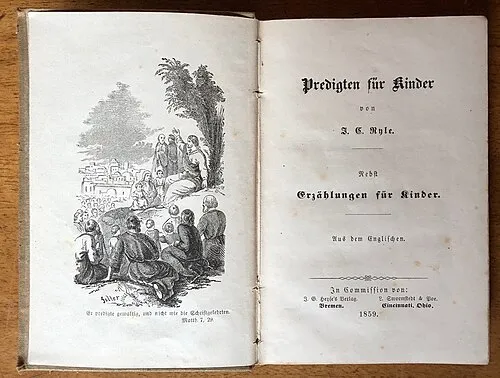
IV. Reglas especiales para los jóvenes.
- En último lugar, voy a asentar algunas reglas particulares de conducta que aconsejo con firmeza a todos los jóvenes que sigan.
(1) Una cosa: resuelvan de una vez, con la ayuda de Dios, romper con todo pecado conocido, por pequeño que sea.
Miren dentro, cada uno de ustedes. Examínense sus propios corazones. ¿Ven allí algún hábito o alguna costumbre que saben que está mal a los ojos de Dios? Si lo ven, no demoren ni un momento en atacarlo. Resuelvan de una vez dejarlo a un lado.
Nada oscurece tanto los ojos de la mente, ni embota la conciencia con tanta seguridad, como un pecado consentido. Puede ser pequeño, pero no por eso es menos peligroso. Una pequeña vía de agua hundirá un gran barco, una pequeña chispa encenderá un gran fuego, y un pecado pequeño consentido, del mismo modo, arruinará un alma inmortal. Tomen mi consejo, y nunca perdonen un pecado pequeño. A Israel se le mandó matar a todo cananeo, así al grande como al pequeño. Obren conforme al mismo principio, y no muestren misericordia a los pecados pequeños. Bien dice el libro de los Cantares: «Cazadnos las zorras, las zorras pequeñas, que echan á perder las viñas» (Cantares 2:15).
Tengan por seguro que ningún hombre malo se propuso jamás ser tan malo en sus primeros comienzos. Pero empezó por consentirse alguna transgresión pequeña, y eso lo llevó a algo mayor, y eso, con el tiempo, produjo algo mayor todavía, y así vino a ser el ser miserable que ahora es. Cuando Hazael oyó de Eliseo los actos horribles que un día haría, dijo con asombro: «¿es tu siervo perro, que hará esta gran cosa?» (2 Reyes 8:13). Pero dejó que el pecado echara raíz en su corazón, y al fin los hizo todos.
Jóvenes, resistan el pecado en sus comienzos. Pueden parecer pequeños e insignificantes, pero atiendan a lo que digo: resístanlos; no transijan; no dejen que ningún pecado se aloje quieto y sin estorbo en el corazón de ustedes. «La madre del mal», dice un viejo proverbio, «no es más grande que el ala de una mosquita». No hay nada más fino que la punta de una aguja; pero, cuando ha hecho el agujero, arrastra tras sí todo el hilo. Recuerden las palabras del apóstol: «Un poco de levadura leuda toda la masa» (1 Corintios 5:6).
Más de un joven podría contarles, con dolor y con vergüenza, que remonta la ruina de todas sus perspectivas mundanas hasta el punto del que hablo: hasta el haber cedido al pecado en sus comienzos. Empezó hábitos de falsedad y de deshonestidad en cosas pequeñas, y le fueron creciendo. Paso a paso ha ido de mal en peor, hasta hacer cosas que en otro tiempo habría tenido por imposibles; hasta que al fin ha perdido su puesto, ha perdido su reputación, ha perdido su consuelo, y poco menos que ha perdido su alma. Dejó una brecha en el muro de su conciencia, porque le pareció pequeña; y, una vez dejada, esa brecha crecía cada día, hasta que al cabo pareció venirse abajo el muro entero.
Recuerden esto sobre todo en materia de verdad y de honradez. Tengan escrúpulo de conciencia hasta en los alfileres y en las sílabas. «El que es fiel en lo muy poco, también en lo más es fiel» (Lucas 16:10). Diga el mundo lo que le plazca, no hay pecados pequeños. Todos los grandes edificios se componen de partes pequeñas; la primera piedra es tan importante como cualquier otra. Todos los hábitos se forman por una sucesión de actos pequeños, y el primer acto pequeño es de consecuencia enorme. El hacha, en la fábula, solo rogó a los árboles que le dejaran un pedacito de madera para hacerse un mango, y que nunca más los molestaría. Lo consiguió, y enseguida los cortó a todos. El diablo solo quiere meter en el corazón de ustedes la cuña de un pecado pequeño consentido, y pronto serán enteramente suyos. Sabio es el dicho del viejo William Bridge: «Nada hay de pequeño entre nosotros y Dios, porque Dios es un Dios infinito».
Hay dos maneras de bajar de lo alto de la torre de una iglesia: una es saltar, y la otra es bajar por los escalones; pero las dos los llevarán al fondo. Así también hay dos maneras de ir al infierno: una es caminar hacia él con los ojos abiertos —poca gente hace eso—; la otra es bajar por los escalones de los pecados pequeños, y ese camino, temo, es demasiado común. Aguanten unos pocos pecados pequeños, y pronto querrán unos cuantos más. Hasta un pagano [Juvenal] pudo decir: «¿Quién estuvo jamás contento con un solo pecado?». Y entonces el camino de ustedes irá, con regularidad, peor y peor cada año. Bien describió Jeremy Taylor el progreso del pecado en un hombre: «Primero lo sobresalta, luego se le vuelve agradable, luego fácil, luego delicioso, luego frecuente, luego habitual, luego confirmado; entonces el hombre es impenitente, luego obstinado, luego resuelve no arrepentirse jamás, y entonces es condenado».
Jóvenes, si no quieren llegar a esto, recuerden la regla que les doy hoy: resuelvan de una vez romper con todo pecado conocido.
(2) Otra cosa: resuelvan, con la ayuda de Dios, rehuir todo lo que pueda resultar ocasión de pecado.
Excelente es el dicho del buen obispo Hall: «Quien quiera estar a salvo de los actos del mal ha de evitar con ancho margen las ocasiones». [Hay una vieja fábula: la mariposa preguntó una vez al búho cómo había de habérselas con el fuego que le había chamuscado las alas; y el búho le aconsejó, por respuesta, que ni siquiera mirara su humo.] No basta que resolvamos no cometer pecado alguno; hemos de mantenernos con cuidado a distancia de todos los accesos a él. Con esta prueba debemos examinar nuestras maneras de pasar el tiempo: los libros que leemos, las familias que visitamos, la compañía a la que entramos. No hemos de contentarnos con decir: «Aquí no hay nada positivamente malo»; hemos de ir más lejos y decir: «¿Hay aquí algo que pueda serme ocasión de pecado?».
Esto, téngase presente, es una gran razón de que la ociosidad haya de evitarse tanto. No es que el no hacer nada sea en sí tan positivamente malo; es la ocasión que da a los malos pensamientos y a las imaginaciones vanas; es la puerta ancha que abre para que Satanás arroje adentro las semillas de cosas malas; esto es lo que principalmente ha de temerse. Si David no le hubiera dado ocasión al diablo, holgando en la azotea de su casa en Jerusalén, probablemente nunca habría visto a Betsabé, ni asesinado a Urías.
Esta es también una gran razón de que las diversiones mundanas sean tan de reprochar. Puede ser difícil, en algunos casos, mostrar que son, en sí mismas, positivamente contrarias a la Escritura y malas. Pero hay poca dificultad en mostrar que la tendencia de casi todas ellas es de lo más dañina para el alma. Siembran las semillas de un temple de ánimo terrenal y sensual. Hacen guerra a la vida de fe. Fomentan un ansia malsana y antinatural de excitación. Sirven a la concupiscencia de la carne, y la concupiscencia de los ojos, y la soberbia de la vida. Empañan la vista del cielo y de la eternidad, y dan un color falso a las cosas del tiempo. Indisponen el corazón para la oración en secreto, la lectura de la Escritura y la comunión serena con Dios. El hombre que se mezcla en ellas es como quien le cede a Satanás terreno ventajoso. Tiene una batalla que pelear, y le da a su enemigo la ayuda del sol, y del viento, y de la colina. Raro sería, en verdad, que no se hallara vencido una y otra vez.
Jóvenes, esfuércense, cuanto esté de su parte, por mantenerse limpios de todo lo que pueda dañar su alma. Nunca le sostengan la vela al diablo. La gente podrá decirles que son demasiado escrupulosos, demasiado puntillosos: ¿dónde está el gran daño de tal y cual cosa? Pero no les hagan caso. Es peligroso jugar con herramientas de filo; mucho más peligroso es tomarse libertades con el alma inmortal. Quien quiera estar a salvo no ha de acercarse al borde del peligro. Ha de mirar su corazón como un polvorín, y cuidarse de no tocar ni una chispa de tentación más de lo que pueda evitar.
¿De qué sirve que oren: «Y no nos metas en tentación», si ustedes mismos no cuidan de no correr hacia ella; y «líbranos del mal», si no muestran deseo de apartarse de su camino? Tomen ejemplo de José. No se limitó a rehusar la solicitación de su ama al pecado, sino que mostró su prudencia al negarse en absoluto a «estar con ella» (Génesis 39:10). Grábense el consejo de Salomón: no solo «No entres por la vereda de los impíos, ni vayas por el camino de los malos», sino «Desampárala, no pases por ella; apártate de ella, pasa» (Proverbios 4:14-15); no solo no embriagarse, sino ni siquiera «No mires al vino cuando rojea» (Proverbios 23:31). El hombre que hacía el voto de nazareo en Israel no solo no tomaba vino, sino que hasta se abstenía de uvas en cualquier forma que fuese. «aborreciendo lo malo», dice Pablo a los romanos (Romanos 12:9); no meramente dejar de hacerlo; «Huye también los deseos juveniles», le escribe a Timoteo: aléjense de ellos cuanto puedan (2 Timoteo 2:22). ¡Ay, cuán necesarias son tales cautelas! Dina se empeñó en salir entre los malvados siquemitas, a ver sus costumbres, y perdió su reputación. Lot se empeñó en plantar su tienda cerca de la pecaminosa Sodoma, y lo perdió todo menos la vida.
Jóvenes, sean sabios mientras es tiempo. No estén siempre probando hasta dónde pueden dejar que se acerque el enemigo de las almas y, con todo, escapársele. Ténganlo a la distancia del brazo. Procuren apartarse de la tentación cuanto sea posible, y esto será una gran ayuda para apartarse del pecado.
(3) Otra cosa: resuelvan no olvidar jamás el ojo de Dios.
¡El ojo de Dios! Piensen en eso. En todas partes, en cada casa, en cada campo, en cada aposento, en cada compañía, solos o en la muchedumbre, el ojo de Dios está siempre sobre ustedes. «Los ojos de Jehová están en todo lugar, mirando á los malos y á los buenos» (Proverbios 15:3), y son ojos que leen los corazones tanto como las acciones.
Esfuércense, se lo ruego a todos, por hacerse cargo de este hecho. Recuerden que tienen que vérselas con un Dios que todo lo ve: un Dios que no se adormecerá ni dormirá; un Dios que entiende desde lejos los pensamientos de ustedes, y para quien la noche resplandece como el día. Pueden dejar el techo de su padre e irse, como el pródigo, a un país lejano, y pensar que no hay nadie que vigile su conducta; pero el ojo y el oído de Dios están allí antes que ustedes. Pueden engañar a sus padres o a sus patrones, pueden decirles falsedades, y ser una cosa delante de su cara y otra a sus espaldas, pero no pueden engañar a Dios. Él los conoce de cabo a rabo. Oyó lo que dijeron al venir hoy aquí. Sabe en qué están pensando en este minuto. Ha puesto los pecados más secretos de ustedes a la luz de su rostro, y un día saldrán delante del mundo, para vergüenza de ustedes, a menos que se cuiden.
¡Qué poco se siente esto de veras! ¡Cuántas cosas se hacen sin cesar, que los hombres jamás harían si pensaran que los ven! ¡Cuántos asuntos se tramitan en las cámaras de la imaginación, que no aguantarían jamás la luz del día! Sí: los hombres abrigan pensamientos en secreto, y dicen palabras en secreto, y hacen actos en secreto, de los cuales se avergonzarían y se sonrojarían si quedaran expuestos delante del mundo. El rumor de unos pasos que se acercan ha detenido más de una obra de maldad. Un golpe en la puerta ha hecho que más de una obra mala se suspendiera de prisa y se dejara a un lado atropelladamente. Pero ¡oh, qué miserable desvarío es todo esto! Hay un Testigo que todo lo ve, con nosotros dondequiera que vamos. Echen el cerrojo, bajen la cortina, cierren los postigos, apaguen la vela; no importa, no hace diferencia; Dios está en todas partes: no pueden dejarlo fuera, ni impedir que ÉL vea. «todas las cosas están desnudas y abiertas á los ojos de aquel á quien tenemos que dar cuenta» (Hebreos 4:13). Bien entendió esto el joven José cuando su ama lo tentó. No había nadie en la casa que los viera; ningún ojo humano que atestiguara contra él; pero José era de los que viven como viendo al Invisible: «¿cómo, pues, haría yo este grande mal», dijo él, «y pecaría contra Dios?» (Génesis 39:9).
Jóvenes, a todos les pido que lean el Salmo 139. A todos les aconsejo que lo aprendan de memoria. Tómenlo como prueba de todos sus tratos en los negocios de este mundo: díganse a menudo: «¿Me acuerdo de que Dios me ve?».
Vivan como a la vista de Dios. Esto es lo que hizo Abraham: anduvo delante de él. Esto es lo que hizo Enoc: anduvo con él. Esto es lo que será el cielo mismo: la presencia eterna de Dios. No hagan nada que no quisieran que Dios viera. No digan nada que no quisieran que Dios oyera. No escriban nada que no quisieran que Dios leyera. No vayan a lugar alguno donde no quisieran que Dios los hallara. No lean libro alguno del cual no quisieran que Dios dijera: «Muéstramelo». Nunca pasen el tiempo de tal modo que no quisieran que Dios dijera: «¿Qué estás haciendo?».
(4) Otra cosa: sean diligentes en el uso de todos los medios públicos de gracia.
Sean constantes en acudir a la casa de Dios, siempre que esté abierta para la oración y la predicación, y esté en poder de ustedes asistir. Sean constantes en guardar santo el día del Señor, y resuelvan que el día de Dios, de entre los siete, se dé de aquí en adelante siempre a su dueño legítimo.
No quisiera dejar en la mente de ustedes una impresión falsa. No se vayan y digan que yo les dije que el cumplir con la iglesia constituía toda la religión. No les digo tal cosa. No tengo deseo alguno de verlos crecer formalistas y fariseos. Si piensan que el mero llevar el cuerpo a cierta casa, a ciertas horas, en cierto día de la semana, los hará cristianos y los preparará para encontrarse con Dios, les digo de plano que están miserablemente engañados. Todos los servicios sin servicio del corazón son sin provecho y vanos. Solo son verdaderos adoradores los que «adoran á Dios en espíritu y en verdad; porque también el Padre tales adoradores busca que le adoren» (Juan 4:23).
Pero los medios de gracia no han de despreciarse porque no sean salvadores. El oro no es alimento: no pueden comerlo; pero no por eso dirían que es inútil y lo tirarían. El que al alma de ustedes le vaya eternamente bien, con toda certeza, no depende de los medios de gracia; pero no es menos cierto que, sin ellos, por regla general, al alma no le irá bien. Dios podría llevar al cielo en un carro de fuego a todos los que se salvan, como hizo con Elías, pero no lo hace. Podría enseñarlos a todos por visiones, y sueños, e intervenciones milagrosas, sin exigirles que lean o piensen por sí mismos, pero no lo hace. ¿Y por qué no? Porque es un Dios que obra por medios, y es ley y voluntad suya que, en todo trato del hombre con él, se usen medios. Nadie, fuera de un necio o un fanático, pensaría en levantar una casa sin escaleras y sin andamios; y, ni más ni menos, ningún hombre sabio despreciará los medios.
Me detengo tanto más en este punto, porque Satanás procurará con empeño llenarles la mente de argumentos contra los medios.
Él les llamará la atención hacia el número de personas que los usan y no son mejores por usarlos. «Mira», les susurrará, «¿no observas que los que van a la iglesia no son mejores que los que se quedan en casa?». Pero no dejen que esto los mueva. Nunca es justo argüir contra una cosa porque se usa mal. No se sigue que los medios de gracia no puedan hacer bien alguno porque muchos asistan a ellos y no saquen bien alguno. No se ha de despreciar la medicina porque muchos la toman y no recobran la salud. A nadie se le ocurriría dejar de comer y de beber porque otros escojan comer y beber mal, y así se enfermen. El valor de los medios de gracia, como el de las demás cosas, depende en gran medida de la manera y del espíritu con que los usamos.
Me detengo también en este punto por la fuerte ansiedad que siento de que todo joven oiga con regularidad la predicación del evangelio de Cristo. No puedo decirles cuán importante creo que es esto. Con la bendición de Dios, el ministerio del evangelio podría ser el medio de convertir el alma de ustedes, de llevarlos a un conocimiento salvador de Cristo, de hacerlos hijos de Dios de obra y en verdad. Esto sí sería motivo de gratitud eterna. Esto sería un suceso del cual se regocijarían los ángeles. Pero, aun si no fuera este el caso, hay en el ministerio del evangelio un poder y una influencia que refrenan, bajo los cuales deseo vivamente que sea puesto todo joven. Hay millares a quienes aparta del mal, aunque todavía no los ha vuelto a Dios; los ha hecho miembros mucho mejores de la sociedad, aunque todavía no los ha hecho verdaderos cristianos. Hay cierta especie de poder misterioso en la predicación fiel del evangelio, que influye sin sentirse en las multitudes que lo escuchan sin recibirlo en el corazón. Oír el pecado denunciado a voz en cuello y la santidad ensalzada a voz en cuello; oír a Cristo exaltado y las obras del diablo denunciadas; oír descritos el reino de los cielos y su bienaventuranza, y puesto al descubierto el mundo y su vaciedad; oír esto semana tras semana, domingo tras domingo, rara vez deja de hacer bien al alma. Hace mucho más difícil, después, lanzarse a cualquier exceso de desenfreno y de disolución. Obra como un freno saludable sobre el corazón del hombre. Esto, creo, es uno de los modos en que se cumple aquella promesa de Dios acerca de su palabra: «no volverá á mí vacía» (Isaías 55:11). Hay mucha verdad en aquel dicho fuerte de Whitefield: «El evangelio guarda a más de uno de la cárcel y de la horca, si no lo guarda del infierno».
Permítanme nombrar aquí otro punto que va estrechamente unido a este asunto. Nada los tiente jamás a hacerse quebrantadores del día de reposo. Se lo encarezco. Hagan conciencia de dar a Dios todo su día de reposo. Un espíritu de desprecio hacia este día santo está creciendo entre nosotros con rapidez temible, y no menos entre los jóvenes. Los viajes de domingo en ferrocarril y en vapor, las visitas de domingo, las excursiones de domingo, se van haciendo cada año más comunes de lo que eran, y hacen un daño infinito a las almas.
Jóvenes, tengan celo en este punto. Vivan en la ciudad o en el campo, tomen una línea decidida; resuelvan no profanar su día de reposo. No los mueva el argumento especioso del «descanso necesario para el cuerpo»; no los mueva el ejemplo de cuantos los rodean; no los mueva la invitación de los compañeros con quienes puedan verse echados; ninguna de estas cosas los mueva a apartarse de esta regla fija: que el día de Dios se ha de dar a Dios.
Una vez que dejen de cuidar el día de reposo, al fin dejarán de cuidar su alma. Los pasos que llevan a esta conclusión son fáciles y regulares. Empiecen por no honrar el día de Dios, y pronto no honrarán la casa de Dios; dejen de honrar la casa de Dios, y pronto dejarán de honrar el libro de Dios; dejen de honrar el libro de Dios, y dentro de poco no le darán a Dios honra alguna. Ponga un hombre el cimiento de no tener día de reposo, y nunca me sorprende que remate con la piedra de remate de no tener Dios. Notable es el dicho del juez Hale: «De cuantas personas fueron convictas de crímenes capitales mientras él estuvo en el estrado, halló solo unas pocas que no confesaran, al preguntárseles, que habían comenzado su carrera de maldad por el descuido del día de reposo».
Jóvenes, podrán verse echados entre compañeros que olvidan el honor del día del Señor; pero resuelvan, con la ayuda de Dios, que siempre se acordarán de santificarlo. Hónrenlo asistiendo con regularidad a algún lugar donde se predique el evangelio. Aséntense bajo un ministerio fiel y, una vez asentados, que su puesto en la iglesia no quede nunca vacío. Créanme: hallarán una bendición especial que los sigue: «Si al sábado llamares delicias, santo, glorioso de Jehová; y lo venerares, no haciendo tus caminos, ni buscando tu voluntad, ni hablando tus palabras: entonces te deleitarás en Jehová; y yo te haré subir sobre las alturas de la tierra» (Isaías 58:13-14). Y una cosa es muy cierta: lo que sientan acerca del día de reposo será siempre una prueba y un criterio de su aptitud para el cielo. Los días de reposo son un anticipo y un fragmento del cielo. El hombre que los halla una carga y no un privilegio puede estar seguro de que su corazón necesita un cambio poderoso.
(5) Otra cosa: resuelvan que, dondequiera que estén, orarán.
La oración es el aliento de vida del alma del hombre. Sin ella, podemos tener nombre de que vivimos, y ser contados por cristianos; pero estamos muertos a los ojos de Dios. El sentimiento de que hemos de clamar a Dios por misericordia y por paz es señal de gracia; y el hábito de extender delante de él las necesidades de nuestra alma es evidencia de que tenemos el espíritu de adopción. Y la oración es el camino señalado para alcanzar el alivio de nuestras necesidades espirituales. Abre el tesoro y hace correr la fuente. Si no tenemos, es porque no pedimos.
La oración es el camino para alcanzar el derramamiento del Espíritu sobre nuestros corazones. Jesús ha prometido el Espíritu Santo, el Consolador. Está pronto a descender con todos sus dones preciosos: renovando, santificando, purificando, fortaleciendo, alegrando, alentando, iluminando, enseñando, dirigiendo, guiando a toda verdad. Pero entonces espera a que se le ruegue.
Y aquí está, lo digo con dolor: aquí está que los hombres se quedan tan miserablemente cortos. Pocos, en verdad, son los que se hallan que oren: muchos que se arrodillan y dicen quizá una fórmula, pero pocos que oren; pocos que clamen a Dios, pocos que invoquen al Señor, pocos que busquen como si quisieran hallar, pocos que llamen como si tuvieran hambre y sed, pocos que luchen, pocos que forcejeen con Dios con empeño por una respuesta, pocos que no le den tregua, pocos que perseveren en la oración, pocos que velen en la oración, pocos que oren siempre sin cesar y no desmayen. ¡Sí: pocos oran! Es precisamente una de esas cosas que se dan por hechas, pero rara vez se practican; una cosa que es negocio de todos, pero que de hecho casi nadie cumple.
Jóvenes, créanme: si el alma de ustedes ha de salvarse, tienen que orar. Dios no tiene hijos mudos. Si han de resistir al mundo, a la carne y al diablo, tienen que orar: en vano se busca fuerza en la hora de la prueba, si no se ha buscado antes. Podrán verse echados con quienes nunca lo hacen; podrán tener que dormir en el mismo cuarto con alguien que nunca pide nada a Dios; con todo, atiendan a mis palabras: tienen que orar.
Bien puedo creer que hallan grandes dificultades en esto: dificultades de ocasiones, de tiempos y de lugares. No me atrevo a sentar reglas demasiado absolutas sobre puntos como estos. Los dejo a la conciencia de ustedes. Han de guiarse por las circunstancias. Nuestro Señor Jesucristo oró en un monte; Isaac oró en el campo; Ezequías volvió el rostro a la pared, acostado en su lecho; Daniel oró a la orilla del río; Pedro, el apóstol, en la azotea. He oído de jóvenes que oraban en establos y en pajares. Lo único que sostengo es esto: tienen que saber lo que es «éntrate en tu cámara» (Mateo 6:6). Ha de haber tiempos señalados en que hablen con Dios cara a cara; han de tener cada día sus tiempos para la oración. Tienen que orar.
Sin esto, todo consejo y todo parecer es inútil. Esta es aquella pieza de la armadura espiritual que Pablo nombra la última en su catálogo, en Efesios 6, pero que en verdad es la primera en valor y en importancia. Este es aquel alimento que han de comer cada día, si quieren caminar seguros por el desierto de esta vida. Solo en la fuerza de esto avanzarán hacia el monte de Dios. He oído decir que los amoladores de agujas de Sheffield llevan a veces, en el trabajo, una boquilla magnética que atrapa todo el polvo fino que vuela en torno de ellos, impide que les entre en los pulmones y así les salva la vida. La oración es la boquilla que han de llevar puesta de continuo; de lo contrario, nunca seguirán trabajando ilesos en la atmósfera malsana de este mundo pecador. Tienen que orar.
Jóvenes, tengan por seguro que ningún tiempo está tan bien empleado como el que un hombre pasa de rodillas. Háganse tiempo para esto, cualquiera que sea su ocupación. Piensen en David, rey de Israel: ¿qué dice? «Tarde y mañana y á medio día oraré y clamaré; y él oirá mi voz» (Salmo 55:17). Piensen en Daniel. Tenía sobre sí todo el negocio de un reino, y con todo oraba tres veces al día. Vean ahí el secreto de su seguridad en la malvada Babilonia. Piensen en Salomón. Empieza su reinado con oración, pidiendo ayuda y socorro, y de ahí su prosperidad admirable. Piensen en Nehemías. Hallaba tiempo para orar al Dios de los cielos, aun estando de pie en presencia de su señor, Artajerjes. Piensen en el ejemplo que estos hombres piadosos les han dejado, y vayan y hagan lo mismo.
¡Oh, que el Señor les dé a todos espíritu de gracia y de oración! «A lo menos desde ahora, ¿no clamarás á mí, Padre mío, guiador de mi juventud?» (Jeremías 3:4). De buena gana consentiría en que se olvidara todo este discurso, con tal de que esta doctrina de la importancia de la oración quedara impresa en el corazón de ustedes.
Ver el original (inglés)
Original en inglés
IV. Special Rules for Young Men.
- In the last place, I will set down some particular rules of conduct which I strongly advise all young men to follow.
(1) For one thing, resolve at once, by God’s help, to break off every known sin, however small.
Look within, each one of you. Examine your own hearts. Do you see there any habit or custom which you know to be wrong in the sight of God? If you do, delay not a moment in attacking it. Resolve at once to lay it aside.
Nothing darkens the eyes of the mind so much, and deadens the conscience so surely, as an allowed sin. It may be a little one, but it is not the less dangerous for all that. A small leak will sink a great ship, and a small spark will kindle a great fire, and a little allowed sin in like manner will ruin an immortal soul. Take my advice, and never spare a little sin. Israel was commanded to slay every Canaanite, both great and small. Act on the same principle, and show no mercy to little sins. Well says the book of Canticles, ” Take us the foxes, the little foxes, that spoil the vines” (Cant. 2:15).
Be sure no wicked man ever meant to be so wicked at his first beginnings. But he began with allowing himself some little transgression, and that led on to something greater, and that in time produced something greater still, and thus he became the miserable being that he now is. When Hazael heard from Elisha of the horrible acts that he would one day do, he said with astonishment, “Is thy servant a dog, that he should do this great thing?” (2 Kings 8:13). But he allowed sin to take root in his heart, and in the end he did them all.
Young men, resist sin in its beginnings. They may look small and insignificant, but mind what I say, resist them,—make no compromise, let no sin lodge quietly and undisturbed in your heart. “The mother of mischief,” says an old proverb, “is no bigger than a midge’s wing.” There is nothing finer than the point of a needle, but when it has made a hole, it draws all the thread after it. Remember the Apostle’s words, “A little leaven leaveneth the whole lump” (1 Cor. 5:6).
Many a young man could tell you with sorrow and shame, that he traces up the ruin of all his worldly prospects to the point I speak of,—to giving way to sin in its beginnings. He began habits of falsehood and dishonesty in little things, and they grew upon him. Step by step, he has gone on from bad to worse, till he has done things that at one time he would have thought impossible; till at last he has lost his place, lost his character, lost his comfort, and well-nigh lost his soul. He allowed a gap in the wall of his conscience, because it seemed a little one,—and once allowed, that gap grew larger every day, till at length the whole wall seemed to come down.
Remember this especially in matters of truth and honesty. Make conscience of pins and syllables. “He that is faithful in that which is least, is faithful also in much” (Luke 16:10). Whatever the world may please to say, there are no little sins. All great buildings are made up of little parts;—the first stone is as important as any other. All habits are formed by a succession of little acts, and the first little act is of mighty consequence. The axe in the fable only begged the trees to let him have one little piece of wood to make a handle, and he would never trouble them any more. He got it, and then he soon cut them all down. The devil only wants to get the wedge of a little allowed sin into your heart, and you will soon be all his own. It is a wise saying of old William Bridge, “There is nothing small betwixt us and God, for God is an infinite God.”
There are two ways of coming down from the top of a church steeple; one is to jump down,—and the other is to come down by the steps: but both will lead you to the bottom. So also there are two ways of going to hell; one is to walk into it with your eyes open,—few people do that; the other is to go down by the steps of little sins,---and that way, I fear, is only too common. Put up with a few little sins, and you will soon want a few more. Even a heathen [Juvenal] could say, “Who ever was content with only one sin?” And then your course will be regularly worse and worse every year. Well did Jeremy Taylor describe the progress of sin in a man: “First it startles him, then it becomes pleasing, then easy, then delightful, then frequent, then habitual, then confirmed, then the man is impenitent, then obstinate, then resolves never to repent, and then he is damned.”
Young men, if you would not come to this, recollect the rule I give you this day,—resolve at once to break off every known sin.
(2) For another thing, resolve, by God’s help, to shun everything which may prove an occasion of sin.
It is an excellent saying of good Bishop Hall, “He that would be safe from the acts of evil, must widely avoid the occasions.” [There is an old fable, that the butterfly once asked the owl how she should deal with the fire, which had singed her wings; and the owl counselled her, in reply, not to behold so much as its smoke.] It is not enough that we determine to commit no sin, we must carefully keep at a distance from all approaches to it, By this test we ought to try our ways of spending our time,—the books that we read, the families that we visit, the society into which we go. We must not content ourselves with saying, “There is nothing positively wrong here;” we must go further, and say, “Is there anything here which may prove to me the occasion of sin?”
This, be it remembered, is one great reason why idleness is so much to be avoided. It is not that doing nothing is of itself so positively wicked; it is the opportunity it affords to evil thoughts, and vain imaginations; it is the wide door it opens for Satan to throw in the seeds of bad things; it is this which is mainly to be feared. If David had not given occasion to the devil, by idling on his house-top at Jerusalem, he would probably never have seen Bathsheba, nor murdered Uriah.
This, too, is one great reason why worldly amusements are so objectionable. It may be difficult, in some instances, to show that they are, in themselves, positively unscriptural and wrong. But there is little difficulty in showing that the tendency of almost all of them is most injurious to the soul. They sow the seeds of an earthly and sensual frame of mind. They war against the life of faith. They promote an unhealthy and unnatural craving after excitement. They minister to the lust of the flesh, and the lust of the eye, and the pride of life. They dim the view of heaven and eternity, and give a false colour to the things of time. They indispose the heart for private prayer, and Scripture-reading, and calm communion with God. The man who mingles in them is like one who gives Satan vantage-ground. He has a battle to fight, and he gives his enemy the help of sun, and wind, and hill. It would be strange indeed if he did not find himself continually overcome.
Young men, endeavour, as much as in you lies, to keep clear of everything which may prove injurious to your soul. Never hold a candle to the devil. People may say you are over scrupulous, too particular, where is the mighty harm of such and such things? But heed them not. It is dangerous to play tricks with edged tools: it is far more dangerous to take liberties with your immortal soul. He that would be safe must not come near the brink of danger. He must look on his heart as a magazine of gunpowder, and be cautious not to handle one spark of temptation more than he can help.
Where is the use of your praying, “Lead us not into temptation,” unless you are yourselves careful not to run into it; and “deliver us from evil,” unless you show a desire to keep out of its way? Take example from Joseph,—Not merely did he refuse his mistress’s solicitation to sin, but he showed his prudence in refusing to be “with her” at all (Gen. 39:10). Lay to heart the advice of Solomon, not merely to “go not in the path of wickedness,” but to “avoid it, pass not by it, turn from it, and pass away” (Prov. 4:15); not merely not to be drunken, but not even to “look upon the wine when it is red” (Prov. 23:31). The man who took the vow of a Nazarite in Israel, not only took no wine, but he even abstained from grapes in any shape whatever. “Abhor that which is evil,” says Paul to the Romans (Rom. 12:9); not merely do not do it;—”.Flee youthful lusts,” he writes to Timothy; get away from them as far as possible (2 Tim. 2:22). Alas, how needful are such cautions! Dinah must needs go out among the wicked Shechemites, to see their ways, and she lost her character. Lot must needs pitch his tent near sinful Sodom, and he lost everything but his life.
Young men, be wise in time. Do not be always trying how near you can allow the enemy of souls to come, and yet escape him. Hold him at arm’s length. Try to keep clear of temptation as far as possible, and this will be one great help to keep clear of sin.
(3) For another thing, resolve never to forget the eye of God.
The eye of God! Think of that. Everywhere, in every house, in every field, in every room, in every company, alone or in a crowd, the eye of God is always upon you. “The eyes of the Lord are in every place, beholding the evil and the good” (Prov. 15:3), and they are eyes that read hearts as well as actions.
Endeavour, I beseech you all, to realize this fact. Recollect that you have to do with an all-seeing God,—a God who never slumbereth nor sleepeth,—a God who understands your thoughts afar off, and with whom the night shines as the day. You may leave your father’s roof, and go away, like the prodigal, into a far country, and think that there is nobody to watch your conduct; but the eye and ear of God are there before you. You may deceive your parents or employers, you may tell them falsehoods, and be one thing before their faces, and another behind their backs, but you cannot deceive God. He knows you through and through. He heard what you said as you came here to-day. He knows what you are thinking of at this minute. He has set your most secret sins in the light of His countenance, and they will one day come out before the world to your shame, except you take heed.
How little is this really felt! How many things are done continually, which men would never do if they thought they were seen! How many matters are transacted in the chambers of imagination, which would never bear the light of day! Yes; men entertain thoughts in private, and say words in private, and do acts in private, which they would be ashamed and blush to have exposed before the world. The sound of a footstep coming has stopped many a deed of wickedness. A knock at the door has caused many an evil work to be hastily suspended, and hurriedly laid aside. But oh, what miserable driveling folly is all this! There is an all-seeing Witness with us wherever we go. Lock the door, draw down the blind, shut the shutters, put out the candle; it matters not, it makes no difference; God is everywhere, you cannot shut Him out, or prevent HIS seeing. “All things are naked and open unto the eyes of Him with whom we have to do” (Heb. 4:13). Well did young Joseph understand this when his mistress tempted him. There was no one in the house to see them,—no human eye to witness against him;—but Joseph was one who lived as seeing Him that is invisible: “How can I do this great wickedness,” said he, “and sin against God?” (Gen. 39:9).
Young men, I ask you all to read Ps. 139. I advise you all to learn it by heart. Make it the test of all your dealings in this world’s business: say to yourself often, “Do I remember that God sees me?”
Live as in the sight of God. This is what Abraham did,—he walked before Him. This is what Enoch did,-he walked with Him. This is what heaven itself will be,—the eternal presence of God. Do nothing you would not like God to see. Say nothing you would not like God to hear. Write nothing you would not like God to read. Go to no place where you would not like God to find you. Read no book of which you would not like God to say, “Show it Me.” Never spend your time in such a way that you would not like to have God say, “What art thou doing?”
(4) For another thing, be diligent in the use of all public means of grace.
Be regular in going to the house of God, whenever it is open for prayer and preaching, and it is in your power to attend. Be regular in keeping the Lord’s day holy, and determine that God’s day out of the seven shall henceforth always be given to its rightful owner.
I would not leave any false impression on your minds. Do not go away and say I told you that keeping your church made up the whole of religion. I tell you no such thing. I have no wish to see you grow up formalists and Pharisees. If you think the mere carrying your body to a certain house, at certain times, on a certain day in the week, will make you a Christian, and prepare you to meet God, I tell you flatly you are miserably deceived. All services without heart-service are unprofitable and vain. They only are true worshippers who ” worship God in spirit and in truth: the Father seeketh such to worship Him” (John 4:23).
But means of grace are not to be despised because they are not saviours. Gold is not food,—you cannot eat it, but you would not therefore say it is useless, and throw it away. Your soul’s eternal well-doing most certainly does not depend on means of grace, but it is no less certain that without them, as a general rule, your soul will not do well. God might take all who are saved to heaven in a chariot of fire, as He did Elijah, but He does not do so. He might teach them all by visions, and dreams, and miraculous interpositions, without requiring them to read or think for themselves, but He does not do so. And why not? Because He is a God that works by means, and it is His law and will that in all man’s dealings with him means shall be used. None but a fool or enthusiast would think of building a house without ladders and scaffolding, and just so no wise man will despise means
I dwell the more on this point, because Satan will try hard to fill your minds with arguments against means.
He will draw your attention to the numbers of persons who use them and are no better for the using. “See there,” he will whisper, “do you not observe those who go to church are no better than those who stay away?” But do not let this move you. It is never fair to argue against a thing because it is improperly used. It does not follow that means of grace can do no good because many attend on them and get no good from them. Medicine is not to be despised because many take it and do not recover their health. No man would think of giving up eating and drinking because others choose to eat and drink improperly, and so make themselves ill. The value of means of grace, like other things, depends, in a great measure, on the manner and spirit in which we use them.
I dwell on this point too, because of the strong anxiety I feel that every young man should regularly hear the preaching of Christ’s gospel. I cannot tell you how important I think this is. By God’s blessing, the ministry of the gospel might be the means of converting your soul,---of leading you to a saving knowledge of Christ, of making you a child of God in deed and in truth. This would be cause for eternal thankfulness indeed. This would be an event over which angels would rejoice. But even if this were not the case, there is a restraining power and influence in the ministry of the gospel, under which I earnestly desire every young man to be brought. There are thousands whom it keeps back from evil, though it has not yet turned them unto God;—it has made them far better members of society, though it has not yet made them true Christians. There is a certain kind of mysterious power in the faithful preaching of the gospel, which tells insensibly on multitudes who listen to it without receiving it into their hearts. To hear sin cried down, and holiness cried up, to hear Christ exalted, and the works of the devil denounced,- to hear the kingdom of heaven and its blessedness described, and the world and its emptiness exposed; to hear this week after week, Sunday after Sunday, is seldom without good effect to the soul. It makes it far harder afterwards to run into any excess of riot and profligacy. It acts as a wholesome check upon a man’s heart. This, I believe, is one way in which that promise of God is made good, “My word shall not return unto Me void” (Isa. 55:11). There is much truth in that strong saying of Whitefield, “The gospel keeps many a one from the gaol and gallows, if it does not keep him from hell.”
Let me here name another point which is closely connected with this subject. Let nothing ever tempt you to become a Sabbath-breaker. I press this on your attention. Make conscience of giving all your Sabbath to God. A spirit of disregard for this holy day is growing up amongst us with fearful rapidity, and not least among young men. Sunday travelling by railways and steamboats, Sunday visiting, Sunday excursions, are becoming every year more common than they were, and are doing infinite harm to souls.
Young men, be jealous on this point. Whether you live in town or country, take up a decided line; resolve not to profane your Sabbath. Let not the plausible argument of “needful relaxation for your body,“—let not the example of all around you,—let not the invitation of companions with whom you may be thrown;—let none of these things move you to depart from this settled rule, that God’s day shall be given to God.
Once give over caring for the Sabbath, and in the end you will give over caring for your soul. The steps which lead to this conclusion are easy and regular. Begin with not honouring God’s day, and you will soon not honour God’s house;—cease to honour God’s house, and you will soon cease to honour God’s book; cease to honour God’s book, and by and by you will give God no honour at all. Let a man lay the foundation of having no Sabbath, and I am never surprised if he finishes with the top-stone of no God. It is a remarkable saying of Judge Hale, “Of all the persons who were convicted of capital crimes while he was upon the bench, he found only a few who would not confess, on inquiry, that they began their career of wickedness by a neglect of the Sabbath.”
Young men, you may be thrown among companions who forget the honour of the Lord’s day; but resolve, by God’s help, that you will always remember to keep it holy. Honour it by a regular attendance at some place where the gospel is preached. Settle down under a faithful ministry, and once settled, let your place in church never be empty. Believe me, you will find a special blessing following you: “If you call the Sabbath a delight, the holy of the Lord, honourable; and shalt honour Him, not doing thine own ways, nor finding thine own pleasure, nor speaking thine own words: then shalt thou delight thyself in the Lord; and I will cause thee to ride upon the high places of the earth” (Isa. 58:13-14). And one thing is very certain,—your feelings about the Sabbath will always be a test and criterion of your fitness for heaven. Sabbaths are a foretaste and fragment of heaven. The man who finds them a burden and not a privilege, may be sure that his heart stands in need of a mighty change.
(5) For another thing, resolve that wherever you are, you will pray.
Prayer is the life-breath of a man’s soul. Without it, we may have a name to live, and be counted Christians; but we are dead in the sight of God. The feeling that we must cry to God for mercy and peace is a mark of grace; and the habit of spreading before Him our soul’s wants is an evidence that we have the spirit of adoption. And prayer is the appointed way to obtain the relief of our spiritual necessities.—It opens the treasury, and sets the fountain flowing. If we have not, it is because we ask not.
Prayer is the way to procure the outpouring of the Spirit upon our hearts. Jesus has promised the Holy Ghost, the Comforter. He is ready to come down with all His precious gifts, renewing, sanctifying, purifying, strengthening, cheering, encouraging, enlightening, teaching, directing, guiding into all truth. But then He waits to be entreated.
And here it is, I say it with sorrow, here it is that men fall short so miserably. Few indeed are to be found who pray: many who go down on their knees, and say a form perhaps, but few who pray; few who cry unto God, few who call upon the Lord, few who seek as if they wanted to find, few who knock as if they hungered and thirsted, few who wrestle, few who strive with God earnestly for an answer, few who give Him no rest, few who continue in prayer, few who watch unto prayer, few who pray always without ceasing, and faint not. Yes: few pray! It is just one of the things assumed as a matter of course, but seldom practised; a thing which is everybody’s business, but in fact hardly anybody performs.
Young men, believe me, if your soul is to be saved, you must pray. God has no dumb children. If you are to resist the world, the flesh, and the devil, you must pray: it is in vain to look for strength in the hour of trial, if it has not been sought for. You may be thrown with those who never do it, you may have to sleep in the same room with some one who never asks anything of God,—still, mark my words, you must pray.
I can quite believe you find great difficulties about it, difficulties about opportunities, and seasons, and places. I dare not lay down too positive rules on such points as these. I leave them to your own conscience. You must be guided by circumstances. Our Lord Jesus Christ prayed on a mountain; Isaac prayed in the fields; Hezekiah turned his face to the wall as he lay upon his bed; Daniel prayed by the river-side; Peter, the Apostle, on the house-top. I have heard of young men praying in stables and hay-lofts. All that I contend for is this, you must know what it is to “enter into your closet” (Matt. 6:6). There must be stated times when you must speak to God face to face,—you must every day have your seasons for prayer. You must pray.
Without this, all advice and counsel is useless. This is that piece of spiritual armour which Paul names last in his catalogue, in Eph. 6., but it is in truth first in value and importance. This is that meat which you must daily eat, if you would travel safely through the wilderness of this life. It is only in the strength of this that you will get onward towards the mount of God. I have heard it said that the needle-grinders of Sheffield sometimes wear a magnetic mouthpiece at their work, which catches all the fine dust that flies around them, prevents it entering their lungs, and so saves their lives. Prayer is the mouthpiece that you must wear continually, or else you will never work on uninjured by the unhealthy atmosphere of this sinful world. You must pray.
Young men, be sure no time is so well spent as that which a man spends upon his knees. Make time for this, whatever your employment may be. Think of David, king of Israel: what does he say? “Evening, and morning, and at noon will I pray and cry aloud, and He shall hear my voice” (Ps. 55:17). Think of Daniel He had all the business of a kingdom on his hands; yet he prayed three times a day. See there the secret of his safety in wicked Babylon. Think of Solomon. He begins his reign with prayer for help and assistance, and hence his wonderful prosperity. Think of Nehemiah. He could find time to pray to the God of heaven, even when standing in the presence of his master, Artaxerxes. Think of the example these godly men have left you, and go and do likewise.
Oh that the Lord may give you all the spirit of grace and supplication! “Wilt thou not from this time cry unto God, My Father, Thou art the guide of my youth?” (Jer. 3:4). Gladly would I consent that all this address should be forgotten, if only this doctrine of the importance of prayer might be impressed on your hearts.
https://sermonesbiblicos.org/biblioteca/pensamientos-para-jovenes-04-reglas-especiales/