Sermones Bíblicos
Peligros de los jóvenes
J. C. Ryle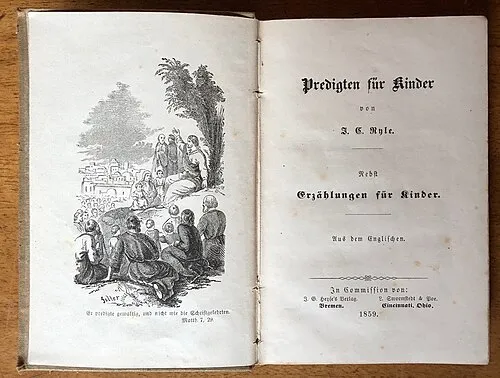
II. Peligros de los jóvenes.
- En segundo lugar, hay algunos peligros especiales contra los cuales es preciso advertir a los jóvenes.
(1) Un peligro para los jóvenes es el orgullo.
Bien sé que todas las almas están en un peligro espantoso. Viejos o jóvenes, da lo mismo: todos tienen una carrera que correr, una batalla que pelear, un corazón que mortificar, un mundo que vencer, un cuerpo que sujetar, un diablo que resistir; y bien podemos decir: «para estas cosas ¿quién es suficiente?». Pero, con todo, cada edad y cada condición tiene sus propios lazos y tentaciones, y conviene conocerlos. Quien va advertido, va armado. Si logro tan solo persuadirlos a que se pongan en guardia contra los peligros que voy a nombrar, estoy seguro de que habré hecho a sus almas un servicio esencial.
El orgullo es el pecado más antiguo del mundo. Más aún: fue antes que el mundo. Satanás y sus ángeles cayeron por el orgullo. No se contentaron con su primer estado. Así el orgullo pobló el infierno con sus primeros habitantes.
El orgullo echó a Adán del paraíso. No se contentó con el lugar que Dios le asignó. Intentó levantarse, y cayó. Así el pecado, el dolor y la muerte entraron por el orgullo.
El orgullo se sienta, por naturaleza, en todos nuestros corazones. Nacemos orgullosos. El orgullo nos hace quedarnos satisfechos de nosotros mismos, pensar que somos bastante buenos tal como somos, taparnos los oídos contra el consejo, rechazar el evangelio de Cristo, y hacer que cada cual se vuelva por su propio camino. Pero el orgullo no reina en ninguna parte con tanto poder como en el corazón de un joven.
¡Qué común es ver a los jóvenes precipitados, altaneros e impacientes del consejo! ¡Cuántas veces son groseros y descorteses con cuantos los rodean, pensando que no se los estima ni se los honra como merecen! ¡Cuántas veces no se detienen a escuchar una indicación de una persona mayor! Creen que lo saben todo. Están llenos de engreimiento por su propia sabiduría. Tienen a los ancianos, y en especial a sus parientes, por necios, torpes y lentos. Se imaginan que ellos mismos no necesitan enseñanza ni instrucción: lo entienden todo. Casi los enoja que se les hable. Como potros, no soportan el menor freno. Por fuerza han de ser independientes, y salirse con la suya. Parecen pensar, como aquellos de quienes habló Job: «Nosotros somos el pueblo, y con nosotros morirá la sabiduría» (Job 12:2). Y todo esto es orgullo.
Tal fue Roboam, que despreció el consejo de los ancianos experimentados que habían estado delante de su padre, y escuchó el consejo de los jóvenes de su propia generación. Vivió para cosechar las consecuencias de su necedad. Hay muchos como él.
Tal fue el hijo pródigo de la parábola, que hubo de tener la parte de los bienes que le tocaba, y se estableció por su cuenta. No podía someterse a vivir en quietud bajo el techo de su padre, sino que quiso irse a un país lejano y ser su propio amo. Como el niño pequeño que suelta la mano de su madre y echa a andar solo, pronto pagó cara su necedad. Se hizo más sabio cuando tuvo que comer algarrobas con los cerdos. Pero hay muchos como él.
Jóvenes, les ruego encarecidamente: cuídense del orgullo. Se dice que hay dos cosas muy raras de ver en el mundo: una es un joven humilde, y la otra es un viejo contento. Temo que este dicho no es sino demasiado verdadero.
No se enorgullezcan de sus propias capacidades, de su propia fuerza, de su propio conocimiento, de su propia apariencia, de su propia viveza. No se enorgullezcan de ustedes mismos, ni de don alguno que tengan. Todo eso viene de no conocerse a sí mismos ni conocer el mundo. Cuanto más crezcan en años, y cuanto más vean, menos razón hallarán para estar orgullosos. La ignorancia y la inexperiencia son el pedestal del orgullo; quiten una vez el pedestal, y el orgullo pronto se vendrá abajo.
Recuerden cuántas veces la Escritura nos pone delante la excelencia de un espíritu humilde. ¡Con qué fuerza se advierte a cada cual «que no tenga más alto concepto de sí que el que debe tener»! (Romanos 12:3). ¡Con qué claridad se nos dice: «si alguno se imagina que sabe algo, aun no sabe nada como debe saber»! (1 Corintios 8:2). ¡Cuán estricto es el mandamiento de vestirse «de humildad»! (Colosenses 3:12). Y otra vez: «revestíos de humildad» (1 Pedro 5:5). ¡Ay!, este es un vestido del cual muchos parecen no tener ni siquiera un harapo.
Piensen en el gran ejemplo que nuestro Señor Jesucristo nos deja en esto. Lavó los pies de sus discípulos, diciendo: «como yo os he hecho, vosotros también hagáis» (Juan 13:15). Está escrito: «por amor de vosotros se hizo pobre, siendo rico» (2 Corintios 8:9). Y otra vez: «se anonadó á sí mismo, tomando forma de siervo, hecho semejante á los hombres; y hallado en la condición como hombre, se humilló á sí mismo» (Filipenses 2:7-8). Ciertamente, ser orgulloso es parecerse más al diablo y al Adán caído que a Cristo. Ciertamente, nunca puede ser cosa baja ni rastrera el parecerse a Él.
Piensen en el hombre más sabio que jamás vivió: me refiero a Salomón. Miren cómo habla de sí mismo como «mozo pequeño», como quien no sabe «cómo entrar ni salir», ni gobernarse por sí mismo (1 Reyes 3:7-8). Aquel era un espíritu muy distinto del de su hermano Absalón, que se creía a la altura de cualquier cosa: «¡Quién me pusiera por juez en la tierra, para que viniesen á mí todos los que tienen pleito ó negocio, que yo les haría justicia!» (2 Samuel 15:4). Aquel era un espíritu muy distinto del de su hermano Adonías, que «se levantó, diciendo: Yo reinaré» (1 Reyes 1:5). La humildad fue el principio de la sabiduría de Salomón. La anota como experiencia propia: «¿Has visto hombre sabio en su opinión? más esperanza hay del necio que de él» (Proverbios 26:12).
Jóvenes, grábense en el corazón las Escrituras aquí citadas. No confíen demasiado en su propio juicio. Dejen de estar seguros de que ustedes siempre tienen la razón y los demás están equivocados. Desconfíen de su propia opinión cuando la hallen contraria a la de hombres mayores que ustedes, y en especial a la de sus propios padres. La edad da experiencia, y por eso merece respeto. Es señal de la sabiduría de Eliú, en el libro de Job, que «había esperado á Job en la disputa, porque eran más viejos de días que él» (Job 32:4). Y después dijo: «Yo soy menor de días, y vosotros viejos; he tenido por tanto miedo, y temido declararos mi opinión. Yo decía: Los días hablarán, y la muchedumbre de años declarará sabiduría» (Job 32:6-7). La modestia y el silencio son gracias hermosas en los jóvenes. Nunca se avergüencen de ser aprendices: Jesús lo fue a los doce años; cuando lo hallaron en el templo, estaba «sentado en medio de los doctores, oyéndoles y preguntándoles» (Lucas 2:46). Los hombres más sabios les dirían que ellos siempre son aprendices, y se humillan al hallar, después de todo, cuán poco saben. El gran sir Isaac Newton solía decir que se sentía no mejor que un niño pequeño, que había recogido unas pocas piedras preciosas en la orilla del mar del conocimiento.
Jóvenes, si quieren ser sabios, si quieren ser felices, recuerden la advertencia que les doy: cuídense del orgullo.
(2) Otro peligro para los jóvenes es el amor al placer.
La juventud es el tiempo en que nuestras pasiones son más fuertes y, como niños rebeldes, piden a gritos, con más fuerza, que se las consienta. La juventud es el tiempo en que por lo general tenemos más salud y más fuerza: la muerte parece lejos, y gozar en esta vida parece serlo todo. La juventud es el tiempo en que la mayoría tiene pocos cuidados o afanes terrenales que le ocupen la atención. Y todas estas cosas ayudan a que los jóvenes no piensen en nada tanto como en el placer. «Sirvo a las concupiscencias y a los placeres»: esa es la verdadera respuesta que muchos jóvenes deberían dar, si se les preguntara: «¿De quién eres siervo?».
Jóvenes, me faltaría el tiempo si les contara todos los frutos que produce este amor al placer, y todos los modos en que puede hacerles daño. ¿Para qué hablar de francachelas, banquetes, bebida, juego, idas al teatro, bailes y cosas semejantes? Pocos se hallan que no sepan algo de estas cosas por amarga experiencia. Y estos no son más que ejemplos. Todas las cosas que dan, por el momento, una sensación de excitación; todas las cosas que ahogan el pensamiento y mantienen la mente en un torbellino constante; todas las cosas que agradan a los sentidos y gratifican la carne: esta es la clase de cosas que tienen un poder enorme en esta edad de la vida de ustedes, y deben su poder al amor al placer. Estén en guardia. No sean como aquellos de quienes habla Pablo: «amadores de los deleites más que de Dios» (2 Timoteo 3:4).
Recuerden lo que digo: si quieren aferrarse a los placeres terrenales, estas son las cosas que asesinan almas. No hay camino más seguro para llegar a una conciencia cauterizada y a un corazón duro e impenitente que ceder a los deseos de la carne y de la mente. Al principio parece nada, pero a la larga se hace sentir.
Consideren lo que dice Pedro: «os abstengáis de los deseos carnales que batallan contra el alma» (1 Pedro 2:11). Destruyen la paz del alma, derriban su fuerza, la llevan a un duro cautiverio, la hacen esclava.
Consideren lo que dice Pablo: «Amortiguad vuestros miembros que están sobre la tierra» (Colosenses 3:5). «Los que son de Cristo, han crucificado la carne con los afectos y concupiscencias» (Gálatas 5:24). «Hiero mi cuerpo, y lo pongo en servidumbre» (1 Corintios 9:27). En otro tiempo el cuerpo fue una mansión perfecta del alma; ahora está todo corrompido y desordenado, y necesita vigilancia constante. Es una carga para el alma, no una ayuda idónea; un estorbo, no un auxilio. Puede llegar a ser un siervo útil, pero siempre es un amo malo.
Consideren, otra vez, las palabras de Pablo: «Mas vestíos del Señor Jesucristo, y no hagáis caso de la carne en [sus] deseos» (Romanos 13:14). «Estas», dice Leighton, «son las palabras cuya sola lectura obró de tal modo en Agustín, que de joven licencioso se volvió fiel siervo de Jesucristo». Jóvenes, quisiera que así fuera con todos ustedes.
Recuerden, otra vez: si quieren aferrarse a los placeres terrenales, todos son insatisfactorios, vacíos y vanos. Como las langostas de la visión del Apocalipsis, parecen tener coronas en la cabeza; pero, como esas mismas langostas, hallarán que tienen aguijones —aguijones de verdad— en la cola. No es oro todo lo que reluce. No es bueno todo lo que sabe dulce. No es placer de verdad todo lo que agrada por un tiempo.
Vayan y hártense de placeres terrenales, si quieren: nunca hallarán con ellos satisfecho el corazón. Siempre habrá dentro una voz que clama, como la sanguijuela de los Proverbios: «Trae, trae». Hay allí un lugar vacío que nada, sino Dios, puede llenar. Hallarán, como lo halló Salomón por experiencia, que los placeres terrenales no son más que vana apariencia: vanidad y aflicción de espíritu; sepulcros blanqueados, hermosos de ver por fuera, llenos de ceniza y de corrupción por dentro. Más vale ser sabio a tiempo. Más vale escribir «veneno» sobre todos los placeres terrenales. Aun los más lícitos han de usarse con moderación. Todos ellos destruyen el alma, si les entregan el corazón. [«El placer», dice Adams sobre la Segunda de Pedro, «ha de tener primero la garantía, de que sea sin pecado; y luego la medida, de que sea sin exceso».]
Y aquí no voy a rehuir el advertir a todos los jóvenes que recuerden el séptimo mandamiento; que se cuiden del adulterio y de la fornicación, de toda impureza de cualquier clase. Temo que a menudo falta un hablar claro en esta parte de la ley de Dios. Pero cuando veo cómo han tratado este asunto los profetas y los apóstoles; cuando observo la manera abierta en que lo denuncian los Reformadores de nuestra propia Iglesia; cuando veo el número de jóvenes que andan en los pasos de Rubén, y de Ofni, y de Finees, y de Amnón: yo, por mi parte, no puedo, con buena conciencia, callar. Dudo que el mundo esté mejor por el silencio excesivo que reina acerca de este mandamiento. Por lo que a mí toca, siento que sería una delicadeza falsa y contraria a la Escritura, al dirigirme a jóvenes, no hablar de aquello que es por excelencia «el pecado del joven».
La transgresión del séptimo mandamiento es el pecado que, más que todos los demás, quita el corazón, como dice Oseas: «Fornicación, y vino, y mosto quitan el corazón» (Oseas 4:11). Es el pecado que deja en el alma cicatrices más hondas que cualquier pecado que un hombre pueda cometer. Es un pecado que mata a sus millares en cada siglo, y ha derribado a no pocos de los santos de Dios en tiempos pasados. Lot, Sansón y David son pruebas temibles. Es el pecado del que el hombre se atreve a sonreír, y al que disimula bajo los nombres de alegría, inconstancia, desenfreno e irregularidad. Pero es el pecado del que el diablo se goza de un modo particular, porque él es el «espíritu inmundo»; y es el pecado que Dios aborrece de un modo particular, y acerca del cual declara que «á los fornicarios y á los adúlteros juzgará Dios» (Hebreos 13:4).
Jóvenes, «huid la fornicación» (1 Corintios 6:18), si aman la vida. «Nadie os engañe con palabras vanas; porque por estas cosas viene la ira de Dios sobre los hijos de desobediencia» (Efesios 5:6). Huyan de las ocasiones de ella; de la compañía de quienes podrían arrastrarlos a ella; de los lugares donde podrían ser tentados a ella. Lean lo que nuestro Señor dice acerca de esto en Mateo 5:28. Sean como el santo Job: «Hagan pacto con sus ojos» (Job 31:1). Huyan de hablar de ella. Es una de las cosas que ni siquiera deberían nombrarse. No se puede manejar la brea sin mancharse. Huyan de los pensamientos de ella; resístanlos, mortifíquenlos, oren contra ellos; hagan cualquier sacrificio antes que ceder. La imaginación es el semillero donde este pecado, con demasiada frecuencia, se empolla. Guarden sus pensamientos, y poco habrá que temer acerca de sus hechos.
Consideren la advertencia que les he venido dando. Si olvidan todo lo demás, no dejen que esto se olvide.
(3) Otro peligro para los jóvenes es la irreflexión y la falta de consideración.
La falta de pensamiento es una razón sencilla por la cual miles de almas son desechadas para siempre. Los hombres no quieren considerar, no quieren mirar hacia adelante, no quieren mirar en derredor, no quieren reflexionar sobre el fin de su conducta presente y las consecuencias seguras de sus caminos de ahora, y despiertan al fin para hallar que están condenados por falta de pensar.
Jóvenes, nadie está en más peligro de esto que ustedes. Saben poco de los peligros que los rodean, y por eso no se fijan en cómo andan. Odian el trabajo de pensar con sobriedad y en quietud, y por eso forman decisiones equivocadas y se meten de cabeza en el dolor. El joven Esaú hubo de tener el potaje de su hermano, y vendió su primogenitura: nunca pensó cuánto la iba a necesitar un día. Los jóvenes Simeón y Leví hubieron de vengar a su hermana Dina, y mataron a los siquemitas: nunca consideraron cuánto trastorno y cuánta ansiedad podían traer sobre su padre Jacob y su casa. Job parece haber temido de un modo especial esta irreflexión entre sus hijos: está escrito que, cuando tenían un convite, y «habiendo pasado en turno los días del convite, Job enviaba y santificábalos, y levantábase de mañana y ofrecía holocaustos conforme al número de todos ellos. Porque decía Job: Quizá habrán pecado mis hijos, y habrán blasfemado á Dios en sus corazones. De esta manera hacía todos los días» (Job 1:5).
Créanme: este mundo no es un mundo en el que podamos salir bien sin pensar, y menos todavía salir bien en lo que toca a nuestras almas. «No pienses», susurra Satanás: él sabe que un corazón inconverso es como los libros de cuentas de un comerciante deshonesto: no soporta que se los mire de cerca. «Pensad bien sobre vuestros caminos», dice la Palabra de Dios: deténganse y piensen; consideren, y sean sabios. Bien dice el refrán español: «La prisa viene del diablo». Así como los hombres se casan de prisa y luego se arrepienten con calma, así se equivocan acerca de sus almas en un minuto, y luego lo padecen durante años. Así como un mal criado hace lo malo y luego dice: «Ni se me pasó por la cabeza», así los jóvenes se meten en el pecado y luego dicen: «No lo pensé; no parecía pecado». ¡Que no parecía pecado! ¿Qué más quieren? El pecado no va a venirles diciendo: «Yo soy el pecado»; poco daño haría si lo hiciera. El pecado siempre parece «bueno, agradable y deseable» en el momento de cometerlo. ¡Oh, adquieran sabiduría, adquieran discreción! Recuerden las palabras de Salomón: «Examina la senda de tus pies, y todos tus caminos sean ordenados» (Proverbios 4:26). Sabio es el dicho de lord Bacon: «No hagas nada precipitadamente. Detente un poco, para acabar más pronto».
Algunos, me atrevo a decir, objetarán que estoy pidiendo lo que no es razonable; que la juventud no es la edad de la vida en que la gente deba ser grave y reflexiva. Respondo que poco peligro hay de que lo sean demasiado en el día de hoy. El hablar necio, y las burlas, y las bromas, y la alegría desmedida, son demasiado comunes. Sin duda hay tiempo para todas las cosas; pero andar siempre liviano y frívolo es cualquier cosa menos sabio. ¿Qué dice el más sabio de los hombres? «Mejor es ir á la casa del luto que á la casa del convite: porque aquello es el fin de todos los hombres; y el que vive parará mientes. Mejor es el enojo que la risa: porque con la tristeza del rostro se enmendará el corazón. El corazón de los sabios, en la casa del luto; mas el corazón de los insensatos, en la casa del placer» (Eclesiastés 7:2-4). Matthew Henry cuenta la historia de un gran estadista [el secretario Walsingham] en tiempos de la reina Isabel, que en sus últimos días se retiró de la vida pública y se entregó al pensamiento serio. Sus antiguos compañeros de juerga fueron a visitarlo, y le dijeron que se estaba volviendo melancólico. «No», respondió; «estoy serio, porque todos están serios en torno a mí. Dios está serio al observarnos; Cristo está serio al interceder por nosotros; el Espíritu está serio al contender con nosotros; las verdades de Dios son serias; nuestros enemigos espirituales están serios en sus empeños por arruinarnos; los pobres pecadores perdidos están serios en el infierno; ¿y por qué, entonces, no habríamos de estar serios ustedes y yo también?».
¡Oh, jóvenes, aprendan a ser reflexivos! Aprendan a considerar lo que están haciendo, y adónde van. Háganse tiempo para la reflexión serena. Comuníquense con su propio corazón, y estén quietos. Recuerden mi advertencia: no se pierdan meramente por falta de pensamiento.
(4) Otro peligro para los jóvenes es el desprecio de la religión.
Este también es uno de sus peligros especiales. Siempre observo que nadie paga tan poco respeto exterior a la religión como los jóvenes. Nadie asiste tan mal a los medios de gracia; nadie toma tan poca parte en nuestros cultos, cuando está presente en ellos; nadie usa tan poco la Biblia y el Libro de Oración, ni canta tan poco, ni escucha tan poco la predicación. Nadie falta tan generalmente a las reuniones de oración, y a las conferencias, y a todas esas ayudas del alma entre semana. Los jóvenes parecen pensar que no necesitan estas cosas; que podrán ser buenas para las mujeres y para los viejos, pero no para ellos. Parecen avergonzados de que se note que les importan sus almas: casi se imaginaría uno que tienen por deshonra ir siquiera al cielo. Y esto es desprecio de la religión; es el mismo espíritu que hizo que los jóvenes de Betel se burlaran de Eliseo; y de este espíritu digo a todos los jóvenes: ¡Cuídense! Si vale la pena tener una religión, vale la pena tomarla en serio.
El desprecio de las cosas santas es el camino real hacia la incredulidad. Una vez que un hombre empiece a hacer burla y chiste de cualquier parte del cristianismo, jamás me sorprende oír que ha resultado un incrédulo declarado.
Jóvenes, ¿de veras han tomado esta resolución? ¿Han mirado de frente el abismo que tienen delante, si persisten en despreciar la religión? Traigan a la memoria las palabras de David: «Dijo el necio en su corazón: No hay Dios» (Salmo 14:1). ¡El necio, y nadie más que el necio! Lo ha dicho; ¡pero nunca lo ha probado! Recuerden: si alguna vez hubo un libro que ha sido probado verdadero de principio a fin, por toda clase de pruebas, ese libro es la Biblia. Ha desafiado los ataques de todos los enemigos y de todos los que le buscan faltas. «Es acendrada la palabra de Jehová» (Salmo 18:30). Se la ha probado de todos los modos, y cuanto más se la ha probado, más a las claras se ha mostrado que es la obra misma de las manos de Dios. ¿Qué van a creer, si no creen la Biblia? No queda más opción que creer algo ridículo y absurdo. [Véase la obra de Faber, Difficulties of Infidelity («Dificultades de la incredulidad»), sobre este asunto.] Ténganlo por seguro: nadie es tan burdamente crédulo como el hombre que niega que la Biblia sea la Palabra de Dios; y, si lo es, cuídense de no despreciarla.
Puede que los hombres les digan que hay dificultades en la Biblia: cosas difíciles de entender. No sería el libro de Dios si no las hubiera. ¿Y qué, si las hay? Ustedes no desprecian las medicinas porque no pueden explicar todo lo que el médico hace con ellas. Pero, digan los hombres lo que digan, las cosas necesarias para la salvación son claras como la luz del día. Estén muy seguros de esto: la gente nunca rechaza la Biblia porque no pueda entenderla. La entiende demasiado bien; entiende que condena su propia conducta; entiende que da testimonio contra sus propios pecados, y que la cita a juicio. Procura creer que es falsa e inútil, porque no quiere admitir que es verdadera. «Una mala vida», dijo el célebre lord Rochester, poniendo la mano sobre la Biblia, «una mala vida es la única gran objeción contra este libro». «Los hombres ponen en duda la verdad del cristianismo», dice South, «porque odian practicarlo».
Jóvenes, ¿cuándo dejó Dios de cumplir su palabra? Nunca. Lo que ha dicho, siempre lo ha hecho; y lo que ha hablado, siempre lo ha hecho bueno. ¿Dejó de cumplir su palabra en el diluvio? No. ¿La dejó de cumplir con Sodoma y Gomorra? No. ¿La dejó de cumplir con la Jerusalén incrédula? No. ¿La ha dejado de cumplir con los judíos hasta esta misma hora? No. Nunca ha dejado de cumplir su palabra. Tengan cuidado, no sea que se los halle entre aquellos por quienes la Palabra de Dios es despreciada.
Nunca se rían de la religión. Nunca hagan chiste de las cosas sagradas. Nunca se burlen de quienes son serios y de veras se ocupan de sus almas. Puede venir el tiempo en que tendrán por dichosos a aquellos de quienes se rieron: un tiempo en que su risa se volverá tristeza, y su burla, pesadumbre.
(5) Otro peligro para los jóvenes es el temor de la opinión del hombre.
«El temor del hombre pondrá lazo» (Proverbios 29:25). Es terrible observar el poder que tiene sobre la mayoría de las mentes, y en especial sobre las mentes de los jóvenes. Pocos parecen tener opiniones propias, o pensar por sí mismos. Como peces muertos, van con la corriente y la marea: lo que otros tienen por bueno, ellos lo tienen por bueno; y lo que otros llaman malo, ellos también lo llaman malo. No hay muchos pensadores originales en el mundo. La mayor parte de los hombres son como ovejas: siguen a un guía. Si la moda del día fuera ser romanistas, serían romanistas; si ser mahometanos, serían mahometanos. Les espanta la idea de ir contra la corriente de los tiempos. En una palabra, la opinión del día viene a ser su religión, su credo, su Biblia y su Dios.
El pensamiento: «¿Qué dirán o qué pensarán de mí mis amigos?» corta en capullo muchas buenas inclinaciones. El temor de que a uno lo observen, de que se rían de uno, de que lo ridiculicen, impide que se tomen muchos buenos hábitos. Hay Biblias que se leerían este mismo día, si sus dueños se atrevieran. Saben que deberían leerlas, pero tienen miedo: «¿Qué dirá la gente?». Hay rodillas que se doblarían en oración esta misma noche, pero el temor del hombre lo prohíbe: «¿Qué dirían mi esposa, mi hermano, mi amigo, mi compañero, si me vieran orando?». ¡Ay, qué esclavitud tan miserable es esta y, con todo, qué común! «Temí al pueblo», dijo Saúl a Samuel; y así transgredió el mandamiento del Señor (1 Samuel 15:24). «Témome á causa de los Judíos», dijo Sedequías, el impío rey de Judá; y así desobedeció el consejo que le dio Jeremías (Jeremías 38:19). Herodes temió lo que pensarían de él sus convidados: así hizo aquello por lo cual «se entristeció mucho»; decapitó a Juan el Bautista. Pilato temió ofender a los judíos: así hizo aquello que en su conciencia sabía que era injusto; entregó a Jesús para que lo crucificaran. Si esto no es esclavitud, ¿qué lo es?
Jóvenes, quiero que todos ustedes queden libres de esta esclavitud. Quiero que a cada uno no le importe nada la opinión del hombre, cuando el camino del deber está claro. Créanme: es cosa grande poder decir «¡No!». Aquí estuvo el punto débil del buen rey Josafat: fue demasiado blando y condescendiente en su trato con Acab, y de ahí muchos de sus males (1 Reyes 22:4). Aprendan a decir «¡No!». No dejen que el temor de no parecer amables los deje incapaces de hacerlo. Cuando los pecadores los quieran seducir, sean capaces de decir con firmeza: «No consentiré» (Proverbios 1:10).
Consideren tan solo cuán irracional es este temor del hombre. ¡Qué breve es la enemistad del hombre, y qué poco mal puede hacerles! «¿Quién eres tú para que tengas temor del hombre, que es mortal, del hijo del hombre, que por heno será contado? Y haste ya olvidado de Jehová tu Hacedor, que extendió los cielos y fundó la tierra» (Isaías 51:12-13). ¡Y qué ingrato es este temor! Nadie va a pensar de veras mejor de ustedes por tenerlo. El mundo siempre respeta más a quienes actúan con denuedo en favor de Dios. ¡Oh, rompan estas ataduras, y echen de ustedes estas cadenas! Nunca se avergüencen de dejar ver a los hombres que quieren ir al cielo. No tengan por deshonra mostrarse siervos de Dios. Nunca teman hacer lo que es recto.
Recuerden las palabras del Señor Jesús: «Y no temáis á los que matan el cuerpo, mas al alma no pueden matar: temed antes á aquel que puede destruir el alma y el cuerpo en el infierno» (Mateo 10:28). Procuren tan solo agradar a Dios, y Él puede pronto hacer que los demás queden contentos con ustedes. «Cuando los caminos del hombre son agradables á Jehová, aun á sus enemigos pacificará con él» (Proverbios 16:7).
Jóvenes, tengan buen ánimo. No les importe lo que el mundo diga o piense: no van a estar con el mundo para siempre. ¿Puede el hombre salvarles el alma? No. ¿Será el hombre su juez en el grande y terrible día de las cuentas? No. ¿Puede el hombre darles una buena conciencia en la vida, una buena esperanza en la muerte, una buena respuesta en la mañana de la resurrección? ¡No! ¡No! ¡No! El hombre no puede hacer nada de eso. Entonces «no temáis afrenta de hombre, ni desmayéis por sus denuestos. Porque como á vestidura los comerá polilla, como á lana los comerá gusano» (Isaías 51:7-8). Traigan a la memoria el dicho del buen coronel Gardiner: «Temo a Dios, y por eso no tengo a nadie más a quien temer». Vayan, y sean como él.
Tales son las advertencias que les doy. Grábenselas en el corazón. Vale la pena meditarlas. Mucho me equivoco si no hacen gran falta. El Señor conceda que no se les hayan dado en vano.
Ver el original (inglés)
Original en inglés
II. Dangers of Young Men.
- In the second place, There are some special dangers against which young men need to be warned.
(1) One danger to young men is pride.
I know well that all souls are in fearful peril. Old or young, it matters not; all have a race to run, a battle to fight, a heart to mortify, a world to overcome, a body to keep under, a devil to resist; and we may well say, Who is sufficient for these things? But still every age and condition has its own peculiar snares and temptations, and it is well to know them. He that is forewarned is forearmed. If I can only persuade you to be on your guard against the dangers I am going to name, I am sure I shall do your souls an essential service.
Pride is the oldest sin in the world. Indeed, it was before the world. Satan and his angels fell by pride. They were not satisfied with their first estate. Thus pride stocked hell with its first inhabitants.
Pride cast Adam out of paradise. He was not content with the place God assigned him. He tried to raise himself, and fell. Thus sin, sorrow, and death entered in by pride.
Pride sits in all our hearts by nature. We are born proud. Pride makes us rest satisfied with ourselves,-think we are good enough as we are,—stop our ears against advice,—refuse the gospel of Christ,—turn every one to his own way. But pride never reigns anywhere so powerfully as in the heart of a young man.
How common is it to see young men heady, highminded, and impatient of counsel! How often they are rude and uncourteous to all about them, thinking they are not valued and honoured as they deserve! How often they will not stop to listen to a hint from an older person! They think they know everything. They are full of conceit of their own wisdom. They reckon elderly people, and especially their relations, stupid, and dull, and slow. They fancy they want no teaching or instruction themselves: they understand all things. It makes them almost angry to be spoken to. Like young horses, they cannot bear the least control. They must needs be independent, and have their own way. They seem to think, like those whom Job mentioned, “We are the people, and wisdom shall die with us” (Job 12:2). And this is all pride.
Such an one was Rehoboam, who despised the counsel of the old experienced men who stood before his father, and hearkened to the advice of the young men of his own generation. He lived to reap the consequences of his folly. There are many like him.
Such an one was the prodigal son in the parable, who must needs have the portion of goods which fell to him, and set up for himself. He could not submit to live quietly under his father’s roof, but would go into a far country, and be his own master. Like the little child that will leave its mother’s hand and walk alone, he soon smarted for his folly. He became wiser when he had to eat husks with the swine. But there are many like him.
Young men, I beseech you earnestly, beware of pride. Two things are said to be very rare sights in the world, one is a young man humble, and the other is an old man content. I fear this saying is only too true.
Be not proud of your own abilities, your own strength,—your own knowledge,—your own appearance, your own cleverness. Be not proud of yourself, and your endowments of any kind. It all comes from not knowing yourself and the world. The older you grow, and the more you see, the less reason you will find for being proud. Ignorance and inexperience are the pedestal of pride; once let the pedestal be removed, and pride will soon come down.
Remember how often Scripture sets before us the excellence of a humble spirit. How strongly we are warned “not to think of ourselves more highly than we ought to think”! (Rom. 12:3). How plainly we are told, “If any man think that he knoweth anything, he knoweth nothing yet as he ought to know ”! (1 Cor. 8:2). How strict is the command, ” Put on humbleness of mind”! (Col. 3:12). And again, “Be clothed with humility” (1 Pet. 5:5). Alas, this is a garment of which many seem not to have so much as a rag.
Think of the great example our Lord Jesus Christ leaves us in this respect. He washed the feet of His disciples, saying, “Ye should do as I have done to you” (John 13:15). It is written, “Though He was rich, yet for your sakes He became poor” (2 Cor. 8:9). And again, “He made Himself of no reputation, and took upon Him the form of a servant, and was made in the likeness of men; and being found in fashion as a man, He humbled Himself” (Phil. 2:7-8). Surely to be proud is to be more like the devil and fallen Adam, than like Christ. Surely it can never be mean and low-spirited to be like Him.
Think of the wisest man that ever lived—I mean Solomon. See how he speaks of himself as a “little child,“—as one who “knew not how to go out or come in,” or manage for himself (1 Kings 3:7-8). That was a very different spirit from his brother Absalom’s, who thought himself equal to anything: “Oh that I were made judge in the land, that every man which hath any suit or cause might come unto me, and I would do him justice” (2 Sam. 15:4). That was a very different spirit from his brother Adonijah’s, who “exalted himself, saying, I will be king” (1 Kings 1:5). Humility was the beginning of Solomon’s wisdom. He writes it down as his own experience, “Seest thou a man wise in his own conceit? there is more hope of a fool than of him” (Prov. 26:12).
Young men, lay to heart the Scriptures here quoted. Do not be too confident in your own judgment. Cease to be sure that you are always right, and others wrong. Be distrustful of your own opinion, when you find it contrary to that of older men than yourselves, and specially to that of your own parents. Age gives experience, and therefore deserves respect. It is a mark of Elihu’s wisdom, in the book of Job, that “he waited till Job had spoken, because they were older than himself” (Job 32:4). And afterwards he said, “I am young, and you are very old; wherefore I was afraid, and durst not show you mine opinion. I said, Days should speak, and multitude of years should teach wisdom” (Job 32:6-7). Modesty and silence are beautiful graces in young people. Never be ashamed of being a learner: Jesus was one at twelve years; when He was found in the temple, He was “sitting in the midst of the doctors, both hearing them, and asking them questions” (Luke 2:46). The wisest men would tell you they are always learners, and are humbled to find after all how little they know. The great Sir Isaac Newton used to say that he felt himself no better than a little child, who had picked up a few precious stones on the shore of the sea of knowledge.
Young men, if you would be wise, if you would be happy, remember the warning I give you, Beware of pride.
(2) Another danger to young men is the love of pleasure.
Youth is the time when our passions are strongest,—and like unruly children, cry most loudly for indulgence. Youth is the time when we have generally most health and strength: death seems far away, and to enjoy ourselves in this life seems everything. Youth is the time when most people have few earthly cares or anxieties to take up their attention. And all these things help to make young men think of nothing so much as pleasure. “I serve lusts and pleasures:” that is the true answer many a young man should give, if asked, “Whose servant are you?”
Young men, time would fail me if I were to tell you all the fruits this love of pleasure produces, and all the ways in which it may do you harm. Why should I speak of revelling, feasting, drinking, gambling, theatre-going, dancing, and the like? Few are to be found who do not know something of these things by bitter experience. And these are only instances. All things that give a feeling of excitement for the time,—all things that drown thought, and keep the mind in a constant whirl,—all things that please the senses and gratify the flesh;—these are the sort of things that have mighty power at your time of life, and they owe their power to the love of pleasure. Be on your guard. Be not like those of whom Paul speaks, “Lovers of pleasure more than lovers of God” (2 Tim. 3:4).
Remember what I say: if you would cleave to earthly pleasures, these are the things which murder souls. There is no surer way to get a seared conscience and a hard impenitent heart, than to give way to the desires of the flesh and mind. It seems nothing at first, but it tells in the long run.
Consider what Peter says: “Abstain from fleshly lusts, which war against the soul” (1 Pet. 2:11). They destroy the soul’s peace, break down its strength, lead it into hard captivity, make it a slave.
Consider what Paul says: “Mortify your members which are upon the earth” (Col. 3:5). “They that are Christ’s have crucified the flesh, with its affections and lusts” (Gal. 5:24). “I keep under my body, and bring it into subjection” (1 Cor. 9:27). Once the body was a perfect mansion of the soul; m now it is all corrupt and disordered, and needs constant watching. It is a burden to the soul,—not a helpmeet; a hindrance, —not an assistance. It may become a useful servant, but it is always a bad master.
Consider, again, the words of Paul: “Put ye on the Lord Jesus Christ, and make not provision for the flesh, to fulfil the lusts thereof” (Rom. 13:14). “These,” says Leighton, “are the words, the very reading of which so wrought with Augustine, that from a licentious young man he turned a faithful servant of Jesus Christ.” Young men, I wish this might be the case with all of you.
Remember, again, if you will cleave to earthly pleasures, they are all unsatisfying, empty, and vain. Like the locusts of the vision in Revelation, they seem to have crowns on their heads: but like the same locusts, you will find they have stings,—real stings,—in their tails. All is not gold that glitters. All is not good that tastes sweet. All is not real pleasure that pleases for a time.
Go and take your fill of earthly pleasures if you will, you will never find your heart satisfied with them. There will always be a voice within, crying, like the horse-leech in the Proverbs, “Give, give!” There is an empty place there, which nothing but God can fill. You will find, as Solomon did by experience, that earthly pleasures are but a vain show,—vanity and vexation of spirit,—whited sepulchres, fair to look at without, full of ashes and corruption within. Better be wise in time. Better write “poison” on all earthly pleasures. The most lawful of them must be used with moderation. All of them are soul-destroying if you give them your heart. [“Pleasure,” says Adams on Second Peter, “must first have the warrant, that it be without sin;—then the measure, that it be without excess.”]
And here I will not shrink from warning all young men to remember the seventh commandment; to beware of adultery and fornication, of all impurity of every kind. I fear there is often a want of plain speaking on this part of God’s law. But when I see how prophets and Apostles have dealt with this subject,—when I observe the open way in which the Reformers of our own Church denounce it,—when I see the number of young men who walk in the footsteps of Reuben, and Hophni, and Phinehas, and Amnon,—I for one cannot, with a good conscience, hold my peace. I doubt whether the world is any better for the excessive silence which prevails upon this commandment. For my own part, I feel it would be false and unscriptural delicacy, in addressing young men, not to speak of that which is pre-eminently “the young man’s sin.”
The breach of the seventh commandment is the sin above all others, that, as Hosea says, “takes away the heart” (Hos. 4:11). It is the sin that leaves deeper scars upon the soul than any sin that a man can commit. It is a sin that slays its thousands in every age, and has overthrown not a few of the saints of God in time past. Lot, and Samson, and David are fearful proofs. It is the sin that man dares to smile at, and smoothes over under the names of gaiety, unsteadiness, wildness, and irregularity. But it is the sin that the devil peculiarly rejoices over, for he is the “unclean spirit;” and it is the sin that God peculiarly abhors, and declares He “will judge” (Heb. 13:4).
Young men, “flee fornication” (1 Cor. 6:18) if you love life. “Let no man deceive you with vain words: for because of these things cometh the wrath of God upon the children of disobedience” (Eph. 5:6). Flee the occasions of it,—the company of those who might draw you into it, the places where you might be tempted to it. Read what our Lord says about it in Matt. 5:28. Be like holy Job: “Make a covenant with your eyes” (Job 31:1). Flee talking of it. It is one of the things that ought not so much as to be named. You cannot handle pitch and not be defiled. Flee the thoughts of it; resist them, mortify them, pray against them,—make any sacrifice rather than give way. Imagination is the hotbed where this sin is too often hatched. Guard your thoughts, and there is little fear about your deeds.
Consider the caution I have been giving. If you forget all else, do not let this be forgotten.
(3) Another danger to young men is thoughtlessness and inconsideration.
Want of thought is one simple reason why thousands of souls are cast away for ever. Men will not consider, will not look forward, will not look around them,—will not reflect on the end of their present course, and the sure consequences of their present ways,—and awake at last to find they are damned for want of thinking.
Young men, none are in more danger of this than yourselves. You know little of the perils around you, and so you are heedless how you walk. You hate the trouble of sober, quiet thinking, and so you form wrong decisions and run your heads into sorrow. Young Esau must needs have his brother’s pottage and sell his birthright: he never thought how much he should one day want it. Young Simeon and Levi must needs avenge their sister Dinah, and slay the Shechemites: they never considered how much trouble and anxiety they might bring on their father Jacob and his house. Job seems to have been specially afraid of this thoughtlessness among his children: it is written, that when they had a feast, and “the days of their feasting were gone about, Job sent and sanctified them, and rose up early in the morning and offered burnt-offerings, according to the number of them all: for Job said, It may be that my sons have sinned, and cursed God in their hearts. Thus did Job continually” (Job 1:5).
Believe me, this world is not a world in which we can do well without thinking, and least of all do well in the matter of our souls. “Don’t think,” whispers Satan: he knows that an unconverted heart is like a dishonest tradesman’s books, it will not bear close inspection. ” Consider your ways,” says the Word of God, stop and think,—consider and be wise. Well says the Spanish proverb, “Hurry comes from the devil.” Just as men marry in haste and then repent at leisure, so they make mistakes about their souls in a minute, and then suffer for it for years. Just as a bad servant does wrong, and then says, “I never gave it a thought,” so young men run into sin, and then say, “I did not think about it,—it did not look like sin.” Not look like sin! What would you have? Sin will not come to you, saying, “I am sin;” it would do little harm if it did. Sin always seems “good, and pleasant, and desirable,” at the time of commission. Oh, get wisdom, get discretion! Remember the words of Solomon: “Ponder the paths of thy feet, and let thy ways be established” (Prov. 4:26). It is a wise saying of Lord Bacon, “Do nothing rashly. Stay a little, that you make an end the sooner.”
Some, I dare say, will object that I am asking what is unreasonable; that youth is not the time of life when people ought to be grave and thoughtful. I answer, there is little danger of their being too much so in the present day. Foolish talking, and jesting, and joking, and excessive merriment, are only too common. Doubtless there is a time for all things; but to be always light and trifling is anything but wise. What says the wisest of men? ” It is better to go to the house of mourning than to go to the house of feasting: for that is the end of all men; and the living will lay it to heart. Sorrow is better than laughter: for by the sadness of the countenance the heart is made better. The heart of the wise is in the house of mourning; but the heart of fools is in the house of mirth” (Eccles. 7:2-4). Matthew Henry tells a story of a great statesman [Secretary Walsingham.] in Queen Elizabeth’s time, who retired from public life in his latter days, and gave himself up to serious thought. His former gay companions came to visit him, and told him he was becoming melancholy:” No,” he replied, “I am serious; for all are serious round about me. God is serious in observing us,—Christ is serious in interceding for us, the Spirit is serious in striving with us,—the truths of God are serious,—our spiritual enemies are serious in their endeavours to ruin us,—poor lost sinners are serious in hell;—and why then should not you and I be serious too?”
Oh, young men, learn to be thoughtful! Learn to consider what you are doing, and whither you are going. Make time for calm reflection. Commune with your own heart, and be still. Remember my caution:—Do not be lost merely for the want of thought.
(4) Another danger to young men is contempt of religion.
This also is one of your special dangers. I always observe that none pay so little outward respect to religion as young men. None attend so badly on means of grace, none take so little part in our services, when they are present at them,—use Bibles and Prayer Books so little, —sing so little,—listen to preaching so little. None are so generally absent at prayer-meetings, and lectures, and all such week-day helps to the soul. Young men seem to think they do not need these things,—they may be good for women and old men, but not for them. They appear ashamed of seeming to care about their souls: one would almost fancy they reckoned it a disgrace to go to heaven at all. And this is contempt of religion;—it is the same spirit which made the young people of Bethel mock Elisha;—and of this spirit I say to all young men, Beware! If it be worth while to have a religion, it is worth while to be in earnest about it.
Contempt of holy things is the high road to infidelity. Once let a man begin to make a jest and joke of any part of Christianity, and I am never surprised to hear that he has turned out a downright unbeliever.
Young men, have you really made up your minds to this? Have you fairly looked into the gulf which is before you, if you persist in despising religion? Call to mind the words of David: “The fool hath said in his heart, There is no God” (Ps. 14:1). The fool, and none but the fool!—He has said it: but he has never proved it! Remember, if ever there was a book which has been proved true from beginning to end, by every kind of evidence, that book is the Bible. It has defied the attacks of all enemies and fault-finders. “The Word of the Lord is indeed tried” (Ps. 18:30). It has been tried in every way, and the more it has been tried, the more evidently has it been shown to be the very handiwork of God Himself. What will you believe, if you do not believe the Bible? There is no choice but to believe something ridiculous and absurd. [See Faber’s Difficulties of Infidelity on this subject.] Depend on it, no man is so grossly credulous as the man who denies the Bible to be the Word of God;—and if it be the Word of God, take heed that you despise it not.
Men may tell you there are difficulties in the Bible;—things hard to be understood. It would not be God’s book if there were not. And what if there are? You do not despise medicines because you cannot explain all that your doctor does by them. But whatever men may say, the things needful to salvation are as clear as daylight. Be very sure of this,—people never reject the Bible because they cannot understand it. They understand it only too well; they understand that it condemns their own behaviour; they understand that it witnesses against their own sins, and summons them to judgment. They try to believe it is false and useless, because they do not like to allow it is true. “A bad life,” said the celebrated Lord Rochester, laying his hand on the Bible, “a bad life is the only grand objection to this book.” “Men question the truth of Christianity,” says South, “because they hate the practice of it.”
Young men, when did God ever fail to keep His word? Never. What He has said, He has always done; and what He has spoken, He has always made good. Did He fail to keep His word at the flood?—No. Did He fail with Sodom and Gomorrah?—No. Did He fail with unbelieving Jerusalem?—No. Has He failed with the Jews up to this very hour?—No. He has never failed to fulfil His word. Take care, lest you be found amongst those by whom God’s Word is despised.
:Never laugh at religion. Never make a jest of sacred things. Never mock those who are serious and in earnest about their souls. The time may come when you will count those happy whom you laughed at,—a time when your laughter will be turned into sorrow, and your mockery into heaviness.
(5) Another danger to young men is the fear of man’s opinion.
“The fear of man” does indeed “bring a snare” (Prov. 29:25). It is terrible to observe the power which it has over most minds, and especially over the minds of the young. Few seem to have any opinions of their own, or to think for themselves. Like dead fish, they go with the stream and tide: what others think right, they think right; and what others call wrong, they call wrong too. There are not many original thinkers in the world. Most men are like sheep, they follow a leader. If it was the fashion of the day to be Romanists, they would be Romanists,—if to be Mahometans, they would be Mahometans. They dread the idea of going against the current of the times. In a word, the opinion of the day becomes their religion, their creed, their Bible, and their God.
The thought, “What will my friends say or think of me?” nips many a good inclination in the bud. The fear of being observed upon, laughed at, ridiculed, prevents many a good habit being taken up. There are Bibles that would be read this very day, if the owners dared. They know they ought to read them, but they are afraid: —” What will people say?” There are knees that would be bent in prayer this very night, but the fear of man forbids it:—“What would my wife, my brother, my friend, my companion say, if they saw me praying?” Alas, what wretched slavery this is, and yet how common! “I feared the people,” said Saul to Samuel: and so he transgressed the commandment of the Lord (1 Sam. 15:24). “I am afraid of the Jews,” said Zedekiah, the graceless king of Judah: and so he disobeyed the advice which Jeremiah gave him (Jer. 38:19). Herod was afraid of what his guests would think of him: so he did that which made him “exceeding sorry,“—he beheaded John the Baptist. Pilate feared offending the Jews: so he did that which he knew in his conscience was unjust, he delivered up Jesus to be crucified. If this be not slavery, what is?
Young men, I want you all to be free from this bondage. I want you each to care nothing for man’s opinion, when the path of duty is clear. Believe me, it is a great thing to be able to say “No!” Here was good King Jehoshaphat’s weak point,—he was too easy and yielding in his dealings with Ahab, and hence many of his troubles (1 Kings 22:4). Learn to say “No!” Let not the fear of not seeming good-natured make you unable to do it. When sinners entice you, be able to say decidedly, “I will not consent” (Prov. 1:10).
Consider only how unreasonable this fear of man is. How short-lived is man’s enmity, and how little harm he can do you!” Who art thou, that thou shouldest be afraid of a man that shall die, and of the son of man, which shall be as grass: and forgettest the Lord thy Maker, that hath stretched forth the heavens, and laid the foundations of the earth?” (Isa. 51:12-13). And how thankless is this fear! None will really think better of you for it. The world always respects those most who act boldly for God. Oh, break these bonds, and cast these chains from you! Never be ashamed of letting men see you want to go to heaven. Think it no disgrace to show yourself a servant of God. Never be afraid of doing what is right.
Remember the words of the Lord Jesus: “Fear not them which kill the body, but are not able to kill the soul: but rather fear Him which is able to destroy both soul and body in hell” (Matt. 10:28). Only try to please God, and He can soon make others pleased with you. “When a man’s ways please the Lord, he maketh even his enemies to be at peace with him” (Prov. 16:7).
Young men, be of good courage.—Care not for what the world says or thinks: you will not be with the world always. Can man save your soul? No. Will man be your judge in the great and dreadful day of account?-No. Can man give you a good conscience in life, a good hope in death, a good answer in the morning of resurrection? No! no! no! Man can do nothing of the sort. Then “fear not the reproach of men, neither be afraid of their revilings: for the moth shall eat them up like a garment, and the worm shall eat them like wool” (Isa. 51:7-8). Call to mind the saying of good Colonel Gardiner: “I fear God, and therefore I have none else to fear.” Go and be like him.
Such are the warning I give you. Lay them to heart. They are worth thinking over. I am much mistaken if they are not greatly needed. The Lord grant they may not have been given you in vain.
https://sermonesbiblicos.org/biblioteca/pensamientos-para-jovenes-02-peligros/