Sermones Bíblicos
Razones para exhortar a los jóvenes
J. C. Ryle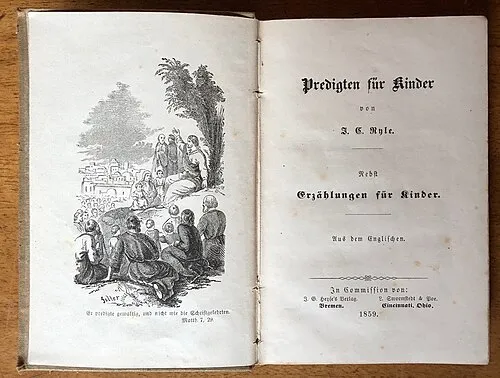
Cuando san Pablo escribió su epístola a Tito acerca de su deber como ministro, mencionó a los jóvenes como una clase que requiere atención particular. Después de hablar de los ancianos y de las ancianas, y de las jóvenes, añade este consejo sustancioso: «Exhorta asimismo á los mancebos á que sean comedidos» (Tito 2:6). Voy a seguir el consejo del Apóstol. Me propongo ofrecer unas pocas palabras de exhortación amistosa a los jóvenes.
Yo mismo voy envejeciendo, pero pocas cosas recuerdo tan bien como los días de mi juventud. Tengo un recuerdo clarísimo de los gozos y las tristezas, las esperanzas y los temores, las tentaciones y las dificultades, los juicios equivocados y los afectos mal puestos, los errores y las aspiraciones, que rodean y acompañan la vida de un joven. Si tan solo puedo decir algo que guarde a algún joven en el camino recto, y lo preserve de faltas y pecados que pueden malograr sus perspectivas tanto para el tiempo como para la eternidad, quedaré muy agradecido.
Hay cuatro cosas que me propongo hacer:
I. Mencionaré algunas razones generales por las cuales los jóvenes necesitan que se les exhorte.
II. Haré notar algunos peligros especiales contra los cuales es preciso advertir a los jóvenes.
III. Daré algunos consejos generales que ruego a los jóvenes que reciban.
IV. Asentaré algunas reglas especiales de conducta que aconsejo encarecidamente a los jóvenes que sigan.
Sobre cada uno de estos cuatro puntos tengo algo que decir, y ruego a Dios que lo que diga haga bien a alguna alma.
I. Razones para exhortar a los jóvenes.
- En primer lugar, ¿cuáles son las razones generales por las que los jóvenes necesitan una exhortación particular? Mencionaré varias de ellas, por su orden.
(1) Por una parte, está el hecho doloroso de que hay pocos jóvenes, dondequiera que sea, que parezcan tener religión alguna. Hablo sin acepción de personas; lo digo de todos. Altos o bajos, ricos o pobres, nobles o llanos, doctos o indoctos, en la ciudad o en el campo: da lo mismo. Tiemblo al observar cuán pocos jóvenes son guiados por el Espíritu; cuán pocos van por aquel camino angosto que lleva a la vida; cuán pocos ponen la mira en las cosas de arriba; cuán pocos toman la cruz y siguen a Cristo. Lo digo con todo dolor, pero creo, como delante de Dios, que no estoy diciendo nada más que la verdad.
Jóvenes, ustedes forman una clase numerosa y de la mayor importancia en la población de este país; pero ¿dónde, y en qué condición, están sus almas inmortales? ¡Ay!, por dondequiera que nos volvamos en busca de respuesta, el informe será uno y el mismo.
Preguntemos a cualquier ministro fiel del evangelio, y notemos lo que nos dirá. ¿A cuántas personas jóvenes y solteras puede contar que acuden a la Cena del Señor? ¿Quiénes son los más remisos en cuanto a los medios de gracia, los más irregulares en los cultos del domingo, los más difíciles de atraer a las conferencias semanales y a las reuniones de oración, los más desatentos bajo la predicación en todo tiempo? ¿Qué parte de su congregación lo llena de mayor ansiedad? ¿Quiénes son los Rubenes por quienes tiene las más hondas «disquisiciones del corazón»? ¿Quiénes, en su rebaño, son los más difíciles de manejar, los que requieren las advertencias y las reprensiones más frecuentes, los que le ocasionan la mayor inquietud y el mayor dolor, los que lo mantienen más constantemente en temor por sus almas, y parecen los más sin esperanza? Ténganlo por seguro: su respuesta será siempre: «Los jóvenes».
Preguntemos a los padres en cualquier parroquia de toda Inglaterra, y veamos lo que por lo general dirán. ¿Quiénes, en sus familias, les dan más pena y más trabajo? ¿Quiénes necesitan la mayor vigilancia, y más a menudo los contrarían y los defraudan? ¿Quiénes son los primeros en dejarse apartar de lo recto, y los últimos en acordarse de las advertencias y de los buenos consejos? ¿Quiénes son los más difíciles de mantener en orden y dentro de límites? ¿Quiénes prorrumpen con más frecuencia en pecado abierto, deshonran el nombre que llevan, hacen desdichados a sus amigos, amargan la vejez de sus parientes, y hacen descender las canas con dolor al sepulcro? Ténganlo por seguro: la respuesta, por lo general, será: «Los jóvenes».
Preguntemos a los magistrados y a los oficiales de justicia, y notemos lo que responderán. ¿Quiénes van más a las tabernas y a las tiendas de cerveza? ¿Quiénes son los mayores profanadores del día de reposo? ¿Quiénes forman las turbas alborotadas y las reuniones sediciosas? ¿A quiénes se detiene más a menudo por embriaguez, alteración del orden, riñas, caza furtiva, hurtos, agresiones y cosas semejantes? ¿Quiénes llenan las cárceles, las penitenciarías y los barcos de presidiarios? ¿Quiénes son la clase que requiere la vigilancia y el cuidado más incesantes? Ténganlo por seguro: al punto señalarán el mismo lado; dirán: «Los jóvenes».
Volvámonos a las clases altas, y notemos el informe que de ellas recibiremos. En una familia, los hijos están siempre malgastando el tiempo, la salud y el dinero en la busca egoísta del placer. En otra, los hijos no quieren seguir profesión alguna, y desperdician los años más preciosos de su vida en no hacer nada. En otra, toman una profesión como mera formalidad, pero no prestan atención alguna a sus deberes. En otra, están siempre trabando malas relaciones, jugando, endeudándose, juntándose con malas compañías, y teniendo a sus amigos en una fiebre constante de ansiedad. ¡Ay!, ni el rango, ni el título, ni la riqueza, ni la educación impiden estas cosas. Padres angustiados, madres con el corazón quebrantado y hermanas afligidas podrían contar historias tristes acerca de ellos, si se supiera la verdad. Más de una familia que tiene cuanto este mundo puede dar cuenta, entre sus allegados, con algún nombre que nunca se nombra, o que solo se nombra con pesar y con vergüenza: algún hijo, algún hermano, algún primo, algún sobrino, que quiere salirse con la suya, y es un dolor para cuantos lo conocen.
Rara vez hay una familia rica que no tenga alguna espina en el costado, alguna mancha en su página de dicha, alguna fuente constante de pena y de ansiedad; y a menudo, con demasiada frecuencia, ¿no es esta la verdadera causa: «Los jóvenes»?
¿Qué diremos a estas cosas? Estos son hechos: hechos lisos y patentes, hechos que nos salen al paso por todos lados, hechos que no se pueden negar. ¡Qué espantoso es esto! ¡Qué espantoso el pensamiento de que, cada vez que encuentro a un joven, encuentro a uno que, según toda probabilidad, es enemigo de Dios, que va por el camino espacioso que lleva a perdición, no apto para el cielo! Ciertamente, con tales hechos delante de mí, no se extrañarán de que los exhorte: han de conceder que hay una causa.
(2) Por otra parte, la muerte y el juicio están delante de los jóvenes, lo mismo que delante de los demás, y casi todos parecen olvidarlo.
Jóvenes, está establecido que ustedes mueran una vez; y por fuertes y sanos que estén ahora, el día de su muerte quizá está muy cerca. Veo jóvenes enfermos tanto como viejos. Entierro cadáveres de jóvenes tanto como de ancianos. Leo, en cada camposanto, nombres de personas que no son mayores que ustedes. Aprendo de los libros que, exceptuando la infancia y la vejez, mueren más entre los trece y los veintitrés años que en cualquier otra estación de la vida. Y, con todo, viven como si por ahora estuvieran seguros de no morir en absoluto.
¿Piensan que mañana se ocuparán de estas cosas? Acuérdense de las palabras de Salomón: «No te jactes del día de mañana; porque no sabes qué dará de sí el día» (Proverbios 27:1). «Las cosas serias, mañana», dijo un pagano, [Arquías el tebano,] a uno que le advertía del peligro que se acercaba; pero su mañana nunca llegó. Mañana es el día del diablo, pero hoy es el de Dios. A Satanás no le importa cuán espirituales sean las intenciones de ustedes, ni cuán santos sus propósitos, con tal de que queden fijados para mañana. ¡Oh, no den lugar al diablo en este asunto! Respóndanle: «¡No, Satanás! Será hoy: hoy». No todos los hombres viven hasta ser patriarcas, como Isaac y Jacob. Muchos hijos mueren antes que sus padres. David tuvo que llorar la muerte de sus dos hijos mejores; Job perdió a sus diez hijos en un solo día. La suerte de ustedes puede ser como la de alguno de ellos, y cuando la muerte llame, será en vano hablar de mañana: tendrán que irse enseguida.
¿Piensan que tendrán más adelante un tiempo oportuno para ocuparse de estas cosas? Así pensaron Félix y los atenienses a quienes predicó Pablo; pero nunca llegó. El infierno está empedrado con tales fantasías. Más vale asegurar la obra mientras puedan. No dejen sin resolver nada que sea eterno. No corran riesgo alguno cuando su alma está en juego. Créanme: la salvación de un alma no es cosa fácil. Todos necesitan una salvación «grande», sean jóvenes o viejos; todos necesitan nacer de nuevo; todos necesitan ser lavados en la sangre de Cristo; todos necesitan ser santificados por el Espíritu. Bienaventurado el hombre que no deja estas cosas inciertas, sino que no descansa hasta tener dentro de sí el testimonio del Espíritu, de que es hijo de Dios.
Jóvenes, el tiempo de ustedes es corto. Sus días no tienen sino un palmo de largo: una sombra, un vapor, un cuento que pronto se cuenta. Sus cuerpos no son de bronce. «Los mozos», dice Isaías, «flaquean y caen» (Isaías 40:30). La salud puede serles arrebatada en un momento: basta una caída, una fiebre, una inflamación, un vaso sanguíneo que se rompe, y pronto el gusano se alimentaría de ustedes. Apenas hay un paso entre cualquiera de ustedes y la muerte. Esta noche podrían pedirles el alma. Van de prisa por el camino de toda la tierra; pronto habrán partido. Su vida es toda incertidumbre; su muerte y su juicio son perfectamente seguros. También ustedes han de oír la trompeta del arcángel, y salir a comparecer ante el gran trono blanco; también ustedes han de obedecer aquella citación que Jerónimo dice que siempre le resonaba en los oídos: «Levántense, muertos, y vengan al juicio». «Ciertamente, vengo en breve» es el lenguaje del Juez mismo. No puedo, no me atrevo y no quiero dejarlos solos.
¡Oh, que todos ustedes tomaran a pecho las palabras del Predicador: «Alégrate, mancebo, en tu mocedad, y tome placer tu corazón en los días de tu juventud; y anda en los caminos de tu corazón, y en la vista de tus ojos: mas sabe, que sobre todas estas cosas te traerá Dios á juicio» (Eclesiastés 11:9)! ¡Cosa asombrosa, que con tal perspectiva haya hombre capaz de vivir descuidado y sin inquietud! Ciertamente nadie está tan loco como quienes se contentan con vivir sin prepararse para morir. Ciertamente la incredulidad de los hombres es la cosa más asombrosa del mundo. Con razón la profecía más clara de la Biblia empieza con estas palabras: «¿Quién ha creído á nuestro anuncio?» (Isaías 53:1). Con razón dice el Señor Jesús: «Cuando el Hijo del hombre viniere, ¿hallará fe en la tierra?» (Lucas 18:8). Jóvenes, temo que este sea el informe que se dé de muchos de ustedes en las cortes de arriba: «No creerán». Temo que se los arrebate de este mundo, y despierten para descubrir, demasiado tarde, que la muerte y el juicio son realidades. Temo todo esto, y por eso los exhorto.
(3) Por otra parte, lo que los jóvenes llegarán a ser, según toda probabilidad, depende de lo que son ahora, y parecen olvidarlo.
La juventud es la sementera de la edad madura, la estación de moldear, en el breve espacio de la vida humana, el punto de viraje en la historia de la mente del hombre.
Por el retoño juzgamos el árbol; por las flores juzgamos el fruto; por la primavera juzgamos la cosecha; por la mañana juzgamos el día; y por el carácter del joven podemos juzgar, por lo común, lo que será cuando crezca.
Jóvenes, no se engañen. No piensen que pueden, a su antojo, servir a concupiscencias y deleites en su comienzo, y luego ir y servir a Dios con facilidad en su fin. No piensen que pueden vivir con Esaú, y luego morir con Jacob. Es una burla tratar así con Dios y con sus almas. Es una burla espantosa suponer que pueden dar la flor de sus fuerzas al mundo y al diablo, y luego despedir al Rey de reyes con las sobras y los restos de sus corazones, el naufragio y el residuo de sus facultades. Es una burla espantosa, y pueden descubrir, a costa suya, que la cosa no puede hacerse.
Me figuro que cuentan ustedes con un arrepentimiento tardío. No saben lo que hacen. Hacen la cuenta sin Dios. El arrepentimiento y la fe son dones de Dios, y dones que él a menudo retiene, cuando se han ofrecido largo tiempo en vano. Les concedo que el verdadero arrepentimiento nunca es demasiado tarde; pero al mismo tiempo les advierto: el arrepentimiento tardío rara vez es verdadero. Les concedo que un ladrón penitente fue convertido en sus últimas horas, para que nadie desespere; pero les advierto: solo uno fue convertido, para que nadie presuma. Les concedo que está escrito que Jesús «puede también salvar eternamente á los que por él se allegan á Dios» (Hebreos 7:25). Pero les advierto que también está escrito por el mismo Espíritu: «Por cuanto llamé, y no quisisteis, también yo me reiré en vuestra calamidad, y me burlaré cuando os viniere lo que teméis» (Proverbios 1:24-26).
Créanme: hallarán que no es cosa fácil volverse a Dios justo cuando les plazca. Es un dicho verdadero del buen arzobispo Leighton: «El camino del pecado va cuesta abajo; el hombre no puede detenerse cuando querría». Los deseos santos y las convicciones serias no son como los siervos del centurión, prontos a ir y venir al deseo de ustedes; antes bien son como el unicornio de Job: no obedecerán la voz de ustedes, ni acudirán a su llamado. Se dijo de un famoso general [Aníbal.] de la antigüedad que, cuando pudo tomar la ciudad [Roma] contra la cual guerreaba, no quiso, y más adelante, cuando quiso, no pudo. Guárdense, no sea que les acontezca lo mismo en el asunto de la vida eterna.
¿Por qué digo todo esto? Lo digo por la fuerza del hábito. Lo digo porque la experiencia me dice que el corazón de las personas rara vez cambia, si no cambia cuando son jóvenes. Rara vez, en verdad, se convierten los hombres cuando son viejos. Los hábitos tienen raíces largas. El pecado, una vez que se le permite anidar en el pecho, no se echa fuera porque ustedes se lo manden. La costumbre se vuelve segunda naturaleza, y sus cadenas son un cordón de tres dobleces, que no se rompe fácilmente. Bien dice el profeta: «¿Mudará el negro su pellejo, y el leopardo sus manchas? Así también podréis vosotros hacer bien, estando habituados á hacer mal» (Jeremías 13:23). Los hábitos son como piedras que ruedan cuesta abajo: cuanto más ruedan, más veloz e ingobernable es su carrera. Los hábitos, como los árboles, se fortalecen con la edad. Un muchacho puede doblar un roble cuando es un retoño; cien hombres no pueden arrancarlo cuando es un árbol crecido. Un niño puede vadear el Támesis en su nacimiento; el barco más grande del mundo puede flotar en él cuando se acerca al mar. Así es con los hábitos: cuanto más viejos, más fuertes; cuanto más tiempo han estado en posesión, más difícil será echarlos fuera. Crecen con nuestro crecimiento, y se fortalecen con nuestra fuerza. La costumbre es la nodriza del pecado. Cada nuevo acto de pecado disminuye el temor y el remordimiento, endurece nuestro corazón, embota el filo de nuestra conciencia y aumenta nuestra mala inclinación.
Jóvenes, quizá se imaginan que cargo demasiado la mano en este punto. Si hubieran visto a ancianos, como yo los he visto, al borde de la tumba, insensibles, cauterizados, encallecidos, muertos, fríos, duros como la muela de abajo, no lo pensarían. Créanme: no pueden quedarse parados en los asuntos de sus almas. Los hábitos del bien o del mal se fortalecen cada día en sus corazones. Cada día, o se acercan más a Dios, o se alejan. Cada año que siguen impenitentes, el muro de división entre ustedes y el cielo se hace más alto y más grueso, y el abismo que hay que cruzar, más hondo y más ancho. ¡Oh, teman el efecto endurecedor de demorarse sin cesar en el pecado! Ahora es el tiempo aceptable. Miren que su huida no sea en el invierno de sus días. Si no buscan al Señor cuando son jóvenes, tal es la fuerza del hábito que probablemente no lo buscarán jamás.
Temo esto, y por eso los exhorto.
(4) Por otra parte, el diablo pone una diligencia especial en destruir las almas de los jóvenes, y ellos parecen no saberlo.
Satanás sabe bien que ustedes formarán la generación que viene, y por eso emplea desde temprano todo artificio para hacerlos suyos. No quiero que ignoren sus maquinaciones.
Ustedes son aquellos sobre quienes él pone en juego todas sus tentaciones más escogidas. Tiende su red con el cuidado más vigilante, para enredarles el corazón. Ceba sus trampas con los bocados más dulces, para meterlos bajo su poder. Despliega sus mercancías ante los ojos de ustedes con todo su ingenio, a fin de hacerles comprar sus venenos azucarados y comer sus manjares malditos. Ustedes son el gran objeto de su ataque. Repréndalo el Señor, y líbrelos de sus manos.
Jóvenes, cuídense de quedar presos en sus lazos. Procurará echarles polvo en los ojos, e impedirles que vean cosa alguna con sus verdaderos colores. Querría hacerles tener el mal por bien, y el bien por mal. Pintará, y dorará, y ataviará el pecado, a fin de hacerlos enamorar de él. Deformará, y tergiversará, y caricaturizará la religión verdadera, a fin de hacerles tomarle aversión. Ensalzará los placeres de la maldad, pero les esconderá el aguijón. Alzará ante los ojos de ustedes la cruz y lo penoso de ella, pero les ocultará la corona eterna. Les prometerá todas las cosas, como se las prometió a Cristo, con tal de que lo sirvan. Aun los ayudará a llevar una forma de religión, con tal de que descuiden el poder. Les dirá, al principio de la vida, que es demasiado pronto para servir a Dios; les dirá, al fin, que es demasiado tarde. ¡Oh, no se dejen engañar!
Poco saben el peligro en que están por causa de este enemigo; y es precisamente esta ignorancia la que me hace temer. Son como ciegos que caminan entre hoyos y trampas; no ven los peligros que los cercan por todos lados.
Su enemigo es poderoso. Se le llama «el príncipe de este mundo» (Juan 14:30). Se opuso a nuestro Señor Jesucristo a lo largo de todo su ministerio. Tentó a Adán y a Eva para que comieran del fruto prohibido, y así trajo el pecado y la muerte al mundo. Tentó aun a David, el varón conforme al corazón de Dios, e hizo que sus últimos días estuvieran llenos de dolor. Tentó aun a Pedro, el apóstol escogido, y lo hizo negar a su Señor. ¿Acaso no es una enemistad que no se debe menospreciar?
Su enemigo es inquieto. Nunca duerme. Siempre «cual león rugiente, anda alrededor buscando á quien devore». Anda sin cesar «de rodear la tierra, y de andar por ella». Ustedes pueden ser descuidados con sus almas; él no lo es. Las quiere para hacerlas miserables, como lo es él, y las tendrá si puede. ¿Acaso no es una enemistad que no se debe menospreciar?
Y su enemigo es astuto. Por cerca de seis mil años ha estado leyendo un solo libro, y ese libro es el corazón del hombre. Debería conocerlo bien, y lo conoce: toda su flaqueza, todo su engaño, toda su necedad. Y tiene un acopio de tentaciones, de aquellas que más pueden hacerle daño. Nunca irán a un lugar donde él no los halle. Vayan a las ciudades: allí estará. Vayan a un desierto: allí estará también. Siéntense entre borrachos y maldicientes, y allí estará para ayudarlos. Escuchen la predicación, y allí estará para distraerlos. ¿Acaso no es una enemistad que no se debe menospreciar?
Jóvenes, este enemigo trabaja con ahínco por la destrucción de ustedes, por poco que ustedes lo piensen. Ustedes son el premio por el cual él contiende de un modo especial. Prevé que han de ser o las bendiciones o las maldiciones de su época, y se empeña en lograr establecerse en sus corazones desde tan temprano, a fin de que más adelante ayuden a adelantar su reino. Bien entiende que echar a perder el capullo es el modo más seguro de malograr la flor.
¡Oh, si se les abrieran los ojos, como al criado de Eliseo en Dotán! ¡Oh, si vieran siquiera lo que Satanás está tramando contra la paz de ustedes! He de advertirlos; he de exhortarlos. Oigan o no oigan, no puedo ni me atrevo a dejarlos solos.
(5) Por otra parte, los jóvenes necesitan exhortación, por el dolor que se ahorrarán si empiezan a servir a Dios ahora.
El pecado es la madre de todo dolor, y ninguna clase de pecado parece darle al hombre tanta miseria y tanta pena como los pecados de su juventud. Los actos necios que hizo, el tiempo que malgastó, los yerros que cometió, la mala compañía que tuvo, el daño que se hizo a sí mismo, tanto en el cuerpo como en el alma, las ocasiones de felicidad que echó a perder, las puertas de utilidad que descuidó: todas estas son cosas que a menudo amargan la conciencia de un anciano, echan una sombra sobre el anochecer de sus días, y llenan las horas postreras de su vida de reproche propio y de vergüenza.
Algunos hombres podrían hablarles de la pérdida prematura de la salud, traída por pecados de juventud. La enfermedad les atormenta los miembros con dolor, y la vida es casi un fastidio. Su fuerza muscular está tan gastada, que un saltamontes les parece una carga. El ojo se les ha nublado antes de tiempo, y ha menguado su vigor natural. El sol de su salud se les ha puesto siendo aún de día, y lloran al ver consumirse su carne y su cuerpo. Créanme: esta es una copa amarga de beber.
Otros podrían darles tristes relatos de las consecuencias de la ociosidad. Echaron a perder la oportunidad de oro para aprender. No quisieron adquirir sabiduría en el tiempo en que su mente estaba más capaz de recibirla, y su memoria más pronta para retenerla. Y ahora es demasiado tarde. No tienen holgura para sentarse a aprender. Ya no tienen la misma capacidad, aunque tuvieran la holgura. El tiempo perdido nunca puede redimirse. También esta es una copa amarga de beber.
Otros podrían hablarles de graves errores de juicio, de los cuales padecen toda la vida. Quisieron salirse con la suya. No quisieron tomar consejo. Trabaron alguna relación que ha sido del todo ruinosa para su felicidad. Escogieron una profesión para la cual no servían en absoluto. Y ahora lo ven todo. Pero los ojos solo se les abren cuando el yerro ya no puede remediarse. ¡Oh, también esta es una copa amarga de beber!
Jóvenes, jóvenes, quisiera que conocieran el consuelo de una conciencia no cargada con una larga lista de pecados de juventud. Estas son las heridas que penetran más hondo. Estas son las flechas que se beben el espíritu del hombre. Este es el hierro que entra en el alma. Sean misericordiosos consigo mismos. Busquen al Señor temprano, y así se ahorrarán más de una lágrima amarga.
Esta es la verdad que Job parece haber sentido. Dice: «¿Por qué escribes contra mí amarguras, y me haces cargo de los pecados de mi mocedad?» (Job 13:26). Así también su amigo Sofar, hablando del impío, dice: «Sus huesos están llenos de sus mocedades, y con él serán sepultados en el polvo» (Job 20:11).
También David parece haberlo sentido. Dice al Señor: «De los pecados de mi mocedad, y de mis rebeliones, no te acuerdes» (Salmo 25:7).
Beza, el gran reformador suizo, lo sintió con tanta fuerza que lo nombró en su testamento como misericordia especial: haber sido llamado y sacado del mundo, por la gracia de Dios, a la edad de dieciséis años.
Vayan y pregunten ahora a los creyentes, y creo que más de uno les dirá casi lo mismo. «¡Oh, si pudiera volver a vivir mis días de juventud!», dirá muy probablemente.
«¡Oh, si hubiera empleado el principio de mi vida de mejor manera! ¡Oh, si no hubiera echado tan firmemente el cimiento de malos hábitos en la primavera de mi carrera!»
Jóvenes, quiero ahorrarles todo este dolor, si puedo. El infierno mismo es la verdad conocida demasiado tarde. Sean sabios a tiempo. Lo que la juventud siembra, la vejez lo ha de segar. No den la estación más preciosa de su vida a aquello que no los consolará en su postrimería. Siembren más bien para ustedes en justicia: hagan barbecho, no siembren sobre espinas.
El pecado puede salir ligero de la mano de ustedes, o correr suave de su lengua ahora; pero ténganlo por seguro: el pecado y ustedes volverán a encontrarse más adelante, por poco que les guste. Las heridas viejas suelen doler y dar pena mucho después de sanadas, cuando ya solo queda una cicatriz: así pueden hallarlo con sus pecados. Se han hallado huellas de animales en la superficie de rocas que un día fueron arena mojada, miles de años después de que el animal que las hizo pereció y pasó; [Véase el Tratado de Bridgewater de Buckland, vol. ii, lámina 26.] así también puede ser con los pecados de ustedes.
«La experiencia», dice el proverbio, «tiene una escuela cara, pero los necios no aprenden en ninguna otra». Quiero que todos ustedes escapen de la miseria de aprender en esa escuela. Quiero que eviten la desdicha que los pecados de la juventud seguramente acarrean. Esta es la última razón por la que los exhorto.
Ver el original (inglés)
Original en inglés
WHEN St. Paul wrote his Epistle to Titus about his duty as a minister, he mentioned young men as a class requiring peculiar attention. After speaking of aged men and aged women, and young women, he adds this pithy advice, “Young men likewise exhort to be sober-minded” (Tit. 2:6). I am going to follow the Apostle’s advice. I propose to offer a few words of friendly exhortation to young men.
I am growing old myself, but there are few things I remember so well as the days of my youth. I have a most distinct recollection of the joys and the sorrows, the hopes and the fears, the temptations and the difficulties, the mistaken judgments and the misplaced affections, the errors and the aspirations, which surround and accompany a young man’s life. If I can only say something to keep some young man in the right way, and preserve him from faults and sins, which may mar his prospects both for time and eternity, I shall be very thankful.
There are four things which I propose to do:—
I. I will mention some general reasons why young men need exhorting.
II. I will notice some special dangers against which young men need to be warned.
III. I will give some general counsels which I entreat young men to receive.
IV. I will set down some special rules of conduct which I strongly advise young men to follow.
On each of these four points I have something to say, and I pray God that what I say may do good to some soul.
I. Reasons for exhorting Young Men.
- In the first place, What are the general reasons why young men need peculiar exhortation? I will mention several of them in order.
(1) For one thing, there is the painful fact that there are few young men anywhere who seem to have any religion. I speak without respect of persons; I say it of all. High or low, rich or poor, gentle or simple, learned or unlearned, in town or in country,—it makes no matter. I tremble to observe how few young men are led by the Spirit,—how few are in that narrow way which leads to life,—how few are setting their affections upon things above,—how few are taking up the cross, and following Christ. I say it with all sorrow, but I believe, as in God’s sight, I am saying nothing more than the truth.
Young men, you form a large and most important class in the population of this country; but where, and in what condition, are your immortal souls? Alas, whatever way we turn for an answer, the report will be one and the same!
Let us ask any faithful minister of the gospel, and mark what he will tell us. How many unmarried young people can he reckon up who come to the Lord’s Supper? Who are the most backward about means of grace,—the most irregular about Sunday services,—the most difficult to draw to weekly lectures and prayer meetings,—the most inattentive under preaching at all times? Which part of his congregation fills him with most anxiety? Who are the Reubens for whom he has the deepest “searchings of heart”! Who in his flock are the hardest to manage,—who require the most frequent warnings and rebukes,—who occasion him the greatest uneasiness and sorrow,—who keep him most constantly in fear for their souls, and seem most hopeless? Depend on it, his answer will always be, “The Young Men.”
Let us ask the parents in any parish throughout England, and see what they will generally say. Who in their families give them most pain and trouble? Who need the most watchfulness, and most often vex and disappoint them? Who are the first to be led away from what is right, and the last to remember cautions and good advice? Who are the most difficult to keep in order and bounds? Who most frequently break out into open sin, disgrace the name they bear, make their friends unhappy, embitter the old age of their relations, and bring down grey hairs with sorrow to the grave? Depend on it, the answer will generally be, “The Young Men.”
Let us ask the magistrates and officers of justice, and mark what they will reply. Who go to public-houses and beer-shops most? Who are the greatest Sabbath-breakers? Who make up riotous mobs and seditious meetings? Who are oftenest taken up for drunkenness, breaches of the peace, fighting, poaching, stealing, assaults, and the like? Who fill the gaols, and penitentiaries, and convict ships? Who are the class which requires the most incessant watching and looking after? Depend on it, they will at once point to the same quarter,—they will say, ” The Young Men.”
Let us turn to the upper classes, and mark the report we shall get from them. In one family the sons are always wasting time, health, and money, in the selfish pursuit of pleasure. In another, the sons will follow no profession, and fritter away the most precious years of their life in doing nothing. In another, they take up a profession as a mere form, but pay no attention to its duties. In another, they are always forming wrong connections, gambling, getting into debt, associating with bad companions, keeping their friends in a constant fever of anxiety. Alas, rank, and title, and wealth, and education, do not prevent these things! Anxious fathers, and heart-broken mothers, and sorrowing sisters, could tell sad tales about them, if the truth were known. Many a family, with everything this world can give, numbers among its connections some name that is never named,—or only named with regret and shame,—some son, some brother, some cousin, some nephew,—who will have his own way, and is a grief to all who know him.
There is seldom a rich family which has not got some thorn in its side, some blot in its page of happiness, some constant source of pain and anxiety;—and often, far too often, is not this the true cause, ” The Young Men”?
What shall we say to these things? These are facts,—plain staring facts,—facts which meet us on every side,-facts which cannot be denied. How dreadful this is! How dreadful the thought, that every time I meet a young man, I meet one who is in all probability an enemy of God,—travelling in the broad way which leads to destruction,—unfit for heaven! Surely, with such facts before me, you will not wonder that I exhort you,—you must allow there is a cause.
(2) For another thing, death and judgment are before young men, even as others, and they nearly all seem to forget it.
Young men, it is appointed unto you once to die; and however strong and healthy you may be now, the day of your death is perhaps very near. I see young people sick as well as old. I bury youthful corpses as well as aged. I read the names of persons no older than yourselves in every churchyard. I learn from books that, excepting infancy and old age, more die between thirteen and twenty-three than at any other season of life. And yet you live as if you were sure at present not to die at all.
Are you thinking you will mind these things tomorrow? Remember the words of Solomon: ” Boast not thyself of to-morrow; for thou knowest not what a day may bring forth” (Prov. 27:1). “Serious things tomorrow,” said a heathen, [Archias the Theban.] to one who warned him of coming danger; but his to-morrow never came. Tomorrow is the devil’s day, but to-day is God’s. Satan cares not how spiritual your intentions may be, and how holy your resolutions, if only they are fixed for to-morrow. Oh, give not place to the devil in this matter! answer him, “No: Satan! It shall be to-day: to-day.” All men do not live to be patriarchs, like Isaac and Jacob. Many children die before their fathers. David had to mourn the death of his two finest sons; Job lost all his ten children in one day. Your lot may be like one of theirs, and when death summons, it will be vain to talk of to-morrow,—you must go at once.
Are you thinking you will have a convenient season to mind these things by and by? So thought Felix and the Athenians to whom Paul preached; but it never came. Hell is paved with such fancies. Better make sure work while you can. Leave nothing unsettled that is eternal. Run no risk when your soul is at stake. Believe me, the salvation of a soul is no easy matter. All need a “great” salvation, whether young or old; all need to be born again, all need to be washed in Christ’s blood,—all need to be sanctified by the Spirit. Happy is that man who does not leave these things uncertain, but never rests till he has the witness of.the Spirit within him, that he is a child of God.
Young men, your time is short. Your days are but a span long,—a shadow, a vapour,—a tale that is soon told. Your bodies are not brass. “Even the young men,” says Isaiah, “shall utterly fall” (Isa. 40:30). Your health may be taken from you in a moment.’—it only needs a fall, a fever, an inflammation, a broken blood-vessel,-and the worm would soon feed upon you. There is but a step between any one of you and death. This night your soul might be required of you. You are fast going the way of all the earth,—you will soon be gone. Your life is all uncertainty,—your death and judgment are perfectly sure. You too must hear the Archangel’s trumpet, and go forth to stand before the great white throne,— you too must obey that summons, which Jerome says was always fining in his ears: “Arise, ye dead, and come to judgment.” “Surely I come quickly,” is the language of the Judge Himself. I cannot, dare not, will not let you alone.
Oh that you would all lay to heart the words of the Preacher: “Rejoice, O young man, in thy youth, and let thy heart cheer thee in the days of thy youth, and walk in the ways of thine heart, and in the sight of thine eyes; but know thou, that for all these things God will bring thee into judgment” (Eccles. 11:9). Wonderful, that with such a prospect, any man can be careless and unconcerned! Surely none are so mad as those who are content to live unprepared to die. Surely the unbelief of men is the most amazing thing in the world. Well may the clearest prophecy in the Bible begin with these words, “Who hath believed our report? ” (Isa. 53:1). Well may the Lord Jesus say, “When the Son of man cometh, shall He find faith on the earth?” (Luke 18:8). Young men, I fear lest this be the report of many of you in the courts above: “They will not believe” I fear lest you be hurried out of the world, and awake to find out, too late, that death and judgment are realities. I fear all this, and therefore I exhort you.
(3) For another thing, what young men will be, in all probability depends on what they are now, and they seem to forget this.
Youth is the seed-time of full age,—the moulding season in the little space of human life,—the turning-point in the history of man’s mind.
By the shoot we judge of the tree,---by the blossoms we judge of the fruit,—by the spring we judge of the harvest,—by the morning we judge of the day,—and by the character of the young man, we may generally judge what he will be when he grows up.
Young men, be not deceived. Think not you can, at will, serve lusts and pleasures in your beginning, and then go and serve God with ease at your latter end. Think not you can live with Esau, and then die with Jacob. It is a mockery to deal with God and your souls in such a fashion. It is an awful mockery to suppose you can give the flower of your strength to the world and the devil, and then put off the King of kings with the scraps and leavings of your hearts, the wreck and remnant of your powers. It is an awful mockery, and you may find to your cost the thing cannot be done.
I daresay you are reckoning on a late repentance.. You know not what you are doing. You are reckoning without God. Repentance and faith are the gifts of God, and gifts that He often withholds, when they have been long offered in vain. I grant you true repentance is never too late, but I warn you at the same time, late repentance is seldom true. I grant you, one penitent thief was converted in his last hours, that no man might despair; but I warn you, only one was converted, that no man might presume. I grant you it is written, Jesus is “able to save them to the uttermost that come to God by Him” (Heb. 7:25). But I warn you, it is also written by the same Spirit, “Because I have called, and ye refused, I also will laugh at your calamity; I will mock when your fear cometh” (Prov. 1:24-26).
Believe me, you will find it no easy matter to turn to God just when you please. It is a true saying of good Archbishop Leighton: “The way of sin is down hill; a man cannot stop when he would.” Holy desires and serious convictions are not like the servants of the Centurion, ready to come and go at your desire; rather are they like the unicorn in Job, they will not obey your voice, nor attend at your bidding. It was said of a famous general [Hannibal.] of old, when he could have taken the city [Rome] he warred against, he would not, and by and by when he would, he could not. Beware, lest the same kind of event befall you in the matter of eternal life.
Why do I say all this? I say it because of the force of habit. I say it because experience tells me that people’s hearts are seldom changed if they are not changed when young. Seldom indeed are men converted when they are old. Habits have long roots. Sin once allowed to nestle in your bosom, will not be turned out at your bidding. Custom becomes second nature, and its chains are threefold cords not easily broken. Well says the prophet, ” Can the Ethiopian change his skin, or the leopard his spots? then may ye also do good, that are accustomed to do evil” (Jer. 13:23). Habits are like stones rolling down hill, the further they roll, the faster and more ungovernable is their course. Habits, like trees, are strengthened by age. A boy may bend an oak, when it is a sapling, a hundred men cannot root it up, when it is a full-grown tree. A child can wade over the Thames at its fountain-head, the largest ship in the world can float in it when it gets near the sea. So it is with habits: the older the stronger, the longer they have held possession, the harder they will be to cast out. They grow with our growth, and strengthen with our strength. Custom is the nurse of sin. Every fresh act of sin lessens fear and remorse, hardens our hearts, blunts the edge of our conscience, and increases our evil inclination.
Young men, you may fancy I am laying too much stress on this point. If you had seen old men, as I have done, on the brink of the grave, feelingless, seared, callous, dead, cold, hard as the nether mill-stone, you would not think so. Believe me, you cannot stand still in the affairs of your souls. Habits of good or evil are daily strengthening in your hearts. Every day you are either getting nearer to God, or further off. Every year that you continue impenitent, the wall of division between you and heaven becomes higher and thicker, and the gulf to be crossed deeper and broader. Oh, dread the hardening effect of constant lingering in sin! Now is the accepted time. See that your flight be not in the winter of your days. If you seek not the Lord when young, the strength of habit is such that you will probably never seek Him at all.
I fear this, and therefore I exhort you.
(4) For another thing, the devil uses special diligence to destroy the souls of young men, and they seem not to know it.
Satan knows well that you will make up the next generation, and therefore he employs every art betimes to make you his own. I would not have you ignorant of his devices.
You are those on whom he plays off all his choicest temptations. He spreads his net with the most watchful carefulness, to entangle your hearts. He baits his traps with the sweetest morsels, to get you into his power. He displays his wares before your eyes with his utmost ingenuity, in order to make you buy his sugared poisons, and eat his accursed dainties. You are the grand object of his attack. May the Lord rebuke him, and deliver you out of his hands.
Young men, beware of being taken by his snares. He will try to throw dust in your eyes, and prevent you seeing anything in its true colours. He would fain make you think evil good, and good evil He will paint, and gild, and dress up sin, in order to make you fall in love with it. He will deform, and misrepresent, and caricature true religion, in order to make you take a dislike to it. He will exalt the pleasures of wickedness, —but he will hide from you the sting. He will lift up before your eyes the cross and its painfulness,—but He will keep out of sight the eternal crown. He will promise you everything, as he did to Christ, if you will only serve him. He will even help you to wear a form of religion, if you will only neglect the power. He will tell you at the beginning of your lives, it is too soon to serve God,—he will tell you at the end, it is too late. Oh, be not deceived!
You little know the danger you are in from this enemy; and it is this very ignorance which makes me afraid. You are like blind men, walking amidst holes and pitfalls; you do not see the perils which are around you on every side.
Your enemy is mighty. He is called “The Prince of this world” (John 14:30). He opposed our Lord Jesus Christ all through His ministry. He tempted Adam and Eve to eat the forbidden fruit, and so brought sin and death into the world. He tempted even David, the man after God’s own heart, and caused his latter days to be full of sorrow. He tempted even Peter, the chosen Apostle, and made him deny his Lord. Surely his enmity is not to be despised?
Your enemy is restless. He never sleeps. He is always going about as a roaring lion, seeking whom he may devour. He is ever going to and fro in the earth, and walking up and down in it. You may be careless about your souls: he is not. He wants them to make them miserable, like himself, and will have them if he can. Surely his enmity is not to be despised?
And your enemy is cunning. For near six thousand years he has been reading one book, and that book is the heart of man. He ought to know it well, and he does know it; all its weakness, all its deceitfulness, all its folly. And he has a store of temptations, such as are most likely to do it harm. Never will you go to the place where he will not find you. Go into towns,-he will be them. Go into a wilderness, he will be there also. Sit among drunkards and revilers,—and he will be there to help you. Listen to preaching,—and he will be there to distract you. Surely such enmity is not to be despised?
Young men, this enemy is working hard for your destruction, however little you may think it. You are the prize for which he is specially contending. He foresees you must either be the blessings or the curses of your day, and he is trying hard to effect a lodgment in your hearts thus early, in order that you may help forward his kingdom by and by. Well does he understand that to spoil the bud is the surest way to mar the flower.
Oh that your eyes were opened, like those of Elisha’s servant in Dothan! Oh that you did but see what Satan is scheming against your peace! I must warn you,—I must exhort you. Whether you will hear or not, I cannot, dare not, leave you alone.
(5) For another thing, young men need exhorting, because of the sorrow it will save them, to begin serving God now.
Sin is the mother of all sorrow, and no sort of sin appears to give a man so much misery and pain as the sins of his youth. The foolish acts he did, the time he wasted,—the mistakes he made, the bad company he kept,—the harm he did himself, both body and soul, the chances of happiness he threw away, the openings of usefulness he neglected; all these are things that often embitter the conscience of an old man, throw a gloom on the evening of his days, and fill the later hours of his life with self-reproach and shame.
Some men could tell you of the untimely loss of health, brought on by youthful sins. Disease racks their limbs with pain, and life is almost a weariness. Their muscular strength is so wasted, that a grasshopper seems a burden. Their eye has become prematurely dim, and their natural force abated. The sun of their health has gone down while it is yet day, and they mourn to see their flesh and body consumed. Believe me, this is a bitter cup to drink.
Others could give you sad accounts of the consequences of idleness. They threw away the golden opportunity for learning. They would not get wisdom at the time when their minds were most able to receive it, and their memories most ready to retain it. And now it is too late. They have not leisure to sit down and learn. They have no longer the same power, even if they had the leisure. Lost time can never be redeemed. This too is a bitter cup to drink.
Others could tell you of grievous mistakes in judgment, from which they suffer all their fives long. They would have their own way. They would not take advice. They formed some connection which has been altogether ruinous to their happiness. They chose a profession for which they were entirely unsuited. And they see it all now. But their eyes are only open when the mistake cannot be retrieved. Oh, this is also a bitter cup to drink!
Young men, young men, I wish you did but know the comfort of a conscience not burdened with a long list of youthful sins. These are the wounds that pierce the deepest. These are the arrows that drink up a man’s spirit. This is the iron that enters into the soul. Be merciful to yourselves. Seek the Lord early, and so you will be spared many a bitter tear.
This is the truth that Job seems to have felt. He says, “Thou writest bitter things against me, and makest me to possess the iniquities of my youth” (Job 13:26). So also his friend Zophar, speaking of the wicked, says, “His bones are full of the sins of his youth, which shall lie down with him in the dust” (Job 20:11).
David also seems to have felt it. He says to the Lord, “Remember not the sins of my youth, nor my transgressions” (Ps. 25:7).
Beza, the great Swiss Reformer, felt it so strongly, that he named it in his will as a special mercy that he had been called out from the world, by the grace of God, at the age of sixteen.
Go and ask believers now, and I think many an one will tell you much the same. “Oh that I could live my young days over again!” he will most probably say.
“Oh that I had spent the beginning of my life in a better fashion! Oh that I had not laid the foundation of evil habits so strongly in the spring-time of my course!”
Young men, I want to save you all this sorrow, if I can. Hell itself is truth known too late. Be wise in time. What youth sows, old age must reap. Give not the most precious season of your life to that which will not comfort you in your latter end. Sow to yourselves rather in righteousness: break up your fallow ground, sow not among thorns.
Sin may go lightly from your hand, or run smoothly off your tongue now, but depend on it, sin and you will meet again by and by, however little you may like it. Old wounds will often ache and give pain long after they are healed, and only a scar remains:—so may you find it with your sins. The footprints of animals have been found on the surface of rocks that were once wet sand, thousands of years after the animal that made them has perished and passed away; [See Buckland’s Bridgewater Treatise, vol. ii. plate 26.] so also it may be with your sins.
“Experience,” says the proverb, “keeps a dear school, but fools will learn in no other.” I want you all to escape the misery of learning in that school. I want you to avoid the wretchedness that youthful sins are sure to entail. This is the last reason why I exhort you.
https://sermonesbiblicos.org/biblioteca/pensamientos-para-jovenes-01-razones-para-exhortar/