Sermones Bíblicos
Oblígalos a entrar
Charles H. Spurgeon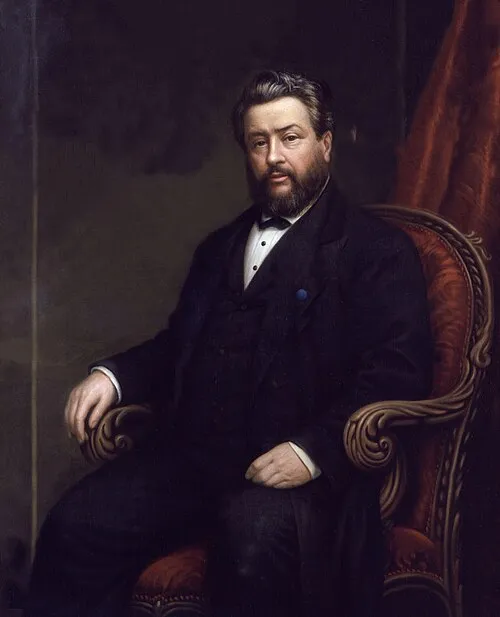
Oblígalos a entrar
Un sermón
(N.º 227)
Predicado el domingo por la mañana, 5 de diciembre de 1858, por el
REV. C. H. SPURGEON
En el Music Hall, Royal Surrey Gardens.
«Fuérzalos á entrar.»—Lucas 14:23
Siento tanta prisa por salir a obedecer este mandamiento esta mañana, obligando a entrar a los que ahora se demoran en los caminos y los vallados, que no puedo aguardar introducción alguna, sino que he de ponerme de una vez a la obra.
Oigan, pues, ustedes que son extraños a la verdad como está en Jesús; oigan el mensaje que tengo que traerles. Han caído, caído en su padre Adán; han caído también en ustedes mismos, por su pecado de cada día y su iniquidad constante; han provocado la ira del Altísimo; y con tanta certeza como han pecado, así de cierto ha de castigarlos Dios si perseveran en su iniquidad, porque el Señor es Dios de justicia, y de ningún modo eximirá al culpable. Pero ¿no han oído? ¿No hace ya mucho que se les dice al oído que Dios, en su infinita misericordia, ha ideado un camino por el cual, sin mengua alguna de su honra, puede tener misericordia de ustedes, los culpables y los indignos? A ustedes hablo; y mi voz es para ustedes, oh hijos de los hombres. Jesucristo, Dios verdadero de Dios verdadero, ha descendido del cielo, y fue hecho a semejanza de carne de pecado. Engendrado del Espíritu Santo, nació de la virgen María; vivió en este mundo una vida de santidad ejemplar y del sufrimiento más hondo, hasta que al fin se entregó a morir por nuestros pecados, «el justo por los injustos, para llevarnos á Dios.» Y ahora el plan de salvación se les declara con sencillez: «Todo aquel que creyere en el Señor Jesucristo será salvo.» Para ustedes, que han violado todos los preceptos de Dios, han despreciado su misericordia y han desafiado su venganza, todavía se proclama misericordia, porque «todo aquel que invocare el nombre del Señor, será salvo.» «Palabra fiel y digna de ser recibida de todos: que Cristo Jesús vino al mundo para salvar á los pecadores, de los cuales yo soy el primero.» «Cualquiera que viniere a él, no le echará fuera, porque puede también salvar eternamente a los que por él se allegan a Dios, viviendo siempre para interceder por nosotros.» Ahora bien, todo lo que Dios les pide —y esto él mismo se lo da— es que simplemente miren a su Hijo que sangra y muere, y confíen sus almas en las manos de aquel cuyo solo nombre puede salvar de la muerte y del infierno. ¿No es cosa maravillosa que la proclamación de este evangelio no reciba el consentimiento unánime de los hombres? Cualquiera pensaría que, apenas se predicara esto: «que todo aquel que creyere tendrá vida eterna», cada uno de ustedes, «echando cada cual lejos sus pecados y sus iniquidades», echaría mano de Jesucristo y miraría solamente a su cruz. ¡Pero ay! Tal es el mal desesperado de nuestra naturaleza, tal la depravación perniciosa de nuestro carácter, que este mensaje es despreciado, la invitación al banquete del evangelio es rechazada, y hay muchos de ustedes que hoy son enemigos de Dios por las malas obras, enemigos del Dios que hoy les predica a Cristo, enemigos de aquel que envió a su Hijo para dar su vida en rescate por muchos. Extraño, digo, es que así sea; y, sin embargo, es el hecho, y de ahí la necesidad del mandato del texto: «fuérzalos á entrar.»
Hijos de Dios, ustedes que han creído: poco o nada tendré que decirles esta mañana. Voy derecho a mi tarea. Voy en pos de los que no quieren venir, los que están en las veredas y los vallados; y, yendo Dios conmigo, mi deber ahora es cumplir este mandato: «fuérzalos á entrar.»
Primero, he de dar con ustedes; después, me pondré a la obra de obligarlos a entrar.
I. Primero, he de ENCONTRARLOS. Si leen los versículos que preceden al texto, hallarán una ampliación de este mandato: «Ve presto por las plazas y por las calles de la ciudad, y mete acá los pobres, los mancos, y cojos, y ciegos»; y luego, después: «Ve por los caminos», mete a los vagabundos, a los salteadores, «y por los vallados», mete a los que no tienen donde reclinar la cabeza y están echados bajo los vallados para descansar; mételos también, y «fuérzalos á entrar.» Sí, te veo esta mañana, a ti que eres pobre. A ti he de obligarte a entrar. Eres pobre de recursos, pero esto no es barrera para el reino de los cielos, porque Dios no ha excluido de su gracia al hombre que tirita entre harapos y no tiene pan. Es más: si se hace alguna distinción, la distinción está de tu parte y para tu provecho: «á vosotros es enviada la palabra de esta salud»; «á los pobres es anunciado el evangelio.» Pero sobre todo he de hablarte a ti, que eres pobre en lo espiritual. No tienes fe, no tienes virtud, no tienes buena obra, no tienes gracia y, pobreza peor todavía, no tienes esperanza. Ah, mi Maestro te ha enviado a ti una invitación llena de gracia. Ven, y sé bienvenido al banquete de bodas de su amor. «El que quiere, venga y tome de las aguas de la vida de balde.» Ven; he de asirte, aunque estés manchado con la inmundicia más hedionda, y aunque no tengas sino harapos sobre la espalda; aunque tu propia justicia haya venido a ser como trapo de inmundicia, con todo he de asirte, e invitarte primero, y aun obligarte a entrar.
Y ahora te veo otra vez. No solo eres pobre, sino que estás manco. Hubo un tiempo en que pensabas que podías obrar tu propia salvación sin la ayuda de Dios, cuando podías hacer buenas obras, atender a las ceremonias y llegar al cielo por ti mismo; pero ahora estás manco: la espada de la ley te ha cortado las manos, y ya no puedes trabajar. Dices, con amarga tristeza:
«La mejor obra de mis manos no osa comparecer ante tu trono.»
Ya has perdido todo poder para obedecer la ley; sientes que, cuando quieres hacer el bien, el mal está presente contigo. Estás manco; has abandonado, como quien deja una causa perdida, todo intento de salvarte, porque estás manco y ya no tienes brazos. Pero estás peor que eso: porque, si no podías abrirte camino al cielo trabajando, todavía podías caminar hasta allá por el camino de la fe; pero estás manco de los pies tanto como de las manos. Sientes que no puedes creer, que no puedes arrepentirte, que no puedes cumplir las condiciones del evangelio. Sientes que estás del todo perdido, impotente en todo sentido para hacer cosa alguna que pueda agradar a Dios. De hecho, estás clamando:
«¡Oh, si pudiera yo creer, entonces fácil sería todo! Quiero, mas no puedo; Señor, socorre: de ti ha de venir mi ayuda.»
A ti también soy enviado. Delante de ti he de alzar el estandarte ensangrentado de la cruz; a ti he de predicar este evangelio: «todo aquel que invocare el nombre del Señor, será salvo»; y a ti he de clamar: «El que quiere, venga y tome del agua de la vida de balde.»
Hay todavía otra clase. Eres cojo. Cojeas entre dos opiniones. A veces te inclinas a lo serio, y otras la alegría mundana te llama y te aparta. El poco progreso que haces en la religión no es más que un cojeo. Tienes un poco de fuerza, pero es tan poca que apenas avanzas, y con dolor. Ah, hermano cojo, también a ti es enviada la palabra de esta salvación. Aunque cojees entre dos opiniones, el Maestro me envía a ti con este mensaje: «¿Hasta cuándo claudicaréis vosotros entre dos pensamientos? Si Jehová es Dios, seguidle; y si Baal, id en pos de él.» Considera tus caminos; ordena tu casa, porque tú morirás, y no vivirás. Porque he de hacerte esto, prepárate para salir al encuentro de tu Dios, ¡oh Israel! No cojees más, sino decídete por Dios y por su verdad.
Y veo todavía otra clase: los ciegos. Sí, ustedes que no pueden verse a sí mismos, que se tienen por buenos cuando están llenos de mal, que ponen lo amargo por dulce y lo dulce por amargo, las tinieblas por luz y la luz por tinieblas: a ustedes soy enviado. Ustedes, almas ciegas, que no pueden ver su estado de perdición, que no creen que el pecado sea tan excesivamente pecaminoso como lo es, y que no se dejan persuadir de que Dios es un Dios justo y recto: a ustedes soy enviado. También a ustedes, que no pueden ver al Salvador, que no ven en él hermosura para desearlo; que no ven excelencia alguna en la virtud, ni glorias en la religión, ni felicidad en servir a Dios, ni deleite en ser sus hijos: a ustedes también soy enviado. Sí, ¿a quién no soy enviado, si tomo mi texto? Porque va más lejos que esto: no solo da una descripción particular, de modo que cada caso individual quede alcanzado, sino que después barre en general, y dice: «Ve por los caminos y por los vallados.» Aquí hacemos entrar a gentes de todo rango y condición: el gran señor a caballo en el camino, y la mujer que camina penosamente en sus quehaceres, el ladrón que acecha al viajero; todos estos están en el camino, y a todos se les ha de obligar a entrar; y allá, en los vallados, yacen algunas pobres almas cuyos refugios de mentira han sido barridos, y que buscan sin hallar algún pequeño abrigo para sus cabezas cansadas: a ustedes también somos enviados esta mañana. Este es el mandato universal: «fuérzalos á entrar.»
Ahora hago una pausa, después de haber descrito el carácter; hago una pausa para mirar la labor hercúlea que tengo delante. Bien dijo Melanchthon: «El viejo Adán era demasiado fuerte para el joven Melanchthon.» Lo mismo sería que un niño pequeño pretendiera obligar a un Sansón, que yo pretendiera llevar a un pecador a la cruz de Cristo. Y, sin embargo, mi Maestro me envía en este encargo. He aquí que veo delante de mí la gran montaña de la depravación humana y de la indiferencia cerrada; pero por la fe clamo: «¿Quién eres tú, oh gran monte? Delante de Zorobabel serás reducido á llanura.» ¿Dice mi Maestro: fuérzalos á entrar? Entonces, aunque el pecador sea como Sansón y yo un niño, lo llevaré con un hilo. Si Dios dice hazlo, si lo intento con fe, se hará; y si con un corazón que gime, forcejea y llora busco hoy obligar a los pecadores a venir a Cristo, los dulces apremios del Espíritu Santo irán con cada palabra, y algunos, sí, serán obligados a entrar.
II. Y ahora, a la obra: directamente a la obra. Hombres y mujeres inconversos, no reconciliados, no regenerados: he de OBLIGARLOS A ENTRAR. Permítanme, ante todo, salirles al paso en los caminos del pecado y repetirles mi encargo. El Rey del cielo les envía esta mañana una invitación llena de gracia. Dice: «Vivo yo, dice el Señor, que no quiero la muerte del que muere, sino que se vuelva a mí y viva.» «Venid luego, dirá Jehová, y estemos á cuenta: si vuestros pecados fueren como la grana, como la nieve serán emblanquecidos: si fueren rojos como el carmesí, vendrán á ser como blanca lana.» Querido hermano, se me alegra el corazón al pensar que tengo tan buenas nuevas que decirte, y sin embargo confieso que el alma se me carga, porque veo que no las tienes por buenas nuevas, sino que te apartas de ellas y no les das la atención que merecen. Permíteme decirte lo que el Rey ha hecho por ti. Conocía tu culpa; previó que te arruinarías. Sabía que su justicia exigiría tu sangre; y para que se pudiera salir de esta dificultad, para que su justicia recibiera todo lo que le es debido, y para que tú, aun así, pudieras ser salvo, Jesucristo ha muerto. Mira, solo un momento, este cuadro. Ves a aquel hombre allí, de rodillas en el huerto de Getsemaní, sudando gotas de sangre. Ves esto después: ves a aquel miserable que sufre, atado a una columna y azotado con terribles azotes, hasta que los huesos de los hombros se ven como islas blancas en medio de un mar de sangre. Ves otra vez este tercer cuadro: es el mismo hombre, colgado en la cruz, con las manos extendidas y los pies bien clavados, muriendo, gimiendo, sangrando; me pareció que el cuadro hablaba y decía: «Consumado es.» Ahora bien, todo esto lo ha hecho Jesucristo de Nazaret, para que Dios, en conformidad con su justicia, pudiera perdonar el pecado; y el mensaje para ti esta mañana es este: «Cree en el Señor Jesucristo, y serás salvo.» Esto es: confía en él, renuncia a tus obras y a tus caminos, y pon el corazón únicamente en este hombre, que se dio a sí mismo por los pecadores.
Pues bien, hermano, ya te he dicho el mensaje: ¿qué respondes? ¿Te apartas? Me dices que nada te importa; que no puedes escucharlo; que ya me oirás más tarde; pero que hoy seguirás tu camino y atenderás tu hacienda y tu mercancía. Detente, hermano. No se me dijo solo que te lo contara y luego me fuera a lo mío. No: se me manda obligarte a entrar; y permíteme advertirte, antes de seguir, que hay una cosa que puedo decir, y de la cual Dios me es testigo esta mañana: que voy de veras contigo en mi deseo de que cumplas este mandamiento de Dios. Tú puedes despreciar tu propia salvación, pero yo no la desprecio; puedes irte y olvidar lo que oirás, pero ten a bien recordar que las cosas que ahora digo me costaron muchos gemidos antes de venir aquí a pronunciarlas. Mi alma más íntima te está hablando, pobre hermano mío, cuando te ruego, por aquel que vive, y fue muerto, y vive por los siglos de los siglos, que consideres el mensaje de mi Maestro, el que él me manda dirigirte ahora.
¿Pero lo desprecias? ¿Sigues rehusándolo? Entonces he de cambiar de tono un momento. No me limitaré a decirte el mensaje y a invitarte, como lo hago con toda seriedad y con afecto sincero: iré más lejos. Pecador, en el nombre de Dios te mando que te arrepientas y creas. ¿Me preguntas de dónde me viene la autoridad? Soy embajador del cielo. Mis credenciales, algunas secretas y guardadas en mi propio corazón; y otras, abiertas delante de ti en este día, en los sellos de mi ministerio: los que están sentados y de pie en este salón, donde Dios me ha dado muchas almas por mi paga. Puesto que Dios, el Eterno, me ha dado comisión de predicar su evangelio, te mando que creas en el Señor Jesucristo; no por autoridad mía, sino por la autoridad de aquel que dijo: «Id por todo el mundo; predicad el evangelio á toda criatura»; y le añadió esta solemne sanción: «El que creyere y fuere bautizado, será salvo; mas el que no creyere, será condenado.» Rechaza mi mensaje, y recuerda: «El que menospreciare la ley de Moisés, por el testimonio de dos ó de tres testigos muere sin ninguna misericordia: ¿Cuánto pensáis que será más digno de mayor castigo, el que hollare al Hijo de Dios?» Un embajador no ha de ponerse por debajo del hombre con quien trata, porque nosotros estamos más arriba. Si el ministro escoge tomar el rango que le corresponde, ceñido de la omnipotencia de Dios y ungido con su santa unción, ha de mandar a los hombres y hablar con toda autoridad, obligándolos a entrar: «manda, exhorta, reprende con toda paciencia.»
¿Pero te vuelves y dices que no te dejarás mandar? Entonces cambiaré otra vez de nota. Si eso no aprovecha, se probarán todos los demás medios. Hermano mío, vengo a ti sencillo de palabra, y te exhorto a que huyas a Cristo. Oh, hermano mío, ¿sabes qué Cristo tan amoroso es? Déjame decirte, desde mi propia alma, lo que yo sé de él. Yo también, una vez, lo desprecié. Llamó a la puerta de mi corazón, y me negué a abrir. Vino a mí veces sin número, mañana tras mañana y noche tras noche; me frenó en la conciencia y me habló por su Espíritu; y cuando, al fin, los truenos de la ley prevalecieron en mi conciencia, pensé que Cristo era cruel y sin bondad. ¡Oh! Nunca podré perdonarme el haber pensado tan mal de él. Pero qué recibimiento tan amoroso tuve cuando fui a él. Pensé que me heriría, pero su mano no estaba cerrada en puño de ira, sino abierta de par en par en misericordia. Tenía por muy cierto que sus ojos lanzarían relámpagos de ira sobre mí; mas, en lugar de eso, estaban llenos de lágrimas. Se echó sobre mi cuello y me besó; me quitó los harapos y me vistió de su justicia, e hizo que mi alma cantara en alta voz de gozo; mientras, en la casa de mi corazón y en la casa de su iglesia, había música y danza, porque su hijo, el que había perdido, había sido hallado, y el que estaba muerto había vuelto a la vida. Te exhorto, pues, a que mires a Jesucristo y seas alumbrado. Pecador, nunca lo lamentarás; salgo de fiador por mi Maestro de que nunca lo lamentarás; no tendrás ni un suspiro por volver a tu estado de condenación; saldrás de Egipto y entrarás en la tierra prometida, y la hallarás que fluye leche y miel. Las pruebas de la vida cristiana las hallarás pesadas, pero hallarás que la gracia las aligera. Y en cuanto a los gozos y deleites de ser hijo de Dios, si miento hoy, me lo echarás en cara en los días que vienen. Si gustas y ves que es bueno Jehová, no me cabe duda de que hallarás que no solo es bueno, sino mejor de lo que labios humanos jamás pueden describir.
No sé qué argumentos usar contigo. Apelo a tu propio interés. Oh, pobre amigo mío, ¿no te iría mejor reconciliado con el Dios del cielo que siendo enemigo suyo? ¿Qué ganas con oponerte a Dios? ¿Eres más feliz por ser su enemigo? Responde, tú que buscas el placer: ¿has hallado deleites en esa copa? Respóndeme, hombre de tu propia justicia: ¿has hallado descanso para la planta de tu pie en todas tus obras? Oh, tú que andas por establecer tu propia justicia: te requiero que dejes hablar a la conciencia. ¿Has hallado que sea un camino dichoso? Ah, amigo mío: «¿Por qué gastáis el dinero no en pan, y vuestro trabajo no en hartura? Oidme atentamente, y comed del bien, y deleitaráse vuestra alma con grosura.» Te exhorto por todo lo que es sagrado y solemne, por todo lo que es importante y eterno: huye por tu vida, no mires atrás, no te detengas en toda esta llanura; no te detengas hasta que hayas probado y hallado parte en la sangre de Jesucristo, esa sangre que nos limpia de todo pecado. ¿Sigues frío e indiferente? ¿No permitirá el ciego que yo lo lleve al banquete? ¿No pondrá mi hermano manco la mano sobre mi hombro, y me permitirá ayudarlo hasta el convite? ¿No permitirá el pobre que camine a su lado? ¿He de usar palabras más fuertes? ¿He de usar algún otro apremio para obligarte a entrar? Pecadores, en una cosa estoy resuelto esta mañana: si no quedan salvos, quedarán sin excusa. Ustedes, desde el de cabeza cana hasta la tierna edad de la niñez: si no echan mano de Cristo en este día, su sangre será sobre su propia cabeza. Si hay en el hombre poder para traer a su prójimo (como lo hay cuando el Espíritu Santo ayuda al hombre), ese poder se ejercerá esta mañana, Dios mediante. Vengan; no me dejaré despachar con sus desaires. Si mi exhortación falla, he de pasar a otra cosa. Hermano mío, te ruego, te ruego que te detengas y consideres. ¿Sabes qué es lo que estás rechazando esta mañana? Estás rechazando a Cristo, tu único Salvador. «Nadie puede poner otro fundamento»; «no hay otro nombre dado á los hombres, en que podamos ser salvos.» Hermano mío, no puedo soportar que hagas esto, porque recuerdo lo que tú estás olvidando: viene el día en que querrás un Salvador. No pasará mucho antes de que acaben los meses cansados y tu fuerza empiece a decaer; el pulso te faltará, la fuerza se te irá, y tú y el hosco monstruo —la muerte— habrán de mirarse cara a cara. ¿Qué harás en la hinchazón del Jordán sin un Salvador? Los lechos de muerte son cosa de piedra sin el Señor Jesucristo. Es cosa tremenda morir, sea como sea; el que tiene la mejor esperanza y la fe más triunfante halla que la muerte no es cosa de la cual reírse. Es cosa terrible pasar de lo que se ve a lo que no se ve, de lo mortal a lo inmortal, del tiempo a la eternidad, y te será duro atravesar las puertas de hierro de la muerte sin las dulces alas de los ángeles que te conduzcan a los umbrales del cielo. Será cosa dura morir sin Cristo. No puedo dejar de pensar en ti. Te veo haciendo de suicida esta mañana, y me imagino de pie junto a tu lecho, oyendo tus gritos, y sabiendo que mueres sin esperanza. No puedo soportarlo. Me parece que estoy ahora junto a tu ataúd, mirando tu rostro frío como el barro, y diciendo: «Este hombre despreció a Cristo y descuidó la gran salvación.» Pienso qué lágrimas tan amargas lloraré entonces, si pienso que te he sido infiel, y cómo esos ojos, bien cerrados en la muerte, parecerán reprenderme y decir: «Ministro, yo asistí al Music Hall, pero no ibas de veras conmigo; me entretuviste, me predicaste, pero no me suplicaste. No sabías lo que quiso decir Pablo cuando dijo: “como si Dios rogase por medio nuestro: os rogamos en nombre de Cristo: Reconciliaos con Dios.”»
Te ruego que dejes entrar este mensaje en el corazón, por otra razón. Me imagino de pie ante el tribunal de Dios. ¡Vive el Señor! Viene el día del juicio. ¿Lo crees? No eres un incrédulo; tu conciencia no te permitiría dudar de la Escritura. Quizá hayas fingido hacerlo, pero no puedes. Sientes que ha de haber un día en que Dios juzgue al mundo con justicia. Te veo de pie en medio de aquella multitud, y el ojo de Dios está fijo en ti. Te parece que no mira a ninguna otra parte, sino solamente a ti, y te llama a su presencia; y lee tus pecados, y clama: «¡Apartaos, malditos, al fuego eterno en el infierno!» Oyente mío, no puedo soportar pensar en ti en esa posición; parece que cada cabello de mi cabeza hubiera de erizarse al pensar que cualquier oyente mío sea condenado. ¿Quieren imaginarse en esa posición? Ha salido la palabra: «Apartaos, malditos.» ¿Ven el abismo cómo se abre para tragárselos? ¿Oyen los alaridos y los gritos de los que los han precedido a aquel lago eterno de tormento? En vez de pintar la escena, me vuelvo a ustedes con las palabras del profeta inspirado, y digo: «¿Quién de nosotros morará con el fuego consumidor? ¿quién de nosotros habitará con las llamas eternas?» ¡Oh, hermano mío! No puedo dejarte que deseches así la religión; no: pienso en lo que ha de venir después de la muerte. Estaría desprovisto de toda humanidad si viera a alguien a punto de envenenarse y no le arrebatara la copa de un golpe; o si viera a otro a punto de arrojarse desde London Bridge y no ayudara a impedírselo; y sería peor que un demonio si no les rogara ahora, con todo amor, y bondad, y seriedad, que «echen mano de la vida eterna», que «trabajen no por la comida que perece, mas por la comida que á vida eterna permanece».
Algún hipercalvinista me diría que hago mal en proceder así. No puedo evitarlo. He de hacerlo. Como al fin he de comparecer ante mi Juez, siento que no habré cumplido cabalmente mi ministerio si no ruego con muchas lágrimas que sean salvos, que miren a Jesucristo y reciban su gloriosa salvación. ¿Pero ni esto vale? ¿Se pierden en ustedes todos nuestros ruegos? ¿Hacen oídos sordos? Entonces cambio otra vez de tono. Pecador, te he suplicado como suplica un hombre a su amigo, y si se tratara de mi propia vida no podría hablar esta mañana con más seriedad que la que pongo al hablar de la tuya. Sí sentí fervor por mi propia alma, pero ni un ápice más del que siento por las almas de mi congregación esta mañana; y por eso, si desechan estos ruegos, me queda otra cosa: he de amenazarlos. No tendrán siempre advertencias como estas. Viene un día en que callará la voz de todo ministro del evangelio, al menos para ustedes, porque su oído estará frío en la muerte. Ya no será amenaza: será el cumplimiento de la amenaza. No habrá promesa, ni proclamación de perdón y de misericordia; ninguna sangre que hable paz; sino que estarán en la tierra donde el día de reposo queda del todo tragado en noches eternas de miseria, y donde las predicaciones del evangelio están prohibidas, porque de nada servirían. Los requiero, pues: escuchen esta voz que ahora se dirige a su conciencia; porque, si no, Dios les hablará en su ira, y les dirá en su ardiente enojo: «Por cuanto llamé, y no quisisteis; extendí mi mano, y no hubo quien escuchase; también yo me reiré en vuestra calamidad, y me burlaré cuando os viniere lo que teméis.» Pecador, otra vez te amenazo. Recuerda: es solo un breve tiempo el que puedes tener para oír estas advertencias. Imaginas que tu vida será larga, pero ¿sabes cuán corta es? ¿Has probado alguna vez a pensar cuán frágil eres? ¿Viste alguna vez un cuerpo cuando el anatomista lo ha cortado en pedazos? ¿Viste jamás cosa tan maravillosa como el cuerpo humano?
«¡Qué extraño! Un arpa de mil cuerdas se mantiene afinada tanto tiempo.»
Basta que una sola de esas cuerdas se tuerza, basta que un bocado de comida tome el rumbo equivocado, y puedes morir. El azar más leve, como solemos llamarlo, puede enviarte de prisa a la muerte, cuando Dios lo quiere. Hombres fuertes han muerto por el accidente más pequeño y más leve, y así puedes morir tú. En la capilla, en la casa de Dios, ha habido hombres que han caído muertos. ¡Cuántas veces oímos de hombres que caen en nuestras calles, rodando del tiempo a la eternidad por algún golpe repentino! Y ese corazón tuyo, ¿estás seguro de que está del todo sano? ¿Circula la sangre con toda exactitud? ¿Estás bien seguro de eso? Y si así es, ¿cuánto ha de durar? Oh, quizá hay algunos de ustedes aquí que nunca verán el día de Navidad; puede que el mandato ya haya salido: «Ordena tu casa, porque tú morirás, y no vivirás.» De esta vasta congregación, yo podría decir con exactitud cuántos estarán muertos dentro de un año; pero lo cierto es que todos nosotros no volveremos a reunirnos jamás en una sola asamblea. Algunos de esta vasta multitud, quizá dos o tres, partirán antes de que entre el año nuevo. Te recuerdo, pues, hermano mío, que o la puerta de la salvación puede cerrarse, o bien tú puedes estar fuera del lugar donde está la puerta de la misericordia. Ven, pues; deja que la amenaza tenga poder contigo. No amenazo porque quiera alarmarte sin causa, sino con la esperanza de que la amenaza de un hermano te empuje al lugar donde Dios ha preparado el banquete del evangelio. Y ahora, ¿he de volverme sin esperanza? ¿He agotado todo lo que puedo decir? No: vendré a ti otra vez. Dime qué es, hermano mío, lo que te aparta de Cristo. Oigo a uno que dice: «Oh, señor, es porque me siento demasiado culpable.» Eso no puede ser, amigo mío; eso no puede ser. «Pero, señor, yo soy el primero de los pecadores.» Amigo, no lo eres. El primero de los pecadores murió y se fue al cielo hace muchos años; se llamaba Saulo de Tarso, y después Pablo el apóstol. Él fue el primero de los pecadores; yo sé que dijo la verdad. «No», sigues diciendo; «soy demasiado vil.» No puedes ser más vil que el primero de los pecadores. Has de ser, por lo menos, el segundo en maldad. Aun suponiendo que seas el peor de los que ahora viven, eres el segundo, porque él fue el primero. Pero supón que eres el peor: ¿no es esa precisamente la razón por la que debes venir a Cristo? Cuanto peor está un hombre, más razón tiene para ir al hospital o al médico. Cuanto más pobre eres, más razón tienes para aceptar la caridad de otro. Ahora bien, Cristo no quiere mérito alguno tuyo. Él da de gracia. Cuanto peor eres, más bienvenido eres. Pero déjame hacerte una pregunta: ¿crees que alguna vez mejorarás quedándote lejos de Cristo? Si así lo crees, todavía sabes muy poco del camino de la salvación. No, señor: cuanto más te quedes, peor te pondrás; tu esperanza se hará más débil, tu desesperación se hará más fuerte; el clavo con que Satanás te tiene sujeto se remachará más firme, y estarás menos esperanzado que nunca. Ven, te lo ruego; recuerda que nada se gana con la demora, pero con la demora puede perderse todo. «Pero», clama otro, «siento que no puedo creer.» No, amigo mío, y nunca creerás si miras primero tu creer. Recuerda: no he venido a invitarte a la fe, sino que he venido a invitarte a Cristo. Pero dices: «¿Cuál es la diferencia?» Pues justamente esta: si primero dices «quiero creer una cosa», nunca lo haces. Tu primera pregunta ha de ser: «¿Qué es esto que he de creer?» Entonces la fe vendrá como consecuencia de esa búsqueda. Nuestro primer asunto no tiene que ver con la fe, sino con Cristo. Ven, te lo ruego, al monte del Calvario, y mira la cruz. Contempla al Hijo de Dios, aquel que hizo los cielos y la tierra, muriendo por tus pecados. Míralo: ¿no hay en él poder para salvar? Mira su rostro, tan lleno de piedad. ¿No hay amor en su corazón que lo pruebe dispuesto a salvar? Ciertamente, pecador, la vista de Cristo te ayudará a creer. No creas primero y luego vayas a Cristo, porque si no tu fe será cosa sin valor; ve a Cristo sin fe alguna, y échate sobre él, ya te hundas o salgas a flote. Pero oigo otro clamor: «Oh, señor, usted no sabe cuántas veces he sido invitado, cuánto tiempo he rechazado al Señor.» No lo sé, y no quiero saberlo; todo lo que sé es que mi Maestro me ha enviado a obligarte a entrar; así que ven de una vez. Puedes haber rechazado mil invitaciones; no hagas de esta la mil una. Has subido a la casa de Dios, y solo te has endurecido con el evangelio. Pero ¿no veo una lágrima en tu ojo? Ven, hermano mío; no te endurezcas con el sermón de esta mañana. ¡Oh, Espíritu del Dios vivo, ven y derrite este corazón, porque nunca ha sido derretido, y oblígalo a entrar! No puedo dejarte seguir con excusas tan vanas como esa; si has vivido tantos años menospreciando a Cristo, hay otras tantas razones para que ahora no lo menosprecies. Pero ¿te oí susurrar que este no era tiempo conveniente? Entonces, ¿qué he de decirte? ¿Cuándo vendrá ese tiempo conveniente? ¿Vendrá cuando estés en el infierno? ¿Será conveniente aquel tiempo? ¿Vendrá cuando estés en el lecho de muerte, y el estertor de la muerte esté en tu garganta: vendrá entonces? ¿O cuando el sudor ardiente te escalde la frente; y luego, cuando esté allí el sudor frío y pegajoso: serán esos tiempos convenientes? ¿Cuando los dolores te atenacen, y estés al borde del sepulcro? No, señor: esta mañana es el tiempo conveniente. Quiera Dios hacerlo así. Recuerda: no tengo autoridad para pedirte que vengas a Cristo mañana. El Maestro no te ha dado invitación para que vengas a él el martes próximo. La invitación es: «Si oyereis hoy su voz, no endurezcáis vuestros corazones, como en la provocación», porque el Espíritu dice «hoy». «Venid luego, y estemos á cuenta»; ¿por qué habrías de dejarlo para después? Puede ser la última advertencia que jamás tengas. Déjalo para después, y puede que nunca vuelvas a llorar en la capilla. Puede que nunca se te dirija un discurso tan fervoroso. Puede que no se te suplique como yo te suplico ahora. Puede que te vayas, y que Dios diga: «Es dado á ídolos; déjalo.» Echará las riendas sobre tu cuello; y entonces, mira: tu carrera es segura, pero es segura condenación y rápida destrucción.
¿Y ahora, otra vez, todo es en vano? ¿No vendrás ahora a Cristo? Entonces, ¿qué más puedo hacer? Solo me queda un recurso, y ese ha de probarse. Se me puede permitir llorar por ti; se me puede permitir orar por ti. Desprecia el discurso, si quieres; ríete del predicador; llámalo fanático, si te place: él no te reñirá, no llevará acusación alguna contra ti ante el gran Juez. Tu ofensa, por lo que a él toca, queda perdonada antes de ser cometida; pero recordarás que el mensaje que estás rechazando esta mañana es mensaje de uno que te ama, y que te llega también por labios de uno que te ama. Recordarás que puedes jugarte el alma con el diablo, que puedes pensar con indolencia que es cosa sin importancia; pero vive al menos uno que va de veras por tu alma, y uno que, antes de venir aquí, luchó con su Dios por fuerzas para predicarte, y que, cuando se haya ido de este lugar, no olvidará a sus oyentes de esta mañana. Lo digo otra vez: cuando las palabras nos fallan, podemos dar lágrimas, porque las palabras y las lágrimas son las armas con que los ministros del evangelio obligan a los hombres a entrar. No sabes, y supongo que no podrías creerlo, cuánta ansiedad siente por su congregación un hombre a quien Dios ha llamado al ministerio, y en especial por algunos de ellos. Apenas el otro día supe de un joven que asistió aquí largo tiempo, y la esperanza de su padre era que fuera traído a Cristo. Trabó, sin embargo, relación con un incrédulo; y ahora descuida su negocio y vive en un curso diario de pecado. Vi el pobre rostro macilento de su padre; no le pedí que me contara él mismo la historia, porque sentí que era hurgar en una pena y abrir una llaga; temo, a veces, que las canas de ese buen hombre desciendan con dolor al sepulcro. Jóvenes, ustedes no oran por sí mismos, pero sus madres luchan por ustedes. Ustedes no quieren pensar en sus propias almas, pero la ansiedad de sus padres se ejercita por ustedes. He estado en reuniones de oración, y he oído orar allí a hijos de Dios, y no habrían podido orar con más fervor ni con más intensidad de angustia si cada uno de ellos hubiera estado buscando la salvación de su propia alma. ¿Y no es extraño que estemos prontos a mover el cielo y la tierra por la salvación de ustedes, y que ustedes, con todo, no tengan pensamiento alguno para sí mismos, ni miramiento por las cosas eternas?
Ahora me vuelvo un momento hacia algunos que están aquí. Hay entre ustedes miembros de iglesias cristianas, que hacen profesión de religión; pero, a menos que yo me equivoque respecto de ustedes —y feliz seré si me equivoco—, su profesión es una mentira. No viven a la altura de ella; la deshonran; pueden vivir en la práctica perpetua de ausentarse de la casa de Dios, cuando no en pecados peores que ese. Ahora bien, a aquellos de ustedes que no adornan la doctrina de Dios su Salvador, les pregunto: ¿se imaginan que pueden llamarme su pastor, y que, sin embargo, mi alma no pueda temblar por ustedes y llorar en secreto por ustedes? Lo digo otra vez: puede importarles poco cómo mancillan las vestiduras de su cristianismo, pero es cosa de gran peso para los escondidos de Dios, que suspiran, y claman, y gimen por las iniquidades de los que profesan en Sion.
¿Queda ahora al ministro alguna otra cosa, además del llanto y la oración? Sí, queda una cosa más. Dios no ha dado a sus siervos el poder de regenerar, pero les ha dado algo que se le parece. Es imposible que hombre alguno regenere a su prójimo; y, sin embargo, ¿cómo nacen los hombres para Dios? ¿No dice el apóstol de uno así, que lo engendró en sus prisiones? Ahora bien, al ministro se le ha dado de Dios un poder para ser tenido a la vez por padre y por madre de los que nacen para Dios, porque el apóstol dijo que estaba de parto por las almas hasta que Cristo fuera formado en ellas. ¿Qué podemos hacer, entonces? Podemos apelar ahora al Espíritu. Sé que he predicado el evangelio, que lo he predicado con fervor; desafío a mi Maestro a que honre su propia promesa. Él ha dicho que no volverá a mí vacía, y no volverá. Está en sus manos, no en las mías. Yo no puedo obligarlos, pero tú, oh Espíritu de Dios, que tienes la llave del corazón, tú puedes obligar. ¿Se fijaron alguna vez, en aquel capítulo del Apocalipsis donde dice: «He aquí, yo estoy á la puerta y llamo», en que unos versículos antes se describe a la misma persona como el que tiene la llave de David? De modo que, si el llamar no basta, él tiene la llave, y puede entrar, y entrará. Ahora bien, si el llamar de un ministro fervoroso no prevalece con ustedes esta mañana, queda todavía aquella apertura secreta del corazón por el Espíritu, para que sean obligados.
Tuve por deber mío afanarme con ustedes como si hubiera de hacerlo yo; ahora lo arrojo en las manos de mi Maestro. No puede ser voluntad suya que estemos de parto y, con todo, no demos a luz hijos espirituales. Está en él; él es señor del corazón, y el día lo declarará: que algunos de ustedes, constreñidos por la gracia soberana, se han vuelto cautivos voluntarios del Jesús que todo lo vence, y han inclinado ante él el corazón por medio del sermón de esta mañana.
[El señor Spurgeon concluyó con una anécdota muy interesante, pero, como insertarla haría el sermón demasiado largo para un número de a penique, los editores han decidido imprimirla como uno de los «Tratados de New Park Street».]
Ver el original (inglés)
Original en inglés
Compel Them to Come In
A Sermon
(No. 227)
Delivered on Sabbath Morning, December 5th, 1858, by the
REV. C.H. SPURGEON
at the Music Hall, Royal Surrey Gardens.
“Compel them to come in.”—Luke 14:23.
I FEEL in such a haste to go out and obey this commandment this morning, by compelling those to come in who are now tarrying in the highways and hedges, that I cannot wait for an introduction, but must at once set about my business.
Hear then, O ye that are strangers to the truth as it is in Jesus—hear then the message that I have to bring you. Ye have fallen, fallen in your father Adam; ye have fallen also in yourselves, by your daily sin and your constant iniquity; you have provoked the anger of the Most High; and as assuredly as you have sinned, so certainly must God punish you if you persevere in your iniquity, for the Lord is a God of justice, and will by no means spare the guilty. But have you not heard, hath it not long been spoken in your ears, that God, in his infinite mercy, has devised a way whereby, without any infringement upon his honour, he can have mercy upon you, the guilty and the undeserving? To you I speak; and my voice is unto you, O sons of men; Jesus Christ, very God of very God, hath descended from heaven, and was made in the likeness of sinful flesh. Begotten of the Holy Ghost, he was born of the Virgin Mary; he lived in this world a life of exemplary holiness, and of the deepest suffering, till at last he gave himself up to die for our sins, “the just for the unjust, to bring us to God.” And now the plan of salvation is simply declared unto you—“Whosoever believeth in the Lord Jesus Christ shall be saved.” For you who have violated all the precepts of God, and have disdained his mercy and dared his vengeance, there is yet mercy proclaimed, for “whosoever calleth upon the name of the Lord shall be saved.” “For this is a faithful saying and worthy of all acceptation, that Christ Jesus came into the world to save sinners, of whom I am chief;” “whosoever cometh unto him he will in no wise cast out, for he is able also to save unto the uttermost them that come unto God by him, seeing he ever liveth to make intercession for us.” Now all that God asks of you—and this he gives you—is that you will simply look at his bleeding dying son, and trust your souls in the hands of him whose name alone can save from death and hell. Is it not a marvelous thing, that the proclamation of this gospel does not receive the unanimous consent of men? One would think that as soon as ever this was preached, “That whosoever believeth shall have eternal life,” every one of you, “casting away every man his sins and his iniquities,” would lay hold on Jesus Christ, and look alone to his cross. But alas! such is the desperate evil of our nature, such the pernicious depravity of our character, that this message is despised, the invitation to the gospel feast is rejected, and there are many of you who are this day enemies of God by wicked works, enemies to the God who preaches Christ to you to-day, enemies to him who sent his Son to give his life a ransom for many. Strange I say it is that it should be so, yet nevertheless it is the fact, and hence the necessity for the command of the text,—“Compel them to come in.”
Children of God, ye who have believed, I shall have little or nothing to say to you this morning; I am going straight to my business—I am going after those that will not come—those that are in the byways and hedges, and God going with me, it is my duty now to fulfil this command, “Compel them to come in.”
First, I must, find you out; secondly, I will go to work to compel you to come in.
I. First, I must FIND YOU OUT. If you read the verses that precede the text, you will find an amplification of this command: “Go out quickly into the streets and lanes of the city, and bring in hither the poor, the maimed, the halt, and the blind;” and then, afterwards, “Go out into the highways,” bring in the vagrants, the highwaymen, “and into the hedges,” bring in those that have no resting-place for their heads, and are lying under the hedges to rest, bring them in also, and “compel them to come in.” Yes, I see you this morning, you that are poor. I am to compel you to come in. You are poor in circumstances, but this is no barrier to the kingdom of heaven, for God hath not exempted from his grace the man that shivers in rags, and who is destitute of bread. In fact, if there be any distinction made, the distinction is on your side, and for your benefit—“Unto you is the word of salvation sent”; “For the poor have the gospel preached unto them.” But especially I must speak to you who are poor, spiritually. You have no faith, you have no virtue, you have no good work, you have no grace, and what is poverty worse still, you have no hope. Ah, my Master has sent you a gracious invitation. Come and welcome to the marriage feast of his love. “Whosoever will, let him come and take of the waters of life freely.” Come, I must lay hold upon you, though you be defiled with foulest filth, and though you have nought but rags upon your back, though your own righteousness has become as filthy clouts, yet must I lay hold upon you, and invite you first, and even compel you to come in.
And now I see you again. You are not only poor, but you are *maimed. *There was a time when you thought you could work out your own salvation without God’s help, when you could perform good works, attend to ceremonies, and get to heaven by yourselves; but now you are maimed, the sword of the law has cut off your hands, and now you can work no longer; you say, with bitter sorrow—
“The best performance of my hands, Dares not appear before thy throne.”
You have lost all power now to obey the law; you feel that when you would do good, evil is present with you. You are maimed; you have given up, as a forlorn hope, all attempt to save yourself, because you are maimed and your arms are gone. But you are worse off than that, for if you could not work your way to heaven, yet you could walk your way there along the road by faith; but you are maimed in the feet as well as in the hands; you feel that you cannot believe, that you cannot repent, that you cannot obey the stipulations of the gospel. You feel that you are utterly undone, powerless in every respect to do anything that can be pleasing to God. In fact, you are crying out—
“Oh, could I but believe, Then all would easy be, I would, but cannot, Lord relieve, My help must come from thee.”
To you am I sent also. Before you am I to lift up the blood-stained banner of the cross, to you am I to preach this gospel, “Whoso calleth upon the name of the Lord shall be saved;” and unto you am I to cry, “Whosoever will, let him come and take of the water of life freely.”
There is yet another class. You are halt. You are halting between two opinions. You are sometimes seriously inclined, and at another time worldly gaiety calls you away. What little progress you do make in religion is but a limp. You have a little strength, but that is so little that you make but painful progress. Ah, limping brother, to you also is the word of this salvation sent. Though you halt between two opinions, the Master sends me to you with this message: “How long halt ye between two opinions? if God be God, serve him; if Baal be God, serve him.” Consider thy ways; set thine house in order, for thou shalt die and not live. Because I will do this, prepare to meet thy God, O Israel! Halt no longer, but decide for God and his truth.
And yet I see another class,—the blind. Yes, you that cannot see yourselves, that think yourselves good when you are full of evil, that put bitter for sweet and sweet for bitter, darkness for light and light for darkness; to you am I sent. You, blind souls that cannot see your lost estate, that do not believe that sin is so exceedingly sinful as it is, and who will not be persuaded to think that God is a just and righteous God, to you am I sent. To you too that cannot see the Saviour, that see no beauty in him that you should desire him; who see no excellence in virtue, no glories in religion, no happiness in serving God, no delight in being his children; to you, also, am I sent. Ay, to whom am I not sent if I take my text? For it goes further than this—it not only gives a particular description, so that each individual case may be met, but afterwards it makes a general sweep, and says, “Go into the highways and hedges.” Here we bring in all ranks and conditions of men—my lord upon his horse in the highway, and the woman trudging about her business, the thief waylaying the traveller—all these are in the highway, and they are all to be compelled to come in, and there away in the hedges there lie some poor souls whose refuges of lies are swept away, and who are seeking not to find some little shelter for their weary heads, to you, also, are we sent this morning. This is the universal command—compel them to come in.
Now, I pause after having described the character, I pause to look at the herculean labour that lies before me. Well did Melanchthon say, “Old Adam was too strong for young Melanchthon.” As well might a little child seek to compel a Samson, as I seek to lead a sinner to the cross of Christ. And yet my Master sends me about the errand. Lo, I see the great mountain before me of human depravity and stolid indifference, but by faith I cry, “Who art thou, O great mountain? before Zerubbabel thou shalt become a plain.” Does my Master say, compel them to come in? Then, though the sinner be like Samson and I a child, I shall lead him with a thread. If God saith do it, if I attempt it in faith it shall be done; and if with a groaning, struggling, and weeping heart, I so seek this day to compel sinners to come to Christ, the sweet compulsions of the Holy Spirit shall go with every word, and some indeed shall be compelled to come in.
II. And now to the work —directly to the work. Unconverted, unreconciled, unregenerate men and women, I am to COMPEL YOU TO COME IN. Permit me first of all to accost you in the highways of sin and tell you over again my errand. The King of heaven this morning sends a gracious invitation to you. He says, “As I live, saith the Lord, I have no pleasure in the death of him that dieth, but had rather that he should turn unto me and live:” “Come now, and let us reason together, saith the Lord, though your sins be as scarlet they shall be as wool; though they be red like crimson they shall be whiter than snow.” Dear brother, it makes my heart rejoice to think that I should have such good news to tell you, and yet I confess my soul is heavy because I see you do not think it good news, but turn away from it, and do not give it due regard. Permit me to tell you what the King has done for you. He knew your guilt, he foresaw that you would ruin yourself. He knew that his justice would demand your blood, and in order that this difficulty might be escaped, that his justice might have its full due, and that you might yet be saved, Jesus Christ hath died. Will you just for a moment glance at this picture. You see that man there on his knees in the garden of Gethsemane, sweating drops of blood. You see this next: you see that miserable sufferer tied to a pillar and lashed with terrible scourges, till the shoulder bones are seen like white islands in the midst of a sea of blood. Again you see this third picture; it is the same man hanging on the cross with hands extended, and with feet nailed fast, dying, groaning, bleeding; methought the picture spoke and said, “It is finished.” Now all this hath Jesus Christ of Nazareth done, in order that God might consistently with his justice pardon sin; and the message to you this morning is this—“Believe on the Lord Jesus Christ and thou shalt be saved.” That is trust him, renounce thy works, and thy ways, and set thine heart alone on this man, who gave himself for sinners.
Well brother, I have told you the message, what sayest thou unto it? Do you turn away? You tell me it is nothing to you; you cannot listen to it; that you will hear me by-and-by; but you will go your way this day and attend to your farm and merchandize. Stop brother, I was not told merely to tell you and then go about my business. No; I am told to compel you to come in; and permit me to observe to you before I further go, that there is one thing I can say—and to which God is my witness this morning, that I am in earnest with you in my desire that you should comply with this command of God. You may despise your own salvation, but I do not despise it; you may go away and forget what you shall hear, but you will please to remember that the things I now say cost me many a groan ere I came here to utter them. My inmost soul is speaking out to you, my poor brother, when I beseech you by him that liveth and was dead, and is alive for evermore, consider my master’s message which he bids me now address to you.
But do you spurn it? Do you still refuse it? Then I must change my tone a minute. I will not merely tell you the message, and invite you as I do with all earnestness, and sincere affection—I will go further. Sinner, in God’s name I command you to repent and believe. Do you ask me whence my authority? I am an ambassador of heaven. My credentials, some of them secret, and in my own heart; and others of them open before you this day in the seals of my ministry, sitting and standing in this hall, where God has given me many souls for my hire. As God the everlasting one hath given me a commission to preach his gospel, I command you to believe in the Lord Jesus Christ; not on my own authority, but on the authority of him who said, “Go ye into all the world and preach the gospel to every creature;” and then annexed this solemn sanction, “He that believeth and is baptized shall be saved, but he that believeth not shall be damned.” Reject my message, and remember “He that despised Moses’s law, died without mercy under two or three witnesses: of how much sorer punishment, suppose ye, shall he be thought worthy, who hath trodden under foot the Son of God.” An ambassador is not to stand below the man with whom he deals, for we stand higher. If the minister chooses to take his proper rank, girded with the omnipotence of God, and anointed with his holy unction, he is to command men, and speak with all authority compelling them to come in: “command, exhort, rebuke with all long-suffering.”
But do you turn away and say you will not be commanded? Then again will I change my note. If that avails not, all other means shall be tried. My brother, I come to you simple of speech, and I exhort you to flee to Christ. O my brother, dost thou know what a loving Christ he is? Let me tell thee from my own soul what I know of him. I, too, once despised him. He knocked at the door of my heart and I refused to open it. He came to me, times without number, morning by morning, and night by night; he checked me in my conscience and spoke to me by his Spirit, and when, at last, the thunders of the law prevailed in my conscience, I thought that Christ was cruel and unkind. O I can never forgive myself that I should have thought so ill of him. But what a loving reception did I have when I went to him. I thought he would smite me, but his hand was not clenched in anger but opened wide in mercy. I thought full sure that his eyes would dart lightning-flashes of wrath upon me; but, instead thereof, they were full of tears. He fell upon my neck and kissed me; he took off my rags and did clothe me with his righteousness, and caused my soul to sing aloud for joy; while in the house of my heart and in the house of his church there was music and dancing, because his son that he had lost was found, and he that was dead was made alive. I exhort you, then, to look to Jesus Christ and to be lightened. Sinner, you will never regret,—I will be bondsman for my Master that you will never regret it,—you will have no sigh to go back to your state of condemnation; you shall go out of Egypt and shall go into the promised land and shall find it flowing with milk and honey. The trials of Christian life you shall find heavy, but you will find grace will make them light. And as for the joys and delights of being a child of God, if I lie this day you shall charge me with it in days to come. If you will taste and see that the Lord is good, I am not afraid but that you shall find that he is not only good, but better than human lips ever can describe.
I know not what arguments to use with you. I appeal to your own self-interests. Oh my poor friend, would it not be better for you to be reconciled to the God of heaven, than to be his enemy? What are you getting by opposing God? Are you the happier for being his enemy? Answer, pleasure-seeker; hast thou found delights in that cup? Answer me, self-righteous man: hast thou found rest for the sole of thy foot in all thy works? Oh thou that goest about to establish thine own righteousness, I charge thee let conscience speak. Hast thou found it to be a happy path? Ah, my friend, “Wherefore dost thou spend thy money for that which is not bread, and thy labour for that which satisfieth not; hearken diligently unto me, and eat ye that which is good, and let your soul delight itself in fatness.” I exhort you by everything that is sacred and solemn, everything that is important and eternal, flee for your lives, look not behind you, stay not in all the plain, stay not until you have proved, and found an interest in the blood of Jesus Christ, that blood which cleanseth us from all sin. Are you still cold and indifferent? Will not the blind man permit me to lead him to the feast? Will not my maimed brother put his hand upon my shoulder and permit me to assist him to the banquet? Will not the poor man allow me to walk side-by-side with him? Must I use some stronger words. Must I use some other compulsion to compel you to come in? Sinners, this one thing I am resolved upon this morning, if you be not saved ye shall be without excuse. Ye, from the grey-headed down to the tender age of childhood, if ye this day lay not hold on Christ, your blood shall be on your own head. If there be power in man to bring his fellow, (as there is when man is helped by the Holy Spirit) that power shall be exercised this morning, God helping me. Come, I am not to be put off by your rebuffs; if my exhortation fails, I must come to something else. My brother, I entreat you, I entreat you stop and consider. Do you know what it is you are rejecting this morning? You are rejecting Christ, your only Saviour. “Other foundation can no man lay;” “there is none other name given among men whereby we must be saved.” My brother, I cannot bear that ye should do this, for I remember what you are forgetting: the day is coming when you will want a Saviour. It is not long ere weary months shall have ended, and your strength begin to decline; your pulse shall fail you, your strength shall depart, and you and the grim monster—death, must face each other. What will you do in the swellings of Jordan without a Saviour? Death-beds are stony things without the Lord Jesus Christ. It is an awful thing to die anyhow; he that hath the best hope, and the most triumphant faith, finds that death is not a thing to laugh at. It is a terrible thing to pass from the seen to the unseen, from the mortal to the immortal, from time to eternity, and you will find it hard to go through the iron gates of death without the sweet wings of angels to conduct you to the portals of the skies. It will be a hard thing to die without Christ. I cannot help thinking of you. I see you acting the suicide this morning, and I picture myself standing at your bedside and hearing your cries, and knowing that you are dying without hope. I cannot bear that. I think I am standing by your coffin now, and looking into your clay-cold face, and saying. “This man despised Christ and neglected the great salvation.” I think what bitter tears I shall weep then, if I think that I have been unfaithful to you, and how those eyes fast closed in death, shall seem to chide me and say, “Minister, I attended the music hall, but you were not in earnest with me; you amused me, you preached to me, but you did not plead with me. You did not know what Paul meant when he said, ‘As though God did beseech you by us we pray you in Christ’s stead, be ye reconciled to God.’”
I entreat you let this message enter your heart for another reason. I picture myself standing at the bar of God. As the Lord liveth, the day of judgment is coming. You believe that? You are not an infidel; your conscience would not permit you to doubt the Scripture. Perhaps you may have pretended to do so, but you cannot. You feel there must be a day when God shall judge the world in righteousness. I see you standing in the midst of that throng, and the eye of God is fixed on you. It seems to you that he is not looking anywhere else, but only upon you, and he summons you before him; and he reads your sins, and he cries, “Depart ye cursed into everlasting fire in hell!” My hearer, I cannot bear to think of you in that position; it seems as if every hair on my head must stand on end to think of any hearer of mine being damned. Will you picture yourselves in that position? The word has gone forth, “Depart, ye cursed.” Do you see the pit as it opens to swallow you up? Do you listen to the shrieks and the yells of those who have preceded you to that eternal lake of torment? Instead of picturing the scene, I turn to you with the words of the inspired prophet, and I say, “Who among us shall dwell with the devouring fire? Who among us shall dwell with everlasting burnings?” Oh! my brother, I cannot let you put away religion thus; no, I think of what is to come after death. I should be destitute of all humanity if I should see a person about to poison himself, and did not dash away the cup; or if I saw another about to plunge from London Bridge, if I did not assist in preventing him from doing so; and I should be worse than a fiend if I did not now, with all love, and kindness, and earnestness, beseech you to “lay hold on eternal life,” “to labour not for the meat that perisheth, but for the meat that endureth unto everlasting life.”
Some hyper-calvinist would tell me I am wrong in so doing. I cannot help it. I must do it. As I must stand before my Judge at last, I feel that I shall not make full proof of my ministry unless I entreat with many tears that ye would be saved, that ye would look unto Jesus Christ and receive his glorious salvation. But does not this avail? are all our entreaties lost upon you; do you turn a deaf ear? Then again I change my note. Sinner, I have pleaded with you as a man pleadeth with his friend, and were it for my own life I could not speak more earnestly this morning than I do speak concerning yours. I did feel earnest about my own soul, but not a whit more than I do about the souls of my congregation this morning; and therefore, if ye put away these entreaties I have something else:—I must threaten you. You shall not always have such warnings as these. A day is coming, when hushed shall be the voice of every gospel minister, at least for you; for your ear shall be cold in death. It shall not be any more threatening; it shall be the fulfillment of the threatening. There shall be no promise, no proclamations of pardon and of mercy; no peace-speaking blood, but you shall be in the land where the Sabbath is all swallowed up in everlasting nights of misery, and where the preachings of the gospel are forbidden because they would be unavailing. I charge you then, listen to this voice that now addresses your conscience; for if not, God shall speak to you in his wrath, and say unto you in his hot displeasure, “I called and ye refused; I stretched out my hand and no man regarded; therefore will I mock at your calamity; I will laugh when your fear cometh.” Sinner, I threaten you again. Remember, it is but a short time you may have to hear these warnings. You imagine that your life will be long, but do you know how short it is? Have you ever tried to think how frail you are? Did you ever see a body when it has been cut in pieces by the anatomist? Did you ever see such a marvelous thing as the human frame?
“Strange, a harp of a thousand strings, Should keep in tune so long.”
Let but one of those cords be twisted, let but a mouthful of food go in the wrong direction, and you may die. The slightest chance, as we have it, may send you swift to death, when God wills it. Strong men have been killed by the smallest and slightest accident, and so may you. In the chapel, in the house of God, men have dropped down dead. How often do we hear of men falling in our streets—rolling out of time into eternity, by some sudden stroke. And are you sure that heart of your’s is quite sound? Is the blood circulating with all accuracy? Are you quite sure of that? And if it be so, how long shall it be? O, perhaps there are some of you here that shall never see Christmas-day; it may be the mandate has gone forth already, “Set thine house in order, for thou shalt die and not live.” Out of this vast congregation, I might with accuracy tell how many will be dead in a year; but certain it is that the whole of us shall never meet together again in any one assembly. Some out of this vast crowd, perhaps some two or three, shall depart ere the new year shall be ushered in. I remind you, then, my brother, that either the gate of salvation may be shut, or else you may be out of the place where the gate of mercy stands. Come, then, let the threatening have power with you. I do not threaten because I would alarm without cause, but in hopes that a brother’s threatening may drive you to the place where God hath prepared the feast of the gospel. And now, must I turn hopelessly away? Have I exhausted all that I can say? No, I will come to you again. Tell me what it is, my brother, that keeps you from Christ. I hear one say, “Oh, sir, it is because I feel myself too guilty.” That cannot be, my friend, that cannot be. “But, sir, I am the chief of sinners.” Friend, you are not. The chief of sinners died and went to heaven many years ago; his name was Saul of Tarsus, afterwards called Paul the apostle. He was the chief of sinners, I know he spoke the truth. “No,” but you say still, “I am too vile.” You cannot be viler than the chief of sinners. You must, at least, be second worst. Even supposing you are the worst now alive, you are second worst, for he was chief. But suppose you are the worst, is not that the very reason why you should come to Christ. The worse a man is, the more reason he should go to the hospital or physician. The more poor you are, the more reason you should accept the charity of another. Now, Christ does not want any merits of your’s. He gives freely. The worse you are, the more welcome you are. But let me ask you a question: Do you think you will ever get better by stopping away from Christ? If so, you know very little as yet of the way of salvation at all. No, sir, the longer you stay, the worse you will grow; your hope will grow weaker, your despair will become stronger; the nail with which Satan has fastened you down will be more firmly clenched, and you will be less hopeful than ever. Come, I beseech you, recollect there is nothing to be gained by delay, but by delay everything may be lost. “But,” cries another, “I feel I cannot believe.” No, my friend, and you never will believe if you look first at your believing. Remember, I am not come to invite you to faith, but am come to invite you to Christ. But you say, “What is the difference?” Why, just this, if you first of all say, “I want to believe a thing,” you never do it. But your first inquiry must be, “What is this thing that I am to believe?” Then will faith come as the consequence of that search. Our first business has not to do with faith, but with Christ. Come, I beseech you, on Calvary’s mount, and see the cross. Behold the Son of God, he who made the heavens and the earth, dying for your sins. Look to him, is there not power in him to save? Look at his face so full of pity. Is there not love in his heart to prove him willing to save? Sure sinner, the sight of Christ will help thee to believe. Do not believe first, and then go to Christ, or else thy faith will be a worthless thing; go to Christ without any faith, and cast thyself upon him, sink or swim. But I hear another cry, “Oh sir, you do not know how often I have been invited, how long I have rejected the Lord.” I do not know, and I do not want to know; all I know is that my Master has sent me, to compel you to come in; so come along with you now. You may have rejected a thousand invitations; don’t make this the thousandth-and-one. You have been up to the house of God, and you have only been gospel hardened. But do I not see a tear in your eye; come, my brother, don’t be hardened by this morning’s sermon. O, Spirit of the living God, come and melt this heart for it has never been melted, and compel him to come in! I cannot let you go on such idle excuses as that; if you have lived so many years slighting Christ, there are so many reasons why now you should not slight him. But did I hear you whisper that this was not a convenient time? Then what must I say to you? When will that convenient time come? Shall it come when you are in hell? Will that time be convenient? Shall it come when you are on your dying bed, and the death throttle is in your throat—shall it come then? Or when the burning sweat is scalding your brow; and then again, when the cold clammy sweat is there, shall those be convenient times? When pains are racking you, and you are on the borders of the tomb? No, sir, this morning is the convenient time. May God make it so. Remember, I have no authority to ask you to come to Christ to-morrow. The Master has given you no invitation to come to him next Tuesday. The invitation is, ”To-day if ye will hear his voice, harden not your hearts as in the provocation,” for the Spirit saith “to-day.” “Come now and let us reason together;” why should you put it off? It may be the last warning you shall ever have. Put it off, and you may never weep again in chapel. You may never have so earnest a discourse addressed to you. You may not be pleaded with as I would plead with you now. You may go away, and God may say, “He is given unto idols, let him alone.” He shall throw the reins upon your neck; and then, mark—your course is sure, but it is sure damnation and swift destruction.
And now again, is it all in vain? Will you not now come to Christ? Then what more can I do? I have but one more resort, and that shall be tried. I can be permitted to weep for you; I can be allowed to pray for you. You shall scorn the address if you like; you shall laugh at the preacher; you shall call him fanatic if you will; he will not chide you, he will bring no accusation against you to the great Judge. Your offence, so far as he is concerned, is forgiven before it is committed; but you will remember that the message that you are rejecting this morning is a message from one who loves you, and it is given to you also by the lips of one who loves you. You will recollect that you may play your soul away with the devil, that you may listlessly think it a matter of no importance; but there lives at least one who is in earnest about your soul, and one who before he came here wrestled with his God for strength to preach to you, and who when he has gone from this place will not forget his hearers of this morning. I say again, when words fail us we can give tears—for words and tears are the arms with which gospel ministers compel men to come in. You do not know, and I suppose could not believe, how anxious a man whom God has called to the ministry feels about his congregation, and especially about some of them. I heard but the other day of a young man who attended here a long time, and his father’s hope was that he would be brought to Christ. He became acquainted, however, with an infidel; and now he neglects his business, and lives in a daily course of sin. I saw his father’s poor wan face; I did not ask him to tell me the story himself, for I felt it was raking up a trouble and opening a sore; I fear, sometimes, that good man’s grey hairs may be brought with sorrow to the grave. Young men, you do not pray for yourselves, but your mothers wrestle for you. You will not think of your own souls, but your fathers anxiety is exercised for you. I have been at prayer meetings, when I have heard children of God pray there, and they could not have prayed with more earnestness and more intensity of anguish if they had been each of them seeking their own soul’s salvation. And is it not strange that we should be ready to move heaven and earth for your salvation, and that still you should have no thought for yourselves, no regard to eternal things?
Now I turn for one moment to some here. There are some of you here members of Christian churches, who make a profession of religion, but unless I be mistaken in you—and I shall be happy if I am—your profession is a lie. You do not live up to it, you dishonour it; you can live in the perpetual practice of absenting yourselves from God’s house, if not in sins worse than that. Now I ask such of you who do not adorn the doctrine of God your Saviour, do you imagine that you can call me your pastor, and yet that my soul cannot tremble over you and in secret weep for you? Again, I say it may be but little concern to you how you defile the garments of your Christianity, but it is a great concern to God’s hidden ones, who sigh and cry, and groan for the iniquities of the professors of Zion.
Now does anything else remain to the minister besides weeping and prayer? Yes, there is one thing else. God has given to his servants not the power of regeneration, but he has given them something akin to it. It is impossible for any man to regenerate his neighbour; and yet how are men born to God? Does not the apostle say of such an one that he was begotten by him in his bonds. Now the minister has a power given him of God, to be considered both the father and the mother of those born to God, for the apostle said he travailed in birth for souls till Christ was formed in them. What can we do then? We can now appeal to the Spirit. I know I have preached the gospel, that I have preached it earnestly; I challenge my Master to honour his own promise. He has said it shall not return unto me void, and it shall not. It is in his hands, not mine. I cannot compel you, but thou O Spirit of God who hast the key of the heart, thou canst compel. Did you ever notice in that chapter of the Revelation, where it says, “Behold I stand at the door and knock,” a few verses before, the same person is described, as he who hath the key of David. So that if knocking will not avail, he has the key and can and will come in. Now if the knocking of an earnest minister prevail not with you this morning, there remains still that secret opening of the heart by the Spirit, so that you shall be compelled.
I thought it my duty to labour with you as though I must do it; now I throw it into my Master’s hands. It cannot be his will that we should travail in birth, and yet not bring forth spiritual children. It is with him; he is master of the heart, and the day shall declare it, that some of you constrained by sovereign grace have become the willing captives of the all-conquering Jesus, and have bowed your hearts to him through the sermon of this morning.
[Mr. Spurgeon concluded with a very interesting anecdote, but as its insertion would make the sermon too long for a penny number, the publishers have decided to print it as one of the “New Park Street Tracts.”]
https://sermonesbiblicos.org/biblioteca/obligalos-a-entrar/