Sermones Bíblicos
Los estados del creyente
John Newton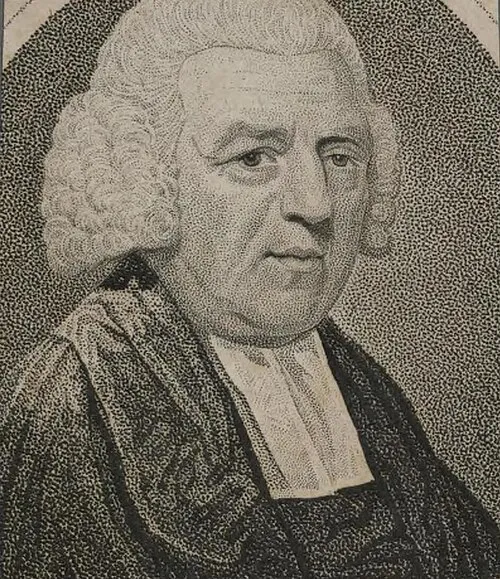
Los estados del creyente
Querido señor,
Me preguntas, en tu carta, qué ha de hacer uno cuando se halla siempre quieto, callado y embotado, salvo en el púlpito; cuando allí se le hace útil, pero no puede sacar de ello ni consuelo ni tristeza, o solo muy rara vez. Describes un caso que mi propia experiencia me ha hecho muy familiar: tomaré, pues, la ocasión para ofrecerte unos pocos pensamientos varios sobre el tema de los estados del creyente; y te los envío no por el correo, sino desde la imprenta, porque entiendo que el ejercicio de que hablas no es peculiar tuyo ni mío, sino que es, en mayor o menor grado, la carga de todos los que son de mente espiritual y atienden debidamente a lo que pasa en sus propios corazones, estén o no en el ministerio.
Como das a entender que, en lo principal, eres favorecido con libertad y utilidad en el púlpito, permíteme preguntarte: ¿qué harías si no te hallaras a veces pobre, insuficiente y, como tú lo expresas, embotado, en otros momentos? ¿Adviertes cuáles podrían ser las consecuencias posibles, las probables, las casi seguras, si siempre hallaras ensanchado tu espíritu, y tus estados vivos y consolados? ¿No estarías en gran peligro de ser envanecido por el orgullo espiritual? ¿No serías menos sensible a tu dependencia absoluta del poder de Cristo, y a tu necesidad continua de su sangre, de su perdón y de su intercesión? ¿No te verías del todo sin recursos para hablar con propiedad y con sentimiento al caso de muchas almas piadosas, que gimen bajo aquellos efectos de una naturaleza depravada de los cuales, en ese supuesto, tú estarías exento? ¿Cómo podrías hablar como es debido del engaño del corazón, si no sintieras el engaño del tuyo; o acomodarte a las experiencias cambiantes por las que pasan tus oyentes, si tú mismo fueras siempre igual, o casi? ¿O cómo podrías hablar con pertinencia de la guerra interior, de los principios contrarios de la carne y del espíritu que luchan el uno contra el otro, si tus propios deseos espirituales fueran siempre vigorosos y victoriosos, y hallaran poca oposición o poco freno?
El apóstol Pablo, aunque favorecido con una eminencia singular en la gracia, sintió a veces que no tenía suficiencia alguna en sí mismo, ni siquiera para pensar un buen pensamiento; y vio que había peligro de que fuera exaltado sobremanera, si el Señor no hubiera templado con sabiduría y con gracia sus dispensaciones para impedirlo. Con lo de «ser exaltado sobremanera» quizá se haga referencia no solo a su espíritu, no fuera que pensara de sí más altamente de lo que debe, sino también a su predicación, no fuera que, al no tener en común con los demás las mismas causas de queja y de humillación, disparara por encima de las cabezas de sus oyentes, se limitara sobre todo a hablar de aquellos consuelos y privilegios de que él mismo gozaba, y tuviera poco que decir para refrigerio de los que estaban desalentados y abatidos por el conflicto continuo con el pecado que mora dentro. El ángel que se apareció a Cornelio no le predicó el evangelio, sino que le indicó que mandara llamar a Pedro; porque, aunque la gloria y la gracia del Salvador parecen asunto más propio de las facultades de un ángel que de las pobres lenguas tartamudas de hombres pecadores, un ángel, sin embargo, no podría predicar desde la experiencia, ni describir por sus propios sentimientos la guerra entre la gracia y el pecado. Y si pudiéramos suponer un ministro tan lleno de consuelos y tan libre de faltas como un ángel, aunque sería un hombre bueno y feliz, no concibo que fuera un predicador bueno o útil; porque no sabría cómo simpatizar con los débiles y afligidos del rebaño, ni consolarlos en sus dificultades con las consolaciones con que él mismo, en circunstancias semejantes, había sido consolado por Dios. Pertenece a tu llamamiento de Dios como ministro el que gustes las diversas pruebas espirituales que sobrevienen al pueblo del Señor, para que así poseas lengua de sabios y sepas hablar en sazón palabra a los cansados; y asimismo es necesario para mantenerte perpetuamente atento a aquella advertencia importante: «sin mí nada podéis hacer».
Hasta aquí, considerándote como ministro. Pero podemos extender el asunto de modo que se aplique a los creyentes en general. Observaría, pues, que es señal de una triste decadencia si alguien que ha gustado que el Señor es benigno es capaz de quedar plenamente satisfecho con cualquier cosa que no llegue a la luz de su rostro, la cual es mejor que la vida. Reposar en nociones de la verdad del evangelio, o en el recuerdo de consuelos pasados, sin una sed continua de comunicaciones frescas de la fuente de vida, es, me temo, la gangrena que carcome la hermosura y la fecundidad de muchos profesantes en el día de hoy; y que, si no prueba que están absolutamente muertos, es al menos evidencia suficiente de que están lamentablemente enfermos. Pero si somos conscientes del deseo, si lo buscamos con cuidado en el uso de todos los medios establecidos, si no nos permitimos voluntariamente nada que tenga una tendencia conocida a contristar al Espíritu de Dios y a amortiguar nuestro sentido de las cosas divinas; entonces, si al Señor le place dejarnos cortos de aquellos consuelos que nos ha enseñado a estimar y, en lugar de sensaciones vivas de gozo y de alabanza, sentimos una languidez y una muerte de espíritu, con tal que de veras lo sintamos y nos humillemos por ello, no tenemos necesidad de ceder al desaliento o a una tristeza excesiva; el fundamento de nuestra esperanza, y la base de nuestros gozos permanentes, sigue siendo el mismo; y el corazón puede estar tan realmente vivo para Dios, y la gracia tan verdaderamente en ejercicio, cuando andamos en una oscuridad relativa y vemos poca luz, como cuando el estado de nuestros espíritus es más consolado. Ni la realidad ni la medida de la gracia pueden estimarse debidamente por el grado de los consuelos que sentimos. La gran pregunta es: ¿cómo nos influye en la práctica la palabra de Dios, como fundamento de nuestra esperanza y como regla que gobierna nuestras disposiciones y nuestra conducta? El apóstol exhorta a los creyentes a gozarse en el Señor siempre. Bien sabía que estaban expuestos a pruebas y a tentaciones, y a mucha aflicción, por un corazón malo de incredulidad; y previene las objeciones que podríamos estar prontos a hacer, añadiendo: «Otra vez digo: Que os gocéis.» Como si hubiera dicho: Hablo con madura consideración; los llamo a gozarse no solo a veces, sino en todo tiempo; no solo cuando están en el monte, sino cuando están en el valle; no solo cuando vencen, sino mientras pelean; no solo cuando el Señor resplandece sobre ustedes, sino cuando parece esconder su rostro. Cuando él los capacita para hacerlo todo, no son mejores en ustedes mismos de lo que eran antes; y cuando sienten que nada pueden hacer, no son peores. Las experiencias de ustedes variarán; pero el amor de él y sus promesas son siempre inmutables. Aunque nuestros deseos de consuelo, y de lo que llamamos estados vivos, no pueden pecar de demasiado importunos mientras los regula una debida sumisión a su voluntad, pueden, sin embargo, ser desordenados por falta de tal sumisión.
Los principios pecaminosos pueden mezclarse con nuestros mejores deseos y contaminarlos, y con demasiada frecuencia lo hacen. A menudo he descubierto las dos viles abominaciones, la voluntad propia y la justicia propia, insinuándose en este asunto; como Satanás, que obra por medio de ellas, pueden a veces tomar la apariencia de un ángel de luz. He sentido en mi espíritu una impaciencia del todo impropia de mi estado de pecador y de mendigo, y de mi profesión de entregarme yo mismo, y todos mis asuntos, a la disposición del Señor. Él me ha convencido misericordiosamente de que padezco una complicación de dolencias, resumidas en la palabra pecado; se me ha revelado bondadosamente como el Médico infalible, y me ha capacitado para entregarme a él como tal, y para esperar mi curación de su sola mano. Pero ¡cuántas veces, en vez de aceptar con gratitud sus prescripciones, me he atrevido, necia y presuntuosamente, a prescribirle yo a él, y a señalarle cómo querría que me tratara! ¡Cuántas veces he pensado que algo era necesario, cuando él veía mejor negarlo, y que me habría ido mejor sin aquellas dispensaciones que su sabiduría señaló para que obraran mi bien! Él es Dios, y no hombre; de otro modo, hace mucho que se habría cansado de mí y me habría dejado a mi propio manejo. ¡Qué inconsecuencia! Reconocer que estoy ciego, suplicarle que me guíe y, sin embargo, querer escoger mi propio camino, en el mismo aliento. He limitado al Santo de Israel, y no he considerado que él magnifica su sabiduría y su gracia obrando por contrarios, y sacando bien de un mal aparente. Me ha costado algo llegar a confesar que él es más sabio que yo; pero confío en que, por su bendición, no he padecido del todo en vano. Los consuelos que he sentido no han sido grandes; las pruebas que he tenido de los males de mi naturaleza pecaminosa, de mi incapacidad y de mi aversión al bien, no han sido ni pocas ni pequeñas; pero por estos medios poco prometedores, espero, él ha hecho preciosas para mi alma su gracia y su salvación, y en alguna medida me ha destetado de apoyarme en mi propio entendimiento.
Otra vez, la justicia propia ha tenido una parte considerable en dictar muchos de mis deseos de un aumento de consuelo y de fuerza espiritual. He querido algún caudal propio. Me he cansado de estar tan perpetuamente en deuda con él, y de verme obligado a acudir a él siempre en el mismo tono, como un pobre y miserable pecador. Me habría gustado hacer algo por mí mismo en lo ordinario, y depender de él sobre todo en las ocasiones extraordinarias. He hallado, en verdad, que nada podía hacer sin su ayuda, ni nada, aun con ella, salvo aquello de lo que tengo razón para avergonzarme. Si esto tan solo me hubiera humillado, y me hubiera llevado a gozarme en su omnisuficiencia, habría estado bien. Pero a menudo ha tenido un efecto distinto: hacerme hosco, airado y descontento, como si no fuera lo mejor y lo más deseable que él tuviera toda la gloria de su propia obra, y que yo no tuviera nada de qué jactarme, sino de que en el Señor tengo justicia y fuerza. Ahora aprendo a gloriarme solo en mis flaquezas, para que el poder de Cristo repose sobre mí; a contentarme con no ser nada, para que él sea el todo en todos. Pero hallo que esta es una lección difícil; y cuando parece que he hecho algún aprovechamiento, un leve giro de mi espíritu me echa atrás, y tengo que empezarlo todo de nuevo.
Esta es una conexión inseparable entre causas y efectos. No puede haber efecto sin causa, ni causa activa sin un efecto proporcionado. Ahora bien, el pecado que mora dentro es una causa activa; y, por tanto, mientras permanece en nuestra naturaleza, producirá efectos conforme a su fuerza. ¿Por qué, pues, habría de sorprenderme de que, si el Señor suspende su influencia por un momento, en ese momento el pecado se descubra? ¿Por qué habría de extrañarme de no sentir ningún ejercicio vivo de la gracia, ningún poder para elevar mi corazón a Dios más allá de donde a él le place obrar poderosamente en mí, más de lo que me extrañaría de no hallar fuego en el fondo de un pozo, o de que no sea de día cuando el sol se retira de la tierra? Humillado debo estar, al hallar que estoy tan totalmente depravado; pero no desalentado, ya que Jesús me ha sido puesto por Dios como sabiduría, justicia, santificación y redención; y ya que hallo que, en medio de toda esta oscuridad y esta muerte, él mantiene vivo el principio de gracia que ha implantado en mi corazón.
En cuanto a la expresión del señor Rutherford que mencionas, que «no hay tentación como estar sin tentación», la concedo en un sentido limitado; esto es, que de las dos es mejor sufrir los dardos de fuego de Satanás que ser adormecido y arrastrado a una seguridad descuidada por sus ardides más sutiles, aunque menos perceptibles, de modo que se llegue a la indiferencia hacia los medios de gracia, y a hundirse en un espíritu mundano, o, como la iglesia de Laodicea, a imaginarnos: «Yo soy rico, y estoy enriquecido, y no tengo necesidad de ninguna cosa». Pero estoy persuadido de que este no es tu caso; la muerte de que te quejas, y que es una carga bajo la cual gimes, es cosa muy distinta. Y te aconsejo que seas cauto en cómo das cabida al deseo de ser ejercitado con las tentaciones de Satanás, como si supusieras que contribuirían a hacerte más espiritual, o que, por sí mismas, te abrirían un camino a mayores consolaciones. Si tienes tal deseo, puedo decirte, con palabras de nuestro Señor: «No sabéis lo que pedís.» Aquel que conoce nuestra debilidad, y el poder de nuestro adversario, nos ha indicado bondadosamente que oremos para no entrar en tentación. ¿Has considerado lo que el enemigo puede hacer, si se le permite entrar como una inundación? En una hora podría levantar tal tormenta que te dejaría sin saber a qué recurrir. Podría traer sobre tu mente una nube tan oscura que borrara todo recuerdo de tus consuelos pasados, o al menos te impidiera sacar de ellos el menor sostén. No solo podría combatir contra tu paz, sino sacudir los fundamentos mismos de tu esperanza, y llevarte a cuestionar no solo tu parte en las promesas, sino aun a dudar de las verdades más importantes y fundamentales sobre las cuales se han edificado tus esperanzas. Agradece, pues, si el Señor refrena la malicia del enemigo. Un marinero joven suele impacientarse con una calma breve; pero el marinero experimentado, que muchas veces ha sido zarandeado por las tempestades y ha estado a punto de perecer, rara vez deseará una tormenta. En una palabra, esperemos pacientemente en el Señor, y contentémonos con seguir por donde él guía, y ciertamente nos hará bien.
Quedo, etc.
Ver el original (inglés)
Original en inglés
On a Believer’s Frames.
Dear Sir,
You ask me, in your letter, What one should do when he finds himself always still, quiet, and stupid, except in the pulpit; when he is made useful there, but cannot get either comfort or sorrow out of it, or but very rarely? You describe a case which my own experience has made very familiar to me: I shall therefore take the occasion to offer you a few miscellaneous thoughts upon the subject of a believer’s frames; and I send them to you, not by post, but from the press; because I apprehend the exercise you speak of is not peculiar to you or to me, but is, in a greater or less degree, the burden of all who are spiritually minded, and duly attentive to what passes in their own hearts, whether they are in the ministry or not.
As you intimate that you are, in the main, favoured with liberty and usefulness in the pulpit, give me leave to ask you, What you would do, if you did not find yourself occasionally poor, insufficient, and, as you express it, stupid, at other times? Are you aware of what might be the possible, the probable, the almost certain consequences, if you always found your spirit enlarged, and your frames lively and comfortable? Would you not be in great danger of being pulled up with spiritual pride? Would you not be less sensible of your absolute dependence upon the power of Christ, and of your continual need of his blood, pardon, and intercession? Would you not be quite at a loss to speak suitably and feelingly to the case of many gracious souls, who are groaning under those effects of a depraved nature, from which, upon that supposition, you would be exempted? How could you speak properly upon the deceitfulness of the heart, if you did not feel the deceitfulness of your own, or adapt yourself to the changing experiences through which your hearers pass, if you yourself were always alike or nearly so? Or how could you speak pertinently of the inward warfare, the contrary principles of flesh and spirit fighting one against another, if your own spiritual desires were always vigorous and successful, and met with little opposition or control?
The apostle Paul, though favoured with a singular eminency in grace, felt at times that he had no sufficiency in himself, even so much as to think a good thought; and he saw there was a danger of his being exalted above measure, if the Lord had not wisely and graciously tempered his dispensations to prevent it. By “being exalted above measure,” perhaps, there may be a reference, not only to his spirit, lest he should think more highly of himself than he ought, but likewise to his preaching, lest, not having the same causes of complaint and humiliation in common with others, he should shoot over the heads of his hearers, confine himself chiefly to speak of such comforts and privileges as he himself enjoyed, and have little to say for the refreshment of those who were discouraged and cast down by continual conflict with indwelling sin. The angel who appeared to Cornelius, did not preach the gospel to him, but directed him to send for Peter; for, though the glory and grace of the Saviour seems a fitter subject for an angel’s powers, than for the poor, stammering tongues of sinful men, yet, an angel could not preach experimentally, nor describe the warfare between grace and sin from his own feelings. And if we could suppose a minister as full of comforts, and as free from failings as an angel, though he would be a good and happy man, I cannot conceive that he would be a good or useful preacher; for he would not know how to sympathize with the weak and afflicted of the flock, or to comfort them under their difficulties with the consolations wherewith he himself, in similar circumstances, had been comforted of God. It belongs to your calling of God as a minister, that you should have a taste of the various spiritual trials which are incident to the Lord’s people, that thereby you may possess the tongue of the learned, and know how to speak a word in season to them that are weary; and it is likewise needful to keep you perpetually attentive to that important admonition, “Without me ye can do nothing.”
Thus much, considering you as a minister. But we may extend the subject so as to make it applicable to believers in general. I would observe, therefore, that it is a sign of a sad declension, if one, who has tasted that the Lord is gracious, should be capable of being fully satisfied with anything short of the light of his countenance, which is better than life. A resting in notions of gospel-truth, or in the recollection of past comforts, without a continual thirst for fresh communications from the fountain of life, is, I am afraid, the canker which eats away the beauty and fruitfulness of many professors in the present day; and, which, if it does not prove them to be absolutely dead, is, at least, a sufficient evidence that they are lamentably sick. But, if we are conscious of the desire, if we seek it carefully in the use of all appointed means, if we willingly allow ourselves in nothing which has a known tendency to grieve the Spirit of God, and to damp our sense of divine things; then, if the Lord is pleased to keep us short of those comforts which he has taught us to prize, and, instead of lively sensations of joy and praise, we feel a languor and deadness of spirit, provided we do indeed feel it, and are humbled for it, we have no need to give way to despondency or excessive sorrow; still the foundation of our hope, and the ground of our abiding joys, is the same; and the heart may be as really alive to God, and grace as truly in exercise, when we walk in comparable darkness and see little light, as when the frame of our spirits is more comfortable. Neither the reality nor the measure of grace can be properly estimated by the degree of our sensible comforts. The great question is, How are we practically influenced by the word of God as the ground of our hope, and as the governing rule of our tempers and conversation? The apostle exhorts believers to rejoice in the Lord always. He well knew that they were exposed to trials and temptations, and to much trouble, from an evil heart of unbelief; and he prevents the objections we might be ready to make, by adding, “And again, I say, Rejoice!” As if he had said, I speak upon mature consideration; I call upon you to rejoice, not at sometimes only, but at all times; not only when upon the mount, but when in the valley; not only when you conquer, but while you are fighting; not only when the Lord shines upon you, but when he seems to hide his face. When he enables you to do all things, you are no better in yourselves than you were before; and when you feel you can do nothing, you are no worse. Your experiences will vary; but his love and promises are always unchangeable. Though our desires of comfort, and what we call lively frames, cannot be too importunate, while they are regulated by a due submission to his will, yet they may be inordinate for want of such submission.
Sinful principles may, and too often do, mix with and defile our best desires. I have often detected the two vile abominations self-will and self-righteousness, insinuating themselves into this concern; like Satan, who works by them, they can occasionally assume the appearance of an angel of light. I have felt an impatience in my spirit, utterly unsuitable to my state as a sinner and a beggar, and to my profession of yielding myself and all my concerns to the Lord’s disposal. He has mercifully convinced me that I labour under a complication of disorders, summed up in the word sin; he has graciously revealed himself to me as the infallible Physician, and has enabled me to commit myself to him, as such, and to expect my cure from his hand alone. Yet how often, instead of thankfully accepting his prescriptions, have I foolishly and presumptuously ventured to prescribe to him, and to point out how I would have him deal with me? How often have I thought something was necessary, which he saw best to deny, and that I could have done better without those dispensations which his wisdom appointed to work for my good? He is God, and not man, or else he would have been weary of me, and left me to my own management long ago. How inconsistent! to acknowledge that I am blind, to entreat him to lead me, and yet to want to choose my own way, in the same breath. I have limited the Holy One of Israel, and not considered, that he magnifies his wisdom and grace in working by contraries, and bringing good out of seeming evil. It has cost me something to bring myself to confess that he is wiser than I; but I trust, through his blessing, I have not suffered wholly in vain. My sensible comforts have not been great; the proofs I have had of the evils of my sinful nature, my incapacity and aversion to good, have neither been few nor small; but by these unpromising means, I hope, he has made his grace and salvation precious to my soul, and in some measure, weaned me from leaning to my own understanding.
Again, self-righteousness has had a considerable hand in dictating many of my desires for an increase of comfort and spiritual strength. I have wanted some stock of my own. I have been wearied of being so perpetually beholden to him, and necessitated to come to him always in the same strain, as a poor, miserable sinner. I could have liked to have done something for myself in common, and to have depended upon him chiefly upon extraordinary occasions. I have found, indeed, that I could do nothing without his assistance, nor anything, even with it, but what I have reason to be ashamed of. If this had only humbled me, and led me to rejoice in his all-sufficiency, it would have been well. But it has often had a different effect, to make me sullen, angry, and discontented; as if it was not best and most desirable, that he should have all the glory of his own work, and I should have nothing to boast of, but that in the Lord I have righteousness and strength. I am now learning to glory only in my infirmities, that the power of Christ may rest upon me; to be content to be nothing, that he may be all in all. But I find this a hard lesson; and when I seem to have made some proficiency, a slight turn in my spirit throws me back, and I have to begin all again.
This is an inseparable connection between causes and effects. There can be no effect without a cause, no active cause without a proportionable effect. Now indwelling sin is an active cause; and, therefore, while it remains in our nature, it will produce effects according to its strength. Why then should I be surprised, that if the Lord suspends his influence for a moment, in that moment sin will discover itself? Why should I wonder that I can feel no lively exercise of grace, no power to raise my heart to God any farther than he is pleased to work in me mightily,—any more than wonder that I do not find fire in the bottom of a well, or that it should not be day when the sun is withdrawn from the earth? Humbled I ought to be, to find I am so totally depraved; but not discouraged, since Jesus is appointed to me of God, wisdom, righteousness, sanctification, and redemption; and since I find that, in the midst of all this darkness and deadness, he keeps alive the principle of grace which he has implanted in my heart.
As to Mr. Rutherford’s expression which you mention, that “there is no temptation like being without temptation;” I allow it in a qualified sense, that is, it is the better of the two, to suffer from Satan’s fiery darts, than to be lulled asleep, and drawn into a careless security, by his more subtle, though less perceptible devices; so as to grow indifferent to the means of grace, and sink into a worldly spirit, or, like the church of Laodicea, to imagine ourselves rich, and increased in goods, and that we have need of nothing. But I am persuaded this is not your case; the deadness you complain of, and which is a burden you groan under, is a very different thing. And I advise you to be cautious how you indulge a desire to be exercised with Satan’s temptations, as supposing they would be conducive to make you more spiritual, or would, of course, open you a way to greater consolations. If you have such a desire, I may say to you, in our Lord’s words, “You know not what you ask.” He who knows our weakness, and the power of our adversary, has graciously directed us to pray, that we enter not into temptation. Have you considered what the enemy can do, if he is permitted to come in like a flood? In one hour he could raise such a storm, as would put you to your wit’s end. He could bring such a dark cloud over your mind, as would blot out all remembrance of your past comforts, or at least prevent you from deriving the least support from them. He could not only fight against your peace, but shake the very foundations of your hope, and bring you to question, not only your interest in the promises, but even to doubt of the most important and fundamental truths upon which your hopes have been built. Be thankful, therefore, if the Lord restrains his malice. A young sailor is often impatient of a short calm; but the experienced mariner, who has been often tossed with tempests, and upon the point of perishing, will seldom wish for a storm. In a word, let us patiently wait upon the Lord, and be content to follow as he leads, and he will surely do us good.
I am, &c.
https://sermonesbiblicos.org/biblioteca/los-estados-del-creyente/