Sermones Bíblicos
El uso de la doctrina
Thomas Boston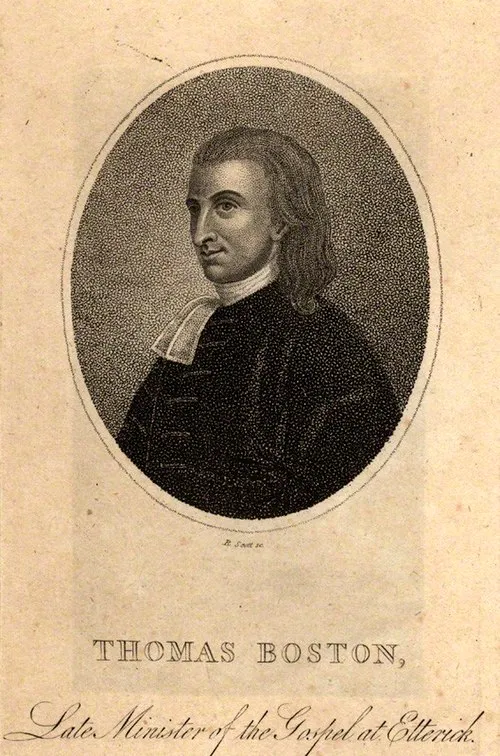
Ahora bien, el uso de esta doctrina es triple. (1.) Para reprensión. (2.) Para consolación. Y (3.) Para exhortación.
Uso 1. Para reprensión. Y sale al paso a tres clases de personas como reprensibles.
Primero, los carnales y terrenos, que no miran con temor y reverencia la torcedura en su suerte como de la hechura de Dios. Hay ciertamente una firma de la mano divina sobre ella, que han de percibir los que observan con rectitud; y eso reclama una consideración reverente, cuyo descuido presagia destrucción, Salmo 28:5. «Porque no atendieron á las obras de Jehová, ni al hecho de sus manos, derribarálos, y no los edificará». Y en esto son profundamente culpables los que, fijándose en las causas segundas, y no mirando más allá de los infelices instrumentos de la torcedura en su suerte, pasan por alto la causa primera, como el perro gruñe a la piedra, pero no mira a la mano que la arroja. Esto es, en efecto, hacer un dios de la criatura; mirarla así, como si por sí misma pudiera efectuar cosa alguna, mientras que, entretanto, no es sino un instrumento en la mano de Dios, «vara de su furor». Isaías 10:5. «para juicio lo pusiste» y «lo fundaste para castigar». Habacuc 1:12. ¡Oh! ¿por qué han de detener los hombres su mirada en los instrumentos de la torcedura en su suerte, y así engrandecer sus azotes? Lo cierto es que ellos, por lo común, son más bien de compadecer, por tener un oficio indeseable, el cual, por gratificar ellos sus propias afecciones corruptas al hacer la torcedura en la suerte de otros, revierte a la postre sobre su propia cabeza con furia, como sucedió con «las sangres de Jezreel sobre la casa de Jehú». Oseas 1:4. Y es especialmente indeseable ser empleado así en el caso de los que pertenecen a Dios; porque rara vez el fundamento de la querella es el mismo de parte del instrumento que de parte de Dios, sino muy diferente; sea testigo el haber maldecido Semei a David como hombre sanguinario, entendiendo la sangre de la casa de Saúl, de la cual él no era culpable, mientras que Dios lo entendía de la sangre de Urías, lo cual él no podía negar. 2 Samuel 16:7, 8. Además, la querella será, a la postre, compuesta entre Dios y su pueblo; y entonces los que los azotan hallarán que no tuvieron sino un oficio ingrato, Zacarías 1:15. «yo estaba enojado un poco, y ellos ayudaron para el mal», dice Dios, resentido de que los gentiles torcieran la suerte de su pueblo. De igual manera son culpables los que imputan la torcedura en su suerte a la fortuna, o a su mala suerte, la cual, a decir verdad, no es sino una criatura de la imaginación, fraguada como velo para impedir que el hombre reconozca la mano de Dios. Así, lo que los filisteos dudaron, ellos lo determinan con más impiedad, diciendo, en efecto: «su mano no nos hirió, nos ha sido accidente». 1 Samuel 6:9. Y, finalmente, también son culpables aquellos que, por el camino de entregarse al regocijo carnal y a la sensualidad, se proponen despreciar la torcedura en su suerte, tenerla en nada y olvidarla. No dudo que quien encomienda su caso al Señor, y mira a él en busca de remedio en primer lugar, puede lícitamente recurrir al uso moderado de los consuelos de la vida, como ayuda en segundo lugar. Pero en cuanto a ese camino tan frecuente y usual en este caso entre los hombres carnales, si la torcedura de la suerte es realmente, como en verdad lo es, de la hechura de Dios, forzosamente ha de ser un camino de lo más indecente e impropio, para ser aborrecido de todos los hombres buenos, Proverbios 3:11. «No deseches, hijo mío, el castigo de Jehová». Es por cierto un método de cura muy desesperado, que no puede menos de venir a parar en algo peor que la enfermedad, por más que la palie por un tiempo, Isaías 22:12-14. «el Señor Jehová de los ejércitos llamó en este día á llanto y á endechas, Y he aquí gozo y alegría, comer carne y beber vino: Esto fué revelado á mis oídos de parte de Jehová de los ejércitos: Que este pecado no os será perdonado hasta que muráis».
Segundo, los insumisos, cuyos corazones, como el mar alborotado, se hinchan y hierven, se irritan y murmuran, y no pueden estar en reposo bajo la torcedura en su suerte. Este es un camino en extremo pecaminoso y peligroso. El apóstol Judas, al caracterizar a algunos, «á las cuales es reservada eternalmente la oscuridad de las tinieblas», versículo 13, dice de ellos, versículo 16: «Estos son murmuradores, querellosos», a saber, quejándose todavía de su suerte, que es el sentido de la palabra allí usada por el Espíritu Santo. Porque, siendo la torcedura en su suerte, a la cual sus espíritus no domados de ningún modo pueden someterse, de la hechura de Dios, esta práctica suya forzosamente ha de ser un pelear contra Dios; y estas quejas y murmuraciones suyas son en verdad contra él, cualquiera que sea la cara que les pongan. Así, cuando los israelitas murmuran contra Moisés, Números 14:2, Dios los acusa de murmurar contra sí mismo: «¿Hasta cuándo oiré esta depravada multitud que murmura contra mí?», versículo 27. ¡Ah! ¿no se le ha de permitir al que nos hizo y nos formó sin consejo nuestro hacer también nuestra suerte, sin pedir nuestro parecer, sino que hemos de levantarnos contra él a causa de la torcedura hecha en ella? ¿Qué dice esto, sino que la criatura soberbia no puede soportar la obra de Dios, ni llevar lo que él ha hecho? ¡Y cuán negro y peligroso es ese temple de espíritu! ¿Cómo es posible no acabar hechos pedazos en tal camino? «El es sabio de corazón, y poderoso en fortaleza: ¿quién se endureció contra él, y quedó en paz?» Job 9:4.
Tercero, los descuidados e infructuosos, que no se aplican, como es su deber, a conformarse al designio de la torcedura en la suerte. Dios y la naturaleza nada hacen en vano. Puesto que él hace la torcedura, hay, sin duda, un designio conveniente en ella, al cual estamos obligados, por deber, a conformarnos, conforme a aquello de Miqueas 6:9: «Oid la vara». Y, en verdad, si uno no cierra sus propios ojos, sino que quiere entender, puede percibir fácilmente que el designio general de ella es destetarlo de este mundo, y moverlo a buscar y tomar en Dios el descanso de su corazón. Y, consideradas debidamente la naturaleza y las circunstancias de la torcedura misma, no será muy difícil hacer un descubrimiento más particular del designio de ella. Pero, ¡ay!, el pecador descuidado, hundido en pereza espiritual y estupidez, no se preocupa por descubrir el designio de la Providencia en la torcedura; así no puede conformarse a él, sino que permanece infructuoso; y todas las penas tomadas con él por el gran Labrador, en la dispensación, se pierden. Claman a causa del «poderío de los grandes»; gimiendo bajo la presión de la torcedura misma y el peso de la mano del instrumento de ella: «Y ninguno dice: ¿Dónde está Dios mi Hacedor?»; no miran, no se vuelven a Dios a pesar de todo eso, Job 35:9, 10.
Uso 2. Para consolación. Habla consuelo a los hijos afligidos de Dios. Cualquiera que sea la torcedura en la suerte de ustedes, es de la hechura de Dios, y por tanto pueden mirarla con benignidad. Puesto que es el Padre de ustedes quien la ha hecho para ustedes, no duden que hay en ella un designio favorable hacia ustedes. Un hijo discreto acoge la vara de su padre, sabiendo que, siendo padre, busca con ella el bien del hijo; ¿y no han de acoger los hijos de Dios la torcedura en su suerte, como designada por su Padre, que no puede errar en sus medidas, para obrar para bien de ellos, conforme a la promesa? Lo cierto es que la torcedura en la suerte de un creyente, por dolorosa que resulte, es parte de la disciplina del pacto, la crianza asegurada a los hijos de Cristo por la promesa del Padre, Salmo 89:30, 32. «Si dejaren sus hijos mi ley, y no anduvieren en mis juicios; entonces visitaré con vara su rebelión». Además, todos los que están dispuestos a recurrir a Dios bajo la torcedura en su suerte pueden tomar consuelo en esto: sepan que no hay torcedura en su suerte que no pueda ser hecha
recta; porque Dios la hizo, y ciertamente, entonces, él puede enmendarla. Él mismo puede enderezar lo que ha hecho torcido, aunque ningún otro puede. Nada hay demasiado difícil para que él lo haga: «El levanta del polvo al pobre, y al menesteroso alza del estiércol, para hacerlos sentar con los príncipes. El hace habitar en familia á la estéril, gozosa en ser madre de hijos». Salmo 113:7-9. No digan que la torcedura de ustedes ha sido de tan larga duración, que nunca se enmendará. Pónganla en la mano de Dios, que la hizo, para que él la enmiende, y esperen en él; y si es para el bien de ustedes que haya de ser enmendada, será enmendada; porque «no quitará el bien á los que en integridad andan». Salmo 84:11.
Uso último, para exhortación. Puesto que la torcedura en la suerte es de la hechura de Dios, entonces, fijando la vista en la mano de Dios en la de ustedes, reconcíliense con ella, y sométanse bajo ella, cualquiera que sea; digo, fijando la vista en la mano de Dios en ella, porque de otro modo la sumisión de ustedes bajo la torcedura en su suerte no puede ser una sumisión cristiana, aceptable a Dios, al no tener referencia a él como la parte de ustedes en el asunto.
Objeción I. Pero algunos dirán: «La torcedura en mi suerte viene de la mano de la criatura; y de una persona tal, además, de la cual yo no merecía semejante trato».
Respuesta. Por lo que ya se ha dicho, aparece que, aunque la torcedura en tu suerte sea ciertamente de modo inmediato de la mano de la criatura, es, con todo, de modo mediato de la mano de Dios; pues no hay nada de esa clase, ningún mal penal, que el Señor no haya hecho. Por tanto, fuera de toda duda,
Dios mismo es la parte principal, sea quien fuere el menos principal. Y aunque no hayas merecido tu torcedura de la mano del instrumento de que él se vale para tu corrección, ciertamente la mereces de su mano; y él puede valerse del instrumento que quiera en el asunto, o puede hacerlo inmediatamente por sí mismo, según bien le parezca a sus ojos.
Objeción II. «Pero la torcedura en mi suerte podría pronto allanarse, si el instrumento o los instrumentos de ella quisieran; solo que no hay cómo habérselas con ellos, de modo que se les convenza de su falta al hacerla».
Respuesta. Si es así, ten por seguro que aún no ha llegado el tiempo de Dios para que la torcedura sea allanada; porque, si hubiera llegado, aunque ahora estén firmes como un fuerte inexpugnable, cederían como un banco de arena bajo los pies: «el rostro inclinado á tierra te adorarán, y lamerán el polvo de tus pies». Isaías 49:23. Entretanto, ese estado del asunto, lejos de justificar que uno no fije la vista en la mano de Dios en la torcedura de la suerte, constituye una pieza de prueba en la cual su mano aparece muy eminentemente, a saber, que los hombres sean señaladamente injuriosos y gravosos para con otros, y con todo de ningún modo susceptibles de ser convencidos. Esta fue la prueba de la iglesia de parte de sus adversarios, Jeremías 50:7. «Todos los que los hallaban, los comían; y decían sus enemigos: No pecaremos, porque ellos pecaron á Jehová morada de justicia». Eran muy injuriosos, y le daban un trato bárbaro; y, con todo, no querían reconocer falta alguna en el asunto. ¿Cómo podían esquivar la convicción? ¿Eran verdaderamente inculpables al devorar las ovejas descarriadas del Señor? No, por cierto, no lo eran. ¿Se miraban a sí mismos como ministros de la justicia divina contra ella? No, no se miraban así.
Algunos, en verdad, harían aquí una pregunta: ¿Cómo podían los adversarios de la iglesia celebrar al Dios de ella como la morada de justicia? Pero, retenida la puntuación original del texto, aparece que no hay fundamento alguno para esta pregunta aquí, y juntamente todo el asunto queda puesto en clara luz. «Todos los que los hallaban, los comían; y decían sus enemigos: No pecaremos, porque ellos pecaron á Jehová morada de justicia». Estas últimas no son palabras de los adversarios, sino palabras del profeta, que muestra cómo aconteció que los adversarios devoraran las ovejas del Señor, al dar con ellas, y juntamente se mantuvieran en la defensa de ello, después de haberlo hecho, lejos de reconocer agravio alguno: el asunto estaba en esto, que las ovejas habían pecado contra el Señor, la morada de justicia; y, como justo castigo de esto de su mano, no podían tener justicia de la mano de sus adversarios.
Por tanto, dejando a un lado estos pretextos frívolos, y fijando la vista en la mano de Dios, como aquella que ha encorvado la suerte de ustedes en esa parte, y la mantiene en la comba, reconcíliense con la torcedura, y sométanse bajo ella, cualquiera que sea, diciendo de corazón: «Ciertamente enfermedad mía es esta, y debo sufrirla». Jeremías 10:19. Y para moverlos a esto, consideren,
-
Es un deber que ustedes deben a Dios, como su soberano Señor y Bienhechor. Su soberanía reclama nuestra sumisión; y en ningún caso puede ser bajeza de espíritu someterse a la torcedura que su mano ha hecho en nuestra suerte, y pasar en quietud bajo el yugo que él ha puesto; sino que es verdadera locura que los tiestos de la tierra, con su conducta turbulenta y rebelde bajo él, contiendan con su Hacedor. Y su beneficencia para con nosotros, criaturas merecedoras del mal, bien puede cerrar nuestra boca para que no nos quejemos de que él haga una torcedura en nuestra suerte, él, que ningún agravio nos habría hecho si hubiera hecho torcida la totalidad de ella: «También recibimos el bien de Dios, ¿y el mal no recibiremos?» Job 2:10.
-
Es un estatuto inalterable, por el tiempo de esta vida, que nadie carecerá de una torcedura en su suerte; porque «como las centellas se levantan para volar por el aire, así el hombre nace para la aflicción». Job 5:7. Y los que están destinados al cielo tienen asegurada, de manera especial, una torcedura en la suya, «que en el mundo tendrán aflicción», Juan 16:33; porque por medio de ella el Señor los hace aptos para el cielo. ¿Y cómo pueden imaginar ustedes que habrán de ser exentos de la suerte común de la humanidad? «¿serán traspasadas de su lugar las peñas por tu causa?» Y puesto que Dios hace las torceduras en la suerte de los hombres según la diferente exigencia de sus casos, pueden estar seguros de que la de ustedes les es necesaria.
-
Una torcedura en la suerte, a la cual uno de ningún modo puede someterse, hace una condición que es, entre todas, la más semejante a la del infierno. Porque allí un yugo, que los miserables que padecen no pueden ni llevar ni sacudir de sí, está enroscado en torno a sus cuellos; allí el brazo Todopoderoso tira contra ellos, y ellos contra él; allí están siempre padeciendo y siempre pecando; siguen en el horno, pero su escoria no se consume, ni ellos son purificados. Tal es precisamente el caso de los que ahora no pueden someterse a la torcedura en su suerte.
-
Grande es la pérdida por no someterse a ella. La torcedura en la suerte, rectamente aprovechada, ha redundado en el mejor provecho, y ha sido el mejor tiempo para algunos que jamás tuvieron en toda su vida, como el salmista testifica por su propia experiencia, Salmo 119:67. «Antes que fuera yo humillado, descarriado andaba; mas ahora guardo tu palabra». Hay muchos ahora en el cielo, que están bendiciendo a Dios por la torcedura que tuvieron en su suerte aquí. ¡Qué cosa tan triste ha de ser, pues, perder este viento en contra rumbo a la tierra de Emmanuel! Pero si la torcedura en tu suerte no te hace bien, ten por seguro que no dejará de hacerte gran daño; aumentará en gran manera tu culpa y agravará tu condenación, en tanto que te traspasará para siempre el corazón pensar en las penas tomadas, por medio de la torcedura en la suerte, para destetarte del mundo y traerte a Dios, pero todo en vano. Cuídense, pues, de cómo la manejan, «No sea que … gimas en tus postrimerías … y digas: ¡Cómo aborrecí el consejo, y mi corazón menospreció la reprensión!» Proverbios 5:10-12.
Ver el original (inglés)
Original en inglés
Now, the use of this doctrine is threefold. (1.) For reproof. (2.) For consolation. And (3.) For exhortation.
Use 1. For reproof. And it meets with three sorts of persons as reprovable.
First, The carnal and earthly, who do not with awe and reverence regard the crook in their lot as of God’s making. There is certainly a signature of the divine hand upon it to be perceived by just observers; and that challengeth an awful regard, the neglect of which forbodes destruction, Psal. xxviii. 5. ” Because they regard not the works of the Lord, nor the operation of his hands, he shall destroy them, and not build them up.” And herein they are deeply guilty, who, poring upon second causes, and looking no further than the unhappy instruments of the crook in their lot, overlook the first cause, as a dog snarls at the stone, but looks not to the hand that casts it. This is, in effect, to make a God of the creature; so regarding it, as if it could of itself effect any thing, while in the mean time, it is but an instrument in the hand of God, ” the rod of his anger.” Isa. x. 5. ” Ordained of him for judgment, established for correction.” Hab. i. 12. O! why should men terminate their view on the instruments of the crook in their lot, and so magnify their scourges? The truth is, they are, for the most part, rather to be pitied, as having an undesirable office, which for their gratifying their own corrupt affections, in making the crook in the lot of others, returns on their own head at length with a vengeance, as did “the blood of Jezreel on the house of Jehu.” Hos. i. 4„ And it is specially undesirable to be so employed in the case of such as belong to God; for rarely is the ground of the quarrel the same on the part of the instrument as on God’s part, but very different; witness Shimei’s cursing David, as a bloody man, meaning the blood of the house of Saul, which he was not guilty of, while God meant it of the blood of Uriah, which he could not deny. 2 Sam. xvi. 7, 8. Moreover, the quarrel will be, at length, taken up between God and his people; and then their scourgers will find they had but a thankless office, Zech. i. 15. “I was but a little displeased, and they helped forward the affliction,” saith God, in resentment of the heaithen crooking the lot of his people. In like manner are they guilty, who impute the crook in their lot to fortune, or their ill-luck, which in very deed is nothing but a creature of imagination, framed for a blind to keep man from acknowledging the hand of God. Thus, what the Philistines doubted, they do more impiously determine, saying, in effect, ” It is not his hand that smote us, it was a chance that happened to us.” 1 Sam. vi. 9. And, finally, those also are guilty, who, in the way of giving up themselves to carnal mirth and sensuality, set thenisr selves to despise the crook in their lot, to make nothing of it, and to forget it. I question not, but one committing his case to the Lord, and looking to him for remedy in the first place, may lawfully call in the moderate use of the comforts of life, for help in the second place. But as for that course so frequent and usu?il in this case among carnal men, if the crook o’f the lot really be, as indeed it is, of God’s making, it must needs be a most indecent unbecoming course, to be abhorred of all good men, Prov. iii, 11. “My son, despise not the chastening of the Lord.” It is surely a very desperate method of cure, which cannot miss of issuing in soipething Avorse than the disease, however it may palliate it for a while, Isa. xxii. 12 — 14. “In that day did the Lord God of hosts call to weeping and to mourning, and behold joy and gladness, eating flesh and drinking wine: and it was revealed in mine ears, by the Lord of hosts, Surely this iniquity shall not be purged from you till ye die.”
Secondly, The unsubmissive, whose hearts like the troubled sea, swell and boil, fret and murmur, and cannot be at rest under the crook in their lot. This is a most sinful and. dangerous course The apostle Jude, characterising some, ” to whom is reserved the blackness of darkness for ever,” ver. 13. saith of them, ver, 16. “These are murmurers, complainers,” namely, still complaining ot their lot, which is the import of the word there used by the Holy Ghost. For, since the crook in their lot, which their unsubdued spirits can by no means submit to, is of God’s making, this their practice must needs be a fighting against God: and these their complainings and murmurings are indeed against him, whatever face they put upon them. Tims when the Israelites murmur againsi Moses, Numb, xiv, 2. God charges them with murmuring against himself. ” How long shall 1 bear with this evil congregation, which murmured against me?” ver. 27. Ah! may not he who made and fashioned us without our adA’ice, be allowed to make our lot too, without asking our mind, but we must rise up against him on account of the crook made in it? What doth this speak, but that the proud creature cannot endure God’s work, nor bear what he hath done? And how black and dangerous is that temper of spirit! How is it possible to miss of being broken to pieces in such a course? “He is wise in heart, and mighty in strength: who hath hardened himself against him, and hath prospered?” Job. ix. 4.
Thirdly, The careless and unfruitful, Avho do not set themselves dutifully to comply with the design of the crook in the lot. God and nature do nothing in vain. Since he makes the crook, there is, doubtless a becoming design in it, which we are obliged in duty to fall in with, according to that, Micah. vi. 9. “Hear ye the rod.” And, indeed, if one shut not his own eyes, but be willing to understand, he may easily perceive the general design thereof to be, to wean him from this v»orld, and move him to seek and take up his heart’s rest in God. And nature and the circumstances of the crook itself being duly considered, it will not be very hard to make a more particular discovery ol the design thereof. But, alas! the careless sinner, sunk in spiritua’ sloth and stupidity, is in no concern to discover the design of Providence in the crook; so he cannot fall in with it, but remains unfruitful; and all the pains taken on him, by the great Husbandman, in the dispensation, are lost. *’ They cry out by reason of the arm of the mighty;” groaning under the pressure of the crook itself, and weight of the hand of the instrument thereof: “But none saith. Where is God my Maker?” they look not, they turn not unto God fo all that, Job xxxv. 9, 10.
Use 2. For consolation. It speaks comfort to the afflicted children of God. Whatever is the crook in your lot, it is of God’s making, and therefore you may look upon it kindly. Since it is your Father has made it for you, question not but there is a favourable design in it towards you. A discreet child welcomes his father’s rod, knowing that being a father he seeks his benefit thereby; and shall not God’s children welcome the crook in their lot, as designed by their Father, who cannot mistake his measures, to work for their good, according to the promise? The truth is, the crook in the lot of a believer, how painful soever it proves, is a part of the discipline of the covenant, the nurture secured to Christ’s children, by the promise of the Father, Psal. lxxxix. 30, 32. ” If his children forsake my law, and walk not in my judgments, then will I visit their transgressions with the rod.” Furthermore, all who are disposed to betake themselves to God under the crook in their lot, may take comfort in this, let them know that there is no crook in their lot but may be made
Straight; for God made it, surely then he can mend it. He himself can make straight what he hath made crooked, though none other can. There inothing loo hard for him to do: ” He raiseth up the poor out of the dust, and lifteth the needy out of the dunghill; that he may set him with princes. He maketh the barren woman to keep house, and to be a joyful mother of children.” Psal. cxiii. 7 — 9. Say not that your crook hath been of so long continuance, that it will never mend. Put it in the hand of God, who made it, that he may mend it, and wait on him: and if it be for your good, that it should be mended, it shall be mended; for ” no good thinof will he withhold from them that walk uprightly.” Psal. lxxxiv. 11.
Use last, For exhortation. Since the crook in the lot is of God’s making, then, eyeing the hand of God in yours, be reconciled to it, and submit under it whatever it is; I say, eyeing the hand of God in it, for otherwise your submission under the crook in your lot cannot be a Christian submission, acceptable to God, having no reference to him as your party in the matter.
Object. I. But some will say, ” The crook in my lot is from the hand of the creature; and such a one too as I deserved no such treatment from.”
Ans. From what hath been already said, it appears that, although the crook in thy lot be indeed immediately from the creature’s hand, yet it is mediately from the hand of God; there being nothing of that kind, no penal evil, but the Lord hath done it. Therefore, without all peradventure,
God himself is the principal party, whoever be the less principal. And albeit thou hast not deserved thy crook at the hand of the instrument which he makes use of for thy correction, thou certainly deservest it at his hand; and he may make use of what instrument he will in the matter, or may do it immediately by himself, even as seems good in his sight.
Object. II. ” But the crook in my lot might quickly be evened, if the instrument or instruments thereof pleased; only there is no dealing with them, so as to convince them of their fault in making it.”
Ans. If it is so, be sure God’s time is not as yet come, that the crook should be made even; for, if it were come, though they stand now like an impregnable fort, they would give way like a sandy bank under one’s feet: they should bow down to thee with their face towards the earth, and lick up the dust of thy feet.” Isa. xlix. 23. Meanwhile, that state of the matter is so far from justifying one’s not eyeing the hand of God in the crook in the lot, that it makes a piece of trial in which his hand very eminently appears, namely, that men should be signally injurious and burdensome to others, yet by no means susceptible of conviction. This was the trial of the church from her adversaries, Jer. 1. 7. ” All that found them have devoured them; and their adversaries said. We offendnot: because they have sinned against the Lord, the habitation of justice.” They were very abusive, and gave her barbarous usage; yet would they own no fault in the” matter. How could they ward off the conviction? Were they verily blameless in their devouring the Lord’s straying sheep? No, surely, they were not. Did they look upon themselves as ministers of the divine justice against her? No, they did not.
Some indeed would make a question here, How the adversaries of tjie church could celebrate her God as the habitation of justice? But the original pointing of the text being retained, it appears, that there is no ground at all for this question here, and withal the whole matter is set in a clear light. ” All that found them have devoured them; and their adversaries said, We offend not; because they have sinned against the Lord, the habitation of justice.” These last are not the words of the adversaries, but the words of the prophet showing how it came to pass that the adversaries devoured the Lord’s sheep, as they lighted on them, and withal stood to the defence of it, when they had done, far from acknowledging any wrong: the matter lay here, the sheep had sinned against tJie Lord, the habitation of justice; and as a just punishment hereof from his hand, they could have no justice at the hand of their adversaries.
Wherefore, laying aside these frivolous pretences, and eyeing the hand of God, as that which hath bowed your lot in that part, and keeps it in the bow, be reconciled to, and submit under the crook, whatever it is, saymg from the heart, ” Truly this is a grief, and I must bear it.” Jer X. 19. And to move you hereunto, consider,
-
It is a duty you owe to God, as your sovereign Lord and Benefactor. His sovereignty challenges our submission; and it can in no case be meanness of spirit to submit to the crook which his hand hath made in our lot, and to go quietly under the yoke that he hath laid on; but it is really madness for the potsherds of the earth, by their turbulent and refractory carriage under it, to strive with their Maker. And his beneficence to us, illdeserving creatures, may well stop our mouth from complaining of his making a crook in our lot, who would have done us no wrong had he made the whole of it crooked: ” Shall we receive good at the hand of God, and shall we not receive evil ]” Job ii. 10.
-
It is an unalterable statute, for the time of this life, that nobody shall want a crook in their lot; for ” man is born unto trouble as the sparks fly upward.” Job v. 7. And those who are designed for heaven, are in a special manner assured of a crook in theirs, ” that in the world they shall have tribulation,” John xvi. 33; for by means thereof the Lord makes them meet for heaven And how can you imagine that you shall be exempted from the common lot of mankind? ” Shall the rock be removed out of his place for thee?” And since God makes the crooks in men’s lot according to the different exigence of their cases, you may be sure that yours is necessary for you.
-
A crook in the lot, which one can by no means submit to, makes a condition of all things the likest to that in hell. For there a yoke, which the wretched sufTerers can neither bear nor shaks off, is wreathed about their necks; there the Almighty arm draws against them, and they against it; there they are ever suffering and ever sinning; still in the furnace, but their dross not consumed, nor they purified. Even such is the case of those who now cannot submit to the crook in their lot.
-
Great is the loss by not submitting to it. The crook in the lot, rightly improved, has turned to the best account, and made the best time to some that ever they had all their life long, as the Psalmist from his own experience testifies, Psal. cxix. 67. ” Before I was afflicted I went astray; but now have I kept thy word.” There are many now in heaven, who are blessing God for the crook they had in their lot here. What a sad thing must it then be to lose this teeth-wind for Immanuel’s land! But if the crook in thy lot do thee no good, be sure it will not miss of doing thee great damage; it will greatly increase thy guilt and aggravate thy condemnation, while it shall for ever cut thee to the heart, to think of the pains taken by means of the crook in the lot, to wean thee from the world, and bring thee to God, but all in vain. Take heed, therefore, how you manage it, ” Lest — thou mourn at the last — and say, How have I hated instruction, and my heart despised reproof!” Prov. v. 10 — 12.
https://sermonesbiblicos.org/biblioteca/la-torcedura-en-la-suerte-05-el-uso-de-la-doctrina/