Sermones Bíblicos
La torcedura misma
Thomas Boston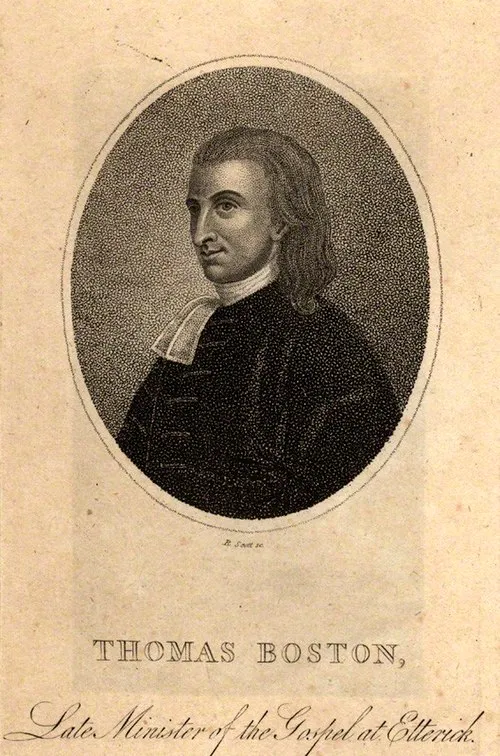
I. En cuanto a la torcedura misma, la torcedura en la suerte, para entenderla mejor se adelantan estas pocas cosas que siguen.
-
Hay cierta serie o curso de sucesos que, por la providencia de Dios, le toca a cada uno de nosotros durante nuestra vida en este mundo: y esa es nuestra suerte, por habérnosla asignado el Dios soberano, nuestro Creador y Gobernador, «en cuya mano está nuestra vida, y cuyos son todos nuestros caminos». Esta serie de sucesos difiere ampliamente de unas personas a otras, según la voluntad y el beneplácito del soberano administrador, que ordena las condiciones de los hombres en el mundo con gran variedad: unos se mueven en una esfera más alta, otros en una más baja.
-
En esa serie o curso de sucesos, algunos nos salen al través y a contrapelo; y estos hacen la torcedura en nuestra suerte. Mientras estamos aquí, habrá sucesos adversos, lo mismo que agradables, en nuestra suerte y condición. A veces las cosas van deslizándose suave y agradablemente; pero al poco hay algún incidente que altera ese curso, nos raspa y nos duele, como cuando hemos dado un mal paso y empezamos a cojear.
-
La suerte de todos en este mundo tiene alguna torcedura. Los quejosos son propensos a hacer comparaciones odiosas: miran alrededor y, tomando una vista distante de la condición de los demás, no alcanzan a discernir en ella sino lo que es recto y ajustado al deseo de uno; así pronuncian enteramente recta la suerte de su vecino. Pero ese es un veredicto falso; aquí no hay perfección; no hay suerte fuera del cielo sin una torcedura. Porque, en cuanto a «todas las obras que se hacen debajo del sol; y he aquí, todo ello es vanidad y aflicción de espíritu. Lo torcido no se puede enderezar», Eclesiastés 1:14-15. ¿Quién no habría pensado que la suerte de Amán era muy recta, mientras su familia estaba en condición floreciente, y él prosperaba en riquezas y honra, siendo primer ministro de Estado en la corte persa, y muy alto en el favor del rey? Sin embargo, había al mismo tiempo una torcedura en su suerte, que de tal modo lo escocía, que «todo esto nada le valía». Ester 5:13. Cada uno siente por sí mismo dónde le aprietan, aunque otros no lo perciban. La suerte de nadie, en este mundo, es enteramente torcida; siempre hay en ella algunas partes rectas y parejas. En verdad, cuando las pasiones de los hombres, una vez levantadas, han echado una niebla sobre su mente, están prontos a decir que todo les va mal, que nada está bien; pero, aunque en el infierno ese cuento es verdad, y lo será siempre, nunca es verdad en este mundo; porque allí, en efecto, no se concede ni una gota de consuelo, Lucas 16:24-25, pero aquí siempre se cumple que «[Es por] la misericordia de Jehová que no somos consumidos». Lamentaciones 3:22.
-
La torcedura en la suerte entró en el mundo por el pecado: se debe a la caída, Romanos 5:12. «El pecado entró en el mundo por un hombre, y por el pecado la muerte»; bajo la cual muerte se comprende la torcedura en la suerte, así como un estado de consuelo o de prosperidad se expresa, en el estilo de la Escritura, por vivir. 1 Samuel 25:6. Juan 4:50-51. El pecado dobló de tal modo los corazones y las mentes de los hombres, que quedaron torcidos respecto de la santa ley; y Dios, con justicia, dobló de tal modo su suerte, que también quedó torcida. Y esta torcedura en nuestra suerte sigue inseparablemente a nuestra condición pecaminosa, hasta que, dejando este cuerpo de pecado y de muerte, entremos dentro de las puertas del cielo.
Presupuestas estas cosas, una torcedura en la suerte expresa, en general, dos cosas: (1.) adversidad, (2.) continuación. Por consiguiente, hace un día de adversidad, opuesto al día de prosperidad, en el versículo que sigue inmediatamente al texto.
Es, primero, una u otra pieza de adversidad. La parte próspera de la suerte de uno, que sigue adelante conforme al deseo de uno, es la parte recta y pareja de ella; la parte adversa, que va en sentido contrario, es su parte torcida. Dios ha entremezclado estas dos en la condición de los hombres en este mundo; de modo que, así como hay en ella alguna prosperidad, que hace la línea recta, así también hay alguna adversidad, que hace la torcida: mezcla que tiene lugar no solo en la suerte de los santos, a quienes se les dice que «en el mundo tendrán aflicción», sino aun en la suerte de todos, como ya se observó. Segundo, es adversidad de alguna duración. No tenemos por cosa torcida aquella que, aunque a la fuerza se la doble y se la encorve, al punto recobra su rectitud anterior. Hay punzadas de la vara de la adversidad que, pasando como una puntada en el costado, enseguida lo dejan todo otra vez en su lugar: la suerte de uno puede nublarse de repente, y la nube desvanecerse antes de que se dé cuenta. Pero bajo la torcedura, teniendo uno tiempo para sentir su dolor, está en algún cuidado por lograr que la torcedura se enderece. Así, la torcedura en la suerte es adversidad continuada por un tiempo más corto o más largo.
Ahora bien, hay tres clases de torcedura en la suerte, que les sobreviene a los hijos de los hombres.
-
Una hecha por una dispensación adversa que, por pasajera que sea en sí misma, tiene sin embargo efectos duraderos. Tal torcedura hizo la crueldad de Herodes en la suerte de las madres de Belén, a quienes los asesinos dejaron «llorando por sus hijos asesinados, y no querían ser consoladas, porque ya no existían». Mateo 2:18. Pronto puede darse un resbalón del pie, que hará que un hombre ande cojeando mucho tiempo después. «Como los peces que son presos en la mala red, así son enlazados los hijos de los hombres en el tiempo malo.» Eclesiastés 9:12. La cosa puede ocurrir en un momento, y bajo ella la persona andará cojeando hasta el sepulcro.
-
Hay una torcedura hecha por una serie de dispensaciones adversas, ya de la misma clase o de clases distintas, que se siguen de cerca una a otra y dejan tras sí efectos duraderos. Así en el caso de Job: mientras un mensajero de malas nuevas aún estaba hablando, vino otro. Job 1:16-18. Sucesos adversos que vienen uno sobre el cuello del otro, un abismo que llama a otro abismo, hacen una torcedura penosa. En ese caso, la persona es semejante a quien, recobrando el pie que se le desliza de un terreno poco firme, lo asienta en otro igualmente poco firme, que al punto cede también bajo él; o semejante a quien, viajando por un sendero montañoso desconocido, después de haber abierto con dificultad su camino sobre una montaña, espera ver la tierra llana; pero, en lugar de eso, aparece una y otra vez una nueva montaña que pasar. Esta torcedura en la suerte de Asaf estuvo a punto de hacerle abandonar toda su religión, hasta que entró en el santuario, donde se le descifró este misterio de la providencia. Salmo 73:13-17. Salomón observa: «Hay justos á quienes sucede como [si hicieran] obras de impíos». Eclesiastés 8:14. La providencia emprende una carrera contra ellos, como si hubieran de ser arrollados del todo y para siempre. Quienesquiera que sean aquellos a quienes la vida, en ninguna parte de ella, les depara experiencia de esto, lo cierto es que José no dejó de tenerla en su mocedad, ni Jacob en su mediana edad, ni Pedro en su vejez, ni nuestro Salvador en todos sus días.
-
Hay una torcedura hecha por una sola dispensación adversa, con efectos duraderos de ella, que viene en lugar de otra ya quitada. Así, enderezada una torcedura, se hace otra en su lugar: y así todavía hay una torcedura. La falta de hijos había sido por largo tiempo la torcedura en la suerte de Raquel. Génesis 30:1. Eso al fin se le enderezó conforme a su deseo; pero entonces recibió otra en su lugar: el duro trabajo del parto para dar a luz. Génesis 35:16. Este mundo es un desierto, en el cual podemos, sí, ver cambiado nuestro puesto; pero el traslado será de un puesto del desierto a otro. Cuando una parte de la suerte se endereza, pronto alguna otra parte de ella se torcerá.
Más en particular, la torcedura en la suerte tiene en sí cuatro cosas de la naturaleza de lo que es torcido.
(1.) Disconformidad. Una cosa torcida es díscola; y, aplicada a una regla, no le corresponde, sino que se desvía de ella. No hay, en la suerte de nadie, tal cosa como una torcedura respecto de la voluntad y los propósitos de Dios. Tómese la dispensación más áspera y lúgubre en la suerte de uno, y aplíquese al decreto eterno, hecho en lo profundo de la sabiduría infinita, antes de que el mundo comenzara, y le corresponderá exactamente, sin la menor desviación, «siendo hechas todas las cosas según el consejo de su voluntad». Efesios 1:11. Aplíquese a la voluntad providencial de Dios, en el gobierno del mundo, y hay una armonía perfecta. Si Pablo ha de ser atado en Jerusalén, y «le entregarán en manos de los Gentiles», es «la voluntad del Señor» que así sea. Hechos 21:11, 14. Por lo cual, la mayor torcedura de la suerte en la tierra es recta en el cielo: allí no hay en ella disconformidad alguna. Pero en la suerte de toda persona hay una torcedura respecto de su mente y de su inclinación natural. La dispensación adversa se atraviesa a esa regla, y de ningún modo le corresponderá, ni armonizará con ella. Cuando la Divina Providencia pone la una junto a la otra, hay una disconformidad manifiesta: la voluntad del hombre va por un camino, y la dispensación por otro; la voluntad se dobla hacia arriba, y los sucesos adversos empujan hacia abajo: así son contrarios. Y allí, y solo allí, está la torcedura. Es esta disconformidad la que hace de la torcedura en la suerte materia apta de prueba y de ejercicio para nosotros, en este nuestro estado de probación; en el cual, si quieres aprobarte delante de Dios, andando por fe, no por vista, has de aquietarte en la voluntad y el propósito de Dios, y no insistir en que sea según tu mente. Job 34:33.
(2.) Falta de hermosura. Las cosas torcidas son desagradables a la vista; y ninguna torcedura en la suerte parece ser de gozo, sino penosa, dando una apariencia falta de hermosura. Hebreos 12:11. Por tanto, los hombres necesitan guardarse de dar lugar a sus pensamientos para que se detengan en la torcedura de su suerte, y de tenerla demasiado a la vista. David muestra una experiencia dañosa suya en ese género, Salmo 39:3. «Encendióse fuego en mi meditación.» Jacob hizo la parte más sabia: llamó a su hijo menor Benjamín, el hijo de la mano derecha, a quien la madre moribunda había puesto por nombre Benoni, el hijo de mi tristeza; proveyendo por este medio a que la torcedura en su suerte no se le pusiera de nuevo a la vista en cada ocasión de mencionar el nombre de su hijo. En verdad, un cristiano puede sin peligro tomar una vista firme y detenida de la torcedura de su suerte a la luz de la santa palabra, que la representa como la disciplina del pacto. Así la fe descubrirá en ella una hermosura oculta, bajo una apariencia exterior muy falta de hermosura; percibiendo su conveniencia con la infinita bondad, el amor y la sabiduría de Dios, y con los intereses reales y de más valor de la persona; por cuyo medio uno llega a tomar placer, y ello un placer de lo más refinado, en las angustias. 2 Corintios 12:10. Pero, sea lo que sea la torcedura en la suerte para el ojo de la fe, no es en absoluto agradable al ojo del sentido.
(3.) Ineptitud para el movimiento. Salomón observa la causa del andar incómodo y desgarbado del cojo, Proverbios 26:7. «Alzar las piernas del cojo.» [N. del T.: el texto inglés que cita el autor dice: «Las piernas del cojo no son iguales».] Esta incomodidad hallan quienes se ejercitan acerca de la torcedura en su suerte: un espíritu alto y una suerte baja y adversa causan gran dificultad en el andar cristiano. Nada hay que dé a la tentación un acceso más fácil que la torcedura en la suerte; nada más apto para ocasionar pasos fuera de camino. Por tanto, dice el apóstol, Hebreos 12:13: «Haced derechos pasos á vuestros pies, porque lo que es cojo no salga fuera de camino.» Quienes penan bajo ella han de ser entonces compadecidos, y no censurados con rigor; aunque son pocas las personas que aprenden esta lección, hasta que las enseña su propia experiencia. Hace ya mucho que Job hizo una observación en este caso, que se cumple hasta el día de hoy. Job 12:5. «Aquel cuyos pies van á resbalar, [es como] una lámpara despreciada de aquel que está á sus anchuras.» (4.) «Propensión a prender y enredar, como anzuelos, anzuelos de pescador.» Amós 4:2. La torcedura en la suerte hace impresión con tanta facilidad, para alborotar y reconcomer el espíritu de uno, irritando la corrupción, que Satanás no deja de hacer de ella un uso diligente para estos propósitos peligrosos; y, una vez ganado ese punto por el tentador, el tentado, antes de darse cuenta, se halla enredado como en un matorral, del cual no sabe cómo desenredarse. En esa tentación a menudo resulta como un palo torcido que revuelve un estanque quieto, el cual no solo levanta el lodo por todas partes, sino que saca del fondo alguna cosa muy fea. Así sacó un dejo de blasfemia y de ateísmo en el caso de Asaf, Salmo 73:13. «Verdaderamente en vano he limpiado mi corazón, y lavado mis manos en inocencia»: como si hubiera dicho: No hay nada en absoluto en la religión; es cosa vana y vacía, que de nada aprovecha; fui un necio al haber tenido cuidado de la pureza y de la santidad, ya del corazón o de la vida. ¡Ah!, ¿es este el piadoso Asaf? ¡Cómo se ha vuelto tan enteramente distinto de sí mismo! Pero la torcedura en la suerte es un asa, por la cual el tentador hace descubrimientos sorprendentes de la corrupción latente aun en los mejores.
Esta es la naturaleza de la torcedura en la suerte; observemos ahora en qué parte de la suerte cae. Sobre este punto pueden establecerse tres conclusiones.
1.º Puede caer en cualquier parte de la suerte; no hay ninguna exenta en este caso: porque, hallándose el pecado en cada parte, la torcedura puede tener lugar en cualquiera. Siendo todos nosotros «como suciedad», podemos todos «caer como la hoja». Isaías 64:6. La corriente principal del pecado, a la cual la torcedura sigue con facilidad, corre por cauces muy distintos, en el caso de distintas personas. Y respecto de las diversas disposiciones de la mente de los hombres, aquello que a uno le resultará un peso que lo hunde, otro lo llevaría muy a la ligera.
2.º Puede caer de una vez en muchas partes de la suerte, llamando el Señor, como en día de solemnidad, los terrores de uno en derredor. Lamentaciones 2:22. A veces Dios hace una torcedura notable en la suerte de un hombre; pero su nombre puede ser Gad, pues no es sino el precursor de una tropa que viene. Entonces las torceduras se multiplican, de modo que la persona es hecha a cojear de cada lado. Mientras una corriente, soltada desde una parte, corre llena contra él, otra se le suelta desde otra parte, hasta que al fin las aguas irrumpen por todas partes.
3.º A menudo cae en la parte tierna; quiero decir, aquella parte de la suerte en que uno es menos capaz de soportarla, o al menos piensa que lo es. Salmo 55:12-13. «No me afrentó un enemigo, lo cual habría soportado. Mas tú, hombre, al parecer íntimo mío, mi guía, y mi familiar.» Si hay alguna parte de la suerte en la cual, más que en todas las otras, uno está dispuesto a anidar, allí se pondrá fácilmente la espina, especialmente si pertenece a Dios; en aquello en que es menos capaz de ser tocado, con seguridad será apretado. Allí se le tomará la prueba; porque allí está la gran rivalidad con Cristo. «Yo quitaré de ellos el deseo de sus ojos, y el cuidado de sus almas», Ezequiel 24:25. Puesto que la torcedura en la suerte es la prueba especial señalada para cada uno, es del todo razonable, y digno de la sabiduría de Dios, que caiga sobre aquello que de todas las cosas más le rivaliza.
Pero, más en particular, puede observarse que la torcedura cae en estas cuatro partes de la suerte.
Primero, en la parte natural, que afecta a las personas consideradas según la hechura que les fue asignada por el gran Dios que formó todas las cosas. Los padres del género humano, Adán y Eva, fueron formados del todo sanos y enteros, sin la menor mancha, ya en el alma o en el cuerpo; pero en la formación de su posteridad a menudo aparece una variación notable respecto del original. Defectos corporales, superfluidades, deformidades, flaquezas, naturales o accidentales, hicieron la torcedura en la suerte de algunos: tienen algo de feo o de penoso en sí. Torceduras de esta clase, más o menos notables, son muy comunes y ordinarias; los mejores no están exentos de ellas; y se debe puramente al beneplácito soberano que no sean más numerosas. Los ojos tiernos hicieron la torcedura en la suerte de Lea, Génesis 29:17. La hermosura de Raquel fue contrapesada con la esterilidad, la torcedura en su suerte, Génesis 30:1. Pablo, el gran apóstol de los gentiles, no era, según parece, hombre de buena presencia, sino de una apariencia exterior pobre, por la cual los necios eran propensos a despreciarlo, 2 Corintios 10:10. Timoteo era de complexión débil y enfermiza, 1 Timoteo 5:23. Y hay una torcedura aún mucho más considerable en la suerte de los cojos, los ciegos, los sordos y los mudos. Algunos son, en cierto grado, débiles de entendimiento; y es la torcedura en la suerte de varias almas lúcidas el verse cubiertas de nubes, notablemente empañadas y oscurecidas, por los cuerpos achacosos en que están alojadas; un caso eminente de lo cual tenemos en el grave, sabio y paciente Job, «Denegrido ando, y no por el sol: levantádome he en la congregación, y clamado.» Job 30:28. Segundo. Puede caer en la parte de la honra. Hay una honra debida a todos los hombres, a los pequeños tanto como a los grandes, 1 Pedro 2:17, y ello sobre el fundamento de la constitución original de la naturaleza humana, tal como fue formada a la imagen de Dios. Pero, en la disposición soberana de la santa Providencia, la torcedura en la suerte de algunos cae aquí; son desatendidos y menospreciados; su crédito se mantiene siempre bajo: atraviesan el mundo bajo una nube, puestos en un mal nombre, hundida su reputación. Esto a veces es la consecuencia natural de su propia conducta necia y pecaminosa; como en el caso de Dina, quien, por andar de un lado a otro para satisfacer su curiosidad juvenil, sin hacer caso de un llamado providencial, y por tanto sin esperarlo, trajo una mancha duradera sobre su honra, Génesis 34. Pero donde el Señor se propone una torcedura de esta clase en la suerte de uno, la inocencia no podrá desviarla en un mundo de mala índole; ni el verdadero mérito podrá hacerle frente, para hacer que la suerte de uno se mantenga recta en esa parte. Así representa David su caso, Salmo 31:11-13. «Los que me veían fuera, huían de mí. He sido olvidado de [su] corazón como un muerto: he venido á ser como un vaso perdido. Porque he oído afrenta de muchos.»
Tercero. Puede caer en la parte de la vocación. Cualquiera que sea el llamamiento o el puesto de un hombre en el mundo, sea sagrado o civil, la torcedura en su suerte puede tomar su lugar en él. Isaías fue un profeta eminente, pero de lo más sin éxito, Isaías 53:1. Jeremías halló tal serie de desalientos y de malos tratos en el ejercicio de su función sagrada, que estuvo muy cerca de abandonarla, diciendo: «No me acordaré más de él, ni hablaré más en su nombre.» Jeremías 20:9. El salmista observa que esta torcedura a menudo se hace en la suerte de algunos hombres muy industriosos en su negocio civil, que siembran en los campos, y a veces Dios «los bendice, y no disminuye sus bestias»; pero luego «son menoscabados y abatidos á causa de tiranía, de males y congojas». Salmo 107:37-39. Tal torcedura se hizo en la suerte de Job después de haberse mantenido recta por largo tiempo. Algunos manejan sus empleos con todo cuidado y diligencia; el labrador, labrando con esmero su tierra; el pastor de ovejas, que «considera atentamente el aspecto de sus ovejas» y «pone su corazón á sus rebaños»; el artesano, temprano y tarde en su negocio; el mercader, aplicando con diligencia el suyo, vigilando y saliendo al paso de las oportunidades más favorables y prometedoras; pero hay tal torcedura en esa parte de su suerte, que todo cuanto son capaces de hacer de ningún modo puede enderezarla. ¿Por qué? Los medios más apropiados, usados para alcanzar un fin, son insignificantes sin una palabra de ordenación divina que mande su éxito. «¿Quién [será] aquel que diga, que vino [algo] que el Señor no mandó?» Lamentaciones 3:37.
La gente aplica su negocio con destreza e industria, pero el viento se les vuelve de cara. La providencia atraviesa sus empresas, desconcierta sus medidas, frustra sus esperanzas y expectativas, vuelve infructuosos sus esfuerzos, y así los pone y los mantiene todavía en circunstancias estrechas. Así «ni es de los ligeros la carrera, ni la guerra de los fuertes, ni aun de los sabios el pan». Eclesiastés 9:11. Al interponerse la providencia, tuerce las medidas que la prudencia y la industria humanas habían puesto rectas hacia los fines respectivos; así los ligeros pierden la carrera, y los fuertes la batalla, y los sabios no alcanzan el pan; mientras, entretanto, uno u otro incidente providencial, supliendo el defecto de la sabiduría, la conducta y la capacidad humanas, hace que los lentos ganen la carrera y se lleven el premio; los débiles ganan la batalla y se enriquecen con el despojo; y el pan cae en el regazo del necio.
Por último, puede caer en la parte de las relaciones. Las relaciones son las coyunturas de la sociedad; y allí puede tener lugar la torcedura en la suerte, sintiéndose a menudo el dolor más agudo de uno en estas coyunturas. Son por naturaleza los manantiales del consuelo del hombre; sin embargo, a menudo se le vuelven la mayor amargura. A veces esta torcedura es ocasionada por la pérdida de las relaciones. Así se hizo una torcedura en la suerte de Jacob, por medio de la muerte de Raquel, su esposa amada, y de la pérdida de José, su hijo y su predilecto, lo cual estuvo a punto de hacerle andar cojeando hasta el sepulcro. Job lamenta esta torcedura en su suerte, Job 16:7. «Has tú asolado toda mi compañía»; queriendo decir sus queridos hijos, a cada uno de los cuales había puesto en el sepulcro, sin que le quedara ni un hijo ni una hija. Además, a veces se hace por la mano afligente de Dios que pesa sobre ellos; la cual, en virtud de su relación, retrocede sobre la persona, como lo expresa con sentimiento aquella mujer creyente, Mateo 15:22. «Señor, ten misericordia de mí; mi hija es malamente atormentada.» Efraín sintió el dolor de las aflicciones de la familia, «puso por nombre Bería; por cuanto había estado en aflicción en su casa». 1 Crónicas 7:23. Puesto que todo es no solo vanidad, sino aflicción de espíritu, difícilmente puede faltar que, cuantos más de estos manantiales de consuelo se le abren a un hombre, haya de hallar, en un tiempo u otro, que no tiene sino más fuentes de dolores que brotan y saltan sobre él; el dolor siempre proporcionado al consuelo hallado en ellas, o esperado de ellas. Y, por último, la torcedura se hace a veces aquí porque resultan incómodas por la disconformidad de su temple y de su disposición. Hubo una torcedura en la suerte de Job, por medio de una esposa que falta a su deber, y de mala índole, Job 19:17. En la de Abigail, por medio de un marido hosco y de mal genio, 1 Samuel 25:25. En la de Elí, por la perversidad y la obstinación de sus hijos, 1 Samuel 2:25. En la de Jonatán, por el temperamento furioso de su padre, 1 Samuel 20:30-33. Así los hombres hallan muchas veces su mayor cruz donde esperaban su mayor consuelo. El pecado ha desquiciado toda la creación, y ha hecho a toda relación susceptible de la torcedura. En la familia se hallan amos duros e injustos, siervos díscolos e infieles; en una vecindad, hombres egoístas e intratables; en la iglesia, ministros que no edifican, y ofensivos en su andar, y pueblo desdeñoso y desordenado, carga para el espíritu de los ministros; en el estado, magistrados opresores y que desfavorecen lo que es bueno, y súbditos turbulentos y sediciosos; todos estos causan torceduras en la suerte de quienes se relacionan con ellos. Y hasta aquí, de la torcedura misma.
Ver el original (inglés)
Original en inglés
I. As to the crook itself, the crook in the lot, for the better understanding thereof, these few things that follow are premised.
-
There is a certain train or course of events, by the providence of God, falling to every one of us during our life in this world: and that is our lot, as being allotted to us by the sovereign God, our Creator and Governor, ” in whose hand our breath is, and whose are all our ways.” This train of events is widely different to different persons, according to the will and pleasure of the sovereign manager, who ordereth men’s conditions in the world in a great variety, some moving in a higher some in a lower sphere.
-
In that train or course of events, some fall out cross to us, and against the grain; and these make the crook in our lot. While we are here, there will be cross events, as well as agreeable ones, in our lot and condition. Sometimes things are softly and agreeably gliding on; but, by and by, there is some incident which alters that course, grates us, and pains us, as when we have made a wrong step, we begin to halt.
3 Every body’s lot in this world hath some crook in it, Complainers are apt to make odious comparisons: they look about, and taking a distant view of the condition of others, can discern nothing in it but what is straight, and just to one’s wish; so they pronounce their neighbour’s lot wholly straight. But that is a false verdict; there is no perfection here; no lot out of heaven without a crook. For, as to ” all the works that are done under the sun, behold all is vanity and vexation of spirit. That which is crooked cannot be made straight,” Eccl. i, 14, 15. Who would not have thought that Haman’s lot was very straight, while his family was in a flourishing condition, and he prospering in riches and honour, being prime minister of state in the Persian court, and standing high in the king’s favour? Yet there was, at the same time, a crook in his lot, which so galled him, that ” all this availed him nothing.” Esth. V. 13. Every one feels for himself, where he is pinched, though others perceive it not. Nobody’s lot, in this world, is wholly crooked; there are always some straight and even parts in it. Indeed, when men’s passions, having got up, have cast a mist over their minds, they are ready to say, all is wrong with them, nothing right; but, though in hell that tale is true, and ever will be so, yet it is never true in this world; for there, indeed, there is not a drop of comfort allowed, Luke xvi, 24, 25, but here it always holds good, that ” it is of the Lord’s mercies we are not consumed.” Lam. iii. 22.
- The crook in the lot came into the world by sin: it is owing to the fall, Rom. v. 12. ” By one man sin entered into the world, and death by sin;” under which death, the crook in the lot is comprehended, as a state of comfort or prosperity is, in scripture style, expressed by living. 1 Sam. xxv 6. John iv. 50, 51 Sin so bowed the hearts and minds of men, that they became crooked in respect of the holy law; and God justly so bowed their lot, that it became crooked too. And this crook in our lot inseparably follows our sinful condition, till, dropping this body of sin and death, we get within heaven’s gates.
These being premised, a crook in the lot speaks, in general, two things, (1.) Adversity, (2) Continuance. Accordingly it makes a day of adversity, opposed to the day of prosperity, in the verse immediately following the text.
is, first, some one or other piece of adversity. The prosperous part of one’s lot, which goes forward according to one’s wish, is the straight and even part of it; the adverse part, going a contrary way, is the crooked part thereof. God hath intermixed these two in men’s condition in this world; that, as there is some prosperity therein, making the straight line, so there is also some adversity, making the crooked: which mixture hath place, not only in the lot of saints, who are told, that ” in the world they shall have tribulation,” but even in the lot of all, as already observed. Secondly, it is adversity of some continuance. We do not reckon it a crooked thing, which, though forcibly bended and bowed together, yet presently recovers its former straightness. There are twinges of the rod of adversity, which passing like a stitch in one’s side, all is immediately set to rights again: one’s lot may be suddenly overclouded, and the cloud vanish ere he is aware. But under the crook, one having leisure to find his smart, is in some concern to get the crook made even. So the crook in the lot is adversity, continued for a shorter or longer time.
Now, there is a threefold crook in the lot incident to the children of men.
-
One made by a cross dispensation, which, howsoever in itself passing, yet hath lasting effects. Such a crook did Herod’s cruelty make in the lot of the mothers in Bethlehem, who by the murderers were left ” weeping for their slain children, and would not be comforted, because they were not.” Matth. ii. 18. A slip of the foot may soon be made, which will make a man go halting long after. ” As the fishes are taken in an evil net; so are the sons of men ensnared in an evil time.” Eccl. ix. 12. The thing may fall out in a moment, under which the party shall go halting to the grave.
-
There is a crook made by a train of cross dispensations, whether of the same or different kinds, following hard one upon another, and leaving lasting effects behind them. Thus in the case of Job, while one messenger of evil tidings was yet speaking, another came. Job i. 16 — 18. Cross events coming one upon the neck of another, deep calling unto deep, make a sore crook. In that case, the party is like unto one, who, recovering his sliding foot from one unfirm piece of ground, sets it on another equally unfirm, which immediately gives way under him too: or, like unto one, who, travelling in an unknown mountainous track, after having, with difficulty, made his way over one mountain, is expecting to see the plain country; but, instead thereof, there comes in view, time after time, a new mountain to be passed. This crook in Asaph’s lot had like to have made him give up all his religion, until he went into the sanctuary, where this mystery of providence was unriddled to him. Psal. lxxiii. 13 — 17. Solomon observes, ” That there be just men, unto whom it happeneth according to the work of the wicked.” Eccl. viii. 14. Providence taking a run against thom, as if they were to be run down for good and all. Whoever they be, whose life in no part thereof affoixls them experience of this, sure Joseph missed not of it in his young days, nor Jacob in his middle days, nor Peter in his old days, nor our Saviour all his days.
-
There is a crook made by one cross dispensation, with lasting effects thereof coming in the romn of another removed. Thus one crook straightened there is another made in its place: and so there is still a crook. Want of children had long been the crook in Rachel’s lot. Gen. xxx. 1. That was at length made even to her mind; but then she got another in its stead, hard labour in travailing to bring forth. Chap. xxxv. 16. This world is a wilderness, in which we may indeed get our station changed; but the remove will be out of one wilderness station to another. When one part of the lot is made even, soon some other part thereof will be crooked.
More particularly, the crook in the lot hath in it four things of the nature of that which is crooked.
(1.) Disagreeableness. A crooked thing is wayward; and, being laid to a rule, answers it not, b’.it declines from it. There is not, in any body’s lot, any such thing as a crook, in respect of the will and purposes of God. Take the most harsh and dismal dispensation in one’s lot, and lay it to the eternal decree, made in the depth of infinite wisdom, before the world began, and it will answer it exactly, without the least deviation, ” all things being wrought after the counsel of his will.” Eph. i. 11. Lay it to the providential will of God, in the government of the world, and there is a perfect harmony. — If Paul is to be bound at Jerusalem, and *’ delivered into the hands of the Gentiles,” it is ” the will of the Lord it should be so.” Acts xxi. 11, 14. Wherefore, the greatest crook of the lot on earth, is straight in heaven: there is no disagreeableness in it there. But in every person’s lot, there is a crook in respect of their mind and natural inclination. The adverse dispensation lies cross to that rule, and will by no means answer it, nor harmonize with it. When Divine Providence lays one to the other, there is a manifest disagreeableness: the man’s will goes one way, and the dispensation another way: the will bends upwards, and cross events press down: so they are contraryAnd there, and only there, lies the crook. It is this disagreeableness which makes the crook in the lot fit matter of trial and exercise to us, in this our state of probation: in which, if thou wouldst approve thyself to God, walking by faith, not by sight, thou must quiet thyseh” in the will and purpose of God, and not insist that it should be according to thy mmd. Job xxxiv 33.
(2.) Unsightliness. Crooked things are unpleasant to the eye: and no crook in the lot seemeth to be joyous, but grievous, making an unsightly appearance. Heb. xii. 11. Therefore men need to beware of giving way to their thoughts, to dwell on the crook in their lot, and of keeping it too much in view. David shows a hurtful experience of his, in that kind, Psal. xxxix. 3. ” While I was musing the fire burned.” Jacob acted a wiser part, called his youngest son Benjamin, the son of the righthand, whom the dying mother had named Benoni the son of my sorrow; by this means providing, that the crook in his lot should not be set afresh in his view, on every occasion of mentioning the nam© of “his son. Indeed, a (Christian may safely take a steady and leisurely view of the crook of his lot in the light of the holy word, which represents it as the discipline of the covenant. So faith will discover a hidden sightliness in it, under a very unsightly outward appearance; perceiving the suitableness thereof to the infinite goodness, love, and wisdom of God, and to the real and most valuable interests of the party: by which means one comes to take pleasure, and that a most refined pleasure, in distresses. 2 Cor. xii. 10. But whatever the crook in the lot be to the eye of faith, it is not at all pleasant to the eye of sense.
(3.) Unfitness for motion. Solomon observes the cause of the uneasy and ungraceful walking of the lame, Prov. xxvi. 7. ” The legs of the lame are not equal.” This uneasiness they find, who are exercised about the crook in their lot: a high spirit and a low adverse lot, makes great difficulty in the Christian walk. There is nothing that gives temptation more easy access, than the crook in the lot; nothing more apt to occasion out-of-the-way steps. Therefore, saith the apostle, Heb. xii. 13. ” Make straight paths for your feet, lest that which is lame be turned out the way.” They who are labouring under it are to be pitied then, and not to be rigidly censured; though they are rare persons who learn this lesson, till taught by their own experience. It is long since Job made an observation in this case, which holds good unto this day. Job xii. 5. ” He that is ready to slip with his feet, is as a lamp despised in the thought of him that is at ease.” (4.) ” Aptness to catch hold and entangle, like hooks, fish-hooks.” Amos iv. 2. The crook in the lot doth so very readily make impression, to the ruffling and fretting one’s spirit, irritating corruption, that Satan fails not to make diligent use of it for these dangerous purposes; which point once gained by the tempter, the tempted, ere he is aware finds himself entangled as in a thicket, out of which he knows not how to extricate himself. In that temptation it often proves like a crooked stick, troubling a standing pool, which not only raises up the mud all over, but brings up from the bottom some very ugly thing. Thus it brought up a spice of blasphemy and atheism in Asaph’s case, Psal. lxxiii. 13. ” Verily I have cleansed my heart in vain, and washed my hands in innocence:” as if he had said, There is nothing at all in religion, it is a vain and empty thing, that profiteth nothing; I was a fool to have been in care about purity and holiness, whether of heart or life. Ah! is this the pious Asaph? How is he turned so white unlike himself! but the crook in the lot is a handle, whereby the tempter makes surprising discoveries of latent corruption even in the best.
This is the nature of the crook in the lot; let us now observe what part of the lot it falls in. Three conclusions may be established upon this head.
1st It may fall in any part of the lot; there is no exempted one in the case: for, sin being found in every part, the crook may take place in any part. Being ” all as an unclean thing, we may al] fade as a leaf.” Isa. lxiv. 6. The main stream of sin, which the crook readily follows, runs in very different channels, in the case of different persons. And in regard of the various dispositions of the minds of men, that will prove a sinking weight unto one, which another would go very lightly under.
2dly. It may at once fall into many parts of the lot, the Lord calling, as in a solemn day, one’s terrors round about, Lam. ii. 22. Sometimes God makes one notable crook in a man’s lot; but its name may be Gad, being but the forerunner of a troop which cometh. — Then the crooks are multiplied, so that the party is made to halt on each side. While one stream, let in from one quarter, is running full against him, another is let in on him from another quarter, till in the end the waters break in on every hand.
3dly. It often falls in the tender part; I mean, that part of the lot wherein one is least able to bear it, or, at least thinks he is so. Psal. Iv. 12, 13. ” It was not an enemy that reproached me, then I could have borne it. But it was thou, a man, mine equal, my guide, and mine acquaintance.” If there is any one part of the lot, which of all others one is disposed to nestle in, the thorn will readily be laid there, especially if he belongs to God; in that thing wherein he is least of all able to be touched, he will be sure to be pressed. There the trial will be taken of him; for there is the grand competition with Christ. ” I take from them the desires of their eyes, and that where upon they set their minds,” Ezek. xxiv. 25. Since the crook in the lot is the special trial appointed foT every one, it is altogether reasonable, and becoming the wisdom of God, that it fall on that which f all things doth most rival him.
But more particularly, the crook may be observed to fall in these four parts of the lot.
First, In the natural part affecting persons considered as of the make allotted for them by the great God that formed all things. The parents of mankind, Adam, and Eve, were formed altogether sound and entire, without the least blemish, whether in soul or body; but in the formation of their posterity, there often appears a notable variation from the original. Bodily defects, superfluities, deformities, infirmities, natural or accidental, made the crook in the lot of some: they have something unsightly or grievous about them. Crooks of this kind, more or less observable, are very common and ordinary; the best are not exempted from them: and it is purely owing to sovereign pleasure they are not more numerous. Tender eyes made the crook in the lot of Leah, Gen. xxix. 17. Rachel’s beauty was balanced with barrenness, the crook in her lot, chap. xxx. 1. Paul, the great apostle of the Gentiles, was, it should seem, no per sonable man, but of a mean outward appearance, for which fools were apt to contemn him, 2 Cor. X. 10. Timothy was of a weak and sickly frame, 1 Tim. V. 23. And there is a yet far more considerable crook in the lot of the lame, the blind, the deaf, and dumb. Some are weak to a degree in their intellects; and it is the crook in the lot of several bright souls to be overcast with clouds, notably bemisted and darkened, from the crazy bodies they are lodged in; an eminent instance whereof we have in the grave, wise, and patient Job, ” going mourning without the sun; yea, standing up and crying in the congregation.” Job. xxx. 28. Secondly. It may fall in the honorary part. There is an honour due to all men, the small as well as the great. 1 Pet. ii. 17, and that upon the ground of the original constitution of human nature, as it was framed in the image of God. But, in the sovereign disposal of holy Providence, the crook in the lot of some falls here; they are neglected and slighted; their credit is still kept low: they go through the world under a cloud, being put into an ill name, their reputation sunk. This sometimes is the natural consequence of their own foolish and sinful conduct; as in the case of Dinah, who, by her gadding abroad to satisfy her youthful curiosity, regardless of, and therefore not waiting for a providential call, brought a lasting stain on her honour, Gen. xxxiv. But, where the Lord intends a crook of this kind in one’s lot, innocence will not be able to ward it off in an ill-natured world; neither will true merit be able to make head against it, to make one’s lot stand straight in that part. Thus David represents his case, Psal. xxxi. 11 — 13. “They tliat did see me without, fled from me: I am forgotten as a dead man out of mind: I am like a broken vessel. For I have heard the slander of many.”
Thirdly, It may fall in the vocational part Whatever is a man’s calling or station in the world, be it sacred or civil, the crook in their lot may take its place therein. Isaiah was an eminent prophet, but most unsuccessful, Isa. liii. 1. Jeremiah met with such a train of discouragements and ill usage in the exercise of his sacred function, that he was very near giving it up, saying, ” I will not make mention of him, nor speak any more in his name.” Jer. xx 9. The Psalmist observes this crook often to be made in the lot of some men very industrious in their civil business who sow in the fields — and at times ” God blesseth them — and sufFereth not their cattle to decrease; but again, they are minished, and brought low, through oppression, affliction, and sorrow.” Psal. cvii. 37 — 39. Such a crook was made in Job’s lot after he had long stood even. Some manage their employments with all care and diligence; the husbandman carefully labourinof his gTound; the sheepmaster ” diligent to know the state of his flocks, and looking well to his herds;” the tradesman, early and late at his business; the merchant, diligently plying his, watching and falling in with the most fair and promising opportunities; but there is such a crook in that part of their lot, as all they are able to do can by no means make even. For why? The most proper means used for compassing an end are insignificant without a word of divine appointment commanding their success. ’• Who is he that saith, and it cometh to pass, when the Lord commandeth it not 1”Lam. iii. 37.
People ply their business with skill and industry, but the wind turns in their face. Providence crosses their enterprises, disconcerts their measures, frustrates their hopes and expectations, renders their endeavours unsuccessful, and so puts and keeps them still in straitened circumstances. ” So the race is not to the swift, nor the battle to the strong, neither yet bread to the wise.” Eccl. ix. 11. Providence interposing, crooks the measures which human prudence and industry had laid straight towards the respective ends; so the swift lose the race, and the strong the battle, and the wise miss of bread; while, in the mean time, some one or the other providential incident, supplying the defect of human wisdom, conduct, and ability, the slow gain the race and carry the prize; the weak win the battle and enrich themselves with the spoil; and bread falls into the lap of the fool.
Lastly, It may fall in the relational part. Relations are the joints of society; and there the crook in the lot may take place, one’s smartest pain being often felt in these joints. They are in their nature the springs of man’s comfort; yet, they often turn the greatest bitterness to him. Sometimes this crook is occasioned by the loss of relations. Thus a crook was made in the lot of Jacob, by means of the death of Rachel, his beloved wife, and the loss of Joseph, his son and darling, which had like to have made him go halting to the grave Job laments this crook in his lot, Job xvi. 7. ” Thou hast made desolate all my company;” meaning his dear children, every one of whom he had laid in the grave, not so much as one son or daughter left him. Again, sometimes it is made through the afflicting hand of God lying heavy on them; which, in virtue of their relation, recoils on the party, as is feelingly expressed by that believing woman, Matt. xv. 22. ” Have mercy on me, O Lord; my daughter is grievously vexed.” Ephraim felt the smart of family afflictions, ” when he called his son’s name Beriah, because it went evil with his house.” 1 Chron. vii. 23. Sinc-e all is not only vanity, but vexation of spirit, it can hardly miss, but the more of these springs of comfort are opened to a man, he must, at one time or other, find he has but the more sources of sorrows to gush out and spring in upon him; the sorrow always proportioned to the comfort found in them, or expected from them. And, finally, the crook is sometimes made here by their proving uncomfortable through the disagreeableness of their temper, and disposition. There was a crook in Job’s lot, by means of an undutiful, ill-natured wife, Job xix. 17. In Abigail’s, by means of a surly, ill-tempered husband, 1 Sam. xxv. 25. In Eli’s, through the perverseness and obstinacy of his children, chap. ii. 25. In Jonathan’s, through the furious temper of his father, chap. xx. 30 — 33. So do men oftentimes find their greatest cross, where they expected their greatest comfort. Sin hath unhinged the whole creation, and made every relation susceptible of the crook. In the family are found masters hard and unjust, seijvants fro« ward and unfaithful; in a neighbourhood, men selfish and uneasy; in the church, ministers unedifying, and offensive in their walk, and people contemptuous and disorderly, a burden to the spirits of ministers; in the state, magistrates oppressive, and discountenancers of that which is good, and subjects turbulent and seditious; all these cause crooks in the lot of their relatives. And thus far of the crook itself.
https://sermonesbiblicos.org/biblioteca/la-torcedura-en-la-suerte-02-la-torcedura-misma/