Sermones Bíblicos
La oración en común
John Newton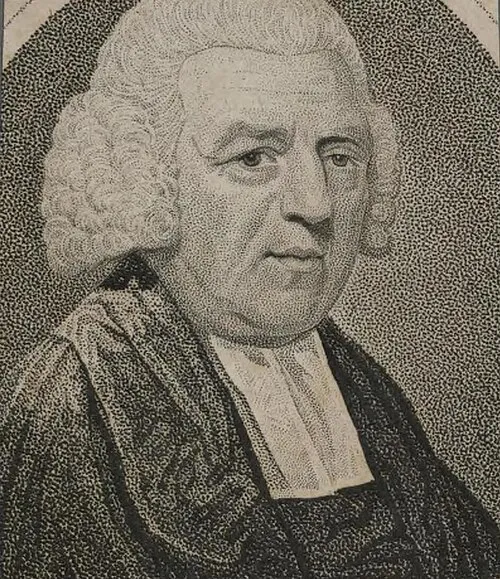
La oración en común
Señor,
Tengo por gran misericordia que, en este tiempo, cuando la iniquidad abunda de modo tan general, haya un número —espero que un número creciente— de personas cuyos ojos conmueven sus corazones, y que son movidas a unirse en oración por la difusión del conocimiento del evangelio y por una bendición sobre nuestra tierra pecadora. Las reuniones para la oración en común son frecuentes en distintas partes del reino, y entre diversas denominaciones de cristianos. Como el Señor ha prometido que, cuando él prepara el corazón para orar, inclinará con gracia su oído para oír, ¿quién puede decir que no se deje aún rogar en nuestro favor, y que no aparte los juicios pesados y justamente merecidos que parecen pender sobre nosotros?
Mucho es de desear que nuestros corazones estuvieran tan conmovidos por el sentido de las cosas divinas, y tan estrechamente ocupados cuando adoramos a Dios, que no estuviera en poder de las pequeñas circunstancias interrumpirnos y confundirnos, y hacernos pensar que el servicio es fatigoso, y tedioso el tiempo que empleamos en él. Pero, como tus flaquezas son muchas y grandes, y el enemigo de nuestras almas está vigilante para turbarnos, si no tienen cuidado quienes dirigen la oración en común, el ejercicio que el juicio aprueba puede volverse una carga y una ocasión de pecado. Las quejas de esta clase son frecuentes, y quizá se remediarían con facilidad si se hablara con amor a las personas a quienes más atañe. Pero, como ellas suelen ser las últimas en saberlo, quizá sea de provecho comunicar unas pocas observaciones sobre un asunto de interés tan general.
El defecto principal de algunas oraciones buenas es que son demasiado largas; no es que yo crea que debamos orar por el reloj, y limitarnos con precisión a cierto número de minutos; pero, de las dos cosas, es mejor que los oyentes deseen que la oración hubiera sido más larga, que pasar la mitad o una parte considerable del tiempo deseando que ya hubiera acabado. Esto se debe con frecuencia a extenderse sin necesidad sobre cada circunstancia que se presenta, así como a la repetición de las mismas cosas. Si hemos sido copiosos al suplicar las bendiciones espirituales, quizá sea lo mejor ser breves y sumarios en el artículo de la intercesión por otros; o, si el estado de nuestro espíritu, o las circunstancias de los asuntos, nos llevan a ser más amplios y particulares al exponer ante el Señor los casos de otros, ha de tenerse en cuenta esta intención en la primera parte de la oración. Hay, sin duda, ocasiones en que el Señor se complace en favorecer con una libertad especial a quienes oran; hablan porque sienten; tienen un espíritu de lucha, y apenas saben cómo cesar. Cuando es este el caso, quienes se unen a ellos rara vez se cansan, aunque la oración se prolongue algo más allá de los límites acostumbrados. Pero creo que a veces ocurre, tanto al orar como al predicar, que somos propensos a alargar nuestro tiempo hasta lo más largo precisamente cuando, en realidad, menos tenemos que decir. Las oraciones largas deben evitarse en general, sobre todo donde varias personas han de orar sucesivamente; de lo contrario, ni siquiera los oyentes espirituales podrán mantener la atención. Y aquí quisiera tan solo señalar una impropiedad con la que a veces nos encontramos: cuando una persona hace esperar que está a punto de concluir su oración, algo en lo que no había pensado en su lugar propio, y que se le ocurre en ese mismo instante, lo lleva, por así decirlo, a empezar de nuevo. Pero, a menos que sea un asunto de singular importancia, sería mejor omitirlo aquella vez.
Las oraciones de algunos hombres buenos se parecen más a predicar que a orar. Expresan más bien la mente del Señor al pueblo que los deseos del pueblo al Señor. En verdad, esto apenas puede llamarse oración. Podría, en otro lugar, valer por parte de un buen sermón; pero poco ayudará a quienes desean orar con el corazón. La oración debe ser concisa y sustanciosa, y estar hecha de suspiros al Señor, ya de confesión, de petición o de alabanza. Debe ser no solo bíblica y evangélica, sino de experiencia: una expresión sencilla y no estudiada de las necesidades y los sentimientos del alma. Así será, si el corazón está vivo y conmovido en el deber; tiene que serlo, si la edificación de otros es el punto que se tiene a la vista.
Se han escrito varios libros para ayudar en el don y el ejercicio de la oración, como los del doctor Watts y de otros; y de ellos pueden tomarse muchas indicaciones útiles; pero una atención demasiado estrecha al método y a las transiciones que allí se recomiendan da un aire de cosa estudiada y de formalidad, y atenta contra aquella sencillez tan esencialmente necesaria a una buena oración, que ningún grado de capacidades adquiridas puede compensar la falta de ella. Es posible aprender a orar de modo mecánico y por regla; pero apenas es posible hacerlo con aceptación y con provecho para otros. Cuando las diversas partes de invocación, adoración, confesión, petición, etc., se siguen unas a otras en un orden fijo, la mente del oyente por lo general se adelanta a la voz de quien habla, y podemos formar una conjetura bastante aproximada de lo que vendrá después. Por esta razón hallamos a menudo que las personas sin letras, que han tenido de los libros poca ayuda o ninguna, o más bien no han sido encadenadas por ellos, pueden orar con unción y sabor, de un modo no premeditado, mientras que las oraciones de personas de capacidades muy superiores, quizá incluso de los propios ministros, son, aunque exactas y regulares, tan secas y almidonadas, que poco ofrecen, sea de placer o de provecho, a una mente espiritual. El espíritu de oración es la verdad y la señal del espíritu de adopción. Los discursos estudiados con que algunos se acercan al trono de la gracia nos recuerdan a un extraño que llega a la puerta de un gran señor: llama y espera, hace anunciar su nombre y pasa por todo un curso de ceremonia antes de conseguir que lo admitan; mientras que un hijo de la familia no usa ceremonia alguna, sino que entra con libertad cuando quiere, porque sabe que está en su casa. Es verdad que siempre debemos acercarnos al Señor con gran humillación de espíritu y con sentido de nuestra indignidad. Pero este espíritu no siempre se expresa ni se fomenta mejor con una enumeración pomposa de los nombres y los títulos del Dios con quien tenemos que ver, ni con fijar de antemano en nuestra mente el orden exacto en que nos proponemos disponer las diversas partes de nuestra oración. Alguna atención al método puede ser conveniente, para evitar las repeticiones; y la gente sencilla puede a veces ser un poco deficiente en esto; pero este defecto no será ni la mitad de fatigoso y desagradable que una exactitud estudiada y artificial.
Muchos, quizá la mayor parte de quienes oran en público, tienen alguna palabra o expresión favorita que reaparece con demasiada frecuencia en sus oraciones, y que a menudo se usa como mera muletilla, sin conexión necesaria con el sentido de lo que están diciendo. La más desagradable de estas es cuando el nombre del Dios bendito, con el añadido de acaso uno o más epítetos, como Grande, Glorioso, Santo, Todopoderoso, etc., se introduce tan a menudo y sin necesidad, que no parece indicar la debida reverencia en quien lo usa, ni ser a propósito para despertar reverencia en quienes oyen. No diré que esto sea tomar el nombre de Dios en vano, en el sentido habitual de la frase; es, con todo, una gran impropiedad, y hay que guardarse de ella. Bien estaría que quienes usan expresiones redundantes tuvieran un amigo que les diera un aviso, pues con un poco de cuidado podrían recortarse; y apenas hay persona que pueda darse cuenta de las pequeñas peculiaridades que acaso adopta sin advertirlo, a menos que se lo digan.
Hay asimismo varias cosas, tocantes a la voz y al modo de orar, que una persona puede, con el debido cuidado, corregir en sí misma, y que, si se corrigieran de un modo general, harían las reuniones de oración más agradables de lo que a veces son. Las mencionaré por pares, pues el modo feliz y agradable es un término medio entre dos extremos inconvenientes.
Hablar muy alto es una falta, cuando el tamaño del lugar y el número de oyentes no lo hacen necesario. El fin de hablar es ser oído; y, una vez alcanzado ese fin, una mayor elevación de la voz es con frecuencia dañosa para quien habla, y más propia para confundir a un oyente que para fijarle la atención. No niego que haya que hacer concesión a la constitución y al calor de las pasiones, que disponen a algunas personas a hablar más alto que otras. Con todo, estas harán bien en contenerse cuanto puedan. Puede parecer, en verdad, que indica un gran fervor, y que el corazón está muy conmovido; sin embargo, a menudo no es más que fuego falso. Puede tenerse por hablar con poder; pero una persona favorecida con la presencia del Señor puede orar con poder en voz moderada; y puede haber muy poco poder del Espíritu, aunque la voz se oiga en la calle y en el vecindario.
El otro extremo, el de hablar demasiado bajo, no es tan frecuente; pero, si no se nos oye, lo mismo daría callar del todo. Agota los ánimos, y cansa la atención, estar escuchando largo tiempo una voz muy baja. Se perderán algunas palabras o algunas frases, lo cual hará menos inteligible y menos agradable lo que se oye. Si quien habla puede ser oído por la persona más distante de él, los demás oirán por supuesto.
También ha de atenderse al tono de la voz. Algunos tienen en la oración un tono tan sumamente distinto de su modo habitual de hablar, que sus amigos más cercanos, de no estar acostumbrados a ellos, apenas podrían reconocerlos por la voz. A veces el tono cambia, quizá más de una vez, de suerte que, si los ojos no nos dieran una información más cierta que los oídos, podríamos pensar que han hablado por turnos dos o tres personas. Es lástima que, cuando aprobamos lo que se dice, nos desconcierte con tanta facilidad una torpeza en el modo de decirlo; pero así sucede a menudo, y probablemente así será, en el presente estado débil e imperfecto de la naturaleza humana. Es más de lamentar que de extrañar que los cristianos sinceros se vean a veces forzados a confesar: «Es un buen hombre, y sus oraciones, en cuanto a su sustancia, son espirituales y juiciosas; pero hay algo tan desagradable en su modo, que siempre estoy desasosegado cuando lo oigo.»
Lo contrario de esto, y todavía más ofensivo, es la costumbre que algunos tienen de hablar con el Señor, en la oración, como se habla en la conversación. Es, sí, su voz natural, pero es aquella expresión de ella que usan en las ocasiones más familiares y triviales. La voz humana es capaz de tantas inflexiones y variaciones, que puede acomodarse a las distintas sensaciones de nuestra mente, como el gozo, la tristeza, el temor, el deseo, etc. Si un hombre rogara por su vida, o expresara al rey su agradecimiento por un perdón, el sentido común y la decencia le enseñarían un modo conveniente; y cualquiera que no entendiera su lengua podría saber, por el sonido de sus palabras, que no estaba haciendo un trato ni contando una historia. ¿Cuánto más, cuando hablamos al Rey de reyes, debería la consideración de su gloria, y de nuestra propia vileza, y de los asuntos importantes en que estamos empeñados delante de él, imprimirnos un aire de seriedad y de reverencia, e impedirnos hablarle como si fuera del todo uno como nosotros? La libertad a la que nos llama el evangelio no fomenta en absoluto un descaro y una familiaridad tales, que sería impropio usarlos con un semejante, gusano como nosotros, que estuviera un poco por encima de nosotros en dignidad mundana.
Me alegraré si estas indicaciones pueden ser de algún provecho para quienes desean adorar a Dios en espíritu y en verdad, y que desean que se evite cuanto tienda a entibiar el espíritu de devoción, ya en ellos mismos, ya en otros. Es un punto de delicadeza y de dificultad decirle a alguien lo que quisiéramos que cambiara en su modo de orar; pero no puede dar justa causa de ofensa preguntar a un amigo si ha leído una carta sobre este asunto, en la «Colección de veintiséis cartas», publicada en 1775.
Quedo, etc.,
Ver el original (inglés)
Original en inglés
Thoughts on the Exercise of Social Prayer.
Sir,
I account it a great mercy, that, at this time, when iniquity so generally abounds, there is a number, I hope a growing number, whose eyes affect their hearts, and who are stirred up to unite in prayer for the spreading of gospel-knowledge, and a blessing upon our sinful land. Meetings for social prayer are frequent in different parts of the kingdom, and amongst various denominations of Christians. As the Lord has promised, that when he prepares the heart to pray, he will graciously incline his ear to hear, who can tell but he may yet be entreated for us, and avert the heavy and justly deserved judgments which seem to hang over us?
It is much to be desired, that our hearts might be so affected with a sense of divine things, and so closely engaged when we are worshipping God, that it might not be in the power of little circumstances to interrupt and perplex us, and to make us think the service wearisome, and the time which we employ in it tedious. But as your infirmities are many and great, and the enemy of our souls is watchful to discompose us, if care is not taken by those who lead in social prayer, the exercise which is approved by the judgment, may become a burden, and an occasion of sin. Complaints of this kind are frequent, and might perhaps be easily rectified, if the persons chiefly concerned were spoken to in love. But as they are usually the last who hear of it, it may perhaps be of service to communicate a few remarks on a subject of such general concern.
The chief fault of some good prayers is, that they are too long; not that I think we should pray by the clock, and limit ourselves precisely to a certain number of minutes; but it is the better of the two, that the hearers should wish the prayer had been longer, than spend half or a considerable part of the time in wishing it was over. This is frequently owing to an unnecessary enlargement upon every circumstance that offers, as well as to the repetition of the same things. If we have been copious in pleading for spiritual blessings, it may be best to be brief and summary in the article of intercession for others; or if the frame of our spirits, or the circumstances of affairs, lead us to be more large and particular in laying the cases of others before the Lord, respect should be had to this intention in the former part of the prayer. There are, doubtless, seasons when the Lord is pleased to favour those who pray with a peculiar liberty; they speak because they feel; they have a wrestling spirit, and hardly know how to leave off. When this is the case, they who join with them are seldom wearied, though the prayer should be protracted something beyond the usual limits. But I believe it sometimes happens, both in praying, and in preaching, that we are apt to spin out our time to the greatest length, when we have, in reality, the least to say. Long prayers should in general be avoided, especially where several persons are to pray successively; or else even spiritual hearers will be unable to keep up their attention. And here I would just notice an impropriety we sometimes meet with, that when a person gives expectation that he is just going to conclude his prayer, something not thought of in its proper place occurring that instant to his mind, leads him as it were to begin again. But unless it is a matter of singular importance, it would be better omitted for that time.
The prayers of some good men are more like preaching than praying. They rather express the Lord’s mind to the people, than the desires of the people to the Lord. Indeed this can hardly be called prayer. It might, in another place, stand for a part of a good sermon; but will afford little help to those who desire to pray with their hearts. Prayer should be sententious, and made up of breathings to the Lord, either of confession, petition, or praise. It should be, not only scriptural and evangelical, but experimental, a simple and unstudied expression of the wants and feelings of the soul. It will be so if the heart is lively and affected in the duty; it must be so if the edification of others is the point in view.
Several books have been written to assist in the gift and exercise of prayer, as by Dr Watts, and others; and many useful hints may be borrowed from them; but a too close attention to the method and transitions therein recommended, gives an air of study and formality, and offends against that simplicity which is so essentially necessary to a good prayer, that no degree of acquired abilities can compensate for the want of it. It is possible to learn to pray mechanically, and by rule; but it is hardly possible to do so with acceptance, and benefit to others. When the several parts of invocation, adoration, confession, petition, &c. follow each other in a stated order, the hearer’s mind generally goes before the speaker’s voice, and we can form a tolerable conjecture what is to come next. On this account we often find, that unlettered people, who have had little or no help from books, or rather have not been fettered by them, can pray with an unction and savour in an unpremeditated way, while the prayers of persons of much superior abilities, perhaps even of ministers themselves, are, though accurate and regular, so dry and starched, that they afford little either of pleasure or profit to a spiritual mind. The spirit of prayer is the truth and token of the spirit of adoption. The studied addresses with which some approach the throne of grace, remind us of a stranger’s coming to a great man’s door; he knocks and waits, sends in his name, and goes through a course of ceremony before he gains admittance; while a child of the family uses no ceremony at all, but enters freely when he pleases, because he knows he is at home. It is true we ought always to draw near the Lord with great humiliation of spirit, and a sense of our unworthiness. But this spirit is not always best expressed or promoted by a pompous enumeration of the names and titles of the God with whom we have to do, or by fixing in our minds beforehand, the exact order in which we propose to arrange the several parts of our prayer. Some attention to method may be proper, for the prevention of repetitions; and plain people may be a little defective in it sometimes; but this defect will not be half so tiresome and disagreeable as a studied and artificial exactness.
Many, perhaps most people, who pray in public, have some favourite word or expression which recurs too often in their prayers, and is frequently used as a mere expletive, having no necessary connection with the sense of what they are speaking. The most disagreeable of these is, when the name of the blessed God, with the addition of perhaps one or more epithets, as Great, Glorious, Holy, Almighty, &c. is introduced so often, and without necessity, as seems, neither to indicate a due reverence in the person who uses it, or suited to excite reverence in those who hear. I will not say, that this is taking the name of God in vain, in the usual sense of the phrase; it is, however, a great impropriety, and should be guarded against. It would be well if they who use redundant expressions, had a friend to give them a caution, as they might, with a little care, be retrenched; and hardly any person can be sensible of the little peculiarities he may inadvertently adopt, unless he is told of it.
There are several things likewise respecting the voice and manner of prayer, which a person may, with due care, correct in himself, and which, if generally corrected, would make meetings for prayer more pleasant, than they sometimes are. These I shall mention by pairs, as the happy and agreeable way is a medium between two inconvenient extremes.
Very loud speaking is a fault, when the size of the place, and the number of hearers do not render it necessary. The end of speaking is to be heard; and, when that end is attained, a greater elevation of the voice is frequently hurtful to the speaker, and is more likely to confuse a hearer than to fix his attention. I do not deny but allowance must be made for constitution, and the warmth of the passions, which dispose some persons to speak louder than others. Yet such will do well to restrain themselves as much as they can. It may seem indeed to indicate great earnestness, and that the heart is much affected; yet it is often but false fire. It may be thought speaking with power; but a person who is favoured with the Lord’s presence may pray with power in a moderate voice; and there may be very little power of the Spirit, though the voice should be heard in the street and neighbourhood.
The other extreme, of speaking too low, is not so frequent; but if we are not heard, we might as well altogether hold our peace. It exhausts the spirits, and wearies the attention, to be listening for a length of time to a very low voice. Some words or sentences will be lost, which will render what is heard less intelligible and agreeable. If the speaker can be heard by the person farthest distant from him the rest will hear of course.
The tone of the voice is likewise to be regarded. Some have a tone in prayer, so very different from their usual way of speaking, that their nearest friends, if not accustomed to them, could hardly know them by their voice. Sometimes the tone is changed, perhaps more than once, so that if our eyes did not give us more certain information than our ears, we might think two or three persons had been speaking by turns. It is pity that when we approve what is spoken, we should be so easily disconcerted by an awkwardness of delivery; yet so it often is, and probably so it will be, in the present weak and imperfect state of human nature. It is more to be lamented than wondered at, that sincere Christians are sometimes forced to confess, “He is a good man, and his prayers, as to their substance, are spiritual and judicious; but there is something so displeasing in his manner, that I am always uneasy when I hear him.”
Contrary to this, and still more offensive, is a custom that some have of talking to the Lord in prayer. It is their natural voice, indeed, but it is that expression of it which they use upon the most familiar and trivial occasions. The human voice is capable of so many inflexions and variations, that it can adapt itself to the different sensations of our mind, as joy, sorrow, fear, desire, &c. If a man was pleading for his life, or expressing his thanks to the king for a pardon, common sense and decency would teach him a suitableness of manner; and anyone who could not understand his language, might know, by the sound of his words, that he was not making a bargain, or telling a story. How much more, when we speak to the King of kings, should the consideration of his glory, and our own vileness, and of the important concerns we are engaged in before him, impress us with an air of seriousness and reverence, and prevent us from speaking to him as if he was altogether such a one as ourselves? The liberty to which we are called by the gospel, does not at all encourage such a pertness and familiarity as would be unbecoming to use towards a fellow-worm who was a little advanced above us in worldly dignity.
I shall be glad if these hints may be of any service to those who desire to worship God in spirit and in truth, and who wish that whatever has a tendency to damp the spirit of devotion, either in themselves or in others, might be avoided. It is a point of delicacy and difficulty to tell anyone what we wish could be altered in his manner of prayer, but it can give no just offence to ask a friend, if he has read a letter on this subject, in “A Collection of Twenty-six Letters,” published in 1775.
I am, &c,
https://sermonesbiblicos.org/biblioteca/la-oracion-en-comun/