Sermones Bíblicos
La inmutabilidad de Dios
Charles H. Spurgeon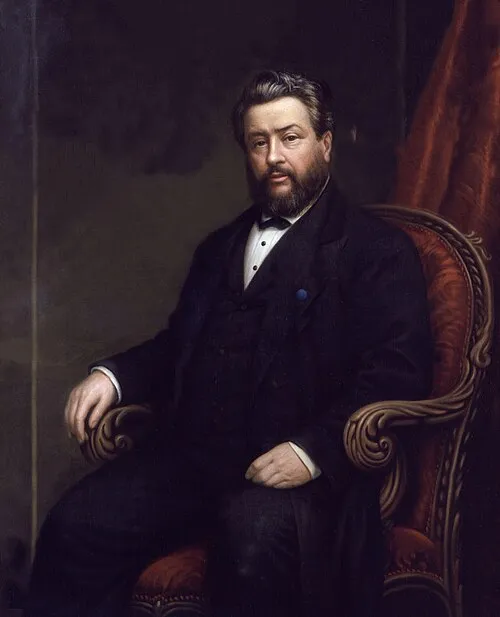
La inmutabilidad de Dios
Un sermón
(N.º 1)
Predicado el domingo por la mañana, 7 de enero de 1855, por el
REV. C. H. SPURGEON
En la capilla de New Park Street, Southwark.
«Porque yo Jehová, no me mudo; y así vosotros, hijos de Jacob, no habéis sido consumidos.»—Malaquías 3:6
Alguien ha dicho que «el estudio propio de la humanidad es el hombre». No me opondré a la idea, pero creo que es igualmente cierto que el estudio propio de los elegidos de Dios es Dios; el estudio propio de un cristiano es la Deidad. La ciencia más alta, la especulación más elevada, la filosofía más poderosa que puede ocupar jamás la atención de un hijo de Dios, es el nombre, la naturaleza, la persona, la obra, los hechos y la existencia del gran Dios a quien llama su Padre. Hay algo sumamente provechoso para la mente en la contemplación de la Divinidad. Es un asunto tan vasto que todos nuestros pensamientos se pierden en su inmensidad; tan profundo que nuestro orgullo se ahoga en su infinitud. Los demás asuntos podemos abarcarlos y forcejear con ellos; en ellos sentimos una especie de satisfacción propia, y seguimos nuestro camino con el pensamiento: «He aquí, soy sabio». Pero cuando llegamos a esta ciencia maestra, y hallamos que nuestra plomada no puede sondear su profundidad, y que nuestro ojo de águila no puede ver su altura, nos apartamos con el pensamiento de que el hombre vano querría ser sabio, pero es como el pollino de un asno montés; y con la solemne exclamación: «De ayer soy, y nada sé». Ningún asunto de contemplación tenderá más a humillar la mente que los pensamientos acerca de Dios. Nos veremos obligados a sentir—
«¡Gran Dios, cuán infinito eres! ¡Qué gusanos indignos somos!»
Pero, mientras el asunto humilla la mente, también la ensancha. Quien piensa a menudo en Dios tendrá una mente más amplia que el hombre que simplemente se afana dando vueltas por este estrecho globo. Puede ser un naturalista, que se jacta de su habilidad para disecar un escarabajo, anatomizar una mosca o clasificar insectos y animales con nombres casi impronunciables; puede ser un geólogo, capaz de disertar sobre el megaterio y el plesiosaurio, y toda clase de animales extintos; puede imaginar que su ciencia, sea la que sea, ennoblece y agranda su mente. Me atrevo a decir que sí, pero, después de todo, el estudio más excelente para ensanchar el alma es la ciencia de Cristo, y de él crucificado, y el conocimiento de la Deidad en la gloriosa Trinidad. Nada agrandará tanto el intelecto, nada magnifica tanto el alma entera del hombre, como una investigación devota, ferviente y continuada del gran asunto de la Deidad. Y, a la vez que humilla y ensancha, este asunto es eminentemente consolador. ¡Oh!, hay, al contemplar a Cristo, un bálsamo para toda herida; al meditar en el Padre, hay un sosiego para toda aflicción; y en la influencia del Espíritu Santo hay un bálsamo para toda llaga. ¿Quieres perder tus tristezas? ¿Quieres ahogar tus preocupaciones? Entonces ve, sumérgete en el mar más profundo de la Deidad; piérdete en su inmensidad; y saldrás como de un lecho de descanso, reconfortado y fortalecido. No conozco nada que pueda consolar tanto el alma; que calme tanto las olas hinchadas del dolor y la tristeza; que hable tanta paz a los vientos de la prueba, como una meditación devota sobre el asunto de la Deidad. A ese asunto los invito esta mañana. Les presentaremos una sola visión de él: esto es, la inmutabilidad del glorioso Jehová. «Yo soy», dice mi texto, «Jehová» (porque así debe traducirse): «yo Jehová, no me mudo; y así vosotros, hijos de Jacob, no habéis sido consumidos».
Esta mañana hay tres cosas. Primero, un Dios que no cambia; segundo, las personas que reciben beneficio de este glorioso atributo, «los hijos de Jacob»; y tercero, el beneficio que así reciben: «no habéis sido consumidos». Nos dirigimos a estos puntos.
I. En primer lugar, tenemos puesta delante la doctrina de LA INMUTABILIDAD DE DIOS. «Yo soy Dios, no cambio». Aquí intentaré exponer, o más bien ampliar, el pensamiento, y después aducir unos pocos argumentos para probar su verdad.
-
Ofreceré alguna exposición de mi texto, diciendo primero que Dios es Jehová, y que no cambia en su esencia. No podemos decirles qué es la Deidad. No sabemos qué sustancia es esa a la que llamamos Dios. Es una existencia, es un ser; pero qué es eso, no lo sabemos. Sin embargo, sea lo que sea, lo llamamos su esencia, y esa esencia nunca cambia. La sustancia de las cosas mortales está siempre cambiando. Las montañas, con sus coronas blancas de nieve, se despojan en verano de sus viejas diademas, en ríos que gotean por sus laderas, mientras la nube de tormenta les da otra coronación; el océano, con sus caudalosas aguas, pierde su agua cuando los rayos del sol besan las olas y las arrebatan en nieblas hacia el cielo; aun el sol mismo requiere combustible fresco de la mano del Infinito Todopoderoso, para reponer su horno siempre ardiente. Todas las criaturas cambian. El hombre, especialmente en cuanto a su cuerpo, está siempre sufriendo una renovación continua. Muy probablemente no hay una sola partícula en mi cuerpo que estuviera en él hace unos años. Esta armazón se ha desgastado por la actividad, sus átomos han sido removidos por la fricción, partículas frescas de materia se han ido acumulando entretanto de continuo en mi cuerpo, y así se ha repuesto; pero su sustancia está alterada. La fábrica de que está hecho este mundo está siempre pasando; como un caudal de agua, unas gotas se van y otras van siguiendo, y mantienen el río siempre lleno, pero cambiando siempre en sus elementos. Pero Dios es perpetuamente el mismo. No está compuesto de sustancia ni de materia alguna, sino que es espíritu —espíritu puro, esencial y etéreo—, y por tanto es inmutable. Permanece eternamente el mismo. No hay surcos en su frente eterna. Ninguna edad lo ha paralizado; ningún año lo ha marcado con las huellas de su paso fugaz; él ve pasar las edades, pero con él siempre es ahora. Él es el gran YO SOY: el Gran Inmutable. Fíjense: su esencia no sufrió cambio cuando se unió con la humanidad. Cuando Cristo, en años pasados, se ciñó de barro mortal, la esencia de su divinidad no cambió; la carne no se hizo Dios, ni Dios se hizo carne por un cambio real y efectivo de naturaleza; los dos se unieron en unión hipostática, pero la Deidad seguía siendo la misma. Era la misma cuando era un niño en el pesebre que cuando tendió las cortinas del cielo; era el mismo Dios que colgó de la cruz, y cuya sangre corrió en un río de púrpura, el mismísimo Dios que sostiene el mundo sobre sus hombros eternos y lleva en sus manos las llaves de la muerte y del infierno. Nunca ha cambiado en su esencia, ni siquiera por su encarnación; permanece perpetua y eternamente el único Dios que no cambia, el Padre de las luces, en el cual no hay mudanza, ni sombra de variación.
-
No cambia en sus atributos. Cualesquiera que fueron antaño los atributos de Dios, esos son ahora; y de cada uno de ellos podemos cantar: «Como era en el principio, ahora y siempre, por los siglos de los siglos. Amén». ¿Era poderoso? ¿Era el Dios fuerte cuando, hablando, sacó el mundo del seno de la inexistencia? ¿Era el Omnipotente cuando amontonó las montañas y excavó las hondonadas para el mar agitado? Sí, era poderoso entonces, y su brazo no está paralizado ahora; es el mismo gigante en su poder; la savia de su sustento no se ha secado, y la fuerza de su alma permanece la misma para siempre. ¿Era sabio cuando constituyó este globo poderoso, cuando puso los cimientos del universo? ¿Tenía sabiduría cuando planeó el camino de nuestra salvación, y cuando desde toda la eternidad trazó sus solemnes designios? Sí, y es sabio ahora; no es menos diestro, no tiene menos conocimiento; su ojo, que ve todas las cosas, no se ha nublado; su oído, que oye todos los clamores, suspiros, sollozos y gemidos de su pueblo, no se ha hecho pesado por los años en que ha oído sus oraciones. No ha cambiado en su sabiduría; sabe tanto ahora como siempre, ni más ni menos; tiene la misma destreza consumada y la misma previsión infinita. No ha cambiado, bendito sea su nombre, en su justicia. Justo y santo fue en el pasado; justo y santo es ahora. No ha cambiado en su verdad; ha prometido, y lo lleva a cabo; lo ha dicho, y será hecho. No varía en la bondad, la generosidad y la benevolencia de su naturaleza. No se ha vuelto un tirano Todopoderoso, siendo que antes fue un Padre Todopoderoso; antes bien, su amor fuerte permanece como una roca de granito, inconmovible ante los huracanes de nuestra iniquidad. Y bendito sea su querido nombre, no ha cambiado en su amor. Cuando escribió por primera vez el pacto, cuán lleno estaba su corazón de afecto hacia su pueblo. Sabía que su Hijo tenía que morir para ratificar los artículos de aquel acuerdo. Sabía muy bien que tenía que arrancar de sus entrañas a su amadísimo y enviarlo a la tierra para que sangrara y muriera. No vaciló en firmar aquel pacto poderoso; ni rehuyó su cumplimiento. Ama ahora tanto como amaba entonces; y cuando los soles dejen de brillar, y las lunas de mostrar su luz débil, él seguirá amando por siempre y para siempre. Tomen cualquier atributo de Dios, y escribiré sobre él semper idem (siempre el mismo). Tomen cualquier cosa que puedan decir de Dios ahora, y podrá decirse no solo en el oscuro pasado, sino que en el brillante futuro permanecerá siempre igual: «Yo soy Jehová, no me mudo».
-
Además, Dios no cambia en sus planes. Aquel hombre comenzó a edificar, pero no pudo terminar, y por eso cambió su plan, como haría todo hombre sabio en tal caso; edificó sobre un cimiento más pequeño y comenzó de nuevo. Pero ¿se ha dicho alguna vez que Dios comenzó a edificar y no pudo terminar? No. Cuando tiene a su disposición recursos sin límite, y cuando su propia diestra crearía mundos tan numerosos como las gotas del rocío de la mañana, ¿se detendrá alguna vez porque no tiene poder?, ¿y revocará, o alterará, o desbaratará su plan, porque no puede llevarlo a cabo? «Pero», dicen algunos, «quizá Dios nunca tuvo un plan». ¿Crees entonces, señor, que Dios es más necio que tú? ¿Te pones a trabajar sin un plan? «No», dices, «siempre tengo un designio». También lo tiene Dios. Todo hombre tiene su plan, y Dios también tiene un plan. Dios es una mente maestra; dispuso todo en su intelecto gigantesco mucho antes de hacerlo; y, una vez asentado, fíjense, nunca lo altera. «Esto se hará», dice él, y la mano de hierro del destino lo anota, y se cumple. «Este es mi propósito», y permanece en pie, y ni la tierra ni el infierno pueden alterarlo. «Este es mi decreto», dice él; promúlguenlo, ángeles; arránquenlo de la puerta del cielo, demonios; pero no pueden alterar el decreto; se hará. Dios no altera sus planes; ¿por qué habría de hacerlo? Es Todopoderoso, y por tanto puede realizar su beneplácito. ¿Por qué habría de hacerlo? Es el Omnisapiente, y por tanto no puede haber planeado mal. ¿Por qué habría de hacerlo? Es el Dios eterno, y por tanto no puede morir antes de que su plan se cumpla. ¿Por qué habría de cambiar? ¡Ustedes, átomos sin valor de la existencia, efímeras de un día! ¡Ustedes, insectos que se arrastran sobre esta hoja de laurel de la existencia! Ustedes pueden cambiar sus planes, pero él nunca, nunca cambiará los suyos. Entonces, ¿me ha dicho que su plan es salvarme? Si es así, estoy a salvo.
«Mi nombre, de las palmas de sus manos, la eternidad no borrará; grabado en su corazón permanece, en marcas de gracia indeleble.»
-
Y aún más: Dios no cambia en sus promesas. ¡Ah!, nos encanta hablar de las dulces promesas de Dios; pero, si alguna vez pudiéramos suponer que una de ellas pudiera cambiarse, no hablaríamos nada más acerca de ellas. Si pensara que los billetes del banco de Inglaterra no pudieran cobrarse la semana próxima, rehusaría tomarlos; y si pensara que las promesas de Dios nunca se cumplirían —si pensara que Dios viera bien alterar alguna palabra de sus promesas—, ¡adiós, Escrituras! Quiero cosas inmutables; y hallo que tengo promesas inmutables cuando acudo a la Biblia: porque, «por dos cosas inmutables, en las cuales es imposible que Dios mienta», ha firmado, confirmado y sellado cada promesa suya. El evangelio no es «sí y no»; no es prometer hoy y negar mañana; sino que el evangelio es «sí, sí», para gloria de Dios. ¡Creyente! Había una promesa deliciosa que tenías ayer; y esta mañana, cuando acudiste a la Biblia, la promesa no era dulce. ¿Sabes por qué? ¿Crees que la promesa había cambiado? ¡Ah, no! Cambiaste tú; ahí está el asunto. Habías estado comiendo algunas de las uvas de Sodoma, y con ello se te estragó el paladar, y no podías percibir la dulzura. Pero allí estaba la misma miel, tenlo por seguro, la misma preciosidad. «¡Oh!», dice un hijo de Dios, «una vez edifiqué mi casa firmemente sobre algunas promesas estables; vino un viento, y dije: Oh Señor, estoy derribado y me perderé». ¡Oh!, las promesas no fueron derribadas; los cimientos no fueron removidos; fue tu pequeña choza de «madera, heno, hojarasca» la que habías estado edificando. Eso fue lo que se cayó. Tú has sido sacudido sobre la roca, no la roca debajo de ti. Pero déjame decirte cuál es la mejor manera de vivir en el mundo. He oído que un caballero le dijo a un hombre negro: «No puedo entender cómo es que tú estás siempre tan feliz en el Señor y yo a menudo estoy abatido». «¿Por qué, amo?», dijo él, «yo me arrojo tendido sobre la promesa: allí yazgo; usted se para sobre la promesa: tiene algo que ver con ello, y cae cuando viene el viento, y entonces grita: “¡Oh!, estoy caído”; mientras que yo me tiendo enseguida sobre la promesa, y por eso no temo ninguna caída». Digamos siempre, pues: «Señor, ahí está la promesa; a ti te toca cumplirla». ¡Me echo de plano sobre la promesa! Nada de ponerme en pie. Ahí es adonde debes ir: postrado sobre la promesa; y recuerda que cada promesa es una roca, una cosa que no cambia. Por tanto, échate a sus pies, y descansa allí para siempre.
-
Pero ahora viene una nota disonante que echa a perder el tema. Para algunos de ustedes, Dios no cambia en sus amenazas. Si toda promesa permanece firme, y todo juramento del pacto se cumple, ¡escucha, pecador!: fíjate en la palabra; oye el toque de muerte de tus esperanzas carnales; mira el funeral de tus confianzas de la carne. Toda amenaza de Dios, igual que toda promesa, se cumplirá. ¡Hablan de decretos! Yo les hablaré de un decreto: «el que no creyere, será condenado». Ese es un decreto, y un estatuto que nunca puede cambiar. Sé tan bueno como quieras, sé tan moral como puedas, sé tan honesto como te plazca, anda tan rectamente como puedas: allí está la amenaza inmutable: «el que no creyere, será condenado». ¿Qué dices a eso, moralista? Oh, quisieras poder alterarlo y decir: «El que no vive una vida santa será condenado». Eso será verdad; pero no dice eso. Dice: «el que no creyere». Aquí está la piedra de tropiezo y la roca de escándalo; pero no puedes alterarla. Tienes que creer o ser condenado, dice la Biblia; y fíjate: esa amenaza de Dios es tan inmutable como Dios mismo. Y cuando hayan pasado mil años de los tormentos del infierno, mirarás hacia lo alto y verás escrito en letras ardientes de fuego: «El que no creyere, será condenado». «Pero, Señor, estoy condenado». No obstante, sigue diciendo «será». Y cuando hayan rodado un millón de edades, y estés agotado por tus dolores y agonías, alzarás los ojos y todavía leerás «SERÁ CONDENADO», sin cambio, inalterado. Y cuando hayas pensado que la eternidad tiene que haber hilado su último hilo —que toda partícula de aquello que llamamos eternidad tiene que haberse agotado—, todavía lo verás escrito allá arriba: «SERÁ CONDENADO». ¡Oh, pensamiento terrorífico! ¿Cómo me atrevo a pronunciarlo? Pero debo. Hay que advertirles, señores, «porque no vengan ustedes también a este lugar de tormento». Hay que decirles cosas ásperas; porque si el evangelio de Dios no es cosa áspera, la ley sí es cosa áspera; el monte Sinaí es cosa áspera. ¡Ay del atalaya que no advierte al impío! Dios no cambia en sus amenazas. Cuídate, oh pecador, porque «Horrenda cosa es caer en las manos del Dios vivo».
-
Debemos apenas insinuar un pensamiento antes de seguir adelante, y es este: Dios no cambia en los objetos de su amor; no solo en su amor, sino en los objetos de él.
«Si alguna vez llegara a suceder que una oveja de Cristo se apartara, mi alma, inconstante y débil, ¡ay!, caería mil veces al día.»
Si un solo santo amado de Dios hubiera perecido, también podrían perecer todos; si uno de los del pacto se pierde, también pueden perderse todos, y entonces no hay promesa del evangelio que sea verdadera, sino que la Biblia es una mentira, y no hay en ella nada digno de mi aceptación. Me haré incrédulo al instante, cuando pueda creer que un santo de Dios pueda caer jamás de manera final. Si Dios me ha amado una vez, entonces me amará para siempre.
«Si Jesús una vez sobre mí resplandeció, entonces Jesús es para siempre mío.»
Los objetos del amor eterno nunca cambian. A quienes Dios ha llamado, los justificará; a quienes ha justificado, los santificará; y a quienes santifica, los glorificará.
-
Así, habiendo empleado quizá demasiado tiempo simplemente en ampliar el pensamiento de un Dios que no cambia, intentaré ahora probar que él es inmutable. No soy un predicador muy dado a argumentar, pero un argumento que mencionaré es este: la existencia misma, y el ser de un Dios, me parecen implicar la inmutabilidad. Déjenme pensar un momento. Hay un Dios; este Dios rige y gobierna todas las cosas; este Dios formó el mundo: lo sostiene y lo mantiene. ¿Qué clase de ser tiene que ser? Me parece que no se puede pensar en un Dios mudable. Concibo que el pensamiento es tan repugnante al sentido común que, si por un momento piensan en un Dios que cambia, las palabras parecen chocar, y se ven obligados a decir: «Entonces tiene que ser una especie de hombre», y a formarse una idea mormona de Dios. Imagino que es imposible concebir un Dios que cambia; para mí lo es. Otros quizá sean capaces de tal idea, pero yo no podría abrigarla. No podría pensar en un Dios que cambia más de lo que podría pensar en un cuadrado redondo, o en cualquier otro absurdo. La cosa parece tan contraria que me veo obligado, en cuanto digo Dios, a incluir la idea de un ser que no cambia.
-
Bien, creo que ese solo argumento bastará, pero puede hallarse otro buen argumento en el hecho de la perfección de Dios. Creo que Dios es un ser perfecto. Ahora bien, si es un ser perfecto, no puede cambiar. ¿No lo ven? Supongan que yo soy perfecto hoy; si me fuera posible cambiar, ¿sería perfecto mañana, después de la alteración? Si cambiara, tendría que cambiar o bien de un estado bueno a uno mejor —y entonces, si pudiera mejorar, no podría ser perfecto ahora—, o bien de un estado mejor a uno peor —y si fuera peor, no sería perfecto entonces—. Si soy perfecto, no puedo ser alterado sin volverme imperfecto. Si soy perfecto hoy, tengo que seguir igual mañana, si he de ser perfecto entonces. Así, si Dios es perfecto, tiene que ser el mismo; porque el cambio implicaría imperfección ahora, o imperfección entonces.
-
Además, está el hecho de la infinitud de Dios, que deja el cambio fuera de cuestión. Dios es un ser infinito. ¿Qué quieren decir con eso? No hay hombre que pueda decirles qué quiere decir con un ser infinito. Pero no puede haber dos infinitos. Si una cosa es infinita, no hay lugar para ninguna otra; porque infinito significa todo. Significa no limitado, no finito, que no tiene fin. Bien, no puede haber dos infinitos. Si Dios es infinito hoy, y luego cambiara y fuera infinito mañana, habría dos infinitos. Pero eso no puede ser. Supongan que es infinito y luego cambia: tendría que volverse finito, y no podría ser Dios; o es finito hoy y finito mañana, o infinito hoy y finito mañana, o finito hoy e infinito mañana: suposiciones todas igualmente absurdas. El hecho de que sea un ser infinito anula de inmediato el pensamiento de que sea un ser mudable. La infinitud tiene escrita en su misma frente la palabra «inmutabilidad».
-
Pero luego, queridos amigos, miremos el pasado: y allí recogeremos algunas pruebas de la naturaleza inmutable de Dios. «¿Ha hablado, y no lo ha hecho? ¿Ha jurado, y no se ha cumplido?» ¿No puede decirse de Jehová: «Ha hecho toda su voluntad, y ha cumplido todo su propósito»? Vuélvanse a Filistia; pregunten dónde está. Dios dijo: «Aúlla, Asdod, y ustedes, puertas de Gaza, porque caerán»; y ¿dónde están? ¿Dónde está Edom? Pregunten a Petra y a sus muros en ruinas. ¿No devolverán el eco de la verdad de que Dios ha dicho: «Edom será presa, y será destruido»? ¿Dónde está Babel, y dónde Nínive? ¿Dónde Moab, y dónde Amón? ¿Dónde están las naciones que Dios dijo que destruiría? ¿No las ha desarraigado y borrado su memoria de la tierra? ¿Y ha desechado Dios a su pueblo? ¿Ha descuidado alguna vez su promesa? ¿Ha quebrantado alguna vez su juramento y su pacto, o se ha apartado alguna vez de su plan? ¡Ah!, no. ¡Señalen un solo caso en la historia en que Dios haya cambiado! No pueden, señores; porque a lo largo de toda la historia permanece el hecho de que Dios ha sido inmutable en sus propósitos. Me parece oír a alguien que dice: «¡Puedo recordar un pasaje de la Escritura en que Dios cambió!» Y yo también lo pensé una vez. El caso al que me refiero es el de la muerte de Ezequías. Isaías entró y dijo: «Ezequías, tienes que morir, tu enfermedad es incurable, ordena tu casa». Volvió el rostro hacia la pared y comenzó a orar; y antes de que Isaías llegara al atrio exterior, se le dijo que regresara y dijera: «Vivirás quince años más». Pueden pensar que eso prueba que Dios cambia; pero en realidad no puedo ver en ello la más mínima prueba del mundo. ¿Cómo saben que Dios no lo sabía? ¡Oh!, pero Dios sí lo sabía; sabía que Ezequías viviría. Entonces no cambió, porque si lo sabía, ¿cómo podía cambiar? Eso es lo que quiero saber. Pero ¿saben una cosita?: que Manasés, el hijo de Ezequías, no había nacido en aquel tiempo, y que, si Ezequías hubiera muerto, no habría habido Manasés, ni Josías, ni Cristo, porque Cristo vino de esa misma línea. Hallarán que Manasés tenía doce años cuando murió su padre; de modo que tiene que haber nacido tres años después de esto. ¿Y no creen que Dios decretó el nacimiento de Manasés y lo preconoció? Ciertamente. Entonces decretó que Isaías fuera y dijera a Ezequías que su enfermedad era incurable, y que dijera también de un solo aliento: «Pero yo la sanaré, y vivirás». Dijo eso para incitar a Ezequías a la oración. Habló, en primer lugar, como hombre. «Según toda probabilidad humana, tu enfermedad es incurable, y tienes que morir». Luego esperó hasta que Ezequías oró; entonces vino un pequeño «pero» al final de la frase. Isaías no había terminado la frase. Dijo: «Tienes que poner tu casa en orden, porque no hay cura humana; pero» (y entonces salió. Ezequías oró un poco, y luego volvió a entrar, y dijo) «Pero yo te sanaré». ¿Dónde hay contradicción alguna ahí, sino en el cerebro de quienes combaten contra el Señor y quieren hacer de él un ser mudable?
II. Ahora, en segundo lugar, permítanme decir una palabra sobre LAS PERSONAS PARA QUIENES ESTE DIOS INMUTABLE ES UN BENEFICIO. «Porque yo Jehová, no me mudo; y así vosotros, hijos de Jacob, no habéis sido consumidos». Ahora bien, ¿quiénes son «los hijos de Jacob», que pueden regocijarse en un Dios inmutable?
- Primero, son los hijos de la elección de Dios; porque está escrito: «A Jacob amé, mas a Esaú aborrecí, no siendo aún nacidos, ni habiendo hecho aún ni bien ni mal». Está escrito: «El mayor servirá al menor». «Los hijos de Jacob»—
«Son los hijos de la elección de Dios, que por gracia soberana creen; por destino eterno, gracia y gloria reciben.»
Aquí, por «los hijos de Jacob», se entiende a los elegidos de Dios: aquellos a quienes preconoció y preordenó para salvación eterna.
-
Por «los hijos de Jacob» se entiende, en segundo lugar, a personas que gozan de derechos y títulos peculiares. Jacob, como saben, no tenía derechos por nacimiento; pero pronto los adquirió. Cambió un plato de potaje con su hermano Esaú, y así ganó la primogenitura. No justifico los medios; pero también obtuvo la bendición, y así adquirió derechos peculiares. Por «los hijos de Jacob» se entiende aquí a personas que tienen derechos y títulos peculiares. A los que creen les ha dado el derecho y la potestad de ser hechos hijos de Dios. Tienen parte en la sangre de Cristo; tienen derecho a «entrar por las puertas en la ciudad»; tienen título a honores eternos; tienen promesa de gloria eterna; tienen derecho a llamarse hijos de Dios. ¡Oh!, hay derechos y privilegios peculiares que pertenecen a los «hijos de Jacob».
-
Pero luego, estos «hijos de Jacob» fueron hombres de manifestaciones peculiares. Jacob tuvo manifestaciones peculiares de su Dios, y así fue altamente honrado. Una vez, de noche, se recostó y durmió; tuvo los setos por cortinas, el cielo por dosel, una piedra por almohada y la tierra por lecho. ¡Oh!, entonces tuvo una manifestación peculiar. Había una escala, y vio a los ángeles de Dios que subían y descendían. Tuvo así una manifestación de Cristo Jesús, como la escala que llega de la tierra al cielo, por la cual los ángeles subían y bajaban para traernos misericordias. Luego, ¡qué manifestación hubo en Mahanaim, cuando los ángeles de Dios salieron a su encuentro; y otra vez en Peniel, cuando luchó con Dios y lo vio cara a cara! Esas fueron manifestaciones peculiares; y este pasaje se refiere a quienes, como Jacob, han tenido manifestaciones peculiares.
Ahora bien, ¿cuántos de ustedes han tenido manifestaciones personales? «¡Oh!», dicen, «eso es entusiasmo; eso es fanatismo». Bien, también es un entusiasmo bendito, porque los hijos de Jacob han tenido manifestaciones peculiares. Han hablado con Dios como habla un hombre con su amigo; han susurrado al oído de Jehová; Cristo ha estado con ellos para cenar con ellos, y ellos con Cristo; y el Espíritu Santo ha resplandecido en sus almas con un fulgor tan poderoso que no podían dudar de las manifestaciones especiales. Los «hijos de Jacob» son los hombres que gozan de estas manifestaciones.
-
Además, son hombres de pruebas peculiares. ¡Ah!, ¡pobre Jacob! Yo no escogería la suerte de Jacob si no tuviera la perspectiva de la bendición de Jacob; porque dura fue su suerte. Tuvo que huir de la casa de su padre a la de Labán; y luego aquel viejo huraño de Labán lo engañó todos los años que estuvo allí: lo engañó en su esposa, lo engañó en su salario, lo engañó en sus rebaños, y lo engañó a lo largo de toda la historia. Al poco tuvo que huir de Labán, que lo persiguió y lo alcanzó. Luego vino Esaú con cuatrocientos hombres para acabar con él de raíz y rama. Después hubo una temporada de oración, y luego luchó, y tuvo que andar toda su vida con el muslo descoyuntado. Pero un poco más adelante murió Raquel, su querida amada. Luego su hija Dina es descarriada, y los hijos asesinan a los siquemitas. Poco después el querido José es vendido a Egipto, y viene un hambre. Luego Rubén sube a su lecho y lo profana; Judá comete incesto con su propia nuera; y todos sus hijos se le vuelven una plaga. Al fin se llevan a Benjamín; y el anciano, casi con el corazón quebrantado, clama: «José no parece, ni Simeón tampoco, y a Benjamín le llevaréis». Nunca hubo hombre más probado que Jacob, todo por el único pecado de engañar a su hermano. Durante toda su vida Dios lo castigó. Pero creo que hay muchos que pueden simpatizar con el querido viejo Jacob. Han tenido que pasar por pruebas muy parecidas a las suyas. Pues bien, ¡portadores de la cruz! Dios dice: «no me mudo; y así vosotros, hijos de Jacob, no habéis sido consumidos». ¡Pobres almas probadas! Ustedes no han sido consumidos a causa de la naturaleza inmutable de su Dios. Ahora no se pongan a quejarse ni digan, con el engreimiento de la miseria: «Yo soy el hombre que ha visto aflicción». Pues «el varón de dolores» fue afligido más que ustedes; Jesús fue en verdad un doliente. Ustedes solo ven los bordes de las vestiduras de la aflicción. Nunca tienen pruebas como las suyas. No entienden lo que son las tribulaciones; apenas han probado la copa del sufrimiento; solo han tenido una gota o dos, pero Jesús la bebió hasta las heces. No teman, dice Dios: «yo Jehová, no me mudo; y así vosotros, hijos de Jacob», hombres de pruebas peculiares, «no habéis sido consumidos».
-
Luego, un pensamiento más acerca de quiénes son los «hijos de Jacob», porque quisiera que ustedes mismos averiguaran si son «hijos de Jacob». Son hombres de carácter peculiar; porque, aunque había algunas cosas en el carácter de Jacob que no podemos elogiar, hay una o dos que Dios elogia. Estaba la fe de Jacob, por la cual Jacob tuvo su nombre escrito entre los ilustres y valientes varones que no obtuvieron las promesas en la tierra, pero las obtendrán en el cielo. ¿Son ustedes hombres de fe, amados? ¿Saben lo que es andar por fe, vivir por fe, conseguir su alimento temporal por fe, vivir del maná espiritual, todo por fe? ¿Es la fe la regla de su vida? Si es así, son los «hijos de Jacob».
Luego, Jacob fue un hombre de oración: un hombre que luchó, y gimió, y oró. Hay un hombre allá arriba que no oró esta mañana, antes de subir a la casa de Dios. ¡Ah!, pobre pagano, ¿no oras? ¡No!, dice: «Nunca se me ocurrió tal cosa; hace años que no oro». Bien, espero que lo hagas antes de morir. Vive y muere sin oración, y orarás bastante tiempo cuando llegues al infierno. Hay una mujer: no oró esta mañana; estaba tan ocupada enviando a sus hijos a la escuela dominical que no tuvo tiempo de orar. ¿No tuvo tiempo de orar? ¿Tuviste tiempo de vestirte? «Todo lo que se quiere debajo del cielo tiene su tiempo», y si te hubieras propuesto orar, habrías orado. Los hijos de Dios no pueden vivir sin oración. Son Jacobes que luchan. Son hombres en quienes el Espíritu Santo obra de tal manera que no pueden vivir sin oración más de lo que yo puedo vivir sin respirar. Tienen que orar. Señores, fíjense: si viven sin oración, viven sin Cristo; y muriendo así, su parte estará en el lago que arde con fuego. ¡Dios los redima, Dios los rescate de tal suerte! Pero ustedes, que son «los hijos de Jacob», reciban consuelo, porque Dios es inmutable.
III. En tercer lugar, solo puedo decir una palabra sobre el otro punto: EL BENEFICIO QUE ESTOS «HIJOS DE JACOB» RECIBEN DE UN DIOS QUE NO CAMBIA. «Y así vosotros, hijos de Jacob, no habéis sido consumidos». «¿Consumidos?» ¿Cómo? ¿Cómo puede el hombre ser consumido? Pues hay dos maneras. Podríamos haber sido consumidos en el infierno. Si Dios hubiera sido un Dios mudable, los «hijos de Jacob» que están aquí esta mañana podrían haber sido consumidos en el infierno; si no fuera por el amor inmutable de Dios, yo habría sido un haz de leña en el fuego. Pero hay una manera de ser consumido en este mundo; hay tal cosa como ser condenado antes de morir: «ya es condenado»; hay tal cosa como estar vivo y, sin embargo, absolutamente muerto. Podríamos haber sido dejados a nuestros propios arbitrios, y entonces ¿dónde estaríamos ahora? De juerga con el borracho, blasfemando al Dios Todopoderoso. ¡Oh!, si los hubiera dejado, amadísimos, si hubiera sido un Dios mudable, ustedes habrían estado entre los más inmundos de los inmundos y los más viles de los viles. ¿No pueden recordar en su vida temporadas semejantes a las que yo he sentido? He llegado justo al borde del pecado; alguna tentación fuerte me ha sujetado de ambos brazos, de modo que no podía forcejear con ella. He sido empujado hacia adelante, arrastrado como por un terrible poder satánico hasta el mismo borde de algún precipicio horrendo. He mirado abajo, abajo, abajo, y he visto mi suerte; he temblado al borde de la ruina. Me he horrorizado cuando, con el cabello erizado, he pensado en el pecado que estaba a punto de cometer, el hoyo horrible en el que estaba a punto de caer. Un brazo fuerte me ha salvado. He retrocedido de un salto y he clamado: ¡Oh, Dios!, ¿pude haber llegado tan cerca del pecado y, sin embargo, volver? ¿Pude haber caminado hasta el mismo horno y no haber caído, como los hombres fuertes de Nabucodonosor, devorados por el mismo calor? ¡Oh!, ¿es posible que yo esté aquí esta mañana, cuando pienso en los pecados que he cometido y en los crímenes que han cruzado mi imaginación perversa? Sí, estoy aquí, no consumido, porque el Señor no cambia. ¡Oh!, si hubiera cambiado, habríamos sido consumidos de una docena de maneras; si el Señor hubiera cambiado, tú y yo habríamos sido consumidos por nosotros mismos; porque, después de todo, el señor Yo Mismo es el peor enemigo que tiene un cristiano. Habríamos resultado suicidas de nuestras propias almas; habríamos mezclado la copa de veneno para nuestros propios espíritus, si el Señor no hubiera sido un Dios inmutable y no hubiera arrancado la copa de nuestras manos cuando estábamos a punto de beberla. Entonces habríamos sido consumidos por Dios mismo, si él no hubiera sido un Dios sin mudanza. Llamamos a Dios Padre; pero no hay un padre en este mundo que no hubiera matado a todos sus hijos hace mucho, de tan provocado como habría estado con ellos, si hubiera tenido siquiera la mitad de las molestias que Dios ha tenido con su familia. Él tiene la familia más problemática del mundo entero: incrédula, ingrata, desobediente, olvidadiza, rebelde, errante, murmuradora y de dura cerviz. Bien está que sea longánimo, pues de lo contrario hace mucho habría tomado no solo la vara, sino la espada contra algunos de nosotros. Pero al principio no había nada en nosotros que amar; así que no puede haber menos ahora. John Newton solía contar una historia jocosa, y reírse de ella también, de una buena mujer que dijo, para probar la doctrina de la Elección: «¡Ah, señor!, el Señor tiene que haberme amado antes de que yo naciera, o si no, no habría visto después nada en mí que amar». Estoy seguro de que es verdad en mi caso, y verdad respecto de la mayoría del pueblo de Dios; porque hay poco que amar en ellos después de nacidos, de modo que, si no los hubiera amado antes de entonces, no habría visto razón para escogerlos después; pero, puesto que los amó sin obras, todavía los ama sin obras; puesto que sus buenas obras no ganaron su afecto, las malas obras no pueden romper ese afecto; puesto que su justicia no ató a ellos su amor, tampoco su maldad puede partir los eslabones de oro. Los amó por pura gracia soberana, y los seguirá amando. Pero habríamos sido consumidos por el diablo y por nuestros enemigos: consumidos por el mundo, consumidos por nuestros pecados, por nuestras pruebas, y de otras cien maneras, si Dios alguna vez hubiera cambiado.
Bien, ahora se nos acaba el tiempo, y poco puedo decir. Apenas he tocado el texto de pasada. Ahora se lo entrego. Que el Señor los ayude, «hijos de Jacob», a llevar a casa esta porción de alimento; a digerirla bien y a alimentarse de ella. ¡Que el Espíritu Santo aplique con dulzura las cosas gloriosas que están escritas! Y que tengan «convite de engordados, convite de purificados, de gruesos tuétanos, de purificados líquidos». Recuerden: Dios es el mismo, sea lo que sea que se quite. Sus amigos pueden distanciarse de ustedes, sus ministros pueden serles quitados, todo puede cambiar, pero Dios no. Sus hermanos pueden cambiar y desechar su nombre como vil; pero Dios los amará todavía. Cambie su posición en la vida, y piérdase su hacienda; sacúdase toda su vida, y vuélvanse débiles y enfermizos; huya todo: hay un lugar donde el cambio no puede poner el dedo; hay un nombre en el cual nunca puede escribirse la mutabilidad; hay un corazón que nunca puede alterarse; ese corazón es el de Dios; ese nombre, Amor.
«Confía en él: jamás te engañará, aunque apenas lo estimes; nunca, nunca te dejará, ni permitirá que del todo lo dejes.»
Ver el original (inglés)
Original en inglés
The Immutability of God
A Sermon
(No. 1)
Delivered on Sabbath Morning, January 7th, 1855, by the
REV. C.H. SPURGEON
At New Park Street Chapel, Southwark.
“I am the Lord, I change not; therefore ye sons of Jacob are not consumed.”—Malachi 3:6
It has been said by some one that “the proper study of mankind is man.” I will not oppose the idea, but I believe it is equally true that the proper study of God’s elect is God; the proper study of a Christian is the Godhead. The highest science, the loftiest speculation, the mightiest philosophy, which can ever engage the attention of a child of God, is the name, the nature, the person, the work, the doings, and the existence of the great God whom he calls his Father. There is something exceedingly improving to the mind in a contemplation of the Divinity. It is a subject so vast, that all our thoughts are lost in its immensity; so deep, that our pride is drowned in its infinity. Other subjects we can compass and grapple with; in them we feel a kind of self-content, and go our way with the thought, “Behold I am wise.” But when we come to this master-science, finding that our plumb-line cannot sound its depth, and that our eagle eye cannot see its height, we turn away with the thought, that vain man would be wise, but he is like a wild ass’s colt; and with the solemn exclamation, “I am but of yesterday, and know nothing.” No subject of contemplation will tend more to humble the mind, than thoughts of God. We shall be obliged to feel—
“Great God, how infinite art thou, What worthless worms are we!”
But while the subject humbles the mind it also expands it. He who often thinks of God, will have a larger mind than the man who simply plods around this narrow globe. He may be a naturalist, boasting of his ability to dissect a beetle, anatomize a fly, or arrange insects and animals in classes with well nigh unutterable names; he may be a geologist, able to discourse of the megatherium and the plesiosaurus, and all kinds of extinct animals; he may imagine that his science, whatever it is, ennobles and enlarges his mind. I dare say it does, but after all, the most excellent study for expanding the soul, is the science of Christ, and him crucified, and the knowledge of the Godhead in the glorious Trinity. Nothing will so enlarge the intellect, nothing so magnify the whole soul of man, as a devout, earnest, continued investigation of the great subject of the Deity. And, whilst humbling and expanding, this subject is eminently consolatary. Oh, there is, in contemplating Christ, a balm for every wound; in musing on the Father, there is a quietus for every grief; and in the influence of the Holy Ghost, there is a balsam for every sore. Would you lose your sorrows? Would you drown your cares? Then go, plunge yourself in the Godhead’s deepest sea; be lost in his immensity; and you shall come forth as from a couch of rest, refreshed and invigorated. I know nothing which can so comfort the soul; so calm the swelling billows of grief and sorrow; so speak peace to the winds of trial, as a devout musing upon the subject of the Godhead. It is to that subject that I invite you this morning. We shall present you with one view of it,—that is the immutability of the glorious Jehovah. “I am,” says my text, “Jehovah,” (for so it should be translated) “I am Jehovah, I change not: therefore ye sons of Jacob are not consumed.”
There are three things this morning. First of all, an unchanging God; secondly, the persons who derive benefit from this glorious attribute, “the sons of Jacob;” and thirdly, the benefit they so derive, they “are not consumed.’ We address ourselves to these points.
I. First of all, we have set before us the doctrine of THE IMMUTABILITY OF GOD. “I am God, I change not.” Here I shall attempt to expound, or rather to enlarge the thought, and then afterwards to bring a few arguments to prove its truth.
-
I shall offer some exposition of my text, by first saying, that God is Jehovah, and he changes not in his essence. We cannot tell you what Godhead is. We do not know what substance that is which we call God. It is an existence, it is a being; but what that is, we know not. However, whatever it is, we call it his essence, and that essence never changes. The substance of mortal things is ever changing. The mountains with their snow-white crowns, doff their old diadems in summer, in rivers trickling down their sides, while the storm cloud gives them another coronation; the ocean, with its mighty floods, loses its water when the sunbeams kiss the waves, and snatch them in mists to heaven; even the sun himself requires fresh fuel from the hand of the Infinite Almighty, to replenish his ever burning furnace. All creatures change. Man, especially as to his body, is always undergoing revolution. Very probably there is not a single particle in my body which was in it a few years ago. This frame has been worn away by activity, its atoms have been removed by friction, fresh particles of matter have in the mean time constantly accrued to my body, and so it has been replenished; but its substance is altered. The fabric of which this world is made is ever passing away; like a stream of water, drops are running away and others are following after, keeping the river still full, but always changing in its elements. But God is perpetually the same. He is not composed of any substance or material, but is spirit—pure, essential, and ethereal spirit—and therefore he is immutable. He remains everlastingly the same. There are no furrows on his eternal brow. No age hath palsied him; no years have marked him with the mementoes of their flight; he sees ages pass, but with him it is ever now. He is the great I AM—the Great Unchangeable. Mark you, his essence did not undergo a change when it became united with the manhood. When Christ in past years did gird himself with mortal clay, the essence of his divinity was not changed; flesh did not become God, nor did God become flesh by a real actual change of nature; the two were united in hypostatical union, but the Godhead was still the same. It was the same when he was a babe in the manager, as it was when he stretched the curtains of heaven; it was the same God that hung upon the cross, and whose blood flowed down in a purple river, the self-same God that holds the world upon his everlasting shoulders, and bears in his hands the keys of death and hell. He never has been changed in his essence, not even by his incarnation; he remains everlastingly, eternally, the one unchanging God, the Father of lights, with whom there is no variableness, neither the shadow of a change.
-
He changes not in his attributes. Whatever the attributes of God were of old, that they are now; and of each of them we may sing “As it was in the beginning, is now, and ever shall be, world without end, Amen.” Was he powerful? Was he the mighty God when he spake the world out of the womb of nonexistence? Was he the Omnipotent when he piled the mountains and scooped out the hollow places for the rolling deep? Yes, he was powerful then, and his arm is unpalsied now, he is the same giant in his might; the sap of his nourishment is undried, and the strength of his soul stands the same for ever. Was he wise when he constituted this mighty globe, when he laid the foundations of the universe? Had he wisdom when he planned the way of our salvation, and when from all eternity he marked out his awful plans? Yes, and he is wise now; he is not less skillful, he has not less knowledge; his eye which seeth all things is undimmed; his ear which heareth all the cries, sighs, sobs, and groans of his people, is not rendered heavy by the years which he hath heard their prayers. He is unchanged in his wisdom, he knows as much now as ever, neither more nor less; he has the same consummate skill, and the same infinite forecastings. He is unchanged, blessed be his name, in his justice. just and holy was he in the past; just and holy is he now. He is unchanged in his truth; he has promised, and he brings it to pass; he hath saith it, and it shall be done. He varies not in the goodness, and generosity, and benevolence of his nature. He is not become an Almighty tyrant, whereas he was once an Almighty Father; but his strong love stands like a granite rock, unmoved by the hurricanes of our iniquity. And blessed be his dear name, he is unchanged in his love. When he first wrote the covenant, how full his heart was with affection to his people. He knew that his Son must die to ratify the articles of that agreement. He knew right well that he must rend his best beloved from his bowels, and send him down to earth to bleed and die. He did not hesitate to sign that mighty covenant; nor did he shun its fulfillment. He loves as much now as he did then, and when suns shall cease to shine, and moons to show their feeble light, he still shall love on for ever and for ever. Take any one attribute of God, and I will write semper idem on it (always the same). Take any one thing you can say of God now, and it may be said not only in the dark past, but in the bright future it shall always remain the same: “I am Jehovah, I change not.”
-
Then again, God changes not in his plans. That man began to build, but was not able to finish, and therefore he changed his plan, as every wise man would do in such a case; he built upon a smaller foundation and commenced again. But has it ever been said that God began to build but was not able to finish? Nay. When he hath boundless stores at his command, and when his own right hand would create worlds as numerous as drops of morning dew, shall he ever stay because he has not power? and reverse, or alter, or disarrange his plan, because he cannot carry it out? “But,” say some, “perhaps God never had a plan.” Do you think God is more foolish than yourself then, sir? Do you go to work without a plan? “No,” say you, “I have always a scheme.” So has God. Every man has his plan, and God has a plan too. God is a master-mind; he arranged everything in his gigantic intellect long before he did it; and once having settled it, mark you, he never alters it. “This shall be done,” saith he, and the iron hand of destiny marks it down, and it is brought to pass. “This is my purpose,” and it stands, nor can earth or hell alter it. “This is my decree,” saith he, promulgate it angels; rend it down from the gate of heaven ye devils; but ye cannot alter the decree; it shall be done. God altereth not his plans; why should he? He is Almighty, and therefore can perform his pleasure. Why should he? He is the All-wise, and therefore cannot have planned wrongly. Why should he? He is the everlasting God, and therefore cannot die before his plan is accomplished. Why should he change? Ye worthless atoms of existence, ephemera of the day! Ye creeping insects upon this bayleaf of existence! ye may change your plans, but he shall never, never change his. Then has he told me that his plan is to save me? If so, I am safe.
“My name from the palms of his hands Eternity will not erase; Impress’d on his heart it remains, In marks of indelible grace.”
-
Yet again, God is unchanging in his promises. Ah! we love to speak about the sweet promises of God; but if we could ever suppose that one of them could be changed, we would not talk anything more about them. If I thought that the notes of the bank of England could not be cashed next week, I should decline to take them; and if I thought that God’s promises would never be fulfilled—if I thought that God would see it right to alter some word in his promises—farewell Scriptures! I want immutable things: and I find that I have immutable promises when I turn to the Bible: for, “by two immutable things in which it is impossible for God to lie,” he hath signed, confirmed, and sealed every promise of his. The gospel is not “yea and nay,” it is not promising today, and denying tomorrow; but the gospel is “yea, yea,” to the glory of God. Believer! there was a delightful promise which you had yesterday; and this morning when you turned to the Bible the promise was not sweet. Do you know why? Do you think the promise had changed? Ah, no! You changed; that is where the matter lies. You had been eating some of the grapes of Sodom, and your mouth was thereby put out of taste, and you could not detect the sweetness. But there was the same honey there, depend upon it, the same preciousness. “Oh!” says one child of God, “I had built my house firmly once upon some stable promises; there came a wind, and I said, O Lord, I am cast down and I shall be lost.” Oh! the promises were not cast down; the foundations were not removed; it was your little “wood, hay, stubble” hut, that you had been building. It was that which fell down. You have been shaken on the rock, not the rock under you. But let me tell you what is the best way of living in the world. I have heard that a gentleman said to a Negro, “I can’t think how it is you are always so happy in the Lord and I am often downcast.” “Why Massa,” said he, “I throw myself flat down on the promise—there I lie; you stand on the promise—you have a little to do with it, and down you go when the wind comes, and then you cry, ‘Oh! I am down;’ whereas I go flat on the promise at once, and that is why I fear no fall.” Then let us always say, “Lord there is the promise; it is thy business to fulfill it.” Down I go on the promise flat! no standing up for me. That is where you should go—prostrate on the promise; and remember, every promise is a rock, an unchanging thing. Therefore, at his feet cast yourself, and rest there forever.
-
But now comes one jarring note to spoil the theme. To some of you God is unchanging in his threatenings. If every promise stands fast, and every oath of the covenant is fulfilled, hark thee, sinner!—mark the word—hear the death-knell of thy carnal hopes; see the funeral of thy fleshly trustings. Every threatening of God, as well as every promise shall be fulfilled. Talk of decrees! I will tell you of a decree: “He that believeth not shall be damned.” That is a decree, and a statute that can never change. Be as good as you please, be as moral as you can, be as honest as you will, walk as uprightly as you may,—there stands the unchangeable threatening: “He that believeth not shall be damned.” What sayest thou to that, moralist? Oh, thou wishest thou couldst alter it, and say, “He that does not live a holy life shall be damned.” That will be true; but it does not say so. It says, “He that believeth not.” Here is the stone of stumbling, and the rock of offence; but you cannot alter it. You must believe or be damned, saith the Bible; and mark, that threat of God is an unchangeable as God himself. And when a thousand years of hell’s torments shall have passed away, you shall look on high, and see written in burning letters of fire, “He that believeth not shall be damned.” “But, Lord, I am damned.” Nevertheless it says ”shall be“ still. And when a million ages have rolled away, and you are exhausted by your pains and agonies, you shall turn up your eye and still read “SHALL BE DAMNED,” unchanged, unaltered. And when you shall have thought that eternity must have spun out its last thread—that every particle of that which we call eternity, must have run out, you shall still see it written up there, “SHALL BE DAMNED.” O terrific thought! How dare I utter it? But I must. Ye must be warned, sirs, “lest ye also come into this place of torment.” Ye must be told rough things; for if God’s gospel is not a rough thing & the law is a rough thing; Mount Sinai is a rough thing. Woe unto the watchman that warns not the ungodly! God is unchanging in his threatenings. Beware, O sinner, for “it is a fearful thing to fall into the hands of the living God.”
-
We must just hint at one thought before we pass away and that is—God is unchanging in the objects of his love—not only in his love, but in the objects of it.
“If ever it should come to pass, That sheep of Christ might fall away. My fickle, feeble soul, alas, Would fall a thousand times a day.”
If one dear saint of God had perished, so might all; if one of the covenant ones be lost, so may all be, and then there is no gospel promise true; but the Bible is a lie, and there is nothing in it worth my acceptance. I will be an infidel at once, when I can believe that a saint of God can ever fall finally. If God hath loved me once, then he will love me for ever.
“Did Jesus once upon me shine, Then Jesus is for ever mine.”
The objects of everlasting love never change. Those whom God hath called, he will justify; whom he has justified, he will sanctify; and whom he sanctifies, he will glorify.
-
Thus having taken a great deal too much time, perhaps, in simply expanding the thought of an unchanging God, I will now try to prove that He is unchangeable. I am not much of an argumentative preacher, but one argument that I will mention is this: the very existence, and being of a God, seem to me to imply immutability. Let me think a moment. There is a God; this God rules and governs all things; this God fashioned the world: he upholds and maintains it. What kind of being must he be? It does strike me that you cannot think of a changeable God. I conceive that the thought is so repugnant to common sense, that if you for one moment think of a changing God, the words seem to clash, and you are obliged to say, “Then he must be a kind of man,” and get a Mormonite idea of God. I imagine it is impossible to conceive of a changing God; it is so to me. Others may be capable of such an idea, but I could not entertain it. I could no more think of a changing God, than I could of a round square, or any other absurdity. The thing seems so contrary, that I am obliged, when once I say God, to include the idea of an unchanging being.
-
Well, I think that one argument will be enough, but another good argument may be found in the fact of God’s perfection. I believe God to be a perfect being. Now, if he is a perfect being, he cannot change. Do you not see this? Suppose I am perfect today, if it were possible for me to change, should I be perfect tomorrow after the alteration? If I changed, I must either change from a good state to a better—and then if I could get better, I could not be perfect now—or else from a better state to a worse—and if I were worse, I should not be perfect then. If I am perfect, I cannot be altered without being imperfect. If I am perfect today, I must keep the same tomorrow if I am to be perfect then. So, if God is perfect, he must be the same; for change would imply imperfection now, or imperfection then.
-
Again, there is the fact of God’s infinity, which puts change out of the question. God is an infinite being. What do you mean by that? There is no man who can tell you what he means by an infinite being. But there cannot be two infinities. If one thing is infinite, there is no room for anything else; for infinite means all. It means not bounded, not finite, having no end. Well, there cannot be two infinities. If God is infinite today, and then should change and be infinite tomorrow, there would be two infinities. But that cannot be. Suppose he is infinite and then changes, he must become finite, and could not be God; either he is finite today and finite tomorrow, or infinite today and finite tomorrow, or finite today and infinite tomorrow—all of which suppositions are equally absurd. The fact of his being an infinite being at once quashes the thought of his being a changeable being. Infinity has written on its very brow the word “immutability.”
-
But then, dear friends, let us look at the past: and there we shall gather some proofs of God’s immutable nature. “Hath he spoken, and hath he not done it? Hath he sworn, and hath it not come to pass?” Can it not be said of Jehovah, “He hath done all his will, and he hath accomplished all his purpose?” Turn ye to Philistia; ask where she is. God said, “Howl Ashdod, and ye gates of Gaza, for ye shall fall;” and where are they? Where is Edom? Ask Petra and its ruined walls. Will they not echo back the truth that God hath said, “Edom shall be a prey, and shall be destroyed?” Where is Babel, and where Nineveh? Where Moab and where Ammon? Where are the nations God hath said he would destroy? Hath he not uprooted them and cast out the remembrance of them from the earth? And hath God cast off his people? Hath he once been unmindful of his promise? Hath he once broken his oath and covenant, or once departed from his plan? Ah! no. Point to one instance in history where God has changed! Ye cannot, sirs; for throughout all history there stands the fact that God has been immutable in his purposes. Methinks I hear some one say, “I can remember one passage in Scripture where God changed!” And so did I think once. The case I mean, is that of the death of Hezekiah. Isaiah came in and said, ‘Hezekiah, you must die, your disease is incurable, set your house in order.’ He turned his face to the wall and began to pray; and before Isaiah was in the outer court, he was told to go back and say, “Thou shalt live fifteen years more.” You may think that proves that God changes; but really I cannot see in it the slightest proof in the world. How do you know that God did not know that? Oh! but God did know it; he knew that Hezekiah would live. Then he did not change, for if he knew that, how could he change? That is what I want to know. But do you know one little thing?—that Hezekiah’s son Manasseh, was not born at that time, and that had Hezekiah died, there would have been no Manasseh, and no Josiah and no Christ, because Christ came from that very line. You will find that Manasseh was twelve years old when his father died; so that he must have been born three years after this. And do you not believe that God decreed the birth of Manasseh, and foreknew it? Certainly. Then he decreed that Isaiah should go and tell Hezekiah that his disease was incurable, and then say also in the same breath, “But I will cure it, and thou shalt live.” He said that to stir up Hezekiah to prayer. He spoke, in the first place as a man. “According to all human probability your disease is incurable, and you must die.” Then he waited till Hezekiah prayed; then came a little “but” at the end of the sentence. Isaiah had not finished the sentence. He said, “You must put your house in order for there is no human cure; but” (and then he walked out. Hezekiah prayed a little, and then he came in again, and said) ”But I will heal thee.” Where is there any contradiction there, except in the brain of those who fight against the Lord, and wish to make him a changeable being.
II. Now secondly, let me say a word on THE PERSONS TO WHOM THIS UNCHANGEABLE GOD IS A BENEFIT. “I am God, I change not; therefore ye sons of Jacob are not consumed.” Now, who are “the sons of Jacob,” who can rejoice in an immutable God?
- First, they are the sons of God’s election; for it is written, “Jacob have I loved, and Esau have I hated, the children being not yet born neither having done good nor evil.” It was written, “The elder shall serve the younger.” “The sons of Jacob”—
“Are the sons of God’s election, Who through sovereign grace believe; Be eternal destination Grace and glory they receive.”
God’s elect are here meant by “the sons of Jacob,”—those whom he foreknew and fore-ordained to everlasting salvation.
-
By “the sons of Jacob” are meant, in the second place, persons who enjoy peculiar rights and titles. Jacob, you know, had no rights by birth; but he soon acquired them. He changed a mess of pottage with his brother Esau, and thus gained the birthright. I do not justify the means; but he did also obtain the blessing, and so acquired peculiar rights. By “the sons of Jacob” here, are meant persons who have peculiar rights and titles. Unto them that believe, he hath given the right and power to become sons of God. They have an interest in the blood of Christ; they have a right to “enter in through the gates into the city;” they have a title to eternal honors; they have a promise to everlasting glory; they have a right to call themselves sons of God. Oh! there are peculiar rights and privileges belonging to the “sons of Jacob.”
-
But, then next, these “sons of Jacob” were men of peculiar manifestations. Jacob had peculiar manifestations from his God, and thus he was highly honored. Once at night-time he lay down and slept; he had the hedges for his curtains, the sky for his canopy, a stone for his pillow, and the earth for his bed. Oh! then he had a peculiar manifestation. There was a ladder, and he saw the angels of God ascending and descending. He thus had a manifestation of Christ Jesus, as the ladder which reaches from earth to heaven, up and down which angels came to bring us mercies. Then what a manifestation there was at Mahanaim, when the angels of God met him; and again at Peniel, when he wrestled with God, and saw him face to face. Those were peculiar manifestations; and this passage refers to those who, like Jacob, have had peculiar manifestations.
Now then, how many of you have had personal manifestations? “Oh!” you say “that is enthusiasm; that is fanaticism.” Well, it is a blessed enthusiasm, too, for the sons of Jacob have had peculiar manifestations. They have talked with God as a man talketh with his friend; they have whispered in the ear of Jehovah; Christ hath been with them to sup with them, and they with Christ; and the Holy Spirit hath shone into their souls with such a mighty radiance, that they could not doubt about special manifestations. The “sons of Jacob” are the men, who enjoy these manifestations.
-
Then again, they are men of peculiar trials. Ah! poor Jacob! I should not choose Jacob’s lot if I had not the prospect of Jacob’s blessing; for a hard lot his was. He had to run away from his father’s house to Laban’s; and then that surly old Laban cheated him all the years he was there—cheated him of his wife, cheated him in his wages, cheated him in his flocks, and cheated him all through the story. By-and-bye he had to run away from Laban, who pursued him and overtook him. Next came Esau with four hundred men to cut him up root and branch. Then there was a season of prayer, and afterwards he wrestled, and had to go all his life with his thigh out of joint. But a little further on, Rachael, his dear beloved, died. Then his daughter Dinah is led astray, and the sons murder the Shechemites. Anon there is dear Joseph sold into Egypt, and a famine comes. Then Reuben goes up to his couch and pollutes it; Judah commits incest with his own daughter-in-law; and all his sons become a plague to him. At last Benjamin is taken away; and the old man, almost broken-hearted, cries, “Joseph is not, and Simeon is not, and ye will take Benjamin away.” Never was man more tried than Jacob, all through the one sin of cheating his brother. All through his life God chastised him. But I believe there are many who can sympathize with dear old Jacob. They have had to pass through trials very much like his. Well, cross-bearers! God says, “I change not; therefore ye sons of Jacob are not consumed.” Poor tried souls! ye are not consumed because of the unchanging nature of your God. Now do not get fretting, and say, with the self-conceit of misery, “I am the man who hath seen affliction.” Why “the Man of Sorrows” was afflicted more than you; Jesus was indeed a mourner. You only see the skirts of the garments of affliction. You never have trials like his. You do not understand what troubles means; you have hardly sipped the cup of trouble; you have only had a drop or two, but Jesus drunk the dregs. Fear not saith God, “I am the Lord, I change not; therefore ye sons of Jacob,” men of peculiar trials, “are not consumed.”
-
Then one more thought about who are the “sons of Jacob,” for I should like you to find out whether you are “sons of Jacob,” yourselves. They are men of peculiar character; for though there were some things about Jacob’s character which we cannot commend, there are one or two things which God commends. There was Jacob’s faith, by which Jacob had his name written amongst the mighty worthies who obtained not the promises on earth, but shall obtain them in heaven. Are you men of faith, beloved? Do you know what it is to walk by faith, to live by faith, to get your temporary food by faith, to live on spiritual manna—all by faith? Is faith the rule of your life? if so, you are the “sons of Jacob.”
Then Jacob was a man of prayer—a man who wrestled, and groaned, and prayed. There is a man up yonder who never prayed this morning, before coming up to the house of God. Ah! you poor heathen, don’t you pray? No! he says, “I never thought of such a thing; for years I have not prayed.” Well, I hope you may before you die. Live and die without prayer, and you will pray long enough when you get to hell. There is a woman: she did not pray this morning; she was so busy sending her children to the Sunday School, she had no time to pray. No time to pray? Had you time to dress? There is a time for every purpose under heaven, and if you had purposed to pray, you would have prayed. Sons of God cannot live without prayer. They are wrestling Jacobs. They are men in whom the Holy Ghost so works, they they can no more live without prayer than I can live without breathing. They must pray. Sirs, mark you, if you are living without prayer, you are living without Christ; and dying like that, your portion will be in the lake which burneth with fire. God redeem you, God rescue you from such a lot! But you who are “the sons of Jacob,” take comfort, for God is immutable.
III. Thirdly, I can say only a word about the other point—THE BENEFIT WHICH THESE “SONS OF JACOB” RECEIVE FROM AN UNCHANGING GOD. “Therefore ye sons Jacob are not consumed.” “Consumed?” How? how can man be consumed? Why, there are two ways. We might have been consumed in hell. If God had been a changing God, the “sons of Jacob” here this morning, might have been consumed in hell; but for God’s unchanging love I should have been a faggot in the fire. But there is a way of being consumed in this world; there is such a things as being condemned before you die—“condemned already;” there is such a thing as being alive, and yet being absolutely dead. We might have been left to our own devices, and then where should we have been now? Revelling with the drunkard, blaspheming Almighty God. Oh? had he left you, dearly beloved, had he been a changing God, ye had been amongst the filthiest of the filthy, and the vilest of the vile. Cannot you remember in your life, seasons similar to those I have felt? I have gone right to the edge of sin; some strong temptation has taken hold of both my arms, so that I could not wrestle with it. I have been pushed alone, dragged as by an awful satanic power to the very edge of some horrid precipice. I have looked down, down, down, and seen my portion; I quivered on the brink of ruin. I have been horrified, as, with my hair upright, I have thought of the sin I was about to commit, the horrible pit into which I was about to fall. A strong arm hath saved me. I have started back and cried, O God! could I have gone so near sin, and yet come back again? Could I have walked right up to the furnace and not fallen down, like Nebuchadnezzar’s strong men, devoured by the very heat? Oh! is it possible I should be here this morning, when I think of the sins I have committed, and the crimes which have crossed my wicked imagination? Yes, I am here, unconsumed, because the Lord changes not. Oh! if he had changed, we should have been consumed in a dozen ways; if the Lord had changed, you and I should have been consumed by ourselves; for after all, Mr. Self is the worst enemy a Christian has. We should have proved suicides to our own souls; we should have mixed the cup of poison for our own spirits, if the Lord had not been an unchanging God, and dashed the cup out of our hands when we were about to drink it. Then we should have been consumed by God himself if he had not been a changeless God. We call God a Father; but there is not a father in this world who would not have killed all his children long ago, so provoked would he have been with them, if he had been half as much troubled as God has been with his family. He has the most troublesome family in the whole world—unbelieving, ungrateful, disobedient, forgetful, rebellious, wandering, murmuring, and stiffnecked. Well it is that he is longsuffering, or else he would have taken not only the rod, but the sword to some of us long ago. But there was nothing in us to love at first, so, there cannot be less now. John Newton used to tell a whimsical story, and laugh at it too, of a good woman who said, in order to prove the doctrine of Election, “Ah! sir, the Lord must have loved me before I was born, or else he would not have seen anything in me to love afterwards.” I am sure it is true in my case, and true in respect most of God’s people; for there is little to love in them after they are born, that if he had not loved them before then, he would have seen no reason to choose them after; but since he loved them without works, he loves them without works still; since their good works did not win his affection, bad works cannot sever that affection; since their righteousness did not bind his love to them, so their wickedness cannot snap the golden links. He loved them out of pure sovereign grace, and he will love them still. But we should have been consumed by the devil, and by our enemies—consumed by the world, consumed by our sins, by our trials, and in a hundred other ways, if God had ever changed.
Well, now, time fails us, and I can say but little. I have only just cursorily touched on the text. I now hand it to you. May the Lord help you “sons of Jacob” to take home this portion of meat; digest it well, and feed upon it. May the Holy Ghost sweetly apply the glorious things that are written! And may you have “a feast of fat things, of wines on the lees well refined!” Remember God is the same, whatever is removed. Your friends may be disaffected, your ministers may be taken away, every thing may change, but God does not. Your brethren may change and cast out your name as vile: but God will love you still. Let your station in life change, and your property be gone; let your whole life be shaken, and you become weak and sickly; let everything flee away—there is one place where change cannot put his finger; there is one name on which mutability can never be written; there is one heart which never can alter; that heart is God’s—that name Love.
“Trust him, he will ne’er deceive you. Though you hardly of him deem; He will never, never leave you, Nor will let you quite leave him.”
https://sermonesbiblicos.org/biblioteca/la-inmutabilidad-de-dios/