Sermones Bíblicos
La influencia práctica de la fe
John Newton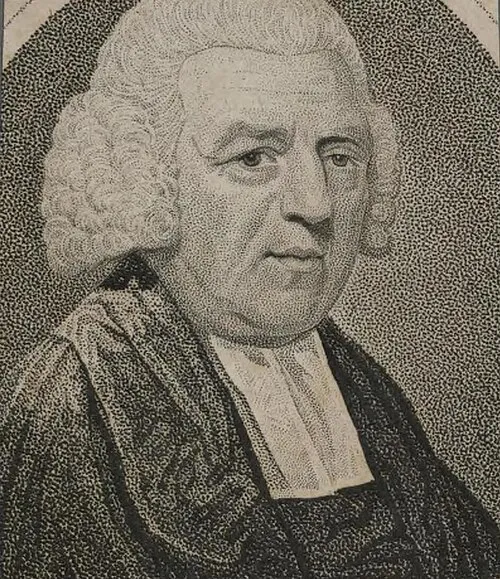
La influencia práctica de la fe
Señor,
Se ha insistido largamente en la utilidad y la importancia de la fe en lo que respecta a la justificación del pecador delante de Dios; pero la fe es asimismo de gran utilidad e importancia en los asuntos diarios de la vida. Da evidencia y sustancia a las cosas que no se ven, y hace reales las grandes verdades del evangelio, de modo que llegan a ser principios permanentes y vivos de sostén y de dirección, mientras atravesamos este desierto. Así, es como el ojo y la mano, sin los cuales no podemos dar un solo paso con certeza, ni acometer servicio alguno con éxito. Es de desear que todos los profesantes atendieran debidamente a este ejercicio práctico de la fe. No nos encontraríamos entonces con tantos casos que nos detienen en seco y nos dejan en gran dificultad para conciliar lo que vemos en algunos, de quienes de buena gana querríamos esperar bien, con lo que leemos en la Escritura acerca de los concomitantes inseparables de una fe verdadera y viva. Porque ¿cómo no hemos de vacilar cuando oímos a personas hablar el lenguaje de la seguridad, que conocen su aceptación ante Dios por medio de Cristo y no tienen la menor duda de su parte en todas las promesas, mientras al mismo tiempo las vemos bajo el influjo de disposiciones no santificadas, de un porte soberbio, iracundo, dogmático, mundano, egoísta o grosero?
No solo es evidente, por el tenor general de la Escritura, que un espíritu avaro, soberbio o censorioso no es más compatible con el espíritu del evangelio que la borrachera o la fornicación; sino que hay muchos textos expresos dirigidos directamente contra los males que con demasiada frecuencia se hallan entre los profesantes. Así, el apóstol Santiago nos asegura que «Si alguno piensa ser religioso, y no refrena su lengua, la religión del tal es vana»; y el apóstol Juan, que «Si alguno ama al mundo, el amor del Padre no está en él»; y parece aplicar este carácter a cualquier hombre, cualesquiera que sean su profesión o sus pretensiones, «el que tuviere bienes de este mundo, y viere a su hermano tener necesidad, y le cerrare sus entrañas». Ciertamente estos textos hacen más que insinuar que la fe que justifica el alma recibe asimismo de Jesús gracia por gracia, por la cual el corazón es purificado y la conducta se regula como conviene al evangelio de Cristo.
Hay demasiados que querrían que el ministerio del evangelio se limitara a los privilegios de los creyentes; y, cuando se inculcan los frutos de la fe y las disposiciones del ánimo que deben manifestarse en quienes han «gustado que el Señor es benigno», creen que eluden suficientemente todo lo que se dice llamándolo predicación legal. Yo no he de abogar por la predicación legal; pero no debemos dejarnos disuadir, por temor a una palabra dura, de declarar todo el consejo de Dios; y tenemos la autoridad y el ejemplo de san Pablo, que fue campeón de las doctrinas de la gracia libre, para animarnos a exhortar a los profesantes a que «anduviesen como es digno de Dios, que los llamó a su reino y gloria». Y, en efecto, la expresión del privilegio del creyente se entiende mal a menudo. Es privilegio del creyente andar con Dios en el ejercicio de la fe y, por el poder de su Espíritu, mortificar todo el cuerpo del pecado; alcanzar una victoria creciente sobre el mundo y sobre el yo, y avanzar cada día en conformidad con la mente que hubo en Cristo. Y nada de lo que profesamos saber, creer o esperar merece el nombre de privilegio sino en la medida en que nos influye para morir al pecado y vivir para la justicia. Quien posee la verdadera fe no limitará sus indagaciones al solo punto de su aceptación ante Dios, ni se contentará con la esperanza lejana del cielo en el porvenir. Estará asimismo solícito de cómo glorificar a Dios en el mundo y de gozar tales anticipos del cielo como pueden alcanzarse mientras aún está sobre la tierra.
La fe, pues, en su ejercicio práctico, tiene por objeto toda la palabra de Dios, y forma su estimación de todas las cosas que al presente conciernen al alma, según la norma de la Escritura. Como Moisés, «se sostuvo como viendo al Invisible». Cuando nuestro Señor estaba sobre la tierra y conversaba con sus discípulos, los ojos y los corazones de ellos estaban fijos en él. En el peligro era su defensor; su guía, cuando estaban en perplejidad; y a él miraban para la solución de todas sus dudas y la provisión de todas sus necesidades. Ahora está retirado de nuestros ojos; pero la fe lo pone todavía delante de nosotros para los mismos fines y, según el grado de ella, con los mismos efectos, como si de hecho lo viéramos. Su presencia espiritual, asida por la fe, es un freno contra el mal, un estímulo para todo servicio, y ofrece un refugio presente y una ayuda presente en todo tiempo de aflicción. A esto se debe el deleite que el creyente halla en las ordenanzas, porque allí se encuentra con su Señor; y a esto se debe asimismo que su religión no se limite a las ocasiones públicas, sino que es en secreto la misma persona que parece ser en la asamblea pública; porque adora al que ve en secreto, y se atreve a apelar a su ojo que todo lo ve por la sinceridad de sus deseos y de sus intenciones. Por la fe queda capacitado para usar de la prosperidad con moderación, y sabe y siente que lo que el mundo llama bueno es de poco valor, a menos que lo acompañen la presencia y la bendición de Aquel a quien su alma ama. Y su fe lo sostiene bajo todas las pruebas, asegurándole que toda dispensación está bajo la dirección de su Señor; que las correcciones son una señal de su amor; que el tiempo, la medida y la duración de sus sufrimientos están señalados por la sabiduría infinita y destinados a obrar para su bien eterno; y que se le otorgarán gracia y fuerza conforme a su día. Así, con el corazón firme, confiando en el Señor, a quien ha encomendado todos sus asuntos, y sabiendo que sus mejores intereses están a salvo, no teme grandemente las malas noticias, sino que goza de una paz estable en medio de un mundo cambiante. Porque, aunque no puede decir qué dará de sí el día, cree que Aquel que lo ha invitado y capacitado para echar sobre él todos sus cuidados no permitirá que le acontezca nada sino aquello que será puesto al servicio de sus deseos principales, la gloria de Dios en la santificación y la salvación final de su alma. Y si, por la debilidad de su carne, es propenso a sobresaltarse ante la primera impresión de una prueba aguda y repentina, huye enseguida a su fuerte refugio, recuerda que es obra del Señor, se resigna a su voluntad y espera con paciencia un desenlace feliz.
Por el mismo principio de la fe se regula la conducta del creyente hacia sus semejantes; y en el cumplimiento de los diversos deberes y relaciones de la vida, su gran propósito es agradar a Dios y dejar que su luz brille en el mundo. Cree y siente su propia debilidad e indignidad, y vive de la gracia y del amor perdonador de su Señor. Esto le da una ternura y una mansedumbre de espíritu habituales. Humillado bajo el sentido del mucho perdón que se le ha concedido a él mismo, halla fácil perdonar a otros, si tiene algo contra alguno. Un debido sentido de lo que él es a los ojos del Señor lo preserva de ceder a la ira, al dogmatismo y al resentimiento. No se provoca fácilmente, sino que es «pronto para oír, tardío para hablar, tardío para airarse»; y, si es ofendido, es fácil de aplacar, e inclinado no solo a ceder a una reconciliación, sino a buscarla. Como Jesús es su vida, su justicia y su fuerza, así también él es su modelo. Por la fe contempla y estudia este gran ejemplar del amor a los hombres. Con una santa ambición, pisa las huellas de su Señor y Maestro, y aprende de él a ser manso y humilde, a pagar las injurias con bondad y a vencer el mal con el bien. De las mismas consideraciones deriva, por la fe, un espíritu benévolo y, conforme a su esfera y a su capacidad, procura promover el bienestar de cuantos lo rodean. Escrita así en su corazón la ley del amor, y puesta en libertad su alma de los dictados bajos y estrechos de un espíritu egoísta, su lenguaje será la verdad, y sus tratos, la equidad. Puede confiarse en su promesa sin la interposición de un juramento, un documento firmado o un testigo; y los sentimientos de su propio corazón, bajo la dirección de una conciencia iluminada y de los preceptos de la Escritura, lo mueven a hacer a los demás lo que desearía que ellos, en iguales circunstancias, le hicieran. Si es amo, es benigno y compasivo; si es siervo, es fiel y obediente; porque en una y otra relación obra por fe, bajo el ojo de su Amo en el cielo. Si es comerciante, ni se atreve ni desea aprovecharse, ni de la ignorancia ni de las necesidades de aquellos con quienes trata. Y el mismo principio de amor influye en toda su conducta. El sentido de sus propias flaquezas lo hace indulgente para con las de los demás. No creerá fácilmente informes en perjuicio de ellos sin prueba suficiente; y ni aun entonces los repetirá, a menos que sea lícitamente llamado a ello. Cree que el precepto «a nadie infamen» se funda en la misma autoridad que aquellos que prohíben cometer adulterio o asesinato, y por eso «guarda su lengua como con freno».
Por último, la fe es de uso diario como preservativo contra el conformarse a las costumbres y máximas corruptas del mundo. El creyente, aunque está en el mundo, no es de él. Por la fe triunfa sobre sus sonrisas y sus seducciones; ve que todo lo que hay en el mundo, apto para gratificar los deseos de la carne o de los ojos, no solo ha de evitarse como pecaminoso, sino como incompatible con sus mejores placeres. Se mezclará con el mundo hasta donde sea necesario, en el cumplimiento de los deberes de aquel estado de vida en que la providencia de Dios lo ha puesto, pero no más allá. Su ocio y sus inclinaciones están ocupados en una búsqueda distinta. Los que temen al Señor son sus compañeros escogidos; y las bendiciones que obtiene de la palabra, del trono y de las ordenanzas de la gracia lo hacen mirar los pobres placeres y diversiones de quienes viven sin Dios en el mundo con una mezcla de desdén y de lástima; y por la fe está a prueba contra su ceño. Obedecerá a Dios antes que al hombre. «No comunicará con las obras infructuosas de las tinieblas, sino que antes bien las redargüirá.» Y si, por esta causa, fuera despreciado y tratado injuriosamente, cualquier pérdida que sufra en tal causa la cuenta por ganancia, y estima tal deshonra como su gloria.
No pretendo trazar un carácter perfecto, sino mostrar los efectos propios de aquella fe que justifica, que purifica el corazón, que obra por el amor y vence al mundo. Un empeño habitual por poseer tal estado de espíritu, y así adornar el evangelio de Cristo, y ello con éxito creciente, es algo que, estoy persuadido, no te es extraño; y me temo que quienes pueden contentarse con aspirar, en su profesión, a cualquier cosa que se quede corta de esto, son demasiado extraños a sí mismos y a la naturaleza de aquella libertad con que Jesús ha prometido hacer libres a los suyos. Que vayas de fortaleza en fortaleza, creciendo en la luz y en la imagen de nuestro Señor y Salvador, es la oración sincera de, etc.
Ver el original (inglés)
Original en inglés
On the Practical Influence of Faith.
Sir,
The use and importance of faith, as it respects a sinner’s justification before God, has been largely insisted on; but it is likewise of great use and importance in the daily concerns of life. It gives evidence and subsistence to things not seen, and realizes the great truths of the gospel, so as that they become abiding and living principles of support and direction, while we are passing through this wilderness. Thus, it is as the eye and the hand, without which we cannot take one step with certainty, or attempt any service with success. It is to be wished, that this practical exercise of faith were duly attended to by all professors. We should not then meet with so many cases that put us to a stand, and leave us at a great difficulty to reconcile, what we see in some, of whom we would willingly hope well, with what we read in scripture, of the inseparable concomitants of a true and lively faith. For how can we but be staggered, when we hear persons speaking the language of assurance, that they know their acceptance with God through Christ, and have not the least doubt of their interest in all the promises; while, at the same time, we see them under the influence of unsanctified tempers, of a proud, passionate, positive, worldly, selfish, or churlish carriage?
It is not only plain from the general tenure of scripture, that a covetous, a proud, or a censorious spirit, are no more consistent with the spirit of the gospel, than drunkenness or whoredom; but there are many express texts directly pointed against the evils which too often are found amongst professors. Thus the apostle James assures us, “That if any man seemeth to be religious, and bridleth not his tongue, his religion is vain;” and the apostle John, “That if any man love the world, the love of the Father is not in him;” and he seems to apply this character to any man, whatever his profession or pretences may be, “who having this world’s goods, and seeing his brother have need, shutteth up his bowels of compassion from him.” Surely these texts more than intimate, that the faith which justifies the soul, does likewise receive from Jesus grace for grace, whereby the heart is purified, and the conversation regulated as becomes the gospel of Christ.
There are too many who would have the ministry of the gospel restrained to the privileges of believers; and when the fruits of faith, and the tempers of the mind, which should be manifest in those who have “tasted that the Lord is gracious,” are inculcated, think they sufficiently evade all that is said, by calling it legal preaching. I would be no advocate for legal preaching; but we must not be deterred by the fear of a hard word, from declaring the whole counsel of God; and we have the authority and example of St. Paul, who was a champion of the doctrines of free grace, to animate us in exhorting professors to “walk worthy of God, who has called them to his kingdom and glory.” And indeed the expression of a believer’s privilege is often misunderstood. It is a believer’s privilege to walk with God in the exercise of faith, and, by the power of his Spirit, to mortify the whole body of sin; to gain a growing victory over the world and self, and to make daily advances in conformity to the mind that was in Christ. And nothing that we profess to know, believe, or hope for, deserves the name of a privilege, farther than we are influenced by it to die unto sin, and to live unto righteousness. Whosoever is possessed of true faith, will not confine his inquiries to the single point of his acceptance with God, or be satisfied with the distant hope of heaven hereafter. He will likewise be solicitous how he may glorify God in the world, and enjoy such foretastes of heaven as are attainable while he is yet upon earth.
Faith, then, in its practical exercise, has for its object the whole word of God, and forms its estimate of all things with which the soul is at present concerned, according to the standard of scripture. Like Moses, it “endures, as seeing him who is invisible.” When our Lord was upon earth, and conversed with his disciples, their eyes and hearts were fixed upon him. In danger he was their defender; their guide when in perplexity; and to him they looked for the solution of all their doubts, and the supply of all their wants. He is now withdrawn from our eyes; but faith sets him still before us for the same purposes, and, according to its degree, with the same effects, as if we actually saw him. His spiritual presence, apprehended by faith, is a restraint from evil, an encouragement to every service, and affords a present refuge and help in every time of trouble. To this is owing the delight a believer takes in ordinances, because there he meets his Lord; and to this likewise it is owing, that his religion is not confined to public occasions; but he is the same person in secret as he appears to be in the public assembly; for he worships him who sees in secret, and dares appeal to his all-seeing eye for the sincerity of his desires and intentions. By faith he is enabled to use prosperity with moderation; and knows and feels, that what the world calls good is of small value, unless it is accompanied with the presence and blessing of Him whom his soul loveth. And his faith upholds him under all trials, by assuring him that every dispensation is under the direction of his Lord; that chastisements are a token of his love; that the season, measure, and continuance of his sufferings, are appointed by infinite wisdom, and designed to work for his everlasting good; and that grace and strength shall be afforded him, according to his day. Thus, his heart being fixed, trusting in the Lord, to whom he has committed all his concerns, and knowing that his best interests are safe, he is not greatly afraid of evil tidings, but enjoys a stable peace in the midst of a changing world. For though he cannot tell what a day may bring forth, he believes that He, who has invited and enabled him to cast all his cares upon him, will suffer nothing to befall him but what shall be made subservient to his chief desires, the glory of God, in the sanctification and final salvation of his soul. And if, through the weakness of his flesh, he is liable to be startled by the first impression of a sharp and sudden trial, he quickly flees to his strong refuge, remembers it is the Lord’s doing, resigns himself to his will, and patiently expects a happy issue.
By the same principle of faith, a believer’s conduct is regulated towards his fellow-creatures; and in the discharge of the several duties and relations of life, his great aim is to please God, and to let his light shine in the world. He believes and feels his own weakness and unworthiness, and lives upon the grace and pardoning love of his Lord. This gives him an habitual tenderness and gentleness of spirit. Humbled under a sense of much forgiveness to himself, he finds it easy to forgive others, if he has ought against any. A due sense of what he is in the sight of the Lord, preserves him from giving way to anger, positiveness, and resentment. He is not easily provoked, but is “swift to hear, slow to speak, slow to wrath;” and if offended, easy to be entreated, and disposed, not only to yield to a reconciliation, but to seek it. As Jesus is his life, and righteousness, and strength, so he is his pattern. By faith he contemplates and studies this great exemplar of philanthropy. With a holy ambition, he treads in the footsteps of his Lord and Master, and learns of him to be meek and lowly, to requite injuries with kindness, and to overcome evil with good. From the same views, by faith he derives a benevolent spirit, and, according to his sphere and ability, he endeavours to promote the welfare of all around him. The law of love being thus written in his heart, and his soul set at liberty from the low and narrow dictates of a selfish spirit, his language will be truth, and his dealings equity. His promise may be depended on, without the interposition of an oath, bond, or witness; and the feelings of his own heart, under the direction of an enlightened conscience, and the precepts of scripture, prompt him to do unto others as he would desire they, in the like circumstances, should do unto him. If he is a master, he is gentle and compassionate; if a servant, he is faithful and obedient; for in either relation he acts by faith, under the eye of his Master in heaven. If he is a trader, he neither dares nor wishes to take advantage, either of the ignorance or the necessities of those with whom he deals. And the same principle of love influences his whole conversation. A sense of his own infirmities makes him candid to those of others. He will not readily believe reports to their prejudice, without sufficient proof; and even then, he will not repeat them, unless he is lawfully called to it. He believes that the precept, “Speak evil of no man,” is founded upon the same authority with those which forbid committing adultery or murder, and therefore he “keeps his tongue as with a bridle.”
Lastly, faith is of daily use as a preservative from a compliance with the corrupt customs and maxims of the world. The believer, though in the world, is not of it. By faith he triumphs over its smiles and enticements; he sees that all that is in the world, suited to gratify the desires of the flesh or the eye, is not only to be avoided as sinful, but as incompatible with his best pleasures. He will mix with the world so far as is necessary, in the discharge of the duties of that station of life in which the providence of God has placed him, but no farther. His leisure and inclinations are engaged in a different pursuit. They who fear the Lord are his chosen companions; and the blessings he derives from the word, and throne, and ordinances of grace, make him look upon the poor pleasures and amusements of those who live without God in the world with a mixture of disdain and pity; and by faith he is proof against its frowns. He will obey God rather than man. He will “have no fellowship with the unfruitful works of darkness, but will rather reprove them.” And if, upon this account, he should be despised and injuriously treated, whatever loss he suffers in such a cause, he accounts his gain, and esteems such disgrace his glory.
I am not aiming to draw a perfect character, but to show the proper effects of that faith which justifies, which purifies the heart, which worketh by love, and overcomes the world. An habitual endeavour to possess such a frame of spirit, and thus to adorn the gospel of Christ, and that with growing success, is what I am persuaded you are not a stranger to; and I am afraid that they who can content themselves with aiming at anything short of this in their profession are too much strangers to themselves, and to the nature of that liberty wherewith Jesus has promised to make his people free. That you may go on from strength to strength, increasing in the light and image of our Lord and Saviour, is the sincere prayer of, &c.
https://sermonesbiblicos.org/biblioteca/la-influencia-practica-de-la-fe/