Sermones Bíblicos
La gracia soberana y la responsabilidad del hombre
Charles H. Spurgeon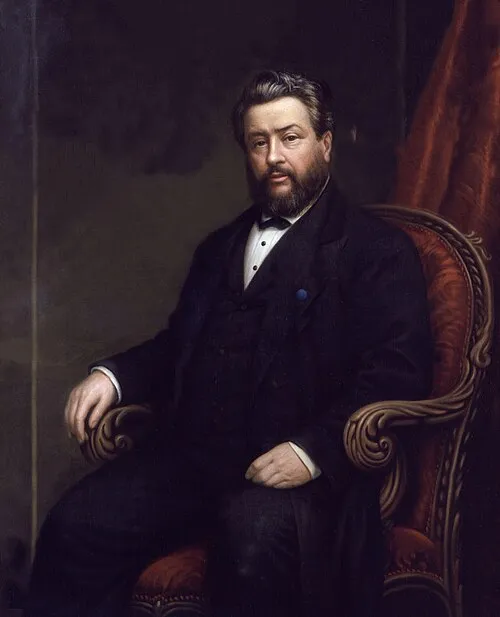
La gracia soberana y la responsabilidad del hombre
Un sermón
(N.º 207)
Predicado el domingo por la mañana, 1 de agosto de 1858, por el
REV. C. H. SPURGEON
En el Music Hall, Royal Surrey Gardens.
«E Isaías determinadamente dice: Fuí hallado de los que no me buscaban; manifestéme á los que no preguntaban por mí. Mas acerca de Israel dice: Todo el día extendí mis manos á un pueblo rebelde y contradictor.»—Romanos 10:20-21
SIN DUDA ESTAS PALABRAS se refieren ante todo al desecho de los judíos y a la elección de los gentiles. Los gentiles eran un pueblo que no buscaba a Dios, sino que vivía en la idolatría; sin embargo, a Jehová le plugo, en estos últimos tiempos, enviarles el evangelio de su gracia; mientras que los judíos, que por largo tiempo habían gozado de los privilegios de la Palabra de Dios, a causa de su desobediencia y de su rebelión fueron desechados. Creo, no obstante, que, aunque este es el objeto primario de las palabras de nuestro texto, la verdad enseñada en el texto es, como dice Calvino, figura de un hecho universal. Así como Dios escogió al pueblo que no lo conocía, así ha escogido, en la abundancia de su gracia, manifestar su salvación a hombres extraviados; mientras que, por otra parte, los hombres que se pierden, después de haber oído la Palabra, se pierden por su pecado voluntario; porque Dios, todo el día, «extiende sus manos á un pueblo rebelde y contradictor».
El sistema de la verdad no es una línea recta, sino dos. Nadie tendrá jamás una visión correcta del evangelio hasta que sepa mirar las dos líneas a la vez. En un libro se me enseña a creer que lo que siembro, eso segaré; en otro lugar se me enseña que «no es del que quiere, ni del que corre, sino de Dios que tiene misericordia». Veo en un lugar a Dios presidiéndolo todo en la providencia; y sin embargo veo, y no puedo dejar de ver, que el hombre actúa como le place, y que Dios ha dejado sus acciones, en gran medida, a su propia voluntad. Ahora bien, si yo declarara que el hombre es tan libre de actuar que no hay presidencia de Dios sobre sus acciones, me vería empujado muy cerca del ateísmo; y si, por otra parte, declaro que Dios de tal modo señorea todas las cosas que el hombre no es lo bastante libre para ser responsable, me veo empujado de inmediato al antinomianismo o al fatalismo. Que Dios predestina, y que el hombre es responsable, son dos cosas que pocos pueden ver. Se cree que son incompatibles y contradictorias; pero no lo son. Es sencillamente culpa de nuestro juicio débil. Dos verdades no pueden contradecirse la una a la otra. Si, pues, hallo enseñado en un lugar que todo está preordenado, eso es verdad; y si hallo en otro lugar que el hombre es responsable de todas sus acciones, eso es verdad; y es mi necedad la que me lleva a imaginar que dos verdades puedan jamás contradecirse. Estas dos verdades, no lo creo, podrán jamás soldarse en una sola sobre yunque humano alguno; pero una sola serán en la eternidad: son dos líneas tan casi paralelas, que la mente que las siga más lejos nunca descubrirá que convergen; pero sí convergen, y se encontrarán en algún punto de la eternidad, cerca del trono de Dios, de donde brota toda verdad.
Ahora, esta mañana, voy a considerar las dos doctrinas. En el versículo 20 se nos enseñan las doctrinas de la gracia soberana: «E Isaías determinadamente dice: Fuí hallado de los que no me buscaban; manifestéme á los que no preguntaban por mí». En el versículo siguiente tenemos la doctrina de la culpa del hombre al rechazar a Dios. «Acerca de Israel dice: Todo el día extendí mis manos á un pueblo rebelde y contradictor».
I. Primero, pues, LA SOBERANÍA DIVINA EJEMPLIFICADA EN LA SALVACIÓN. Si algún hombre es salvo, es salvo por gracia divina, y solo por gracia divina; y la razón de su salvación no ha de hallarse en él, sino en Dios. No somos salvos como resultado de algo que hagamos o que queramos; antes bien, queremos y hacemos como resultado del beneplácito de Dios y de la obra de su gracia en nuestros corazones. Ningún pecador puede adelantarse a Dios; esto es, no puede ir delante de él, no puede anticipársele. Dios es siempre el primero en el asunto de la salvación. Él está antes de nuestras convicciones, antes de nuestros deseos, antes de nuestros temores, antes de nuestras esperanzas. Todo lo que es bueno, o llegará a ser bueno en nosotros, va precedido por la gracia de Dios, y es el efecto de una causa divina interior.
Al hablar esta mañana de los actos de gracia de Dios en la salvación, noto primero que son enteramente inmerecidos. Verán que el pueblo mencionado aquí ciertamente no mereció la gracia de Dios. Lo hallaron, pero nunca lo buscaron; él se les manifestó, pero nunca preguntaron por él. Nunca ha habido todavía un hombre salvo que lo mereciera. Pregunten a todos los santos de Dios, y les dirán que su vida anterior se gastó en las concupiscencias de la carne; que en los días de su ignorancia se rebelaron contra Dios y se volvieron atrás de sus caminos; que, cuando fueron invitados a venir a él, despreciaron la invitación y, cuando fueron advertidos, echaron la advertencia a sus espaldas. Les dirán que el haber sido atraídos por Dios no fue resultado de mérito alguno antes de la conversión; porque algunos de ellos, lejos de tener mérito alguno, eran los más viles de los viles: se hundieron en la misma cloaca del pecado; no se avergonzaban de cosas de las cuales a nosotros nos daría vergüenza hablar; eran cabecillas del crimen, verdaderos príncipes en las filas del enemigo; y con todo, la gracia soberana vino a ellos, y fueron traídos a conocer al Señor. Les dirán que no fue resultado de nada bueno en su disposición, porque, aunque confían en que ahora hay algo excelente implantado en ellos, en los días de su carne no podían ver ni una cualidad que no estuviera pervertida al servicio de Satanás. Pregúntenles si creen que fueron escogidos de Dios por su valor; les dirán que no: si tenían valor, estaba desfigurado, porque eran valientes para hacer el mal. Pregúntenles si fueron escogidos de Dios por su talento; les dirán que no: tenían ese talento, pero lo prostituían al servicio de Satanás. Pregúntenles si fueron escogidos por la franqueza y la generosidad de su carácter; les dirán que esa misma franqueza de temperamento, y esa misma generosidad de carácter, los llevó a hundirse más hondo en las profundidades del pecado de lo que de otro modo habrían hecho, porque con todo hombre malo se trataban de camaradas, y estaban prontos a beber y a unirse a toda fiesta alegre que se les cruzara en el camino. No había en ellos razón alguna para que Dios tuviera misericordia de ellos, y lo que les asombra es que no los haya cortado en medio de sus pecados, borrado sus nombres del libro de la vida y arrojado al abismo donde arde el fuego que ha de devorar a los impíos. Pero algunos han dicho que Dios escoge a su pueblo porque prevé que, después de escogerlos, harán esto, aquello y lo de más allá, lo cual será meritorio y excelente. Vuelvan a preguntar al pueblo de Dios, y les dirán que desde su conversión han tenido mucho que llorar. Aunque pueden regocijarse de que Dios ha comenzado la buena obra en ellos, tiemblan a menudo, no sea que no sea en absoluto obra de Dios. Les dirán que, si son abundantes en fe, hay tiempos en que son sobreabundantes en incredulidad; que, si a veces están llenos de obras de santidad, hay tiempos en que lloran muchas lágrimas al pensar que esos mismos actos de santidad estaban manchados de pecado. El cristiano les dirá que llora aun sobre sus propias lágrimas; siente que hay inmundicia aun en los mejores deseos; que tiene que orar a Dios que le perdone sus oraciones, porque hay pecado en medio de sus súplicas, y que tiene que rociar aun sus mejores ofrendas con la sangre expiatoria, porque de otro modo nunca puede traer una ofrenda sin mancha ni defecto. Apelen al santo más resplandeciente, al hombre cuya presencia en medio de la sociedad es como la presencia de un ángel, y les dirá que todavía se avergüenza de sí mismo. «¡Ah! —dirá—, pueden alabarme, pero yo no puedo alabarme; hablan bien de mí, me aplauden, pero si conocieran mi corazón verían razón de sobra para tenerme por un pobre pecador salvo por gracia, que no tiene nada de qué gloriarse, y ha de inclinar la cabeza y confesar sus iniquidades delante de Dios». La gracia, pues, es enteramente inmerecida.
Además, la gracia de Dios es soberana. Con esa palabra queremos decir que Dios tiene derecho absoluto de dar esa gracia donde él escoge, y de negarla cuando le place. No está obligado a darla a hombre alguno, y mucho menos a todos los hombres; y si escoge darla a un hombre y no a otro, su respuesta es: «¿Es malo tu ojo porque el mío es bueno? ¿No me es lícito á mí hacer lo que quiero con lo mío? Tendré misericordia del que tendré misericordia». Ahora quiero que noten la soberanía de la gracia divina, ilustrada en el texto: «Fuí hallado de los que no me buscaban; manifestéme á los que no preguntaban por mí». Se imaginarían que, si Dios diera su gracia a alguien, esperaría hasta hallarlos buscándolo con empeño. Se imaginarían que Dios, en los cielos altísimos, diría: «Tengo misericordias, pero dejaré a los hombres solos, y cuando sientan su necesidad de estas misericordias y me busquen con diligencia, con todo su corazón, de día y de noche, con lágrimas, votos y súplicas, entonces los bendeciré, pero no antes». Pero, amados, Dios no dice tal cosa. Es verdad que bendice a los que claman a él, pero los bendice antes de que clamen, porque sus clamores no son clamores propios, sino clamores que él ha puesto en sus labios; sus deseos no son de cultivo propio, sino deseos que él ha echado como buena semilla en el suelo de sus corazones. Dios salva a los hombres que no lo buscan. ¡Oh, prodigio de prodigios! Es misericordia de veras cuando Dios salva al que busca; ¡pero cuánta mayor misericordia cuando él mismo busca al perdido! Fíjense en la parábola de Jesucristo acerca de la oveja perdida; no dice así: «Cierto hombre tenía cien ovejas, y una de ellas se extravió. Y se quedó en casa, y he aquí que la oveja volvió, y la recibió con gozo, y dijo a sus amigos: regocíjense, porque la oveja que había perdido ha vuelto». No; él fue tras la oveja: ella jamás habría ido tras él; se habría extraviado cada vez más lejos. Fue tras ella; por collados de dificultad, por valles de desaliento, siguió sus pasos errantes, y al fin se apoderó de ella; no la arreó delante de sí, no la condujo, sino que él mismo la cargó todo el camino, y cuando la trajo a casa no dijo: «la oveja ha vuelto», sino: «he hallado la oveja que se había perdido». Los hombres no buscan a Dios primero; Dios los busca primero; y si alguno de ustedes lo busca hoy, es porque él los ha buscado primero. Si lo desean, él los deseó primero, y sus buenos deseos y su búsqueda empeñosa no serán la causa de su salvación, sino los efectos de una gracia previa dada a ustedes. «Bueno —dice otro—, yo habría pensado que, aunque el Salvador no exigiera una búsqueda empeñosa, y suspiros y gemidos, y un buscar continuo en pos de él, con todo, ciertamente habría deseado y exigido que todo hombre, antes de tener la gracia, la pidiera». Eso, en verdad, amados, parece natural, y Dios dará gracia a los que la pidan; pero fíjense: el texto dice que se manifestó «a los que no preguntaban por él». Es decir, antes de que pidamos, Dios nos da gracia. La única razón por la que hombre alguno empieza jamás a orar es que Dios ha puesto gracia previa en su corazón, la cual lo lleva a orar. Recuerdo que, cuando fui convertido a Dios, yo era arminiano por completo. Creía que yo mismo había comenzado la buena obra, y a veces me sentaba a pensar: «Bueno, busqué al Señor cuatro años antes de hallarlo», y creo que empecé a felicitarme por haberle rogado con perseverancia en medio de mucho desaliento. Pero un día me asaltó este pensamiento: «¿Cómo fue que llegaste a buscar a Dios?»; y al instante la respuesta vino de mi alma: «Pues porque él me llevó a hacerlo; primero tuvo que mostrarme mi necesidad de él, o de otro modo yo nunca lo habría buscado; tuvo que mostrarme su preciosidad, o nunca habría pensado que valía la pena buscarlo»; y de una vez vi las doctrinas de la gracia con toda la claridad posible. Dios tiene que comenzar. La naturaleza nunca puede levantarse por encima de sí misma. Se echa agua en un depósito, y subirá hasta ese nivel, pero no más arriba si se la deja sola. Ahora bien, no está en la naturaleza humana buscar al Señor. La naturaleza humana está depravada y, por tanto, tiene que haber la presión extraordinaria del Espíritu Santo sobre el corazón para llevarnos primero a pedir misericordia. Pero fíjense: no sabemos nada de eso mientras el Espíritu está obrando; lo descubrimos después. Pedimos como si pidiéramos del todo por nosotros mismos. Nuestro quehacer es buscar al Señor como si no hubiera Espíritu Santo en absoluto. Pero, aunque no lo sepamos, siempre tiene que haber un movimiento previo del Espíritu en nuestro corazón, antes de que haya un movimiento de nuestro corazón hacia él.
«Ningún pecador puede adelantarse a ti; tu gracia es la más soberana, la más rica y la más libre.»
Permítanme darles una ilustración. Ven a ese hombre a caballo, rodeado por un cuerpo de soldados. Qué soberbio va, y cómo enfrena el caballo con dignidad consciente. Señor, ¿qué llevas ahí? ¿Qué son esos despachos que guardas con tanto cuidado? «Oh, señor, tengo en la mano aquello que atormentará a la iglesia de Dios en Damasco. He arrastrado a esos sujetos a la sinagoga, hombres y mujeres; los he azotado, y los he obligado a blasfemar; y tengo este encargo del sumo sacerdote para arrastrarlos a Jerusalén, a fin de darles muerte». ¡Saulo! ¡Saulo! ¿No tienes amor a Cristo? «¡Amor a él! No. Cuando apedrearon a Esteban, yo cuidé la ropa de los testigos, y me alegré de hacerlo. Ojalá me hubiera tocado crucificar a su Maestro, porque los aborrezco con odio perfecto, y respiro amenazas y muerte contra ellos». ¿Qué dicen de este hombre? Si ha de ser salvo, ¿no concederán que tiene que ser alguna soberanía divina la que lo convierta? Miren al pobre Pilato: cuánto había en él de esperanzador. Quería salvar al Maestro, pero temía y temblaba. Si nos hubiera tocado escoger, habríamos dicho: «Señor, salva a Pilato; él no quiere matar a Cristo, se esfuerza por dejarlo escapar; pero mata a Saulo, el sediento de sangre: es el mismísimo primero de los pecadores». «No —dice Dios—, yo haré lo que quiero con lo mío». Se abren los cielos, y desciende el resplandor de la gloria, más brillante que el sol del mediodía. Aturdido por la luz, cae a tierra, y se oye una voz que le dice: «Saulo, Saulo, ¿por qué me persigues? Dura cosa te es dar coces contra el aguijón». Se levanta; Dios se le aparece: «He aquí, te he puesto por vaso escogido para llevar mi nombre entre los gentiles». ¿No es eso soberanía: gracia soberana, sin búsqueda previa alguna? Dios fue hallado por quien no lo buscaba; se manifestó a quien no preguntaba por él. Algunos dirán que aquello fue un milagro; pero es uno que se repite todos los días de la semana. Conocí una vez a un hombre que hacía mucho que no iba a la casa de Dios; y un domingo por la mañana, habiendo ido al mercado a comprar un par de patos para la comida del domingo, vio al pasar, por casualidad, una casa de Dios abierta. «Bueno —pensó—, voy a oír en qué andan estos sujetos». Entró; el himno que se estaba cantando le llamó la atención; escuchó el sermón, se olvidó de los patos, descubrió su propio carácter, se fue a casa y se arrojó de rodillas delante de Dios, y al poco tiempo plugo a Dios darle gozo y paz en el creer. Aquel hombre no tenía nada en sí para empezar, nada que hubiera podido llevarlos a imaginar que alguna vez sería salvo, sino que, simplemente porque Dios así lo quiso, descargó el golpe eficaz de la gracia, y el hombre fue vuelto en sí. Pero nosotros, cada uno de los que somos salvos, somos precisamente quienes mejor ilustramos el asunto. Hasta el día de hoy, mi asombro es que el Señor te haya escogido jamás. No logro explicármelo; y mi única respuesta a la pregunta es: «Así, Padre, pues que así agradó en tus ojos».
Creo que ya he expuesto la doctrina con bastante claridad. Permítanme decir solo unas palabras acerca de ella. Algunas personas tienen mucho miedo de esta verdad. Dicen: «Será verdad, me atrevo a decir, pero aun así no deberías predicarla delante de una asamblea mixta; está muy bien para consuelo del pueblo de Dios, pero hay que manejarla con mucho cuidado, y no predicarla en público». Muy bien, señor: te dejo que arregles ese asunto con mi Maestro. Él me dio este gran libro para que predique de él, y no puedo predicar de ninguna otra cosa. Si ha puesto en él algo que te parece que no conviene, ve y quéjate a él, no a mí. Yo soy simplemente su siervo, y si el recado que he de decir resulta objetable, no puedo evitarlo. Si envío a mi criado a la puerta con un mensaje, y lo entrega fielmente, él no merece que lo reprendan. Que la culpa sea mía, no del criado. Así digo: culpen a mi Maestro, y no a mí, porque no hago sino proclamar su mensaje. «No —dice uno—, no se ha de predicar». Pero sí se ha de predicar. Toda palabra de Dios es dada por inspiración, y es útil para algún buen fin. ¿No lo dice la Biblia? Déjenme decirles: la razón por la que muchas de nuestras iglesias decaen es precisamente que esta doctrina no se ha predicado. Dondequiera que esta doctrina se ha sostenido, siempre ha sido: «¡Abajo el papismo!». Los primeros reformadores sostenían esta doctrina y la predicaban. Bien dijo un teólogo de la Iglesia de Inglaterra a algunos que lo injuriaban: «Miren a su propio Lutero. ¿No lo consideran el maestro de la Iglesia de Inglaterra? Lo que enseñaron Calvino y los demás reformadores se halla en su libro sobre la libertad de la voluntad». Además, podemos señalarles una cadena de ministros desde el principio hasta ahora. ¡Hablen de sucesión apostólica! El hombre que predica las doctrinas de la gracia tiene una sucesión apostólica de veras. ¿No podemos trazar nuestro linaje por toda una línea de hombres como Newton, Whitefield, Owen y Bunyan, seguida sin interrupción hasta llegar a Calvino, Lutero y Zuinglio; y luego podemos remontarnos de ellos a Savonarola, a Jerónimo de Praga, a Hus, y después hasta Agustín, el gran predicador del cristianismo; y de san Agustín a Pablo no hay más que un paso? No tenemos por qué avergonzarnos de nuestro linaje; aunque ahora se considera heterodoxos a los calvinistas, somos y siempre hemos de ser ortodoxos. Es la doctrina antigua. Vayan y compren cualquier libro puritano, y vean si hallan en él arminianismo. Registren todos los puestos de libros, y vean si pueden hallar un solo infolio grande de los tiempos antiguos que contenga otra cosa que la doctrina de la gracia libre de Dios. Una vez que esto se haga pesar sobre las mentes de los hombres, se van las doctrinas de la penitencia y de la confesión, se va el pagar por el perdón del pecado. Si la gracia es libre y soberana en la mano de Dios, cae la doctrina del sacerdotalismo, se va el comprar y vender indulgencias y cosas semejantes; son barridas a los cuatro vientos del cielo, y la eficacia de las buenas obras es hecha pedazos como Dagón delante del arca del Señor. «Bueno —dice uno—, me gusta la doctrina; con todo, son muy pocos los que la predican, y los que lo hacen son muy altos». Muy probable; pero poco me importa cómo me llame nadie. Importa muy poco cómo te llamen los hombres. Supón que te llamen «hiper»: eso no te hace nada malo, ¿verdad? Supón que te llamen antinomiano: eso no te hará serlo. Debo confesar, sin embargo, que hay algunos hombres que predican esta doctrina y hacen diez mil veces más daño que bien, porque no predican la doctrina siguiente que voy a proclamar, la cual es igual de verdadera. Tienen esta por vela, pero no tienen la otra por lastre. Pueden predicar un lado, pero no el otro. Pueden seguir con la doctrina alta, pero no quieren predicar toda la Palabra. Tales hombres caricaturizan la Palabra de Dios. Y permítanme decir aquí que es costumbre de cierto grupo de ultracalvinistas llamar «calvinistas mestizos» a quienes enseñamos que es deber del hombre arrepentirse y creer. Si oyen a alguno de ellos decirlo, denle mis más respetuosos saludos, y pregúntenle si alguna vez en su vida ha leído las obras de Calvino. No es que me importe lo que Calvino dijo o dejó de decir; pero pregúntenle si alguna vez ha leído sus obras; y si dice «No», como tiene que decir, porque son cuarenta y ocho grandes volúmenes, pueden decirle que el hombre a quien llaman «calvinista mestizo», aunque no las ha leído todas, ha leído una muy buena parte de ellas y conoce su espíritu; y sabe que predica en sustancia lo que predicaba Calvino: que cada doctrina que predica puede hallarse en los Comentarios de Calvino sobre alguna parte de la Escritura. Somos, con todo, calvinistas VERDADEROS. Calvino no es nadie para nosotros. Jesucristo, y á éste crucificado, y la Biblia de siempre, son nuestra norma. Amados, tomemos la Palabra de Dios tal como está. Si hallamos allí doctrina alta, que sea alta; si hallamos doctrina baja, que sea baja; no levantemos otra norma que la que la Biblia ofrece.
II. Ahora, pues, el segundo punto. «Ahí tienen —dice mi amigo ultra—, va a contradecirse». No, amigo mío, no voy a contradecirme; solo voy a contradecirte a ti. El segundo punto es LA RESPONSABILIDAD DEL HOMBRE. «Mas acerca de Israel dice: Todo el día extendí mis manos á un pueblo rebelde y contradictor». Ahora bien, este pueblo a quien Dios había desechado había sido cortejado, había sido buscado, había sido rogado para que se salvara; pero no quisieron, y por cuanto no fueron salvos, ello fue efecto de su desobediencia y de su contradicción. Eso está bastante claro en el texto. Cuando Dios envió los profetas a Israel, y extendió sus manos, ¿para qué fue? ¿Para qué quería que vinieran a él? Pues para ser salvos. «No —dice uno—, era por misericordias temporales». No es así, amigo mío; el versículo anterior trata de misericordias espirituales, y este también, porque se refieren a lo mismo. Ahora bien, ¿fue sincero Dios en su ofrecimiento? Dios perdone al hombre que se atreva a decir que no lo fue. Dios es, sin duda alguna, sincero en cada acto que hizo. Envió a sus profetas, rogó al pueblo de Israel que echara mano de las cosas espirituales, pero ellos no quisieron; y aunque extendió sus manos todo el día, fueron «un pueblo rebelde y contradictor», y no quisieron su amor; y sobre su cabeza recae su sangre.
Notemos ahora el cortejo de Dios, y de qué clase es. Primero, fue el cortejo más afectuoso del mundo. Los pecadores perdidos que se sientan bajo el sonido del evangelio no se pierden por falta de la invitación más afectuosa. Dios dice que extendió sus manos. Saben lo que eso significa. Han visto al niño desobediente que no quiere ir a su padre. El padre extiende las manos y dice: «Ven, hijo mío, ven; estoy listo para perdonarte». La lágrima está en su ojo, y las entrañas se le conmueven de compasión, y dice: «Ven, ven». Dios dice que esto es lo que él hizo: «él extendió sus manos». Eso es lo que ha hecho con algunos de ustedes. Ustedes, los que hoy no son salvos, están sin excusa, porque Dios extendió sus manos hacia ustedes y dijo: «Ven, ven». Largo tiempo se han sentado bajo el sonido del ministerio, y ha sido un ministerio fiel, confío, y un ministerio que llora. Su ministro no ha olvidado orar por sus almas en secreto, ni llorar por ustedes cuando ningún ojo lo veía, y ha procurado persuadirlos como embajador de Dios. Dios me es testigo: a veces he estado en pie en este púlpito, y no habría podido rogar con más fuerza por mi propia vida de lo que les he rogado. En el nombre de Cristo he clamado: «Venid á mí todos los que estáis trabajados y cargados, que yo os haré descansar». He llorado por ustedes como lloró el Salvador, y he usado de parte suya sus palabras: «¡Jerusalem, Jerusalem, cuántas veces quise juntar tus hijos, como la gallina junta sus pollos debajo de las alas, y no quisiste!». Y saben que su conciencia ha sido tocada muchas veces; muchas veces han sido movidos; no podían resistirlo. Dios fue tan bondadoso con ustedes; los invitó con tanto afecto por la Palabra; los trató con tanta dulzura por su providencia; sus manos estaban extendidas, y podían oír su voz que les hablaba al oído: «Venid á mí, venid; venid luego, y estemos á cuenta: si vuestros pecados fueren como la grana, como la nieve serán emblanquecidos: si fueren rojos como el carmesí, vendrán á ser como [blanca] lana». Lo han oído clamar: «A todos los sedientos: Venid á las aguas». Lo han oído decir con todo el afecto de un corazón de padre: «Deje el impío su camino, y el hombre inicuo sus pensamientos; y vuélvase á Jehová, el cual tendrá de él misericordia, y al Dios nuestro, el cual será amplio en perdonar». ¡Oh! Dios sí ruega a los hombres que sean salvos, y hoy dice a cada uno de ustedes: «Arrepentíos, y convertíos para remisión de vuestros pecados. Volveos á mí. Así ha dicho Jehová de los ejércitos: Meditad sobre vuestros caminos». Y con amor divino los corteja como un padre corteja a su hijo, tendiendo las manos y clamando: «Venid á mí, venid á mí». «No —dice un hombre de doctrina recia—, Dios nunca invita a todos los hombres a sí mismo; no invita sino a ciertos caracteres». Alto, señor: eso es todo lo que sabes del asunto. ¿Nunca leíste aquella parábola donde se dice: «Mis toros y animales engordados son muertos, y todo está prevenido: venid á las bodas»? Y los que fueron llamados no quisieron venir. ¿Y nunca leíste que todos comenzaron a poner excusas, y que fueron castigados porque no aceptaron las invitaciones? Ahora bien, si la invitación no ha de hacerse a nadie, sino solo al hombre que la aceptará, ¿cómo puede ser verdadera esa parábola? El hecho es que los toros y los animales engordados son muertos; el banquete de bodas está prevenido, y la trompeta suena: «A todos los sedientos: venid y comed, venid y bebed». Aquí están las provisiones tendidas, aquí hay toda suficiencia; la invitación es libre; es una gran invitación. «El que quiere, tome del agua de la vida de balde». Y esa invitación va envuelta en palabras tiernas: «Ven a mí, hijo mío, ven a mí». «Todo el día extendí mis manos».
Y noten otra vez: esta invitación fue muy frecuente. Las palabras «todo el día» pueden traducirse «cada día»: «Cada día extendí mis manos». Pecador, Dios no te ha llamado una sola vez a que vengas, para luego dejarte en paz, sino que cada día ha estado insistiéndote; cada día te ha hablado la conciencia; cada día te ha advertido la providencia, y cada domingo te ha cortejado la Palabra de Dios. ¡Oh! ¡Cuánto tendrán que dar cuenta algunos de ustedes ante el gran tribunal de Dios! No puedo ahora leerles el carácter, pero sé que hay algunos de ustedes que al final tendrán una cuenta terrible. Todo el día te ha estado cortejando Dios. Desde el primer albor de tu vida te cortejó por medio de tu madre, y ella te juntaba las manitas y te enseñaba a decir:
«Tierno Jesús, manso y dulce, mira a un niño pequeñito; compadece mi simpleza; permíteme venir a ti.»
Y en tu niñez Dios seguía extendiendo sus manos en pos de ti. ¡Cómo procuraba tu maestro de la escuela dominical traerte al Salvador! Cuántas veces fue conmovido tu corazón juvenil; pero apartaste todo aquello, y sigues sin ser tocado por ello. Cuántas veces te habló tu madre, y te advirtió tu padre; y has olvidado la oración en aquel dormitorio cuando estabas enfermo, cuando tu madre besó tu frente ardiendo, se arrodilló y oró a Dios que te conservara la vida, y luego añadió esta oración: «¡Señor, salva el alma de mi niño!». Y recuerdas la Biblia que te dio cuando saliste por primera vez de aprendiz, y la oración que escribió en aquella primera hoja amarillenta. Cuando te la dio, quizá no lo sabías, pero ahora puedes saberlo: con cuánto anhelo te buscaba, para que fueras formado de nuevo en Cristo Jesús; cómo te seguía con sus oraciones, y cómo rogaba a su Dios por ti. Y de seguro todavía no has olvidado cuántos domingos has pasado, y cuántas veces has sido advertido. ¡Vaya!, has tenido carretadas de sermones desperdiciados en ti. Ciento cuatro sermones has oído cada año, y algunos de ustedes aún más, y con todo sigues siendo exactamente lo que eras.
Pero, pecadores, oír sermones es cosa tremenda, a menos que sea bendecido para nuestras almas. Si Dios ha seguido extendiendo sus manos cada día y todo el día, les será cosa dura cuando sean condenados con justicia, no solo por sus quebrantamientos de la ley, sino por su rechazo voluntario del evangelio. Es probable que Dios siga extendiendo sus manos hacia ustedes hasta que les encanezcan los cabellos, invitándolos todavía sin cesar; y quizá, cuando se acerquen a la muerte, aún diga: «Venid á mí, venid á mí». Pero si todavía persisten en endurecer el corazón, si todavía rechazan a Cristo, les ruego que nada los haga imaginar que quedarán sin castigo. ¡Oh! A veces tiemblo cuando pienso en esa clase de ministros que dicen a los pecadores que no son culpables si no buscan al Salvador. Cómo han de ser hallados inocentes en el gran día de Dios, no lo sé. Parece cosa espantosa que estén adormeciendo a las pobres almas, diciéndoles que no es su deber buscar a Cristo y arrepentirse, sino que en eso pueden hacer lo que se les antoje, y que cuando perezcan no serán en nada más culpables por haber oído la Palabra. Mi Maestro no dijo eso. Recuerden cómo dijo: «Y tú, Capernaum, que eres levantada hasta el cielo, hasta los infiernos serás abajada; porque si en los de Sodoma fueran hechas las maravillas que han sido hechas en ti, hubieran quedado hasta el día de hoy. Por tanto os digo, [que] á la tierra de los de Sodoma será más tolerable [el castigo] en el día del juicio, que á ti». Jesús no habló así cuando se dirigió a Corazín y a Betsaida; porque dijo: «¡Ay de ti, Corazín! ¡Ay de ti, Bethsaida! porque si en Tiro y en Sidón fueran hechas las maravillas que han sido hechas en vosotras, en otro tiempo se hubieran arrepentido en saco y en ceniza. Por tanto os digo, [que] á Tiro y á Sidón será más tolerable [el castigo] en el día del juicio, que á vosotras». No era así como predicaba Pablo. Él no decía a los pecadores que no había culpa en despreciar la cruz. Oigan una vez más las palabras del apóstol: «Porque si la palabra dicha por los ángeles fué firme, y toda rebelión y desobediencia recibió justa paga de retribución, ¿cómo escaparemos nosotros, si tuviéremos en poco una salud tan grande?, la cual, habiendo comenzado á ser publicada por el Señor, ha sido confirmada hasta nosotros por los que oyeron». Pecador, en el gran día de Dios tendrás que dar cuenta de cada advertencia que jamás hayas tenido, de cada vez que hayas leído tu Biblia, sí, y de cada vez que hayas dejado de leerla; de cada domingo en que la casa de Dios estuvo abierta y tú dejaste de aprovechar la oportunidad de oír la Palabra, y de cada vez que la oíste y no la aprovechaste. Ustedes, los oyentes descuidados, están atando haces de leña para su propia quema, para siempre. Ustedes, los que oyen y al punto olvidan, o oyen con liviandad, se están cavando un hoyo en el que tendrán que ser arrojados. Recuerden: de la condenación de ustedes no será responsable nadie sino ustedes mismos, en el último gran día. Dios no será responsable de ella. «Vivo yo, dice el Señor Jehová» —y ese es un gran juramento— «no quiero la muerte del que muere, sino que se torne á mí y viva». Dios ha hecho mucho por ustedes. Les envió su evangelio. No han nacido en tierra pagana; les ha dado el Libro de los libros; les ha dado una conciencia iluminada; y si perecen bajo el sonido del ministerio, perecen de un modo más espantoso y terrible que si hubieran perecido en cualquier otro lugar.
Esta doctrina es tan Palabra de Dios como la otra. Me piden que reconcilie las dos. Respondo: no necesitan reconciliación alguna; yo nunca he intentado reconciliarlas para mí mismo, porque nunca he podido ver discrepancia. Si empiezan a plantearme cincuenta o sesenta argucias, no puedo dar respuesta. Las dos son verdaderas; no hay dos verdades que puedan ser incompatibles entre sí; y lo que tienen que hacer es creerlas ambas. Con la primera, el santo es quien más tiene que ver. Que alabe la gracia libre y soberana de Dios, y bendiga su nombre. Con la segunda, el pecador es quien más tiene que ver. Oh pecador, humíllate bajo la poderosa mano de Dios cuando pienses en cuántas veces él te ha mostrado su amor, mandándote que vengas a él, y cuántas veces, con todo, has despreciado su Palabra y rehusado su misericordia, y has hecho oídos sordos a cada invitación, y te has ido por tu camino a rebelarte contra un Dios de amor y a violar los mandamientos de aquel que te amó.
Y ahora, ¿cómo he de concluir? Mi primera exhortación será para el pueblo cristiano. Mis queridos amigos, les ruego que de ningún modo se entreguen a sistema de fe alguno aparte de la Palabra de Dios. La Biblia, y solo la Biblia, es la religión de los protestantes. Soy el sucesor del grande y venerado doctor Gill, cuya teología es recibida de manera casi universal entre las iglesias calvinistas más firmes; pero, aunque venero su memoria y creo sus enseñanzas, él no es mi rabí. Lo que hallen en la Palabra de Dios es para que lo crean y lo reciban. Nunca se asusten de una doctrina; y, sobre todo, nunca se asusten de un nombre. Alguien me dijo el otro día que pensaba que la verdad estaba en algún punto entre los dos extremos. Quería acertar, pero creo que se equivocaba. No creo que la verdad esté entre los dos extremos, sino en ambos. Creo que mientras más alto suba un hombre, mejor, cuando predica el asunto de la salvación. La razón por la que un hombre es salvo es gracia, gracia, gracia; y ahí pueden subir tan alto como quieran. Pero cuando llegan a la pregunta de por qué los hombres son condenados, entonces el arminiano tiene mucha más razón que el antinomiano. No me importa denominación ni partido alguno: soy tan alto como Huntingdon en materia de salvación, pero pregúntenme acerca de la condenación, y obtendrán una respuesta muy distinta. Por la gracia de Dios no pido el aplauso de ningún hombre; predico la Biblia tal como la encuentro. Donde nos equivocamos es donde el calvinista empieza a meterse con la cuestión de la condenación, e interfiere con la justicia de Dios; o cuando el arminiano niega la doctrina de la gracia.
Mi segunda exhortación es esta: Pecadores, ruego a cada uno de ustedes que esta mañana está inconverso e impío, que desechen toda forma y todo modo de excusa que el diablo quiera que presenten por estar inconversos. Recuerden que toda la enseñanza del mundo jamás podrá excusarlos de ser enemigos de Dios por las malas obras. Cuando les rogamos que se reconcilien con él, es porque sabemos que nunca estarán en su lugar propio hasta que estén reconciliados. Dios los ha hecho: ¿puede ser justo que lo desobedezcan? Dios los alimenta cada día: ¿puede ser justo que sigan viviendo en desobediencia a él? Recuerden: cuando los cielos estén en llamas, cuando Cristo venga a juzgar la tierra con justicia y a su pueblo con rectitud, no habrá una sola excusa que puedan presentar que valga en el último gran día. Si intentaran decir: «Señor, nunca he oído la palabra», su respuesta sería: «Sí la oíste; la oíste con claridad». «Pero, Señor, yo tenía una mala voluntad». «De tu propia boca te condenaré; tenías esa mala voluntad, y por ella te condeno. Y esta es la condenación: porque la luz vino al mundo, y los hombres amaron más las tinieblas que la luz; porque sus obras eran malas». «Pero, Señor —dirán algunos—, yo no fui predestinado». «¿Qué tenías tú que ver con eso? Hiciste conforme a tu propia voluntad cuando te rebelaste. No quisiste venir a mí, y ahora te destruyo para siempre. Has quebrantado mi ley: sobre tu propia cabeza sea la culpa». Si un pecador pudiera decir en el gran día: «Señor, yo no podía ser salvo de ninguna manera», su tormento en el infierno se mitigaría con ese pensamiento; pero esto será el mismo filo de la espada, y el mismo ardor del fuego: «Conocían su deber y no lo hicieron; pisotearon todo lo que era santo; descuidaron al Salvador, ¿y cómo escaparán si tuvieren en poco una salud tan grande?».
Ahora, en cuanto a mí: puede que algunos de ustedes se vayan y digan que fui antinomiano en la primera parte del sermón y arminiano al final. No me importa. Les ruego que escudriñen la Biblia por ustedes mismos. ¡A la ley y al testimonio! Si no hablo conforme á esta Palabra, es porque no me ha amanecido. Estoy dispuesto a venir a esa prueba. Nada tengan que ver conmigo allí donde yo nada tengo que ver con Cristo. Donde yo me separe de la verdad, desechen mis palabras. Pero si lo que digo es enseñanza de Dios, les conjuro, por aquel que me envió, a que den su pensamiento a estas cosas, y se vuelvan al Señor con todo su corazón.
Ver el original (inglés)
Original en inglés
Sovereign Grace and Man’s Responsibility
A Sermon
(No. 207)
Delivered on Sabbath Morning, August 1, 1858, by the
REV. C.H. SPURGEON
at the Music Hall, Royal Surrey Gardens
“But Esaias is very bold, and saith, I was found of them that sought me not; I was made manifest unto them that asked not after me. But to Israel he saith, all day long I have stretched forth my hands unto a disobedient and gainsaying people.”—Romans 10:20-21.
DOUBTLESS THESE WORDS primarily refer to the casting away of the Jews, and to the choosing of the Gentiles. The Gentiles were a people who sought not after God, but lived in idolatry; nevertheless, Jehovah was pleased in these latter times to send the gospel of his grace to them: while the Jews who had long enjoyed the privileges of the Word of God, on account of their disobedience and rebellion were cast away. I believe, however, that while this is the primary object of the words of our text, yet, as Calvin says, the truth taught in the text is a type of a universal fact. As God did choose the people who knew him not, so hath he chosen, in the abundance of his grace, to manifest his salvation to men who are out of the way; while, on the other hand, the men who are lost, after having heard the Word, are lost because of their wilful sin; for God doth all the day long “stretch forth his hands unto a disobedient and gainsaying people.”
The system of truth is not one straight line, but two. No man will ever get a right view of the gospel until he knows how to look at the two lines at once. I am taught in one book to believe that what I sow I shall reap: I am taught in another place, that “it is not of him that willeth nor of him that runneth, but of God that showeth mercy.” I see in one place, God presiding over all in providence; and yet I see, and I cannot help seeing, that man acts as he pleases, and that God has left his actions to his own will, in a great measure. Now, if I were to declare that man was so free to act, that there was no presidence of God over his actions, I should be driven very near to Atheism; and if, on the other hand, I declare that God so overrules all things, as that man is not free enough to be responsible, I am driven at once into Antinomianism or fatalism. That God predestines, and that man is responsible, are two things that few can see. They are believed to be inconsistent and contradictory; but they are not. It is just the fault of our weak judgment. Two truths cannot be contradictory to each other. If, then, I find taught in one place that everything is fore-ordained, that is true; and if I find in another place that man is responsible for all his actions, that is true; and it is my folly that leads me to imagine that two truths can ever contradict each other. These two truths, I do not believe, can ever be welded into one upon any human anvil, but one they shall be in eternity: they are two lines that are so nearly parallel, that the mind that shall pursue them farthest, will never discover that they converge; but they do converge, and they will meet somewhere in eternity, close to the throne of God, whence all truth doth spring.
Now, this morning I am about to consider the two doctrines. In the 20th verse, we have taught us the doctrines of sovereign grace—“But Esaias is very bold, and saith, I was found of them that sought me not; I was made manifest unto them that asked not after me.” In the next verse, we have the doctrine of man’s guilt in rejecting God. “To Israel he saith, all day long I have stretched forth my hands unto a disobedient and gainsaying people.”
I. First, then, DIVINE SOVEREIGNTY AS EXEMPLIFIED IN SALVATION. If any man be saved, he is saved by Divine grace, and by Divine grace alone; and the reason of his salvation is not to be found in him, but in God. We are not saved as the result of anything that we do or that we will; but we will and do as the result of God’s good pleasure, and the work of his grace in our hearts. No sinner can prevent God; that is, he cannot go before him, cannot anticipate him; God is always first in the matter of salvation. He is before our convictions, before our desires, before our fears, before our hopes. All that is good or ever will be good in us, is preceded by the grace of God, and is the effect of a Divine cause within.
Now in speaking of God’s gracious acts of salvation, this morning, I notice first, that they are entirely unmerited. You will see that the people here mentioned certainly did not merit God’s grace. They found him, but they never sought for him; he was made manifest to them, but they never asked for him. There never was a man saved yet who merited it. Ask all the saints of God, and they will tell you that their former life was spent in the lusts of the flesh; that in the days of their ignorance, they revolted against God and turned back from his ways, that when they were invited to come to him they despised the invitation, and, when warned, cast the warning behind their back. They will tell you that their being drawn by God, was not the result of any merit before conversion; for some of them, so far from having any merit, were the very vilest of the vile: they plunged into the very kennel of sin; they were not ashamed of all the things of which it would be a shame for us to speak; they were ringleaders in crime, very princes in the ranks of the enemy; and yet sovereign grace came to them, and they were brought to know the Lord. They will tell you that it was not the result of anything good in their disposition, for although they trust that there is now something excellent implanted in them, yet in the days of their flesh they could see no one quality which was not perverted to the service of Satan. Ask them whether they think they were chosen of God because of their courage; they will tell you, no; if they had courage it was defaced, for they were courageous to do evil. Question them whether they were chosen of God because of their talent; they will tell you, no; they had that talent, but they prostituted it to the service of Satan. Question them whether they were chosen because of the openness and generosity of their disposition; they will tell you that that very openness of temper, and that very generosity of disposition, led them to plunge deeper into the depths of sin, than they otherwise would have done, for they were “hail fellow, well met,” with every evil man, and ready to drink and join every jovial party which should come in their way. There was in them no reason whatever why God should have mercy upon them, and the wonder to them is that he did not cut them down in the midst of their sins, blot out their names from the book of life, and sweep them into the gulf where the fire burneth. that shall devour the wicked. But some have said that God chooses his people because he foresees that after he chooses them, they will do this, that, and the other, which shall be meritorious and excellent. Refer again to the people of God, and they will tell you that since their conversion they have had much to weep over. Although they can rejoice that God has begun the good work in them, they often tremble lest it should not be God’s work at all. They will tell you that if they are abundant in faith yet there are times when they are superabundant in unbelief; that if sometimes they are full of works of holiness, yet there are times when they weep many tears to think that those very acts of holiness were stained with sin. The Christian will tell you that he weeps over his very tears; he feels that there is filth even in the best of desires; that he has to pray to God to forgive his prayers, for there is sin in the midst of his supplications, and that he has to sprinkle even his best offerings with the atoning blood, for he never else can bring an offering without spot or blemish. You shall appeal to the brightest saint, to the man whose presence in the midst of society is like the presence of an angel, and he will tell you that he is still ashamed of himself. “Ah!” he will say, “you may praise me, but I cannot praise myself, you speak well of me, you applaud me, but if you knew my heart you would see abundant reason to think of me as a poor sinner saved by grace, who hath nothing whereof to glory, and must bow his head and confess his iniquities in the sight of God.” Grace, then is entirely unmerited.
Again, the grace of God is sovereign. By that word we mean that God has an absolute right to give that grace where he chooses, and to withhold it when he pleases. He is not bound to give it to any man, much less to all men; and if he chooses to give it to one man and not to another, his answer is, “Is thine eye evil because mine eye is good? Can I not do as I will with mine own? I will have mercy on whom I will have mercy.” Now, I want you to notice the sovereignty of Divine grace as illustrated in the text: “I was found of them that sought me not, I was made manifest to them that asked not after thee.” You would imagine that if God gave his grace to any he would wait until he found them earnestly seeking him. You would imagine that God in the highest heavens would say, “I have mercies, but I will leave men alone, and when they feel their need of these mercies and seek me diligently with their whole heart, day and night, with tears, and vows, and supplications, then will I bless them, but not before.” But, beloved, God saith no such thing. It is true he doth bless them that cry unto him, but he blesses them before they cry, for their cries are not their own cries, but cries which he has put into their lips; their desires are not of their own growth, but desires which he has cast like good seed into the soil of their hearts. God saves the men that do not seek him. Oh, wonder of wonders! It is mercy indeed when God saves a seeker; but how much greater mercy when he seeks the lost himself! Mark the parable of Jesus Christ concerning the lost sheep; it does not run thus: “A certain man had a hundred sheep, and one of them did go astray. And he tarried at home, and lo, the sheep came back, and he received it joyfully and said to his friends, rejoice, for the sheep that I have lost is come back.” No; he went after the sheep: it never would have come after him; it would have wandered farther and farther away. He went after it; over hills of difficulty, down valleys of despondency he pursued its wandering feet, and at last he laid hold of it; he did not drive it before him, he did not lead it, but he carried it himself all the way, and when he brought it home he did not say, the sheep is come back,” but, “I have found the sheep which was lost.” Men do not seek God first; God seeks them first; and if any of you are seeking him to-day it is because he has first sought you. If you are desiring him he desired you first, and your good desires and earnest seeking will not be the cause of your salvation, but the effects of previous grace given to you. “Well,” says another, “I should have thought that although the Saviour might not require an earnest seeking and sighing and groaning, and a continuous searching, after him, yet certainly he would have desired and demanded that every man, before he had grace, should ask for it.” That, indeed, beloved, seems natural, and God will give grace to them that ask for it; but mark, the text says that he was manifested “to them that asked not for him.” That is to say, before we ask, God gives us grace. The only reason why any man ever begins to pray is because God has put previous grace in his heart which leads him to pray. I remember, when I was converted to God, I was an Arminian thoroughly. I thought I had begun the good work myself, and I used sometimes to sit down and think, “Well, I sought the Lord four years before I found him,” and I think I began to compliment myself upon the fact that I had perseveringly entreated of him in the midst of much discouragement. But one day the thought struck me, “How was it you came to seek God?” and in an instant the answer came from my soul, “Why, because he led me to do it; he must first have shown me my need of him, or else I should never have sought him; he must have shown me his preciousness, or I never should have thought him worth seeking;” and at once I saw the doctrines of grace as clear as possible. God must begin. Nature can never rise above itself. You put water into a reservoir, and it will rise as high as that, but no higher if let alone. Now, it is not in human nature to seek the Lord. Human nature is depraved, and therefore, there must be the extraordinary pressure of the Holy Spirit put upon the heart to lead us first to ask for mercy. But mark, we do not know an thing about that, while the Spirit is operating; we find that out afterwards. We ask as much as if we were asking all of ourselves. Our business is to seek the Lord as if there were no Holy Spirit at all. But although we do not know it, there must always be a previous motion of the Spirit in our heart, before there will be a motion of our heart towards him.
“No sinner can be beforehand with thee, Thy grace is most sovereign, most rich, and most free.”
Let me give you an illustration. You see that man on his horse surrounded by a body of troopers. How proud he is, and how he reins up his horse with conscious dignity. Sir, what have you got there? What are those despatches you treasure up with so much care? “Oh, sir, I have that in my hand that will vex the church of God in Damascus. I have dragged the fellows into the synagogue, both men and women; I have scourged them, and compelled them to blaspheme; and I have this commission from the high priest to drag them to Jerusalem, that I may put them to death.” Saul! Saul! have you no love for Christ? “Love to him! No. When they stoned Stephen, I took care of the witnesses’ clothes, and I rejoiced to do it. I wish I had had the crucifying of their Master, for I hate them with perfect hatred, and I breathe out threatenings and slaughter against them.” What do you say of this man? If he be saved, will you not grant that it must be some Divine sovereignty that converts him? Look at poor Pilate, how much there was that was hopeful in him. He was willing to save the Master, but he feared and trembled. If we had had our choice, we should have said, “Lord, save Pilate, he does not want to kill Christ, he labours to let him escape; but slay the bloodthirsty Saul, he is, the very chief of sinners.” “No,” says God, “I will do as I will with mine own.” The heavens open, and the brightness of glory descends—brighter than the noon-day sun. Stunned with the light he falls to the ground, and a voice is heard addressing him, “Saul, Saul, why persecutest thou me? it is hard for thee to kick against the pricks.” He rises up; God appears to him: “Lo, I have made thee a chosen vessel to bear my name among the Gentiles.” Is not that sovereignty—sovereign grace, without any previous seeking? God was found of him that sought not for him; he manifested himself to one that asked him not. Some will say, that was it miracle; but it is one that is repeated every day in the week. I knew a man once, who had not been to the house of God for a long time; and one Sunday morning, having been to market to buy a pair of ducks for his Sunday dinner, he happened to see a house of God opened as he was passing by. “Well,” he thought, “I will hear what these fellows are up to.” He went inside; the hymn that was being sung struck his attention; he listened to the sermon, forgot his ducks, discovered his own character, went home, and threw himself upon his knees before God, and after a short time it pleased God to give him joy and peace in believing. That man had nothing in him to begin with, nothing that could have led you to imagine he ever would be saved, but simply because God would have it so, he struck the effectual blow of grace, and the man was brought to himself. But we are, each of us who are saved, the very people who are the best illustrations of the matter. To this day, my wonder is, that ever the Lord should have chosen thee. I cannot make it out; and my only answer to the question is, “Even so, Father, for so it seemed good in thy sight.”
I have now, I think, stated the doctrine pretty plainly. Let me only say a few words about it. Some people are very much afraid of this truth. They say, “It is true, I dare say, but still you ought not to preach it before a mixed assembly; it is very well for the comfort of God’s people, but it is to be very carefully handled, and not to be publicly preached upon.” Very well, sir, I leave you to settle that matter with my Master. He gave me this great book to preach from, and I cannot preach from anything else. If he has put anything in it you think is not fit, go and complain to him, and not to me. I am simply his servant, and if his errand that I am to tell is objectionable, I cannot help it. If I send my servant to the door with a message, and he delivers it faithfully, he does not deserve to be scolded. Let me have the blame, not the servant. So I say; blame my Master, and not me, for I do but proclaim his message. “No,” says one, “it is not to be preached.” But it is to be preached. Every word of God is given by inspiration, and it is profitable for some good end. Does not the Bible say so? Let me tell you, the reason why many of our churches are declining is just because this doctrine has not been preached. Wherever this doctrine has been upheld. it has always been “Down with Popery.” The first reformers held this doctrine and preached it. Well said it Church of England divine to some who railed at him, “Look at your own Luther. Do you not consider him to be the teacher of the Church of England? What Calvin and the other reformers taught is to be found in his book upon the freedom of the will.” Besides, we can point you to a string of ministers from the beginning even until now. Talk of apostolic succession! The man who preaches the doctrines of grace has an apostolic succession indeed. Can we not trace our pedigree through a whole line of men like Newton, and Whitfield, and Owen, and Bunyan, straight away on till we come to Calvin, Luther, and Zwingle; and then we can go back from them to Savonarola, to Jerome of Prague, to Huss, and then back to Augustine, the mighty preacher of Christianity; and from St. Augustine to Paul is but one step. We need not be ashamed of our pedigree; although Calvinists are now considered to be heterodox, we are and ever must be orthodox. It is the old doctrine. Go and buy any puritanical book, and see if you can find Arminianism in it. Search all the book stalls over, and see if you can find one large folio book of olden times that anything in it but the doctrine of the free grace of God. Let this once be brought to bear upon the minds of men, and away go the doctrines of penance and confession, away goes paying for the pardon of your sin. If grace be free and sovereign in the hand of God, down goes the doctrine of priestcraft, away go buying and selling indulgences and such like things; they are swept to the four winds of heaven, and the efficacy of good works is dashed in pieces like Dagon before the ark of the Lord. “Well,” says one, “I like the doctrine; still there are very few that preach it, and those that do are very high.” Very likely; but I care little what anybody calls me. It signifies very little what men call you. Suppose they call you a “hyper,” that does not make you anything wicked, does it? Suppose they call you an Antinomian, that will not make you one. I must confess, however, that there are some men who preach this doctrine who are doing ten thousand times more harm than good, because they don’t preach the next doctrine I am going to proclaim, which is just as true. They have this to be the sail. but they have not the other to be the ballast. They can preach one side but not the other. They can go along with the high doctrine, but they will not preach the whole of the Word. Such men caricature the Word of God. And just let me say here, that it is the custom of a certain body of Ultra-Calvinists, to call those of us who teach that it is the duty of man to repent and believe, “Mongrel Calvinists.” If you hear any of them say so, give them my most respectful compliments, and ask them whether they ever read Calvin’s works in their lives. Not that I care what Calvin said or did not say; but ask them whether they, ever read his works; and if they say “No,” as they must say, for there are forty-eight large voluines, you can tell them, that the man whom they call “a Mongrel Calvinist,” though he has not read them all, has read a very good share of them, and knows their spirit; and he knows that he preaches substantially what Calvin preached—that every doctrine he preaches may be found in Calvin’s Commentaries on some part of Scripture or other. We are TRUE Calvinists, however. Calvin is nobody to us. Jesus Christ and him crucified, and the old fashioned Bible, are our standards. Beloved, let us take God’s Word as it stands. If we find high doctrine there, let it be high; if we find low doctrine, let it be low; let us set up no other standard than the Bible affords.
II. Now then for the second point. “There now,” says my ultra friend, “he is going to contradict himself.” No, my friend, I am not, I am only going to contradict you. The second point is MAN’S RESPONSIBILITY. “But to Israel he saith, All day long I have stretched forth my hands unto a disobedient and gainsaying people.” Now, these people whom God had cast away had been wooed, had been sought, had been entreated to be saved; but they would not, and inasmuch as they were not saved, it was the effect of their disobedience and their gainsaying. That lies clearly enough in the text. When God sent the prophets to Israel, and stretched forth his hands, what was it for? What did he wish, thein to come to him for? Why, to be saved. “No,” says one, “it was for temporal mercies.” Not so, my friend; the verse before is concerning spiritual mercies, and so is this one, for they refer to the same thing. Now, was God sincere in his offer? God forgive the man that dares to say he was not. God is undoubtedly sincere in every act he did. He sent his prophets, he entreated the people of Israel to lay hold on spiritual things, but they would not, and though he stretched out his hands all the day long, yet they were “a disobedient and gainsaying people,” and would not have his love; and on their head rests their blood.
Now let me notice the wooing of God and of what sort it is. First, it was the most affectionate wooing in the world. Lost sinners who sit under the sound of the gospel are not lost for the want of the most affectionate invitation. God says he stretched out his hands. You know what that means. You have seen the child who is disobedient and will not come to his father. The father puts out his hands, and says, “Come, my child, come; I am ready to forgive you.” The tear is in his eye, and his bowels move with compassion, and he says, “Come, come.” God says this is what he did—“he stretched out his hands.” That is what he has done to some of you. You that are not saved to-day are without excuse, for God stretched out his hands to you, and he said, “Come, come.” Long have you sat beneath the sound of the ministry, and it has been a faithful one, I trust, and a weeping one. Your minister has not forgotten to pray for your souls in secret or to weep over you when no eye saw him, and he has endeavoured to persuade you as an ambassador from God. God is my witness, I have sometimes stood in this pulpit, and I could not have pleaded harder for my own life than I have pleaded with you. In Christ’s name, I have cried, “Come unto me all ye that labour and are heavy laden, and I will give you rest.” I have wept over you as the Saviour did, and used his words on his behalf, “O Jerusalem, Jerusalem, how often would I have gathered thy children together as a hen gathereth her chickens under her wings, and ye would not.” And you know that your conscience has often been touched; you have often been moved; you could not resist it. God was so kind to you; he invited you so affectionately by the Word; he dealt so gently with you by his providence; his hands were stretched out, and you could hear his voice speaking in your ears, “Come unto me, come: come now, let us reason together; though your sins be as scarlet they shall be as wool; though they be red like crimson they shall be whiter than snow.” You have heard him cry, “Ho every one that thirsteth, come ye to the waters.” You have heard him say with all the affection of a father’s heart, “Let the wicked forsake his way, and the unrighteous man his thoughts, and let him turn unto the Lord, and he will have mercy upon him, and unto our God, for he will abundantly pardon.” Oh! God does plead with men that they would be saved, and this day he says to every one of you, “Repent, and be converted for the remission of your sins. Turn ye unto me. Thus saith the Lord of hosts; consider your ways.” And with love divine he woos you as a father woos his child, putting out his hands and crying, “Come unto me, come unto me.” “No,” says one strong-doctrine man, “God never invites all men to himself; he invites none but certain characters.” Stop, sir, that is all you know about it. Did you ever read that parable where it is said, My oxen and my fatlings are killed, and all things are ready; come unto the marriage.” And they that were bidden would not come. And did you never read that they all began to make excuse, and that they were punished because they did not accept the invitations. Now, if the invitation is not to be made to anybody, but to the man who will accept it, how can that parable be true? The fact is, the oxen and fatlings are killed; the wedding feast is ready, and the trumpet sounds, “Ho every one that thirsteth, come and eat, come and drink.” Here are the provisions spread, here is an all-sufficiency; the invitation is free; it is a great invitation. “Whosoever will, let him come and take of the water of life freely.” And that invitation is couched in tender words, “Come to me, my child, come to me.” “All day long I have stretched forth my hands.”
And note again, this invitation was very frequent. The words, “all the day long,” may be translated “daily”—“Daily have I stretched forth my hands.” Sinner, God has not called you once to come, and then let you alone, but every day has he been at you; every day has conscience spoken to you; every day has providence warned you, and every Sabbath has the Word of God wooed you. Oh! how much some of you will have to account for at God’s great bar! I cannot now read your characters, but I know there are some of you who will have a terrible account at last. All the day long has God been wooing you. From the first dawn of your life, he wooed you through your mother, and she used to put your little hands together, and teach you to say,
“Gentle Jesus meek and mild, Look upon a little child, Pity my simplicity; Suffer me to come to thee.”
And in your boyhood God was still stretching out his hands after you. How your Sunday-school teacher endeavoured to bring you to the Saviour! How often your youthful heart was affected; but you put all that away, and you are still untouched by it. How often did your mother speak to you, and your father warn you; and you have forgotten the prayer in that bed-room when you were sick, when your mother kissed your burning forehead, knelt down and prayed to God to spare your life, and then added that prayer, “Lord, save my boy’s soul!” And you recollect the Bible she gave you, when you first went out apprentice, and the prayer she wrote on that yellow front leaf. When she gave it, you did not perhaps know, but you may now; how earnestly she longed after you, that you might be formed anew in Christ Jesus; how she followed you with her prayers, and how she entreated with her God for you. And you have not yet surely forgotten how many Sabbaths you have spent, and how many times you have been warned. Why you have had waggon-loads of sermons wasted on you. A hundred and four sermons you have heard every year, and some of you more, and yet you are still just what you were.
But sinners, sermon hearing is an awful thing unless it is blessed to our souls. If God has kept on stretching out his hands every day and all the day, it will be a hard thing for you when you shall be justly condemned not only for your breaches of the law, but for your wilful rejection of the gospel. It is probable that God will keep on stretching out his hands to you until your hairs grow grey, still continually inviting you: and perhaps when you are nearing death he will still say, “Come unto me, come unto me.” But if you still persist in hardening your heart, if still you reject Christ, I beseech you let nothing make you imagine that you shall go unpunished. Oh! I do tremble sometimes when I think of that class of ministers who tell sinners that they are not guilty if they do not seek the Saviour. How they shall be found innocent at God’s great day I do not know. It seems to be a fearful thing that they should be lulling poor souls into sleep by telling them it is not their duty to seek Christ and repent, but that they may do as they like about that, and that when they perish they will be none the more guilty for having heard the Word. My Master did not say that. Remember how he said, “And thou, Capernaum, which art exalted unto heaven, shalt be brought down to hell: for if the mighty works, which have been done in thee, had been done in Sodom, it would have remained until this day. But I say unto you, That it shall be more tolerable for the land of Sodom in the day of judgment, than for thee.” Jesus did not talk thus when he spoke to Chorazin and Bethsaida; for he said, “Woe unto thee, Chorazin! woe unto thee, Bethsaida! for if the mighty works, which were done in you, had been done in Tyre and Sidon, they would have repented long ago in sackcloth and ashes. But I say unto you, It shall be more tolerable for Tyre and Sidon at the day of judgment, than for you.” It was not the way Paul preached. He did not tell sinners that there was no guilt in despising the cross. Hear the apostle’s words once more: “For if the word spoken by angels was stedfast, and every transgression and disobedience received a just recompence of reward, how shall we escape, if we neglect so great salvation, which at the first began to be spoken by the Lord, and was confirmed unto us by them that heard him.” Sinner, at the great day of God thou must give an account for every warning thou hast ever had, for every time thou hast read thy Bible, ay, and for every time thou hast neglected to read it; for every Sunday when the house of God was open and thou didst neglect to avail thyself of the opportunity of hearing the Word, and for every time thou didst hear it and didst not improve it. Ye who are careless hearers, are tying faggots for your own burning for ever. Ye that hear and straightway forget, or hear with levity, are digging for yourselves a pit into which ye must be cast. Remember, no one will be responsible for your damnation but yourself, at the last great day. God will not be responsible for it. “As I live saith the Lord”—and that is a great oath—“I have no pleasure in the death of him that dieth. but had rather that he should turn unto me and live.” God has done much for you. He sent you his Gospel. You are not born in a heathen land; he has given you the Book of Books; he has given you an enlightened conscience; and if you perish under the sound of the ministry, you perish more fearfully and terribly, than if you had perished anywhere else.
This doctrine is as much God’s Word as the other. You ask me to reconcile the two. I answer, they do not want any reconcilement; I never tried to reconcile them to myself, because I could never see a discrepancy. If you begin to put fifty or sixty quibbles to me, I cannot give any answer. Both are true; no two truths can be inconsistent with each other; and what you have to do is to believe them both. With the first one, the saint has most to do. Let him praise the free and sovereign grace of God, and bless his name. With the second, the sinner has the most to do. O sinner, humble thyself under the mighty hand of God, when thou thinkest of how often he hath shown his love to thee, by bidding thee come to himself, and yet how often thou hast spurned his Word and refused his mercy, and turned a deaf ear to every invitation, and hast gone thy way to rebel against a God of love, and violate the commands of him that loved thee.
And now, how shall I conclude? My first exhortation shall be to Christian people. My dear friends, I beseech you do not in any way give yourselves lip to any system of faith apart from the Word of God. The Bible, and the Bible alone, is the religion of Protestants; I am the successor of the great and venerated Dr. Gill, whose theology is almost universally received among the stronger Calvinistic churches; but although I venerate his memory, and believe his teachings, yet he is not my Rabbi. What you find in God’s Word is for you to believe and to receive. Never be frightened at a doctrine; and above all, never be frightened at a name. Some one said to me the other day, that he thought the truth lay somewhere between the two extremes. He meant right, but I think he was wrong, I do not think the truth lies between the two extremes, but in them both. I believe the higher a man goes the better, when he is preaching the matter of salvation. The reason why a man is saved is grace, grace, grace; and you may go as high as you like there. But when you come to the question as to why men are damned, then the Arminian is far more right than the Antinomian. I care not for any denomination or party, I am as high as Huntingdon upon the matter of salvation, but question me about damnation, and you will get a very different answer. By the grace of God I ask no man’s applause, I preach the Bible as I find it. Where we get wrong is where the Calvinist begins to meddle with the question of damnation, and interferes with the justice of God; or when the Arminian denies the doctrine of grace.
My second exhortation is,—Sinners, I beseech every one of you who are unconverted and ungodly, this morning to put away every form and fashion of excuse that the devil would have you make concerning your being unconverted. Remember, that all the teaching in the world can never excuse you for being enemies to God by wicked works. When we beseech you to be reconciled to him, it is because we know you will never be in your proper place until you are reconciled. God has made you; can it be right that you should disobey him? God feeds you every day: can it be right that you should still live in disobedience to him? Remember, when the heavens shall be on a blaze, when Christ shall come to judge the earth in righteousness and his people with equity, there will not be one excuse that you can make which will be valid at the last great day. If you should attempt to say, “Lord, I have never heard the word;” his answer would be, “Thou didst hear it; thou heardest it plainly.” “But Lord, I had an evil will.” “Out of thine own mouth will I condemn thee; thou hadst that evil will, and I condemn thee for it. This is the condemnation, that light is come into the world, and men love darkness rather than light, because their deeds are evil.” “But Lord,” some will say, “I was not predestinated.” “What hadst thou to do with that? Thou didst; do according to thine own will when thou didst rebel. Thou wouldest not come unto me, and now I destroy thee for ever. Thou hast broken my law—on thine own head be the guilt.” If a sinner could say at the great day, “Lord, I could not be saved anyhow his torment in hell would be mitigated by that thought: but this shall be the very edge of the sword, and the very burning of the fire”—Ye knew your duty and ye did it not: ye trampled on everything that was holy; ye neglected the Saviour, and how shall ye escape if ye neglect so great salvation?”
Now, with regard to myself; you may some of you go away and say, that I was Antinomian in the first part of the sermon and Arminian at the end. I care not. I beg of you to search the Bible for yourselves. To the law and to the testimony; if I speak not according to this Word, it is because there is no light in me. I am willing to come to that test. Have nothing to do with me where I have nothing to do with Christ. Where I separate from the truth, cast my words away. But if what I say be God’s teaching, I charge you, by him that sent me, give these things your thoughts, and turn unto the Lord with all your hearts.
https://sermonesbiblicos.org/biblioteca/la-gracia-soberana-y-la-responsabilidad-del-hombre/