Sermones Bíblicos
La experiencia interior de los creyentes
Robert Murray M'Cheyne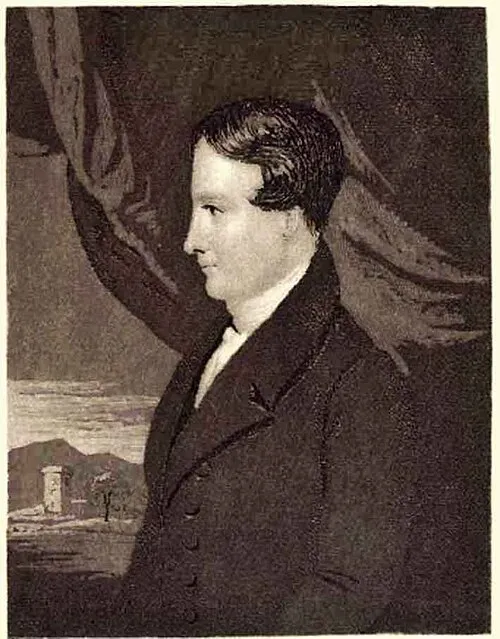
«Porque según el hombre interior, me deleito en la ley de Dios: Mas veo otra ley en mis miembros, que se rebela contra la ley de mi espíritu, y que me lleva cautivo á la ley del pecado que está en mis miembros. ¡Miserable hombre de mí! ¿quién me librará del cuerpo de esta muerte? Gracias doy á Dios, por Jesucristo Señor nuestro. Así que, yo mismo con la mente sirvo á la ley de Dios, mas con la carne á la ley del pecado.» Romanos 7:22-25.
UN CREYENTE ha de ser conocido no solo por su paz y su gozo, sino por su guerra y su angustia. Su paz es singular: brota de Cristo; es celestial, es paz santa. Su guerra es igual de singular: está muy arraigada, es agonizante, y no cesa hasta la muerte. Si el Señor quiere, muchos de nosotros tenemos la perspectiva de sentarnos el próximo domingo a la mesa del Señor.
La gran pregunta que hay que responder antes de sentarse allí es: ¿He huido a Cristo, o no?
Es un punto que anhelo saber; a menudo me causa pensamiento ansioso: ¿Amo al Señor, o no? ¿Soy suyo, o no lo soy?
Para ayudarte a resolver esta pregunta, he escogido el tema de la guerra del cristiano, a fin de que sepas por ella si eres soldado de Cristo: si de veras estás peleando la buena batalla de la fe.
I. Un creyente se deleita en la ley de Dios. «Según el hombre interior, me deleito en la ley de Dios» (v. 22).
(1) Antes de que un hombre venga a Cristo, aborrece la ley de Dios: toda su alma se levanta contra ella. «La intención de la carne es enemistad», etc. (Romanos 8:7). Primero, los hombres no convertidos aborrecen la ley de Dios a causa de su pureza. «Sumamente acendrada es tu palabra; y la ama tu siervo». Por la misma razón la aborrecen los hombres mundanos. La ley es el aliento de la mente pura y santa de Dios. Se opone infinitamente a toda impureza y a todo pecado. Cada línea de la ley está contra el pecado. Pero los hombres naturales aman el pecado, y por eso aborrecen la ley, porque se les opone en todo lo que aman. Como los murciélagos aborrecen la luz y vuelan contra ella, así los hombres no convertidos aborrecen la luz pura de la ley de Dios y vuelan contra ella. Segundo, la aborrecen por su anchura. «Ancho sobremanera es tu mandamiento». Se extiende a todas sus acciones exteriores, vistas y no vistas; se extiende a toda palabra ociosa que los hombres hablen; se extiende a las miradas de sus ojos; desciende hasta las cuevas más profundas de su corazón; condena los manantiales más secretos de pecado y de concupiscencia que anidan allí. Los hombres no convertidos riñen con la ley de Dios a causa de su rigor. Si se extendiera solo a mis acciones exteriores, entonces podría soportarla; pero condena mis pensamientos y deseos más secretos, que no puedo evitar. Por eso los hombres impíos se levantan contra la ley. Tercero, la aborrecen por su inmutabilidad. El cielo y la tierra pasarán, pero ni una jota ni un tilde de la ley pasará de ninguna manera. Si la ley cambiara, o aflojara sus exigencias, o muriera, entonces los hombres impíos quedarían muy contentos. Pero es inmutable como Dios: está escrita en el corazón de Dios, en el cual no hay mudanza, ni sombra de variación. No puede cambiar, a menos que Dios cambie; no puede morir, a menos que Dios muera. Aun en un infierno eterno sus exigencias y sus maldiciones serán las mismas. Es una ley inmutable, porque él es un Dios inmutable. Por eso los hombres impíos tienen un odio inmutable hacia esa ley santa.
(2) Cuando un hombre viene a Cristo, todo esto cambia. Puede decir: «Según el hombre interior, me deleito en la ley de Dios». Puede decir con David: «¡Cuánto amo yo tu ley! todo el día es ella mi meditación». Puede decir con Jesús, en el salmo cuarenta: «El hacer tu voluntad, Dios mío, hame agradado; y tu ley está en medio de mis entrañas».
Hay dos razones para esto:
Primero, la ley ya no es enemiga. Si alguno de ustedes, que tiembla bajo el sentido de sus infinitos pecados y de las maldiciones de la ley que ha quebrantado, huye a Cristo, hallará descanso. Hallará que él ha satisfecho plenamente las exigencias de la ley como fiador de los pecadores; que ha cargado plenamente con todas sus maldiciones. Podrá decir: «Cristo me redimió de la maldición de la ley, hecho por mí maldición; porque está escrito: Maldito», etc. Ya no tiene, pues, nada que temer de esa ley de tan tremenda santidad; no está bajo la ley, sino bajo la gracia. No tiene más que temer de la ley que lo que tendrá después del día del juicio. Imagina un alma salva después del día del juicio. Cuando aquella escena tremenda haya pasado; cuando los muertos, grandes y pequeños, hayan estado en pie ante aquel gran trono blanco; cuando la sentencia de desventura eterna haya caído sobre todos los no convertidos, y se hayan hundido en el lago cuyo fuego nunca puede apagarse; ¿no diría aquella alma redimida: Nada tengo que temer de esa ley santa; he visto derramarse sus copas, pero ni una gota ha caído sobre mí? Así puedes decir ahora, ¡oh creyente en Jesús! Cuando miras el alma de Cristo, marcada por los rayos de Dios; cuando miras su cuerpo, traspasado a causa del pecado, puedes decir: Fue hecho maldición por mí; ¿por qué he de temer esa ley santa?
Segundo, el Espíritu de Dios escribe la ley en el corazón. Esta es la promesa: «Después de aquellos días, dice Jehová: Daré mi ley en sus entrañas, y escribiréla en sus corazones; y seré yo á ellos por Dios, y ellos me serán por pueblo» (Jeremías 31:33). Venir a Cristo quita tu temor de la ley; pero es el Espíritu Santo, al entrar en tu corazón, quien te hace amar la ley. El Espíritu Santo ya no es ahuyentado de ese corazón; viene y lo ablanda; quita el corazón de piedra y pone un corazón de carne; y allí escribe la ley santa, santa, santa de Dios. Entonces la ley de Dios es dulce para esa alma; tiene en ella un deleite interior. «La ley á la verdad es santa, y el mandamiento santo, y justo, y bueno». Ahora desea sin fingimiento que todo pensamiento, toda palabra y toda acción sean conforme a esa ley. «¡Ojalá fuesen ordenados mis caminos á observar tus estatutos! Mucha paz tienen los que aman tu ley; y no hay para ellos tropiezo». El salmo ciento diecinueve viene a ser el aliento de ese corazón nuevo. Ahora también quisiera ver a todo el mundo sometido a esa ley pura y santa. «Ríos de agua descendieron de mis ojos, porque no guardaban tu ley». ¡Oh, si todo el mundo tan solo supiera que la santidad y la felicidad son una sola cosa! ¡Oh, si todo el mundo fuera una sola familia santa, viniendo con gozo bajo las reglas puras del evangelio! Pruébense por esto. ¿Pueden decir: «Me deleito», etc.? ¿Recuerdan cuando aborrecían la ley de Dios? ¿La aman ahora? ¿Anhelan el tiempo en que vivirán por completo bajo ella: santos como Dios es santo, puros como Cristo es puro?
¡Oh, vengan, pecadores, y entreguen sus corazones a Cristo, para que él escriba en ellos su ley santa! Ya han tenido bastante tiempo la ley del diablo grabada en sus corazones: vengan a Jesús, y él a la vez los amparará de las maldiciones de la ley y les dará el Espíritu para escribir toda esa ley en su corazón; hará que la amen con lo más íntimo de su alma. Aleguen ante él la promesa. Ciertamente ya han probado bastante los placeres del pecado. Vengan ahora, y prueben los placeres de la santidad que brotan de un corazón nuevo.
Si mueren con su corazón tal como está, quedará sellado como corazón malvado por toda la eternidad. «El que es injusto, sea injusto todavía: y el que es sucio, ensúciese todavía» (Apocalipsis 22:11). ¡Oh, vengan y reciban el corazón nuevo antes de morir; porque si no nacen de nuevo, no pueden ver el reino de Dios!
II. Un verdadero creyente siente una ley contraria en sus miembros. «Veo otra ley», etc. (v. 23). Cuando un pecador viene por primera vez a Cristo, a menudo piensa que ahora dará un adiós eterno al pecado: ahora no pecaré nunca más. Ya se siente a las puertas del cielo. Un leve soplo de tentación pronto le descubre el corazón, y clama: «Veo otra ley».
(1) Observen cómo la llama: «otra ley»; una ley muy distinta de la ley de Dios; una ley del todo contraria a ella. La llama «ley del pecado» (v. 25); una ley que le manda cometer pecado, que lo apremia con premios y amenazas: «la ley del pecado y de la muerte» (Romanos 8:2); una ley que no solo conduce al pecado, sino que conduce a la muerte, a la muerte eterna: «la paga del pecado es muerte». Es la misma ley que en Gálatas se llama «la carne»: «la carne codicia contra el Espíritu», etc. (Gálatas 5:17). Es la misma que en Efesios 4:22 se llama «el viejo hombre», el cual está labrado conforme a los deseos engañosos; la misma ley que en Colosenses 3 se llama «vuestros miembros»: «Amortiguad, pues, vuestros miembros que están», etc.; la misma que se llama «un cuerpo de muerte» (Romanos 7:24). La verdad, pues, es que en el corazón del creyente permanecen todos los miembros y el cuerpo de un viejo hombre, o de la vieja naturaleza: permanece la fuente de todo pecado que alguna vez ha contaminado al mundo.
(2) Observen de nuevo lo que esta ley está haciendo: «guerreando». Esta ley que está en los miembros no reposa quieta, sino que guerrea: pelea siempre. Nunca puede haber paz en el pecho de un creyente. Hay paz con Dios, pero guerra constante con el pecado. Esta ley que está en los miembros tiene bajo su mando un ejército de concupiscencias, y hace guerra constante contra la ley de Dios. A veces, es cierto, un ejército permanece emboscado, y está quieto hasta que llega un momento favorable. Así, en el corazón, las concupiscencias a menudo están quietas hasta la hora de la tentación, y entonces guerrean contra el alma. El corazón es como un volcán: a veces dormita y no echa sino un poco de humo; pero el fuego está dormitando todo el tiempo abajo, y pronto volverá a estallar. Hay dos grandes combatientes en el alma del creyente. De un lado está Satanás, con la carne y todas sus concupiscencias a su mando; del otro lado está el Espíritu Santo, con la nueva criatura toda a su mando. Y así: «Porque la carne codicia contra el Espíritu, y el Espíritu contra la carne: y estas cosas se oponen la una á la otra, para que no hagáis lo que quisiereis».
¿Tiene Satanás éxito alguna vez? En la profunda sabiduría de Dios, la ley que está en los miembros a veces sí lleva al alma cautiva. Noé era un hombre perfecto, y Noé caminó con Dios, y sin embargo fue llevado cautivo. «Noé bebió del vino, y se embriagó». Abraham era el «amigo de Dios», y sin embargo dijo una mentira, diciendo de Sara, su mujer: «Mi hermana es». Job era un hombre perfecto, uno que temía a Dios y aborrecía el mal, y sin embargo fue provocado a maldecir el día en que nació. Y lo mismo con Moisés, y David, y Salomón, y Ezequías, y Pedro, y los apóstoles.
(1) ¿Han experimentado ustedes esta guerra? Es una señal clara de los hijos de Dios. Me temo que la mayoría de ustedes nunca la ha sentido. No me malentiendan. Todos ustedes han sentido a veces guerra entre su conciencia natural y la ley de Dios. Pero esa no es la contienda que hay en el pecho del creyente. Es guerra entre el Espíritu de Dios en el corazón y el viejo hombre con sus hechos.
(2) Si alguno de ustedes gime bajo esta guerra, aprenda a quedar humillado por ella, pero no desanimado.
Primero, humíllate bajo ella. Está destinada a hacerte yacer en el polvo, y a sentir que no eres más que un gusano. ¡Oh, qué vil miserable has de ser, que aun después de haber sido perdonado y de haber recibido el Espíritu Santo, tu corazón siga siendo fuente de toda maldad! ¡Qué vileza, que en tus acercamientos más solemnes a Dios, en la casa de Dios, en situaciones de honda conmoción, como arrodillarte junto al lecho de muerte, todavía tengas en tu pecho todos los miembros de tu vieja naturaleza! Que esto te haga permanecer en lo bajo.
Segundo, que esto te enseñe tu necesidad de Jesús. Necesitas la sangre de Jesús tanto como al principio. Nunca puedes estar en pie delante de Dios en ti mismo. Has de acudir una y otra vez a ser lavado; aun en tu lecho de muerte has de esconderte bajo Jehová, justicia nuestra. También has de apoyarte en Jesús. Solo él puede vencer en ti. Acércate más y más cada día.
Tercero, no te desanimes. Jesús está dispuesto a ser Salvador de los que son como tú. Él puede salvarte eternamente. ¿Crees que tu caso es demasiado malo para que Cristo te salve? Cada uno a quien Cristo salva tenía un corazón tal como el tuyo. «Pelea la buena batalla de la fe, echa mano de la vida eterna». Adopta la resolución de Edwards: «No cejar jamás, ni aflojar en lo más mínimo mi lucha con mis corrupciones, por poco éxito que yo tenga». «Al que venciere, yo lo haré columna», etc.
III. Los sentimientos de un creyente durante esta guerra.
(1) Se siente miserable. «¡Miserable hombre de mí!» (v. 24). No hay nadie en este mundo tan feliz como un creyente. Ha venido a Jesús, y ha hallado descanso. Tiene el perdón de todos sus pecados en Cristo. Se ha acercado mucho a Dios, como un hijo. Tiene al Espíritu Santo morando en él. Tiene la esperanza de la gloria. En los tiempos más tremendos puede estar en calma, porque siente que Dios está con él. Con todo, hay momentos en que clama: ¡Miserable hombre! Cuando siente la plaga de su propio corazón; cuando siente el aguijón en la carne; cuando su corazón malvado queda al descubierto en toda su temible malignidad; ah, entonces se postra, clamando: ¡Miserable hombre de mí! Una razón de esta miseria es que el pecado, descubierto en el corazón, quita el sentido del perdón. La culpa viene sobre la conciencia, y una nube oscura cubre el alma. ¿Cómo podré volver jamás a Cristo?, clama. ¡Ay! He perdido a mi Salvador a fuerza de pecar. Otra razón es lo repugnante del pecado. Se siente como una víbora en el corazón. Un hombre natural a menudo es miserable a causa de su pecado, pero nunca siente lo repugnante que es; mas para la nueva criatura es vil de veras. ¡Ah, hermanos! ¿Saben algo de la miseria de un creyente? Si no saben nada de ella, nunca conocerán su gozo. Si no conocen las lágrimas y los gemidos de un creyente, nunca conocerán su cántico de victoria.
(2) Busca liberación. «¿Quién me librará?» En tiempos antiguos, algunos tiranos acostumbraban encadenar a sus prisioneros a un cadáver; de modo que, dondequiera que el prisionero vagara, tenía que arrastrar tras sí un cuerpo putrefacto. Se cree que Pablo alude aquí a esta práctica inhumana. A su viejo hombre lo sentía como un cadáver hediondo y putrefacto, que arrastraba sin cesar consigo. Su deseo penetrante es verse libre de él. ¿Quién nos librará? Recuerdan aquella vez en que Dios permitió que un aguijón en la carne atormentara a su siervo —un mensajero de Satanás que lo abofeteara—, y Pablo fue llevado a ponerse de rodillas. «Tres veces he rogado al Señor, que se quite de mí». ¡Oh, esta es la verdadera señal de los hijos de Dios! El mundo tiene una vieja naturaleza; todos ellos son viejos hombres. Pero eso no los lleva a ponerse de rodillas. ¿Cómo es con ustedes, almas queridas? ¿La corrupción sentida en el interior los empuja al trono de la gracia? ¿Los hace invocar el nombre del Señor? ¿Los hace semejantes a la viuda importuna: «Hazme justicia de mi adversario»? ¿Los hace semejantes al hombre que viene a medianoche por tres panes? ¿Los hace semejantes a la mujer cananea, que clamaba en pos de Jesús? ¡Ah, recuerden: si la concupiscencia puede obrar en su corazón, y ustedes se acuestan contentos con ella, no son de Cristo!
(3) Da gracias por la victoria. En verdad, hacemos más que vencer por medio de aquel que nos amó; pues podemos dar gracias antes de que la batalla haya terminado. Sí, aun en lo más recio de la batalla podemos alzar la mirada a Jesús y clamar: ¡Gracias a Dios! En el momento en que un alma que gime bajo la corrupción posa los ojos en Jesús, en ese momento sus gemidos se mudan en cánticos de alabanza. En Jesús descubren una fuente para lavar la culpa de todo su pecado. En Jesús descubren gracia que les basta —gracia para sostenerlos hasta el fin— y una promesa segura de que el pecado pronto será arrancado de raíz por completo. «No temas, porque yo te redimí; te puse nombre, mío eres tú». ¡Ah, esto muda nuestros gemidos en cánticos de alabanza! ¡Cuántas veces un salmo comienza con gemidos y acaba con alabanzas! Esta es la experiencia diaria de todo el pueblo del Señor. ¿Es la de ustedes? Pruébense por esto. ¡Oh, si no conocen el cántico de alabanza del creyente, nunca echarán con ellos sus coronas a los pies de Jesús! Creyentes queridos, conténtense con gloriarse en sus flaquezas, para que la potencia de Cristo repose sobre ustedes. ¡Gloria, gloria, gloria al Cordero!
Ver el original (inglés)
Original en inglés
“For I delight in the law of God after the inward man: but I see another law in my members warring against the law of my mind, and bringing me into captivity to the law of sin which is in my members. O wretched man that I am! who shall deliver me from the body of this death? I thank God, through Jesus Christ our Lord. So then with the mind I myself serve the law of God, but with the flesh the law of sin.” - Romans 7:22-25.
A BELIEVER is to be known not only by his peace and joy, but by his warfare and distress. His peace is peculiar: it flows from Christ; it is heavenly, it is holy peace. His warfare is as peculiar: it is deep-seated, agonising, and ceases not till death. If the Lord will, many of us have the prospect of sitting down next Sabbath at the Lord’s table.
The great question to be answered before sitting down there is, Have I fled to Christ or no?
‘Tis a point I long to know, Oft it causes anxious thought, Do I love the Lord or no? Am I His, or am I not?
To help you to settle this question, I have chosen the subject of the Christian’s warfare, that you may know thereby whether you are a soldier of Christ - whether you are really fighting the good fight of faith.
I. A believer delights in the law of God. - “I delight in the law of God after the inward man” (ver. 22).
(1) Before a man comes to Christ, he hates the law of God - his whole soul rises up against it. “The carnal mind is enmity,” etc. (8:7). First, unconverted men hate the law of God on account of its purity. “Thy word is very pure, therefore Thy servant loveth it.” For the same reason worldly men hate it. The law is the breathing of God’s pure and holy mind. It is infinitely opposed to all impurity and sin. Every line of the law is against sin. But natural men love sin, and therefore they hate the law because it opposes them in all they love. As bats hate the light, and fly against it, so unconverted men hate the pure light of God’s law, and fly against it. Second, they hate it for its breadth. “Thy commandment is exceeding broad.” It extends to all their outward actions, seen and unseen; it extends to every idle word that men shall speak; it extends to the looks of their eye; it dives into the deepest caves of their heart; it condemns the most secret springs of sin and lust that nestle there. Unconverted men quarrel with the law of God because of its strictness. If it extended only to my outward actions, then I could bear with it; but it condemns my most secret thoughts and desires, which I cannot prevent. Therefore ungodly men rise against the law. Third, They hate it for its unchangeableness. Heaven and earth shall pass away, but one jot or one tittle of the law shall in no wise pass away. If the law would change or let down its requirements, or die, then ungodly men would be well pleased. But it is unchangeable as God: it is written on the heart of God, with whom is no variableness nor shadow of turning. It cannot change unless God change; it cannot die unless God die. Even in an eternal hell its demands and its curses will be the same. It is an unchangeable law, for He is an unchangeable God. Therefore, ungodly men have an unchangeable hatred to that holy law.
(2) When a man comes to Christ this is all changed. He can say: “I delight in the law of God after the inward man.” He can say with David: “Oh, how I love Thy law! it is my meditation all the day.” He can say with Jesus, in the fortieth Psalm: “I delight to do Thy will, O my God; yea, Thy law is within my heart.”
There are two reasons for this: -
First, The law is no longer an enemy. - If any of you who are trembling under a sense of your infinite sins, and the curses of the law which you have broken, flee to Christ, you will find rest. You will find that He has fully answered the demands of the law as a surety for sinners; that He has fully borne all its curses. You will be able to say, “Christ hath redeemed me from the curse of the law, being made a curse for me, as it is written, Cursed,” etc. You have no more to fear, then, from that awfully holy law; you are not under the law, but under grace. You have no more to fear from the law than you will have after the judgment-day. Imagine a saved soul after the judgment-day. When that awful scene is past; when the dead, small and great, have stood before that great white throne; when the sentence of eternal woe has fallen upon all the unconverted, and they have sunk into the lake whose fires can never be quenched; would not that redeemed soul say, I have nothing to fear from that holy law; I have seen its vials poured out, but not a drop has fallen on me? So may you say now, O believer in Jesus! When you look upon the soul of Christ, scarred with God’s thunderbolts; when you look upon His body, pierced for sin, you can say, He was made a curse for me; why should I fear that holy law?
Second, The spirit of God writes the law on the heart. - This is the promise: “After those days, saith the Lord, I will put My law in their inward parts, and write it in their hearts; and will be their God, and they shall be My people” (Jer. 31:33). Coming to Christ takes away your fear of the law; but it is the Holy Spirit coming into your heart that makes you love the law. The Holy Spirit is no more frightened away from that heart; He comes and softens it; He takes out the stony heart and puts in a heart of flesh; and there He writes the holy, holy, holy law of God. Then the law of God is sweet to that soul; he has an inward delight in it. “The law is holy, and the commandment holy, and just, and good.” Now he unfeignedly desires every thought, word, and action to be according to that law. “Oh that my ways were directed to keep Thy statutes: great peace have they that love Thy law, and nothing shall offend them.” The one hundred nineteenth Psalm becomes the breathing of that new heart. Now also he would fain see all the world submitting to that pure and holy law. “Rivers of waters run down mine eyes because they keep not Thy law.” Oh that all the world but knew that holiness and happiness are one! Oh that all the world were one holy family, joyfully coming under the pure rules of the gospel! Try yourselves by this. Can you say, “I delight,” etc.? Do you remember when you hated the law of God? Do you love it now? Do you long for the time when you shall live fully under it -holy as God is holy, pure as Christ is pure?
Oh, come, sinners, and give up your hearts to Christ, that He may write on them His holy law! You have long enough had the devil’s law graven on your hearts: come you to Jesus, and He will both shelter you from the curses of the law, and He will give you the Spirit to write all that law in your heart; He will make you love it with your inmost soul. Plead the promise with Him. Surely you have tried the pleasures of sin long enough. Come, now, and try the pleasures of holiness out of a new heart.
If you die with your heart as it is, it will be stamped a wicked heart to all eternity. ‘He that is unjust, let him be unjust still; and he that is filthy, let him be filthy still” (Rev. 22:11). Oh, come and get the new heart before you die; for except you be born again, you cannot see the kingdom of God!
II. A true believer feels an opposing law in his members. - “I see another law,” etc. (ver. 23). When a sinner comes first to Christ, he often thinks he will now bid an eternal farewell to sin: now I shall never sin any more. He feels already at the gate of heaven. A little breath of temptation soon discovers his heart, and he cries out, “I see another law.”
(1) Observe what he calls it - “another law”; quite a different law from the law of God; a law clean contrary to it. He calls it a “law of sin” (ver. 25); a law that commands him to commit sin, that urges him on by rewards and threatenings - “a law of sin and death” (8:2); a law which not only leads to sin, but leads to death, eternal death: “the wages of sin is death.” It is the same law which, in Galatians, is called “the flesh”: “The flesh lusteth against the Spirit,” etc. (Gal. 5:17). It is the same which, in Eph. 4:22, is called “the old man,” which is wrought according to the deceitful lusts; the same law which in Col. 3 is called “your members” - “Mortify, therefore, your members, which are,” etc.; the same which is called “a body of death” (Rom. 7:24). The truth then is, that in the heart of the believer there remains the whole members and body of an old man, or old nature: there remains the fountain of every sin that has ever polluted the world.
(2) Observe again what this law is doing - “warring.” This law in the members is not resting quiet, but warring - always fighting. There never can be peace in the bosom of a believer. There is peace with God, but constant war with sin. This law in the members has got an army of lusts under him, and he wages constant war against the law of God. Sometimes, indeed, an army are lying in ambush, and they lie quiet till a favourable moment comes. So in the heart the lusts often lie quiet till the hour of temptation, and then they war against the soul. The heart is like a volcano: sometimes it slumbers and sends up nothing but a little smoke; but the fire is slumbering all the while below, and will soon break out again. There are two great combatants in the believer’s soul. There is Satan on the one side, with the flesh and all its lusts at his command; then on the other side there is the Holy Spirit, with the new creature all at His command. And so “the flesh lusteth against the Spirit, and the Spirit against the flesh: and these two are contrary the one to the other; so that ye cannot do the things that ye would.”
Is Satan ever successful? In the deep wisdom of God the law in the members does sometimes bring the soul into captivity. Noah was a perfect man, and Noah walked with God, and yet he was led captive. “Noah drank of the wine, and was drunken.” Abraham was the “friend of God,” and yet he told a lie, saying of Sarah his wife, “She is my sister.” Job was a perfect man, one that feared God and hated evil, and yet he was provoked to curse the day wherein he was born. And so with Moses, and David, and Solomon, and Hezekiah, and Peter, and the apostles.
(1) Have you experienced this warfare? It is a clear mark of God’s children. Most of you, I fear, have never felt it. Do not mistake me. All of you have felt warfare at times between your natural conscience and the law of God. But that is not the contest in the believer’s bosom. It is warfare between the Spirit of God in the heart, and the old man with his deeds.
(2) If any of you are groaning under this warfare, learn to be humbled by it, but not discouraged.
First, Be humbled under it. - It is intended to make you lie in the dust, and feel that you are but a worm. Oh, what a vile wretch you must be, that even after you are forgiven, and have received the Holy Spirit, your heart should still be a fountain of every wickedness! How vile, that in your most solemn approaches to God, in the house of God, in awfully affected situations, such as kneeling beside the death-bed, you should still have in your bosom all the members of your old nature! Let this make you lie low.
Second, Let this teach you your need of Jesus. - You need the blood of Jesus as much as at the first. You never can stand before God in yourself. You must go again and again to be washed; even on your dying bed you must hide under Jehovah our Righteousness. You must also lean upon Jesus. He alone can overcome in you. Keep nearer and nearer every day.
Third, Be not discouraged. - Jesus is willing to be a Saviour to such as you. He is able to save you to the uttermost. Do you think your case is too bad for Christ to save? Every one whom Christ saves had just such a heart as you. Fight the good fight of faith; lay hold on eternal life. Take up the resolution of Edwards: “Never to give over, nor in the least to slacken my fight with my corruptions, however unsuccessful I may be.” “Him that overcometh will I make a pillar,” etc.
III. The feelings of a believer during this warfare.
(1) He feels wretched. - “O wretched man that I am!” (ver. 24). There is nobody in this world so happy as a believer. He has come to Jesus, and found rest. He has the pardon of all his sins in Christ. He has near approached to God as a child. He has the Holy Spirit dwelling in him. He has the hope of glory. In the most awful times he can be calm, for he feels that God is with him. Still there are times when he cries, O wretched man! When he feels the plague of his own heart; when he feels the thorn in the flesh; when his wicked heart is discovered in all its fearful malignity; ah, then he lies down, crying, O wretched man that I am! One reason of this wretchedness is, that sin, discovered in the heart, takes away the sense of forgiveness. Guilt comes upon the conscience, and a dark cloud covers the soul. How can I ever go back to Christ? he cries. Alas! I have sinned away my Saviour. Another reason is, the loathsomeness of sin. It is felt like a viper in the heart. A natural man is often miserable from his sin, but he never feels its loathsomeness; but to the new creature it is vile indeed. Ah! bretheren, do you know anything of a believers wretchedness? If you do not, you will never know his joy. If you know not a believer’s tears and groans, you will never know his song of victory.
(2) He seeks deliverance. - “Who shall deliver me?” In ancient times, some of the tyrants used to chain their prisoners to a dead body; so that, wherever the prisoner wandered, he had to drag a putrid carcase after him. It is believed that Paul here alludes to this inhuman practice. His old man he felt a noisome, putrid carcase, which he was continually dragging about with him. His piercing desire is to be freed from it. Who shall deliver us? You remember once, when God allowed a thorn in the flesh to torment His servant, - a messenger of Satan to buffet him, - Paul was driven to his knees. “I besought the Lord thrice, that it might depart from me.” Oh, this is the true mark of God’s children! The world has an old nature; they are all old men together. But it does not drive them to their knees. How is it with you, dear souls? Does corruption felt within drive you to the throne of grace? Does it make you call on the name of the Lord? Does it make you like the importunate widow: “Avenge me of mine adversary”? Does it make you like the man coming at midnight for three loaves? Does it make you like the Canaanitish woman, crying after Jesus? Ah, remember, if lust can work in your heart, and you lie down contented with it, you are none of Christ’s!
(3) He gives thanks for victory. - Truly we are more than conquerors through Him that loved us; for we can give thanks before the fight is done. Yes, even in the thickest of the battle we can look up to Jesus, and cry, Thanks to God. The moment a soul groaning under corruption rests the eye on Jesus, that moment his groans are changed into songs of praise. In Jesus you discover a fountain to wash away the guilt of all your sin. In Jesus you discover grace sufficient for you, - grace to hold you up to the end, - and a sure promise that sin shall soon be rooted out all together. “Fear not, I have redeemed thee. I have called thee by My name; thou art Mine.” Ah, this turns our groans into songs of praise! How often a psalm begins with groans and ends with praises! This is the daily experience of all the Lord’s people. Is it yours? Try yourselves by this. Oh, if you know not the believer’s song of praise, you will never cast your crowns with them at the feet of Jesus! Dear believers, be content to glory in your infirmities, that the power of Christ may rest upon you. Glory, glory, glory to the Lamb!
https://sermonesbiblicos.org/biblioteca/la-experiencia-interior-de-los-creyentes/