Sermones Bíblicos
Uso de exhortación
John Flavel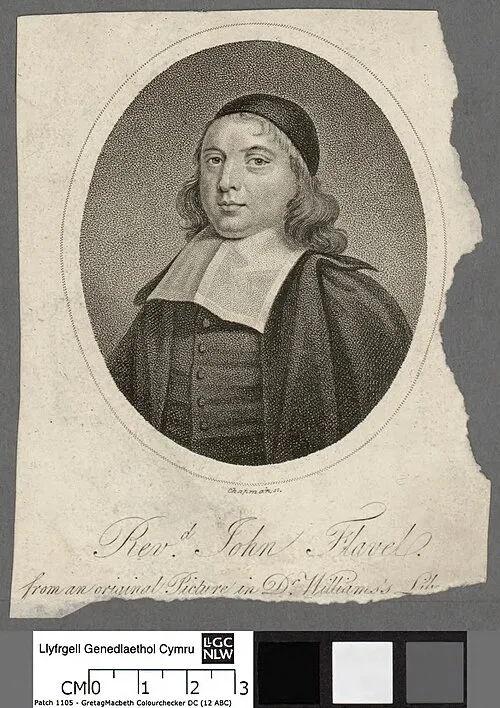
II. USO DE LA EXHORTACIÓN
MOTIVOS A MODO DE INCENTIVO PARA
GUARDAR EL CORAZÓN
Si guardar el corazón es negocio de tanta importancia; si por ello les resultan ventajas tan escogidas; si en ello van envueltos tantos intereses queridos y preciosos, entonces permítanme llamar al pueblo de Dios, en todas partes, a que se aplique de lleno a esta obra.
¡Oh, estudien sus corazones, vigilen sus corazones, guarden sus corazones! Fuera las controversias estériles y todas las preguntas ociosas; fuera los nombres vacíos y las apariencias vanas; fuera el discurso sin provecho y las censuras atrevidas de los demás; vuélvanse hacia ustedes mismos; entren en sus aposentos, y resuelvan ahora morar allí. Han sido ajenos a esta obra demasiado tiempo; han guardado demasiado tiempo las viñas de otros; han jugado demasiado tiempo en las orillas de la religión; este mundo los ha detenido demasiado tiempo de su gran obra. ¿Resolverán ahora mirar mejor por sus corazones? ¿Se apresurarán a salir de las muchedumbres de los negocios y de los clamores del mundo, y se recogerán más de lo que lo han hecho? ¡Oh, que hoy lo resolvieran!
Lector, me parece que debería persuadirte. Todo lo que te pido no es sino esto: que te allegues un poco más a menudo a hablar con Dios y con tu propio corazón; que no permitas que cualquier bagatela te desvíe; que lleves una cuenta más verdadera y fiel de tus pensamientos y de tus afectos; que, al menos cada noche, le demandes en serio a tu propio corazón: Oh, corazón mío, ¿dónde has estado hoy? ¿Hacia dónde has hecho camino hoy? Si todo lo que se ha dicho a modo de incentivo no basta, todavía tengo más motivos que ofrecerles. Y el primero es este:
- Motivo. El estudiar, el observar y el guardar con diligencia sus propios corazones ayudará de manera admirable su entendimiento en los misterios profundos de la religión.
Un corazón honesto y bien experimentado es una ayuda singular para una cabeza débil. Tal corazón les servirá en lugar de un comentario sobre gran parte de las Escrituras. Por este medio entenderán mucho mejor las cosas de Dios de lo que jamás las entendieron los rabinos doctos y los doctores profundos (si carecen de gracia y de experiencia). No solo tendrán una percepción más clara de ellas, sino también un gusto más dulce. Un hombre puede discurrir con ortodoxia y con profundidad acerca de la naturaleza y los efectos de la fe, de las angustias y los consuelos de la conciencia, de la dulzura de la comunión con Dios, y no haber sentido jamás la eficacia ni las impresiones dulces de estas cosas sobre su propio espíritu. Pero, ¡oh, cuán oscuras y secas son estas nociones, comparadas con las de aquel en cuyo corazón han sido obradas! Cuando un hombre así lee los salmos de David o las epístolas de Pablo, allí halla hechas y respondidas sus propias objeciones. «Oh —dice—, estos hombres santos expresan mi propio corazón: sus dudas fueron las mías, sus angustias las mías, y sus experiencias las mías.» Recuerdo que Crisóstomo, hablando a su pueblo de Antioquía acerca de algunas experiencias escogidas, usó esta expresión: Sciunt initiati quid dico: los iniciados saben lo que digo. La experiencia es el mejor maestro. ¡Oh, entonces, estudien sus corazones, guarden sus corazones!
Motivo 2. El estudio y la observación de sus propios corazones les servirán de antídoto contra los errores peligrosos y contagiosos de los tiempos y de los lugares en que viven.
Porque ¿cuál creen que es la razón de que tantos profesantes en Inglaterra se hayan apartado de la fe, prestando atención a fábulas; de que tantos millares hayan sido arrastrados por el error de los malos; de que los jesuitas y los cuáqueros, que han sembrado doctrina corrompida, hayan tenido entre nosotros cosechas tan abundantes, sino que han dado con una compañía de profesantes vacíos y de puras nociones, que nunca supieron qué es lo que pertenece a la piedad práctica y al estudio de sus propios corazones?
Si los profesantes tan solo se dieran con diligencia a estudiar, escudriñar y vigilar sus propios corazones, tendrían aquella firmeza propia de la que habla Pedro, 2 Pedro 3:17 [N. del T.: el original dice «1 Pet. iii. 17»], y esto los lastraría y los afirmaría, Hebreos 13:9. Supongan que un papista sutil les hablara a tales personas de la dignidad y del mérito de las buenas obras: ¿podría jamás hacer entrar esa persuasión en el corazón que es consciente de tanta oscuridad, tanta muerte, tanta distracción y tanta incredulidad acompañando sus mejores deberes? Es una buena regla: Non est disputandum de gustus: no se disputa contra el gusto. De aquello que un hombre ha sentido y ha gustado, nadie puede apartarlo a fuerza de argumentos.
Motivo 3. El cuidado y la diligencia de ustedes en guardar sus corazones resultarán una de las mejores evidencias de su sinceridad.
No conozco ningún acto externo de la religión que distinga al profesante sano del que no lo es. Es cosa admirable considerar hasta dónde llegan los hipócritas en todos los deberes externos; con cuánta apariencia de bien pueden ordenar al hombre exterior, escondiendo todas sus indecencias de la observación del mundo.
Pero entonces no hacen caso de sus corazones; no son en secreto lo que parecen ser en público; y delante de esta prueba ningún hipócrita puede tenerse en pie. Se concede que, en un arrebato, bajo una punzada en el lecho de muerte, pueden clamar contra la maldad de sus corazones; pero, ¡ay!, no hay que hacer caso de estas quejas arrancadas por fuerza. En nuestra ley no se da crédito al testimonio del que está en el potro, porque cabe suponer que el extremo del tormento lo haga decir cualquier cosa con tal de verse aliviado. Pero si los celos de sí mismo, el cuidado y la vigilancia son los movimientos y los temples diarios de tu corazón, eso arguye con fuerza la sinceridad de él: porque ¿qué, sino el sentir de un ojo divino; qué, sino el odio real al pecado como pecado, podría ponerte en esos deberes secretos, que quedan fuera de la observación de todas las criaturas?
Si, pues, es cosa deseable a tus ojos tener un testimonio claro de tu integridad, y saber de verdad que temes a Dios, entonces estudia tu corazón, vigila tu corazón, guarda tu corazón.
Motivo 4. ¡Cuán fructuosas, dulces y consoladoras serían para nosotros todas las ordenanzas y todos los deberes, si nuestros corazones estuvieran mejor guardados!
¡Oh, qué comunión tan preciosa podrían tener con Dios cada vez que se acercan a él, si sus corazones estuvieran tan solo en buen temple! Podrían entonces decir, con David, Salmos 104:34: Serme ha suave hablar de él. Lo que nos hace perder todos nuestros consuelos en las ordenanzas y en los deberes más secretos es la indisposición del corazón. El cristiano cuyo corazón está en buen temple les toma la delantera a todos los demás que entran con él en ese deber. Ellos se esfuerzan mucho por levantar sus corazones a Dios, probando ahora este argumento sobre ellos y luego aquel, para avivarlos y moverlos; y a veces se van tan mal como llegaron. A veces el deber está ya casi terminado antes de que sus corazones empiecen a moverse, o a sentir algún calor, algún avivamiento o algún poder que proceda de él; pero durante todo ese tiempo el corazón preparado está en su obra. Este es el que de ordinario alcanza la primera vista de Cristo en un sermón, el primer sello de Cristo en un sacramento, el primer beso de Cristo en la oración secreta. Les digo, y no les digo sino lo que he sentido, que las oraciones y los sermones les parecerían cosas de otra manera de como les parecen, si tan solo llevaran a ellos corazones mejor ordenados; no se irían abatidos y mustios. «Oh, este ha sido para mí un día perdido, un deber perdido.» Si no hubieran perdido sus corazones, no habría sido así. Si, pues, el consuelo de las ordenanzas es dulce, miren sus corazones, guarden sus corazones.
Motivo 5. El conocimiento de sus propios corazones sería para ustedes un manantial de materia en la oración.
El hombre que es diligente en la obra del corazón, y conoce el estado de su propia alma, tendrá una plenitud de materia, como de manantial, que lo abastezca con riqueza en todos sus acercamientos a Dios. Su lengua no vacilará ni hará pausas por falta de materia. Salmos 45:1: REBOSA mi corazón palabra buena. O, como vierte Montano el original, mi corazón está haciendo hervir buena materia, como un manantial vivo que sigue borboteando agua fresca; y entonces mi lengua es como la pluma de un escribiente diestro. Otros tienen que sacar a bomba la memoria, atormentar su inventiva, y a menudo se quedan sin saber qué decir, después de haber hecho todo. Pero si has guardado tu propio corazón y lo has estudiado con fidelidad, te sucederá (como habla Job en otro caso) como a los odres llenos de vino nuevo a los que les falta respiradero, que están a punto de reventar. Así como la materia santa brota en abundancia, así brota también con más sentimiento y con más dulzura de un corazón tal. Cuando un cristiano experimentado en el corazón está lamentándose delante de Dios por alguna corrupción particular del corazón, luchando con Dios para que supla alguna carencia interior particular, no habla como hablan los demás hombres, que han aprendido a orar de memoria. Las confesiones y las peticiones de ellos salen exprimidas; las de él caen libres, como miel pura del panal. Es entonces una dicha estar con un cristiano así, o cerca de él. Recuerdo que Bernardo, habiendo dado reglas para preparar el corazón para la oración, las concluye así: Et cum talis fueris memento mei; y dice: cuando tu corazón esté en este temple, entonces acuérdate de mí.
Motivo 6. Por esto se recuperará otra vez entre los profesantes el poder decaído de la religión, que es el espectáculo más deseable de este mundo.
¡Oh, que yo viva para ver aquel día en que los profesantes no anden en una vana apariencia; en que ya no se contenten con un nombre de que viven, estando espiritualmente muertos! En que ya no sean (como muchos de ellos lo son ahora) una compañía de personas frívolas, vanas y sin seriedad; sino que los rayos majestuosos de la santidad, brillando desde sus conductas celestiales y serias, infundan temor al mundo e impongan reverencia a todos los que están en derredor de ellos; en que calienten los corazones de los que se les acercan, de modo que los hombres digan: De verdad, Dios está en estos hombres.
Pues bien, cabe esperar de nuevo un tiempo así, conforme a aquella promesa, Isaías 60:21: Y tu pueblo, todos ellos serán justos. Pero mientras no persigamos más de cerca esta gran obra de guardar nuestros corazones, quedo sin esperanza de ver aquellos días bienaventurados. No puedo esperar tiempos mejores hasta que Dios dé corazones mejores. ¿No les duele ver de qué escarnio se hace objeto a la religión en el mundo? ¡De qué objetos de desprecio y de escarnio se hace a los profesantes de ella en el mundo!
Profesantes, ¿quieren recuperar su crédito? ¿Quieren obtener otra vez un testimonio honroso en las conciencias de sus mismos enemigos? Entonces, guarden sus corazones, vigilen sus corazones. Es la soltura, la frivolidad y lo terrenal de sus corazones lo que ha hecho tales sus vidas; y esto los ha puesto bajo el desprecio del mundo. Primero perdieron la vista de Dios y la comunión con él; luego, su porte celestial y serio entre los hombres; y, con eso, el lugar que tenían en las conciencias de ellos. ¡Oh, entonces, por el crédito de la religión, por el honor de su profesión, guarden sus corazones!
Motivo 7. Con la diligencia en guardar nuestros corazones, prevendríamos y quitaríamos del camino del mundo los escándalos fatales y las piedras de tropiezo.
¡Ay del mundo (dice Cristo) por los escándalos! Mateo 18:7. ¿No se les cubre de vergüenza el rostro? ¿No les sangra el corazón por dentro, al oír los descarrios escandalosos de muchos profesantes relajados? ¿No podrían, como Sem y Jafet, ir de espaldas con un manto para cubrir la vergüenza de muchos profesantes? ¿Cómo es blasfemado aquel nombre digno? Santiago 2:7; 2 Samuel 12:13, 14. ¿Se entristecen los corazones de los justos? Salmos 25:3; Ezequiel 36:20. Por esto el mundo queda terriblemente prevenido contra Cristo y contra la religión; las ataduras de la muerte se afianzan sobre sus almas; los que tienen un amor y una afición general a los caminos de Dios se sobresaltan y son echados del todo atrás; y así se derrama sangre de almas. ¡Ay del mundo!
Sí, ¿cómo quedan sumidas las conciencias de los profesantes caídos, y aun abrumadas, en los abismos de la angustia? Dios excomulga interiormente sus almas de toda comunión consoladora consigo mismo y de los gozos de su salvación. Infinitos son los daños que vienen por las vidas escandalosas de los profesantes.
Y ¿cuál es la verdadera causa y razón de todo esto, sino el descuido de sus corazones? Si nuestros corazones estuvieran mejor guardados, todo esto se prevendría. Si David hubiera guardado su corazón, no habría quebrantado sus huesos. Un corazón negligente y descuidado tiene por fuerza que producir una vida desordenada y escandalosa. Doy gracias a Dios por la libertad y la fidelidad de un hermano reverendo, al mostrar a los profesantes sus muchos descarrios; y deseo de corazón que, cuando sus heridas hayan sido bien sondadas con aquella sonda, Dios se digne sanarlas con este emplasto. ¡Oh, profesantes! Si alguna vez han de conservar dulce la religión; si alguna vez esperan recuperar el crédito de ella en el mundo, guarden sus corazones. O guardan sus corazones, o pierden su crédito; guarden sus corazones, o pierden sus consuelos; guarden sus corazones, no sea que derramen sangre de almas. ¡Qué palabras pueden expresar los intereses hondos, las consecuencias admirables de esta obra! Cada cosa le pone una necesidad, una solemnidad, una hermosura.
Motivo 8. Un corazón bien guardado los dispondrá para cualquier condición en que Dios los ponga, o para cualquier servicio en que él haya de emplearlos.
El que ha aprendido a guardar humilde su corazón está apto para la prosperidad; y el que sabe usar las promesas y los sostenes de la Escritura, y aplicárselos, está apto para pasar por cualquier adversidad. El que puede negar el orgullo y el egoísmo de su corazón está apto para ser empleado en cualquier servicio para Dios. Tal hombre fue Pablo. No solo gastaba su tiempo en predicar a otros, en guardar las viñas de otros, sino que miraba por sí mismo y guardaba su propia viña, 1 Corintios 9:27: no sea que, habiendo predicado a otros, yo mismo venga a ser reprobado. Y ¡qué instrumento tan eminente fue él para Dios! Sabía echar la mano a cualquier obra; sabía manejarse con destreza tanto en la condición adversa como en la próspera: sé abundar y sé padecer necesidad. Que el pueblo lo divinice: no lo mueve, si no es a indignación. Que lo apedreen: lo puede soportar. Si alguno se limpiare de estas cosas (dice él, 2 Timoteo 2:21) será vaso para honra, santificado, y útil para los usos del Señor, y aparejado para todo buena obra.
Primero ha de purificarse el corazón, y entonces queda preparado para cualquier servicio de Dios. Cuando el corazón de Isaías fue purificado, que era lo significado por el tocar sus labios con un carbón del altar, Isaías 6:7, entonces estuvo apto para la obra de Dios: Heme aquí, envíame a mí, v. 8. Al hombre que no ha aprendido a guardar su corazón, pónganlo en cualquier servicio para Dios; y si este va acompañado de honra, se hinchará y se alzará por encima de su espíritu; si va acompañado de sufrimiento, lo dejará exánime y lo hundirá.
Jesucristo tuvo una aptitud de instrumento para la obra de su Padre, por encima de todos los siervos que Dios empleó jamás. Era celoso en la obra pública para Dios; tan celoso que a veces se olvidaba de comer pan; sí, tanto que sus amigos pensaron que estaba fuera de sí. Pero, con todo, llevaba adelante su obra pública de tal modo que no olvidaba su propia comunión privada con Dios; y por eso leen, Mateo 14:23, que, habiendo trabajado todo el día, aun después de eso subió a un monte, aparte, a orar, y estuvo allí solo. ¡Oh, que los que guardan las viñas miren su propia viña! Nunca seremos tan útiles para el bien de los demás como cuando somos más diligentes con nuestras propias almas.
Motivo 9. Si el pueblo de Dios guardara con más diligencia sus corazones, ¡cuán grandemente se endulzaría con ello la comunión de los santos!
¡Cuán hermosas serían entonces tus tiendas, oh Jacob, y tus tabernáculos, oh Israel! Entonces, como está profetizado de los judíos, Zacarías 8:23, dirían los hombres: Iremos con vosotros, porque hemos oído que Dios está con vosotros. Es la comunión que sus almas tienen con el Padre y con el Hijo lo que saca el deseo de otros hacia la comunión con ustedes, 1 Juan 1:3. Les digo que, si los santos se dejaran persuadir de tomar más trabajo y de gastar más tiempo en sus corazones, pronto habría tal lustre divino sobre el rostro de sus conductas, que los hombres tendrían por privilegio no pequeño el estar con ellos, o cerca de ellos.
Son el orgullo, la pasión y lo terrenal de nuestros corazones lo que ha echado a perder la comunión cristiana. ¿De dónde viene que, cuando los cristianos se reúnen, a menudo choquen y contiendan? No es sino por sus pasiones no mortificadas. ¿De dónde vienen sus censuras poco caritativas contra sus hermanos? No es sino de la ignorancia de sí mismos. ¿Por qué son tan rígidos y tan sin misericordia hacia los que han caído? Porque no se consideran a sí mismos, como dice el apóstol, Gálatas 6:1. ¿Por qué es su plática tan frívola y tan sin provecho cuando se reúnen? ¿No viene esto de lo terrenal y de la vanidad de sus corazones?
Hermanos míos, estas son las cosas que han echado a perder la comunión cristiana y la han vuelto cosa seca y sin jugo; de modo que muchos cristianos están ya cansados de ella, y están prontos a decir, con el profeta, Jeremías 9:2: ¡Oh quién me diese en el desierto un mesón de caminantes, etc. para que dejase mi pueblo, y de ellos me apartase! y, con David, Salmos 120:6: Mucho se detiene mi alma con los que aborrecen la paz. Esto los ha hecho anhelar el sepulcro, para irse de los que no son su propio pueblo hacia los que sí son su propio pueblo, como lo da a entender el original de aquel texto, 2 Corintios 5:8.
Pero si ahora los profesantes estudiaran más sus propios corazones, los vigilaran y los guardaran mejor, todo esto se prevendría, y se restaurarían otra vez la hermosura y la gloria de la comunión. Ya no se dividirían, ya no contenderían, ya no censurarían precipitadamente. Cuando sus corazones estén afinados, sus lenguas no desentonarán. ¡Cuán caritativos, cuán compasivos y cuán tiernos serán los unos con los otros, cuando cada uno esté cada día humillado bajo el mal de su propio corazón! Señor, apresura aquellos días tan deseados, y bendice estos consejos en orden a ellos.
Motivo 10. Por último, por esto los consuelos del Espíritu, y las influencias preciosas de todas las ordenanzas, quedarían fijos y se conservarían en sus almas mucho más tiempo de lo que ahora se conservan.
¡Ah, qué daría yo para que mi alma se conservara en aquel temple en que a veces la encuentro después de una ordenanza! Aliquando intromittis me Domine in affectum multum inusiatum, intorsus ad quam nescio dulcedinem, &c. A veces, oh Señor (dice con dulzura uno de los padres), me admites en los deleites más íntimos, desacostumbrados y dulces, hacia no sé qué dulzura; la cual, si se perfeccionara en mí, no sé qué sería, o más bien qué no sería. Pero, ¡ay!, el corazón vuelve a descuidarse, y pronto regresa, como el agua apartada del fuego, a su frialdad natural. Si pudieran guardar para siempre esas cosas en sus corazones, ¡qué cristianos serían, qué vidas vivirían! Y ¿cómo es que estas cosas no permanecen más tiempo con nosotros? Sin duda, porque dejamos que nuestros corazones tomen frío otra vez. Deberíamos tener, después de una ordenanza o de un deber, tanto cuidado de prevenir esto como lo tiene, de no salir al aire frío, quien sale de un baño caliente o de un gran sudor. Tenemos nuestros accesos de calor y de frío, por turnos; y ¿cuál es la razón, sino nuestra falta de pericia y nuestro descuido en guardar el corazón?
Es mil veces una lástima que las ordenanzas de Dios, en cuanto a sus efectos de avivamiento y de consuelo, hayan de ser como aquellas ordenanzas humanas de las que habla el apóstol, que perecen con el uso. Oh, entonces, permítanme decirles, como Job 15:11: ¿En tan poco tienes las consolaciones de Dios? Repasen estos diez beneficios especiales; pésenlos en una balanza justa. ¿Son cosas pequeñas? ¿Es cosa pequeña que sea ayudado tu entendimiento débil, que tu alma en peligro sea provista de antídoto, que sea probada tu sinceridad, que sea endulzada tu comunión con Dios, que se llenen tus velas en la oración? ¿Es cosa pequeña que sea recuperado otra vez el poder decaído de la piedad, que sean quitados todos los escándalos fatales, que se obtenga una aptitud de instrumento para servir a Cristo, que la comunión de los santos sea restaurada a su gloria primitiva, y que las influencias de las ordenanzas permanezcan en las almas de los santos? Si estas no son bendiciones comunes, ni beneficios pequeños, entonces, de cierto, es un gran deber guardar el corazón con toda diligencia.
Ver el original (inglés)
Original en inglés
II. USE OF EXHORTATION
MOTIVES BY WAY OF INDUCEMENT TO
KEEP THE HEART
If the keeping of the heart be so important a business; if such choice advantages accrue to you thereby; if so many dear and precious interests be wrapt up in it, then let me call upon the people of God every where to fall close to this work.
O study your hearts, watch your hearts, keep your hearts! away with fruitless controversies and all idle questions; away with empty names and vain shews; away with unprofitable discourse and bold censures of others; turn in upon yourselves; get into your closets, and now resolve to dwell there. You have been strangers to this work too long; you have kept others vineyards too long, you have trifled about the borders of religion too long; this world hath detained you from your great work too long; will you now resolve to look better to your hearts? Will you haste and come out of the crowds of business, and clamours of the world, and retire yourselves more than you have done? O that this day you would resolve upon it!
Reader, methinks I should prevail with thee: all that I beg for is but this, that thou wouldst step a little oftener to talk with God, and thine own heart; that thou wouldst not suffer every trifle to divert thee; that thou wouldst keep a more true and faithful account of thy thoughts and affections; that thou wouldst but seriously demand of thine own heart, at least every evening, O my heart, where hast thou been to day? Whither hast thou made a road to day? If all that hath been said by way of inducement be not enough, I have yet more motives to offer you. And the first is this:
- Motive. The studying, observing, and diligent keeping of your own hearts, will marvellously help your understanding in the deep mysteries of religion.
An honest well experienced heart, is a singular help to a weak head; such a heart will serve you instead of a commentary upon a great part of the scriptures: by this means you shall far better understand the things of God, than the learned rabbis and profound doctors (if graceless and unexperienced) ever did; you shall not only have a more clear, but a more sweet perception and gust of them: a man may discourse orthodoxly and profoundly of the nature and effects of faith, the troubles and comforts of conscience, the sweetness of communion with God, that never felt the efficacy and sweet impressions of these things upon his own spirit: But, O how dark and dry are these notions, compared with his upon whose heart they have been acted! When such a man reads David’s psalms, or Paul’s epistles, there he finds hos own objections made and answered. O, said he, these holy men speak my very heart: their doubts were mine, their troubles mine, and their experiences mine. I remember Chrysostom, speaking to his people of Antioch about some choice experiences, used this expression: Sciunt initiati quid dico: those that are initiated, know what I say: experience is the best school-master. O then, study your hearts, keep your hearts!
Motive 2. The study and observation of your own hearts will antidote you against the dangerous and infecting errors of the times and places you live in.
For what think you is the reason that so many professors in England have departed from the faith, giving heed to fables; that so many thousands have been led away by the error of the wicked; that Jesuits and Quakers, who have sown corrupt doctrine, have had such plentiful harvests among us, but because they have met with a company of empty notional professors, that never knew what belongs to practical godliness, and the study and study of their own hearts.
If professors did but give diligence to study, search and watch their own hearts, they would have that steadfastness of their own, that Peter speaks of, 1 Pet. iii. 17, and this would ballast and settle them, Heb. xiii. 9. Suppose a subtil Papist would talk to such, of the dignity and merit of good works, could he ever work the persuasion of it into that heart, that is conscious to itself of so much darkness, deadness, distraction and unbelief attending its best duties? It is a good rule, Non est disputandum de gustus: there is no disputing against taste. What a man hath felt and tasted, one cannot beat him off from that by argument.
Motive 3. Your care and diligence in keeping your hearts, will prove one of the best evidences of your sincerity.
I know no external act of religion that differences the sound from the unsound professor: it is wonderful to consider, how far hypocrites go in all external duties; how plausibly they can order the outward man, hiding all their indecencies from the observation of the world.
But then, they take no heed to their hearts; they are not in secret what they appear to be in public; and before this trial no hypocrite can stand: it is confessed, they may in a fit, under a pang upon a death-bed, cry out of the wickedness of their hearts; but, alas! there is no heed to be taken to these extorted complaints: in our law, no credit is to be given to the testimony of one upon the rack, because it may be supposed that the extremity of the torture may make him say any thing to be eased. But, if self-jealousy, care, and watchfulness be the daily workings and frames of thy heart, it strongly argues the sincerity of it: for what but the sense of a divine eye, what but the real hatred of sin as sin, could put thee upon those secret duties, which lie out of the observation of all creatures?
If then it be a desirable thing in thine eyes to have a fair testimony of thine integrity, and to know of a truth that thou fearest God: then study thy heart, watch thy heart, keep thy heart.
Motive 4. How fruitful, sweet, and comfortable would all ordinances and duties be to us, if our hearts were better kept?
O what precious communion might you have with God, every time you approach him, if your hearts were but in frame! You might then say, with David, Psal. civ. 34, My meditation of him shall be sweet. That which loses all our comforts in ordinances and more secret duties, is the indisposedness of the heart: a Christian whose heart is in a good frame, gets the start of all others that come with him in that duty. They strive hard to get up their hearts to God, now trying this argument upon them, and then that, to quicken and affect them; and sometimes go away as bad as they came. Sometimes the duty is almost ended before their hearts begin to stir or feel any warmth, quickening, or power from it; but all this while the prepared heart is at its work; this is he that ordinarily gets the first sight of Christ in a sermon, the first seal from Christ in a sacrament, the first kiss from Christ in secret prayer. I tell you, and I tell you but what I have felt, that prayers and sermons would appear to you other manner of things than they do, did you but bring better ordered hearts unto them; you would not go away dejected and drooping. O this hath been a lost day, a lost duty to me; if you had not lost your hearts, it had not been so: if then the comfort of ordinances be sweet, look to your hearts, keep your hearts.
Motive 5. Acquaintance with your own hearts would be a fountain of matter to you in prayer.
A man that is diligent in heart-work, and knows the state of his own soul, will have a fountain-fulness of matter to supply him richly in all his addresses to God; his tongue shall not falter, and make pauses for want of matter; Psal. xlv. 1, My heart is indicting a good matter; Or, as Montanus renders the original, my heart is boiling up good matter like a living spring, that is still bubbling up fresh water; and then my tongue is as the pen of a ready writer: others must pump their memory, rack their inventions, and are often at a loss, when they have done all; but if thou have kept, and faithfully have studied thine own heart, it will be with thee (as Job speaks in another case) like bottles full of new wine that want vent, which are ready to burst: as holy matter flows plentifully, so more feelingly and sweetly from such a heart. When a heart-experienced Christian is mourning before God over some special heart-corruption, wrestling with God for the supply of some special inward want, he speaks not as other men do, that have learned to pray by rote; their confessions and petitions are squeezed out, his drop freely, like pure honey from the comb: it is a happiness then to be with or near such a Christian. I remember Bernard, having given rules to prepare the heart for prayer, concludes them thus, Et cum talis fueris memento mei; and saith he, when thy heart is in this frame, then remember me.
Motive 6. By this the decayed power of religion will be recovered again among professors, which is the most desirable sight in this world.
O that I might live to see that day, when professors shall not walk in a vain shew, when they shall please themselves no more with a name to live, being spiritually dead! when they shall be no more (as many of them now are) a company of frothy, vain, and unserious persons; but the majestic beams of holiness, shining from their heavenly and serious conversations, shall awe the world and command reverence from all that are about them; when they shall warm the hearts of those that come nigh them; so that men shall say, God is in these men of a truth.
Well, such a time may again be expected, according to that promise, Isa. lx. 21. The people shall be all righteous. But till we pursue closer this great work of keeping our hearts, I am out of hopes to see those blessed days; I cannot expect better times, till God gives better hearts. Doth it not grieve you to see what a scorn religion is made in the world? What objects of contempt and scorn the professors of it are made in the world.
Professors, would you recover your credit? Would you again obtain an honourable testimony in the consciences of your very enemies? Then, keep your hearts, watch your hearts: it is the looseness, frothiness, and earthliness of your hearts, that hath made your lives so; and this hath brought you under contempt of the world; you first lost your sights of God, and communion with him, then your heavenly and serious deportment among men, and by that, your interest in their consciences: O then, for the credit of religion, for the honour of your profession, keep your hearts!
Motive 7. By diligence in keeping our hearts, we should prevent, and remove the fatal scandals and stumbling-blocks out of the way of the world.
Woe to the world (saith Christ) because of offences! Mat. xviii. 7. Doth not shame cover your faces? Do not your hearts bleed within you, to hear of the scandalous miscarriages of many loose professors? Could you not, like Shem and Japhet, go backward with a garment to cover the shame of many professors? How is that worthy name blasphemed? Jam. ii. 7, 2 Sam. xii. 13, 14. The hearts of the righteous saddened? Psal. xxv. 3, Ezek. xxxvi. 20. By this the world is fearfully prejudiced against Christ and religion; the bonds of death made fast upon their souls; those that have a general love and liking to the ways of God, startled and quite driven back, and thus soul-blood is shed: woe to the world!
Yea, how are the consciences of fallen professors plunged and even overwhelmed in the deeps of trouble? God inwardly excommunicating their souls from all comfortable fellowship with himself, and the joys of his salvation: infinite are the mischiefs that come by the scandalous lives of professors.
And what is the true cause and reason of all this, but the neglecting of their hearts? Were our hearts better kept, all this would be prevented. Had David kept his heart, he had not broken his bones; a negligent and careless heart must of necessity produce a disorderly scandalous life. I thank God for the freedom and faithfulness of a reverend brother in shewing professors their manifold miscarriages; and from my heart do wish, that when their wounds have been thoroughly searched by that probe, God would be pleased to heal them by this plaster. O professors! if ever you will keep religion sweet; if ever you hope to recover the credit of it in the world, keep your hearts; either keep your hearts, or loose your credit; keep your hearts, or loose your comforts; keep your hearts, lest you shed soul-blood. What words can express the deep concernments, the wonderful consequences of this work! Every thing puts a necessity, a solemnity, a beauty upon it.
Motive 8. An heart well kept will fit you for any condition God casts you into, or any service he hath to use you in.
He that hath learnt how to keep his heart lowly, is fit for prosperity; and he that knows how to use and apply to it scripture-promises and supports, is fit to pass through any adversity: he that can deny the pride and selfishness of his heart is fit to be employed in any service for God. Such a man was Paul: he did not only spend his time in preaching to others, in keeping others vineyards, but he looked to himself, kept his own vineyard, 1 Cor. ix. 27; Lest when I have preached to others, I myself should be a cast-away. And what an eminent instrument was he for God? He could turn his hand to any work; he could dexterously manage both in adverse and prosperous condition; I know how to abound, and how to suffer want. Let the people deify him, it moves him not, unless to indignation. Let them stone him, he can bear it: If a man purge himself from these (saith he, 2 Tim. ii. 21) he shall be a vessel unto honour, sanctified, and meet for the master’s use, and prepared unto every good work.
First, the heart must be purged; and then it is prepared for any service of God. When the heart of Isaiah was purified, which was the thing signified by the touching of his lips with a coal from the altar, Isa. vi. 7. then he was fit for God’s work: Here am I, send me, v. 8. A man that hath not learned to keep his heart, put him upon any service for God, and if it be attended with honour, it shall swell up and overtop his spirit; if with suffering, it will exanimate and sink him.
Jesus Christ had an instrumental fitness for his Father’s work above all the servants that ever God employed; he was zealous in public work for God, so zealous that he sometimes forgot to eat bread, yea, that his friends thought he had been besides himself: but yet he so carried on his public work, as not to forget his own private communion with God: and therefore you read, Mat. xiv. 23. that when he had been labouring all day, yet after that, he went up to a mountain apart to pray, and was there alone. O let the keepers of the vineyards look to their own vineyard! We shall never be so instrumental to the good of others, as when we are most diligent about our own souls.
Motive 9. If the people of God would more diligently keep their hearts, how exceedingly would the communion of saints thereby be sweetened.
How goodly then would be thy tents, O Jacob, and thy tabernacles, O Israel: then, as it is prophesied of the Jews, Zech. viii. 23. men would say, We will go with you, for we have heard that God is among you. It is the fellowship your souls have with the Father, and with the Son, that draws out the desires of others after fellowship with you, 1 John i. 3. I tell you, if saints would be persuaded to take more pains, and spend more time about their hearts, there would quickly be such a divine lustre upon the face of their conversations, that men would account it no small privilege to be with, or near them.
It is the pride, passion, and earthliness of our hearts that have spoiled Christian fellowship. Whence is it, that when Christians meet, they are often jarring and contending? but only for their unmortified passions: whence are their uncharitable censures of their brethren? but only from self-ignorance: why are they so rigid and unmerciful towards those that are fallen? but because they consider not themselves, as the apostle speaks, Gal. vi. 1. Why is their discourse so frothy and unprofitable when they meet? is not this from the earthliness and vanity of their hearts?
My brethren, these be the things that have spoiled Christian fellowship, and made it become a dry and sapless thing; so that many Christians are even weary of it, and are ready to say, with the prophet, Jer. ix. 2. O that I had a cottage in the wilderness, &c. that I might leave my people, and go from them! and, with David, Psal. cxx. 6. My soul hath long dwelt with them that hate peace. This hath made them long for the grave, that they might go from them that are not their own people, to them that are their own people, as the original of that text imports, 2 Cor. v. 8.
But now if professors would study their own hearts more, watch and keep them better, all this would be prevented; and the beauty and glory of communion again restored: they would divide no more, contend no more, censure rashly no more; when their hearts are in tune, their tongues will not jar; how charitable, pitiful and tender will they be of one another, when every one is daily humbled under the evil of his own heart. Lord, hasten those much desired days, and bless these counsels in order to them.
Motive 10. Lastly, By this the comforts of the Spirit, and precious influences of all ordinances, would be fixed, and much longer preserved in your souls, than now they are.
Ah! what would I give, that my soul might be preserved in that frame I sometimes find it after an ordinance! Aliquando intromittis me Domine in affectum multum inusiatum, intorsus ad quam nescio dulcedinem, &c. Sometimes, O Lord (saith one of the fathers sweetly) thou admittest me into the most inward, unusual and sweet delights, to I know not what sweetness, which, were it perfected in me, I know not what it would be, or rather what it would not be: But, alas! the heart grows careless again, and quickly returns, like water removed from the fire, to its native coldness. Could you but keep those things for ever in your hearts, what Christians would you be, what lives would you live! and how is it that these things remain no longer with us? Doubtless it is because we suffer our hearts to take cold again: we should be as careful after an ordinance or duty to prevent this, as one that comes out of a hot bath, or great sweat, is of going out into the chill air. We have our hot and cold fits by turns; and what is the reason, but our unskillfulness and carelessness in keeping the heart?
It is a thousand pities, that the ordinances of God, as to their quickening and comforting effects, should be like those human ordinances the apostle speaks of, that perish in the using. O then, let me say to you, as Job xv. 11. Do the consolations of God seem small to you? Look over these ten special benefits; weigh them in a just balance; are they small matters? Is it a small matter to have thy weak understanding assisted? thy endangered soul antidoted, thy sincerity proved, thy communion with God sweetened, thy sails filled in prayer? Is it a small thing to have the decayed power of godliness again recovered, all fatal scandals removed, an instrumental fitness to serve Christ obtained, the communion of saints restored to its primitive glory, and the influences of ordinances abiding in the souls of saints? If these be no common blessings, no small benefits, then surely it is a great duty to keep the heart with all diligence.
https://sermonesbiblicos.org/biblioteca/guardar-el-corazon-18-exhortacion/