Sermones Bíblicos
Uso de información
John Flavel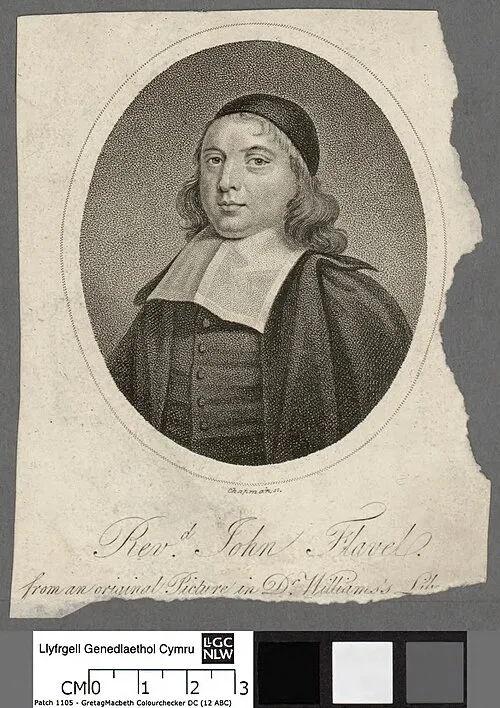
I. USO DE INFORMACIÓN
A LOS HIPÓCRITAS Y PROFESANTES FORMALES
Ustedes han oído que guardar el corazón es la gran obra del cristiano, en la cual consisten el alma misma y la vida de la religión, y sin la cual todos los demás deberes no tienen valor alguno delante de Dios; de aquí, pues, inferiré, para consternación de los hipócritas y de los profesantes formales,
- Que los afanes y trabajos que muchas personas se han tomado en la religión no son más que trabajo perdido y afanes sin propósito, tales que nunca habrán de rendir provecho.
Muchos grandes servicios se han prestado, muchas obras gloriosas son obradas por los hombres, las cuales, sin embargo, son del todo rechazadas por Dios, y nunca permanecerán asentadas en el registro en orden a una aceptación eterna, porque no tuvieron cuidado de guardar sus corazones con Dios en aquellos deberes: esta es aquella roca fatal contra la cual miles de profesantes vanos se han estrellado para siempre; son escrupulosos con lo exterior de la religión, pero no hacen caso de sus corazones. ¡Oh, cuántas horas han pasado algunos profesantes oyendo, orando, leyendo, conferenciando! Y, sin embargo, en cuanto al fin principal de la religión, tanto les habría valido quedarse sentados y no hacer nada; porque todo esto nada significa, estando todo el tiempo descuidada la gran obra, quiero decir, la obra del corazón. Dime, profesante vano, ¿cuándo derramaste una lágrima por la muerte, la dureza, la incredulidad o la terrenalidad de tu corazón? ¿Piensas que una religión tan fácil puede salvarte? Si así es, podemos invertir las palabras de Cristo y decir: ancha es la puerta, y espacioso el camino que lleva á la vida, y muchos son los que entran por ella. Óyeme, hipócrita que te engañas a ti mismo, tú que has despachado a Dios con deberes sin corazón, tú que has actuado en la religión como si bendijeras a un ídolo, que no podía escudriñar ni descubrir tu corazón; tú que no has ofrecido a Dios sino la piel del sacrificio, no el tuétano, la grosura y las entrañas de él: ¿cómo soportarás la venida del Señor? ¿Cómo alzarás la cabeza delante de él, cuando diga: «¡Oh, hombre disimulado y de corazón falso!»? ¿Cómo pudiste profesar la religión? ¿Con qué cara pudiste decirme tantas veces que me amabas, cuando sabías todo el tiempo, en tu propia conciencia, que tu corazón no estaba conmigo? ¡Oh, tiembla al pensar qué juicio tan temible es ser entregado a un corazón desatento y descuidado, y tener entonces los deberes religiosos, en lugar de un sonajero, para aquietar y acallar la conciencia!
- De aquí infiero también, para la humillación aun de los corazones rectos, que, a menos que el pueblo de Dios emplee en sus corazones más tiempo y más afán del que emplea por lo general y de ordinario, no es de esperar que haga a Dios mucho servicio, ni que sea dueño de mucho consuelo en este mundo.
Puedo decir de aquel cristiano remiso y descuidado en guardar su corazón lo que Jacob dijo de Rubén: no seas el principal. Me duele ver cuántos cristianos hay que andan de un lado a otro, abatidos y quejándose, que viven en un nivel pobre y bajo, tanto de servicio como de consuelo; ¿y cómo pueden esperar que haya de ser de otro modo, mientras viven en un nivel tan descuidado? ¡Oh, qué poco de su tiempo se emplea en el aposento, en escudriñar, humillar y avivar sus corazones!
Ustedes dicen que sus corazones están muertos; ¿y se admiran de que lo estén, mientras no los guardan unidos a la fuente de la vida? Si sus cuerpos hubieran sido alimentados con la misma dieta con que han sido alimentadas sus almas, también habrían muerto; nunca esperen mejores corazones hasta que se tomen más afanes con ellos: Qui fugit molam, fugit farinam; el que no quiera el sudor, no ha de esperar lo dulce de la religión.
¡Oh, cristianos! Temo que su celo y sus fuerzas hayan corrido por el cauce equivocado; temo que la mayoría de nosotros pueda hacer suya la queja de la iglesia, Cantares 1:6: hiciéronme guarda de viñas; [y] mi viña, que era mía, no guardé. Dos cosas han devorado el tiempo y las fuerzas de los profesantes de esta generación, y los han desviado tristemente de la obra del corazón: 1. controversias estériles, suscitadas por Satanás, no dudo que con este preciso propósito: apartarnos de la piedad práctica y enredarnos la cabeza, cuando deberíamos estar escudriñando nuestros corazones. Oh, cuán poco caso hemos hecho de aquello del apóstol, Hebreos 13:9: buena cosa es afirmar el corazón en la gracia, no en viandas; esto es, con disputas y controversias acerca de las viandas, que nunca aprovecharon á los que anduvieron en ellas.
¡Oh, cuánto mejor es ver a los hombres vivir con exactitud, que oírlos disputar con sutileza! Estas preguntas sin fruto, ¡cómo han desgarrado las iglesias, malgastado el tiempo y los ánimos, y apartado a los cristianos de su negocio principal, de mirar por su propia viña! ¿Qué les parece, señores? ¿No habría sido mejor que las cuestiones agitadas entre el pueblo de Dios en estos últimos días hubieran sido como estas? ¿Cómo discernirá un hombre las operaciones especiales del Espíritu, distinguiéndolas de las comunes? ¿Cómo puede un alma discernir sus primeros apartamientos de Dios? ¿Cómo puede un cristiano que vuelve atrás recobrar su primer amor? ¿Cómo puede guardarse el corazón de pensamientos inoportunos en el deber? ¿Cómo puede descubrirse y mortificarse un pecado abrigado en el seno? &c. ¿No habría esto redundado más en el crédito de la religión y en el consuelo de su alma? ¡Oh, es tiempo de arrepentirse y avergonzarse de esta necedad! Cuando leo lo que dijo Suárez, un papista que escribió muchos tomos de disputaciones, a saber, que preciaba el tiempo que apartaba para escudriñar y examinar su corazón en orden a Dios por encima de todo el tiempo que jamás empleó en otros estudios, me avergüenzo de hallar a los profesantes de esta época todavía insensibles a su necedad. ¿Sentirá la conciencia de un Suárez una punzada de compunción por las fuerzas y el tiempo tan mal empleados, y la de ustedes no? De esto hace ya mucho que sus ministros les advirtieron; sus nodrizas espirituales temían el raquitismo, cuando veían que solo les crecía la cabeza y se les marchitaba el corazón. ¡Oh, cuándo hará Dios de nuestras espadas rejas de arado! Quiero decir, nuestras disputas y nuestras contiendas, en piedad práctica. 2. Otra causa de descuidar nuestros corazones han sido los estorbos terrenales; las cabezas y los corazones de muchos se han llenado de tal tropel y ruido de negocios mundanos, que han decaído y se han marchitado, de manera triste y perceptible, en su celo, su amor y su deleite en Dios, y en su manera celestial, seria y provechosa de tratar con los hombres.
¡Oh, cómo nos ha enredado este desierto! Nuestros discursos y conferencias, y aun nuestras mismas oraciones y deberes, tienen un resabio de él: hemos tenido tanto trabajo fuera de puertas, que no hemos podido hacer sino poco dentro. Era la triste queja de un santo: «Oh —dice—, es triste pensar cuántas preciosas oportunidades he perdido, cuántas dulces mociones y amonestaciones del Espíritu he dejado pasar sin fruto, y he hecho que el Señor hablara en vano; en las secretas entradas de su Espíritu el Señor me ha llamado, pero mis pensamientos mundanos seguían alojados dentro de mí, y no había lugar en mi corazón para tales llamados de Dios». Ciertamente hay un modo de gozar de Dios aun en nuestros empleos mundanos; Dios nunca nos habría puesto en ellos para daño nuestro; caminó Henoch con Dios, y engendró hijos é hijas, Génesis 5:22. Caminó con Dios, pero no se retiró ni se apartó de las cosas de esta vida; y los ángeles, que son empleados por Cristo en las cosas de este mundo (porque el espíritu de los seres vivientes está en las ruedas), son criaturas finitas, y no pueden estar en un doble Ubi [N. del T.: lugar] a un mismo tiempo; y, sin embargo, no pierden nada de la visión beatífica en todo el tiempo de su administración; pues, Mateo 18:10, sus ángeles (aun mientras están empleados a favor de ellos) ven siempre la faz de su Padre que está en los cielos. No tendríamos que perder nuestras visiones por nuestros empleos, si la culpa no fuera nuestra. ¡Ay, que cristianos que están a la puerta de la eternidad, y tienen entre manos más obra de la que alcanza este pobre momento de tiempo que se interpone, hayan de estar, con todo, llenando nuestras cabezas y nuestros corazones de bagatelas!
- De aquí infiero también, para el despertar de todos, que si guardar el corazón es la gran obra del cristiano, entonces no hay sino muy pocos cristianos verdaderos en el mundo.
A la verdad, si todo aquel que ha aprendido el dialecto del cristianismo y sabe hablar como un santo; si todo aquel que tiene dones y prendas, y, por la presencia común y auxiliadora del Espíritu, puede predicar, orar o discurrir como un cristiano; en una palabra, si los que se asocian con el pueblo de Dios y se deleitan en las ordenanzas pudieran pasar por cristianos, entonces el número es grande.
Pero, ¡ay!, ¿a qué número tan pequeño se reducirán, si ustedes los juzgan por esta regla? ¡Cuán pocos hay que se hagan conciencia de guardar sus corazones, vigilar sus pensamientos, juzgar sus fines, &c.! ¡Oh, no hay sino unos pocos hombres de aposento entre los profesantes! A los hombres les es mucho más fácil avenirse a cualesquiera deberes de la religión que a estos: la parte profana del mundo ni siquiera tocará el exterior de los deberes religiosos, mucho menos esto; y en cuanto al hipócrita, aunque sea pulido y escrupuloso en aquellos exteriores, nunca podrán persuadirlo a esta obra interior, a esta obra difícil, a la cual no hay aliciente alguno por el aplauso humano; esta obra, que pronto descubriría lo que los hipócritas no quieren saber; de suerte que, por un consentimiento general, esta obra del corazón es dejada en manos de unos pocos ocultos, y tiemblo al pensar en cuán pocas manos está.
Ver el original (inglés)
Original en inglés
I. USE OF INFORMATION
TO HYPOCRITES AND FORMAL PROFESSORS
You have heard, that the keeping of the heart is the great work of a Christian, in which the very soul and life of religion consists, and without which all other duties are of no value with God; hence then I shall infer, to the consternation of hypocrites, and formal professors,
- That the pains and labours which many persons have taken in religion, is but lost labour and pains to no purpose, such as will never turn to account.
Many great services have been performed, many glorious works are wrought by men, which yet are utterly rejected by God, and shall never stand upon record in order to an eternal acceptation, because they took no heed to keep their hearts with God in those duties: this is that fatal rock, upon which thousands of vain professors have split themselves eternally; they are curious about the externals of religion, but regardless of their hearts. O how many hours have some professors spent in hearing, praying, reading, conferring! and yet, as to the main end of religion, as good they had sat still and done nothing; for all this signifies nothing, the great work, I mean heart work, being all the while neglected. Tell me, thou vain professor, when didst thou shed a tear for the deadness, hardness, unbelief, or earthliness of thy heart? Thinkest thou, such an easy religion can save thee? If so, we may invert Christ’s words, and say, Wide is the gate, and broad is the way, that leadeth to life, and many there be that go in thereat. Hear me, thou self deluding hypocrite, thou that hast put off God with heartless duties, thou that hast acted in religion as if thou hadst been blessing an idol, that could not search and discover thy heart; thou that hast offered to God but the skin of the sacrifice, not the marrow, fat, and inwards of it; how wilt thou abide the coming of the Lord? How wilt thou hold up thy head before him, when he shall say. O thou dissembling false-hearted man! how couldst thou profess religion? With what face couldst thou so often tell me that thou lovedst me, when thou knewest all the while in thine own conscience, that thine heart was not with me? O tremble to think what a fearful judgment it is to be given over to a heedless and careless heart; and then to have religious duties, instead of a rattle, to quiet and still the conscience!
- Hence I also infer, for the humiliation even of upright hearts, That unless the people of God spend more time and pains about their hearts than generally and ordinarily they do, they are never like to do God much service, or be the owners of much comfort in this world.
I may say of that Christian that is remiss and careless in keeping his heart, as Jacob said of Reuben, Thou shalt not excel. It grieves me to see how many Christians there are that go up and down dejected and complaining, that live live at a poor low rate, both of service and comfort; and how can they expect it should be otherwise, as long as they live at such a careless rate? O how little of their time is spent in the closet, in searching, humbling, and quickening their hearts!
You say your hearts are dead; and do you wonder they are so, as long as you keep them not with the fountain of life? If your bodies had been dieted as your souls have been, they would have been dead too; never expect better hearts, till you take more pains with them: Qui fugit molam, fugit farinam; he that will not have the sweat, must not expect the sweet of religion.
O Christians! I fear your zeal and strength have run in the wrong channel; I fear most of us may take up the church’s complaint, Cant. i. 6, They have made me the keeper of the vineyards, but mine own vineyard have I not kept. Two things have eaten up the time and strength of the professors of this generation, and sadly diverted them from heart work: 1. fruitless controversies started by Satan, I doubt not to this very purpose, to take us off from practical godliness, to make us puzzle our heads, when we should be searching our hearts. O how little have we minded that of the apostle, Heb. xiii. 9, It is a good thing, that the heart be established with grace, and not with meats; that is, with disputes and controversies about meats, which have not profited them that have been occupied therein.
O how much better is it to see men live exactly, than to hear them dispute subtilly! These unfruitful questions, how have they rended the churches, wasted time and spirits, and called Christians off from their main business, from looking to their own vineyard? What think ye, sirs? Had it not been better if the questions agitated among the people of God of late days, had been such as these? How shall a man discern the special from the common operations of the Spirit? How may a soul discern its first declinings from God? How may a backsliding Christian recover his first love? How may the heart be preserved from unseasonable thoughts in duty? How may a bosom-sin be discovered and mortified? &c. Would not this have tended more to the credit of religion and comfort of your soul? O it is time to repent and be ashamed of this folly! When I read what Suarez, a papist, said, who wrote many tomes of disputations, that he prized the time he set apart for the searching and examining of his heart, in reference to God, above all the time that ever he spent in other studies; I am ashamed to find the professors of this age yet insensible of their folly. Shall the conscience of a Suarez feel a relenting pang for strength and time so ill employed, and shall not yours? This it is your ministers long since warned you of; your spiritual nurses were afraid of the rickets, when they saw your heads only to grow, and your hearts to wither. O when will God beat our swords into ploughshares! I mean, our disputes and contentions, into practical Godliness. 2. Another cause of neglecting our hearts hath been earthly incumbrances; the heads and hearts of many have been filled with such a crowd and noise of worldly business, that they have sadly and sensibly declined and withered in their zeal, love, and delight in God; in their heavenly serious and profitable way of conversing with man.
O how hath this wilderness entangled us! our discourses and conferences, nay, our very prayers and duties, have a tang of it: we have had so much work without doors, that we have been able to do but little within. It was the sad complaint of an holy one, `O, saith he, it is sad to think how many precious opportunities I have lost, how many sweet motions and admonitions of the Spirit I have passed over unfruitfully, and made the Lord to speak in vain; in the secret illapses of his Spirit the Lord hath called upon me, but my worldly thoughts did still lodge within me, and there was no place in my heart for such calls of God.’ Surely there is a way of enjoying God, even in our worldly employments; God would never have put us upon them to our loss; Enoch walked with God, and begat sons and daughters, Gen. v. 22. He walked with God, but did not retire and separate himself from the things of this life: and the angels, that are employed by Christ in the things of this world (for the spirit of the living creatures is in the wheels) they are finite creatures, and cannot be in a twofold Ubi at one time; yet they lose nothing of the beatifical vision, all the time of their administration; for, Mat. xviii. 10. their angels (even whilst they are employed for them) behold the face of their Father which is in heaven. We need not lose our visions by our employments, if the fault were not our own. Alas! that ever Christians, who stand at the door of eternity, and have more work upon their hands than this poor moment of interposing time is sufficient for, should yet be filling our heads and hearts with trifles.
- Hence also I infer, for the awakening of all, That if the keeping of the heart be the great work of a Christian, then there are but few real Christians in the world.
Indeed if every one that hath learned the dialect of Christianity, and can talk like a saint; if every one that hath gifts and parts, and by the common assisting presence of the spirit, can preach, pray or discourse like a Christian; in a word, if such as associate themselves with the people of God, and delight in ordinances, might pass for Christians, the number then is great.
But, alas! to what a small number will they shrink, if you judge them by this rule! how few are there that make conscience of keeping their hearts, watching their thoughts, judging their ends, &c. O there be but few closet men among professors! it is far easier for men to be reconciled to any duties in religion, than to these: the profane part of the world will not so much as touch with the outside of religious duties, much less to this; and for the hypocrite, though he be polite and curious about those externals, yet you can never persuade him to this inward work, this difficult work: to which there is no inducement by human applause; this work, that would quickly discover what hypocrites care not to know; so that by a general consent, this heart work is left to the hands of a few secret ones, and I tremble to think in how few hands it is.
https://sermonesbiblicos.org/biblioteca/guardar-el-corazon-17-informacion/