Sermones Bíblicos
Duodécima estación: la enfermedad y la muerte
John Flavel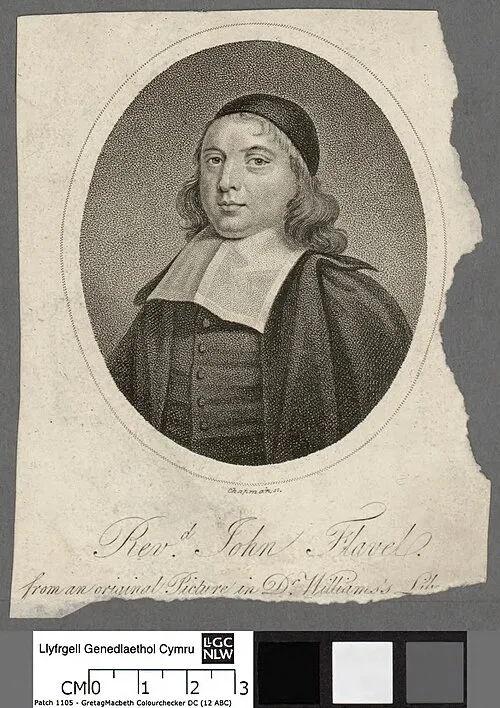
DUODÉCIMA ESTACIÓN
CÓMO PUEDE UN CRISTIANO ANIMAR
SU CORAZÓN CONTRA LA MUERTE
La duodécima estación de mirar con diligencia nuestros corazones, y de guardarlos con el mayor cuidado, es el tiempo de la enfermedad: «Cuando un hijo de Dios se acerca a la eternidad, cuando ya solo quedan unas pocas arenas en la parte alta de su reloj por caer, y cuando Satanás se agita con afán; de él puede decirse, como de la serpiente natural, Nunquam nisi moriens producitur in longum; nunca se lo ve en toda su longitud sino al morir: y ahora su gran designio, puesto que no puede ganar el alma y apartarla de Dios, es desanimarla y volverla renuente a ir a Dios, aunque el alma agraciada, con Jacob, debería entonces reanimarse en el lecho de muerte, y alegrarse de que el día de las bodas del Cordero ya casi ha llegado; aunque debería decir entonces, con el Agustín moribundo: Vivere renou ut Christo vivan; desprecio la vida para estar con Cristo. O como el Milius moribundo, cuando alguien le preguntó si estaba dispuesto a morir: O, dijo él, illius est nolle mori, qui nolit ire ad Christum; sea renuente a morir quien es renuente a ir a Cristo. Pero ¡oh!, ¡qué encogimiento ante la muerte, qué renuencia a partir se observa a veces, y en verdad con demasiada frecuencia, en el pueblo de Dios! ¡Qué poco dispuestos están algunos a tomar la muerte de la mano fría! Si se nos concediera tal libertad de no ser desatados hasta que nosotros mismos nos desatáramos, ¿cuándo diríamos con Pablo: teniendo deseo de ser desatado? Pues bien, el último caso será este».
Caso 12. Cómo puede el pueblo de Dios, en tiempos de enfermedad, soltar sus corazones de todos los compromisos terrenos, y persuadirlos a una disposición de morir.
Y hay siete argumentos, los cuales instaré sobre el pueblo de Dios en un tiempo como este, a fin de lograr que reciban con alegría al mensajero de la muerte, y que mueran, tanto como viven, a la manera de los santos. Y el primero es este:
Argumento 1. Primero, lo inofensivo de la muerte para el pueblo de Dios. Aunque ella conserva su dardo, ha perdido su aguijón. Un santo (por alusión a aquello de Isaías 11:8) puede entretenerse sobre la cueva de este áspid, y extender su mano sobre la caverna del basilisco. La muerte es el basilisco o el áspid; el sepulcro es su cueva o su caverna; un santo no tiene por qué temer meter la mano con denuedo dentro de ella: ha dejado y ha perdido su aguijón en el costado de Cristo, 1 Corintios 15:55. «¿Dónde está, oh muerte, tu aguijón?» ¿Por qué tienes miedo, oh santo, de que esta enfermedad pueda ser para muerte tuya, siendo que sabes que la muerte de Cristo es la muerte de la muerte? En verdad, si murieras en tus pecados, como se dice en Juan 8:21; si la muerte, como un rey, reinara sobre ti, Romanos 5:14; si ella pudiera cebarse en ti, como el león se ceba en la presa que ha tomado, según Salmos 49:14; si el infierno siguiera al caballo amarillo, como está escrito en Apocalipsis 6:8, entonces bien podrías sobresaltarte y echarte atrás, retrocediendo ante ella. Pero cuando Dios ha apartado de ti tus pecados, «cuanto está lejos el oriente del occidente», Salmos 103:12; mientras no quede en la muerte ningún otro mal con el cual tengas que enfrentarte, sino solo el dolor del cuerpo; mientras las Escrituras te la representen bajo nociones tan inofensivas y llevaderas como la de quitarse la ropa, 2 Corintios 5:2, y la de acostarse a dormir en tu lecho, Isaías 57:2, ¿por qué habrías de tener miedo? Hay tanta diferencia entre la muerte para el pueblo de Dios y la muerte para los demás, como la que hay entre el cuerno del unicornio cuando está sobre la cabeza de la bestia fiera, y cuando está en las tiendas del boticario, donde se lo vuelve saludable y medicinal.
Argumento 2. Tu corazón puede ser guardado, y no echarse atrás, en un tiempo como este, mediante la consideración de la necesidad de la muerte, a fin de alcanzar el pleno goce de Dios.
Ya quieras morir, o no quieras, te aseguro que no hay otro camino para obtener la plena satisfacción de tu alma y para completar su dicha. Hasta que la mano de la muerte te haga el amable servicio de descorrer la cortina de la carne, tu alma no puede ver a Dios. Esta vida animal está puesta entre él y tú, 2 Corintios 5:6: «entre tanto que estamos en el cuerpo, peregrinamos ausentes del Señor». Tu cuerpo ha de ser purificado, y vaciado en un molde nuevo; de lo contrario, ese vino nuevo de la gloria celestial lo reventaría. Pablo, en su arrebato más alto, 2 Corintios 12:4, cuando oyó cosas que no se pueden decir, no era entonces sino como quien está presente de paso, un espectador, un mirón, y no había sido admitido en la compañía como uno de ellos; sino que, así como los ángeles están en nuestras asambleas, así estaba Pablo en aquella asamblea gloriosa de arriba, y no de otra manera; y, con todo, aun para esto tuvo, por así decirlo, que ser sacado del cuerpo, desvestido por un corto tiempo, a fin de alcanzar tan solo un vislumbre de aquella gloria, ¡y después volverse a poner la ropa! ¡Oh, entonces! ¿quién no estaría dispuesto a morir por una visión plena de Dios y por gozar de él? Me parece que tu alma debería mirar, y suspirar, como un preso, a través de los barrotes de esta mortalidad: «¡Quién me diese alas como de paloma! volaría yo, y descansaría». La mayor parte de los hombres necesita paciencia para morir; pero un santo que entiende a qué lo hace entrar la muerte, más bien habría de necesitar paciencia para vivir. Me parece que debería asomarse muchas veces, y estar a la escucha en el lecho de muerte, esperando la venida de su Señor; y cuando reciba la noticia de que su cambio se acerca, debería decir: «¡La voz de mi amado! He aquí él viene saltando sobre los montes, brincando sobre los collados», Cantares 2:8.
Argumento 3. Otro argumento, que persuade a esta disposición, es la sucesión inmediata de una vida más excelente y gloriosa.
No es más que un abrir y cerrar de ojos, y verán a Dios. La dicha de ustedes no quedará diferida hasta la resurrección; sino que, tan pronto como el cuerpo está muerto, el alma agraciada es absorbida en la vida, Romanos 8:10, 11. Una vez que hayan soltado amarras de esta orilla, en pocos momentos sus almas serán llevadas sobre alas de ángeles hasta la otra orilla de una eternidad gloriosa, Filipenses 1:23: «teniendo deseo de ser desatado, y estar con Cristo». Si el alma y el cuerpo murieran juntos, como enseñaba Berilius; o si durmieran hasta la resurrección, como otros han imaginado sin fundamento alguno, habría sido una locura que Pablo deseara la disolución para gozar de Cristo; pues, si así fuera, más gozaba de Cristo mientras su alma habitaba en su tabernáculo de carne, que el que habría de gozar fuera de él.
No se conocen en la Escritura sino dos maneras de vivir del alma, a saber, la vida de fe y la vida de visión, 1 Corintios 5:5. Esas dos se reparten entre sí todo el tiempo, el presente y el futuro, 1 Corintios 13:12. Si, cuando falte la fe, la vista no sucediera de inmediato, ¿qué sería del alma sin cuerpo? Pero, bendito sea Dios, esta gran verdad que afirma el corazón está revelada con evidencia en la Escritura, Lucas 23:43. Tienen la promesa de Cristo, Juan 14:3: «vendré otra vez, y os tomaré a mí mismo». ¡Oh, qué cambio harán unos pocos momentos en la condición de ustedes! Anímate, santo que mueres; cuando tu alma haya salido un poco más afuera; cuando esté en pie, como Abraham a la puerta de su tienda, los ángeles de Dios pronto estarán con ella. Las almas de los elegidos están, por así decirlo, entregadas a los ángeles para que las críen; y cuando mueren, estos ángeles las llevan de nuevo a casa, a la casa de su Padre. Si a un ángel se le hizo volar con presteza para traerle a un santo la respuesta de su oración, Daniel 9:22, ¿cuánto más vendrán los ángeles a toda prisa desde el cielo, para recibir y trasladar al alma misma que está orando?
Argumento 4. Además, puede contribuir mucho a tu disposición a morir el considerar que, por medio de la muerte, Dios esconde muchas veces a su pueblo, fuera del camino de todas las tentaciones y de todas las aflicciones que hay sobre la tierra, Apocalipsis 14:13: «Escribe: Bienaventurados los muertos que de aquí adelante mueren en el Señor». Es el modo habitual de Dios, cuando algunas calamidades extraordinarias están por venir sobre el mundo, poner de antemano a su pueblo fuera de peligro, Isaías 57:1, 2. «Los píos son recogidos» de delante del mal que viene. Mira Miqueas 7:1, 2; cuando llega un tiempo malo como el que allí se describe, «todos acechan a la sangre; cada cual arma red a su hermano»: Dios, por un acto de favor, da casa de antemano a su pueblo. ¿Sabes qué mal puede haber en la tierra que tanto te resistes a dejar? Tu Dios te aparta de esa que tienes por tu gran ventaja; la muerte te da de baja y te llama fuera del campo; otros pobres santos han de mantenerse firmes en el puesto y soportar un gran combate de aflicciones.
Se observa que Matusalén murió el mismo año antes del diluvio; Agustín, poco antes del saqueo de Hipona; Pareus, justo antes de la toma de Heidelberg. Lutero observa que todos los apóstoles murieron antes de la destrucción de Jerusalén; y el propio Lutero, antes de que estallaran las guerras en Alemania. Puede que el Señor vea que tu corazón tierno no puede soportar ver la miseria, ni resistir las tentaciones que vienen, y por eso ahora te recogerá en tu sepulcro en paz; ¿y aun así clamarás: Oh, perdóname un poco más?
Argumento 5. Si tu corazón todavía se resiste, considera la gran ventaja que tendrás por la muerte, por encima de todo lo que jamás gozaste en la tierra; y esto, 1. En cuanto a tu comunión con Dios; 2. En cuanto a tu comunión con los santos.
-
En cuanto a tu comunión con Dios: ya ha llegado el tiempo de perfeccionarla. Tu alma pronto estará delante del rostro de Dios, y tendrá sobre ella las emanaciones inmediatas y los rayos que brotan de su gloria. Aquí tu alma está lejos de Dios; los rayos de su gloria la hieren solo de soslayo y con debilidad; pero pronto estará bajo la línea equinoccial, y allí el sol se detendrá, como se detuvo en Gabaón; no habrá nublados ni declinaciones de él. ¡Oh, cómo debería esto llenar tu alma de deseos de ser desnudada!
-
En cuanto al goce de los santos: aquí, en verdad, tenemos comunión con los del grado inferior; pero esa comunión está tan desabrida por las corrupciones que aún quedan, que no hay satisfacción en ella. Así como la mayor plaga que puede caer sobre un hipócrita es vivir en una iglesia pura, así la mayor vejación para el espíritu de un santo es vivir en una iglesia corrupta y desordenada. Pero cuando la muerte los haya admitido en aquella asamblea gloriosa de los espíritus de los justos hechos perfectos, tendrán el deseo de sus corazones. Aquí no pueden concordar plenamente con sus propias almas. ¡Oh, qué discordias, qué choques, qué censuras hay aquí! ¡Qué armonía perfecta y bienaventurada hay allí! En el cielo cada santo ama al otro como a sí mismo; son del todo amables. ¡Oh, alma mía, date prisa en irte de las guaridas de los leones, de los montes de Bether, de los santos divididos, hacia aquellos montes de la mirra y collados del incienso! Ahora vas hacia tu propio pueblo, como da a entender la frase del apóstol, 2 Corintios 5:8.
Argumento 6. Si esto no basta, considera de qué cargas pesadas descargará la muerte tus hombros.
En este tabernáculo gemimos, estando cargados. 1. Con los desarreglos del cuerpo. ¡Qué cierto hallamos aquello de Teofrasto: el alma paga un alquiler bien caro por la vivienda en la que ahora vive! Pero los cuerpos glorificados no van lastrados con indisposición alguna; la muerte es el mejor médico; te curará de todas las enfermedades de una sola vez. 2. Con el pecado que mora dentro; esto nos hace gemir desde las mismas entrañas, Romanos 7:24. Pero «el que es muerto, justificado es del pecado», Romanos 6:7. ¿Ha destruido la justificación su poder condenatorio, y la santificación su poder reinante? Así la glorificación destruye su mismo ser y su existencia. 3. Aquí gemimos bajo las tentaciones, pero tan pronto como estamos fuera del cuerpo, estamos fuera del alcance de la tentación. Una vez que hayas llegado al cielo, podrás decir: ahora, Satanás, estoy allí adonde tú no puedes venir; pues, así como los condenados en el infierno están malo obsormati, tan fijos en el pecado y en la miseria que su condición no puede ser alterada, así los santos glorificados están bono confirmati, tan fijos en la santidad y en la gloria que no pueden ser sacudidos. 4. Aquí gemimos bajo tribulaciones y aflicciones de toda clase, pero entonces los días de nuestro luto serán acabados. Dios limpiará toda lágrima de nuestros ojos. ¡Oh, démonos prisa, pues, en partir, para que estemos en reposo!
Argumento 7. Si todavía te demoras como Lot en Sodoma, entonces, por último, examina todos los alegatos y pretextos para un tiempo más largo en la tierra, ¿por qué no quieres morir?
Objeción 1. Oh, tengo muchos parientes en el mundo; no sé qué será de ellos cuando yo me haya ido.
Solución. Si lo que te turba es el cuidado de sus cuerpos y de su condición exterior, ¿por qué no habría de bastarte y satisfacerte aquella palabra, Jeremías 49:11: «Deja tus huérfanos, yo los criaré; y en mí se confiarán tus viudas»? Lutero, en su última voluntad y testamento, tiene esta expresión: «Señor, tú me has dado mujer e hijos; no tengo nada que dejarles, pero te los encomiendo a ti. Oh Padre de los huérfanos y juez de las viudas, Nutri, serva, doce; nútrelos, guárdalos y enséñalos». ¿O te inquietas por sus almas? No podrías convertirlos, aunque llegaras a vivir; y Dios puede hacer que tus oraciones y tus consejos vivan, y que hagan efecto en ellos, cuando tú estés muerto.
Objeción 2. Quisiera de buena gana vivir, para servir más a Dios en el mundo.
Solución. Bien; pero si él no tiene más servicio que hayas de hacer aquí, ¿por qué no habrías de decir con David: Si no tiene deleite en servirse más de mí, heme aquí, haga él lo que bien le parezca? En este mundo ya no tienes más que hacer, sino que él te llama a un servicio y un empleo más altos en el cielo; y lo que tú querrías hacer por él aquí, él puede hacerlo por otras manos.
Objeción 3. Todavía no estoy del todo listo; no soy como una novia completamente adornada para el esposo.
Solución. Tu justificación ya está completa, aunque tu santificación no lo esté todavía; y el camino para hacer que lo esté es morir: porque hasta entonces tendrá sus defectos y sus carencias.
Objeción 4. Oh, pero me falta la certeza: si la tuviera, podría morir ahora mismo.
Solución. Sí, ahí se atasca, en verdad; pero considera entonces que una disposición cordial a dejar todo el mundo para quedar libre del pecado y estar con Dios es el camino más cercano a esa certeza deseada; ninguna persona carnal estuvo jamás dispuesta a morir por este motivo.
Y así he terminado aquellos casos que tan de cerca conciernen al pueblo de Dios, en las diversas condiciones de su vida, y les he enseñado cómo guardar el corazón en todas ellas. A continuación aplicaré el todo.
Ver el original (inglés)
Original en inglés
TWELFTH SEASON
HOW A CHRISTIAN MAY ENCOURAGE
HIS HEART AGAINST DEATH
The twelfth season of looking diligently to our hearts, and keeping them with greatest care, is the time of sickness: ‘When a child of God draws nigh to eternity, when there are but a few sands more in the upper part of his glass to run down, and when Satan busily bestirs himself; of him it may be said, as of the natural serpent, Nunquam nisi moriens producitur in longum; he is never seen at his full length till dying: and now his great design, since he cannot win the soul from God, is to discourage and make it unwilling to go to God, though the gracious soul, with Jacob, should then rouse up itself upon a dying bed, and rejoice that the marriage day of the Lamb is now almost come; though it should then say with dying Austin, Vivere renou ut Christo vivan; I despise life to be with Christ. Or as dying Milius, when one asked him whether he were willing to die? O, said he, illius est nolle mori, qui nolit ire ad Christum; let him be unwilling to die, who is unwilling to go to Christ. But O! what shrinking from death, what lothness to depart, may sometimes, indeed too frequently, be observed in the people of God? How loth are some of them to take death by the cold hand? If such a liberty were indulged to us, not to be dissolved, till we dissolve ourselves; when should we say with St. Paul, I desire to be dissolved? Well then, the last case shall be this,’
Case 12. How the people of God in times of sickness may get their hearts loose from all earthly engagements, and persuade them into a willingness to die.
And there are seven arguments; which I shall urge upon the people of God at such a time as this, to make them cheerfully entertain the messenger of death, and die, as well as live, like saints. And the first is this:
Argument 1. First, The harmlessness of death to the people of God. Though it keeps its dart, it hath lost its sting: a saint (to allude to that, Isa. xi. 8.) may play upon the hole of this asp, and put his hand into the cockatrice’s den. Death is the cockatrice or asp, the grave is his hole or den; a saint need not fear to put his hand boldly into it: it hath left and lost its sting in the sides of Christ, 1 Cor. xv. 55. O death! where is thy sting? Why art thou afraid, O saint, that this sickness may be in thy death, as long as thou knowest, that the death of Christ is the death of death? Indeed, if thou didst die in thy sins, as John viii. 21, if death, as a king, did reign over thee, Rom. v. 14. if it could feed upon thee, as the lion doth upon the prey he hath taken, as Psal. xlix. 14, if hell followed the pale horse, as it is, Rev. vi. 8, then thou mightest well startle and shrink back from it; but when God hath put away thy sins from thee, as far as the east is from the west, Psal. ciii. 12, as long as there is no other evil left in death for thee to encounter with, but bodily pain; as long as the scriptures represent it to thee under such harmless and easy notions as the putting off thy clothes, 2 Cor. v. 2. And lying down to sleep upon thy bed, Isa. lvii. 2, why shouldst thou be afraid? There is as much difference betwixt death to the people of God, and others, as betwixt the unicorn’s horn, when it is upon the head of the fierce beast, and when it is in the apothecary’s shops, where it is made salubrious and medicinal.
Arg. 2. Thy heart may be kept from shrinking back at such a time as this, by considering the necessity of death, in order to the full fruition of God.
Whether thou art willing to die or no, I assure thee there is no other way to obtain the full satisfaction of thy soul, and to complete its happiness; till the hand of death do thee the kind office to draw aside the curtain of the flesh, thy soul cannot see God: This animal life stands betwixt him and thee, 2 Cor. v. 6, Whilst we are at home in the body, we are absent from the Lord. Thy body must be refined and cast into a new mould, else that new wine of heavenly glory would break it. Paul, in his highest rapture, 2 Cor. xii. 4, when he heard things unutterable, was then but as a stander-by, a looker-on, not admitted into the company as one of them; but as the angels are in our assemblies, so was Paul in that glorious assembly above, and no otherwise; and yet even for this he must, as it were, be taken out of the body, unclothed for a little time, to have a glimpse of that glory, and then put on his clothes again! O then! who would not be willing to die for a full sight and enjoyment of God? Methinks thy soul should look and sigh, like a prisoner, through the grates of this mortality; O that I had wings like a dove! then would I fly away and be at rest: most men need patience to die; but a saint that understands what death admits him to, should rather need patience to live; methinks he should often look out, and listen on a death-bed for his Lord’s coming; and when he receives the news of his approaching change, should say, The voice of my beloved! Behold, he cometh leaping over the mountains, skipping over the hills, Cant. ii. 8.
Arg. 3. Another argument, persuading to this willingness, is the immediate succession of a more excellent and glorious life.
It is but wink, and you shall see God: your happiness shall not be deferred till the resurrection; but as soon as the body is dead, the gracious soul is swallowed up in life, Rom. viii. 10, 11. When once you have loosed from this shore, in a few moments your souls will be wafted over upon wings of angels to the other shore of a glorious eternity, Phil. i. 23. I desire to be dissolved, and to be with Christ. Did the soul and body die together, as Berilius taught; or did they sleep till the resurrection, as others have groundlessly fancied; it had been a madness for Paul to desire a dissolution for the enjoyment of Christ, for if this were so, he enjoyed of Christ whilst his soul dwelt in its fleshly tabernacle, than he should out of it.
There are but two ways of the soul’s living known in scripture, viz. the life of faith, and the life of vision, 1 Cor. v. 5. Those two divide all time, both present and future, betwixt them, 1 Cor. xiii. 12. If when faith fails, sight should not immediately succeed, what should become of the unbodied soul? But, blessed be God, this great heart-establishing truth is evidently revealed in scripture, Luke xxiii. 43. You have Christ’s promise, John xiv. 3, I will come and receive you to myself. O what a change will a few moments make upon your condition? Rouse up, dying saint; when thy soul is come out a little farther; when it shall stand like Abraham at its tent door, the angels of God shall soon be with it: the souls of the elect are, as it were, put out to the angels to nurse, and when they die, these angels carry them home again to their father’s house: if an angel were caused to fly swiftly to bring a saint the answer of his prayer, Dan. ix. 22, how much more will the angels come post from heaven to receive and transfer the praying soul itself?
Arg. 4. Farther, It may much conduce to thy willingness to die, to consider, That by death, God oftentimes hides his people out of the way of all temptations and troubles upon earth, Rev. xiv. 13, Write, from henceforth, blessed are the dead which die in the Lord. It is God’s usual way, when some extraordinary calamities are coming upon the world, to set his people out of harm’s way before-hand, Isa. lvii. 1, 2. Merciful men are taken away from the evil to come. See, Mic. vii. 1, 2; when such an evil time comes as is there described, that they all lie in wait for blood, and every man hunts his brother in a net: God by an act of favour houses his people before-hand. Dost thou know what evil may be in the earth which thou art so loth to leave? Thy God removes thee from thy great advantage; thou art disbanded by death, and called off the field; other poor saints must stand to it, and endure a great fight of afflictions.
It is observed, that Methuselah died the very year before the flood; Augustine, a little before the sacking of Hippo; Pareus, just before the taking of Heidelburgh: Luther observes that all the apostles died before the destruction of Jerusalem: and Luther himself before the wars broke out in Germany. It may be the Lord sees thy tender heart cannot endure to see the misery, or bear the temptations that are coming, and therefore will now gather thee to thy grave in peace; and yet wilt thou cry, O spare me a little longer?
Arg. 5. If yet thy heart hang back, consider the great advantage you will have by death, above all that ever you enjoyed on earth; and that, 1. As to your communion with God: 2. As to your communion with saints.
-
For your communion with God: the time of perfecting that is now come: thy soul shall shortly stand before the face of God, and have the immediate emanations and beamings forth of his glory upon it; here thy soul is remote from God, the beams of his glory strike it but obliquely and feebly, but shortly it will be under the line, and there the sun shall stand still, as it did in Gibeon; there shall be no cloudings nor declinings of it: O how should this fill thy soul with desires of being unclothed!
-
As for the enjoyment of saints, here indeed we have fellowship with them of the lower form; but that fellowship is so dissweetened by remaining corruptions, that there is no satisfaction in it: as it is the greatest plague that can befal an hypocrite, to live in a pure church; so it is the greatest vexation to the spirit of a saint, to live in a corrupt and disordered church; but when death hath admitted you into that glorious assembly of the spirits of just men made perfect, you shall have the desire of your hearts: here you cannot fully close one with your own souls. O what discords, jarrings, censurings are here? What perfect blessed harmony there! In heaven each saint loves another as himself, they are altogether lovely. O my soul haste thee away from the lions’ dens, from the mountains of Bether, from divided saints, to those mountains of myrrh, and hills of frankincense: thou art now going to thine own people, as the apostle’s phrase imports, 2 Cor. v. 8.
Arg. 6. If this will not do, consider what heavy burdens death will ease thy shoulders of.
In this tabernacle we groan, being burthened. 1. With bodily distempers; how true do we find that of Theophrastus, the soul pays a dear rent for the tenement it now lives in? But glorified bodies are clogged with no indispositions; death is the best physician; it will cure thee of all diseases at once. 2. With the indwelling of sin; this makes us groan from the very bowels, Rom. vii. 24. But he that is dead, is free from sin, Rom. vi. 7. Hath justification destroyed its damning power, and sanctification its reigning power? So glorification destroys its very being and existence. 3. We groan under temptations here, but as soon as we are out of the body, we are out of the reach of temptation: when once thou art got into heaven, thou mayest say, now Satan, I am there where thou canst not come; for as the damned in hell are malo obsormati, so fixed in sin and misery that their condition cannot be altered; so glorified saints are bono confirmati, so fixed in holiness and glory, that they cannot be shaken. 4. Here we groan under various troubles and afflictions, but then the days of our mourning are ended. God shall wipe away all tears from our eyes: O then let us haste away, that we may be at rest.
Arg. 7. If still thou linger like Lot in Sodom, then, lastly, examine all pleas and pretences for a longer time on earth, why art thou unwilling to die?
Objection 1. O I have many relations in the world, I know not what will become of them when I am gone.
Solution. If thou art troubled about their bodies, and outward condition, why should not that word satisfy thee, Jer. xlix. 11. Leave thy fatherless children to me, I will keep them alive, and let thy widows trust in me? Luther in his last will and testament hath this expression, “Lord, thou hast given me wife and children, I have nothing to leave them, but I commit them unto thee. O Father of the fatherless and judge of widows, Nutri, serva, doce; nourish, keep, and teach them.” Or art thou troubled for their souls? Thou canst not convert them, if thou shouldst live; and God can make thy prayers and counsels to live, and take place upon them when thou art dead.
Objection 2. I would fain live, to do God more service in the world.
Solution. Well, but if he have no more service for thee to do here, why shouldst thou not say with David, If he have no delight to use me any further, here am I, let him do what seemeth him good. In this world thou hast no more do do, but he is calling thee to an higher service and employment in heaven; and what thou wouldst do for him here, he can do that by other hands.
Objection 3. I am not yet fully ready, I am not as a bride completely adorned for the bridegroom.
Solution. Thy justification is complete already, though thy sanctification be not so; and the way to make it so, is to die: for till then, it will have its defects and wants.
Objection 4. O but I want assurance: if I had that, I could die presently.
Solution. Yea, there it sticks indeed; but then consider, that an hearty willingness to leave all the world to be freed from sin, and be with God, is the next way to that desired assurance; no carnal person was ever willing to die upon this ground.
And thus I have finished those cases which so nearly concern the people of God, in the several conditions of their life, and taught them how to keep their hearts in all. I shall next apply the whole.
https://sermonesbiblicos.org/biblioteca/guardar-el-corazon-16-enfermedad/