Sermones Bíblicos
Undécima estación: el sufrimiento por la fe
John Flavel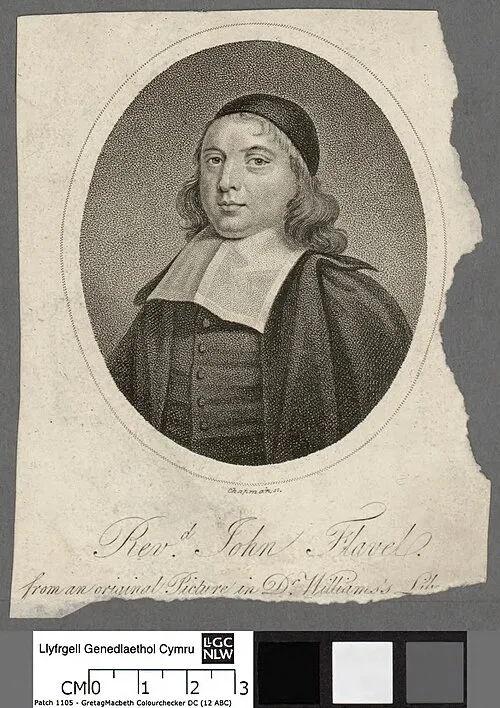
Undécima estación
Cómo puede un cristiano guardar su
corazón para que no recaiga bajo los sufrimientos
«La undécima estación especial, la que exige esta diligencia de guardar nuestros corazones, es aquella en que los sufrimientos por la religión llegan a lo más alto; entonces, miren ustedes sus corazones, Mateo 24:8, 9, 10: Y todas estas cosas, principio de dolores, y os entregarán para ser afligidos, y os matarán; y seréis aborrecidos de todas las gentes por causa de mi nombre; y muchos entonces serán escandalizados. Cuando los sufrimientos por la religión se enardecen, entonces bienaventurado es aquel que no se escandaliza en Cristo. Las tribulaciones se hallan entonces en su colmo: 1. Cuando los amigos más cercanos de un hombre, y sus parientes, lo abandonan y lo dejan, Miqueas 7:5, 6; 2 Timoteo 4:16. Cuando un hombre queda empeñado en la lucha él solo. 2. Cuando se llega a resistir hasta la sangre, Hebreos 12:4. 3. Cuando se nos presentan tentaciones en medio de nuestros sufrimientos, Hebreos 11:37. 4. Cuando personas eminentes por su profesión se desvían a un lado y desertan de la causa de Cristo, 2 Timoteo 2:19. 5. Cuando Dios esconde su rostro en la hora misma del sufrimiento, Jeremías 17:17. 6. Cuando Satanás cae sobre nosotros con tentaciones fuertes, para poner en duda los fundamentos de nuestros sufrimientos, o la parte que el alma tiene en Cristo: ahora resulta difícil guardar el corazón para que no se vuelva atrás, y guardar los pasos para que no se desvíen de los caminos de Dios.»
Caso 11. ¿Cómo puede guardarse el corazón para que no recaiga bajo los mayores sufrimientos por causa de la religión? Si la amargura de los sufrimientos hace, en cualquier tiempo, que tu alma le tome disgusto al camino de Dios, y que llegue a concebir pensamientos de abandonarlo, sostén tu corazón bajo esa tentación, proponiéndole con solemnidad estas ocho preguntas.
Pregunta 1. ¿Qué oprobio y qué deshonra habré de derramar sobre Cristo y sobre la religión, si lo desamparo en un tiempo como este? Esto proclamará delante de todo el mundo que, por mucho que yo me haya jactado de las promesas, con todo, cuando se llega a la prueba, no me atrevo a arriesgar nada fiado en el crédito de ellas; ¿y cómo no ha de abrir esto las bocas de los enemigos de Cristo, para que blasfemen? ¡Oh, mejor me hubiera sido no haber nacido jamás, antes que ese nombre digno hubiera de ser blasfemado por medio de mí! ¿He de abastecer yo los triunfos de los incircuncisos? ¿He de hacer yo fiesta en el infierno? ¡Oh, si yo estimara el nombre de Cristo tanto como estima el suyo propio más de un hombre impío, jamás soportaría ver ese nombre expuesto a un desprecio semejante! ¿Se aventurarán a la muerte, sí, y aun al infierno, el polvo y la ceniza, en su orgullo, antes que soportar una mancha sobre sus nombres? ¿Y no habré de aventurar yo nada para salvar el honor y la reputación de Cristo?
Pregunta 2. ¿Me atrevo a violar mi conciencia para salvar mi carne? ¿Quién me consolará cuando la conciencia me hiera? ¿Qué consuelo puede haber en la vida, en la libertad o en los amigos, cuando al hombre interior se le ha arrebatado la paz? Cuando Constancio amenazó con cortarle a Samosateno la mano derecha, si no accedía a suscribir algo que iba contra su conciencia, él tendió sus dos manos hacia el mensajero que había sido enviado, y dijo: que corte las dos, antes que yo haga tal cosa; adiós, desde ese día en adelante, a toda paz, a todo gozo y a todo consuelo. ¿Sucedió bien á Zimri, que mató á su señor?, dijo Jezabel. Así lo digo yo aquí: ¿tuvo paz Judas? ¿Tuvo paz Spira? ¿Y habrás de tener tú paz, si sigues las huellas de ellos? ¡Oh, considera lo que haces!
Pregunta 3. ¿No es el interés público de Cristo y de la religión infinitamente más que cualquier interés privado que sea mío? Es célebre aquel pasaje de Terencio, capitán del emperador Adriano: presentó a Adriano una petición para que los cristianos tuvieran un templo que fuera de ellos solos, donde adorar a Dios, apartados de los arrianos. El emperador rasgó su petición y la arrojó lejos, y le mandó que pidiera alguna cosa para sí mismo, y que se le concedería. Pero él, con modestia, volvió a recoger los pedazos de su petición, y le dijo: Si no se le daba oído en la causa de Dios, jamás pediría cosa alguna para sí mismo. Sí, y aun Cicerón, con ser pagano, pudo decir: Ne immortalitatem quidem contra rempublicam; no aceptaría ni siquiera la inmortalidad misma, si había de ser en contra de la república. ¡Oh, si tuviéramos más interés por lo público, no tendríamos ánimos tan cobardes!
Pregunta 4. ¿Me trató de este modo Jesucristo, cuando, por causa mía, se expuso él mismo a sufrimientos mucho mayores que cuantos puedan ponerse delante de mí? Grandes fueron, en verdad, sus sufrimientos: sufrió de parte de todos, en todos sus oficios y en cada miembro; no solamente en su cuerpo, sino también en su alma; sí, y los sufrimientos de su alma fueron el alma misma de sus sufrimientos. Sea testigo el sudor de sangre en el huerto; sea testigo aquel clamor que derrite el corazón y rasga el cielo, proferido en la cruz: Dios mío, Dios mío, ¿por qué me has desamparado? Y con todo eso no se echó atrás: sufrió la cruz, menospreciando la vergüenza. ¡Ay!, ¿qué vienen a ser mis sufrimientos, si se los compara con los de Cristo? Él se ha bebido por completo todo aquel vinagre y toda aquella hiel que habrían vuelto amargos mis sufrimientos. Cuando le preguntaron a uno de los mártires por qué estaba tan alegre en la hora de su muerte, oh, dijo él, es porque el alma de Cristo estuvo tan pesada en la hora de su muerte. ¿Llevó Cristo sobre sí una carga tal, por mí, con una paciencia que no se quebró y con constancia, y he de retroceder yo, por causa de él, ante aflicciones momentáneas y leves?
Pregunta 5. ¿No vale la vida eterna el que se sufra el dolor de un solo momento? Si padezco con él, reinaré con él. ¡Oh, cómo aventuran los hombres la vida y los miembros por una corona que ha de marchitarse; cómo atraviesan a nado mares de sangre para llegar hasta un trono! ¿Y no habré yo de aventurar nada, ni de sufrir nada, por la corona de gloria que no se marchita? Mi perro irá siguiendo los talones de mi caballo desde la mañana hasta la noche, y dará muchos pasos cansados a través del cieno y del lodo, antes que dejarme, aunque, llegada la noche, todo cuanto con ello gana no es sino huesos y golpes: si mi alma tuviera alguna grandeza verdadera, y en ella algunas chispas de generosidad, ¡cómo despreciaría los sufrimientos que hay en el camino, por la gloria que hay en el fin!, ¡cómo echaría por tierra todas las dificultades que se le pusieran delante!, mientras, con un ojo de fe, ve al precursor, el cual ya ha entrado, y está en pie, por así decirlo, sobre los muros del cielo, con la corona en la mano, diciendo: El que venciere, poseerá todas las cosas. ¡Adelante, pues, alma mía, adelante! Hay vida eterna guardada para aquellos que, perseverando en bien hacer, buscan gloria y honra é inmortalidad, Romanos 2:7.
Pregunta 6. ¿Puedo yo desechar tan fácilmente la sociedad y la compañía de los santos, y tender la diestra de compañerismo a los impíos? ¿Cómo podré apartarme de unos compañeros tan amables como lo han sido estos? ¿Cuántas veces he recibido beneficio de los consejos que ellos me han dado? Esdras 10:3. ¿Cuántas veces he quedado refrescado, calentado y avivado por la compañía de ellos? Eclesiastés 4:10, 11. ¿Cuántas veces he ayunado con ellos, y he orado juntamente con ellos? ¿Qué consejo tan dulce he tomado en su compañía, y cómo he ido con ellos a la casa de Dios? ¿Y he de estrecharles ahora la mano, y decirles: adiós, santos todos, para siempre; nunca más he de contarme entre ustedes; vengan, borrachos, juradores, blasfemos y perseguidores, ustedes serán mis compañeros por toda la eternidad? ¡Oh, antes quiero que me desgarren y me separen el cuerpo del alma, que llegar yo jamás a hablar así a los excelentes de la tierra, en quienes está puesto todo mi deleite!
Pregunta 7. ¿He considerado yo con seriedad las terribles conminaciones que la Escritura dirige contra los que se vuelven atrás? ¡Oh, corazón mío! ¿Te atreves a volver la espalda, y a darla precisamente sobre la punta de unas amenazas como estas? Jeremías 17:5, 6: Así ha dicho Jehová: Maldito el varón que confía en el hombre, y pone carne por su brazo, y su corazón se aparta de Jehová; pues será como la retama en el desierto, y no verá cuando viniere el bien; es decir, la maldición de Dios lo dejará seco desde la raíz hasta la rama. Y Hebreos 10:26, 27: si pecáremos voluntariamente después de haber recibido el conocimiento de la verdad, ya no queda sacrificio por el pecado, sino una horrenda esperanza de juicio, y hervor de fuego que ha de devorar á los adversarios. Y otra vez, v. 38: si se retirare, no agradará á mi alma; como si con ello dijera: Tómalo, mundo; tómalo, diablo, para que sea de ustedes; yo no tengo en él deleite alguno. ¡Oh! ¿quién se atreve a volverse atrás, cuando Dios ha cerrado el camino con un seto de amenazas tan terribles como estas?
Pregunta 8. ¿Podré yo mirar a Cristo a la cara en el día del juicio, si es que ahora lo desamparo?
Porque el que se avergonzare de mí y de mis palabras en esta generación adulterina y pecadora, el Hijo del hombre se avergonzará también de él, cuando vendrá en la gloria de su Padre con los santos ángeles, Marcos 8:38. Todavía un poco, y verás la señal del Hijo del hombre, que viene en las nubes del cielo con poder y con gran gloria. Sonará la trompeta postrera; los muertos, así los pequeños como los grandes, y aun todos cuantos duermen en el polvo, despertarán, y vendrán a presentarse ante aquel gran trono blanco sobre el cual Cristo ha de sentarse en aquel día. Y ahora, no hagas más que imaginar que vieras las rodillas temblorosas y los labios trémulos de los pecadores culpables; imagina que oyeras la sentencia espantosa que el juez pronuncia sobre ellos: Id, malditos, etc., y en seguida un clamor. ¡Oh, cuánto llanto, cuánto lamento y cuánto retorcer de manos ha de haber allí! ¿Habrías de desamparar a Cristo ahora, solamente para alargar sobre la tierra una vida pobre y miserable? Si es verdad la palabra de Dios, si los dichos de Cristo están sellados y son fieles, esta será la porción que le toca al apóstata. Cosa fácil es ahora taparle la boca a la conciencia; pero ¿será cosa fácil, entonces, taparle la boca al juez? Guarda así tu corazón, para que no venga a apartarse del Dios vivo.
Ver el original (inglés)
Original en inglés
ELEVENTH SEASON
HOW A CHRISTIAN MAY KEEP HIS
HEART FROM RELAPSING UNDER SUFFERINGS
‘The eleventh special season, calling for this diligence to keep our hearts, is, when sufferings for religion come to an height, then look to your hearts, Mat. xxiv. 8, 9, 10, All these are the beginning of sorrows, and they shall deliver you up to be afflicted, and shall kill you; and ye shall be hated of all nations for my name’s sake; and then shall many be offended. When sufferings for religion grow hot, then blessed is he that is not offended in Christ. Troubles are then at an height, 1. When a man’s nearest friends and relations forsake and leave him, Mic. vii. 5, 6. 2 Tim. iv. 16. When a man is engaged alone. 2. When it comes to resisting to blood, Heb. xii. 4. 3. When temptations are presented to us in our sufferings, Heb. xi. 37. 4. When eminent persons for profession turn aside, and desert the cause of Christ, 2 Tim. ii. 19. 5. When God hides his face in a suffering hour, Jer. xvii. 17. 6. When Satan falls upon us with strong temptations, to question the grounds of our sufferings, or the soul’s interest in Christ: now it is hard to keep the heart from turning back, and the steps from declining God’s ways.’ The eleventh question then shall be this:
Case 11. How the heart may be kept from relapsing under the greatest sufferings for religion? If the bitterness of sufferings at any time cause thy soul to distaste the way of God, and take up thoughts of forsaking it; stay thine heart under that temptation, by propounding these eight questions solemnly to it.
Question 1. What reproach and dishonour shall I pour upon Christ and religion, by deserting him at such a time as this? This will proclaim to all the world, that how much soever I have boasted of the promises, yet, when it comes to the trial, I dare hazard nothing upon the credit of them: and how will this open the mouths of Christ’s enemies to blaspheme? O better had I never been born, than that worthy name should be blasphemed through me! shall I furnish the triumphs of the uncircumcised? Shall I make mirth in hell? O if I did but value the name of Christ as much as many a wicked man values his own name, I would never endure to see it exposed in such contempt! will proud dust and ashes venture death, yea, hell, rather than a blot upon their names? And shall I venture nothing to save the honour and reputation of Christ?
Question 2. Dare I violate my conscience to save my flesh? Who shall comfort me when conscience wounds me? What comfort is there in life, liberty, or friends, when peace is taken away from the inner man? When Constantius threatened to cut off Samosatenus’s right hand, if he would not subscribe somewhat that was against his conscience; he help up both his hands to the messenger that was sent, saying, he shall cut off both rather than I will do it: farewell, all peace, joy, and comfort, from that day forward. Had Zimri peace, that slew his master? said Jezebel. So say I here, had Judas peace? Had Spira peace? And shall you have peace, if you tread in their steps? O consider what you do!
Question 3. Is not the public interest of Christ and religion, infinitely more than any private interest of my own? It is a famous passage, that of Terentius, captain to Adrian the emperor; he presented a petition to Adrian, that the Christians might have a temple by themselves to worship God, apart from the Arians: the emperor tore his petition and threw it away, bidding him to ask something for himself, and it should be granted. But he modestly gathered up the pieces of his petition again, and told him, If he could not be heard in God’s cause, he would never ask anything for himself. Yea, even Tully, though an heathen, could say, Ne immortalitatem quidem contra rempublicam; he would not accept even of immortality itself against the commonwealth. O if we had more pubic, we should not have such cowardly spirits!
Question 4. Did Jesus Christ serve me so, when for my sake he exposed himself to far greater sufferings than can be before me? His sufferings were great indeed, he suffered from all hands in all his offices, in every member, not only in his body, but in his soul; yea, the sufferings of his soul were the very soul of his sufferings: witness the bloody sweat in the garden; witness the heart-melting and heaven-rending out-cry upon the cross, My God, my God, why hast thou forsaken me? And yet he flinched not, he endured the cross, despising the shame. Alas! what are my sufferings compared with Christ’s? He hath drank up all that vinegar and gall that would make my sufferings bitter. When one of the martyrs was asked, why he was so merry at his death? Oh, said he, it is because the soul of Christ was so heavy at his death. Did Christ bear such a burden for me, with unbroken patience and constancy; and shall I shrink back from momentary and light afflictions for him?
Question 5. Is not eternal life worth the suffering of a moment’s pain? If I suffer with him, I shall reign with him. O how will men venture life and limb for a fading crown, swim through seas of blood to a throne! and will I venture nothing, suffer nothing for the crown of glory that fadeth not away? My dog will follow my horse’s heels from morning to night, take many a weary step through mire and dirt, rather than leave me, though at night all he gets by it is but bones and blows: if my soul had any true greatness, any sparks of generosity in it, how would it despise the sufferings of the way, for the glory of the end? how would it break down all difficulties before it? whilst by an eye of faith it sees the forerunner, who is already entered, standing, as it were, upon the walls of heaven, with the crown in his hand, saying, He that overcometh, shall inherit all things. Come on then, my soul, come on, there is eternal life laid up for them that, by patient continuance in well-doing, seek for glory, honour, and immortality, Rom. ii. 7.
Question 6. Can I so easily cast off the society and company of the saints, and give the right hand of fellowship to the wicked? How can I part with such lovely companions as these have been? how often have I been benefited by their counsels? Ezra x. 3. how often refreshed, warmed and quickened by their company? Eccl. iv. 10, 11. how often have I fasted and prayed with them? What sweet counsel have I taken with them, and gone to the house of God in company? And shall I now shake hands with them, and say, farewell, all ye saints, forever, I shall never be among you more: come drunkards, swearers, blasphemers, persecutors, you shall be my everlasting companions? O rather let my body and soul be rent asunder, than that ever I should say thus to the excellent of the earth, in whom is all my delight.
Question 7. Have I seriously considered the terrible scripture-comminations against backsliders? O my heart! darest thou turn thy back upon the very point of such threatenings as these? Jer. xvii. 5, 6, Thus saith the Lord, Cursed be the man that trusteth in man, and maketh flesh his arm: and whose heart departeth from the Lord; for he shall be like the heath in the desert, and shall not see when good cometh; that is, the curse of God shall wither him root and branch. And, Heb. x. 26, 27. If we sin wilfully after we have received the knowledge of the truth, there remaineth no more sacrifice for sins, but a certain fearful looking for of judgment, and fiery indignation, which shall devour the adversaries. And again, v. 38. If any man draw back, my soul shall have no pleasure in him; as if he should say, Take him world, take him, devil, for your own, I have no delight in him. O who dare draw back, when God hath hedged up the way with such terrible threats as these!
Question 8. Can I look Christ in the face at the day of judgment, if I desert him now?
He that is ashamed of me, and of my words, in this adulterous and sinful generation, of him shall the Son of man be ashamed when he cometh in the glory of his Father, with the holy angels, Mark viii. 38. Yet a little while, and you shall see the sign of the Son of man coming in the clouds of heaven with power and great glory; the last trump shall sound, the dead, both small and great, even all that sleep in the dust, shall awake, and come before that great white throne, on which Christ shall sit in that day. And now, do but imagine thou sawest the trembling knees, and quivering lips of guilty sinners; imagine thou heardest the dreadful sentence of the judge upon them, go, ye cursed, &c. and then a cry. Oh! the weeping, wailing, and wringing of hands that there shall be. Wouldst thou desert Christ now, to protract a poor miserable life on earth? If the word of God be true, if the sayings of Christ be sealed and faithful, this shall be the portion of the apostate. It is an easy thing to stop the mouth of conscience now, but will it be easy to stop the mouth of the judge then? Thus keep thy heart, that it depart not from the living God.
https://sermonesbiblicos.org/biblioteca/guardar-el-corazon-15-sufrimientos/