Sermones Bíblicos
Décima estación: las dudas
John Flavel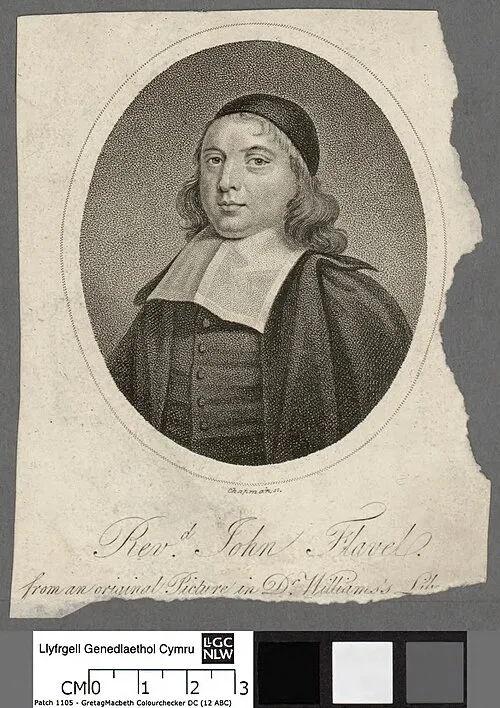
DÉCIMA ESTACIÓN
CÓMO PUEDE EL CRISTIANO GUARDAR SU
CORAZÓN DE CONCLUSIONES DESESPERADAS
«La décima estación especial para guardar el corazón con toda diligencia es el tiempo de tinieblas espirituales y de duda, cuando al alma le va como a Pablo en su peligrosa travesía: ni sol, ni luna, ni estrella aparecieron por muchos días; cuando, a causa de los escondimientos del rostro de Dios, del predominio de la corrupción y de la falta de evidencias de la gracia, el alma está ya a punto de dar por perdidas todas sus esperanzas y consuelos; de sacar sobre sí misma conclusiones tristes y desesperadas; de llamar vanos engaños a sus consuelos de antes, e hipocresía a su gracia. Cuando los cielos serenos y claros se cubren de nubes oscuras, sí, se llenan de truenos y de tempestades horribles; cuando la pobre alma pensativa se sienta y llora esta triste lamentación: ¿Pereció mi esperanza de Jehová? Ahora bien, guardar el corazón para que no se hunda en un día como este, capacitarlo para sostener su propia sinceridad, es cosa de gran dificultad.» El décimo caso, pues, será este.
Caso 10. Cómo puede el pueblo de Dios, en estaciones oscuras y de duda, guardar el corazón para no abrigar conclusiones tan tristes acerca de su estado, que destruyen su paz y lo inhabilitan para su deber.
Hay dos encabezados generales a los que pueden reducirse los fundamentos para dudar de nuestra sinceridad. 1. El trato de Dios para con el alma, ya en tiempo de alguna aflicción extraordinaria, ya de algún largo y triste desamparo. O bien, 2. El trato del alma para con Dios: y aquí suele argumentar contra la verdad de sus propias gracias; o 1. Por sus recaídas en los mismos pecados de los que antes se había levantado con vergüenza y dolor. O 2. Por la disminución sensible de sus afectos hacia Dios. O 3. Por el exceso de los afectos hacia los consuelos y goces de la criatura. O 4. Por sus ensanchamientos en los deberes públicos, y las frecuentes estrecheces en los privados. O 5. Por algunas inyecciones horrendas de Satanás, con las cuales el alma queda en gran perplejidad. O, por último, por el silencio de Dios y la aparente negación de sus peticiones y oraciones, pendientes desde hace tanto tiempo.
Estos son los fundamentos comunes de esas tristes conclusiones. Ahora bien, para el asentamiento y el sostén del corazón en esta condición, será necesario:
-
Que ustedes conozcan algunas verdades generales, que tienden a asentar al alma temblorosa y que duda.
-
Que ustedes sean instruidos como es debido acerca de los particulares ya mencionados, que son los fundamentos de su duda.
Las verdades generales que las pobres almas que dudan han de conocer son estas:
-
Que no todo obrar y toda apariencia de hipocresía prueba al instante que la persona en quien se halla sea hipócrita. Hay que distinguir con cuidado entre la presencia y el predominio de la hipocresía: quedan restos de engaño en los mejores corazones; David y Pedro tuvieron triste experiencia de ello; sin embargo, siendo rectos el temple estable y la inclinación general del corazón, eso no los denominó hipócritas.
-
Que debemos oír lo que puede decirse a nuestro favor tanto como lo que puede decirse en contra: es pecado de los corazones rectos usar a veces contra sí mismos una severidad demasiado rígida y despiadada: no consideran con imparcialidad el caso de su propia alma. Ocurre aquí como dice Salomón en otro caso: Hay quienes se hacen ricos, y no tienen nada: y hay quienes se hacen pobres, y tienen muchas riquezas, Proverbios 13:7. Es el pecado condenatorio del hipócrita que se lisonjea a sí mismo hacer su condición mejor de lo que es; y es pecado y necedad de algunos rectos hacerla peor de lo que en verdad es. ¿Por qué han de ser ustedes tales enemigos de su propia paz, que leen las evidencias del amor de Dios a su alma como lee un hombre el libro que se propone refutar? ¿Por qué se empeñan en hallar evasivas para desechar los consuelos que les son debidos? Se dice de José que tenía en mente dejar a María, su desposada, no sabiendo que aquello santo que en ella había sido concebido era del Espíritu Santo; y este puede ser el caso de ustedes. Una tercera verdad es esta:
-
Que más de un santo se ha acusado y se ha condenado a sí mismo por aquello de lo que Dios nunca lo acusará, ni por lo que nunca lo condenará. ¿Por qué endureciste nuestro corazón a tu temor?, dice la iglesia, Isaías 63:17; y, sin embargo, el versículo anterior manifiesta que su corazón no estaba así endurecido. El piadoso Bradford se escribió a sí mismo hipócrita, sepulcro blanqueado; y, con todo, sin duda Dios lo absolvió de esa acusación.
-
No todo lo que es motivo de dolor para el pueblo de Dios es motivo suficiente para poner en duda su sinceridad. Hay muchas más cosas que los turban que cosas que los hagan tropezar: si por cada resbalón y cada falta de flaqueza ustedes pusieran en duda todo cuanto jamás fue obrado en ustedes, su vida tendría que componerse de dudas y de temores; nunca podrían alcanzar una paz asentada, ni vivir esa vida de alabanza y de gratitud que el evangelio pide.
-
El alma no está en todo tiempo apta para juzgar su propia condición: a buen seguro, en el día oscuro del desamparo, cuando la noche cae sobre el alma, y en el día tempestuoso de la tentación, cuando el alma está en tumulto, es del todo incapaz de juzgar su estado. Examinad vuestros corazones sobre vuestras camas, y estad quietos, Salmos 4:4. Esta es más bien estación para velar y resistir que para juzgar y sentenciar.
-
Que no toda ruptura de la paz con Dios es ruptura del pacto con Dios. La esposa tiene muchas flaquezas y faltas; a menudo entristece y desagrada a su marido; pero en lo principal es fiel, y de veras lo ama: estas faltas pueden hacer que él cambie su trato, mas no que retire su amor ni niegue la relación. Vuélvete, oh rebelde Israel, porque yo soy vuestro esposo.
-
Por último, sea cual sea nuestro pecado o nuestra aflicción, más bien debe empujarnos hacia Dios que apartarnos de Dios. «Perdonarás también mi pecado; porque es grande», Salmos 25:11. Supón que sea verdad que has pecado así y así, que llevas tanto tiempo y tan tristemente desamparado: con todo, es inferencia falsa que por eso hayas de desanimarte, como si no hubiera ayuda para ti en tu Dios. Cuando hayan digerido bien estas siete verdades asentadas, si la duda aún permanece, consideren entonces qué puede responderse a los fundamentos particulares de esas dudas. Como:
-
Dudan, y están a punto de concluir que el Señor no tiene estima ni amor por sus almas, a causa de alguna aflicción extraordinaria que ha venido sobre ustedes; pero yo no querría que tu alma concluyera así, hasta que puedas responder de manera satisfactoria a estas tres preguntas.
Pregunta 1. Si las grandes tribulaciones y aflicciones son marcas del odio de Dios, ¿por qué la impunidad y la prosperidad constante no han de ser señales de su amor? Pues contraiorum contraria est ratio et consequentia: de las cosas contrarias hay una razón y una consecuencia contrarias. Pero ¿es así en verdad? ¿O no dice la Escritura todo lo contrario? Proverbios 1:32: la prosperidad de los necios los echará a perder. Así, Salmos 73:3-5.
Pregunta 2. ¿Me atrevo a sacar la misma conclusión sobre todos los demás que han sido tan afligidos como yo, y aun más? Si este argumento concluye contra ti, entonces concluye también contra todo el que está en tu condición; sí, cuanto mayor ha sido la aflicción de cualquier hijo de Dios, con tanta más fuerza sigue concluyendo el argumento; y entonces, ¡ay de David, de Job, de Hemán, de Pablo, y de todos los que han sido afligidos como ellos lo fueron!
Pregunta 3. Si Dios te hubiera eximido solo a ti de aquellas tribulaciones que sienten todos los demás de su pueblo, ¿no habría sido eso para ti un fundamento mayor de duda que este? Sobre todo porque la Escritura dice: si estáis fuera del castigo, del cual todos han sido hechos participantes, luego sois bastardos, y no hijos, Hebreos 12:8.
¡Oh, en qué aprietos ponen a nuestro Padre los hijos díscolos! Si aflige, entonces uno grita: no me ama; si exime de la aflicción, otros cuestionan su amor por ese motivo. Ciertamente tienes bajo la vara otra obra que hacer, y no esta.
- ¿O infieres a la ligera que el Señor no te ama porque esconde de ti su rostro; que tu condición es miserable porque está oscura y desconsolada? Antes de sacar conclusiones tan precipitadas, mira qué respuesta puedes dar a estas cuatro preguntas que siguen.
Pregunta 1. Si cualquier acción de Dios para con su pueblo admite una interpretación favorable tanto como una áspera y severa, ¿por qué su pueblo no ha de interpretarla en el mejor sentido? ¿Y no es esta de esa clase? ¿No puede tener en esta dispensación un designio de amor, tanto como de odio? ¿No puede apartarse por un tiempo, y no para siempre; sí, precisamente para no apartarse para siempre? No eres el primero que se ha equivocado en los fines de Dios en el desamparo, Isaías 49:14. Sión dijo: Dejóme Jehová, y mi Dios se olvidó de mí. ¿Era así en verdad? Ni mucho menos. V. 15. ¿Olvidaráse la mujer, etc.?
Pregunta 2. ¿Encuentras sobre tu propio espíritu las marcas de un desamparo absoluto, total y final, tú, tan propenso a concluir que el tuyo lo es? ¿Encuentras tu corazón inclinado a dejar a Dios? ¿Has perdido la ternura de conciencia en punto de pecado? Si es así, tristes señales aparecen en verdad sobre ti; pero si en esta hora oscura eres tan tierno respecto del pecado como siempre, tan resuelto a aferrarte a Dios como siempre —no puedo, no quiero dejar a Dios, haga él conmigo lo que quiera: oh, no, no puedo—, si tu corazón obra así, no puede ser sino un desamparo parcial, limitado y temporal; con esto él conserva todavía su interés en tu corazón, señal segura de que volverá y te visitará de nuevo.
Pregunta 3. ¿Son el sentido y el sentimiento juez competente de las acciones y los designios de Dios? ¿O puede un hombre apoyarse sin peligro en su testimonio, después de tantos descubrimientos de lo falible que es [N. del T.: el original dice «infalibilidad», pero el sentido exige «falibilidad»]? ¿Es sólido este argumento? Si Dios tuviera algún amor por mi alma, si no se hubiera ido del todo, yo lo sentiría ahora igual que en tiempos pasados; pero no puedo sentirlo: luego se ha ido del todo. ¿No sabes que el sol sigue su curso en los cielos aun con tiempo malo y cerrado, cuando no puedes verlo? ¿Y no puede ser así con el amor de Dios? Lee Isaías 50:10. ¿No podría yo concluir igualmente, en invierno, cuando las flores han escondido bajo tierra su hermosa cabeza, que están del todo muertas y desaparecidas, porque no puedo hallarlas en diciembre donde las vi en mayo?
Pregunta 4. ¿Crees que al Señor no le importa quebrantar el corazón de sus hijos, y también su propia promesa? ¿No tiene más miramiento por ninguno de los dos? Si no vuelve más, estas han de ser las consecuencias, Isaías 57:16, 17. Hebreos 13:5.
Pues bien, del trato de Dios para contigo, ya en la aflicción, ya en el desamparo, no pueden inferirse conclusiones tan desalentadoras, que hunden el corazón. Veamos ahora si no podrán inferirse de nuestro trato para con Dios; y aquí los principales fundamentos de la duda son como estos:
- He vuelto a caer en el mismo pecado del que antes me había levantado, con arrepentimiento y resolución; por tanto, mi pecar es un pecar de costumbre; una mancha que no es la mancha de los hijos de Dios. De ahí tiembla el alma recta; por esto está pronta a afirmar que todas sus humillaciones anteriores por el pecado, y sus oposiciones a él, no fueron sino actos de hipocresía. Pero detente, pobre corazón tembloroso.
Pregunta 1. Si es así, ¿cómo es que Cristo pone una interpretación tan favorable sobre el hecho de que los discípulos durmieran por tercera vez, cuando otras tantas veces los había reprendido por ello? Mateo 26:40, 41. ¿Y cómo es que hallamos en la Escritura tantas promesas hechas al pueblo de Dios, no solo con ocasión de sus primeros pecados, sino también de sus reincidencias? Jeremías 3:22. Oseas 14:4.
Pregunta 2. ¿No se renuevan tu arrepentimiento y tu cuidado tan a menudo como se renueva tu culpa? Sí: cuanto más a menudo pecas, más turbado estás. No ocurre así en el pecar de costumbre, cuyo origen descubre Bernardo de manera excelente. 1. Dice él: cuando un hombre acostumbrado al bien peca gravemente, ello le parece insoportable; sí, le parece descender vivo al infierno. 2. Con el paso del tiempo ya no le parece insoportable, sino pesado; y entre lo insoportable y lo pesado no hay pequeño descenso. 3. Luego se vuelve leve: la conciencia lo hiere apenas, y él no siente los azotes de ella. 4. Entonces no solo hay una insensibilidad total hacia ello, sino que lo que era amargo y desagradable se ha vuelto, en algún grado, dulce y agradable. 5. Entonces se torna costumbre, y no solo agrada, sino que agrada cada día. Por último, la costumbre se torna naturaleza: no se le puede arrancar de ello, sino que lo defiende y aboga por ello. Esto es pecar de costumbre; este es el camino de los malos; pero la nuestra es una condición del todo contraria.
Pregunta 3. ¿Estás seguro, por fundamentos de la Escritura, de que un hombre bueno no puede recaer una y otra vez en el mismo pecado? Es verdad que, en cuanto a los pecados crasos, no suelen recaer en ellos: David no volvió a cometer adulterio; Pablo no volvió a perseguir a la iglesia; Pedro no volvió a negar a Cristo; pero hablo de las flaquezas ordinarias. Los amigos de Job eran hombres buenos y, con todo, dice él en Job 19:3: Ya me habéis vituperado diez veces. Así pues, de este primer fundamento de la duda no se siguen tales conclusiones.
- El segundo fundamento es la declinación y el marchitamiento de nuestros afectos hacia las cosas espirituales. ¡Oh!, dice el alma recta: si alguna vez hubiera sido plantada de simiente recta, habría sido como oliva verde en la casa de mi Dios; pero mis ramas se marchitan: luego mi raíz es mala. Pero detente.
Pregunta 1. ¿No puedes equivocarte acerca de la decadencia de la gracia y del desvanecimiento de tus afectos? ¿Y si ya no son tan vivos y arrebatadores como al principio? ¿No puede eso compensarse con la espiritualidad y la solidez que ahora tienen? Ruego a Dios que vuestro amor abunde aun más y más en todo conocimiento, Filipenses 1:9. Puede ser más sólido, aunque no tan ferviente. ¿O no te equivocas al mirar hacia adelante, a lo que querrías ser, más bien que hacia atrás, a lo que una vez fuiste? Es una buena nota de Ames: que discernimos el crecimiento de la gracia como el crecimiento de las plantas, el cual percibimos más bien crevisse quam crescere, haber crecido, que estar creciendo.
Pregunta 2. Pero concede que en verdad sea así, como afirmas: ¿ha de seguirse por fuerza que la raíz del asunto no está en ti? Los últimos caminos de David se distinguen de los primeros, 2 Crónicas 17:3, y con todo fue hombre santo tanto al principio como al fin. Cristo acusa a la iglesia de Éfeso de haber dejado su primer amor y, sin embargo, era candelero de oro, con muchos santos preciosos en aquella iglesia, Apocalipsis 2:2, 3, 4.
- Un tercer fundamento de esas tristes conclusiones es el exceso de nuestros afectos hacia algunos goces de la criatura. Temo amar a la criatura más que a Dios; y si es así, mi amor no es sino hipócrita: a veces siento movimientos del corazón más fuertes y más sensibles hacia los consuelos terrenales que hacia los objetos celestiales; luego mi alma no es recta en mí. Pero detente, oh alma.
Pregunta 1. ¿No puede un hombre amar a Dios de un modo más sólido y más fuerte que a la criatura, y con todo conmoverse sus afectos hacia la criatura, a veces, de manera más violenta y más sensible que hacia Dios? Así como la malicia arraigada arguye un odio más fuerte que una pasión repentina, aunque más violenta, así hemos de medir nuestro amor no por un movimiento violento de vez en cuando, sino por la profundidad de la raíz y la constancia de sus actos. Porque David se conmovió tan apasionadamente por Absalón, Joab concluye que, si él hubiera vivido y todo el pueblo hubiera muerto, le habría agradado muy bien, 2 Samuel 19:6; pero aquello se argumentó más como soldado que como lógico.
Pregunta 2. Si en verdad amas a la criatura por sí misma, si la haces tu fin y la religión apenas un medio, entonces la conclusión se saca con razón sobre ti. Pero si amas a la criatura con referencia a Dios, y nada ves en ella separada de él, aunque a veces tus afectos pequen por el exceso, esto es compatible con un amor sincero a Dios. Amar a la criatura desordenadamente, ponerla en el lugar de Dios y hacerla fin del hombre: este es el amor de un corazón carnal. Amarla inmoderadamente, esto es, derramar hacia ella más afecto del que debemos, es a veces el pecado de los mejores corazones.
Pregunta 3. ¿No han temido muchas almas, como temes tú, que, cuando Cristo y las criaturas se presentaran como competidores en alguna prueba eminente, dejarían a Cristo antes que a la criatura; y, sin embargo, llevadas a ese dilema, han podido echar el mundo entero tras sus talones por Cristo? Muchos de los mártires tuvieron tales temores, y así quedaron satisfechos. El predominio del amor se ve mejor al partir. Puede haber en tu alma más amor a Cristo del que ahora adviertes; y si Dios te pone en tal aprieto, podrás verlo.
- Un cuarto fundamento de estas tristes conclusiones está en que hallamos el corazón a veces más estrechado en los deberes privados que en los públicos. ¡Oh!, si mi alma fuera sincera, sus actos en el deber serían uniformes; temo no ser sino un fariseo por este motivo. Triste es, en verdad, que en algún tiempo hallemos el corazón estrechado en lo privado. Pero,
Pregunta 1. ¿No dependen todos tus ensanchamientos en el deber, sea público o privado, del Espíritu, que es el Señor de las influencias; y según él comunica o retiene esas influencias, así quedas ensanchado o estrechado? ¿Y qué, si a veces le place dar en un deber público aquello que retiene en un deber privado? Mientras tu alma no se dé por satisfecha con ninguno de los dos sin comunión con Dios, y la estrechez de tu corazón sea en verdad su carga, ¿arguye eso que eres hipócrita?
Pregunta 2. ¿No haces conciencia de los deberes privados, y no te pones en ellos como delante del Señor? En verdad, si vives en el descuido constante de ellos, o en cumplirlos con negligencia; si eres cuidadoso en lo público y negligente en los deberes privados, esa sería una señal triste; pero cuando los has cumplido con conciencia, y a menudo te has encontrado con Dios en ellos, no se sigue que seas insincero porque esa comunión a veces se interrumpa. Además,
Pregunta 3. ¿No puede haber a veces, en un deber público, algo que falta en el privado, para levantar y aventajar tus afectos? Dios puede valerse a veces de los afectos que se derriten de aquellos con quienes oyes u oras, como instrumentos menores para mover tus afectos; esta ventaja falta en lo privado: por tanto, de aquí (estando el caso así) no puede sacarse tal inferencia.
- Otro fundamento está en aquellas inyecciones horrendas de Satanás con las que el alma queda en gran perplejidad; por estas puedo ver qué corazón tengo: ¿puede haber gracia donde estas están?
Sí, puede haber gracia donde tales pensamientos están, aunque no donde se alojan y se les da consentimiento. ¿Clamas bajo la carga, presentas en el cielo tu protesta contra ellos, te esfuerzas por mantener pensamientos santos y reverentes de Dios? Entonces es violencia, no una prostitución voluntaria.
- El último fundamento de estas tristes conclusiones es el largo silencio del Señor, y la aparente negación de nuestras peticiones y oraciones, pendientes desde hace tanto. ¡Oh, si Dios tuviera alguna estima por mi alma, ya habría oído mis clamores! Pero no tengo respuesta de él; luego no tengo parte en él. Pero detente, alma que dudas.
Pregunta 1. ¿No han tropezado muchos santos en esta piedra antes que tú? Salmos 31:22: Decía yo en mi premura: Cortado soy de delante de tus ojos: tú empero oíste la voz de mis ruegos. Así la iglesia, Lamentaciones 3:44: «Te cubriste de nube, porque no pasase la oración nuestra.» Jonás 2:5: «Y yo dije: Echado soy de delante de tus ojos.» ¿Y no puedes equivocarte en este asunto, igual que ellos?
Pregunta 2. Aunque el aborrecer Dios la oración, y rechazarla al fin, sea argumento de que aborrece a la persona que ora, ¿nos atrevemos a concluir eso de una mera suspensión de la respuesta? Dios puede ser longánime con sus propios escogidos, que claman a él día y noche, Lucas 18:7.
Pregunta 3. ¿Puedes negar que aparecen en tu alma algunas señales, aun mientras Dios suspende su respuesta, que arguyen que tus oraciones no son rechazadas por él? Como: 1. Aunque no venga respuesta, sigues resuelto a esperar: no te atreves a decir como aquel miserable profano: Ciertamente este mal de Jehová viene. ¿Para qué tengo de esperar más a Jehová?, 2 Reyes 6:33. 2. Aún puedes exculpar y justificar a Dios, y poner sobre ti mismo la razón y la causa de su silencio. Así lo hizo David, Salmos 22:2, 3: Dios mío, clamo de día, y no oyes; y de noche, y no hay para mí silencio. Tú empero eres santo, etc. 3. La suspensión de la respuesta de Dios te hace inquirir en tu propio corazón qué males hay allí que estorban tus oraciones; así la iglesia, Lamentaciones 3:8: cerró los oídos a mi oración. ¿Y cómo obra él esto? Puedes verlo, v. 40: Escudriñemos nuestros caminos, y busquemos. Pues bien, tampoco de aquí puedes concluir que Dios no tiene amor por tu alma.
Precaución. Y así les he mostrado cómo guardar sus corazones, en una estación oscura y de duda, de esas conclusiones desesperadas de la incredulidad. Dios no permita que algún corazón falso se aliente con estas cosas. Es nuestra desdicha que, cuando damos a los santos y a los pecadores la porción que a cada uno corresponde, cada cual sea tan propenso a tomar la parte del otro.
Ver el original (inglés)
Original en inglés
TENTH SEASON
HOW A CHRISTIAN MAY KEEP HIS
HEART FROM DESPERATE CONCLUSIONS
‘The tenth special season to keep the heart with all diligence, is the time of spiritual darkness and doubting, when it is with the soul, as it was with Paul in his dangerous voyage, neither sun, nor moon, nor star appeared for many days; when by reason of the hidings of God’s face, the prevalency of corruption, and the inevidence of grace, the soul is even ready to give up all its hopes and comforts for lost; to draw sad and desperate conclusions upon itself; to call its former comforts vain delusions; its grace hypocrisy. When the serene and clear heavens are overcast with dark clouds, yea, filled with thunders, and horrible tempests; when the poor pensive soul sits down and weeps forth this sad lamentation, My hope is perished from the Lord? Now to keep the heart from sinking in such a day as this, to enable it to maintain its own sincerity, is a matter of great difficulty.’ The tenth case then will be this.
Case 10. How the people of God, in dark and doubting seasons, may keep their hearts from entertaining such sad conclusions about their estates, as destroy their peace, and unfit them for their duty.
There are two general heads, to which the grounds of doubting our sincerity may be reduced. 1. God’s carriage towards the soul, either in the time of some extraordinary affliction, or of some long and sad desertion. Or, 2, The soul’s carriage towards God: and here it usually argues against the truth of its own graces; either 1. From its relapses into the same sins, from which it hath formerly risen with shame and sorrow. Or, 2. From the sensible declining of its affections from God. Or, 3. From the excess of the affections towards creature-comforts and enjoyments. Or, 4. From its enlargements in public and often straitnings in private duties. Or, 5. From some horrid injections of Satan, with which the soul is greatly perplexed. Or, Lastly, from God’s silence, and seeming denial of its long depending suits and prayers.
These are the common grounds of those sad conclusions: now in order to the establishment and support of the heart in this condition, it will be necessary,
-
That you be acquainted with some general truths, which have a tendency to the settlement of a trembling and doubting soul.
-
That you be rightly instructed about the ‘forementioned particulars, which are the grounds of your doubting.
The general truths requisite for poor doubting souls to be acquainted with, are these:
-
That every working and appearance of hypocrisy doth not presently prove the person in whom it is, to be an hypocrite. You must carefully distinguish between the presence and predominancy of hypocrisy: there are remains of deceitfulness in the best hearts; David and Peter had sad experience of it; yet the standing frame and general bent of the heart being upright, it did not denominate them hypocrites.
-
That we ought as well to hear what can be said for us, as against us: it is the sin of upright hearts, sometimes to use an over-rigid and merciless severity against themselves: they do not indifferently consider the case of their own souls: it is in this case, as Solomon speaks in another, There is that maketh himself rich, and yet hath nothing; and there is that maketh himself poor, and yet hath great riches, Prov. xiii. 7. It is the damning sin of the self-flattering hypocrite, to make his condition better than it is: and it is the sin and folly of some upright ones to make their condition worse than indeed it is. Why should you be such enemies to your own peace, to read over the evidences of God’s love to your souls, as a man doth a book, which he intends to confute? Why do you study to find evasions to turn off those comforts which are due to you? It is said of Joseph, that he was minded to put away his espoused Mary, not knowing that that holy thing which was conceived in her, was by the Holy Ghost; and this may be your case. A third truth is this,
-
That many a saint hath charged and condemned himself for that, which God will never charge him with, nor condemn him for. Why hast thou hardened our hearts from thy fear? Isa. lxiii. 17, saith the church, and yet the verse before manifests, that their hearts were not so hardened: Godly Bradford wrote himself an hypocrite, a painted sepulchre; yet doubtless God acquitted him of that charge.
-
Every thing which is a ground of grief to the people of God, is not a sufficient ground of questioning their sincerity. There are many more things to trouble you, than there is to stumble you: if upon every slip and failing through infirmity, you should question all that ever was wrought upon you, your life must be made up of doubtings and fears: you can never attain a settled peace, nor live that life of praise and thankfulness the gospel calls for.
-
The soul is not at all times fit to pass judgment upon its own condition: to be sure in the dark day of desertion, when the soul is benighted; and in the stormy day of temptation, when the soul is in a hurry, it is utterly unfit to judge its estate: Examine your hearts upon your beds, and be still, Psal. iv. 4. This is rather a season for watching and resisting, than for judging and determining.
-
That every breach of peace with God, is not a breach of covenant with God. The wife hath many weaknesses and failings, often grieves and displeases her husband; yet in the main is faithful, and truly loves him: these failings may cause him to alter his carriage, but not to withdraw his love, or deny his relation. Return, O backsliding Israel, for I am married unto you.
-
Lastly, Whatever our sin, or trouble be, it should rather drive us to God, than from God. Pardon my sin; for it is great, Psal. xxv. 11, suppose it be true, that thou hast so and so sinned, that thou art thus long and sadly deserted: Yet it is a false inference, that therefore thou shouldst be discouraged, as if there were no help for thee in thy God. When you have well digested these seven established truths, if still the doubt remain, then consider what may be replied to the particular grounds of those doubts. As,
-
You doubt, and are ready to conclude, the Lord hath no regard or love for your souls, because of some extraordinary affliction which is come upon you: but I would not have thy soul so to conclude, till thou be able satisfactorily to answer these three questions.
Question 1. If great troubles and afflictions be marks of God’s hatred, why should not impunity and constant prosperity be tokens of his love? For contraiorum contraria est ratio et consequentia? of contrary things there is a contrary reason and consequence; but is this so indeed? or saith not the scripture quite otherwise? Prov. i. 32. The prosperity of fools destroys them. So, Psal. lxxiii. 3-5.
Quest. 2. Dare I draw the same conclusion upon all others that have been as much, yea more afflicted than myself? If this argument conclude against thee, then so it doth against every one in thy condition; yea, the greater the affliction of any child of God hath been, the more strongly the argument still concludes; and then woe to David, Job, Heman, Paul, and all that have been afflicted as they were.
Quest. 3. Had God exempted you only from those troubles which all other his people feel, would not that have been a greater ground of doubting to you than this? Especially since the scripture saith, If ye be without chastenings, whereof all are partakers, then are ye bastards, and not sons, Heb. xii. 8.
Oh how is our Father put to it by froward children! If he afflicts, then one cries, he loves me not: if he exempt from affliction, others question his love upon that ground. Surely you have other work to do under the rod, than this.
- Or do you rashly infer the Lord has no love for you, because he hides his face from you; that your condition is miserable, because dark and uncomfortable? Before you draw such rash conclusions, see what answer you can give to these four following queries.
Query 1. If any action of God towards his people will bear a favourable, as well as a harsh and severe construction, why should not his people interpret it in the best sense? And is not this such? May he not have a design of love, as well as of hatred, in this dispensation? May he not depart for a season, and not for ever; yea, that he might not depart for ever? You are not the first that have mistaken God’s ends in desertion, Isa. xlix. 14. Zion said, the Lord hath forsaken me, my God hath forgotten me: Was it so indeed? Nothing less. Ver. 15. Can a woman forget, &c.
Query 2. Do you find the marks of an absolute, total and final desertion upon your own spirits, that you are so apt to conclude yours to be such? Do you find your heart inclined to forsake God? Have you lost your conscientious tenderness in point of sin? If so, sad characters appear upon you indeed; but if, in this dark hour, you are as tender of sin as ever, as much resolved to cleave to God as ever, I cannot, I will not forsake God, let him do what he will with me: Oh no, I cannot. If your hearts work thus, it can be but a partial, limited, and temporary desertion; by this he still keeps his interest in your hearts, a sure sign he will return and visit you again.
Query 3. Is sense and feeling a competent judge of God’s actions and designs? Or may a man safely rely upon its testimony after so many discoveries of the infallibility of it? is this a sound argument? If God had any love for my soul, if it were not quite gone I should feel it now as well as in former times; but I cannot feel it: therefore it is quite gone. Do not you know the sun still keeps on his course in the heavens, even in foul and close weather, when you cannot see it? and may it not be so with the love of God? Read Isa. l. 10. May not I as well conclude in winter, when the flowers have hid their beautiful heads under ground, they are quite dead and gone, because I cannot find them in December where I saw them in May?
Query 4. Think you the Lord cares not to break his children’s hearts, and his own promise too! Hath he no more regard to either? If he return no more, these must be the consequences, Isa. lvii. 16, 17. Heb. xiii. 5.
Well then, from God’s carriage towards you, either in affliction or desertion, no such discouraging, heart-sinking conclusions can be inferred. Next, let us see whether they may not be inferred from our carriage towards God; and here the principal grounds of doubting are such as these:
- I have fallen again into the same sin from which I have formerly risen, with repentance and resolution; therefore my sinning is customary sinning; a spot that is not the spot of God’s children. Hence the upright soul trembles; upon this it is ready to affirm, that all its former humiliations for, and oppositions unto sin, were but acts of hypocrisy. But stay, poor trembling heart.
Query 1. If this be so, how comes it to pass that Christ puts such a favourable construction upon the disciples sleeping the third time, when he had as often reproved them for it? Matth. xxvi. 40, 41; and how is it that we find in scripture so many promises made to God’s people, not only upon their first sins, but upon their backslidings also? Jer. iii. 22. Hos. xiv. 4.
Query 2. Is not your repentance and care renewed as often as your guilt is renewed? Yea, the oftener you sin, the more you are troubled; it is not so in customary sinning, the rise whereof Bernard excellently discovers. 1. Saith he, When a man accustomed to good, sinneth grievously, it seems insupportable, yea, he seems to descend alive into hell. 2. In process of time it seems not insupportable, but heavy; and betwixt insupportable and heavy, there is no small descent. 3. Next it becomes light, his conscience smites but faintly, and he feels not the stripes of it. 4. Then there is not only a total insensibleness of it, but that which was bitter and displeasing, is now become sweet and pleasing in some degree. 5. Then it is turned into custom, and not only pleases, but daily pleases. Lastly, custom is turned into nature; he cannot be pulled away from it, but defends and pleads for it: This is customary sinning, this is the way of the wicked; but the quite contrary is our condition.
Query 3. Are you sure from scripture grounds, that a good man may not relapse again and again into the same sin? It is true, as for gross sins, they do not use to relapse into them: David committed adultery no more; Paul persecuted the church no more; Peter denied Christ no more: but I speak of ordinary infirmities. Job’s friends were good men, yet, saith he, chap. xix. 3, These ten times have ye reproached me. So then, no such conclusions follow from this first ground of doubting.
- The second ground is, the declining and withering of our affections to spiritual things. O! saith the upright soul, if ever I had been planted a right seed, I should have been as a green olive-tree in the house of my God; but my branches wither: therefore my root is naught. But stay,
Query 1. May you not be mistaken about the decay of grace, and fading of your affections? What if they are not so quick and ravishing as at first, may not that be recompensed in the spirituality and solidity of them now? I pray God your love may abound more and more in all judgment: Phil. i. 9. It may be more solid, though not so ferverous; or do you not mistake, by looking forward to what you would be, rather than backward to what once you were? It is a good note of Ames, that we discern the growth of grace, as the growth of plants, which we perceive rather Grevisse quam crescere, to have grown, than to grow.
Query 2. But grant it be so indeed as you affirm, must it needs follow, that the root of the matter is not in you? David’s last ways are distinguished from his first, 2 Chr. xvii. 3. and yet both first and last a holy man. The Church of Ephesus is charged by Christ for leaving her first love, and yet a golden candlestick, many precious saints in that church, Rev. ii. 2, 3, 4.
- A third ground of those sad conclusions is the excess of our affections to some creature enjoyments. I fear I love the creature more than God; and if so, my love is but hypocritical: I sometimes feel stronger and more sensible motions of my heart to earthly comforts, than I do to heavenly objects: therefore my soul is not upright in me. But stay, O soul,
Query 1. May not a man love God more solidly and strongly than the creature, and yet his affections to the creature be sometimes moved more violently and sensibly than towards God? As rooted malice argues a stronger hatred, than a sudden, though more violent passion, so we must measure our love, not by a violent motion of it now and then, but by the depth of the root, and constancy of its actings. Because David was so passionately moved for Absalom, Joab concludes, that if he had lived, and all the people died, it would have pleased him well, 2 Sam. xix. 7. but that was argued more like a soldier, than a logician.
Query 2. If you indeed love the creature for itself, if you make it your end, and religion but a means, then the conclusion is rightly drawn upon you. But, if you love the creature in reference to God, and see nothing in it separated from him, though sometimes your affections offend in the excess; this is consistent with sincere love to God. To love the creature inordinately, to put it in God’s room, and make it a man’s end; this is the love of a carnal heart; to love it immoderately, that is, to let out more affection to it than we ought, is sometimes the sin of the best hearts.
Query 3. Have not many souls feared as you do, that, when Christ and creatures should stand as competitors in some eminent trial, they should forsake Christ rather than the creature; and yet when brought to that dilemma, have been able to cast all the world at their heels for Christ? Many of the martyrs had such fears, and thus they were satisfied; the prevalency of love is best seen at parting; there may be more love to Christ in thy soul, than thou art now aware of; and if God bring thee to such a pinch, thou mayest see it.
- A fourth ground of these sad conclusions is from hence, that we find our hearts sometimes more straitened in private, than in public duties. O! if my soul were sincere, its actings in duty would be uniform; I fear I am but a Pharisee upon this ground. It is sad indeed we should at any time find our hearts straitened in private. But,
Query 1. Do not all thine enlargements in duty, whether public or private, depend upon the Spirit, who is the Lord of influences; and according as he gives out, or holds back those influences, so art thou enlarged or straitened? And what if sometimes he pleases to give that in a public, which he withholds in a private duty? As long as thy soul is satisfied with neither, without communion with God, and the straitness of thy heart is indeed its burden? Doth that argue thee to be an hypocrite?
Query 2. Dost thou not make conscience of private duties, and set thyself as before the Lord in them? Indeed, if thou live in the constant neglect or careless performance of them; if thou art curious about public, and careless about private duties, that would be a sad sign: but when you have conscientiously performed, and often met with God in them, it will not follow that you are insincere, because that communion is sometimes interrupted. Besides,
Query 3. May there not be something at sometimes in a public, which is wanting in a private duty, to raise and advantage thine affections? God may sometimes make use of the melting affections of them with whom thou hearest or prayest, as petty instruments to move thy affections; this advantage is wanting in private: therefore from hence (the case so standing) no such inference can be drawn.
- Another ground is from those horrid injections of Satan, with which the soul is greatly perplexed; by these I may see what an heart I have: can grace be where these are?
Yes, grace may be where such thoughts are, though not where they are lodged and consented to. Dost thou cry out under the burden, enter thy protest in heaven against them, strive to keep up holy and reverend thoughts of God? Then it is violence, not a voluntary prostitution.
- The last ground of these sad conclusions, is the Lord’s long silence, and seeming denial of our long depending suits and prayers. O if God had any regard to my soul, he would have heard my cries before now! But I have no answer from him, therefore no interest in him. But stay, doubting soul,
Query 1. Have not many saints stumbled upon this stone before thee? Psal. xxxi. 22. I said in my haste, I am cut off from before thine eyes: nevertheless thou heardest the voice of my supplication. So the church, Lam. iii. 44. “Thou coverest thyself with a cloud, that our prayers should not pass through.” Jonah ii. 4. “Then said I, I am cast out of thy sight.” And may not you be mistaken in this matter as well as they?
Query 2. Though God’s abhorring, and final rejecting prayer, be an argument of his abhorring the person that prays; yet dare we conclude so from a mere suspension of the answer? God may bear long with his own elect, that cry unto him day and night. Luke xviii. 7.
Query 3. Can you deny but that there are some signs appearing in your souls, even whilst God suspends his answer, that argue your prayers are not rejected by him? As, 1. Though no answer come, yet you are still resolved to wait: you dare not say as that profane wretch did, This evil is of the Lord, why should I wait for him any longer? 2 Kings vi. 33. 2. You can clear and justify God still, and lay the reason and cause of his silence upon yourselves. So did David, Psal. xxii. 2, 3, O my God, I cry in the day time, and thou hearest not; and in the night, and am not silent: but thou art holy, &c. 3. The suspension of God’s answer makes you inquisitive into your own hearts, what evils are there that obstruct your prayers; so the church, Lam. iii. 8, He shutteth out my prayer: and how doth he this work? You may see, v. 40. Let us search and try our ways. Well then, neither from hence may you conclude that God hath no love for your souls.
Caution. And thus I have shewn you how to keep your hearts in a dark and doubting season from those desperate conclusions of unbelief. God forbid any false heart should encourage itself from these things; it is our unhappiness that when we give saints and sinners their proper portions, that each of them are so prone to take up the other’s part.
https://sermonesbiblicos.org/biblioteca/guardar-el-corazon-14-dudas/