Sermones Bíblicos
Novena estación: la tentación
John Flavel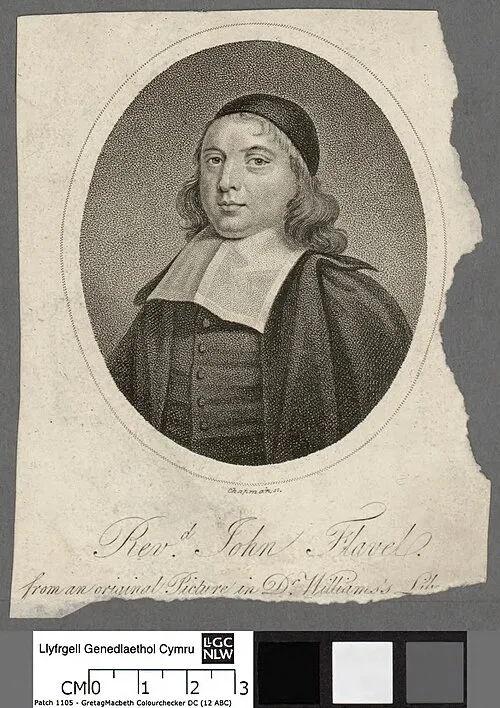
NOVENA ESTACIÓN
CÓMO PUEDE UN CRISTIANO GUARDAR SU
CORAZÓN PARA QUE NO CEDA AL PECADO
«La novena estación en que hemos de ejercer nuestra mayor diligencia es la hora crítica de la tentación, hora en la cual Satanás pone estrecho cerco al fuerte real del corazón de un cristiano, y a menudo lo toma por sorpresa por falta de vigilancia: guardar tu corazón ahora no es menos una misericordia que un deber; pocos cristianos son tan diestros en descubrir las falacias, y en devolver los argumentos con los cuales Satanás suele atraerlos al pecado, como para alcanzar a salir ilesos de aquellos encuentros. Velad y orad, dice nuestro Señor, para que no entréis en tentación, Marcos 14:38. Aun un David eminente, y un Salomón sabio, han padecido el dolor de su descuido en un tiempo como este.» El noveno caso, por tanto, será este:
Caso 9. Cómo puede un cristiano, cuando el diablo lo solicita con fuerza para que peque, guardar su corazón a fin de que no ceda a la tentación.
Ahora bien, hay seis argumentos especiales por medio de los cuales Satanás, con sutileza, insinúa la tentación y la va enroscando hasta meterla; en todos ellos te ofreceré alguna ayuda para guardar tu corazón; y el primero es este:
Argumento. 1. El primer argumento se saca del placer del pecado: ¡Oh!, dice Satanás, aquí hay placer que se puede gozar; la tentación viene con el rostro sonriente y con voz encantadora: ¿qué, eres tú un alma tan flemática y tan embotada, que no sientes los poderosos encantos del placer? ¿Quién puede privarse de deleites como estos?
Ahora tu corazón puede guardarse del peligro de esta tentación, devolviendo contra el tentador este argumento del placer; lo cual se hace de dos maneras.
- Tú me dices, Satanás, que el pecado es placentero; sea así: pero ¿lo son también los retortijones de la conciencia, y las llamas del infierno? ¿Es cosa placentera sentir las heridas y los latidos de la conciencia? Si lo es, ¿por qué lloró Pedro con tanta amargura? Mateo 26:75. ¿Por qué clamó David a causa de los huesos quebrantados? Salmos 51. Oigo lo que tú dices acerca del placer del pecado, y he leído lo que David ha dicho de los terribles efectos del pecado en su salmo para traer las cosas a la memoria, Salmos 38, v. 2. Porque tus saetas descendieron á mí, y sobre mí ha caído tu mano. v. 3. No hay sanidad en mi carne á causa de tu ira; ni hay paz en mis huesos á causa de mi pecado. v. 4. Porque mis iniquidades han pasado mi cabeza: como carga pesada se han agravado sobre mí. v. 5. Pudriéronse, corrompiéronse mis llagas, á causa de mi locura. v. 6. Estoy encorvado, estoy humillado en gran manera, ando enlutado todo el día. v. 7. Porque mis lomos están llenos de irritación, y no hay sanidad en mi carne. v. 8. Estoy debilitado y molido en gran manera; bramo á causa de la conmoción de mi corazón.
Aquí veo el verdadero rostro del pecado; si cedo a tu tentación, por fuerza tengo que sentir o las angustias de la conciencia, o las llamas del infierno.
- ¿Qué me hablas tú del placer del pecado, cuando por la experiencia sé que hay más verdadero placer en la mortificación que el que puede haber en cometer el pecado? ¡Oh, cuán dulce cosa es agradar a Dios, obedecer a la conciencia, conservar la paz interior! Poder decir: en esta prueba he descubierto la sinceridad de mi corazón; ahora sé que temo al Señor; ahora veo que de veras aborrezco el pecado. ¿Tiene el pecado algún deleite como este? Esto ahogará aquella tentación.
Argumento 2. El segundo argumento se saca de lo secreto del pecado: ¡Oh!, dice Satanás, este pecado jamás habrá de deshonrarte allá fuera; nadie lo sabrá.
Este argumento puede devolverse, y tu corazón puede quedar asegurado, de este modo: tú dices que nadie lo sabrá; pero, Satanás, ¿puedes hallar un lugar vacío de la presencia divina, en el cual yo pueda pecar? Así aseguró Job su corazón contra esta tentación, Job 31:4. ¿No ve él mis caminos, y cuenta todos mis pasos? Por eso hace un pacto con sus ojos, v. 1. Del mismo modo nos enseña Salomón a devolver esta tentación: ¿Y por qué, hijo mío, andarás ciego con la ajena, y abrazarás el seno de la extraña? Pues que los caminos del hombre están ante los ojos de Jehová, y él considera todas sus veredas, Proverbios 5:20, 21. ¿Qué, si por lo pronto lo escondo de los ojos del mundo? No puedo esconderlo de Dios; y está ya cerca el tiempo en que todo el mundo lo sabrá también; porque la palabra me asegura: que lo que ahora se hace en secreto será proclamado desde los terrados, Lucas 8:17. Además, ¿no es mi conciencia como mil testigos? ¿No le debo yo ninguna reverencia a mí mismo? ¿Pudieron decir los hombres paganos: Turpe quid ausurus, te sine teste time; cuando seas tentado a cometer pecado, témete a ti mismo, sin ningún otro testigo: y no he de temer yo el pecar delante de mi propia conciencia, la cual siempre tiene una reprensión en la boca, o una pluma en la mano, para registrar mis acciones más secretas?
Argumento 3. El tercer argumento con el cual Satanás tienta a pecar se toma de la ganancia y del provecho que salen de él: ¿por qué te muestras tan delicado y tan escrupuloso? No es más que estirar un poco la conciencia, y podrás labrar tu fortuna: ahora es tu oportunidad.
El corazón puede guardarse de caer en este lazo peligroso, si se devuelve la tentación de este modo: pero ¿qué provecho habrá, si un hombre granjeare todo el mundo, y perdiere su alma? ¿o qué recompensa dará el hombre por su alma? ¿Habré de arriesgarte por todo el bien que hay en este mundo? Hay un espíritu inmortal que habita en este tabernáculo de carne, de más valor que todas las cosas de la tierra, el cual ha de vivir por toda la eternidad, cuando este mundo yazca en blancas cenizas. Un alma por la cual Jesucristo derramó su sangre preciosa e inestimable. Fui enviado a este mundo para proveer por esta alma; es verdad que Dios también me ha encomendado el cuidado de mi cuerpo, pero, como alguien lo expresa con acierto, con esta diferencia: un amo le encomienda a un siervo dos cosas, el niño y la ropa del niño; ¿irá el amo a darle las gracias al siervo, si este alega: he guardado la ropa, pero he descuidado la vida del niño?
Argumento 4. El cuarto argumento se saca de la pequeñez del pecado; no es más que uno pequeño, un asunto de poca monta, una bagatela; ¿quién habría de detenerse en delicadezas como estas?
Este argumento puede devolverse de tres maneras.
-
Pero ¿es también pequeña la majestad del cielo? Si cometo este pecado, tengo que ofender y agraviar a un Dios grande, Isaías 40:15, 16, 17, 22.
-
¿Hay algún infierno pequeño en el cual atormentar a los pecadores pequeños? ¿No están allí los menores de los pecadores llenos de la plenitud de la ira? ¡Oh, hay grande ira atesorada para los tales a quienes el mundo cuenta por pequeños pecadores!
-
Cuanto menor es el pecado, tanto menor es el incentivo para cometerlo; ¿qué, he de romper yo con Dios por una bagatela? ¿destruir mi paz, herir mi conciencia, contristar al Espíritu, y todo esto por nada? ¡Oh, qué locura es esta!
Argumento 5. Un quinto argumento se saca de la gracia de Dios, y de las esperanzas del perdón: vamos, Dios pasará esto por alto como una flaqueza; no será extremado en señalarlo. Pero detente, corazón mío.
-
¿Dónde hallo yo una promesa de misericordia para los pecadores presuntuosos? Cierto, para las sorpresas involuntarias, y para las flaquezas inevitables y lamentadas, hay un perdón que viene de suyo; pero ¿dónde está la promesa para el pecador osado, el que peca sobre la presunción del perdón? Detente un momento, alma mía, sobre aquella Escritura: Y si una persona pecare por yerro, ofrecerá una cabra de un año por expiación, etc. Mas la persona que hiciere algo con altiva mano, á Jehová injurió; y la tal persona será cortada de en medio de su pueblo, Números 15:27, 30.
-
Si Dios es un Dios de tanta misericordia, ¿cómo puedo yo abusar de un Dios tan bueno? ¿Tomaré un atributo tan glorioso como lo es la misericordia de Dios, y habré de abusar de él para pecar? ¿Lo agraviaré porque es bueno? ¿o no debería, más bien, la bondad misma llevarme al arrepentimiento? Romanos 2:4. Empero hay perdón cerca de ti, para que seas temido, Salmos 130:4.
Argumento 6. Por último, a veces Satanás anima a pecar tomando pie de los ejemplos de hombres buenos y santos; así y así pecaron, y fueron después restaurados; por tanto, esto puede coexistir con la gracia, y tú, no obstante, puedes ser salvo. El peligro de esta tentación se evita, y el corazón queda asegurado, cuando el argumento se devuelve de estas tres maneras:
-
Aunque los hombres buenos puedan cometer, en cuanto a la materia, el mismo pecado al cual yo soy tentado, ¿se aventuró jamás hombre bueno alguno a pecar sobre un fundamento y un estímulo como este?
-
¿Dejó Dios registrados estos ejemplos para que yo los imite, o para que me sirvan de advertencia? ¿No están puestos como señales en el mar, a fin de que yo evite las rocas sobre las cuales ellos se estrellaron? Empero estas cosas fueron en figura de nosotros, para que no codiciemos cosas malas, como ellos codiciaron, 1 Corintios 10:6.
-
¿Estoy dispuesto a sentir aquello mismo que ellos sintieron por causa del pecado? Oh, no me atrevo a seguirlos por los caminos del pecado, quia me vestigia terrent [N. del T.: porque las huellas me aterran]; no sea que Dios me hunda en los profundos abismos de horror en los cuales él los arrojó.
Aprendan así, pues, a guardar sus corazones del pecado, en la hora de la tentación.
Ver el original (inglés)
Original en inglés
NINTH SEASON
HOW A CHRISTIAN MAY KEEP HIS
HEART FROM YIELDING TO SIN
“The ninth season of exerting our greatest diligence, is the critical hour of temptation, wherein Satan lays close siege to the Fort Royal of a Christian’s heart, and often surprises it for want of watchfulness: to keep thy heart now, is no less a mercy than a duty; few Christians are so well skilled in detecting the fallacies, and retorting the arguments by which Satan uses to draw them to sin, as to come off safe in those encounters. Watch and pray, saith our Lord, lest ye enter into temptation, Mark xiv. 38. Even an eminent David, and a wise Solomon, have smarted for their carelessness at such a time as this.” The ninth case therefore shall be this:
Case 9. How a Christian, when strongly solicited by the devil to sin, may keep his heart from yielding to the temptation.
Now there are six special arguments by which Satan subtly insinuates and winds in the temptation; in all which I shall offer thee some help for the keeping of thy heart; and the first is this:
Argument. 1. The first argument is drawn from the pleasure of sin: O, saith Satan, here is pleasure to be enjoyed; the temptation comes with a smiling countenance, and charming voice: what art thou so phlegmatic and dull a soul, as not to feel the powerful charms of pleasure? Who can withhold himself from such delights?
Now thine heart may be kept from the danger of this temptation, by retorting this argument of pleasure upon the tempter; which is done two ways.
- Thou tellest me, Satan, that sin is pleasant; be it so: but are the gripes of conscience, and the flames of hell so too? Is it pleasant to feel the wounds and throbs of conscience? If so, why did Peter weep so bitterly? Mat. xxvi. 75. Why did David cry out of broken bones? Psal. li. I hear what thou sayest of the pleasure of sin, and I have read what David hath said of the terrible effects of sin in his psalm to bring to remembrance, Psal. xxxviii. ver. 2. Thine arrows stick fast in me, and thy hand presseth me sore: Ver. 3. There is no soundness in my flesh, because of thine anger; neither is there any rest in my bones, because of my sin: Ver. 4. For mine iniquities are gone over mine head; as an heavy burden they are too heavy for me: Ver. 5. My wounds stink, and are corrupt; because of my foolishness: Ver. 6. I am troubled, I am bowed down greatly; I go mourning all day long: Ver. 7. My loins are filled with a loathsome disease; and there is no soundness in my flesh: Ver. 8. I am feeble and sore broken: I have roared by reason of the disquietness of my heart.
Here I see the true face of sin; if I yield to thy temptation, I must either feel the pangs of conscience, or the flames of hell.
- What talkest thou of the pleasure of sin, when by experience I know there is more true pleasure in the mortification, than can be in the commission of sin? O how sweet is it to please God, to obey conscience, to preserve inward peace! to be able to say, in this trial I have discovered the sincerity of my heart; now I know I fear the Lord, now I see that I truly hate sin. Hath sin any such delight as this? This will choke that temptation.
Arg. 2. The second argument is drawn from the secrecy of sin: O, saith Satan, this sin will never disgrace thee abroad, none shall know it.
This argument may be retorted, and thy heart secured thus: thou sayest none shall know it; but Satan, canst thou find a place void of the divine presence for me to sin in? Thus Job secured his heart from this temptation, Job xxxi. 4. Doth he not see my ways, and count all my steps? Therefore he makes a covenant with his eyes, ver. 1. After the same manner Solomon teacheth us to retort this temptation, And why my son wilt thou be ravished with a strange woman, and embrace the bosom of a stranger? For the ways of man are before the eyes of the Lord, and he pondereth all his goings, Prov. v. 20, 21. What if I hide it from the eyes of the world for the present? I cannot hide it from God; and the time is at hand, when all the world shall know it too; for the word assures me, That what now is done in secret, shall be proclaimed as upon the house-top, Luke viii. 17.—Besides, is not my conscience as a thousand witnesses? Do I owe no reverence to myself? Could the heathen men say, Turps quid ausurus, te sine teste time; when thou art tempted to commit sin, fear thyself without any other witness: and shall not I be afraid to sin before mine own conscience which always hath a reproof in its mouth, or a pen in its hand, to record my most secret actions?
Arg. 3. The third argument by which Satan tempteth to sin is taken from the gain and profit arising out of it: why so nice and scrupulous? It is but to stretch conscience a little, and thou mayest make thyself: now is thy opportunity.
The heart may be kept from falling into this dangerous snare, by retorting the temptation thus: but what profit will it be, if a man should gain the whole world, and lose his own soul? or what shall a man give in exchange for his soul? Shall I hazard thee for all the good that is in this world? There is an immortal spirit dwelling in this fleshly tabernacle, of more value than all earthly things, which must live to all eternity, when this world shall lie in white ashes. A soul for which Jesus Christ shed his precious and invaluable blood. I was sent into this world to provide for this soul; indeed God hath also committed to me the care of my body, but, as one happily expresses it, with this difference; a master commits two things to a servant, the child and the child’s clothes; will the master thank the servant, if he plead, I have kept the clothes, but I have neglected the life of the child??
Arg. 4. The fourth argument is drawn from the smallness of the sin; it is but a little one, a small matter, a trifle; who would stand upon such niceties?
This argument may be retorted three ways.
-
But is the majesty of heaven a little one too? If I commit this sin, I must offend and wrong a great God, Isa. xl. 15, 16, 17, 22.
-
Is there any little hell to torment little sinners in? Are not the least sinners there filled with the fulness of wrath? O there is great wrath treasured up for such as the world counts little sinners.
-
The less the sin, the less the inducement to commit it; what, shall I break with God for a trifle? destroy my peace, wound my conscience, grieve the spirit, and all this for nothing? O what madness is this?
Arg. 5. A fifth argument is drawn from the grace of God; and hopes of pardon: come, God will pass by this as an infirmity, he will not be extreme to mark it. But stay, my heart.
-
Where do I find a promise of mercy to presumptuous sinners? Indeed, for involuntary surprisals, unavoidable and lamented infirmities, there is a pardon of course; but where is the promise to a daring sinner, that sins upon presumption of pardon? Pause a while my soul, upon that scripture, And if a soul sin through ignorance, then he shall bring a she-goat of the first year for a sin offering, &c. But the soul that doth aught presumptuously, the same reproacheth the Lord, and that soul shall be cut off from among his people, Numb. xv. 27, 30.
-
If God be a God of so much mercy, how can I abuse so good a God? Shall I take so glorious an attribute as the mercy of God is, and abuse it unto sin? Shall I wrong him because he is good? or should not rather the goodness lead me to repentance? Rom. ii. 4. There is mercy with thee, that thou mayest be feared, Psal. cxxx. 4.
Arg. 6. Lastly, Sometimes Satan encourages to sin from the examples of good and holy men; thus, and thus they sinned and been restored, therefore this may consist with grace, and thou be saved nevertheless. The danger of this temptation is avoided, and the heart secured, by retorting the argument these three ways:
-
Though good men may commit the same sin materially, which I am tempted to, yet did ever any good man venture to sin, upon such a ground and encouragement as this?
-
Did God record these examples for my imitation, or for my warning? Are they not set up as sea-marks, that I might avoid the rocks upon which they split? Now these were our examples, to the intent we should not lust after evil things, as they also lusted, 1 Cor. x. 6.
-
Am I willing to feel what they felt for sin? O I dare not follow them in the ways of sin, quia me vestigia terrent; Lest God should plunge me into the deeps of horror into which he cast them.
Thus learn to keep your hearts, in the hour of temptation, from sin.
https://sermonesbiblicos.org/biblioteca/guardar-el-corazon-13-tentacion/