Sermones Bíblicos
Cuarta estación: el tiempo de peligro
John Flavel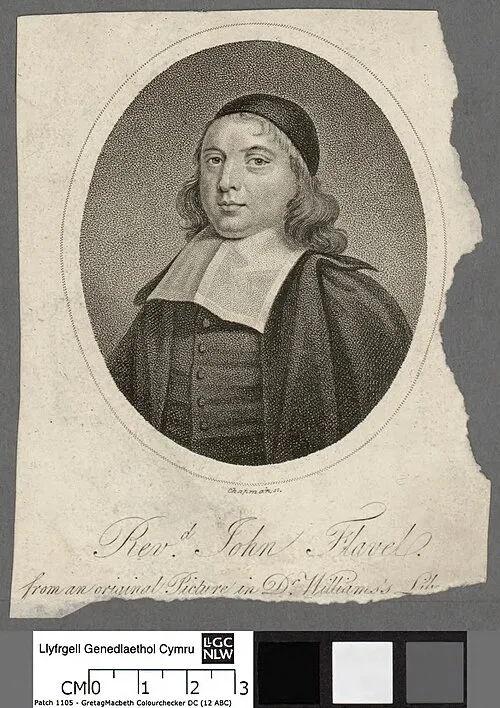
CUARTA ESTACIÓN
CÓMO GUARDAR EL CORAZÓN DE LOS
TEMORES EN TIEMPO DE PELIGROS
«La cuarta estación especial, aquella en que se ha de expresar nuestra suma diligencia en guardar nuestros corazones, es el tiempo del peligro y del alboroto público. En tiempos como estos, hasta los corazones que son los mejores están, por desdicha, demasiado propensos a dejarse sorprender por el temor servil. No es cosa fácil el asegurar el corazón contra las distracciones, en los tiempos de una destrucción que es común a todos. Si Siria se ha confederado con Efraín, ¿cómo es que tiemblan los corazones de la casa de David, del mismo modo que tiemblan los árboles del bosque cuando el viento los sacude? Isaías 7:2. Cuando hay en los cielos señales que anuncian mal; y en la tierra, angustia de gentes por la confusión del sonido de la mar y de las ondas; entonces se van secando los hombres á causa del temor y de la expectación de las cosas que sobrevendrán á la redondez de la tierra, Lucas 21:25, 26. Hasta un Pablo mismo puede quejarse a veces de que de fuera hay cuestiones, cuando de dentro hay temores, 2 Corintios 7:5.»
«Pero, hermanos míos, no es debido que estas cosas sean así. Los santos deberían ser hombres de un espíritu más levantado: así lo era David, allá cuando su corazón se guardaba en un buen temple. JEHOVÁ es mi luz y mi salvación: ¿de quién temeré? Jehová es la fortaleza de mi vida: ¿de quién he de atemorizarme? Salmos 27:1. Que nadie sea esclavo del temor, sino tan solo los siervos del pecado; que teman el mal aquellos que en el mal se han deleitado. impius tantum metuit, quantum nocuit. [N. del T.: el impío teme tanto cuanto daño hizo.] Oh, no se permita jamás que aquello que Dios ha amenazado como juicio sobre los malos venga a apoderarse del pecho de los justos. Infundiré (dice Dios) en sus corazones tal cobardía, en la tierra de sus enemigos, que el sonido de una hoja movida los perseguirá, Levítico 26:36. ¡Oh, qué hombres tan pobres de espíritu son estos, para echar a huir por causa de una hoja que se mueve! Y esa hoja hace un ruido que es agradable, y no un ruido que sea terrible, y es en sí misma una especie de música de la naturaleza; pero, para una conciencia cargada de culpa, las hojas que silban vienen a ser tambores y trompetas. No nos ha dado Dios el espíritu de temor, sino el de amor, y de templanza, 2 Timoteo 1:7. Una mente sana [N. del T.: la «templanza» del versículo], según está allí en oposición al espíritu de temor, es una conciencia que no ha sido herida, una conciencia a la que la culpa no ha dejado enferma; y esto es lo que ha de hacer a un hombre tan osado como lo es un león. Bien sé que no se puede decir de un santo aquello que Dios dijo del Leviatán, esto es, que había sido hecho sin temor. Hay en todo hombre un temor natural, y es tan imposible quitárselo de encima por completo como lo es quitarse de encima el cuerpo mismo. Es una perturbación de la mente, que se levanta de la aprehensión de un peligro que se acerca; y por todo el tiempo en que los peligros puedan acercarse a nosotros, hemos de hallar algunas perturbaciones dentro de nosotros. No es propósito mío recomendarles a ustedes una apatía estoica, ni tampoco apartarlos de un grado tal de temor cautelar y preventivo que pueda dejarlos aptos para el día de la aflicción, y que pueda ser de provecho a las almas de ustedes. Hay un temor que es previsor, el cual nos abre los ojos para ver de antemano el peligro, y nos aviva para hacer un uso prudente y lícito de los medios, a fin de prevenirlo: tal fue el temor que tuvo Jacob, Génesis 32:7, 9, 10, etc. Pero aquel del cual los persuado a que guarden el corazón es el temor de la desconfianza: aquella pasión tiránica que, en los tiempos del peligro, invade el corazón, lo distrae, lo debilita y lo deja inhábil para el deber; que empuja a los hombres a meterse por medios que no son lícitos, y que trae un lazo juntamente con ella. Pues bien, el caso cuarto habrá de ser este:»
Caso 4. Cómo puede un cristiano guardar su corazón de los temores que distraen y atormentan, en tiempos de peligros grandes y amenazantes.
Ahora hay catorce reglas excelentes, o ayudas, para guardar el corazón del temor pecaminoso cuando nos amenazan peligros inminentes; y la primera es esta:
Regla 1. Miren a todas las criaturas como en la mano de Dios, el cual las maneja en todos sus movimientos, limitándolas, refrenándolas y determinándolas todas según su beneplácito.
Hagan que esta gran verdad quede bien asentada, por medio de la fe, en los corazones de ustedes: ella los guardará de un modo maravilloso contra los temores que son serviles. El capítulo primero de Ezequiel contiene un esquema, o un bosquejo, admirable de la providencia. Allí pueden ver ustedes a los seres vivientes que mueven las ruedas, a saber, los grandes asuntos y los giros de las cosas de aquí abajo, los cuales vienen a Cristo, que está sentado sobre el trono, para recibir de él órdenes nuevas e instrucciones nuevas, v. 24, 25, 26. Y en Apocalipsis 6 leen ustedes de caballos blancos, de caballos negros y de caballos rojos, los cuales no son otra cosa sino los instrumentos de que Dios echa mano para ejecutar en el mundo los juicios de él, tales como las guerras, la pestilencia y la muerte. Pero, cuando estos caballos andan caracoleando y pateando de un lado para otro por el mundo, hay aquí aquello que puede aquietar nuestros corazones: que Dios tiene las riendas en la mano de él. Los hombres malos son, a veces, como caballos que se han desbocado: querrían hollar bajo sus pies al pueblo de Dios, si no fuera que el freno de la providencia está puesto en los labios de ellos, Job 1:11, 12. Terrible cosa es topar con un león que anda suelto; pero ¿quién tiene miedo de un león que está en la mano del que lo guarda?
Regla 2. Recuerden que este Dios, en cuya mano están todas las criaturas, es el Padre de ustedes, y es mucho más tierno para con ustedes de lo que ustedes son, o pueden llegar a ser, para con ustedes mismos: el que os toca, toca á la niña de su ojo, Zacarías 2:8. Permítanme hacer una pregunta a la mujer más medrosa de todas: ¿no hay acaso una diferencia vastísima entre ver una espada desenvainada en la mano de un rufián sanguinario, y ver esa misma espada puesta en la mano de su propio esposo, que es tierno con ella? Tan grande como esa es la diferencia que hay entre mirar a las criaturas con un ojo de sentido, y mirarlas, con un ojo de fe, como quien las ve estar en la mano de su Dios. Dulce es, para este mismo propósito, aquella palabra de la Escritura, Isaías 54:5: tu marido es tu Hacedor; Jehová de los ejércitos es su nombre. Él es el Señor de todos los ejércitos de criaturas que hay en el mundo. ¿Quién habría de tener miedo de pasar por en medio de un ejército, aunque todos los soldados volvieran hacia él las espadas y las armas de fuego, si el general de aquel ejército fuese amigo suyo, o fuese su padre? He dado con una historia excelente, la de un joven piadoso que iba por el mar junto con muchos otros pasajeros, en medio de una gran tormenta; y, estando ellos medio muertos de miedo, solo de él se observaba que estaba muy alegre, como si aquel peligro le concerniera muy poco. Habiéndole pedido uno de ellos la razón de aquella alegría, ¡Oh!, dijo, es porque el piloto de la nave es mi padre. Considera a Cristo, primero, como el Rey y el Señor supremo sobre el reino de la providencia, y después como tu Cabeza, tu Esposo y tu Amigo, y en seguida dirás: Vuelve, oh alma mía, á tu reposo. Esta verdad hará que ustedes cesen de temblar, y hará que canten en medio mismo de los peligros, Salmos 47:7. Dios es el Rey de toda la tierra: cantad con inteligencia, o, según es el vocablo hebreo, todo aquel que tiene entendimiento, a saber, entendimiento de esta doctrina que reaviva el corazón y lo afirma, la doctrina del dominio que nuestro Padre tiene sobre todas las criaturas.
Regla 3. Urjan sobre sus corazones las prohibiciones expresas de Cristo en este caso, y que sus corazones estén en temor de violarlas.
Él les ha dado mandato de que no teman, Lucas 21:9: cuando oyereis guerras y sediciones, no os espantéis, y Filipenses 1:28: en nada intimidados de los que se oponen. Sí, en Mateo 10:26, 28, 31, y dentro del espacio de seis versículos, nuestro Salvador nos manda tres veces no temer al hombre. ¿Te hace tener miedo cada palabra hinchada que sale de un polvo y de una ceniza orgullosos? ¿Te hace temblar la voz de un hombre, y no ha de hacerte temblar la voz de Dios? Si eres tú de un espíritu tan medroso y tan temeroso, ¿cómo es que no temes desobedecer los mandatos directos de Jesucristo? Paréceme que el mandato de Cristo debería tener tanto poder para sosegar tu corazón como lo tiene la voz de un pobre gusano para aterrarlo. Yo, yo soy vuestro consolador. ¿Quién eres tú para que tengas temor del hombre, que es mortal, del hijo del hombre, que por heno será contado? Y haste ya olvidado de Jehová tu Hacedor, Isaías 51:12, 13. No podemos temer a las criaturas de un modo que sea pecaminoso, hasta que primero hemos olvidado a Dios. Si nos acordáramos de lo que él es, y de lo que él ha dicho, no seríamos de unos espíritus tan endebles. Lleva, pues, tu corazón a este dilema en los tiempos del peligro: si dejo entrar en mi corazón el temor servil del hombre, por fuerza tengo que dejar salir el temor reverente y el miedo de Dios; ¿y he de atreverme a echar de mí el temor del Todopoderoso, por los ceños de un hombre? ¿He de levantar el polvo orgulloso por encima del gran Dios? ¿He de correr hacia un pecado que es cierto, para esquivar un peligro que solo es probable? Oh, guarda tu corazón por medio de esta consideración.
Regla 4. Recuerden cuánta turbación innecesaria les han traído antes sus temores vanos, y cómo se han inquietado ustedes mismos para nada.
Y todo el día temiste continuamente del furor del que aflige, cuando se disponía para destruir: mas ¿en dónde está el furor del que aflige? Isaías 51:13. Parecía ya dispuesto a devorar, y con todo ustedes no han sido devorados. Yo no he traído sobre ustedes aquella cosa que temían. Han malgastado sus espíritus, han desordenado sus almas y han debilitado sus manos, y todo ello lo han hecho para nada. Bien podrían, durante todo este tiempo, haber gozado de su paz, y haber poseído sus almas en la paciencia. Y aquí no puedo dejar de observar una estratagema muy profunda de Satanás, con la cual maneja un designio contra el alma por medio de estos temores vanos. Los llamo vanos por lo que toca a la frustración que la providencia hace de ellos; pero ciertamente no son en vano, por lo que toca al fin que Satanás se propone cuando los levanta. Porque en esto obra como suelen obrar los soldados en el sitio de una guarnición: los cuales, a propósito, para rendir de cansancio a los sitiados por medio de vigilias que no cesan, y dejarlos así sin fuerza para hacer resistencia cuando de veras vengan a asaltarla, les dan cada noche alarmas que son falsas; y estas, aunque al fin no paran en nada, sirven sin embargo de un modo notable a este designio ulterior del enemigo. ¡Oh, cuándo se guardarán ustedes de los ardides de Satanás!
Regla 5. Consideren con solemnidad que, aunque de veras sucediera lo que temen, hay más mal en su propio temor que en las cosas temidas.
Y ello no solamente en cuanto que el menor de los males del pecado es peor que el mayor de los males del padecimiento, sino también en cuanto que este temor, que es pecaminoso, tiene realmente en sí más tormento y más turbación de los que hay en aquella condición a la cual tanto temen. El temor es, a un tiempo, una pasión que multiplica y una pasión que atormenta; representa los trabajos mucho más grandes de lo que son, y de ese modo tortura y destroza el alma mucho peor de como la destroza el padecimiento mismo, cuando este al fin llega. Así les pasó a los de Israel junto al mar Rojo: clamaron, y tuvieron un miedo muy grande, hasta que pusieron el pie dentro del agua; y entonces se les abrió un paso a través de aquellas aguas, que pensaban que los iban a ahogar. Así nos pasa a nosotros: mirando, al través del cristal del temor carnal, las aguas de los trabajos y las crecientes del Jordán, clamamos: ¡Oh, no hay por dónde vadearlas! Por fuerza hemos de perecer en ellas. Pero, cuando de veras llegamos a estar en medio de aquellas corrientes, hallamos que la promesa se cumple: dará también juntamente con la tentación la salida, 1 Corintios 10:13. Así le pasó al bienaventurado Bilney, cuando quiso hacer una prueba, poniendo el dedo junto a la vela; y, no siendo capaz de sufrir aquello, clamó: ¿qué es esto?, ¿no puedo sufrir que se me queme un dedo? ¿Cómo, pues, he de poder sufrir mañana que se me queme todo el cuerpo? Y, sin embargo, cuando aquel mañana llegó, pudo entrar con buen ánimo en las llamas, llevando en la boca esta Escritura: No temas, porque yo te redimí; te puse nombre, mío eres tú. Cuando pasares por las aguas, yo seré contigo; cuando pasares por el fuego, no te quemarás, Isaías 43:1, 2, 3.
Regla 6. Consulten las muchas promesas preciosas que han sido escritas para sostén y consuelo de ustedes en todos los peligros.
Estos son los refugios de ustedes, a los cuales pueden huir, y en los cuales pueden estar seguros: Cuando las saetas del peligro vuelen de noche, y la destrucción asuele al mediodía. Hay promesas que son particulares, acomodadas a casos que son particulares y a apuros que son particulares; y hay promesas que son generales, las cuales alcanzan a todos los casos y a todas las condiciones. Tales como estas son: Romanos 8:28, todas las cosas les ayudan á bien, etc.; y Eclesiastés 8:12, Bien que el pecador haga mal cien veces, y le sea dilatado [el castigo], con todo yo también sé que los que á Dios temen tendrán bien, etc. Si pudieran tan solo creer las promesas, los corazones de ustedes quedarían afirmados, 2 Crónicas 20:20. Si pudieran tan solo alegarlas delante de Dios, como lo hizo Jacob, tú has dicho: Yo te haré bien, etc., Génesis 32:12, ellas habrían de aliviarlos a ustedes en toda angustia.
Objeción. Pero aquella promesa le fue hecha a él personalmente, y por su nombre; no así estas a mí.
Respuesta. Si el Dios de Jacob es tu Dios, tienes en ellas tan buen derecho como el que él tuvo. La iglesia, mil años después de aquel trato entre Dios y Jacob, aplicó lo que Dios le habló a él como si se lo hubiera hablado a ellos mismos: en Beth-el le halló, y allí habló con nosotros, Oseas 12:5.
Regla 7. Aquieten sus corazones temblorosos recordando y consultando sus experiencias pasadas del cuidado y de la fidelidad de Dios en las angustias de antes.
Estas experiencias son el alimento de la fe de ustedes en una condición de desierto, Salmos 74:14. Por este medio guardó David su corazón en el tiempo del peligro, 1 Samuel 17:37, y por este medio guardó Pablo el suyo, 2 Corintios 1:10. Con mucha dulzura respondió Silentiarius, cuando uno vino a decirle que sus enemigos lo acechaban para quitarle la vida: Si Deus mei curam non habet, quid vio. Si Dios no tiene cuidado de mí, ¿cómo es que he escapado hasta el día de hoy? Bien pueden alegar ante Dios las experiencias ya viejas, a fin de alcanzar con ellas otras nuevas; porque el alegar ante Dios por nuevas liberaciones es lo mismo que el alegar por nuevos perdones. Miren ahora de qué modo alega Moisés con Dios fundándose en eso: Perdona ahora la iniquidad de este pueblo, como has perdonado á este pueblo desde Egipto hasta aquí, Números 14:19. No dice, como suelen decir los hombres: Señor, esta es la primera falta; no se te ha molestado antes para que pongas la firma en este perdón; sino: Señor, porque tantas veces los has perdonado, yo te ruego que los perdones una vez más. Así también en los aprietos nuevos: Señor, muchas veces has oído, has ayudado y has salvado, en los temores de antes; por eso ayuda ahora otra vez, porque cerca de ti hay redención en abundancia, y tu brazo no se ha acortado.
Regla 8. Queden bien seguros de que están en el camino de su deber, y eso engendrará un valor santo en tiempos de peligro.
¿Y quién es aquel que os podrá dañar, si vosotros seguís el bien? 1 Pedro 3:13. O, si alguno se atreve a intentarlo, pueden encomendarse con denuedo a Dios, haciendo el bien, 1 Pedro 4:19. Fue esta consideración la que levantó el espíritu de Lutero por encima de todo temor. En la causa de Dios (dijo él) siempre estoy, y siempre habré de estar, firme; y en esto tomo para mí este título, Cedo nulli [N. del T.: a nadie cedo]. Una causa que es buena sostendrá con mucho brío el espíritu de un hombre. Oigan el dicho de un pagano, para vergüenza de los cristianos que son cobardes: «Cuando el emperador Vespasiano hubo mandado a Fluidius Priscus que no viniese al senado, o que, si venía, no hablase nada sino aquello que él quisiera que hablase, el senador volvió con esta noble respuesta: que, puesto que era senador, convenía que estuviese en el senado; y que si, estando allí, se le pedía que diese su parecer, hablaría con libertad aquello que su conciencia le mandase. Amenazó entonces el emperador que, si así lo hacía, habría de morir. Él respondió: ¿Acaso te dije yo alguna vez que era inmortal? Haz tú lo que quieras, y yo haré lo que debo. En tu poder está darme la muerte de un modo injusto, y en el mío está morir de un modo consecuente.»
La justicia es coraza: la causa de Dios pagará todos los gastos de ustedes; que tiemblen aquellos a quienes el peligro halla fuera del camino del deber.
Regla 9. Hagan que sus conciencias sean rociadas con la sangre de Cristo, libres de toda culpa, y eso pondrá sus corazones por encima de todo temor.
Es la culpa que está sobre la conciencia la que ablanda nuestros espíritus y los vuelve cobardes. El justo está confiado como un leoncillo, Proverbios 28:1. Fue la culpa que había en la conciencia de Caín la que le hizo dar aquel clamor: cualquiera que me hallare, me matará, Génesis 4:14. Una conciencia que está cargada de culpa se aterra más con unos peligros que ella se imagina, de lo que se aterra una conciencia que está limpia con unos peligros que son reales. El pecador que es culpable lleva, dentro de su propio pecho, un testigo que depone contra él. Fue el culpable Herodes el que clamó: Juan el Bautista ha resucitado de los muertos. Una conciencia semejante es el yunque del diablo, y sobre ese yunque fabrica él todas aquellas espadas y todas aquellas lanzas con las cuales el pecador culpable se traspasa a sí mismo y se hiere. La culpa es, respecto del peligro, lo que el fuego es respecto de la pólvora. No tiene un hombre por qué tener miedo de andar entre muchos barriles de pólvora, si es que no lleva fuego alguno consigo.
Regla 10. Ejerciten una confianza santa en tiempos de gran angustia.
Hagan de esto el oficio de ustedes: confiar a Dios las vidas de ustedes y los consuelos de ustedes; y entonces los corazones de ustedes estarán en reposo acerca de ellas. Así lo hizo David, Salmos 56:3: En el día que temo, yo en ti confío; como si dijera: Señor, si en algún tiempo se levanta una tormenta, tendré el atrevimiento de guarecerme de ella debajo del abrigo de tus alas. Vayan a Dios por medio de actos de fe y de confianza, y no duden jamás de que él habrá de ponerlos en seguro. Tú [le] guardarás en completa paz, [cuyo] pensamiento en [ti] persevera; porque en ti se ha confiado, Isaías 26:3. Dios lo toma a bien cuando tú vienes a él de esta manera: Padre, andan a caza de mi vida, de mi libertad o de mi hacienda, y yo no puedo ponerlas en seguro; oh, déjame dejarlas en tu mano. Á ti se acoge el pobre; ¿y le falla acaso su Dios? No: tú eres el amparo del huérfano, Salmos 10:14; esto es, tú eres el amparo de aquel que está desamparado, del que no tiene a quién más acudir sino solo a Dios. Y dulce es aquella Escritura: De mala fama no tendrá temor: su corazón está apercibido, confiado en Jehová, Salmos 112:7. No dice que el oído de ese hombre haya de quedar privilegiado, de modo que no le llegue el informe de la mala fama: puede oír nuevas tan tristes como las que oyen los demás hombres; pero su corazón habrá de quedar privilegiado, de modo que no lo alcance el terror de aquellas nuevas: su corazón está apercibido.
Regla 11. Consulten más el honor de la religión, y menos su seguridad personal.
¿Piensan ustedes que es para honor de la religión el que los cristianos hayan de ser tan medrosos como las liebres, de modo que se sobresalten a cada ruido que oyen? ¿No tentará esto al mundo a pensar que, por más que ustedes hablen, los principios de ustedes no son mejores que los principios de los demás hombres? ¡Oh, qué daño puede hacer el que los temores de ustedes vengan a descubrirse delante de ellos! Noble fue el dicho de Nehemías, capítulo 6:11: ¿Un hombre como yo ha de huir? ¿Y quién, que como yo fuera, habría de huir? ¿No sería mejor que ustedes muriesen, antes que el mundo viniera, por el ejemplo de ustedes, a tomar prejuicio contra Cristo? Porque, ¡ay!, cuán pronto está el mundo (el cual juzga más por aquello que ve en las prácticas de ustedes, que por aquello que entiende de los principios de ustedes) para concluir, a partir de lo medrosos que ustedes son, que, por mucho que ustedes alaben la fe y hablen de la certeza, cuando llega la hora de la prueba no se atreven a confiar en estas cosas más de lo que se atreven ellos. Oh, no dejen que los temores de ustedes pongan un tropiezo semejante delante del mundo, que es ciego.
Regla 12. El que quiera asegurar su corazón contra el temor ha de asegurar primero el interés eterno de su alma en las manos de Jesucristo.
Cuando esto ya esté hecho, entonces podrán decir: Ahora, mundo, haz lo peor que puedas. No andarán muy solícitos por un cuerpo que es vil, una vez que estén ciertos de que a las almas preciosas de ustedes les ha de ir bien por toda la eternidad. No temáis (dice Cristo) de los que matan el cuerpo, y después no tienen más que hacer. El cristiano que tiene certeza puede sonreír, con desprecio, mirando a todos sus enemigos, y puede decirles: ¿Es esto lo peor que ustedes pueden hacer? ¿Qué dicen ustedes, cristianos? ¿Están ciertos de que las almas de ustedes están en salvo: de que, pasados unos pocos momentos después de la disolución de ustedes, han de ser recibidas por Cristo en una morada que es eterna? Pues bien, si de eso están seguros, nunca se den el trabajo de turbarse por los instrumentos y por los medios de esa disolución.
Objeción. ¡Oh, pero una muerte violenta es terrible para la naturaleza!
Respuesta. Pero ¿qué importa ello, una vez que tu alma está en el cielo, que el alma haya salido por tu boca, o que haya salido por tu garganta? ¿Qué importa que, en torno de tu cuerpo ya muerto, estén tus amigos íntimos, o que estén enemigos que son bárbaros, y que ellos te cierren los ojos? ¡Ay!, no vale la pena armar tanto alboroto por una cosa así. Nihil corpus sentit in nervo cum anima fit in caelo: tu alma no ha de tener sentido, estando en el cielo, de cómo se trata tu cuerpo acá en la tierra; no, antes será tragada en la vida.
Regla 13. Aprendan a apagar todos los temores serviles de la criatura en el temor reverencial de Dios.
Esta es una cura que se hace por desvío. Rara pieza de sabiduría cristiana es el volver hacia cauces que son espirituales aquellas pasiones del alma que más llegan a predominar: volver la ira que es natural en un celo que es espiritual, el regocijo que es natural en una alegría que es santa, y el temor que es natural en un pavor santo y en una reverencia santa de Dios. Este método de cura lo prescribe Cristo en aquel lugar que ya quedó citado, Mateo 10; y parecido a él es aquel de Isaías 8:12, 13: ni temáis lo que temen; pero ¿cómo habremos de remediarlo? Pues de este modo: A Jehová de los ejércitos, á él santificad: sea él vuestro temor, y él sea vuestro miedo. El temor natural puede, por el momento, ser aplacado por medio de la razón natural, o por medio de quitar de en medio la ocasión; pero entonces no viene a ser más que una vela a la que un soplo de aliento ha apagado, la cual con facilidad vuelve a encenderse. Mas si es el temor de Dios el que lo extingue, entonces viene a ser como una vela que se apagó dentro del agua, la cual no puede, sino con dificultad, volver a encenderse.
Regla 14. Por último, Derramen ante Dios en la oración aquellos temores que el diablo y su propia incredulidad derraman sobre ustedes en tiempos de peligro.
La oración es la mejor salida que el temor tiene. ¿Dónde está el cristiano que no pueda poner su probatum est [N. del T.: está probado] al pie de esta dirección? Yo les daré el ejemplo más grande que hay en el mundo, para animarlos a ustedes a usar de ella: el ejemplo mismo de Jesucristo. Cuando ya se acercaba la hora de su peligro y de su muerte, se mete en el huerto, se aparta de los discípulos, y allí lucha, con mucho poder, con Dios en la oración, y lucha hasta llegar a una agonía, Marcos 14:32. A esto se refiere el Apóstol cuando dice: El cual en los días de su carne, ofreciendo ruegos y súplicas con gran clamor y lágrimas al que le podía librar de la muerte, fué oído por su reverencial miedo, Hebreos 5:7. Fue oído en cuanto a la fuerza y al sostén que habían de llevarlo a través de ella; aunque no fue oído en cuanto al libramiento, ni en cuanto a quedar exento de ella.
Ahora, ¡oh, que estas cosas permanezcan con ustedes, y que sean reducidas a la práctica en estos días que son malos, a fin de que muchas almas que tiemblan puedan ser afirmadas por medio de ellas!
Ver el original (inglés)
Original en inglés
FOURTH SEASON
HOW TO KEEP THE HEART FROM
FEARS IN TIME OF DANGERS
“The fourth special season of expressing our utmost diligence in keeping our hearts, is the time of danger and public distraction; in such times the best hearts are but too apt to be surprised by slavish fear; it is not easy to secure the heart against distractions in times of common destruction. If Syria be confederate with Ephraim, how do the hearts of the house of David shake, even as the trees of the wood which are shaken with the wind? Isa. vii. 2. When there are ominous signs in the heavens; on the earth distress of nations, with perplexity; the sea and the waves roaring; then the hearts of men fail for fear, and for looking after those things which are coming on the earth, Luke xxi. 25, 26, even a Paul himself may sometimes complain of fightings within, when there are fears without, 2 Cor. vii. 5.
But, my brethren, these things ought not so to be; saints should be of a more raised spirit: so was David, when his heart was kept in a good frame. The Lord is my light and my salvation; whom shall I fear? The Lord is the strength of my life, of whom shall I be afraid? Psal. xxvii. 1. Let none but the servants of sin be the slaves of fear, let them that have delighted in evil, fear evil; impius tantum metuit, quantum nocuit. O let not that which God hath threatened as a judgment upon the wicked, ever seize upon the breasts of the righteous. I will send (saith God) faintness into their hearts in the land of their enemies, and the sound of a shaking leaf shall chase them, Lev. xxvi. 36. O what poor spirited men are these, to fly at a shaking leaf! which makes a pleasant not a terrible noise; and is in itself a kind of natural music: but to a guilty conscience the whistling leaves are drums and trumpets. But God hath not given us the spirit of fear, but of love, and of a sound mind, 2 Tim. i. 7. A sound mind, as it stands there in opposition to the spirit of fear, is an unwounded conscience, not infirmed by guilt: and this should make a man as bold as a lion. I know it cannot be said of a saint, what God said of Leviathan, that he was made without fear: there is a natural fear in every man, and it is as impossible to be wholly put off, as the body itself is: It is perturbation of the mind, rising from the apprehension of approaching danger; and as long as dangers can approach us, we shall find some perturbations within us. It is not my purpose to commend to you a stoical apathy, nor yet to take you off from such a degree of cautional preventive fear as may fit you for trouble, and be serviceable to your souls; there is a provident fear, that opens our eyes to foresee danger, and quickens to a prudent and lawful use of means to prevent it: such was Jacob’s fear, Gen. xxxii. 7, 9, 10, &c. But it is the fear of diffidence I persuade you to keep your heart from, that tyrannical passion which invades the heart in times of danger, distracts, weakens and unfits the heart for duty; drives men upon unlawful means, and brings a snare with it. Well then, the fourth case will be this:
Case 4. How a Christian may keep his heart from distracting and tormenting fears in times of great and threatening dangers.
Now there are fourteen excellent rules, or helps, for the keeping of the heart from sinful fear when imminent dangers threaten us; and the first is this;
Rule 1. Look upon all the creatures as in the hand of God, who manages them in all their motions; limiting, restraining, and determining them all at his pleasure.
Get this great truth well settled by faith in your hearts: it will marvellously guard them against slavish fears. The first chapter of Ezekiel contains an admirable scheme or draught of providence; there you may see the living creatures who move the wheels, viz. the great affairs and turnings of things here below, coming unto Christ, who sits upon the throne, to receive new orders and instructions from him, v. 24, 25, 26. And in Rev. vi. you read of white, black, and red horses, which are nothing else but the instruments which God employs in executing his judgments in the world, as wars, pestilence and death; but when these horses are prancing, and trampling up and down the world, here is that may quiet our hearts, that God hath the reins in his hand. Wicked men are sometimes like mad horses, they would stamp the people of God under their feet, but that the bridle of providence is in their lips, Job i. 11, 12. A lion at liberty is terrible to meet; but who is afraid of a lion in the keeper’s hand?
Rule 2. Remember that this God, in whose hand all the creatures are, is your father, and is much more tender over you, than you are or can be over yourselves: He that toucheth you, toucheth the apple of mine eye, Zech. ii. 8. Let me ask the most timorous woman, whether there be not a vast difference between the sight of a drawn sword in the hand of a bloody ruffian, and the same sword in the hand of her own tender husband? As great a difference there is in looking upon creatures by an eye of sense, and looking on them as in the hand of your God by an eye of faith; That is a sweet scripture to this purpose, Isa. liv. 5, Thy Maker is thy husband, the Lord of hosts is his name; he is Lord of all the hosts of creatures in the world: who would be afraid to pass through an army, though all the soldiers should turn their swords and guns towards him, if the general of that army were his friend or father? I have met with an excellent story of a religious young man, who being at sea with many other passengers in a great storm, and they being half dead with fear, he only was observed to be very cheerful, as if he had been but little concerned in that danger: one of them demanding the reason of his cheerfulness, O, said he, it is because the pilot of the ship is my father. Consider Christ, first as the King and supreme Lord over the providential kingdom, and then as your Head, Husband and Friend, and thou wilt quickly say, Return unto thy rest, O my soul. This truth will make you cease trembling, and cause you to sing in the midst of dangers, Psal. xlvii. 7. The Lord is King of all the earth, sing ye praise with understanding, or, as the Hebrew word is, every one that hath understanding, viz. of this heart-reviving and establishing doctrine of the dominion of our father over all the creatures.
Rule 3. Urge upon your hearts the express prohibitions of Christ in this case; and let your hearts stand in awe of the violations of them.
He hath charged you not to fear, Luke xxi. 9. When ye shall hear of wars and commotions, see that ye be not terrified, and Phil. i. 28, In nothing be terrified by your adversaries: Yea, in Mat. x. 26, 28, 31. and within the compass of six verses, our Saviour commands us thrice, not to fear man. Doth every big word of proud dust and ashes make thee afraid? Doth the voice of a man make thee tremble, and shall not the voice of God? If thou art of such a fearful and timorous spirit, how is it that thou feareth not to disobey the direct commands of Jesus Christ? Methinks the command of Christ should have as much power to calm, as the voice of a poor worm to terrify thy heart. I, even I, am he that comforteth you: who art thou, that thou shouldst be afraid of a man that shall die, and of the son of man that shall be made as the grass, and forgettest the Lord thy Maker? Isa. li. 12, 13. We cannot fear creatures sinfully, till we have forgotten God; did we remember what he is, and what he hath said, we should not be of such feeble spirits. Bring thy heart then to this dilemma in times of danger; if I let into my heart the slavish fear of man, I must let out the reverential awe and fear of God; and dare I cast off the fear of the Almighty, for the frowns of a man? Shall I lift up proud dust above the great God? Shall I run upon a certain sin, to shun a probable danger? Oh keep thy heart by this consideration.
Rule 4. Remember how much needless trouble your vain fears have brought upon you formerly, and how you have disquieted yourselves to no purpose.
And hast feared continually because of the oppressor, as if he were ready to devour; and where is the fury of the oppressor? Isa. li. 13. He seemed ready to devour, but yet you are not devoured: I have not brought upon you the thing that ye feared; you have wasted your spirits, disordered your souls, and weakened your hands, and all this to no purpose: you might all this while enjoyed your peace, and possessed your souls in patience. And here I cannot but observe a very deep policy of Satan managing a design against the soul by these vain fears: I call them vain, in regard of the frustration of them by providence; but certainly they are not in vain, as the end Satan aims at in raising them; for herein he acts as soldiers use to do in the siege of a garrison, who on purpose to wear out the besieged by constant watchings, and thereby unfit them to make resistance, when they storm it in earnest, do every night give them false alarms, which though they come to nothing, yet do notably serve this further design of the enemy. O when will you beware of Satan’s devices!
Rule 5. Consider solemnly, that though the things you fear should really fall out, yet there is more evil in your own fear, than in the things feared.
And that not only as the least evil of sin, is worse than the greatest evil of suffering; but as this sinful fear has really more torment and trouble in it, than is in that condition you are so much afraid of. Fear is both a multiplying and a tormenting passion; it represents troubles much greater than they are, and so tortures and wrecks the soul much worse more than when the suffering itself comes. So it was with Israel at the Red Sea; they cried out, and were sore afraid till they put foot into the water, and then a passage was opened through those waters, which they thought would have drowned them. Thus it is with us; we, looking through the glass of carnal fear upon the waters of troubles, the swellings of Jordan, cry out, O they are unfordable! we must needs perish in them: but when we come into the midst of those floods indeed, we find the promise made good; God will make a way to escape, 1 Cor. x. 13. Thus it was with blessed Bilney, when he would make a trial, by putting his finger to the candle, and not able to endure that, he cried out, what, cannot I bear the burning of a finger? How then shall I be able to bear the burning of my whole body to-morrow? and yet when that morrow came, he could go cheerfully into the flames, with that scripture in his mouth, Fear not, for I have redeemed thee; I have called thee by thy name, thou art mine; when thou passest through the waters, I will be with thee; when thou walkest through the fire, thou shalt not be burnt, Isa. xliii. 1, 2, 3.
Rule 6. Consult the many precious promises which are written for your support and comfort in all dangers.
These are your refuges to which you may fly and be safe: When the arrows of danger fly by night, and destruction wasteth at noon-day. There are particular promises suited to particular cases and exigencies; and there are general promises, reaching all cases and conditions: such are these, Rom. viii. 28, All things work together for good, &c. and Eccl. viii. 12, Though a sinner do evil an hundred times, and his days be prolonged, yet it shall be well with them that fear the Lord, &c. Could you but believe the promises, your hearts should be established, 2 Chron. xx. 29. Could you but plead them with God, as Jacob did, Thou saidst, I will surely do thee good, &c. Gen. xxxii. 12, they would relieve you in every distress.
Objection. But that promise was made personally, and by name to him, so are not these to me.
Answer. If Jacob’s God be your God, you have as good an interest in them as he had. The church, a thousand years after that transaction between God and Jacob, applied that which God spake to him, as if it had been spoken to themselves, He found him in Bethel, and there he spake with us, Hos. xii. 4.
Rule 7. Quiet your trembling hearts by recording and consulting your past experiences of the care and faithfulness of God in former distresses.
These experiences are food for your faith in a wilderness condition, Psal. lxxiv. 14. By this David kept his heart in time of danger, 1 Sam. xvii. 37, and Paul his, 2 Cor. i. 10. It was sweetly answered by Silentiarius, when one told him that his enemies waylayed him to take away his life, Si Deus mei curam non habet, quid vio? If God take no care of me, how have I escaped hitherto? You may plead with God old experiences to procure new ones; for it is in pleading with God for new deliverances, as it is in pleading for new pardons. Now mark how Moses pleads on that account with God, Pardon, I beseech thee, the iniquity of this people, as thou hast forgiven them from Egypt until now, Numb. xiv. 19. He doth not say as men do, Lord, this is the first fault, thou hast not been troubled before to sign this pardon: but, Lord, because thou hast pardoned them so often, I beseech thee pardon them once again. So in new straits, Lord, thou hast often heard, helped and saved, in former fears; therefore now help again, for with thee there is plenteous redemption, and thine arm is not shortened.
Rule 8. Be well satisfied that you are in the way of your duty, and that will beget holy courage in times of danger.
Who will harm you, if you be followers of that which is good? 1 Pet. iii. 13. Or if any dare attempt it, you may boldly commit yourselves to God in well doing, 1 Pet. iv. 19. It was this consideration that raised Luther’s spirit above all fear: in the cause of God (said he) I ever am, and ever shall be stout; herein I assume this title, Cedo nulli. A good cause will bear up a man’s spirit bravely. Hear the saying of a Heathen, to the shame of cowardly Christians: “When the emperor Vespasian had commanded Fluidius Priscus not to come to the senate, or if he did, to speak nothing but what he would have him; the senator returned this noble answer, That as he was a senator, it was fit he should be at the senate; and if being there he were required to give his advice, he would speak freely that which his conscience commanded him; the emperor threatening that then he should die; he answered, Did I ever tell you that I was immortal? Do what you will, and I will do what I ought; it is in your power to put me to death unjustly, and in me to die consistently.”
Righteousness is a breast-plate: the cause of God will pay all your expenses; let them tremble whom danger finds out of the way of duty.
Rule 9. Get your consciences sprinkled with the blood of Christ from all guilt, and that will set your hearts above all fear.
It is guilt upon the conscience that softens and cowardizes our spirits; The righteous are bold as a lion, Prov. xxviii. 1. It was guilt in Cain’s conscience that made him cry, Every one that meets me will slay me, Gen. iv. 14. A guilty conscience is more terrified with conceited dangers, than a pure conscience is with real ones. A guilty sinner carries a witness against himself in his own bosom. It was guilty Herod cried out, John Baptist is risen from the dead. Such a conscience is the devil’s anvil, on which he fabricates all those swords and spears, with which the guilty sinner pierces and wounds himself; guilt is to danger, what fire is to gunpowder; a man need not fear to walk among many barrels of powder if he have no fire about him.
Rule 10. Exercise holy trust, in times of great distress.
Make it your business to trust God with your lives and comforts, and then your hearts will be at rest about them. So did David, Psal. lvi. 3, At what time I am afraid, I will trust in thee; q. d. Lord, if at any time a storm rise, I will make bold to shelter from it under the covert of thy wings. Go to God by acts of faith and trust, and never doubt but he will secure you. Thou wilt keep him in perfect peace, whose mind is stayed on thee, because he trusteth in thee, Isa. xxvi. 3. God takes it well when thou comest to him thus; Father, my life, my liberty, or estate, are hunted after, and I cannot secure them; O let me leave them in thy hand: The poor leaveth himself with thee; and doth his God fail him? No, thou art the helper of the fatherless, Psal. x. 14, that is, thou art the helper of the destitute one, that hath none to go to but God. And that is a sweet scripture, He shall not be afraid of evil tidings, his heart is fixed, trusting in the Lord, Psal. cxii. 7; he doth not say, his ear shall be privileged from the report of evil tidings, he may hear as sad tidings as other men, but his heart shall be privileged from the terror of those tidings, his heart is fixed.
Rule 11. Consult the honour of religion more, and your personal safety less.
Is it for the honor of religion, (think you) that Christians should be as timorous as hares, to start at every sound? Will not this tempt the world to think, that whatever you talk, yet your principles are no better than other men’s? O what mischief may the discoveries of your fears before them do! It was a noble saying of Nehemiah, chap. vi. 11, Should such a man as I fly? And who, being as I am would fly? Were it not better you should die, than that the world should be prejudiced against Christ by your example? For, alas! how apt is the world (who judge more by what they see in your practices, than by what they understand of your principles) to conclude from your timorousness, that how much soever you commend faith, and talk of assurance, yet you dare trust to these things no more than they, when it comes to the trial. O let not your fears lay such a stumbling-block before the blind world.
Rule 12. He that will secure his heart from fear, must first secure the eternal interest of his soul in the hands of Jesus Christ.
When this is done, then you may say, Now world do thy worst. You will not be very solicitous about a vile body, when you are once assured it shall be well to all eternity with your precious souls. Fear not them (saith Christ) that can kill the body, and after that have no more that they can do. The assured Christian may smile with contempt upon all his enemies, and say, Is this the worst that you can do? What say you, Christians? Are you assured that your souls are safe: that within a few moments of your dissolution they shall be received by Christ into an everlasting habitation? Well, if you be sure of that, never trouble yourselves about the instruments and means of your dissolution.
Objection. O, but a violent death is terrible to nature!
Answer. But what matter is it, when thy soul is in heaven, whether it were let out at thy mouth, or at thy throat? whether thy familiar friends or barbarous enemies stand about thy dead body, and close thine eyes? Alas! it is not worth the making so much ado about; Nihil corpus sentit in nervo cum anima fit in caelo, thy soul shall not be sensible in heaven how thy body is used on earth; no, it shall be swallowed up in life.
Rule 13. Learn to quench all slavish creature-fears in the reverential fear of God.
This is a cure by diversion: It is a rare piece of Christian wisdom to turn those passions of the soul which most predominate, to spiritual channels; to turn natural anger into spiritual zeal, natural mirth into holy cheerfulness, and natural fear into an holy dread and awe of God. This method of cure Christ prescribes in that forementioned place, Mat. x. like to which is that in Isa. viii. 12, 13, Fear not their fear; but how shall we help it? Why, sanctify the Lord of hosts himself, and let him be your fear and dread. Natural fear may be allayed for the present by natural reason, or the removal of the occasion, but then it is but like a candle blown out with a puff of breath, which is easily blown in again; but if the fear of God extinguish it, then it is like a candle quenched in water, which cannot easily be rekindled.
Rule 14. Lastly, Pour out those fears to God in prayer, which the devil and your own unbelief pour in upon you in times of danger.
Prayer is the best outlet to fear; where is the Christian that cannot set his probatum est to this direction? I will give you the greatest example in the world to encourage you in the use of it, even the example of Jesus Christ. When the hour of his danger and death drew nigh, he gets into the garden, separates from the disciples, and there wrestles mightily with God in prayer, even unto an agony, Mark xiv. 32: in reference to which the Apostle saith, Who in the days of his flesh, when he had offered up prayers and supplications, with strong cries and tears, to him that was able to save him from death, and was heard in that he feared, Heb. v. 7. He was heard as to strength and support to carry him through it, though not as to deliverance, or exemption from it.
Now, O that these things might abide with you, and be reduced to practice in these evil days, that many trembling souls may be established by them.
https://sermonesbiblicos.org/biblioteca/guardar-el-corazon-08-peligros/