Sermones Bíblicos
Por qué es el gran negocio de la vida
John Flavel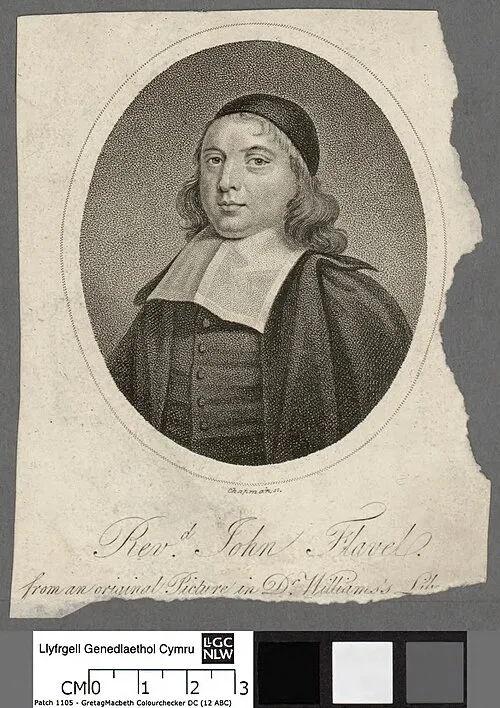
En segundo lugar. En seguida les daré una explicación razonada de por qué los cristianos deben hacer de esto el gran negocio de su vida: guardar el corazón.
La importancia y la necesidad de hacer de esto nuestro gran y principal negocio se echarán de ver con toda evidencia en que 1. el honor de Dios; 2. la sinceridad de nuestra profesión; 3. la hermosura de nuestra conducta; 4. el consuelo de nuestras almas; 5. el aprovechamiento de nuestras gracias; y 6. nuestra firmeza en la hora de la tentación, van todos envueltos en la sinceridad y el cuidado con que manejemos esta obra, y dependen de ellos.
- La gloria de Dios va muy de por medio en esto; los males del corazón son males que mucho provocan al Señor. Con razón observan las escuelas que los pecados de afuera son majoris infamae, pecados de mayor infamia; pero los pecados del corazón son majoris reatus, pecados de culpa más honda. ¡Con qué severidad ha declarado el gran Dios desde el cielo su ira contra la maldad del corazón! El gran crimen por el que el mundo antiguo está encausado es la maldad del corazón, Génesis 6:5, 6, 7. «Vió Jehová que todo designio» (o ficción) «de los pensamientos del corazón de ellos era de continuo solamente el mal»; por lo cual envió el juicio más espantoso que jamás se haya ejecutado desde que el mundo comenzó: «Y dijo Jehová: Raeré los hombres que he criado de sobre la faz de la tierra, desde el hombre hasta la bestia, y hasta el reptil y las aves del cielo: porque me arrepiento de haberlos hecho», v. 7. No hallamos que se alegaran en particular contra ellos sus homicidios, sus adulterios, sus blasfemias (aunque de estos estaban manchados), sino los males de sus corazones. Sí: aquello con que Dios fue provocado hasta el punto de entregar su heredad peculiar en mano del enemigo fue el mal de sus corazones, Jeremías 4:14. «Lava de la malicia tu corazón, oh Jerusalem, para que seas salva. ¿Hasta cuándo dejarás estar en medio de ti los pensamientos de iniquidad?» Dios paró mientes de manera especial en la maldad y la vanidad de sus pensamientos; y, por esto, el caldeo había de venir sobre ellos como «león de su guarida» y despedazarlos, v. 7. Por el pecado mismo de los pensamientos fue que Dios precipitó del cielo a los ángeles caídos, y todavía los guarda en cadenas eternas para el juicio del gran día; expresión en la cual se insinúa, y no de modo oscuro, algún juicio extraordinario para el cual están reservados, como cabe suponer que los presos a quienes se les echan más hierros son los mayores malhechores. ¿Y cuál fue su pecado? Pues, solo maldad espiritual. Porque, no teniendo órganos corporales, nada podían ejecutar por fuera contra Dios. Sí: los meros males del corazón provocan tanto, que por ellos rechaza con indignación todos los deberes que algunos hombres le rinden, Isaías 66:3. «El que sacrifica buey, como si matase un hombre; el que sacrifica oveja, como si degollase un perro; el que ofrece presente, [como si ofreciese] sangre de puerco; el que ofrece perfume, como si bendijese á un ídolo.» ¿Con qué palabras podría el Dios santo expresar más cabalmente el aborrecimiento de las acciones de una criatura? El homicidio y la idolatría no son más viles en su cuenta que los sacrificios de ellos, aunque en la materia fueran tales como él mismo había establecido; ¿y qué los hizo tales? Lo dicen las palabras que siguen: «su alma amó sus abominaciones».
Para concluir, tal es la vileza de los meros pecados del corazón, que las Escrituras insinúan a veces la dificultad de su perdón. Así en el caso de Simón el Mago, Hechos 8:21: su corazón no era recto; tenía pensamientos viles acerca de Dios y de las cosas de Dios. El apóstol le manda: «Arrepiéntete pues de esta tu maldad, y ruega á Dios, si quizás te será perdonado el pensamiento de tu corazón». ¡Oh, nunca tengas en poco los males del corazón! Porque por estos Dios es altamente agraviado y provocado; y por esta razón haga cada cristiano obra suya el guardar el corazón con toda diligencia.
- La sinceridad de nuestra profesión depende en mucho del cuidado y de la conciencia con que guardamos el corazón; porque es lo más cierto que el hombre no es sino hipócrita en su profesión, por esmerado que sea en lo exterior de la religión, si vive desatento y descuidado del temple de su corazón. Tienen ustedes un ejemplo bien elocuente de esto en el caso de Jehú: «Mas Jehú no cuidó de andar en la ley de Jehová Dios de Israel con todo su corazón», 2 Reyes 10:31. Ese contexto da cuenta del gran servicio que prestó Jehú contra la casa de Acab y de Baal, y también de una gran recompensa temporal que Dios le dio por tal servicio, a saber, que sus hijos hasta la cuarta generación se sentaran sobre el trono de Israel. Y con todo, en estas palabras Jehú es censurado por hipócrita: aunque Dios aprobó la obra y la recompensó, aborreció y rechazó por hipócrita a la persona que la hizo. ¿Y en qué estaba su hipocresía? En esto: que no cuidó de andar en los caminos del Señor con su corazón; es decir, lo hizo todo sin sinceridad y por fines propios. Y aunque la obra que hizo era materialmente buena, él, por no purgar el corazón de aquellos designios indignos de propio interés al hacerla, era hipócrita. Y Simón, de quien hablamos antes, aunque parecía tal persona que el apóstol no podía, conforme a regla, rehusarlo, sin embargo su hipocresía fue muy pronto descubierta. ¿Y qué la descubrió, sino esto: que, aunque profesaba y se juntaba con los santos, era extraño a la mortificación de los pecados del corazón? «Tu corazón no es recto delante de Dios», Hechos 8:21. Es verdad que hay gran diferencia entre los cristianos mismos en su diligencia y su destreza en la obra del corazón; unos andan más ejercitados en ella, y con mejor éxito, que otros; pero el que no mira por su corazón, el que no tiene cuidado de ordenarlo rectamente delante de Dios, no es sino hipócrita. «Y vendrán á ti como viene el pueblo, y se estarán delante de ti como mi pueblo, y oirán tus palabras, y no las pondrán por obra: antes hacen halagos con sus bocas, y el corazón de ellos anda en pos de su avaricia», Ezequiel 33:31, 32. Había aquí una compañía de hipócritas de mera forma, como se echa de ver por aquella expresión («como mi pueblo»): parecidos a ellos, mas no de ellos. ¿Y qué los hacía tales? Su exterior era hermoso: había ademanes reverentes, altas profesiones, mucho aparente gozo y deleite en las ordenanzas; «tú eres á ellos como cantor de amores»; sí, pero con todo eso no guardaban el corazón con Dios en aquellos deberes; sus corazones eran mandados por sus concupiscencias, y se iban en pos de su avaricia. Si hubieran guardado el corazón con Dios, todo hubiera estado bien; pero, al no reparar hacia dónde se iba el corazón en el deber, allí estaba el núcleo de su hipocresía.
Objeción. Si de aquí infiere algún alma recta que yo también soy hipócrita, porque muchas veces mi corazón se aparta de Dios en el deber, haga yo lo que haga, y con todo no puedo tenerlo cerca de Dios.
Solución. A esto respondo: la objeción misma trae en sí su propia solución. Dices: haga yo lo que haga, y con todo no puedo guardar el corazón con Dios. Alma, si haces lo que puedes, tienes la bendición del recto, aunque a Dios le parezca bien ejercitarte bajo la aflicción de un corazón descompuesto. Todavía queda alguna indocilidad en los pensamientos y las fantasías de los mejores, para humillarlos; pero si ustedes hallan un cuidado previo para prevenirlos, y oposición contra ellos cuando vienen, y después dolor y pesar, hallarán lo bastante para quedar libres de hipocresía reinante.
- Este cuidado previo se ve, en parte, en depositar la palabra en tu corazón para prevenirlos: «En mi corazón he guardado tus dichos, para no pecar contra ti», Salmos 119:11; en parte, en nuestros empeños por allegar el corazón a Dios, Jeremías 30:21; y en parte, en pedir a Dios gracia preventiva al acometer el deber, Salmos 119:36-37. Es buena señal allí donde este cuidado precede al deber.
Y, 2.º, es dulce señal de rectitud oponerse a ellos en su primer brote. «Los pensamientos vanos aborrezco», Salmos 119:113. «El Espíritu codicia contra la carne», Gálatas 5:17.
Y, 3.º, el dolor de después descubre tu corazón recto. Si, con Ezequías, te humillas por los males de tu corazón, no tienes razón, por esos desórdenes, para poner en duda la integridad de él; pero dejar que el pecado se aloje quieto en el corazón, dejar que tu corazón ande vagando de Dios de manera habitual y sin freno, es síntoma triste y peligroso de veras.
- La hermosura de nuestra conducta nace de los temples celestiales y del orden santo de nuestros espíritus. Hay un lustre y una hermosura espirituales en la conducta de los santos. «El justo hace ventaja á su prójimo»; brillan como las luces del mundo; pero cualquier lustre y hermosura que haya en sus vidas viene de la excelencia de sus espíritus, como la candela de adentro pone lustre sobre la linterna en que alumbra. Es imposible que un corazón desordenado y descuidado produzca jamás una conducta bien ordenada; y puesto que (como observa el texto) los raudales o corrientes de la vida fluyen del corazón como de su fuente, por fuerza se sigue que, cual es el corazón, tal será la vida. De ahí 1 Pedro 2:11-12: «os abstengáis de los deseos carnales» — «teniendo vuestra conversación honesta», o hermosa, como lo da a entender la palabra griega. Así Isaías 55:7: «Deje el impío su camino, y el hombre inicuo sus pensamientos». Su camino señala el curso de su vida; sus pensamientos, el temple de su corazón; y por tanto, como el curso de su vida fluye de sus pensamientos, o del temple de su corazón, se dejarán ambos o no se dejará ninguno. El corazón es la matriz de todas las acciones. Estas acciones están contenidas en nuestros pensamientos de modo virtual y en germen; y estos pensamientos, una vez cuajados en afectos, pronto salen en acciones y prácticas que les corresponden. Si el corazón es malo, entonces, como dice Cristo: «del corazón salen los malos pensamientos, muertes, adulterios», etc., Mateo 15:19. Fíjense en el orden: primero pensamientos lascivos, o de venganza; luego prácticas inmundas, u homicidas.
Y si el corazón es santo y espiritual, entonces, como habla David por dulce experiencia: «REBOSA mi corazón palabra buena: refiero yo al Rey mis obras: mi lengua es pluma de escribiente muy ligero», Salmos 45:1. Aquí hay una vida ricamente hermoseada con buenas obras: unas ya hechas, «refiero yo al Rey mis obras»; otras en el torno, haciéndose, el corazón las está dictando; pero unas y otras proceden del temple celestial de su corazón.
Con solo poner el corazón en temple, la vida pronto descubrirá que lo está. Creo que no es muy difícil discernir, por los deberes y la conducta de los cristianos, bajo qué temple están sus espíritus. Tomen a un cristiano en buen temple, y ¡cuán serios, celestiales y provechosos serán su conducta y sus deberes! ¡Qué compañero tan amable es mientras aquel dura! A cualquiera le haría bien en el corazón estar con él en tal tiempo. «La boca del justo hablará sabiduría; y su lengua proferirá juicio. La ley de su Dios está en su corazón», Salmos 37:30, 31.
Cuando el corazón está recto para con Dios, y lleno de Dios, ¡con qué destreza y qué ingenio irá entretejiendo la plática espiritual, aprovechando cada ocasión y cada ventaja para algún fin celestial! Pocas palabras se escurren entonces por el caño del desperdicio.
¿Y qué otra puede ser la razón de que los discursos y los deberes de muchos cristianos se hayan vuelto tan espumosos y sin fruto, de que su comunión, tanto con Dios como de unos con otros, haya venido a ser como un tallo seco, sino que sus corazones están descuidados? Ciertamente esta ha de ser la razón, y en verdad es un mal que ha de llorarse mucho; por falta de esto, la comunión cristiana se ha vuelto cosa sin savia. Así, aquella hermosura que atrae, y que solía resplandecer desde la conducta de los santos sobre los rostros y las conciencias del mundo (la cual, si no los atraía ni los enamoraba de los caminos de Dios, a lo menos dejaba un testimonio en sus conciencias de la excelencia de aquellos hombres y de sus caminos), se ha perdido en gran medida, para indecible daño de la religión.
Hubo tiempo en que los cristianos se portaban de tal modo, que el mundo se quedaba pasmado mirándolos. Su vida y su lenguaje eran de una cuerda distinta de la de los demás; la lengua los descubría galileos dondequiera que llegasen. Pero ahora, desde que las especulaciones vanas y las controversias estériles han ganado tanto terreno, y la obra del corazón, la piedad práctica, anda tan descuidada entre los profesantes, el caso se ha alterado de triste manera: su plática se ha vuelto como la de los otros hombres. Si vienen ahora entre ustedes, pueden (para aludir a aquello de Hechos 2:6) oír a cada uno hablar su propia lengua. Y en verdad poca esperanza tengo de ver remediado este mal, y reparado de nuevo el crédito de la religión, hasta que los cristianos vuelvan a su antigua obra, hasta que aprieten más de cerca la obra del corazón. Cuando la sal de la mentalidad celestial se eche otra vez en el manantial, las corrientes correrán más claras y más dulces.
- El consuelo de nuestras almas depende en mucho de guardar el corazón; porque el que es negligente en atender a su propio corazón es (de ordinario) un gran extraño a la certeza, y a los dulces consuelos que de ella manan.
En efecto, si fuera verdadera la doctrina antinomiana, que les enseña a desechar todas las marcas y señales para el examen de su estado, diciéndoles que solo el Espíritu los asegura de inmediato, al testificar su adopción directamente, sin aquellas, entonces podrían ser descuidados de su corazón; sí, extraños a él, y con todo no extraños al consuelo. Pero, como tanto la Escritura como la experiencia refutan este desvarío, espero que ustedes nunca busquen consuelo por ese camino contrario a la Escritura. No niego que sea obra y oficio del Espíritu asegurarlos, y con todo afirmo con confianza que, si alguna vez alcanzan la certeza, en el camino ordinario en que Dios la dispensa, tienen que tomarse trabajo con su propio corazón. Pueden esperar sus consuelos en condiciones más fáciles, pero estoy equivocado si alguna vez los gozan en otras cualesquiera. «Poniendo toda diligencia», «probaos á vosotros mismos»: este es el camino de la Escritura. Recuerdo que el señor Roberts, en su tratado del pacto, nos cuenta que conoció a un cristiano que, en la niñez de su cristianismo, anhelaba con tal vehemencia la certeza infalible del amor de Dios, que por largo tiempo seguido deseó encarecidamente alguna voz del cielo; sí, a veces, andando por los campos solitarios, deseaba con ansia alguna voz milagrosa de los árboles y de las piedras de allí. Esto, después de muchos deseos y anhelos, le fue negado; pero a su tiempo se le concedió algo mejor, por el camino ordinario de escudriñar la palabra y su propio corazón. Un caso de naturaleza semejante nos da el docto Gerson, de uno a quien la tentación empujó hasta los mismos bordes de la desesperación; al fin, dulcemente asentado y puesto en certeza, alguien le preguntó cómo lo había alcanzado. Respondió: non ex nova aliqua revelatione, etc. No por revelación extraordinaria alguna, sino sujetando su entendimiento a las Escrituras y comparando con ellas su propio corazón. El Espíritu, en verdad, asegura testificando nuestra adopción; y testifica de dos maneras,
1.º, objetivamente, es decir, obrando en nuestras almas aquellas gracias que son las condiciones de la promesa; y así el Espíritu y sus gracias en nosotros son una misma cosa: el Espíritu de Dios que habita en nosotros es marca de nuestra adopción. Ahora bien, el Espíritu no puede discernirse en su esencia, sino en sus operaciones; y discernir estas es discernir al Espíritu; y cómo hayan de discernirse estas sin escudriñar en serio y velar con diligencia el corazón, no puedo imaginarlo.
2.º, la otra manera en que el Espíritu testifica es eficazmente, es decir, irradiando el alma con una luz que descubre la gracia, la cual alumbra sobre su propia obra; y esto, en el orden de la naturaleza, sigue a la obra anterior: primero infunde la gracia, y luego abre el ojo del alma para verla. Ahora bien, como el corazón es el asiento de esa gracia infundida, aun esta manera en que el Espíritu da testimonio incluye también la necesidad de guardar con cuidado nuestro propio corazón; porque,
1.º, un corazón descuidado está tan confuso y tan oscuro, que la poca gracia que hay en él no se discierne de ordinario. Los cristianos más exactos y más laboriosos, los que más trabajo se toman y más tiempo gastan en su corazón, hallan con todo muy difícil descubrir allí las operaciones puras y genuinas del Espíritu. ¿Cómo, pues, podrá jamás descubrirlas el cristiano que es (en comparación) negligente en la obra del corazón? La sinceridad, que es el quaesitum, lo que se busca, yace en el corazón como una pequeña pieza de oro en el fondo de un río: el que quiera hallarla ha de esperar hasta que el agua esté clara y sosegada, y entonces la verá centellear en el fondo. Y para que el corazón esté claro y sosegado, ¡cuánto trabajo y cuánta vigilancia, cuidado y diligencia habrá de costar!
2.º, Dios no suele conceder a las almas perezosas y negligentes los consuelos de la certeza; ni siquiera quiere parecer que patrocina la pereza y el descuido. La dará, pero ha de ser a su modo: su mandamiento ha unido nuestro cuidado y nuestro consuelo; se equivocan los que piensan que el hermoso hijo de la certeza puede nacer sin dolores de parto. ¡Ah, cuántas horas solitarias ha pasado el pueblo de Dios examinando el corazón! ¡Cuántas veces han mirado a la palabra, y luego a su corazón! A veces creían descubrir la sinceridad, y estaban ya a punto de sacar la conclusión triunfal de la certeza; entonces viene una duda que no pueden resolver, y lo echa todo por tierra otra vez. Muchas esperanzas y temores, dudas y razonamientos han tenido en su propio pecho antes de llegar a un asentamiento que consuela.
Para concluir, supongan que fuera posible a un cristiano descuidado alcanzar la certeza; con todo, es imposible que la retenga por mucho tiempo. En cuanto a aquellos cuyos corazones están llenos de los gozos de la certeza, si no se usa un cuidado extraordinario, va mil contra uno que la gocen largo tiempo; porque un poco de soberbia, de vanidad y de descuido hará pedazos todo aquello por lo cual han estado trabajando largo tiempo, en muchos deberes que fatigan. Puesto, pues, que el gozo de nuestra vida, el consuelo de nuestras almas, sube y baja con nuestra diligencia en esta obra, guarden el corazón con toda diligencia.
- El aprovechamiento de nuestras gracias depende de guardar el corazón. Nunca conocí gracia que prosperara en un alma negligente y descuidada. Los hábitos y las raíces de la gracia están plantados en el corazón; y cuanto más hondo arraigan allí, tanto más prospera y florece la gracia. En Efesios 3:17 leemos de estar arraigados en la gracia; la gracia en el corazón es la raíz de toda palabra de gracia en la boca, y de toda obra santa en la mano, Salmos 116:10; 2 Corintios 4:13. Es verdad que Cristo es la raíz del cristiano; pero Cristo es origo originans, la raíz que origina; y la gracia, origo originata, una raíz originada, plantada e influida por Cristo. Según esta prospera bajo las influencias divinas, así los actos de la gracia son más o menos fructíferos, o vigorosos. Ahora bien, en un corazón que no se guarda con cuidado y diligencia, estas influencias que dan fruto se atajan y se cortan: multitudes de vanidades irrumpen en él y devoran su fuerza. El corazón es, por así decir, el pastizal en que cada día se apacientan multitudes de pensamientos. Un corazón lleno de gracia, guardado con diligencia, apacienta en un día muchos pensamientos preciosos de Dios. «Así que ¡cuán preciosos me son, oh Dios, tus pensamientos! ¡cuán multiplicadas son sus cuentas! Si los cuento, multiplícanse más que la arena: despierto, y aun estoy contigo», Salmos 139:17, 18. Y así como el corazón lleno de gracia los alimenta y los nutre, así ellos refrescan el corazón y lo sientan a banquete. «Como de meollo y de grosura será saciada mi alma», «cuando me acordaré de ti», etc., Salmos 63:5, 6. Pero en el corazón desatendido trabajan sin cesar enjambres de pensamientos vanos y necios, y desalojan a empujones aquellas ideas espirituales y aquellos pensamientos de Dios con los cuales el alma debería refrescarse.
Además, el corazón descuidado no saca nada de deber ni ordenanza alguna que cumpla o a la que asista; y sin embargo estos son los conductos del cielo, de donde la gracia es regada y hecha fructífera. Un hombre puede ir con espíritu desatento de ordenanza en ordenanza, permanecer todos sus días bajo la enseñanza más escogida, y con todo nunca ser aprovechado por ella; porque el descuido del corazón es una vía de agua en el fondo: ninguna influencia celestial, por rica que sea, permanece en esa alma, Mateo 13:3, 4. El corazón que yace abierto y común, como el camino, libre para todo transeúnte: cuando la semilla cayó en él, vinieron las aves y la devoraron. ¡Ay! No basta oír, a menos que atendamos a cómo oímos; un hombre puede orar, y no quedar en nada mejor, a menos que vele en la oración. En una palabra, todas las ordenanzas, los medios y los deberes son bendecidos para el aprovechamiento de la gracia según el cuidado y el rigor con que guardamos en ellos nuestro corazón.
- Por último, la firmeza de nuestras almas en la hora de la tentación será en mucho conforme al cuidado y a la conciencia con que guardemos el corazón. El corazón descuidado es presa fácil de Satanás en la hora de la tentación; sus baterías principales se alzan contra aquella fortaleza real, el corazón; si gana esa, lo gana todo, porque ella manda al hombre entero. Y ¡ay!, ¡qué conquista tan fácil es un corazón descuidado! No es más difícil sorprenderlo que para un enemigo entrar en aquella ciudad cuyas puertas están abiertas y sin guardia. Es el corazón vigilante el que descubre y sofoca la tentación antes de que llegue a su fuerza. Los teólogos observan que este es el método en que las tentaciones se maduran y son llevadas a su plena fuerza.
Hay, 1.º, la irritación del objeto, o aquel poder que tiene para obrar sobre nuestra naturaleza corrompida y provocarla; lo cual se hace o por la presencia real del objeto, o bien por especulación, cuando el objeto (aunque ausente) es puesto por la fantasía delante del alma.
2.º, sigue entonces el movimiento del apetito sensitivo, el cual es agitado y provocado por la fantasía, que lo representa como un bien sensual, como que tiene en sí provecho o placer.
3.º, hay luego una consulta en la mente acerca de ello, que delibera sobre los medios más probables de llevarlo a cabo.
4.º, sigue después la elección, o el escogimiento de la voluntad.
5.º, y por último, el deseo, o el entregarse pleno de la voluntad a ello. Todo esto puede hacerse en unos pocos momentos, porque los debates del alma son rápidos y pronto se acaban. Cuando se llega hasta aquí, entonces el corazón está ganado: Satanás ha entrado victorioso y ha desplegado sus banderas sobre los muros de aquella fortaleza real. Pero si el corazón hubiera estado bien guardado desde el principio, nunca se habría llegado a esta altura; la tentación se habría detenido en el primer acto o en el segundo. Y en verdad allí se detiene con facilidad; porque con los movimientos de un alma tentada hacia el pecado pasa como con el movimiento de una piedra que cae desde la cima de un collado: al principio se detiene con facilidad, pero una vez que se echa a rodar, vires acquirit eundo: cobra fuerza al andar. Y por eso es la mayor sabiduría del mundo observar los primeros movimientos del corazón, para atajar y detener allí el pecado. Los movimientos del pecado son más débiles al principio: un poco de cuidado y de vigilancia puede prevenir ahora mucho mal. El corazón descuidado, por no atender a ese mal, es traído bajo el poder de la tentación; como los sirios fueron llevados, con los ojos vendados, hasta en medio de Samaria, antes de saber dónde estaban.
A estas alturas, lector, espero que estés del todo satisfecho de cuán absoluta y necesaria es la obra de guardar el corazón, siendo un deber que envuelve en sí tantos intereses queridos del alma.
En seguida, conforme al método propuesto, paso a señalar aquellas ocasiones especiales en la vida de un cristiano que requieren y piden nuestra suma diligencia en guardar el corazón; porque, aunque (como se observó antes) el deber obliga ad semper [N. del T.: siempre], y no hay tiempo ni condición de vida en que podamos ser excusados de esta obra, hay con todo algunas ocasiones señaladas, horas críticas, que exigen más que una vigilancia común sobre el corazón.
Ver el original (inglés)
Original en inglés
Secondly. Next, I shall give you some rational account why Christians should make this the great business of their lives, to keep their hearts.
The importance and necessity of making this our great and main business, will manifestly appear in that, 1. The honour of God; 2. The sincerity of our profession; 3. The beauty of our conversation; 4. The comfort of our souls; 5. The improvement of our graces; and, 6. Our stability in the hour of temptation; are all wrapt up in, and dependent on our sincerity and care in the management in this work.
- The glory of God is much concerned therein; heart-evils are very provoking evils to the Lord. The schools do well observe, that outward sins are majoris infamae, sins of greater infamy; but heart-sins are majoris reatus, sins of deeper guilt. How severely hath the great God declared his wrath from heaven against heart wickedness; the great crime for which the old world stands indicted, is heart wickedness, Gen. vi. 5, 6, 7. God saw that every imagination (or fiction) of their heart was only evil, and that continually; for which he sent the most dreadful judgment that was ever executed since the world began: And the Lord said I will destroy man whom I have created from the face of the earth, both man and beast, and the creeping things, and the fowls of heaven, for it repenteth me that I have made man, v. 7. We find not their murders, adulteries, blasphemies, (though they were defiled with these) particularly alleged against them; but the evils of their hearts: yea, that which God was so provoked by, as to give up his peculiar inheritance into the enemy’s hand, was the evil of their hearts, Jer. iv. 14. O Jerusalem, wash thine heart from wickedness, that thou mayest be saved; how long shall vain thoughts lodge within thee? The wickedness and vanity of their thoughts God took special notice of; and, because of this, the Chaldean must come upon them as a lion from his thicket, and tear them to pieces, v. 7. For the very sin of thoughts it was that God threw down the fallen angels from heaven, and keeps them still in everlasting chains to the judgment of the great day; by which expression is not obscurely intimated some extraordinary judgment to which they are reserved, as prisoners that have most irons laid upon them, may be supposed to be the greatest malefactors: and what was their sin? Why only spiritual wickedness. For they having no bodily organs, could act nothing externally against God. Yea, mere heart-evils are so provoking, that for them he rejects with indignation all the duties that some men perform unto him, Isa. lxvi. 3. He that killeth an ox, is as if he slew a man; he that sacrificeth a lamb, as if he cut off a dog’s neck; he that offereth an oblation, as if he offered swine’s blood; he that burneth incense, as if he blessed an idol. In what words could the abhorrence of a creature’s actions be more fully expressed by the holy God? Murder and idolatry are not more vile in his account, than their sacrifices, though materially such as himself appointed: and what made them so? The following words inform us, their soul delighteth in their abomination.
To conclude, such is the vileness of mere heart-sins, that the scriptures sometimes intimate the difficulty of pardon for them. So in the case of Simon Magus, Acts viii. 21, his heart was not right, he had vile thoughts of God and the things of God: the Apostle bids him repent and pray, if perhaps the thoughts of his heart might be forgiven him. O then never slight heart-evils! for by these God is highly wronged and provoked; and for this reason let every Christian make it his work to keep his heart with all diligence.
- The sincerity of our profession much depends upon the care and conscience we have in keeping our hearts; for it is most certain, that a man is but an hypocrite in his profession, how curious soever he be in the externals of religion, that is heedless and careless of the frame of his heart: you have a pregnant instance of this in the case of Jehu, but Jehu took no heed to walk in the ways of the Lord God of Israel with his heart, 2 Kings x. 31. That context gives an account of the great service performed by Jehu against the house of Ahab and Baal, as also of a great temporal reward given him by God for that service, even that his children to the fourth generation, should sit upon the throne of Israel. And yet in these words Jehu is censured for an hypocrite: though God approved, and rewarded the work, yet he abhorred and rejected the person that did it as hypocritical: and wherein lay his hypocrisy? but in this, that he took no heed to walk in the ways of the Lord with his heart, i. e. he did all insincerely and for self-ends: and though the work he did was materially good, yet he, not purging his heart from those unworthy self-designs in doing it, was an hypocrite: and Simon, of whom we spake before, tho’ he appeared such a person that the Apostle could not regularly refuse him; yet his hypocrisy was quickly discovered: and what discovered it but this, that though he professed and associated himself with the saints, yet he was a stranger to the mortification of heart-sins! Thy heart is not right with God, Acts viii. 21. It is true, there is a great difference among Christians themselves, in their diligence and dexterity about heart-work; some are more conversant and successful in it than others are; but he that takes no heed to his heart, he that is not careful to order it aright before God, is but a hypocrite. And they came unto me as the people cometh, and sit before thee (as my people) and hear thy words, but they will not do them; for with their mouths they shew much love, but their heart goes after their covetousness, Ezek. xxxiii. 31, 32. Here were a company of formal hypocrites, as is evident by that expression (as my people) like them, but not of them. And what made them so? Their outside was fair; here were reverend postures, high professions, much seeming joy and delight in ordinances; thou art to them as a lovely song; yea, but for all that they kept not their hearts with God in those duties, their hearts were commanded by their lusts, they went after their covetousness; had they kept their hearts with God, all had been well; but not regarding which way their hearts went in duty, there lay the core of their hypocrisy.
Objection. If any upright soul should hence infer that I am an hypocrite too, for many times my heart departs from God in duty, do what I can; yet I cannot hold it close with God.
Solution.. To this I answer, the very objection carries in it its own solution. Thou sayest, do what I can, yet I cannot keep my heart with God. Soul, if thou doest what thou canst, thou hast the blessing of an upright, though God sees good to exercise thee under the affliction of a discomposed heart. There remains still some wildness in the thoughts and fancies of the best to humble them; but, if you find a care before to prevent them, and opposition against them when they come, grief and sorrow afterwards; you will find enough to clear you from reigning hypocrisy.
- This fore-care is seen partly in laying up the word in thine heart to prevent them, Thy word have I hid in mine heart, that I might not sin against thee, Psal. cxix. 11: partly in our endeavors to engage our hearts to God, Jer. xxx. 21, and partly in begging preventing grace from God in our onsets upon duty, Psal. cxix. 36-37, it is a good sign where this care goes before a duty.
And, 2d, It is a sweet sign of uprightness to oppose them in their first rise. I hate vain thoughts, Psal. cxix. 113. The spirit lusteth against the flesh, Gal. v. 17.
And, 3d, Thy after-grief discovers thy upright heart. If, with Hezekiah, thou art humbled for the evils of thy heart, thou hast no reason, from those disorders, to question the integrity of it; but to suffer sin to lodge quietly in the heart, to let thy heart habitually and uncontrolledly wander from God, is a sad, and dangerous symptom indeed.
- The beauty of our conversation arises from the heavenly frames and holy order of our spirits; there is a spiritual lustre and beauty in the conversation of saints; The righteous is more excellent than his neighbour: they shine as the lights of the world; but whatever lustre and beauty is in their lives, comes from the excellency of their spirits, as the candle within puts a lustre upon the lanthorn in which it shines. It is impossible that a disordered and neglected heart should ever produce well ordered conversation: and since (as the text observes) the issues or streams of life flow out of the heart as their fountain, it must needs follow, that such as the heart is, the life will be: hence 1 Pet. ii. 11-12, Abstain from fleshly lusts—having your conversation honest, or beautiful, as the Greek word imports. So, Isa. lv. 7, Let the wicked forsake his way, and the unrighteous man his thoughts. His way notes the course of his life, his thoughts the frame of his heart; and therefore since the course of his life flows from his thoughts, or the frame of his heart, both or neither will be forsaken: the heart is the womb of all actions: these actions are virtually and seminally contained in our thoughts, and these thoughts being once made up into affections, are quickly made out into suitable actions and practices. If the heart be wicked, then, as Christ saith, Out of the heart proceed evil thoughts, murders, adulteries, &c. Mat. xv. 19. Mark the order; first wanton, or revengeful thoughts; then unclean, or murderous practices.
And if the heart be holy and spiritual, then, as David speaks from sweet experience, My heart is (inditing) a good matter, I speak of the things which (I have made) my tongue is as the pen of a ready writer, Psal. xlv. 1. Here is a life richly beautified with good works, some ready made; I will speak of the things which I have made: others upon the wheel making, my heart is inditing, but both proceeding from the heavenly frame of his heart.
Put but the heart in frame, and the life will quickly discover that it is so. I think it is not very difficult to discern, by the duties and conversations of Christians, what frames their spirits are under; take a Christian in a good frame, and how serious, heavenly, and profitable will his conversations and duties be! what a lovely companion is he during the continuance of it! It would do any one’s heart good to be with him at such a time, The mouth of the righteous speaketh wisdom, and his tongue talketh of judgment, the law of his God is in his heart, Psal. xxxvii. 30 31.
When the heart is right with God, and full of God, how dexterously and ingeniously will it wind in spiritual discourse, improving every occasion and advantage to some heavenly purpose! Few words run then at the waste spout.
And what else can be the reason why the discourses and duties of many Christians are become so frothy and unprofitable, their communion both with God, and one another, become as a dry stalk, but because their hearts are neglected? Surely this must be the reason of it, and verily it is an evil greatly to be bewailed; for want of this Christian-fellowship, it is become a sapless thing; so the attracting beauty that was wont to shine from the conversation of the saints upon the faces and consciences of the world, (which if it did not allure, and bring them in love with the ways of God, yet at least left a testimony in their consciences of the excellency of those men and their ways) this is in a great measure lost, to the unspeakable detriment of religion.
Time was, when Christians did carry it at such a rate, that the world stood at a gaze at them. Their life and language were of a different strain from others, their tongues discovered them to be Galileans, wherever they came; but now, since vain speculations, and fruitless controversies have so much obtained, and heart-work, practical godliness, so much neglected among professors, the case is sadly altered, their discourse is become like other men’s; if they come among you now, they may (to allude to that Acts 2, 6,) hear every man speak in his own language. And truly I have little hope to see this evil redressed, and the credit of religion again repaired, till Christians fall to their old work, till they ply heart work closer. When the salt of heavenly mindedness is again cast into the spring, the streams will run clearer and sweeter.
- The comfort of our souls doth much depend upon the keeping of our hearts; for he that is negligent in attending his own heart, is (ordinarily) a great stranger to assurance, and the sweet comforts flowing from it.
Indeed, if the Antinomian doctrine were true, which teaches you to reject all marks and signs for the trial of your conditions, telling you, it is only the Spirit that immediately assures you, by witnessing your adoption directly without them; then you might be careless of your hearts, yea, strangers to them, and yet no strangers to comfort: but, since both scripture and experience do confute this dotage, I hope you will never look for comfort in that unscriptural way. I deny not but it is the work and office of the Spirit to assure you, and yet do confidently affirm, that if ever you attain assurance, in the ordinary way wherein God dispenses it, you must take pains with your own hearts; you may expect your comforts upon easier terms, but I am mistaken if ever you enjoy them upon any other: Give all diligence, prove yourselves: this is the scripture way. I remember Mr. Roberts, in his treatise of the covenant, tells us, that he knew a Christian who, in the infancy of his Christianity, so vehemently panted after the infallible assurance of God’s love, that for a long time together he earnestly desired some voice from heaven, yea, sometimes walking in the solitary fields, earnestly desired some miraculous voice from the trees and stones there: this, after many desires and longings, was denied him; but in time a better was afforded in the ordinary way of searching the word, and his own heart. An instance of the like nature the learned Gerson gives us of one that was driven by temptation upon the very borders of desperation; at last being sweetly settled, and assured, one asked him, how he attained it? He answered, non ex nova aliqua revelatione, &c. Not by any extraordinary revelation, but by subjecting his understanding to the scriptures, and comparing his own heart with them. The spirit, indeed, assures by witnessing our adoption; and he witnesseth in two ways,
1st, Objectively, i. e. by working those graces in our souls which are the conditions of the promise; and so the Spirit, and his graces in us, are all one: the Spirit of God dwelling in us, is a mark of our adoption. Now the Spirit cannot be discerned in his essence, but in his operations; and to discern these, is to discern the Spirit; and how these should be discerned, without serious searching and diligent watching of the heart, I cannot imagine.
2d, The other way of the Spirit’s witnessing is effectively, i. e. by irradiating the soul with a grace-discovering light, shining upon his own work; and this in order of nature follows the former work: he first infuses the grace, and then opens the eye of the soul to see it. Now since the heart is the subject of that infused grace, even this way of the Spirit’s witnessing also includes the necessity of keeping carefully our own hearts: for,
1st, A neglected heart is so confused and dark, that the little grace which is in it, is not ordinarily discernible: the most accurate and laborious Christians, that take most pains, and spend most time about their hearts, do yet find it very difficult to discover the pure and genuine workings of the Spirit there: how then shall the Christian which is (comparatively) negligent about heart-work, be ever able to discover it? Sincerity, which is the quaesitum, the thing sought for, lies in the heart like a small piece of gold in the bottom of a river, he that will find it must stay till the water is clear and settled, and then he shall see it sparkling at the bottom. And that the heart may be clear, and settled, how much pains and watching, care and diligence will it cost!
2d, God doth not usually indulge lazy and negligent souls with the comforts of assurance; he will not so much as seem to patronize sloth and carelessness; he will give it, but it shall be in his own way: his command hath united our care and comfort together; they are mistaken that think the beautiful child of assurance may be born without pangs: ah how many solitary hours have the people of God spent in heart-examination! how many times have they looked into the word, and then into their hearts; sometimes they thought they discovered sincerity, and were even ready to draw forth the triumphant conclusion of assurance; then comes a doubt they cannot resolve, and dashes all again: many hopes and fears, doubtings and reasonings they have had in their own breasts, before they arrived at a comfortable settlement.
To conclude, suppose it possible for a careless Christian to attain assurance, yet it is impossible he should long retain it; as for those whose hearts are filled with the joys of assurance, if extraordinary care be not used, it is a thousand to one if ever they long enjoy it: for a little pride, vanity and carelessness, will dash to pieces all that for which they have been labouring a long time, in many a weary duty. Since, then, the joy of our life, the comfort of our souls, rises and falls with our diligence in this work, keep your hearts with all diligence.
- The improvement of our graces depends on the keeping of our hearts; I never knew grace thrive in a negligent and careless soul; the habits and roots of grace are planted in the heart; and the deeper they are radicated there, the more thriving and flourishing grace is. In Eph. iii. 17, we read of being rooted in grace; grace in the heart is the root of every gracious word in the mouth, and of every holy work in the hand, Psal. cxvi. 10, 2 Cor. iv. 13. It is true, Christ is the root of a Christian; but Christ is origo originans, the originating root; and grace origo originata, a root originated, planted, and influenced by Christ; according as this thrives under divine influences, so the acts of grace are more or less fruitful, or vigorous. Now in a heart not kept with care and diligence, these fructifying influences are stopped and cut off: multitudes of vanities break in upon it, and devour its strength; the heart is, as it were the pasture, in which multitudes of thoughts are fed every day; a gracious heart diligently kept, feeds many precious thoughts of God in a day. How precious are thy thoughts to me, O God! how great is the sum of them! if I should count them, they are more in number than the sand; and when I awake, I am still with thee, Psal. cxxxix. 17, 18. And as the gracious heart feeds and nourishes them, so they refresh and feast the heart. My soul is filled as with marrow and fatness whilst I think upon thee, &c. Psal. lxiii. 5, 6. But in the disregarded heart, swarms of vain and foolish thoughts are perpetually working, and jostle out those spiritual ideas, and thoughts of God, by which the soul should be refreshed.
Besides, the careless heart makes nothing out of any duty or ordinance it performs or attends on, and yet these are the conduits of heaven, from whence grace is watered and made fruitful: a man may go with an heedless spirit from ordinance to ordinance, abide all his days under the choicest teaching, and yet never be improved by them; for heart-neglect is a leak in the bottom, no heavenly influences, how rich soever, abide in that soul, Matth. xiii. 3, 4. The heart that lies open and common, like the highway, free for all passengers; when the seed fell on it, the fowls came and devoured it. Alas! it is not enough to hear, unless we take heed how we hear; a man may pray, and never be the better, unless he watch unto prayer. In a word, all ordinances, means, and duties, are blessed unto the improvement of grace, according to the care and strictness we use in keeping our hearts in them.
- Lastly, The stability of our souls in the hour of temptation will be much according to the care and conscience we have of keeping our hearts; the careless heart is an easy prey to Satan in the hour of temptation, his main batteries are raised against that fort-royal, the heart; if he wins that, he wins all; for it commands the whole man: and, alas! how easy a conquest is a neglected heart! It is no more difficult to surprise it, than for an enemy to enter that city, whose gates are open and unguarded: it is the watchful heart that discovers and suppresses the temptation before it comes to its strength. Divines observe this to be the method in which temptations are ripened and brought to their full strength.
There is, 1st, The irritation of the object, or that power it hath to work upon and provoke our corrupt nature; which is either done by the real presence of the object, or else by speculation, when the object (though absent) is held out by the phantasy before the soul.
2d, Then follows the motion of the sensitive appetite, which is stirred and provoked by the phantasy, representing it as a sensual good, as having profit or pleasure in it.
3d, Then there is a consultation in the mind about it, deliberating about the likeliest means of accomplishing it.
4th, Next follows the election, or choice of the will.
5th, And lastly, the desire, or full engagement of the will to it; all this may be done in a few moments, for the debates of the soul are quick, and soon ended: when it comes thus far, then the heart is won: Satan hath entered victoriously, and displayed his colours upon the walls of that royal fort; but had the heart been well guarded at first, it had never come to this height; the temptation had been stopped in the first or second act. And indeed there it is stopped easily; for it is in the motions of a tempted soul to sin, as in the motion of a stone falling from the brow of a hill, it is easily stopped at first, but when once it is set a going, vires acquirit eundo: it acquires strength by the going; and therefore it is the greatest wisdom in the world to observe the first motions of the heart, to check and stop sin there. The motions of sin are weakest at first: a little care and watchfulness may prevent much mischief now, which the careless heart not heeding, is brought within the power of temptation; as the Syrians were brought blindfold into the midst of Samaria, before they knew where they were.
By this time, reader, I hope thou art fully satisfied how absolutely and necessary a work the keeping of the heart is, it being a duty that wraps up so many dear interests of the soul in it.
Next, according to the method propounded, I proceed to point out those special seasons in the life of a Christian, which require and call for our utmost diligence in keeping the heart; for though (as was observed before) the duty binds ad semper, and there is no time or condition of life in which we may be excused from this work; yet there are some signal seasons, critical hours, requiring more than a common vigilance over the heart.
https://sermonesbiblicos.org/biblioteca/guardar-el-corazon-04-el-gran-negocio/