Sermones Bíblicos
Qué supone guardar el corazón
John Flavel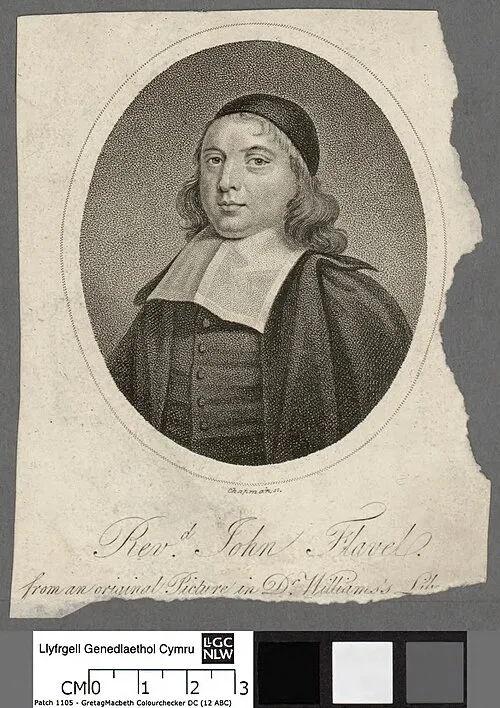
Primero, qué supone e implica guardar el corazón.
Guardar el corazón supone necesariamente una obra previa de santificación, que ha enderezado el corazón al darle un nuevo sesgo y una nueva inclinación espirituales; porque, mientras el corazón no esté enderezado por la gracia en cuanto a su temple habitual, ningún deber ni ningún medio puede mantenerlo recto con Dios. El yo es el contrapeso del corazón no santificado, que lo inclina y lo mueve en todos sus designios y acciones; y, mientras así sea, es imposible que medio externo alguno lo guarde con Dios.
El hombre, por la creación, era de un temple y un tenor de espíritu constantes y uniformes, y seguía un curso recto y parejo; ni un pensamiento ni una facultad andaban enredados o desordenados. Su mente tenía una iluminación perfecta para entender y conocer la voluntad de Dios; su voluntad, una conformidad perfecta con ella; su apetito sensible y las demás potencias inferiores estaban en una subordinación obedientísima.
El hombre, por la degeneración, se ha vuelto una criatura desordenadísima y rebelde, que contiende con su Hacedor y se le opone: como causa primera, por la dependencia de sí mismo; como bien sumo, por el amor propio; como Señor altísimo, por la voluntad propia; y como fin último, por la búsqueda de sí mismo. Y así queda del todo desordenado, y todos sus actos son irregulares: su entendimiento iluminado se nubla de ignorancia; su voluntad, antes conforme, se llena de rebelión y terquedad; sus potencias subordinadas se sacuden el dominio y el gobierno de las facultades superiores.
Pero por la regeneración esta alma desordenada es enderezada de nuevo; pues la santificación es la rectificación y el debido temple o, como lo expresa la Escritura, la renovación del alma conforme a la imagen de Dios, Efesios 4:24. En ella, la dependencia de sí mismo es quitada por la fe; el amor propio, por el amor de Dios; la voluntad propia, por la sujeción y la obediencia a la voluntad de Dios; y la búsqueda de sí mismo, por la abnegación. El entendimiento entenebrecido es iluminado otra vez, Efesios 1:18; la voluntad indócil es dulcemente sometida, Salmos 110:3; el apetito rebelde, o la concupiscencia, es vencido poco a poco, Romanos 6:6-7. Y así el alma, a la que el pecado había depravado por completo, es otra vez restaurada y rectificada por la gracia.
Supuesto esto, no será difícil comprender qué es guardar el corazón, que no es otra cosa que el cuidado y la diligencia constantes de un hombre así renovado, para preservar su alma en aquel santo temple al cual la gracia la ha reducido y se esfuerza cada día por sostener.
Porque, aunque la gracia ha rectificado en gran medida el alma y le ha dado un temple celestial habitual, el pecado, de hecho, a menudo vuelve a descomponerla; de modo que aun un corazón lleno de gracia es como un instrumento musical que, por muy exactamente que esté afinado, la menor cosa lo deja otra vez fuera de tono; sí, déjalo a un lado siquiera un poco, y habrá que afinarlo de nuevo antes de que se pueda tocar en él otra lección. Así están las cosas con los corazones llenos de gracia: si están en temple en un deber, ¡cuán apagados, muertos y desordenados cuando llegan a otro! Y por eso cada deber necesita una preparación particular del corazón. «Si tú apercibieres tu corazón, y extendieres á él tus manos», Job 11:13. Bien, pues: guardar el corazón es preservarlo con cuidado del pecado, que lo desordena, y mantener aquel temple espiritual y lleno de gracia que lo dispone para una vida de comunión con Dios. Y esto incluye en sí estos seis actos:
-
La observación frecuente del temple del corazón, volviéndose hacia adentro y examinando cómo está el caso con él; esta es una parte de la obra. Las personas carnales y formalistas no hacen caso de esto; no se las puede llevar a tener conferencia con su propio corazón. Hay hombres y mujeres que han vivido cuarenta o cincuenta años en el mundo y en todo ese tiempo apenas han tenido una hora de conversación con su propio corazón. Es cosa difícil juntar a un hombre consigo mismo para este propósito; pero los santos saben que esos soliloquios y esas conferencias consigo mismos son de excelente uso y provecho. El pagano pudo decir: anima sedendo & quiescendo fit sapiens, el alma se hace sabia sentándose quieta en la quietud. Aunque los quebrados no quieren mirar sus libros de cuentas, los corazones rectos querrán saber si van hacia atrás o hacia adelante, Salmos 77:6: «meditaba con mi corazón». El corazón nunca puede guardarse hasta que su caso sea examinado y entendido.
-
Incluye una humillación profunda por los males y los desórdenes del corazón. Así Ezequías se humilló por el orgullo de su corazón, 2 Crónicas 32:26. Así se ordenó al pueblo extender sus manos a Dios en oración, con sentido de la plaga de su propio corazón, 1 Reyes 8:38. Por esta causa, más de un corazón recto ha sido postrado ante Dios: ¡Oh, qué corazón tengo! En sus confesiones han señalado el corazón, el lugar que duele: Señor, aquí está la herida, aquí está la llaga de la plaga. Con el corazón bien guardado sucede como con el ojo, que es un emblema muy a propósito de él: si una mota de polvo entra en el ojo, no dejará de pestañear y lagrimear hasta haberla llorado fuera. Así el corazón recto no puede estar en reposo hasta haber llorado sus angustias y derramado sus quejas delante del Señor.
-
Incluye súplicas fervientes y oración insistente por la gracia que purifica y rectifica el corazón, cuando el pecado lo ha manchado y desordenado; así, Salmos 19:12: «Líbrame de los que [me] son ocultos»; y Salmos 86:11: «consolida mi corazón para que tema tu nombre». Los santos tienen siempre muchas peticiones semejantes pendientes ante el trono de la gracia de Dios; esto es lo que más alegan ellos ante Dios. Cuando oran por misericordias exteriores, acaso su espíritu anda más remiso; pero cuando se llega al caso del corazón, entonces extienden su espíritu hasta el límite, llenan su boca de argumentos, lloran y hacen súplica: ¡oh, por un corazón mejor! ¡oh, por un corazón para amar más a Dios!, para aborrecer más el pecado, para andar con más igualdad con Dios. Señor, no me niegues un corazón así, niegues lo que niegues; dame un corazón para temerte, amarte y deleitarme en ti, aunque haya de mendigar mi pan en lugares desolados. Se observa del santo señor Bradford que, cuando confesaba el pecado, nunca dejaba de confesar hasta haber sentido algún quebrantamiento de corazón por ese pecado; y, cuando oraba por alguna misericordia espiritual, nunca abandonaba aquel ruego hasta haber obtenido algún sabor de esa misericordia. Esa es la tercera cosa incluida en guardar el corazón.
-
Incluye el imponernos a nosotros mismos fuertes compromisos y lazos para andar con más exactitud con Dios y evitar las ocasiones por las cuales el corazón pueda ser inducido a pecar. Los votos bien compuestos, reflexionados y deliberados son, en algunos casos, de excelente uso para resguardar el corazón contra algún pecado en particular. Así, Job 31:1: «HICE pacto con mis ojos». Por este medio los santos han sobrecogido sus almas con temor y se han preservado de la contaminación de algunas corrupciones particulares del corazón.
-
Incluye unos celos santos y constantes sobre nuestro propio corazón. Los celos de sí mismo, de vista aguda, son un excelente preservativo contra el pecado. El que quiera guardar su corazón debe tener los ojos de su alma despiertos y abiertos sobre todos los movimientos desordenados y tumultuosos de sus afectos. Si los afectos se sueltan y las pasiones se agitan, el alma debe descubrirlos y reprimirlos antes de que cobren altura. ¡Oh, alma mía!, ¿haces bien en esto? Pensamientos y pasiones tumultuosos míos, ¿dónde está su comisión?
¿State viri, quae causa viae? ¿quive estis in armis? Virg.
Hombres, deténganse: ¿cuál es la causa del viaje? ¿por qué están en armas?
Así, «Bienaventurado el hombre que así siempre está temeroso», Proverbios 28:14. Por este temor del Señor los hombres se apartan del mal, sacuden la seguridad y se preservan de la iniquidad. El que quiera guardar su corazón ha de comer con temor, gozarse con temor y pasar todo el tiempo de su peregrinación aquí en temor; y todo es poco para guardar el corazón del pecado.
- Y, por último, para no añadir más, incluye el tener por real la presencia de Dios con nosotros y el poner siempre al Señor delante de nosotros. Así el pueblo de Dios ha hallado un medio singular para mantener rectos sus corazones y apartarlos del pecado con temor. Cuando el ojo de nuestra fe está fijo en el ojo de la omnisciencia de Dios, no nos atrevemos a soltar nuestros pensamientos y afectos a la vanidad. El santo Job no se atrevía a permitir que su corazón cediera a un pensamiento impuro y vano; ¿y qué fue lo que lo movió a tan grande circunspección? Pues él les dice: «¿No ve él mis caminos, y cuenta todos mis pasos?», Job 31:4. «anda delante de mí» (dice Dios a Abraham) «y sé perfecto», Génesis 17:1. Así como los padres suelen poner a sus hijos delante de sí en la congregación, sabiendo que de otro modo se pondrán a juguetear y a jugar, así también lo haría el corazón del mejor hombre, si no fuera por el ojo de Dios.
En estos particulares y otros semejantes expresan las almas llenas de gracia el cuidado que tienen de sus corazones. Tienen tanto cuidado de impedir que sus corrupciones se suelten en tiempos de tentación como los marineros de amarrar bien los cañones, para que no se suelten en una tormenta; tanto cuidado de preservar la dulzura y el consuelo que han recibido de Dios en cualquier deber como lo tiene, de no resfriarse, quien sale de un baño caliente o de un gran sudor al pasar al aire frío. Esta es la obra, y de todas las obras de la religión es la más difícil, la más constante y la más importante.
-
Es la obra más dura. La obra del corazón es, en verdad, obra dura. Despachar a la ligera los deberes religiosos con un espíritu flojo y desatento no costará gran trabajo; pero ponerte delante del Señor y atar tus pensamientos sueltos y vanos a una asistencia constante y seria a él: esto te costará algo. Alcanzar facilidad y destreza de lenguaje en la oración, y poner tu sentido en expresiones aptas y decorosas, es fácil; pero lograr que tu corazón se quebrante por el pecado mientras lo confiesas, que se derrita con la gracia gratuita mientras bendices a Dios por ella, avergonzarte y humillarte de veras ante la aprehensión de la santidad infinita de Dios, y guardar tu corazón en este temple no solo en el deber, sino después de él, de seguro te costará algunos gemidos y dolores de parto del alma. Reprimir los actos externos del pecado y componer la parte exterior de tu vida de un modo laudable y decoroso no es gran cosa; aun las personas carnales, por la fuerza de principios comunes, pueden hacer esto; pero matar la raíz de la corrupción interior, establecer y mantener un gobierno santo sobre tus pensamientos, lograr que todas las cosas queden rectas y en orden en el corazón: esto no es fácil.
-
Es una obra constante. Guardar el corazón es una obra que nunca está hecha hasta que la vida está hecha; este trabajo y nuestra vida terminan juntos. Le pasa al cristiano en este negocio como a los marineros a quienes se les ha abierto una vía de agua en el mar: si no trabajan sin cesar en la bomba, el agua crece sobre ellos y pronto los hundirá. En vano dicen que la obra es dura y que están cansados; no hay tiempo ni condición en la vida de un cristiano que admita una interrupción de esta obra. Guardar la vigilancia sobre nuestros corazones es como el sostener en alto las manos de Moisés, mientras Israel y Amalec peleaban abajo, Éxodo 17:12. No bien las manos de Moisés se ponen pesadas y se hunden, Amalec prevalece. Ustedes saben que a David y a Pedro les costó muchos días y noches tristes el interrumpir, aunque solo por unos minutos, la vigilancia sobre su propio corazón.
-
Es el negocio más importante de la vida de un cristiano. Sin esto no somos sino formalistas en la religión; todas nuestras profesiones, dones y deberes no significan nada. «Dame, hijo mío, tu corazón», Proverbios 23:26. A Dios le place llamar don a aquello que en verdad es una deuda; quiere poner este honor sobre la criatura, de recibirlo de ella a modo de don. Pero si esto no se le da, no estima cualquier otra cosa que ustedes le traigan; solo hay tanto de precio y de valor en lo que hacemos cuanto hay de corazón en ello. Acerca del corazón, Dios parece decir, como José acerca de Benjamín: «si no traen a Benjamín con ustedes, no verán mi rostro». Entre los paganos, cuando la bestia era abierta para el sacrificio, lo primero que miraba el sacerdote era el corazón; y, si estaba dañado y malo, el sacrificio era rechazado. Dios rechaza todos los deberes (por gloriosos que sean en otros aspectos) que se le ofrecen sin corazón. El que cumple el deber sin corazón, esto es, descuidadamente, no es más acepto a Dios que el que lo cumple con corazón doble, esto es, hipócritamente, Isaías 66:3. Y así he expuesto brevemente la naturaleza del deber, lo que implica esta frase: guarda tu corazón.
Ver el original (inglés)
Original en inglés
First, What the keeping of the heart supposes and imports.
To keep the heart, necessarily supposes a previous work of sanctification, which hath set the heart right, by giving it a new spiritual bent and inclination; for, as long as the heart is not set right by grace, as to its habitual frame, no duties or means can keep it right with God. Self is the poise of the unsanctified heart, which biases and moves it in all its designs and actions; and, as long as it is so, it is impossible that any external means should keep it with God.
Man, by creation, was of one constant, uniform frame and tenor of spirit, held one straight and even course; not one thought or faculty ravelled or disordered: his mind had a perfect illumination to understand and know the will of God; his will a perfect compliance therewith; his sensitive appetite, and other inferior powers, stood in a most obedient subordination.
Man, by degeneration, is become a most disordered and rebellious creature, contesting with and opposing his Maker, as the first cause, by self-dependence; as the chiefest good, by self-love; as the highest Lord, by self-will; and as the last end, by self-seeking; and so is quite disordered, and all his acts irregular: his illuminated understanding is clouded with ignorance; his complying will, full of rebellion and stubbornness; his subordinate powers casting off the dominion and government of the superior faculties:
But by regeneration this disordered soul is set right again; sanctification being the rectifying and due framing, or, as the scripture phrases it, the renovation of the soul after the image of God, Eph. iv. 24. in which, self-dependence is removed by faith; self-love, by the love of God; self-will, by subjection and obedience to the will of God; and self-seeking by self denial. The darkened understanding is again illuminated, Eph. i. 18. the refractory will sweetly subdued, Psal. cx. 3. the rebellious appetite or concupiscence gradually conquered, Rom. vi. 6, 7. And thus the soul, which sin had universally depraved, is again by grace restored and rectified.
This being presupposed, it will not be difficult to apprehend what it is to keep the heart, which is nothing else but the constant care and diligence of such a renewed man, to preserve his soul in that holy frame to which grace hath reduced it, and daily strives to hold it.
For, though grace hath, in great measure, rectified the soul, and given it an habitual heavenly temper; yet sin often actually discomposes it again; so that even a gracious heart is like a musical instrument, which, though it be ever so exactly tuned, a small matter places out of tune again; yea, hang it aside but a little, and it will need setting again, before you can play another lesson on it: even so stands the case with gracious hearts; if they are in frame in one duty, yet how dull, dead and disordered when they come to another! And therefore every duty needs a particular preparation of the heart. If thou prepare thine heart, and stretch out thy hands towards him, Job xi. 13. Well then, to keep the heart, is carefully to preserve it from sin, which disorders it; and maintain that spiritual and gracious frame, which fits it for a life of communion with God. And this includes these six acts in it;
-
Frequent observation of the frame of the heart, turning in and examining how the case stands with it; this is one part of the work: carnal and formal persons take no heed to this, they cannot be brought to confer with their own hearts; there are some men and women that have lived forty or fifty years in the world, and have scarce had one hour’s discourse with their own hearts all that while: it is a hard thing to bring a man and himself together upon such an account; but saints know those soliloquies and self-conferences to be of excellent use and advantage. The heathen could say, anima sedendo & quiescendo fit sapiens, the soul is made wise by sitting still in quietness. Though bankrupts care not to look into their books of account, yet upright hearts will know whether they go backward or forward, Psal. lxxvii. 6. I commune with mine own heart. The heart can never be kept, until its case be examined and understood.
-
It includes deep humiliation for heart-evils and disorders; thus Hezekiah humbled himself for the pride of his heart, 2 Chron. xxxii. 26. Thus the people were ordered to spread forth their hands to God in prayer, in a sense of the plague of their own hearts, 1 Kings viii. 38. Upon this account many an upright heart had been laid low before God: O what an heart have I! They have in their confessions pointed at the heart; the pained place; Lord, here is the wound, here is the plague-sore. It is with the heart well kept, as it is with the eye, which is a fit emblem of it, if a small dust get into the eye, it will never leave twinkling and watering till it have wept it out: so the upright heart cannot be at rest till it have wept out its troubles, and poured out its complaints before the Lord.
-
It includes earnest supplications and instant prayer for heart-purifying and rectifying grace, when sin hath defiled and disordered it; so, Psal. xix. 12, cleanse thou me from secret faults; and Psal. lxxxvi. 11, Unite my heart to fear thy name.—Saints have always many such petitions depending before the throne of God’s grace; this is the thing which is most pleaded by them with God: when they are praying for outward mercies, haply their spirits may be more remiss, but when it comes to the heart case, then they extend their spirits to the utmost, fill their mouths with arguments, weep and make supplication: oh, for a better heart! of for a heart to love God more! to hate sin more, to walk more evenly with God: Lord, deny not to me such a heart, whatever thou deny me; give me a heart to fear thee, love and delight in thee, if I beg my bread in desolate places. It is observed of holy Mr. Bradford, that when he was confessing sin, he would never give over confessing until he had felt some brokenness of heart for that sin; and, when praying for any spiritual mercy, would never give over that suit, till he had got some relish of that mercy; that is the third thing included in keeping the heart.
-
It includes the imposing of strong engagements and bonds upon ourselves to walk more accurately with God, and avoid the occasions whereby the heart may be induced to sin: well composed, advised, and deliberate vows, are, in some cases, of excellent use to guard the heart against some special sin; so Job xxxi. 1, I made a covenant with mine eyes; by this means, holy ones have overawed their souls, and preserved themselves from defilement by some special heart-corruptions.
-
It includes a constant holy jealousy over our own hearts; quick-sighted self-jealousy is an excellent preservative from sin; he that will keep his heart, must have the eyes of his soul awake and open upon all the disorderly and tumultuous stirrings of his affections; if the affections break loose, and the passions be stirred, the soul must discover and suppress them before they get to an height: O, my soul, dost thou well in this? My tumultuous thoughts and passions, where is your commission?
State viri, quae causa viae? quive estis in armis? Virg.
Ye men pause, what is the cause of journey? why are ye in arms?
Happy is the man that thus feareth always, Prov. xxviii. 14. By this fear of the Lord it is that men depart from evil, shake off security, and preserve themselves from iniquity; he that will keep his heart must feed with fear, rejoice with fear, and pass the whole time of his sojourning here in fear, and all little enough to keep the heart from sin.
- And Lastly, to add no more, it includes the realising of God’s presence with us, and setting the Lord always before us: thus the people of God have found a singular means to keep their hearts upright, and awe them from sin. When the eye of our faith is fixed upon the eye of God’s omniscience, we dare not let out our thoughts and affections to vanity: holy Job durst not suffer his heart to yield to an impure, vain thought; and what was it that moved him to so great circumspection? Why, he tells you, doth he not see my ways, and count all my steps? Job xxxi. 4. Walk before me (saith God to Abraham) and be thou perfect, Gen. xvii. 1. Even as parents use to set their children in the congregation before them, knowing that else they will be toying and playing; so would the heart of the best man too, were it not for the eye of God.
In these and such like particulars, do gracious souls express the care they have of their hearts; they are as careful to prevent the breaking loose of their corruptions in times of temptation, as seamen are to bind fast the guns, that they break not loose in a storm; as careful to preserve the sweetness and comfort they have got from God in any duty, as one that comes out of a hot bath, or great sweat, is of taking cold, by going forth into the chill air. This is the work, and of all works in religion it is the most difficult, constant, and important work.
-
It is the hardest work; heart-work is hard work indeed: to shuffle over religious duties with a loose and heedless spirit, will cost no great pains; but to set thyself before the Lord, and tie up thy loose and vain thoughts to a constant and serious attendance upon him; this will cost thee something: to attain a facility and dexterity of language in prayer, and put thy meaning into apt and decent expressions, is easy; but to get thy heart broken for sin, whilst thou art confessing it; melted with free grace, whilst thou art blessing God for it; to be really ashamed and humbled through the apprehensions of God’s infinite holiness, and to keep thy heart in this frame, not only in, but after duty, will surely cost thee some groans and travailing pains of soul: to repress the outward acts of sin, and compose the external part of thy life in a laudable and comely manner, is no great matter; even carnal persons by the force of common principles can do this; but to kill the root of corruption within, to set and keep up an holy government over thy thoughts, to have all things lie straight and orderly in the heart, this is not easy.
-
It is a constant work. The keeping of the heart is such a work, as is never done till life be done; this labour and our life end together: It is with a Christian in this business, as it is with seamen that have sprung a leak at sea; if they tag not constantly at the pump, the water increases upon them, and will quickly sink them. It is in vain for them to say, the work is hard, and we are weary; there is no time or condition in the life of a Christian, which will suffer an intermission of this work. It is in the keeping watch over our hearts, as it was in the keeping up of Moses’s hands, whilst Israel and Amalek were fighting below, Exod. xvii. 12. No sooner do Moses’s hands grow heavy and sink down, but Amalek prevails. You know it cost David and Peter many a sad day and night for intermitting the watch over their own hearts but a few minutes.
-
It is the most important business of a Christian’s life. Without this we are but formalists in religion; all our professions, gifts and duties signify nothing: My son, give me thine heart, Prov. xxiii. 26. God is pleased to call that a gift, which is indeed a debt; he will put this honour upon the creature to receive it from him in the way of a gift: but, if this be not given him, he regards not whatever else you bring to him; there is so much only of worth and value in what we do, as there is of heart in it. Concerning the heart, God seems to say, as Joseph of Benjamin, if you bring not Benjamin with you, you shall not see my face. Among the Heathens, when the beast was cut up for sacrifice, the first thing the priest looked upon was the heart; and, if that were unsound and naught, the sacrifice was rejected. God rejects all duties (how glorious soever in other respects) offered him without a heart. He that performs duty without a heart, viz. heedlessly, is no more accepted with God, than he that performs it with a double heart, viz. hypocritically, Isa. lxvi. 3. And thus I have briefly opened the nature of the duty, what is imported in this phrase, Keep thy heart.
https://sermonesbiblicos.org/biblioteca/guardar-el-corazon-03-que-supone/